
For more than a century, the most expensive component in a gasoline-powered vehicle was usually the engine or transmission. While modern engines have become increasingly sophisticated, most consumers have a rough understanding of their costs.
Even major repairs rarely approach the value of the entire vehicle, and replacement engines, while expensive, generally fall within a range people can comprehend. Electric vehicles operate under a completely different set of economics.
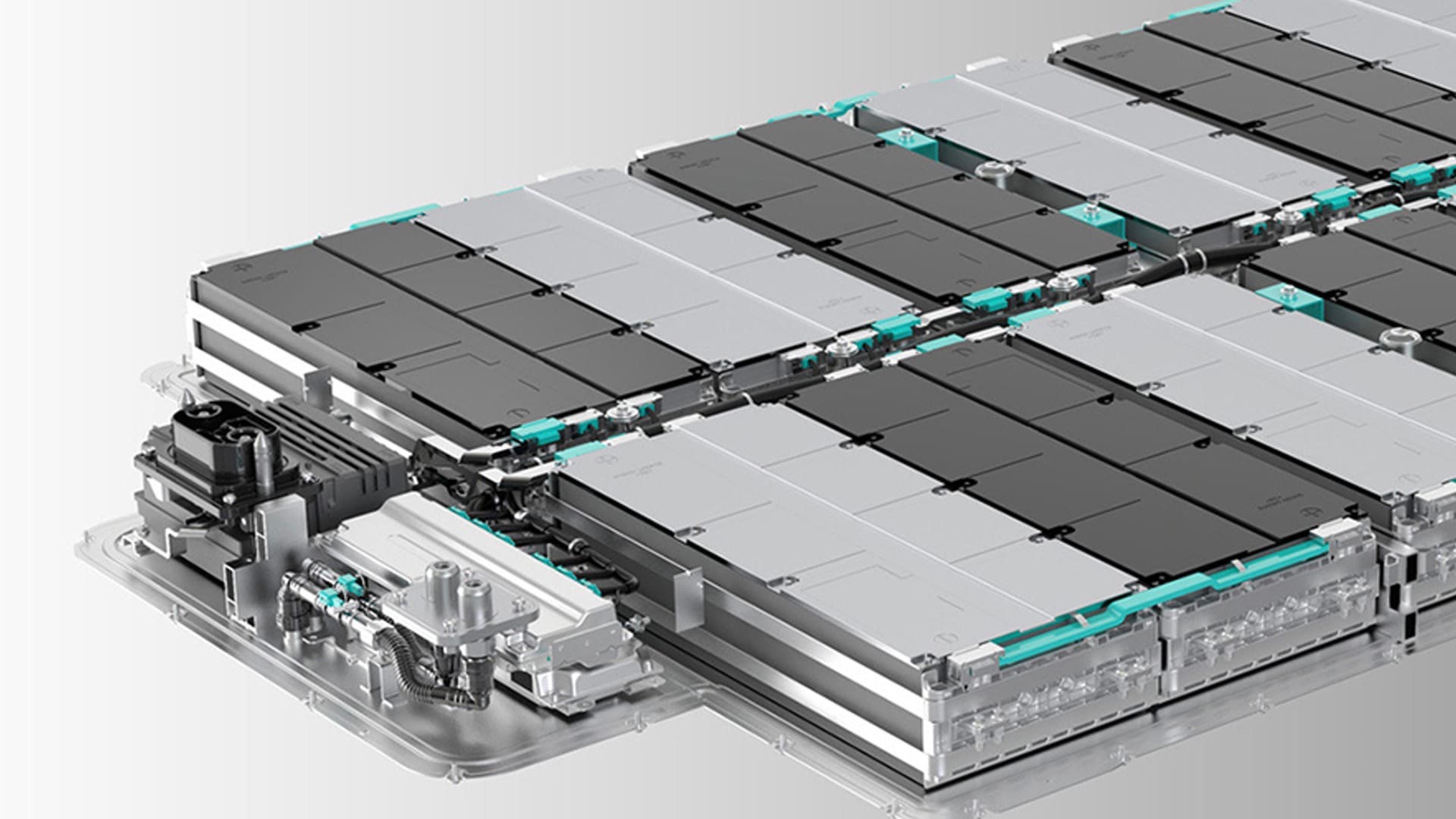
At the core of every electric vehicle is a battery pack that acts as both the energy storage system and the main source of power. Compared with an internal combustion engine setup, this battery makes up a significant portion of the vehicle’s total value.
In some cases, it can account for 25% to 40% of the vehicle’s manufacturing cost. For owners, insurers, repair shops, and automakers, this reality has fundamentally changed how vehicle ownership and repair costs are calculated.
The result is a cost structure unlike anything the automotive industry has experienced before. A damaged battery pack can turn a relatively minor collision into a major insurance claim. A battery replacement can cost more than an entire used gasoline vehicle.
Even though modern EV batteries are proving more durable than many early critics predicted, the financial implications of battery technology remain enormous.
Studies from organizations including the International Energy Agency (IEA), BloombergNEF, and major automakers consistently show that battery packs remain the single most expensive component in an electric vehicle despite years of declining production costs.
While prices have fallen dramatically over the past decade, battery packs still exist in what many industry experts describe as an entirely different cost universe compared with traditional automotive components.
Understanding why requires examining how batteries are built, what they contain, and why replacing one remains such a significant financial event.
Also Read: The Turbocharged Pickup That Out-Accelerated A Ferrari
The Battery Is Essentially The Entire Powertrain
In a gasoline vehicle, costs are distributed across multiple major systems. There is an engine, transmission, exhaust system, fuel system, cooling system, emissions equipment, and numerous supporting components. While some of these parts are expensive, their costs are spread throughout the vehicle.
Electric vehicles consolidate much of that value into a single component. The battery pack serves as the primary energy storage system and is central to virtually every aspect of vehicle operation. Without it, the vehicle cannot function.
According to the International Energy Agency, battery packs remain the most expensive component in EV manufacturing despite continuous cost reductions throughout the industry. Battery costs have fallen substantially over the past decade, but they still represent a major portion of total vehicle production expenses.
This concentration of value creates unique financial challenges. If a gasoline vehicle suffers damage to a fuel tank, repair costs may be manageable. If an EV’s battery pack is damaged, the repair bill can quickly escalate into tens of thousands of dollars.
The battery is not simply another component. In many respects, it is the vehicle’s single most valuable asset.
Raw Materials Are Incredibly Expensive
Part of the reason battery packs cost so much involves the materials used to build them. Modern lithium-ion batteries rely on carefully engineered combinations of lithium, nickel, cobalt, manganese, graphite, copper, and other materials. Each plays a critical role in energy density, durability, charging performance, and full battery life.
Mining and processing these materials is expensive. Commodity prices fluctuate constantly, creating additional uncertainty for manufacturers. During periods of supply-chain disruption or increased demand, battery-material costs can rise dramatically.
BloombergNEF research has shown that battery pack prices have declined significantly over time but remain heavily influenced by raw-material markets. While manufacturing efficiencies continue improving, material costs still represent a substantial portion of full battery expenses.
Battery materials differ from steel or aluminum in that they typically need intensive refining and processing before they can be used in automotive applications.
The result is a supply chain that is both technologically complex and financially demanding. These costs eventually find their way into the final vehicle price.
Manufacturing Batteries Is Extremely Complicated
Building a modern EV battery pack is far more complicated than assembling many traditional automotive components.
Individual battery cells must be manufactured with extraordinary precision. Small variations in chemistry, temperature control, or production quality can affect performance and longevity.
Thousands of cells are then grouped into modules and assembled into large battery packs containing sophisticated cooling systems, protective structures, sensors, and electronic management systems.
Quality control requirements are exceptionally strict. A defect inside a battery pack can have serious consequences, ranging from reduced performance to safety concerns. Manufacturers, therefore, invest heavily in production facilities, testing procedures, and monitoring systems.
Battery factories rank among the most expensive manufacturing facilities in the automotive industry.
Companies routinely spend billions of dollars building battery-production plants capable of meeting growing EV demand.
Those investments eventually influence the cost of every battery pack produced. Even as production scales increase, battery manufacturing remains one of the most capital-intensive processes in modern automotive manufacturing.
Battery Replacement Costs Can Be Shocking
Perhaps the most visible example of battery economics comes when replacement becomes necessary.
Although modern EV batteries are proving remarkably durable, replacements do occasionally occur due to damage, defects, or extreme degradation. When they do, costs can be substantial.
Depending on the vehicle, replacement battery packs may cost anywhere from several thousand dollars to well over $20,000 before labor. Luxury EVs and vehicles with larger battery capacities often sit at the higher end of that spectrum.
For consumers accustomed to conventional repair costs, these numbers can seem astonishing.
Replacing an engine in a gasoline vehicle is expensive, but battery replacement costs often rival or exceed those figures.
The situation becomes even more complex because battery packs are integrated deeply into vehicle structures. Labor costs associated with removal and installation can add significantly to total expenses.
Fortunately, outright battery replacement remains relatively uncommon. Most manufacturers provide lengthy battery warranties, often covering eight years or more. Real-world data increasingly suggests that modern battery packs degrade more slowly than many early observers feared.
Even so, the possibility of replacement highlights the unique economics surrounding EV ownership.
Insurance Companies View Batteries Differently
Battery costs have also transformed the insurance industry. In traditional vehicles, collision repairs often involve replacing body panels, bumpers, suspension components, or other parts. While expensive, these repairs are generally straightforward.
EVs introduce new considerations. Any impact near the battery pack may require extensive inspections to verify that no internal damage occurred. In some cases, even minor battery concerns can dramatically increase repair costs.
Several insurers and industry analysts have noted that battery-related repair complexity can contribute to higher claims costs for electric vehicles. The issue is not necessarily that EVs crash more often, but that battery systems require special handling and evaluation.
Repair shops frequently need specialized training and equipment to work safely around high-voltage systems. These additional requirements add cost throughout the repair process.
As EV adoption grows, insurers continue adjusting their models to account for these unique factors.
The Good News: Batteries Last Longer Than Expected
Despite the daunting costs, there is an important counterpoint. Modern EV batteries appear to be lasting much longer than many early predictions suggested.
Research from organizations such as Recurrent, Geotab, and various automakers indicates that most modern battery packs experience relatively modest degradation over time. Many retain the majority of their original capacity well beyond 100,000 miles.
This durability changes the ownership equation. If a battery pack lasts the usable life of the vehicle, replacement costs become largely theoretical for many owners. Long warranties provide additional reassurance.
Battery technology also continues to improve. Manufacturers are developing new chemistries, production methods, and thermal-management systems designed to increase longevity while reducing costs.
The industry is moving steadily toward more affordable batteries. The challenge is that even declining costs remain high relative to traditional automotive components.
Why Battery Costs Affect Used EV Values
Battery economics also strongly influence the used electric vehicle market. When assessing older EVs, buyers tend to place significant emphasis on battery condition. In contrast to a gasoline engine, which can be diagnosed and repaired piece by piece, the battery accounts for a major share of what the vehicle is still worth.
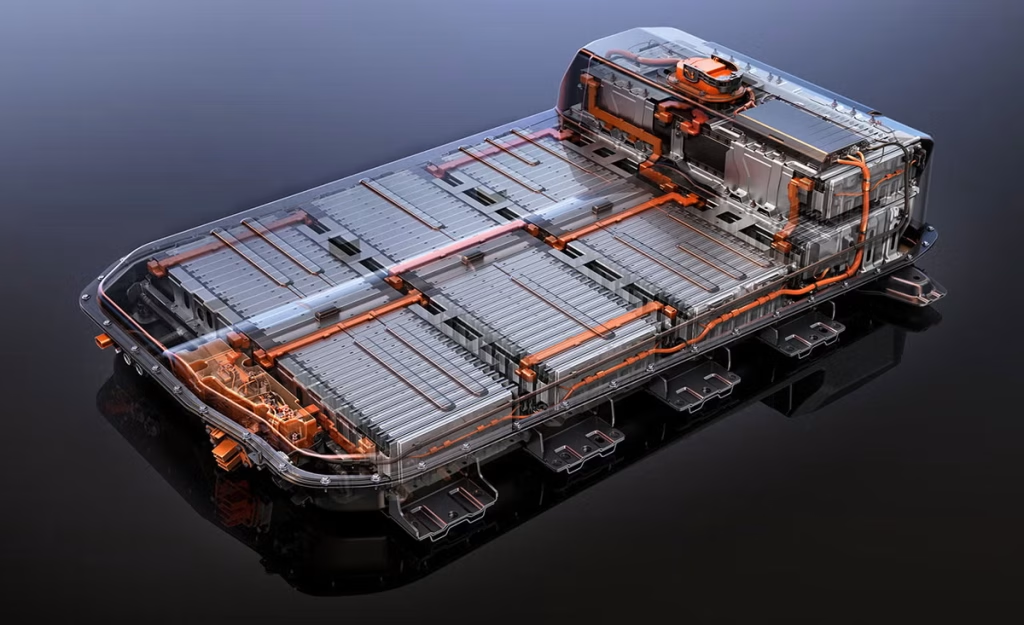
A used EV with a healthy battery may command strong resale prices. One with significant degradation may experience substantial value declines. This dynamic differs from traditional vehicles, where depreciation is influenced by many factors but rarely revolves around a single component.
Battery condition effectively becomes a measure of the vehicle’s future usefulness. As battery-health reporting becomes more transparent, this factor is likely to play an even greater role in used EV transactions.
Why EV Batteries Exist In Their Own Financial World
Electric vehicles have changed many assumptions about automotive ownership, and battery packs sit at the center of that transformation.
They are simultaneously the fuel tank, energy source, and one of the most technologically sophisticated components ever installed in a production vehicle. Their construction requires expensive materials, advanced manufacturing techniques, complex thermal-management systems, and billions of dollars in factory investments.
The result is a component whose costs operate on a completely different scale than most traditional automotive parts.
Even though battery prices have fallen dramatically over the past decade and continue trending downward, they remain the single most valuable part of an electric vehicle. Their influence extends far beyond manufacturing, affecting insurance premiums, repair procedures, resale values, and long-term ownership considerations.
The good news is that modern batteries are proving more durable than many people expected. Most owners are unlikely to need replacements, and ongoing technological improvements continue to reduce costs across the industry.
Yet even with those advances, EV battery packs remain unique. They occupy a financial category unlike anything seen in the internal-combustion era. And until a fundamentally cheaper energy-storage technology arrives, they will continue living in a cost universe entirely their own.
Also Read: The Mid-Engine Hot Hatch That Became A Supercar-Killer
