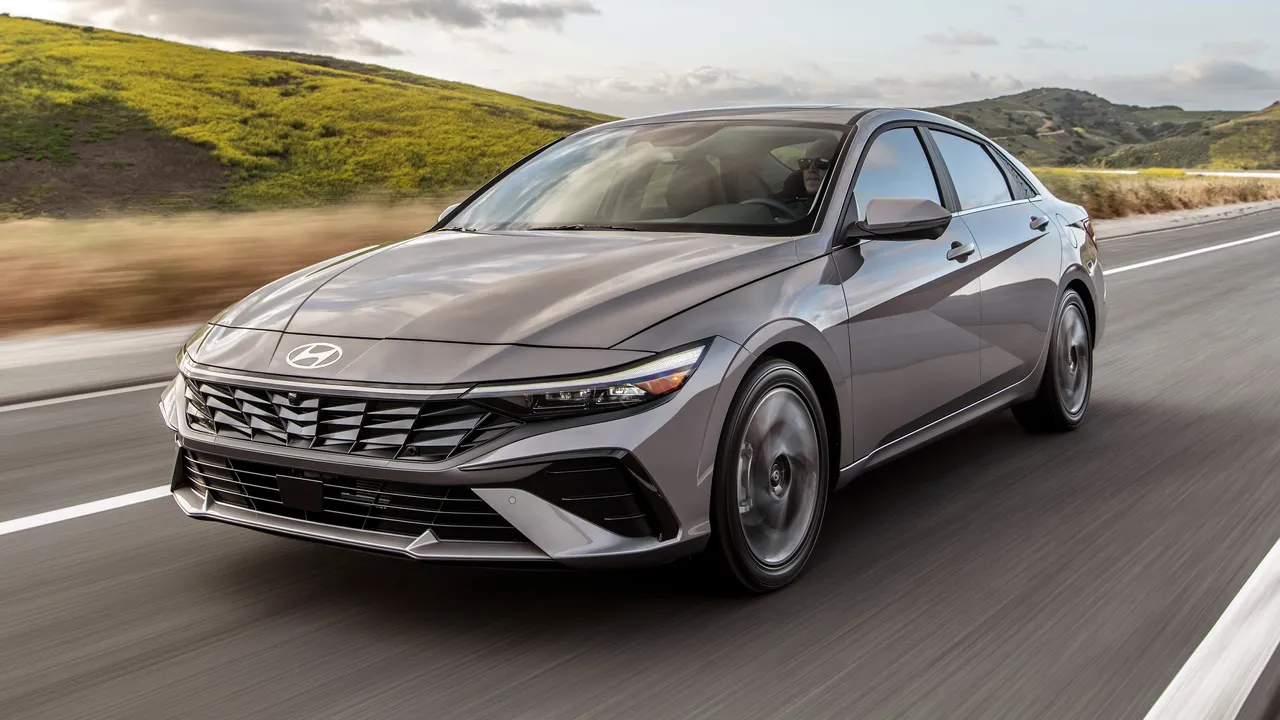
For most of the past decade, vehicle theft rankings in the United States were dominated by full-size pickup trucks, popular family sedans, and aging models with large numbers on the road. That pattern changed dramatically when a compact sedan unexpectedly became the country’s most targeted vehicle.
The Hyundai Elantra has repeatedly appeared at or near the top of theft rankings in recent years, and according to data released by the National Insurance Crime Bureau (NICB), it remained among America’s most stolen vehicles through 2025.
The story behind that statistic is not simply about criminals targeting a popular model. Instead, it reflects a unique combination of security vulnerabilities, social media influence, delayed fleet turnover, and the lingering effects of one of the most disruptive theft trends the automotive industry has seen in decades.
Many consumers assumed the problem would disappear after Hyundai introduced software updates, distributed anti-theft devices, and improved security systems. Yet theft rates remained upgraded well into 2025.
Understanding why requires looking beyond a single design flaw and examining how millions of vehicles already on the road continued to shape theft statistics years after the issue first emerged.
The Elantra’s position atop theft rankings became a case study in how modern social media trends can turn a relatively ordinary vehicle into a nationwide target.
Also Read: 8 Car Brands’ Reliability Rankings In 2016 vs 2026
The Problem Started With a Missing Security Feature
At the center of the issue was the absence of an engine immobilizer in many Hyundai and Kia vehicles sold in the United States.
An engine immobilizer is a theft-prevention system that uses a transponder chip within the vehicle’s key. Unless the correct coded signal is present, the engine cannot be started.
For years, immobilizers were standard equipment on many vehicles sold around the world. However, some Hyundai and Kia models sold in the U.S. market, including certain Elantra model years, were equipped with traditional key ignitions but lacked immobilizers.
At the time, the decision was largely viewed as a cost-saving measure. Few anticipated the consequences.
According to Hyundai, the affected vehicles complied with all federal anti-theft requirements that existed when they were manufactured. Nonetheless, the absence of immobilizers created a vulnerability that would later become widely exploited.
The flaw itself might have remained relatively obscure had it not been amplified by social media.
The “Kia Challenge” Changed Everything
The theft epidemic accelerated rapidly after videos began spreading across TikTok and other social media platforms.
Individuals associated with a group commonly referred to as the “Kia Boys” demonstrated how certain Hyundai and Kia vehicles could be started using simple tools after portions of the steering-column trim were removed. The videos quickly went viral.
Law enforcement agencies across the United States reported dramatic increases in thefts involving affected Hyundai and Kia models. According to the National Highway Traffic Safety Administration (NHTSA), some cities experienced theft increases of several hundred percent within relatively short periods.
The Hyundai Elantra became one of the primary targets. Its popularity, broad availability, and inclusion among affected model years made it particularly attractive to thieves seeking easy targets. What began as a localized trend evolved into a nationwide problem.
Millions of Vulnerable Vehicles Remained on the Road
One reason theft rates remained high through 2025 is simple mathematics. Hyundai sold enormous numbers of Elantras during the years affected by the immobilizer issue. Even after the company launched corrective measures, millions of vehicles remained in service.
According to industry registration data, many affected Elantras continued operating as daily transportation throughout the United States. Vehicle fleets change slowly.
Unlike software vulnerabilities that can sometimes be addressed instantly, automotive issues often persist for years because vehicles remain on the road for long periods. The average vehicle age in America now exceeds 12 years, according to S&P Global Mobility.
That means many affected Elantras are still being driven every day. Even as newer vehicles arrive with improved security systems, older examples remain available targets for criminals.
As a result, theft statistics continue reflecting the presence of those vulnerable vehicles.
Software Updates Helped but Did Not Eliminate the Problem
Hyundai responded aggressively once theft rates began climbing. The company introduced software upgrades designed to strengthen vehicle security, distributed steering-wheel locks through partnerships with law enforcement agencies, and launched public-awareness campaigns encouraging owners to obtain available updates.
According to Hyundai, the software modification changes vehicle-starting requirements and extends alarm duration, making theft attempts more difficult.
The updates have shown measurable success. Insurance industry studies and company statements indicate that upgraded vehicles experience lower theft rates than vehicles that have not received the software fix.
However, implementation challenges limited the program’s effectiveness. Not every owner obtained the update.
Some vehicles were no longer serviced regularly at dealerships. Others changed ownership multiple times. Many owners remained unaware of available upgrades or simply delayed scheduling appointments. As a result, a substantial number of vulnerable vehicles remained unprotected.
Criminals Often Cannot Tell Which Cars Have Been Updated.
Another factor contributing to continued theft activity involves visibility. From the outside, thieves often cannot determine whether a particular Elantra has received Hyundai’s software update.
As a result, criminals may continue targeting vehicles even when upgrades have already been installed.
Law enforcement agencies and insurance groups have noted that attempted thefts remain common because offenders frequently discover only after breaking into a vehicle that additional protections are present.
While the software update may prevent successful theft, owners still face broken windows, damaged steering columns, and costly repairs resulting from the attempt.
This phenomenon helps explain why Elantras continue appearing prominently in theft-related data even as preventive measures become more widespread.
The vehicles remain attractive targets because criminals know many vulnerable examples are still on the road.
Insurance Industry Data Highlighted the Scale of the Problem
The magnitude of the theft surge became evident through insurance claims. According to the Highway Loss Data Institute (HLDI), theft claim frequencies for certain Hyundai and Kia models increased dramatically compared with similar vehicles from competing manufacturers.
The Hyundai Elantra consistently ranked among the most affected models. Insurance companies responded by adjusting premiums in some markets. Several insurers restricted coverage options or implemented stricter underwriting standards for affected vehicles during the height of the crisis.
These actions further highlighted the severity of the problem. The situation was unusual because theft rates were not merely increasing gradually. They were dramatically outpacing historical trends for comparable vehicles.
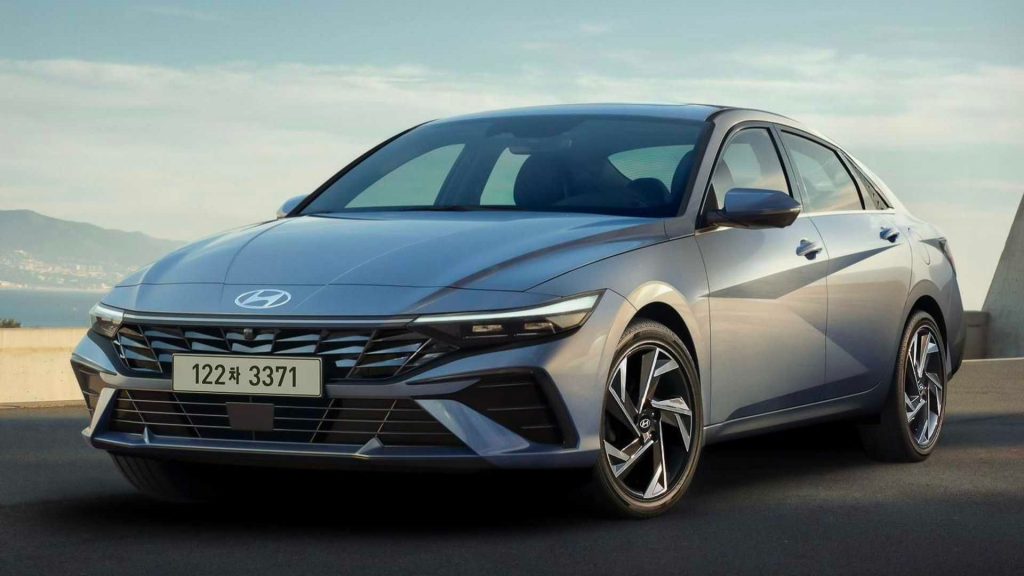
The Elantra became one of the clearest examples of how quickly a security vulnerability can reshape risk assessments across the insurance industry.
Urban Areas Experienced the Greatest Impact
While thefts occurred nationwide, certain cities experienced particularly severe increases.
Law enforcement agencies in Milwaukee, Chicago, Minneapolis, St. Louis, Denver, Seattle, and several other metropolitan areas reported substantial spikes in Hyundai and Kia thefts during the height of the trend.
According to police departments and NHTSA reports, some cities recorded increases measured in hundreds of percentage points compared with previous years. The reasons varied.
Urban environments often provide larger concentrations of affected vehicles and greater opportunities for theft. Social media trends also spread rapidly among local groups, contributing to concentrated theft activity in specific regions.
These geographic hotspots significantly influenced national theft statistics. Even as conditions improved in some areas, higher theft activity in major cities continued to affect full rankings.
Newer Elantras Are Much More Secure
One important distinction often gets overlooked in discussions about Elantra theft rates. The vehicles driving theft statistics are primarily older models.
Hyundai began equipping vehicles with immobilizers more broadly in later model years, and current-generation Elantras incorporate significantly improved security technologies.
Many new vehicles now include immobilizers, encrypted communication systems, advanced alarm functions, and connected services capable of assisting with theft recovery.
These features make modern Elantras considerably more difficult to steal than the vehicles at the center of the original controversy.
Yet theft rankings typically measure incidents involving the entire vehicle population rather than newly sold models alone.
As long as large numbers of older vehicles remain in operation, they will continue influencing the data.
Social Media Created a Lasting Legacy
Perhaps the most remarkable aspect of the Elantra theft story is how much it was shaped by social media.
Automotive theft trends have existed for decades, but previous theft waves generally spread through traditional criminal networks. The Hyundai and Kia theft surge demonstrated how quickly information can circulate in the digital era.
A technique that might once have remained localized became visible to millions of viewers almost instantly.
Even years after the original videos appeared, the reputation established during that period continues to influence criminal behavior.
Many thieves specifically associate certain Hyundai and Kia models with easy theft opportunities, regardless of whether individual vehicles have received security updates. That perception has proven difficult to reverse.
The Hyundai Elantra’s continued presence among America’s most stolen vehicles in 2025 is not the result of a single factor. Rather, it reflects the lingering effects of a security vulnerability that was amplified by social media, combined with the reality that millions of affected vehicles remain on the road.
The absence of engine immobilizers in certain model years created an opportunity. Viral videos transformed that opportunity into a nationwide theft trend.
Although Hyundai introduced software upgrades, anti-theft devices, and improved security measures, implementation has taken time, and many vulnerable vehicles remain in circulation.
Compounding the issue, thieves often cannot distinguish between updated and non-updated vehicles, leading to continued theft attempts even when protections have been installed.
Newer Hyundai Elantras are significantly more secure than the models that fueled the crisis. Yet theft rankings are shaped by the vehicles already on the road, not just those being sold today.
Until the affected fleet gradually ages out of service, the Elantra’s theft statistics will continue serving as a reminder of how a seemingly small security decision, amplified by social media, can reshape an entire vehicle’s reputation for years.
Also Read: 9 Best Motorcycles for Riders Under 5’8″