
When people think about electric vehicle maintenance, they usually focus on the large high-voltage battery pack that powers the car. It is the most expensive component in an EV and often the subject of discussions about long-term ownership costs.
Surprisingly, however, one of the most common reasons an electric vehicle refuses to start has nothing to do with its massive lithium-ion battery. Instead, the culprit is often the small 12-volt battery sitting under the hood or in the trunk.
Just like gasoline-powered cars, nearly every modern electric vehicle still relies on a traditional low-voltage battery to operate essential electronics. When that battery fails, the vehicle may not unlock, power on, or even allow access to the high-voltage battery that actually drives the car.
Many first-time EV owners are surprised to learn that replacing this seemingly ordinary battery can cost considerably more than replacing the same component in a conventional vehicle.
The good news is that the expense is nowhere near the cost of replacing an EV’s main battery pack. Still, understanding why prices vary and what owners can expect helps eliminate much of the confusion surrounding electric vehicle maintenance.
Also Read: 8 Vehicle Recalls From 2026 You Should Never Ignore
Why Does an EV Even Need a 12-Volt Battery?
It may seem unnecessary for an electric vehicle to carry two separate batteries, but each serves a very different purpose.
The high-voltage battery powers:
- Electric motors
- High-voltage heating systems
- Air conditioning compressors
- Fast charging
- Regenerative braking
The 12-volt battery, meanwhile, operates the following:
- Door locks
- Interior lighting
- Infotainment system
- Instrument cluster
- Exterior lighting
- Safety systems
- Power windows
- Airbags
- Electronic control modules
Perhaps most importantly, the 12-volt battery powers the electronics that activate the vehicle’s high-voltage system. Without it, the main battery cannot safely connect to the rest of the vehicle.
In simple terms, even if the large battery is fully charged, a dead 12-volt battery can leave the vehicle completely inoperable.
Most EVs Still Use Familiar Battery Technology
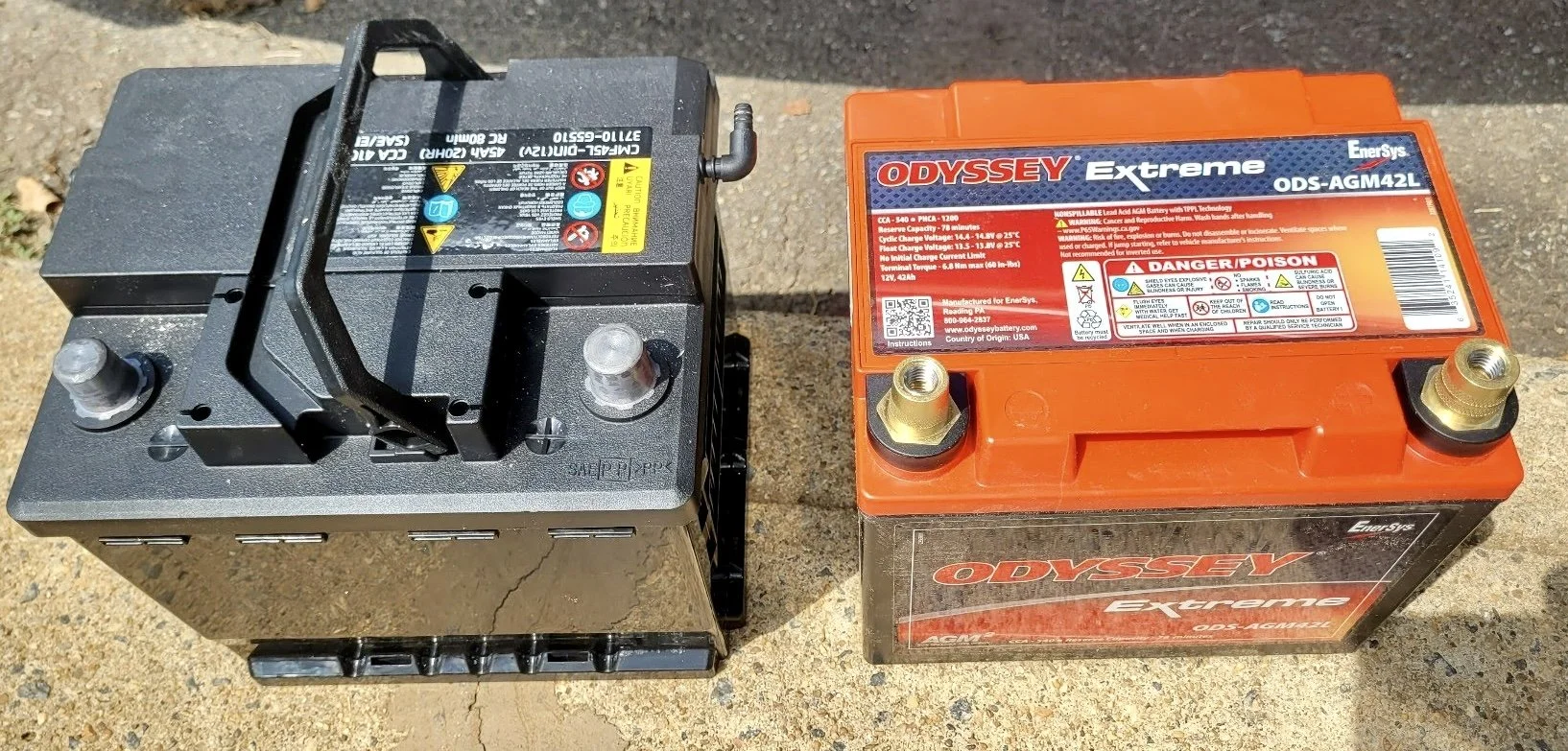
Many people assume electric vehicles use a unique low-voltage battery. In reality, many EVs still rely on familiar lead-acid absorbed glass mat (AGM) batteries similar to those found in gasoline-powered vehicles.
Examples include earlier versions of:
- Tesla Model 3
- Tesla Model Y
- Nissan Leaf
- Chevrolet Bolt EV
- Hyundai Kona Electric
- Kia Niro EV
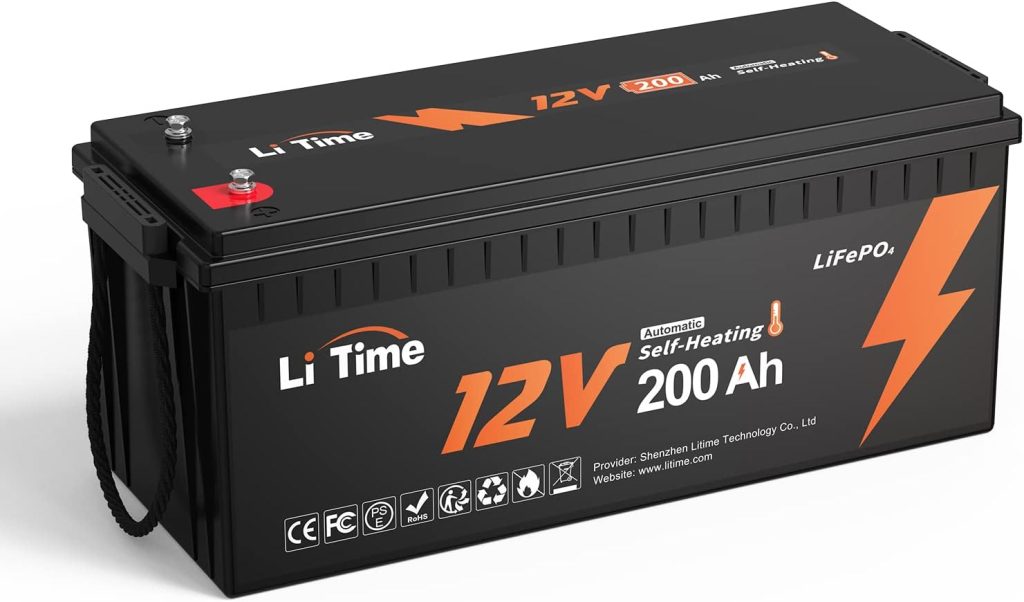
However, a growing number of manufacturers are switching to 12-volt lithium-ion batteries. Tesla began introducing lithium-ion auxiliary batteries on newer Model 3 and Model Y vehicles, while several premium manufacturers are adopting similar systems because they weigh less, last longer, and tolerate deeper discharge cycles. The battery type significantly affects replacement cost.
How Much Does Replacement Usually Cost?
For most electric vehicles equipped with a traditional AGM battery, owners can generally expect total replacement costs between $180 and $450, including parts and labor.
The breakdown often looks like this:
- Battery: $120 to $300
- Labor: $60 to $150
Premium vehicles or models requiring extensive disassembly may exceed these estimates. Vehicles equipped with lithium-ion 12-volt batteries typically cost more.
Replacement prices often range from $300 to $700, depending on the manufacturer and battery design.
Although these batteries are more expensive initially, they generally offer a longer service life than conventional lead-acid units.
Why EV Battery Replacement Costs More
At first glance, replacing a small battery should be simple. However, several factors increase costs compared with those of many gasoline vehicles.
Battery Registration: Many EVs require technicians to electronically register the new battery using factory diagnostic equipment.
This allows the battery management system to recognize the replacement and properly control charging. Skipping this step may reduce battery life or trigger warning messages.
Limited Access: Unlike traditional cars, where the battery sits openly beneath the hood, some EVs place the 12-volt battery in less accessible locations.
It may be hidden:
- Beneath trim panels
- Inside the trunk
- Under the rear seat
- Below the front storage compartments
Additional labor increases the replacement cost.
Specialized Components: Some EV manufacturers use batteries designed specifically for their vehicles.
Unlike standard automotive batteries available at most parts stores, these units may need to be ordered directly through dealerships. Lower production volume generally means higher pricing.
How Long Does an EV 12-Volt Battery Last?
Service life varies depending on climate, usage, and battery type. Typical averages are the following:
- Lead-acid AGM: 3 to 5 years
- Lithium-ion: 6 to 10 years
Extreme temperatures shorten battery life. Very hot climates accelerate chemical aging. Cold weather increases electrical demand while reducing battery performance.
Frequent short trips, long periods of inactivity, and repeated deep discharges can also reduce lifespan.
Warning Signs Before Failure
Unlike the high-voltage battery, the 12-volt battery often gives several warning signs before failing.
Owners may notice:
- Slow infotainment startup
- Flickering displays
- Warning messages
- Difficulty unlocking doors
- Random electronic resets
- Failure to enter Drive mode
- Weak interior lighting
Some vehicles display specific low-voltage battery warnings through the instrument cluster or smartphone app. Ignoring these warnings can eventually leave the vehicle unable to start.
Can You Replace It Yourself?
The answer depends on the vehicle. Some EVs allow straightforward replacement similar to a conventional automobile.
Others require diagnostic software after installation. DIY replacement is generally easier when:
- The battery is easily accessible.
- No electronic programming is required.
- The replacement battery matches factory specifications.
Professional replacement is often recommended for vehicles requiring battery registration or software initialization.
Incorrect installation may generate fault codes or disable certain electronic systems.
Does the Warranty Cover the Battery?
Usually not for very long. Most manufacturers treat the 12-volt battery as a wear-and-tear component rather than as part of the high-voltage propulsion system.
Coverage typically ranges from 2 to 4 years, depending on the manufacturer. This differs significantly from the main traction battery, which commonly carries warranties lasting 8 years or 100,000 miles, with some manufacturers offering even longer coverage.
Owners should review warranty documentation carefully because coverage varies between brands.
Why the High-Voltage Battery Cannot Prevent Failure
Many new EV owners assume the large battery should automatically recharge the 12-volt battery indefinitely.
While it does recharge the auxiliary battery during normal operation, the smaller battery still ages chemically.
Over time:
- Internal resistance increases.
- Capacity declines.
- Voltage drops more rapidly.
Eventually, the battery reaches a point where it can no longer reliably power the vehicle’s electronics, regardless of how full the main battery remains.
In other words, the large battery depends on the smaller one just as much as the smaller battery depends on the larger one.
Can Preventive Maintenance Help?
Yes.
Several habits can extend battery life:
- Drive the vehicle regularly.
- Install software updates promptly.
- Avoid leaving accessories on unnecessarily.
- Address warning messages quickly.
- Store the vehicle according to the manufacturer’s recommendations.
Owners leaving an EV parked for several weeks should follow the manufacturer’s storage procedures, as prolonged inactivity can accelerate auxiliary battery discharge.
Some manufacturers also improve charging strategies through software updates that help maintain healthier 12-volt battery voltage.
Will EVs Eventually Eliminate the 12-Volt Battery?
Not immediately.
Although some manufacturers have discussed moving toward higher-voltage accessory systems such as 48-volt architectures, today’s automotive industry still relies heavily on components designed around 12-volt electrical systems.
Lighting, safety equipment, control modules, and numerous electronic accessories remain standardized around that voltage.
Completely redesigning every automotive electrical component would require an enormous industry-wide investment.
For that reason, 12-volt batteries are likely to remain part of electric vehicles for many years.
The biggest change will probably involve wider adoption of lithium-ion auxiliary batteries rather than eliminating them.
Is Replacement More Expensive Than on a Gasoline Car?
Generally, yes.
A comparable gasoline-powered vehicle often requires $150 to $300 for battery replacement.
Electric vehicles usually fall between $180 and $450, with lithium-equipped models sometimes reaching $700.
The difference reflects additional programming requirements, specialized battery designs, and lower production volumes rather than dramatically different battery technology.
Although owners pay somewhat more, the cost remains minor compared with virtually any repair involving the high-voltage battery pack.
Replacing an electric vehicle’s 12-volt battery is far less expensive than replacing the main traction battery, but it still costs more than many owners expect.
Most EVs require between $180 and $450 for a traditional AGM battery replacement, while vehicles equipped with newer lithium-ion auxiliary batteries may cost $300 to $700, depending on the model and installation requirements.
Despite its relatively small size, the 12-volt battery remains one of the most important components in an electric vehicle. It powers the electronics that allow the high-voltage battery to function, meaning a failed auxiliary battery can leave an otherwise fully charged EV completely immobile.
Understanding its role, expected lifespan, and replacement cost helps owners avoid unexpected surprises and reinforces that even the most advanced electric vehicles still depend on some very familiar automotive technology.
Also Read: 8 Pickup Trucks That Barely Lose Value After Five Years
