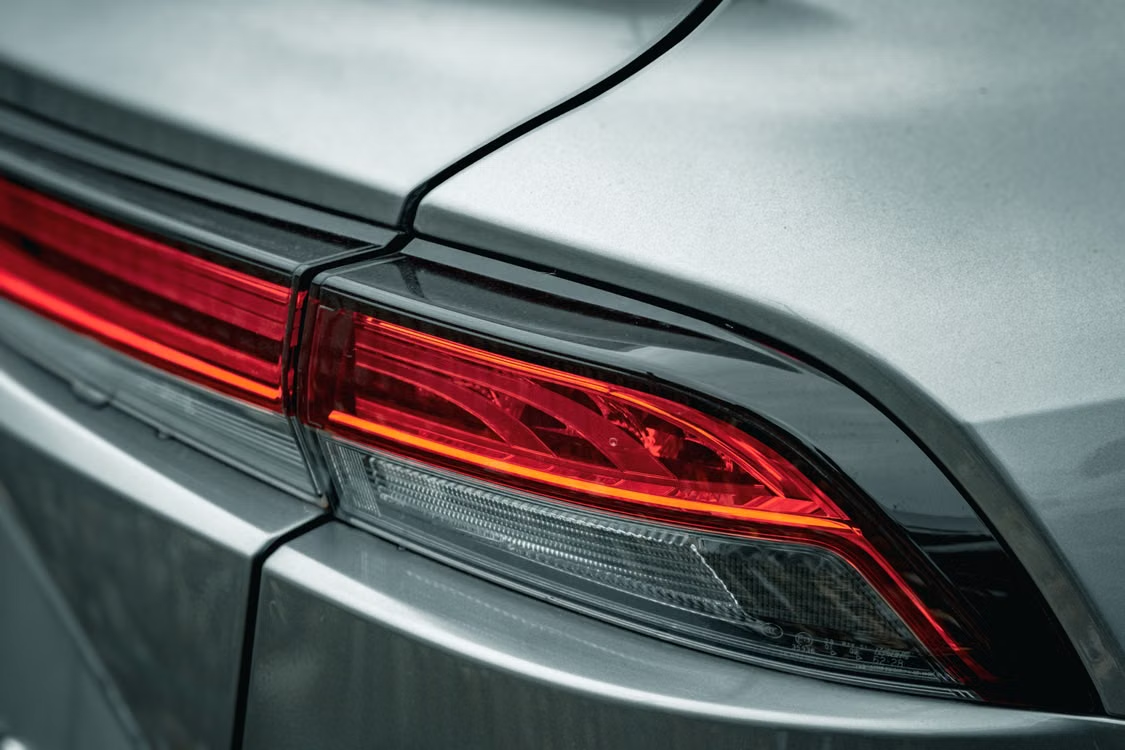
Not long ago, replacing a broken taillight was one of the simplest and least expensive repairs a vehicle owner could face. If a bulb burned out or the lens cracked, the fix often involved spending less than $20 on a replacement bulb or a few hundred dollars for an entire housing. Today, that has changed dramatically.
Modern vehicles increasingly use sealed LED taillight assemblies packed with advanced electronics, intricate lighting designs, and sophisticated safety technology. As a result, what was once a minor repair can now cost hundreds or even thousands of dollars.
Automakers have embraced LED lighting because it is brighter, more energy-efficient, and lasts significantly longer than traditional halogen bulbs. Designers also use LEDs to create distinctive lighting signatures that help define a brand’s identity.
However, these benefits come with higher replacement costs because the LEDs are usually integrated into a complete assembly rather than being replaceable individually.
For owners, understanding why modern LED taillights are so expensive can help explain repair estimates that often seem surprisingly high after even a minor collision or parking lot accident.
Also Read: 10 Nameplates That Have Been Discontinued Twice
Modern LED taillights are far more complex than older designs.
A traditional taillight consisted of a plastic housing, a few replaceable bulbs, and basic wiring. Today’s LED assemblies are completely different.
A modern taillight may contain multiple LED circuits, electronic control boards, light guides, heat sinks, sensors, wiring connectors, and precisely engineered lenses. Many also feature animated lighting sequences, sequential turn signals, welcome lighting, adaptive brake lights, and illuminated brand logos.
Rather than replacing a single bulb, technicians usually replace the entire sealed assembly when one component fails. That design greatly improves reliability but also increases repair costs.
Average Replacement Costs
Replacement prices vary considerably depending on the vehicle. For most mainstream sedans, crossovers, and SUVs, a single LED taillight assembly typically costs between $400 and $1,000, including installation.
Pickup trucks and premium SUVs often range from $800 to $1,500 per side. Luxury brands such as BMW, Mercedes-Benz, Audi, Porsche, and Land Rover frequently exceed $2,000 for one complete assembly, while certain high-end performance or exotic vehicles can cost $3,000 or more for a single taillight.
If both sides require replacement after a collision, the total repair bill can increase substantially.
Why the Parts Are So Expensive
The biggest reason for higher prices is the technology inside the housing. Unlike older taillights, modern LED units contain permanently mounted lighting modules rather than simple bulbs.
Manufacturers also integrate electronic control circuits that regulate brightness, monitor system health, and communicate with the vehicle’s lighting control module.
Many assemblies are produced as sealed units to improve durability and prevent moisture intrusion. While this design increases long-term reliability, it also means that a failed LED or damaged circuit often requires replacing the entire assembly instead of repairing a single component.
Styling Plays a Major Role
Lighting has become one of the defining elements of modern automotive design. Manufacturers spend years developing unique LED patterns that allow buyers to recognize a vehicle instantly, even at night.
Full-width light bars, three-dimensional lenses, sequential turn signals, and illuminated logos have become increasingly common across the industry.
Producing these complex designs requires custom molds, specialized optics, and precision manufacturing processes, all of which increase production costs. As a result, replacement parts remain significantly more expensive than traditional taillights.
Labor Costs Are Usually Moderate
Installing a taillight is generally less labor-intensive than replacing a headlight or panoramic sunroof. Many assemblies can be accessed from inside the trunk or cargo area after removing interior trim panels. On most vehicles, labor requires between one and two hours.
However, some luxury vehicles require additional body panel removal or electronic programming after installation, increasing labor costs.
If collision damage extends beyond the taillight itself, repairs can become much more expensive because surrounding body panels, sensors, or wiring may also require replacement.
Electronics Often Require Programming
Many modern lighting systems communicate directly with the vehicle’s electronic control modules.
After installation, technicians may need to program or initialize the new assembly using the manufacturer’s diagnostic equipment. Programming ensures the taillight communicates correctly with features such as the following:
Adaptive lighting systems, automatic brightness adjustment, blind-spot monitoring indicators, rear fog lights, and vehicle security functions.
Without proper programming, warning messages or lighting faults may appear even after the new assembly has been installed.
Minor Damage Can Require Full Replacement
One of the biggest frustrations for owners is that relatively minor damage often requires replacing the entire unit. A small crack in the outer lens can allow moisture to enter the sealed housing.
Once water reaches the internal electronics, corrosion may develop quickly, eventually causing LED failures or communication problems.
Because manufacturers generally do not sell the lens separately, replacing the complete assembly becomes the recommended repair even if the lighting system still functions.
Insurance Often Covers Collision Damage
LED taillight replacements frequently occur after low-speed accidents. Backing into a pole, being struck in a parking lot, or suffering a rear-end collision can easily damage the assembly.
If the damage results from a covered accident, collision insurance usually pays for replacement after the policy deductible has been met.
Comprehensive insurance may also apply if the damage results from vandalism, falling objects, or certain weather-related incidents.
Mechanical failures caused by age or manufacturing defects, however, are generally handled through the vehicle’s warranty rather than auto insurance.
Aftermarket Parts Can Reduce Costs
Owners are not always limited to original manufacturer parts. Aftermarket LED taillights are available for many popular vehicles and often cost considerably less than factory replacements.
Some offer similar appearance and performance, while others prioritize affordability over exact factory specifications.
Quality varies widely between manufacturers, so buyers should ensure any replacement complies with local lighting regulations and maintains proper brightness and visibility.
In some cases, insurance companies may approve aftermarket components as part of a repair claim.
Advanced Safety Features Add More Complexity
Modern taillights increasingly serve functions beyond simple illumination. Depending on the vehicle, they may incorporate the following:
Rear parking sensors, blind-spot monitoring indicators, rear cross-traffic alert displays, adaptive brake lighting, emergency flashing functions, and communication with advanced driver-assistance systems.
Integrating these features into the lighting assembly reduces the number of separate components on the vehicle but also increases replacement costs when damage occurs.
As vehicles continue adopting more advanced safety technologies, lighting assemblies are expected to become even more sophisticated.
Can LED Taillights Be Repaired?
In limited situations, yes.
If the damage involves only an external mounting bracket or wiring connector, repair may be possible without replacing the entire assembly.
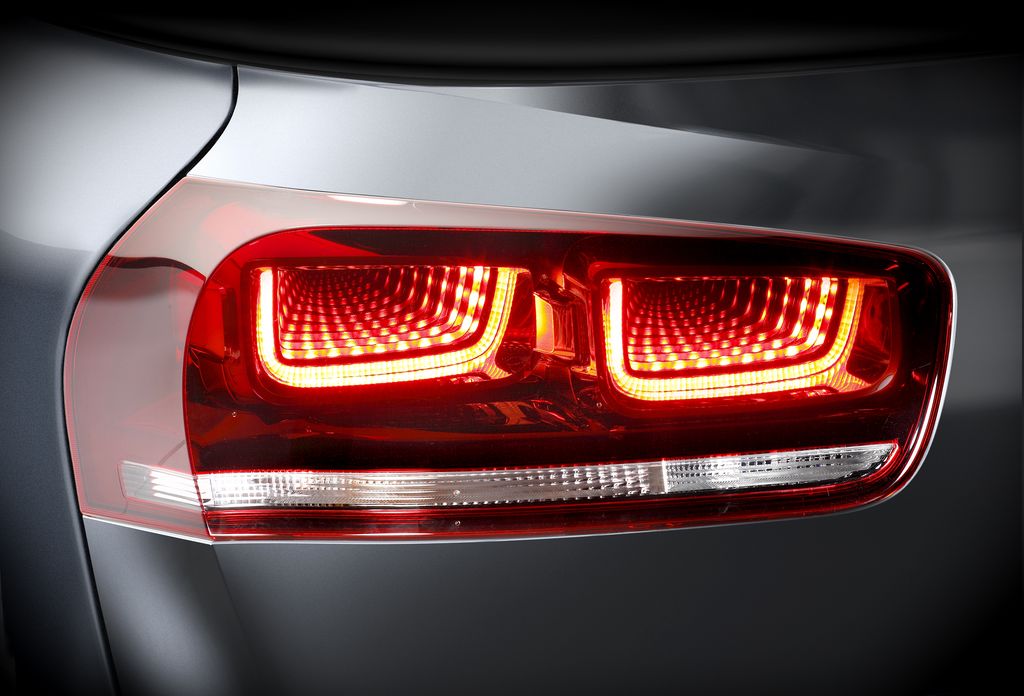
Specialized electronic repair companies can sometimes repair failed LED circuit boards, although these services are generally uncommon and not recommended by most manufacturers.
For factory-approved repairs, dealerships almost always replace the complete assembly to ensure proper performance, weather sealing, and warranty compliance.
Will Costs Continue to Increase?
Probably.
Automotive lighting technology continues advancing rapidly. New vehicles increasingly feature the following:
Animated lighting sequences, digital OLED technology, full-width rear light bars, customizable welcome displays, and communication lighting capable of displaying warning signals to other drivers.
While these innovations improve safety and create distinctive styling, they also increase manufacturing complexity.
Future replacement costs are therefore likely to remain significantly higher than those associated with older bulb-based lighting systems.
Is Replacement Worth the Cost?
For newer vehicles, replacing a damaged LED taillight is almost always worthwhile. The assembly is an essential safety component, and driving with damaged rear lighting may violate traffic regulations while reducing visibility to other drivers.
Owners of older vehicles should compare the repair cost with the vehicle’s market value, particularly if multiple components have been damaged in a collision.
In many cases, insurance coverage helps offset the expense, making replacement the most practical option.
Replacing a modern LED taillight assembly is far more expensive than replacing the simple bulb-based taillights found on older vehicles. What once cost only a few dollars can now require $400 or more, or up to $2,000 for a single assembly, depending on the vehicle.
Advanced electronics, distinctive lighting designs, sealed construction, and integrated safety technology have transformed taillights into sophisticated components that are both more reliable and considerably more expensive to repair.
Although the higher cost can be surprising, modern LED taillights deliver better visibility, longer service life, lower energy consumption, and unique styling that has become an important part of vehicle design.
As automotive lighting technology continues to evolve, owners should expect replacement costs to remain higher than in the past, making proper insurance coverage and careful driving more important than ever.
Also Read: 10 Cars Where Remote Features Stop Working Without a Subscription