
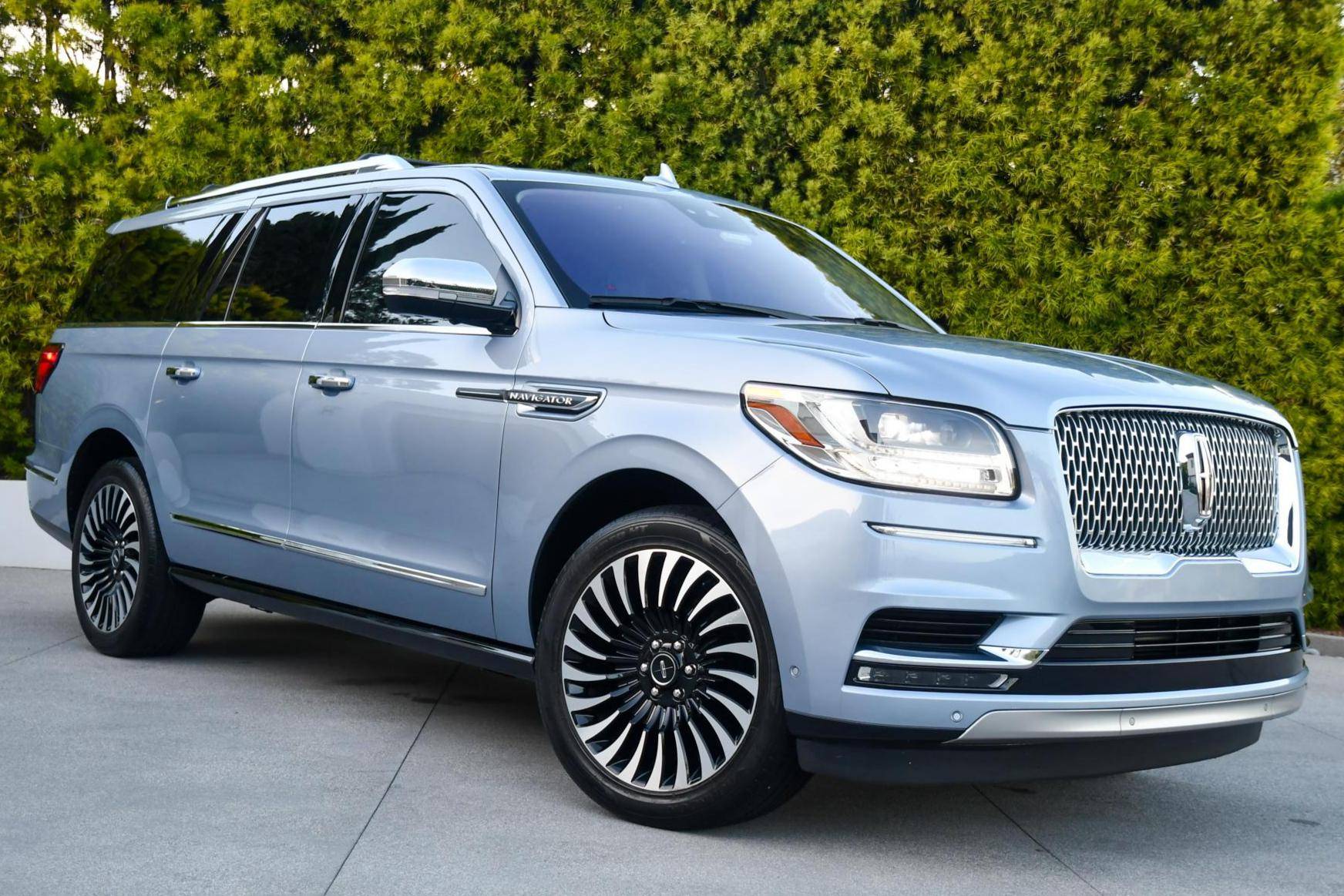
Vehicle size can make a major difference in a severe crash, and one of the clearest examples comes from the Insurance Institute for Highway Safety. In its study of driver death rates for 2017 and equivalent models, IIHS found that very large SUVs averaged just 15 driver deaths per million registered vehicle years. Minicars averaged 82, more than five times the rate of the largest SUVs.
The figures were based on deaths during 2015 through 2018 and were adjusted for driver age and gender. IIHS used registered vehicle years to account for differences in the number of each model on the road.
The average death rate across all 2017 models in the study was 36 per million registered vehicle years, making the 15 recorded for very large SUVs particularly striking.
The comparison needs accurate context. The 15 and 82 figures are not newly calculated 2026 fatality rates. They come from an IIHS report published in 2020 using 2017-model data.
Still, the study remains an important demonstration of the relationship between vehicle size and driver survival. IIHS continues to tell safety shoppers that larger, heavier vehicles generally provide more protection than smaller, lighter ones.
Why Large SUVs Hold a Major Advantage in Severe Crashes
IIHS explains the size advantage by starting with the distance between the front of a vehicle and its occupant compartment. During a frontal crash, the structure ahead of the passenger cabin is designed to crumple. Controlled deformation absorbs energy and helps reduce the forces reaching the people inside.
A large SUV generally has more physical space available for this process than a minicar. Engineers can build a small car with a strong passenger cell, effective airbags, and advanced seat belts, but they cannot create the same amount of crush space without increasing the vehicle’s dimensions. In a high-energy impact, those extra inches of deformable structure can matter.
Weight becomes especially important when two vehicles collide. IIHS notes that the heavier vehicle typically pushes the lighter one backward during the impact. The heavier vehicle experiences a smaller change in velocity, while occupants in the lighter vehicle experience greater forces.
This is one reason a small car can earn strong crash-test ratings for its class and still face a disadvantage when it collides with a much heavier SUV.
The 2017-model death-rate study showed that pattern clearly. Fifteen of the 20 vehicles with the highest driver death rates were minicars or small cars.
The Ford Fiesta sedan had the highest model-specific rate at 141 driver deaths per million registered vehicle years. The Hyundai Accent sedan recorded 116, and the Chevrolet Sonic sedan was at 98.
Very large SUVs sat at the other end of the category comparison with a rate of 15. Large SUVs recorded 20 driver deaths per million registered vehicle years, while midsize four-wheel-drive SUVs were at 18.
The results were not perfectly linear across every class and configuration because real-world death rates are also affected by driver behavior and crash exposure. The broad size pattern, however, was difficult to miss.
SUV safety has also changed significantly over time. Older sport utility vehicles had a serious rollover problem. Their higher centers of gravity made them more vulnerable to losing control and rolling during certain emergency maneuvers. That weakness once reduced some of the safety benefits provided by their size and weight.
Electronic stability control helped change the picture. The technology can detect when a vehicle is not traveling in the direction intended by the driver and selectively brake individual wheels to help restore control. IIHS research has credited electronic stability control with major reductions in fatal single-vehicle crash risk, particularly for SUVs.
The more meaningful finding was the category-wide gap. Very large SUVs, at 15 deaths per million registered vehicle years, were at the lowest end, while minicars, at 82, were at the highest. The result demonstrated the physical challenge faced by the smallest vehicles on roads increasingly populated by SUVs and pickups.
Bigger Is Safer for Occupants, but the Benefit Has Limits
The study found that adding weight to unusually light vehicles could produce a substantial safety benefit. For cars below the fleet average weight, which was about 4,000 pounds in the analysis, an additional 500 pounds was associated with 17 fewer driver deaths per million registered vehicle years. The same increase was associated with only one additional death among drivers of crash-partner vehicles.
Once vehicles were already heavier than the fleet average, the safety gains became much smaller. IIHS found no evidence that making SUVs above the average weight even heavier reduced their drivers’ death rates.
For pickups above the average, another 500 pounds was associated with only one fewer driver death but seven additional deaths among crash-partner drivers.
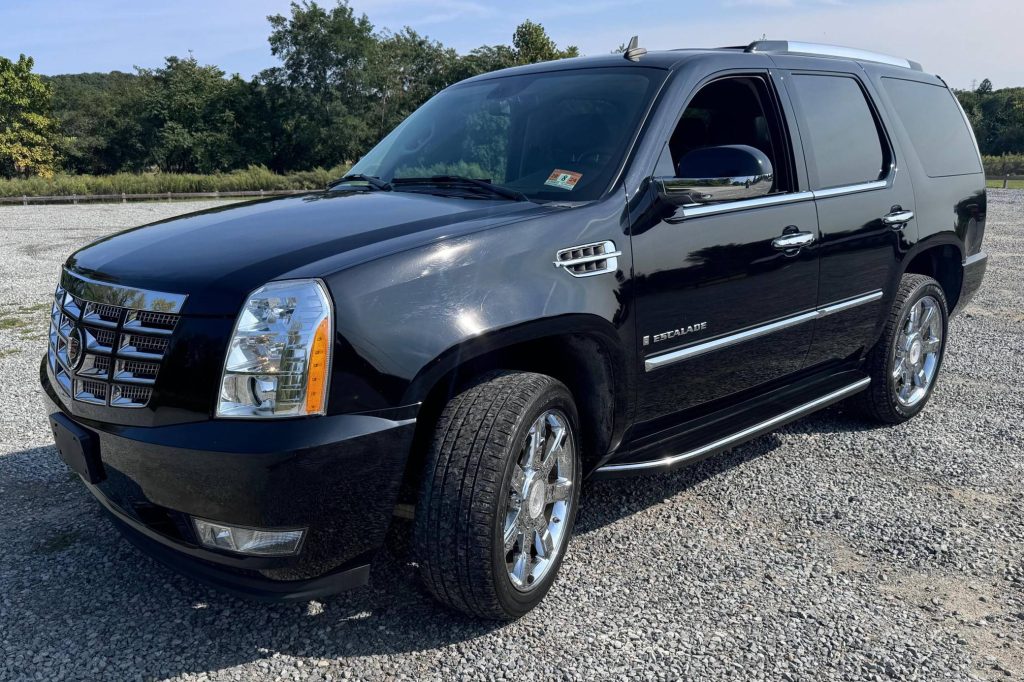
Even so, extreme differences in mass remain important. When a 3,000-pound car collides with a vehicle weighing well above 5,000 pounds, the lighter vehicle faces a physical disadvantage that airbags and strong structures cannot completely eliminate.
The Lowest Death Rate Does Not Make Every Large SUV Equally Safe
Crash-test results therefore remain important for individual buyers. IIHS’s current Top Safety Pick program evaluates specific models rather than assuming every SUV provides equal protection.
The institute also states that its awards identify the best choices within size categories and warns that a small award-winning vehicle might not protect occupants as well as a larger vehicle because size and weight matter.
Modern testing has become tougher. IIHS updated its moderate overlap evaluation to examine rear-seat protection and introduced a heavier, faster barrier for its updated side crash test. These changes are especially relevant to SUVs, which are often purchased by families carrying passengers in both seating rows.
Crash-avoidance technology adds another factor that the older 2017-model death-rate study cannot fully represent for today’s vehicles.
Automatic emergency braking has become much more common, while pedestrian detection, blind-spot monitoring, and lane departure prevention have improved. Preventing a crash or reducing impact speed can be as important as protecting occupants after the collision begins.
For that reason, the 15-versus-82 statistic should be used carefully. It is accurate to say that IIHS found very large SUVs had the lowest category driver death rate in its 2017-model analysis, at 15 deaths per million registered vehicle years, compared with 82 for minicars. It is inaccurate to present those numbers as a universal guarantee or a fresh 2026 calculation.
The study’s central lesson remains powerful. Fifteen of the 20 models with the highest driver death rates were minicars or small cars, while the very largest SUVs produced the lowest average category rate. Size, mass, and crush space gave their occupants a significant advantage in serious real-world crashes.
At the same time, IIHS’s newer weight research shows that the safety benefit of adding mass eventually reaches a ceiling. Making already-heavy SUVs even heavier offers little additional protection and can increase risks for people in other vehicles.
For buyers, the strongest safety strategy is not simply choosing the biggest SUV in a dealership. Vehicle size should be considered alongside current crash-test performance, rear-seat protection, and crash-avoidance systems.
Yet the death-rate data leaves little doubt about one point: in a severe collision, occupants of extremely small vehicles face physical disadvantages that engineers cannot completely erase.
Very large SUVs, averaging 15 driver deaths per million registered vehicle years versus 82 for minicars, remain one of IIHS’s clearest demonstrations of that reality.
Modern safety technology continues to improve across the market, but the basic physics of size and weight still have a powerful influence on who survives a serious crash.
Also Read: 10 Most Popular Car Brands That Are Owned By A Single Company
