
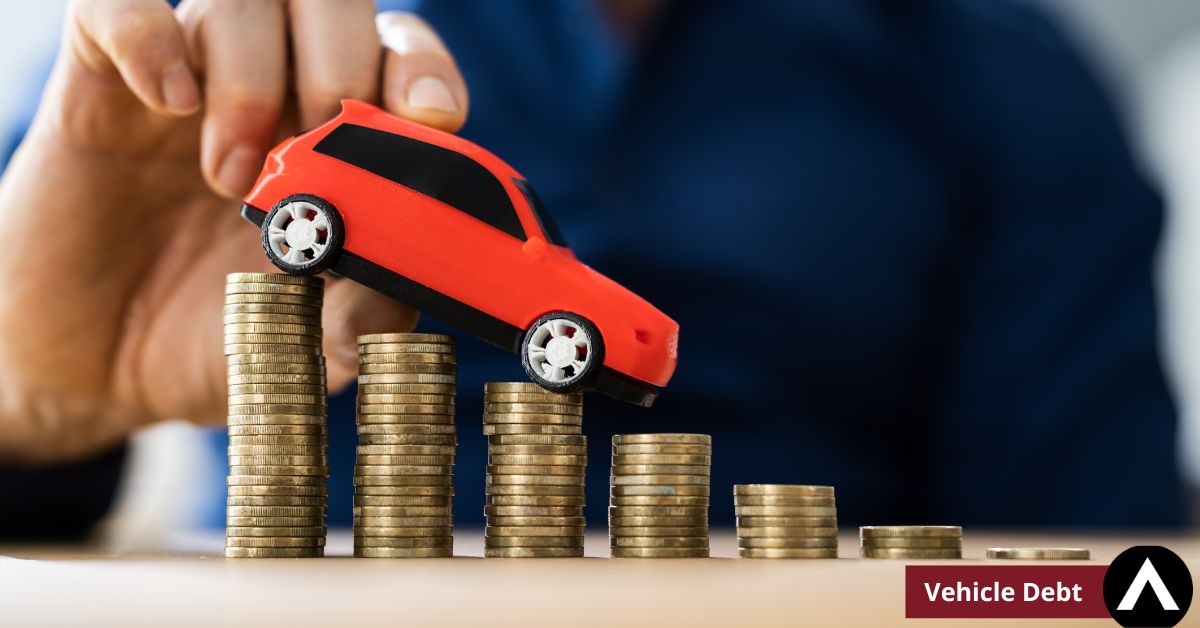
For many Americans, trading in a vehicle before paying off the existing loan has become increasingly common. While the practice can make it easier to drive away in a newer vehicle, it often comes with a significant financial consequence: rolling negative equity into the next loan.
Negative equity occurs when a borrower owes more on a vehicle than it is currently worth. Instead of paying the difference out of pocket, many buyers choose to add that unpaid balance to the financing for their next vehicle.
Although this lowers the upfront cash needed to complete the purchase, it increases the size of the new loan, resulting in higher monthly payments, more interest charges, and longer repayment periods.
The financial impact is becoming increasingly severe. According to Edmunds, buyers who rolled negative equity into a new vehicle loan paid an average monthly payment of $932 during the first quarter of 2026.
That is $159 higher than the average monthly payment for all new-vehicle buyers, highlighting just how expensive carrying old debt into a new loan has become. CNBC first reported on the Edmunds findings, which also showed that more Americans are entering new loans while already owing money on their previous vehicles.
The numbers illustrate a growing affordability challenge across the U.S. auto market, where rising vehicle prices, higher interest rates, and longer loan terms continue to reshape how consumers finance their purchases.
Also Read: 10 Cars That Are Getting A Complete Redesign for 2027
Rolling Debt Creates a More Expensive Loan
Negative equity is not a new concept, but it has become far more common as vehicle prices climbed sharply during and after the pandemic.
Imagine a buyer who still owes $7,000 on a current vehicle after its market value has fallen below the remaining loan balance. Instead of paying that amount before purchasing another car, the dealership includes the unpaid balance in the financing for the replacement vehicle.
If the new vehicle costs $45,000, the buyer is effectively financing $52,000 before taxes, fees, and interest. The result is a much larger loan than the value of the new vehicle alone.
According to Edmunds, the average buyer carrying negative equity financed $55,970 in the first quarter of 2026. The average amount of negative equity itself reached $7,183, the highest ever recorded for a first quarter and 42% higher than five years earlier.
Those larger loan balances naturally produce larger monthly payments. Edmunds found that buyers rolling negative equity into a new purchase averaged $932 per month, compared with the full market average payment of approximately $773.
That $159 difference adds nearly $1,900 in additional payments every year, even before considering the extra interest paid over the life of the loan.
For many households, that increase can strain already tight budgets as insurance premiums, maintenance costs, and fuel prices also remain high.
Longer Loan Terms Are Masking the Real Cost
To keep monthly payments from climbing even higher, many borrowers are stretching repayment periods to six, seven, or even eight years.
A longer loan reduces the required monthly payment because the balance is spread across more months. However, the borrower typically pays considerably more interest over the life of the loan.
Edmunds reported that nearly one in four financed new-vehicle buyers chose an 84-month loan during the second quarter of 2026, setting a new record. More than 36% financed their vehicles for longer than 72 months.
For buyers already carrying negative equity, these extended loan terms often become the only way to keep monthly payments within reach.
The downside is that vehicles generally depreciate faster than loan balances decline during the early years of ownership.
That means borrowers can remain underwater for much of the loan, making it difficult to trade, sell, or refinance without carrying additional debt into another purchase.
Jessica Caldwell, Edmunds’ head of insights, described the trend as a compounding cycle in which higher balances lead to longer terms, slower equity growth, and even larger amounts of debt being rolled into future purchases.
Financial experts warn that this cycle can leave consumers making car payments almost continuously, with each replacement vehicle inheriting debt from the previous one.
Why More Buyers Are Falling Into Negative Equity
Several market conditions have combined to create today’s affordability challenges. New vehicle prices remain significantly higher than they were before the pandemic, while interest rates have increased the cost of borrowing. At the same time, many buyers purchased vehicles during periods of limited inventory when prices reached record highs.
As the market gradually normalized, depreciation caused some of those vehicles to lose value faster than owners could pay down their loans. The result is a growing number of borrowers who owe more than their vehicles are worth.
Edmunds reported that 30.9% of trade-ins during the first quarter of 2026 involved negative equity, one of the highest levels ever recorded. More than a quarter of those buyers carried over $10,000 in unpaid debt into their next vehicle purchase.
Higher interest rates have added another layer of pressure. Even if vehicle prices stabilize, financing costs remain higher compared with just a few years ago. Borrowers, therefore, pay more in interest while simultaneously financing larger loan balances.
This combination has pushed average monthly payments to record levels throughout the industry.
How Buyers Can Avoid the Debt Cycle
Rolling negative equity into another vehicle is sometimes unavoidable, particularly after an accident, major repair, or unexpected change in financial circumstances.
However, financial experts generally recommend avoiding the practice whenever possible. Keeping a vehicle longer allows more of the loan principal to be paid down while depreciation slows with age.
Making larger down payments, selecting shorter loan terms, and avoiding frequent vehicle replacements can also reduce the likelihood of becoming underwater.
Before purchasing another vehicle, owners should determine both their trade-in value and their loan payoff amount. If a significant gap exists, waiting several more months before replacing the vehicle may improve their financial position.
Shopping for financing before visiting a dealership can also help. Credit unions, banks, and online lenders often provide preapproved loan offers that may reduce borrowing costs and make it easier to avoid unnecessarily expensive financing.
The $932 average monthly payment for buyers rolling over negative equity is more than just another industry statistic. It reflects how rising vehicle prices, higher interest rates, and repeated debt rollover are making new-car ownership increasingly expensive for many Americans.
While financing can make vehicle purchases more accessible, repeatedly carrying unpaid debt into each new loan creates a cycle that becomes progressively harder to escape.
For buyers considering a trade-in, understanding how negative equity works and carefully evaluating the long-term cost of a new loan may be the most important financial decision they make before signing the paperwork.
Another consequence of rolling negative equity into a new loan is that borrowers often lose financial flexibility. A larger loan balance can make refinancing more difficult because lenders generally prefer vehicles that have sufficient equity.
If the loan remains significantly higher than the vehicle’s market value, borrowers may not qualify for lower interest rates even if their credit score improves. This can leave them locked into an expensive loan for several years.
Insurance settlements can also become a concern. If a financed vehicle is declared a total loss after an accident, standard auto insurance typically pays only the vehicle’s actual cash value at the time of the loss, not the remaining loan balance.
Borrowers who owe substantially more than the vehicle is worth could still be responsible for paying thousands of dollars unless they purchased Guaranteed Asset Protection (GAP) coverage.
GAP insurance is designed to cover the difference between the insurance settlement and the outstanding loan balance, making it particularly valuable for borrowers carrying significant negative equity.
Consumer advocates also encourage buyers to carefully review dealership paperwork before agreeing to roll debt into a new loan. The unpaid balance from the previous vehicle is usually included in the total amount financed, meaning buyers may pay interest on that old debt for years to come.
Understanding exactly how much negative equity is being added to the new loan can help consumers decide whether completing the trade is financially worthwhile or whether waiting longer would be the better choice.
Also Read: 10 SUVs That Outperform the Toyota Land Cruiser in Specific Categories
