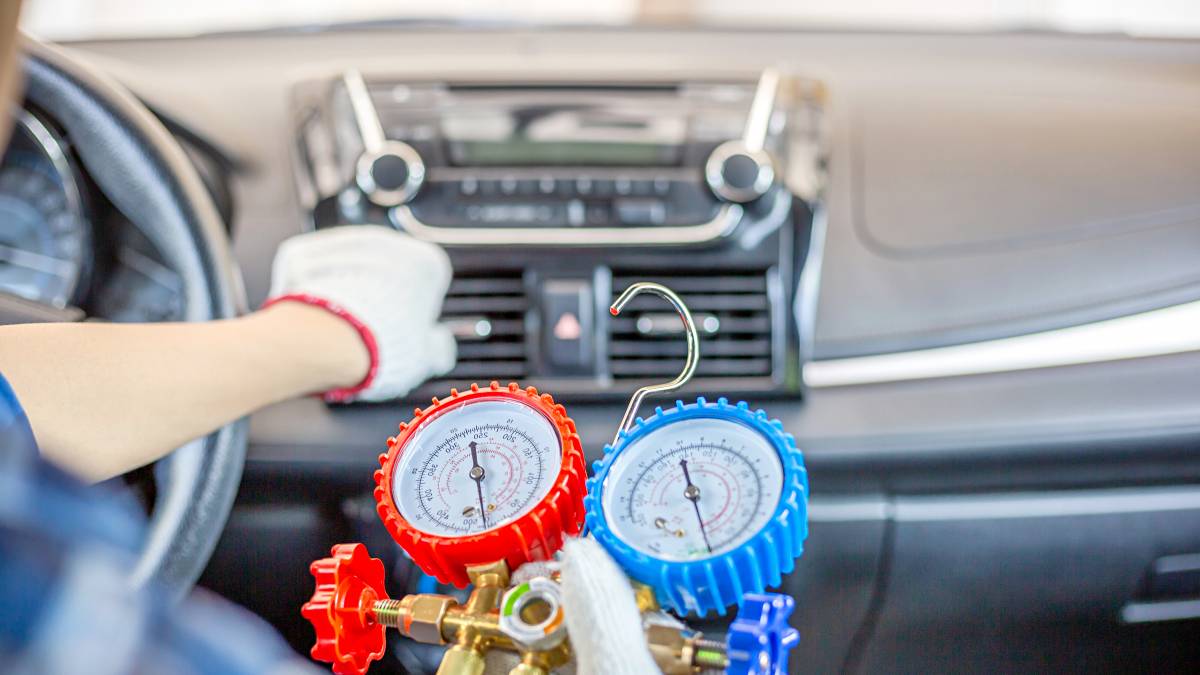
When the air conditioning stops blowing cold air in a three-row SUV, many owners assume the repair will be similar to fixing the front climate system. Unfortunately, that is rarely the case.
Vehicles equipped with rear air conditioning are significantly more complex than two-row models, and repairs often cost $800 to more than $2,500, depending on the failed component and the amount of labor required.
What appears to be a simple cooling issue can quickly become an expensive repair because technicians often need to remove interior trim, access components hidden behind quarter panels, or even evacuate and recharge the entire refrigerant system.
The rear climate system is designed to provide consistent cooling for passengers in the second and third rows, especially in large SUVs where the front vents alone cannot efficiently cool the cabin.
While this improves comfort, it also introduces additional evaporators, refrigerant lines, blower motors, expansion valves, and electronic controls that increase both the likelihood of failure and the cost of repairs.
Also Read: 10 EVs Ranked by Charging Speed
A Second Air Conditioning System
Unlike compact cars that use a single evaporator behind the dashboard, most three-row SUVs essentially have two climate systems sharing one compressor. Refrigerant travels from the engine compartment through long aluminum lines running underneath the vehicle to a second evaporator mounted near the rear cargo area.
That means there are far more components that can develop leaks or mechanical problems. Long refrigerant lines are exposed to road salt, moisture, gravel impacts, and corrosion, while additional fittings create more potential leak points.
Diagnosing these issues often requires pressure testing, UV dye, or electronic leak detection equipment before any repairs can begin.
Interior Disassembly Adds Hours of Labor
One of the biggest reasons rear AC repairs become expensive is labor. In many SUVs, the rear evaporator and expansion valve are hidden behind interior quarter panels near the third-row seats. Reaching these components usually requires technicians to remove cargo trim panels, side panels, seatbelt mounts, and sometimes portions of the headliner or third-row seating.
Even replacing a relatively inexpensive expansion valve can require five to eight hours of labor, depending on the vehicle. If the rear evaporator core has failed, labor can easily exceed 10 hours because nearly the entire rear interior must be partially disassembled before the damaged component can be removed.
Long Refrigerant Lines Are Vulnerable
Large SUVs use refrigerant lines that can stretch more than 15 feet from the engine bay to the rear climate unit. These aluminum pipes are mounted underneath the vehicle where they are constantly exposed to water, salt, and road debris.
Over time, corrosion can create tiny pinhole leaks that slowly allow refrigerant to escape. Since even a small leak reduces cooling performance, technicians must locate the exact failure before replacing the damaged line.
Some vehicles require complete replacement of both supply and return lines, significantly increasing repair costs because of the parts involved and the labor needed to install them.
Rear Blower Motors and Blend Doors Also Fail
Cooling problems are not always caused by refrigerant leaks. Rear blower motors, blend door actuators, and electronic control modules can also fail after years of use.
A failed blower motor may prevent any airflow from reaching rear passengers, while a defective blend door actuator can leave the rear cabin blowing warm air even when the front vents remain cold.
Although these components are generally less expensive than evaporator repairs, they are often buried behind interior trim, making labor the largest portion of the repair bill.
Refrigerant Recharge Is Only Part of the Cost
Whenever the sealed AC system is opened, technicians must recover the existing refrigerant using specialized equipment, repair the faulty component, perform a vacuum leak test, and then recharge the system with the correct amount of refrigerant and compressor oil.
Modern refrigerants have become significantly more expensive in recent years, and many newer SUVs now use R-1234yf, which costs considerably more than the older R-134a refrigerant. That alone can add hundreds of dollars to the final invoice before labor and replacement parts are even considered.
SUVs Commonly Associated With Costly Rear AC Repairs
Several popular three-row SUVs have developed reputations for expensive rear air conditioning repairs simply because of their design and the amount of labor involved. These include:
- Chevrolet Tahoe and Suburban
- GMC Yukon
- Cadillac Escalade
- Ford Expedition
- Lincoln Navigator
- Toyota Sequoia
- Nissan Armada
- Infiniti QX80
- Honda Pilot
- Acura MDX
Many of these vehicles require extensive interior disassembly to replace rear evaporators or expansion valves, making labor costs the biggest contributor to the repair bill rather than the price of the replacement parts themselves.
Can Owners Prevent These Repairs?
Not every rear AC repair can be avoided, but regular maintenance can reduce the risk of expensive failures. Running the rear climate system throughout the year helps keep seals lubricated, while periodic AC inspections can identify small refrigerant leaks before the compressor is damaged by operating with low refrigerant levels.
Washing the underside of the vehicle during winter, particularly in regions that use road salt, may also help reduce corrosion on exposed refrigerant lines.
Rear air conditioning is one of the features that makes large three-row SUVs comfortable for families, but it also adds considerable mechanical complexity.
Hidden components, long refrigerant lines, extensive interior disassembly, and expensive modern refrigerants all contribute to repair bills that frequently exceed $1,000.
Understanding how the rear climate system is designed helps explain why what seems like a simple loss of cold air can become one of the most expensive HVAC repairs on a modern SUV.
Why Rear AC Repairs in Three-Row SUVs Cost So Much
Rear air conditioning is one of the biggest comfort advantages of owning a three-row SUV. Whether you’re driving a Chevrolet Tahoe, Toyota Sequoia, Ford Expedition, or Honda Pilot, a separate rear climate system helps keep second- and third-row passengers comfortable during hot summer months.
However, when that rear AC system stops working, many owners are surprised to receive repair estimates ranging from $1,000 to well over $2,500. The high cost isn’t simply because replacement parts are expensive. In most cases, labor accounts for the largest portion of the bill.
The biggest reason is that three-row SUVs don’t have a single air conditioning system. Instead, they typically use two evaporators connected to one compressor. While the front evaporator sits behind the dashboard, the rear evaporator is usually hidden inside the rear quarter panel near the cargo area.
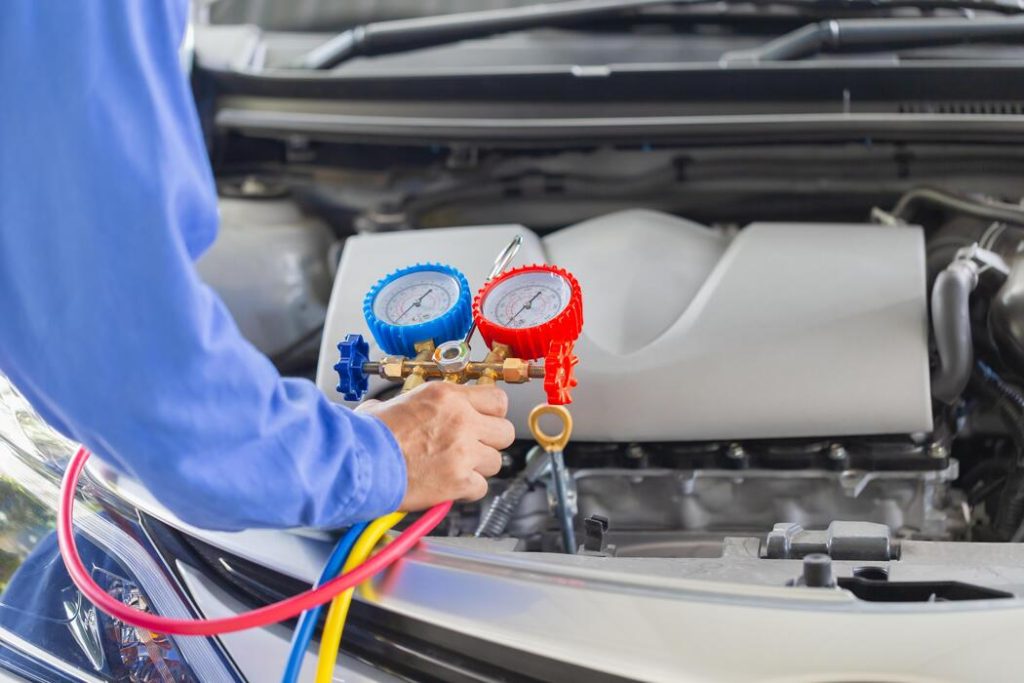
To reach it, technicians often have to remove interior trim panels, third-row seats, seatbelt mounts, and portions of the cargo compartment. Depending on the vehicle, replacing a rear evaporator can require 8 to 12 hours of labor, turning what might be a $250 to $400 part into a repair costing several thousand dollars.
Another major contributor is the long refrigerant lines that carry refrigerant from the engine compartment to the rear of the SUV. These aluminum lines run underneath the vehicle, where they are constantly exposed to water, road salt, mud, and flying debris.
Over time, corrosion can create tiny leaks that slowly allow refrigerant to escape. Finding these leaks is often time-consuming because technicians must use electronic leak detectors, UV dye, or nitrogen pressure testing before replacing the damaged lines.
Modern refrigerants also make repairs more expensive. Many newer SUVs use R-1234yf refrigerant, which is significantly more expensive than the older R-134a refrigerant.
If the system must be opened, technicians need specialized equipment to recover the remaining refrigerant, perform a vacuum leak test, and recharge the system with the precise amount specified by the manufacturer. This process alone can add several hundred dollars to the repair bill.
Rear climate systems also include additional components that can fail independently of the front AC. These include rear blower motors, expansion valves, blend door actuators, and electronic climate control modules. Even relatively inexpensive components can become costly because accessing them requires extensive interior disassembly.
Regular maintenance can help reduce the chances of major repairs. Running the rear AC periodically throughout the year keeps seals lubricated, while routine inspections can identify small refrigerant leaks before they damage the compressor.
Washing the underside of the vehicle, especially in areas that use road salt during winter, may also slow corrosion on exposed refrigerant lines.
Rear AC repairs are expensive because large SUVs have far more complex climate control systems than smaller vehicles. Hidden components, lengthy refrigerant plumbing, costly refrigerants, and labor-intensive repairs all combine to make rear air conditioning one of the most expensive HVAC systems to repair.
For owners of three-row SUVs, understanding this complexity helps explain why restoring cold air to the back seats often comes with a four-figure repair estimate.
Also Read: 10 States With the Roughest Roads, Per Federal Data