
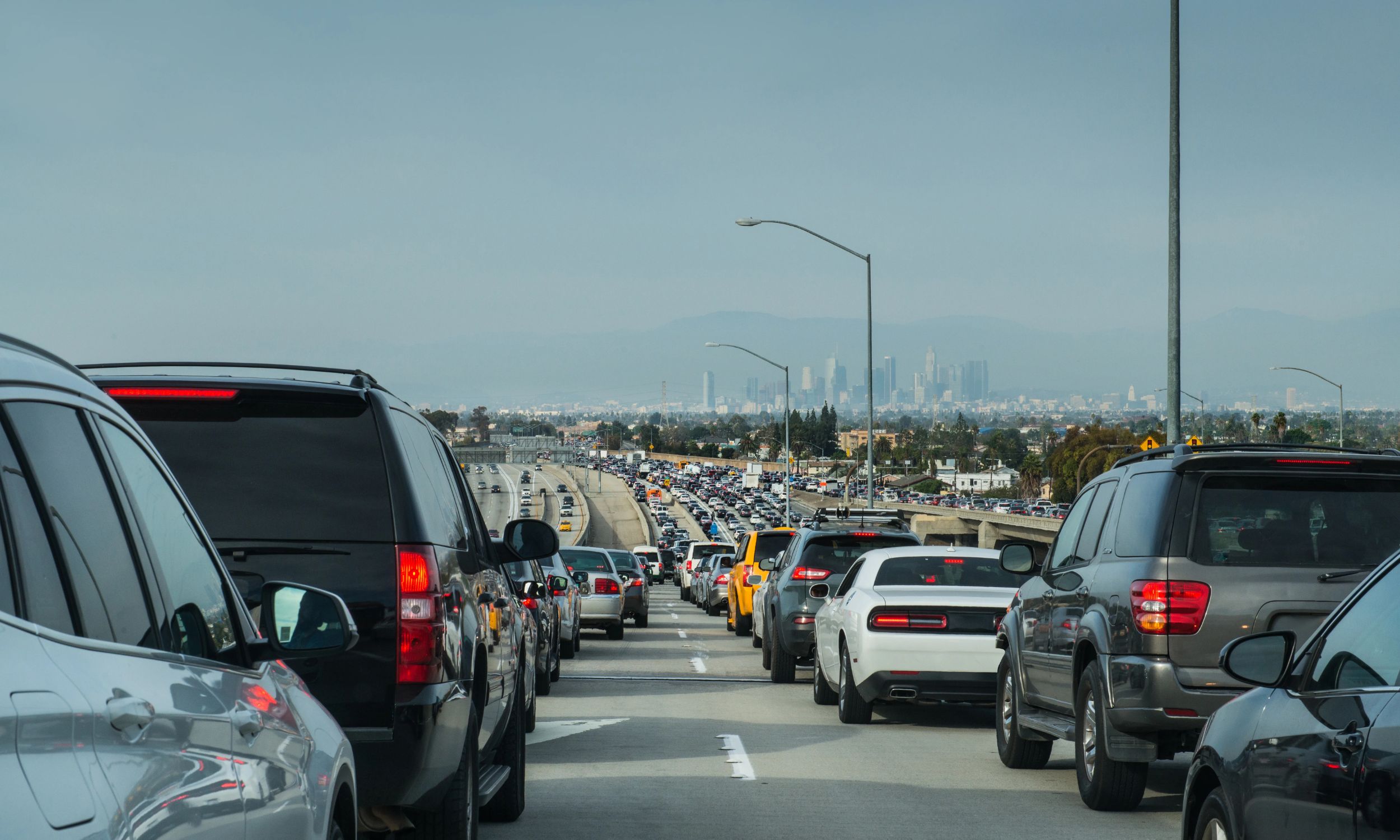
Ever wondered how many drivers around you might be cruising without coverage? The Insurance Research Council just dropped its latest numbers, and the results are eye-opening. Roughly 15.4% of U.S. motorists, or more than one in seven drivers, hit the road in 2023 without insurance.
That gap doesn’t just create risk for the uninsured driver. It quietly raises costs for everyone else who plays by the rules. Below, we break down the ten states where uninsured driving runs highest, using fresh IRC data. Whether you’re comparing rates for your own state or just curious how your area stacks up, here’s what the numbers show.
1. Mississippi
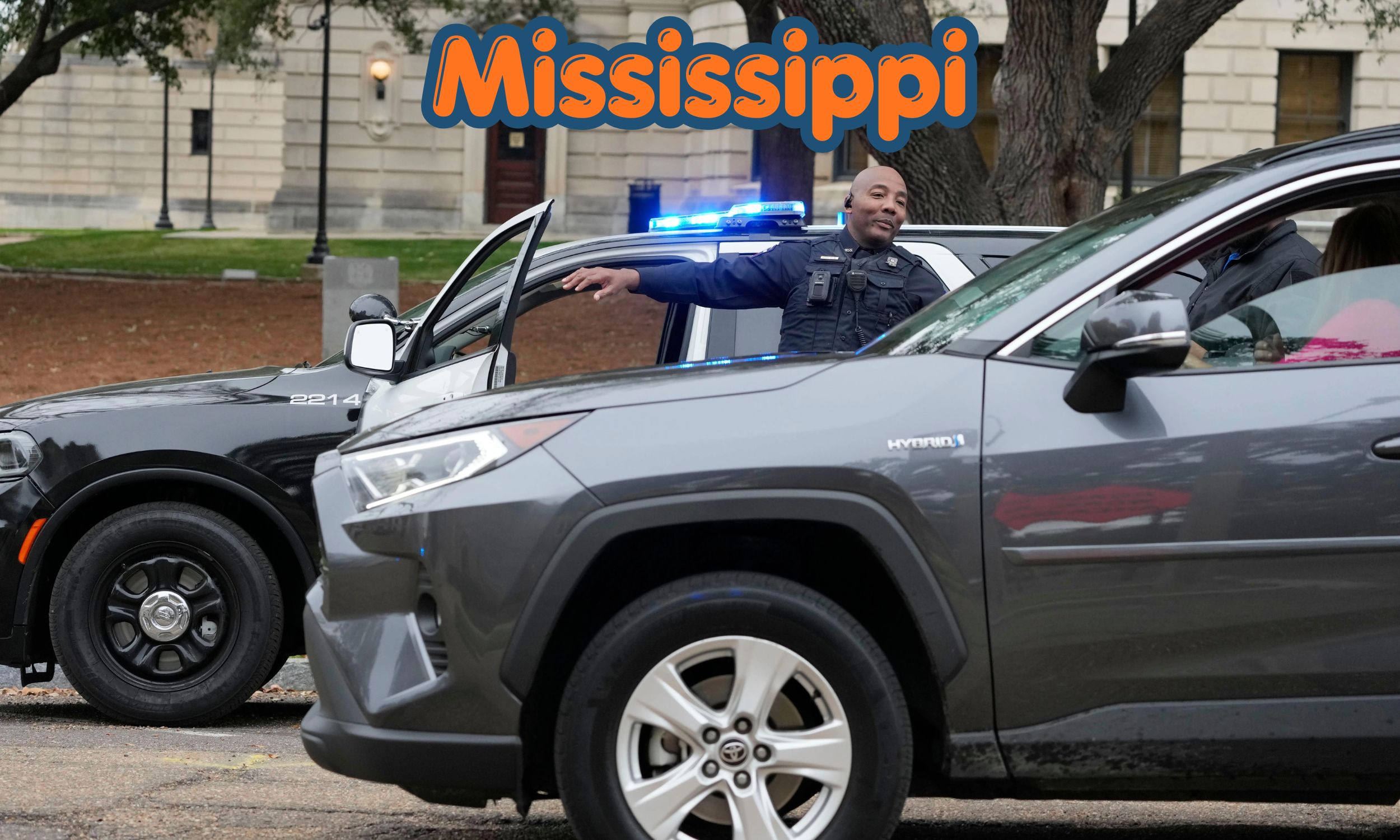
Mississippi sits at the very top of this list, and the gap between it and the rest of the country is hard to ignore. According to the IRC, 28.2% of drivers on Mississippi roads carry no insurance at all. That means more than one in four vehicles you pass on a Mississippi highway could belong to someone with zero coverage if an accident happens.
For insured drivers in the state, this creates a real problem. When an uninsured motorist causes a crash, the financial responsibility often falls on the other driver’s policy, specifically their uninsured motorist coverage, assuming they purchased it. Premiums across the state tend to run higher partly because insurers build this risk into their pricing models.
Rural stretches of road, lower median incomes in parts of the state, and limited enforcement resources all play a part in keeping this number elevated year after year. Drivers who live in or travel through Mississippi are strongly encouraged to carry robust uninsured and underinsured motorist protection, since the odds of encountering an uncovered driver are simply higher here than almost anywhere else in the country.
This ranking has held steady across multiple IRC reporting cycles, suggesting the issue is deeply rooted rather than a temporary blip.
2. New Mexico
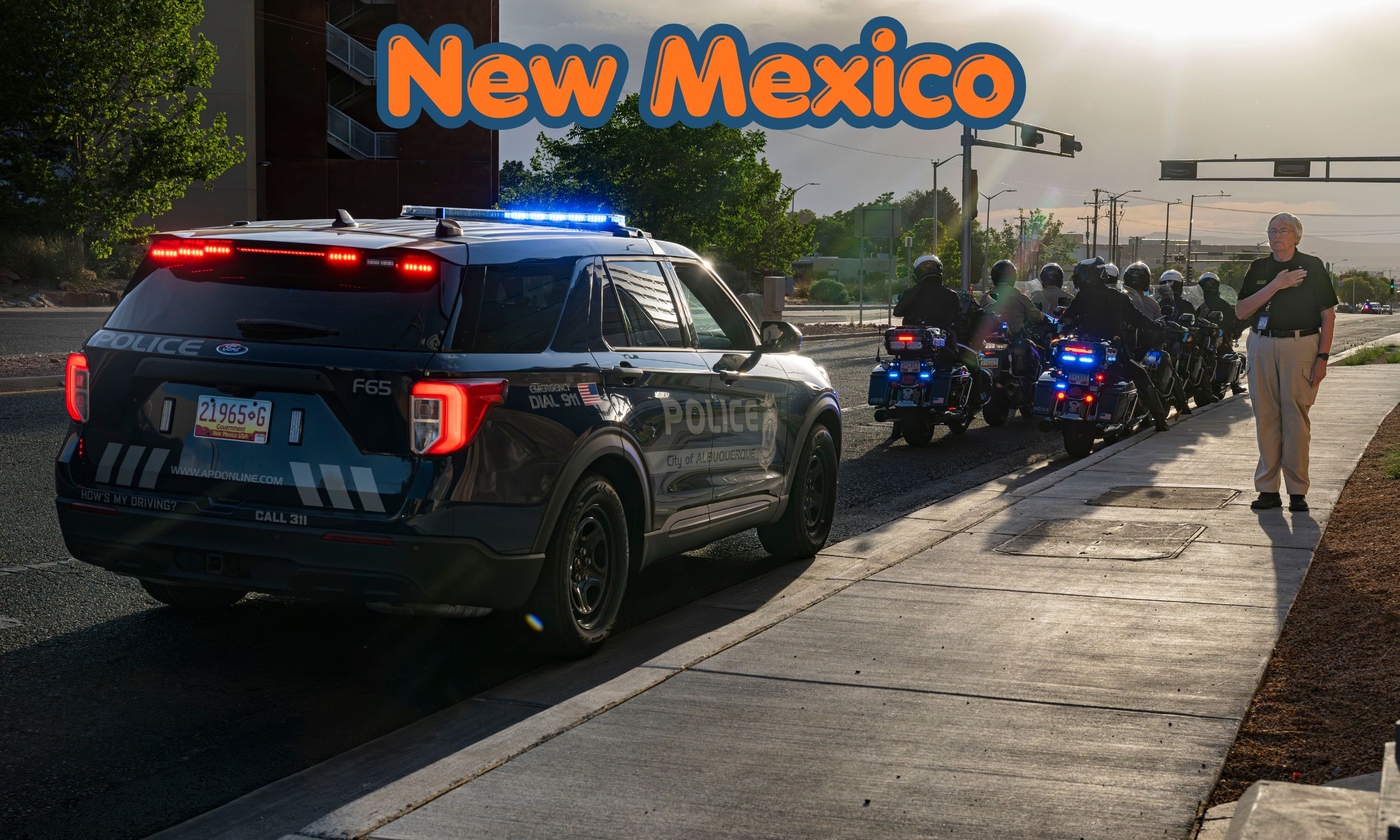
New Mexico lands in second place with 24.1% of its drivers uninsured, a figure that has remained stubbornly consistent report after report. Unlike some states where uninsured rates spike or dip based on short-term economic swings, New Mexico’s position near the top feels almost baked in.
Affordability sits at the center of the issue. Insurance premiums, when weighed against household budgets in many parts of the state, price out a meaningful share of vehicle owners. Add in a mix of rural geography, lower average wages compared to national figures, and gaps in enforcement, and the pattern becomes easier to understand.
What makes New Mexico’s situation worth watching is how little movement there’s been over the years. States often see uninsured rates fluctuate with the broader economy, dropping during boom years and climbing during downturns. New Mexico’s numbers, though, have hovered in a similar range regardless of the broader financial climate, pointing to structural rather than cyclical causes.
For residents and visitors alike, this means uninsured motorist coverage isn’t a nice extra; it’s close to a necessity. Anyone financing or leasing a vehicle here should double-check their policy limits, since state minimums may not fully protect against the financial fallout of a crash involving an uncovered driver.
Also Read: Top 10 States Where You Don’t Need a Front License Plate
3. Washington, D.C.
Although Washington, D.C. is not officially a state, it still ranks third in the country for uninsured drivers. The district has an uninsured motorist rate of 23.1%, making it one of the highest-ranking jurisdictions in the latest Insurance Research Council data. Despite its relatively small size, several factors contribute to this high percentage.
One major reason is the district’s dense traffic. Roads across Washington, D.C. carry a large number of vehicles every day, and frequent stop-and-go movement increases the chances of crashes. As accident claims rise, insurance companies adjust premiums to reflect the added risk.
Higher insurance costs place extra pressure on household budgets, leading some motorists to drive without the legally required coverage. The district also has a high cost of living, leaving many residents with difficult financial choices when monthly bills pile up. Another factor comes from the steady flow of commuters entering the district from Maryland and Virginia.
Thousands of vehicles cross these borders daily, creating extra challenges for insurance enforcement and policy verification across different jurisdictions. While each area has its own insurance rules, the constant movement of drivers can make compliance checks less straightforward.
Anyone driving in Washington, D.C. should consider carrying uninsured motorist coverage. Busy streets, regular traffic delays, and frequent minor collisions increase the possibility of meeting a driver who has no active insurance policy. That extra protection can help reduce financial stress after an accident, especially when the at-fault driver cannot pay for injuries or vehicle repairs because they are uninsured.
4. Michigan
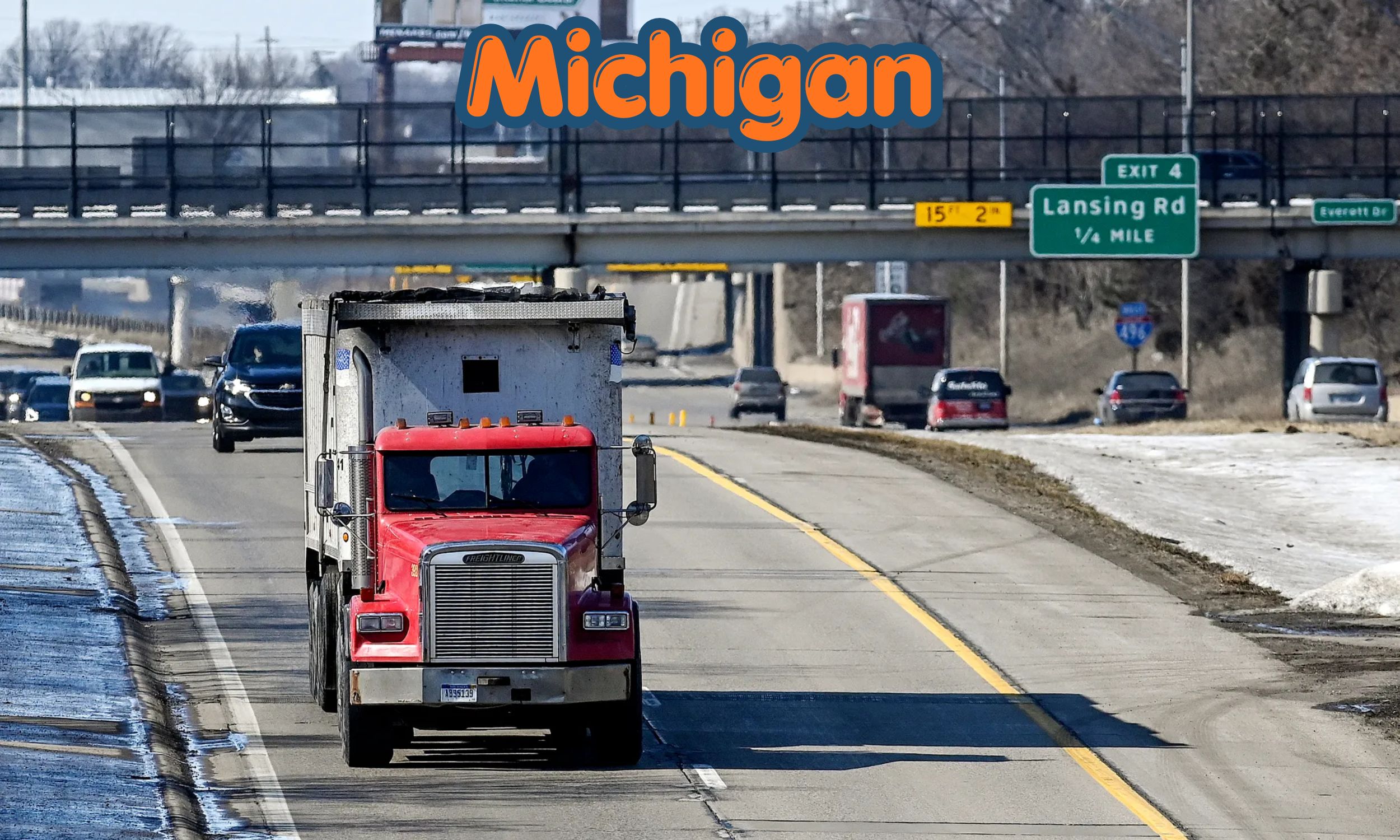
Michigan claims fourth place with 22.3% of drivers going without insurance, a number that persists despite years of legislative attempts to fix it. Back in 2019, Michigan lawmakers passed sweeping auto insurance reform aimed squarely at lowering premiums and, by extension, reducing the number of uninsured drivers.
The reforms brought some relief, giving drivers new options for personal injury protection coverage levels. Yet the uninsured rate remains stubbornly high compared to most of the country. Why hasn’t the fix worked as well as hoped? Premiums in Michigan, particularly in cities like Detroit, have historically ranked among the highest in the nation, and old habits and pricing patterns don’t disappear overnight just because a law changes.
Many drivers who dropped coverage years ago, when costs were even steeper, simply haven’t returned to the insured pool. Economic pressures in certain urban pockets compound the problem further. Insurers, meanwhile, continue pricing risk based partly on the sheer volume of uninsured claims already on the books, which can create a cycle that’s tough to break.
Michigan’s experience serves as a reminder that legislative reform alone doesn’t always translate into immediate behavioral change on the ground, and coverage gaps built up across many years can take just as long to close.
5. Tennessee
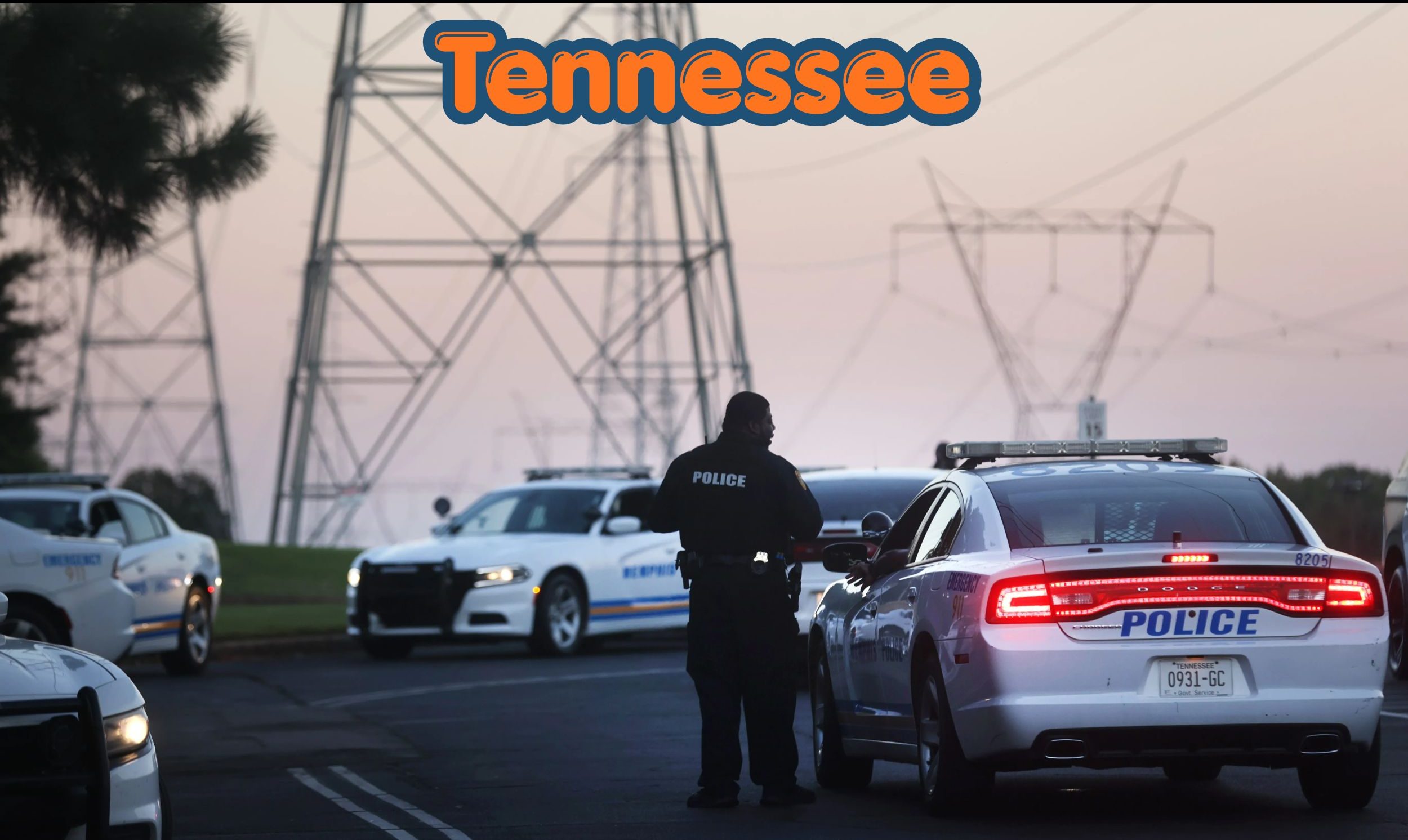
Moving to fifth, Tennessee reports that 21.3% of its drivers carry no insurance, meaning more than one out of every five vehicles on Tennessee roads potentially lacks coverage. This state has bounced around the upper tier of IRC rankings for years without dropping much.
What stands out about Tennessee’s case is the steady, unremarkable consistency of the problem rather than any dramatic spike or sudden cause. Economic factors common across several southern states play a role, including household budgets stretched thin by rising costs of living paired with insurance premiums that haven’t kept pace with wage growth in many communities.
Rural areas of the state, where public transportation options are limited and car ownership is close to mandatory, add pressure on lower-income households to choose between paying for coverage or covering other essentials. Urban centers like Nashville and Memphis, meanwhile, deal with their own set of challenges tied to traffic density and repair costs.
For insured Tennessee drivers, the practical impact shows up at claim time. Being involved in an accident with an uninsured motorist can mean absorbing costs out of pocket unless a policy specifically includes uninsured or underinsured motorist protection, something every driver in the state should seriously consider given how common the gap remains.
6. Missouri
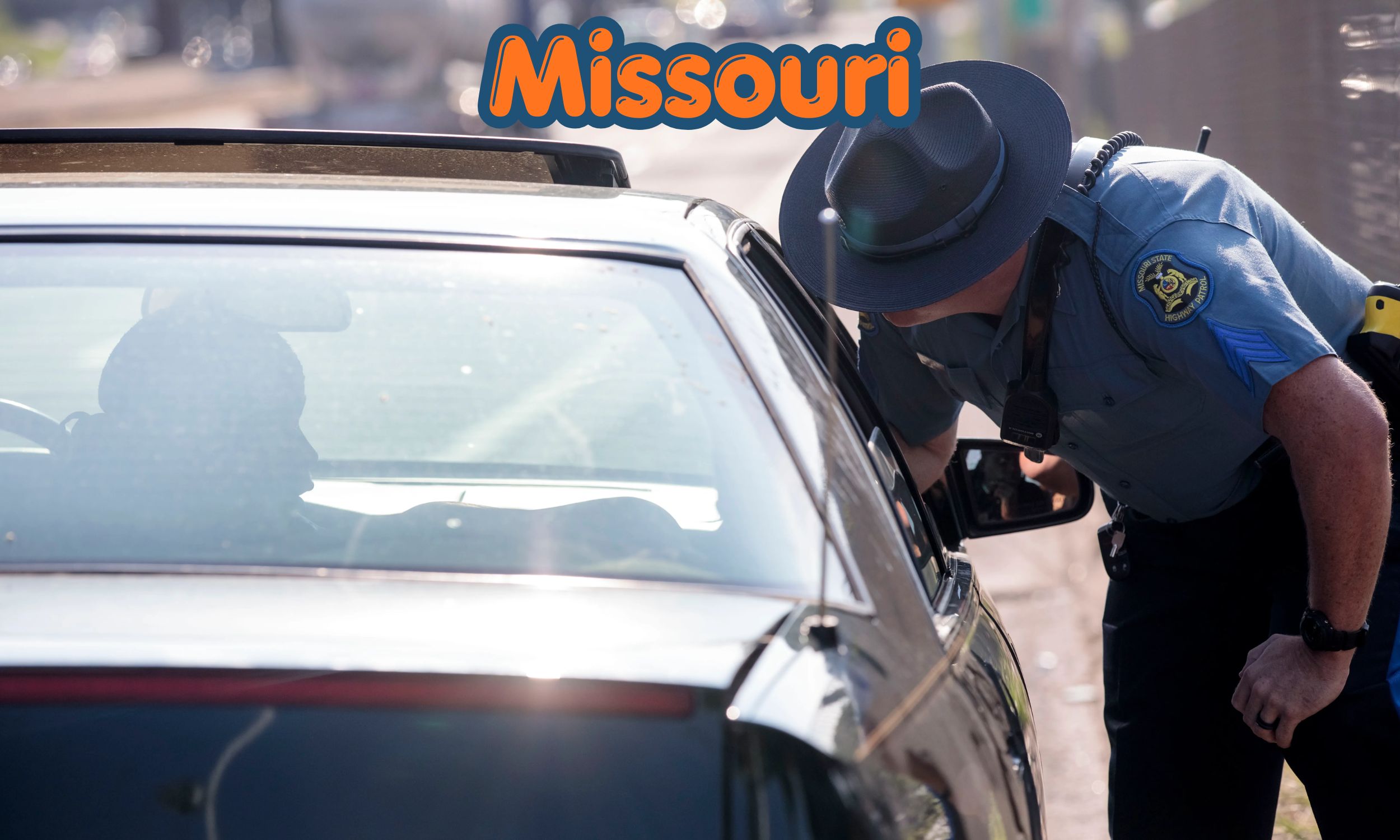
Missouri ranks sixth on the latest Insurance Research Council list, with 20.7% of drivers operating vehicles without insurance. That figure is well above the national average of 15.4%, making the state one of the places where insured motorists face a higher chance of meeting an uninsured driver.
While Missouri does not record the highest percentage in the country, its rate remains high enough to create concern for anyone using the state’s roads regularly. State law requires every driver to carry minimum liability insurance before driving legally. Even so, many motorists continue to drive without valid coverage. Weak enforcement in some areas and gaps in insurance verification allow some uninsured vehicles to remain on the road.
Insurance affordability also differs across the state. Residents in larger cities such as St. Louis and Kansas City often face different financial pressures compared with those living in smaller towns and rural communities. These differences can make it harder for some drivers to keep up with premium payments.
Many uninsured motorists take the chance of driving without coverage because they believe the possibility of being caught is lower than the cost of maintaining an active insurance policy. While that decision may save money in the short term, it can lead to serious financial consequences after an accident.
For drivers who follow the law and maintain insurance, carrying uninsured motorist coverage provides an added layer of protection. With about one in every five drivers in Missouri lacking insurance, that extra coverage can help reduce unexpected expenses if an uninsured driver causes a crash.
7. Florida
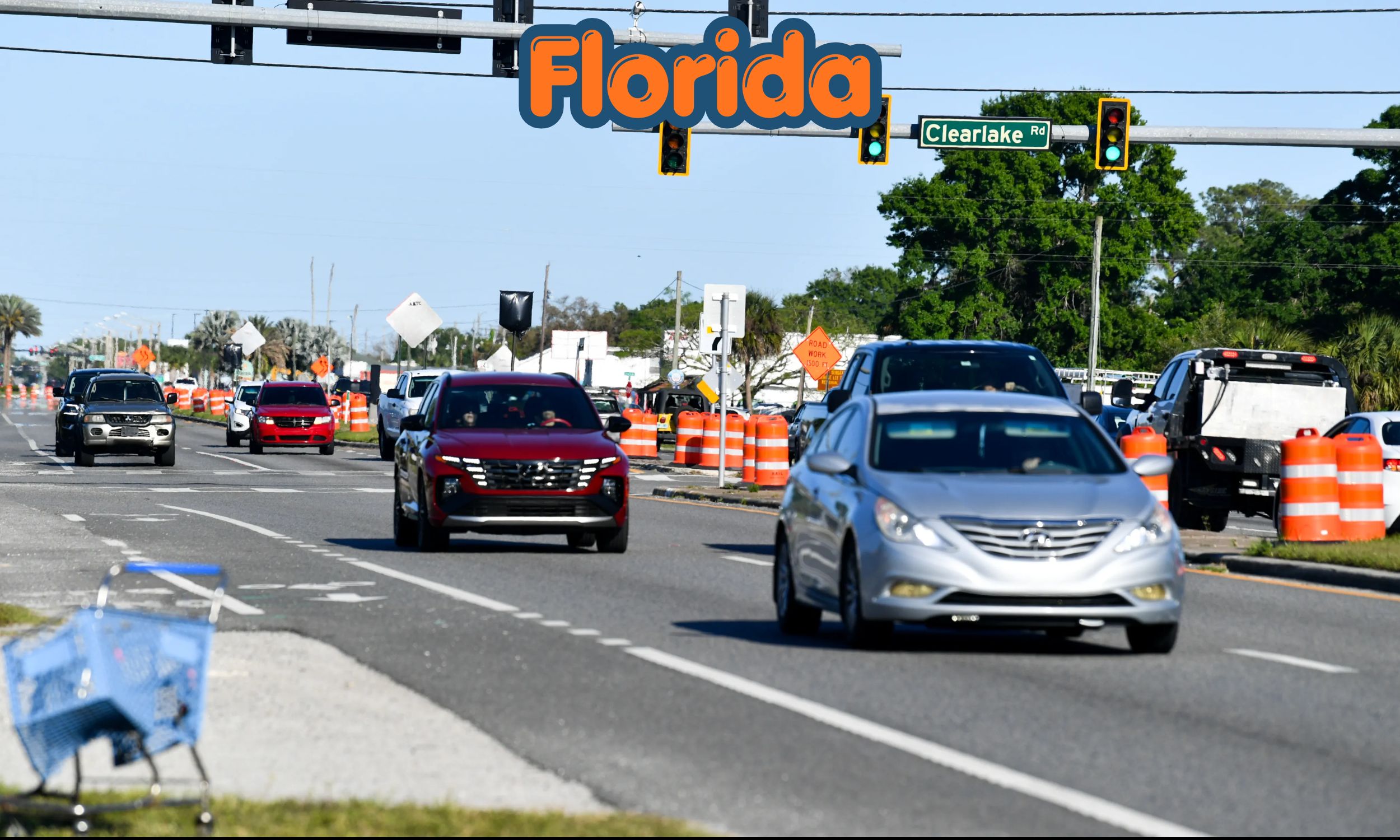
Florida holds the seventh position on the latest Insurance Research Council rankings, with 20.6% of drivers operating vehicles without insurance. This means about one out of every five motorists on Florida roads does not have active insurance coverage. The state has remained among those with the highest uninsured driver rates for years, largely because of its expensive auto insurance market and the financial pressure many households face.
Florida follows a no-fault insurance system, which requires drivers to carry Personal Injury Protection (PIP) regardless of who causes an accident. While this system is designed to provide quicker access to medical benefits, it also contributes to higher insurance costs.
Premiums are pushed even higher by frequent hurricane-related claims, a high number of legal disputes involving auto insurance, and the state’s fast-growing population, which continues to add more vehicles to already busy roads. As insurance becomes more expensive, some motorists decide to drive without coverage instead of paying monthly premiums.
Although this may seem like a way to save money, the financial consequences can be severe if they are involved in an accident. Florida also welcomes millions of visitors every year, creating heavier traffic and increasing the chances of collisions, even though tourist drivers are not the reason for the state’s uninsured rate.
For anyone living and driving in Florida, uninsured and underinsured motorist coverage is a sensible addition to an insurance policy. With around one in every five drivers lacking insurance, this extra protection can help cover medical expenses and repair costs when the at-fault driver has little or no insurance to meet those obligations.
8. California
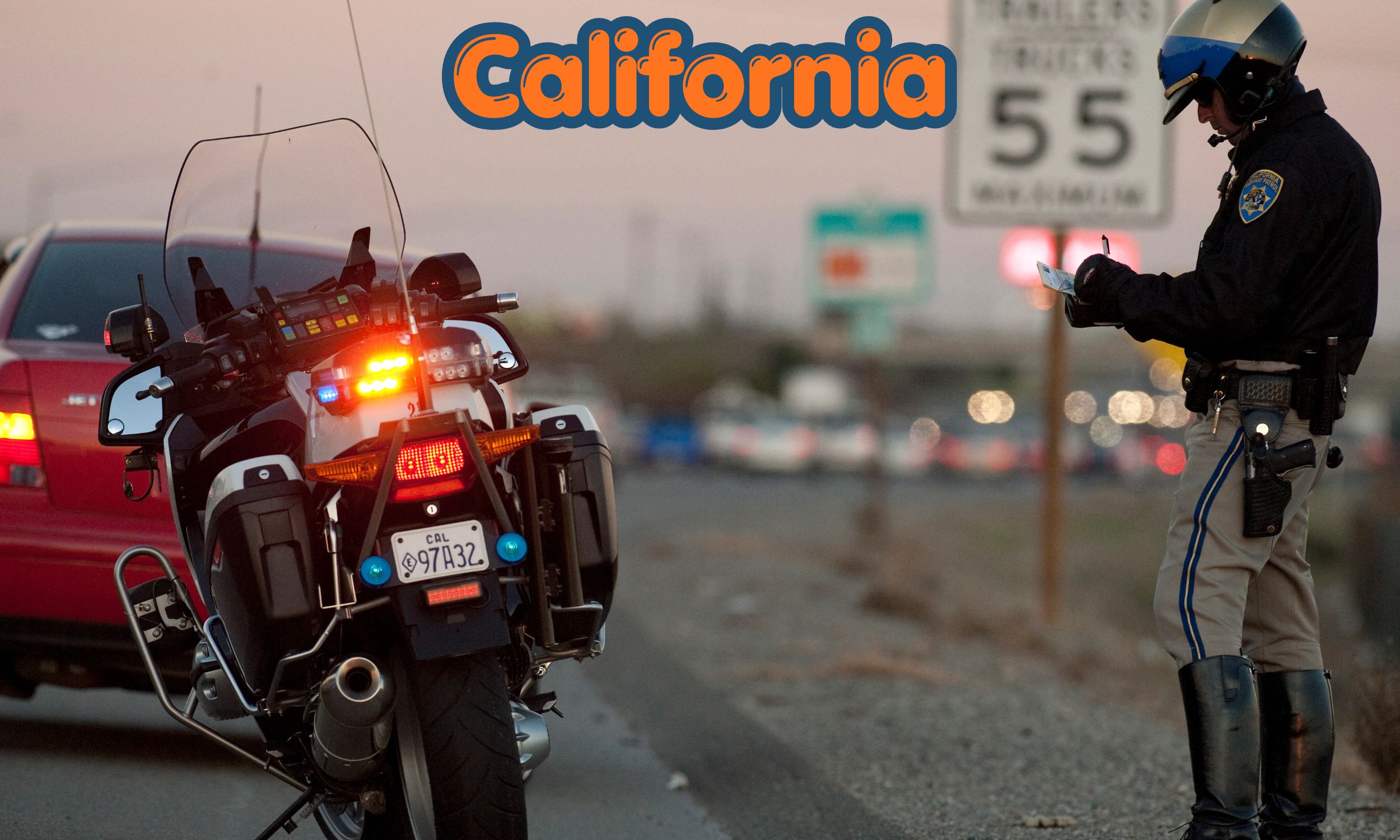
California takes eighth place with 20.4% of drivers uninsured, and while that percentage looks similar to several other states on this list, the raw numbers tell a different story entirely. California’s population dwarfs every other state, meaning even a rate hovering around 20% translates into millions of actual uninsured vehicles on the road at any given moment.
That scale changes how the risk feels in practice. Los Angeles alone, with its sprawling freeway system and dense daily commute, sees an enormous volume of traffic passing through areas where uninsured driving runs common. High costs of living across major California metros squeeze household budgets, and insurance premiums, particularly in urban centers, rank among the priciest nationally.
Some drivers respond by dropping coverage, accepting the legal risk in exchange for short-term savings. Enforcement varies widely by county too, which allows uninsured vehicles to circulate without much friction in certain areas. For California residents, the sheer size of the uninsured population makes uninsured motorist coverage a near necessity rather than an optional add-on.
Given how many vehicles share California’s roads daily, the statistical likelihood of encountering an uninsured driver at some point remains genuinely high, regardless of which part of the state you call home.
9. Colorado
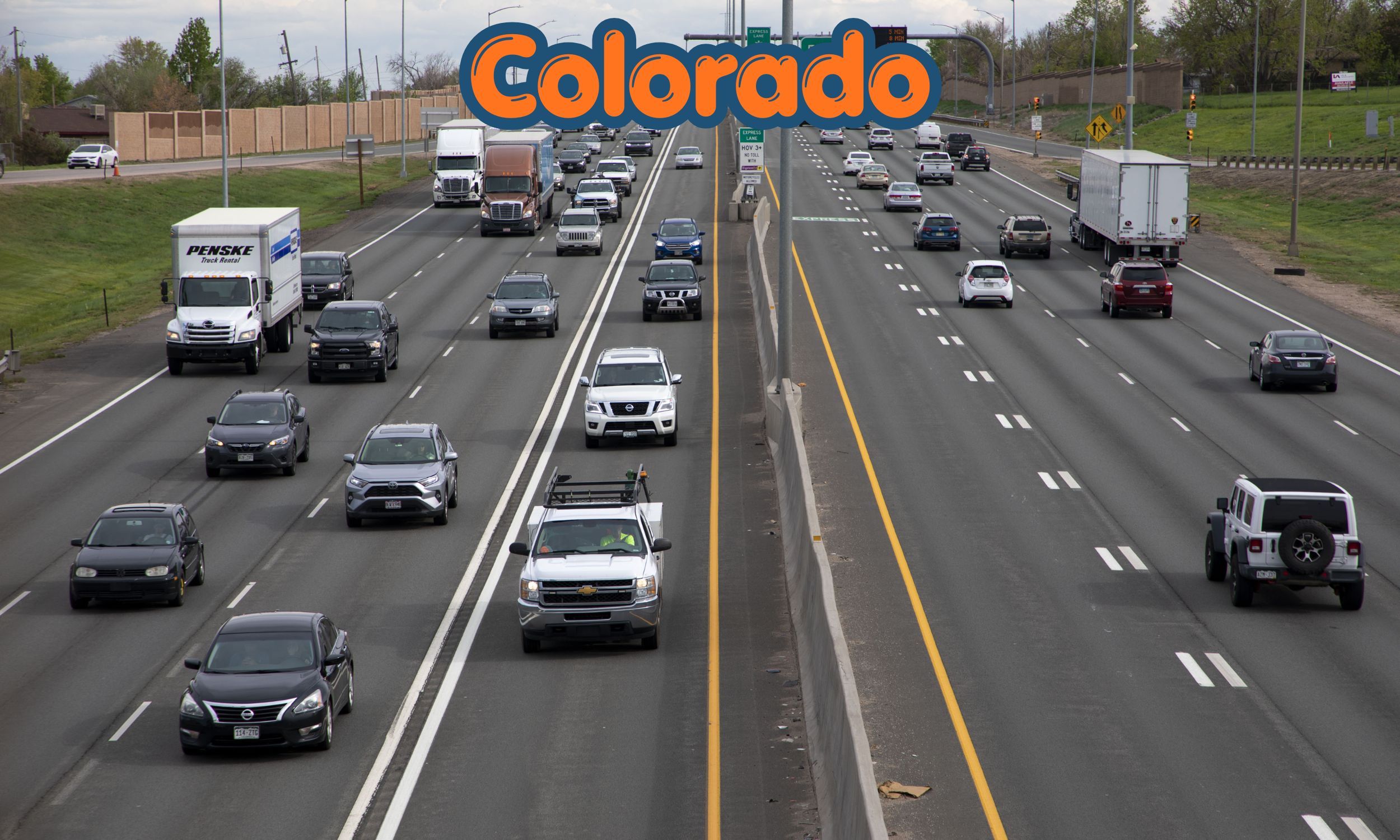
Colorado holds the tenth spot on the latest Insurance Research Council rankings, with 19.7% of drivers operating vehicles without insurance. That means almost one out of every five motorists on the state’s roads does not have active auto insurance. Although Colorado is known for having a healthy economy, its uninsured driver rate has continued to rise, surprising many people who expected stronger economic conditions to keep more drivers insured.
A large part of the increase can be linked to the state’s rapid population growth. Colorado has welcomed many new residents during the past decade, placing extra pressure on roads, public services, and the insurance market. At the same time, the cost of owning and repairing vehicles has continued to increase.
Insurance premiums have also risen as newer vehicles become more expensive to fix after accidents. In mountain communities, repair bills can be even higher because towing services and specialised repair facilities are often limited and located far from where breakdowns occur.
Busy cities such as Denver and Colorado Springs experience heavy traffic every day, leading to more collisions and higher insurance costs. Outside these urban centres, many rural communities depend heavily on personal vehicles because public transport options are limited. For some households, keeping insurance policies active becomes more difficult as living expenses continue to rise.
Anyone driving in Colorado should strongly consider uninsured motorist coverage as part of their policy. With nearly one in five drivers lacking insurance, this protection can help cover medical expenses and vehicle repairs if an uninsured driver causes a crash. It offers valuable financial security when unexpected accidents happen.
Also Read: 10 States With the Roughest Roads, Per Federal Data
10. Washington
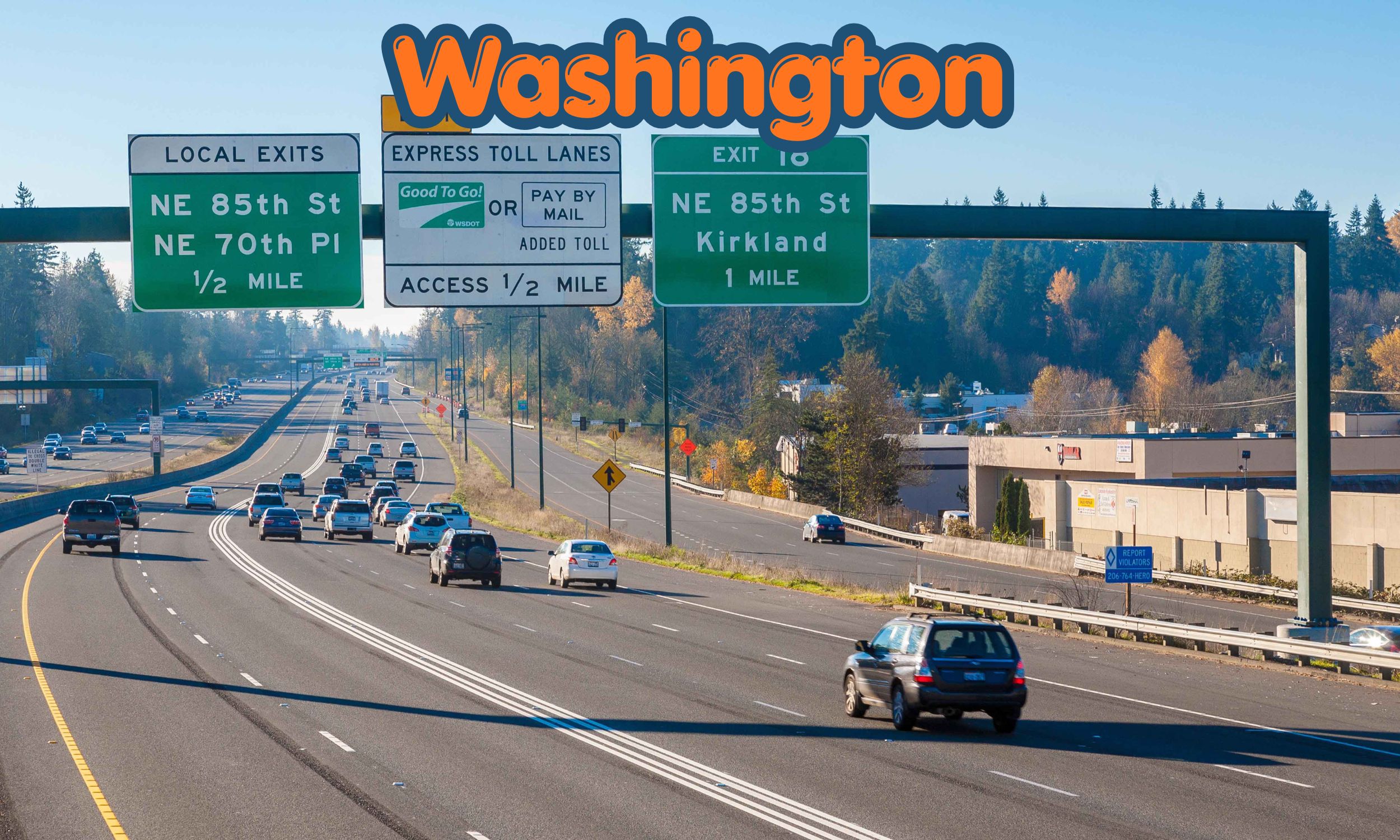
Washington State completes the top ten on the latest Insurance Research Council rankings, with 19.1% of drivers operating vehicles without insurance. Although the percentage is slightly below one in five drivers, it still places the state among the highest in the country.
What stands out is that the uninsured rate has increased since the pandemic, showing that more motorists are driving without the required coverage than they did just a few years ago. One reason behind this rise is the increasing cost of everyday life. Living expenses have gone up across many parts of the state, especially in cities such as Seattle, where housing, food, transport, and other household bills take a larger share of monthly income.
As families adjust their budgets, some drivers struggle to keep up with insurance premiums and may allow their policies to lapse. While this decision may reduce expenses for a while, it also exposes them to serious financial risks if an accident occurs. Washington also has very different driving conditions across the state.
The Puget Sound region experiences heavy traffic and frequent congestion, while many rural communities have fewer vehicles but depend heavily on personal transportation because public transit options are limited. These different conditions both contribute to the state’s uninsured driver rate.
Drivers across Washington should review their insurance policies regularly and consider carrying uninsured motorist coverage. With nearly one out of every five motorists lacking insurance, this extra protection can help cover medical bills and repair costs if an uninsured driver is responsible for a crash. It provides added financial security and reduces the burden of unexpected expenses after an accident.
