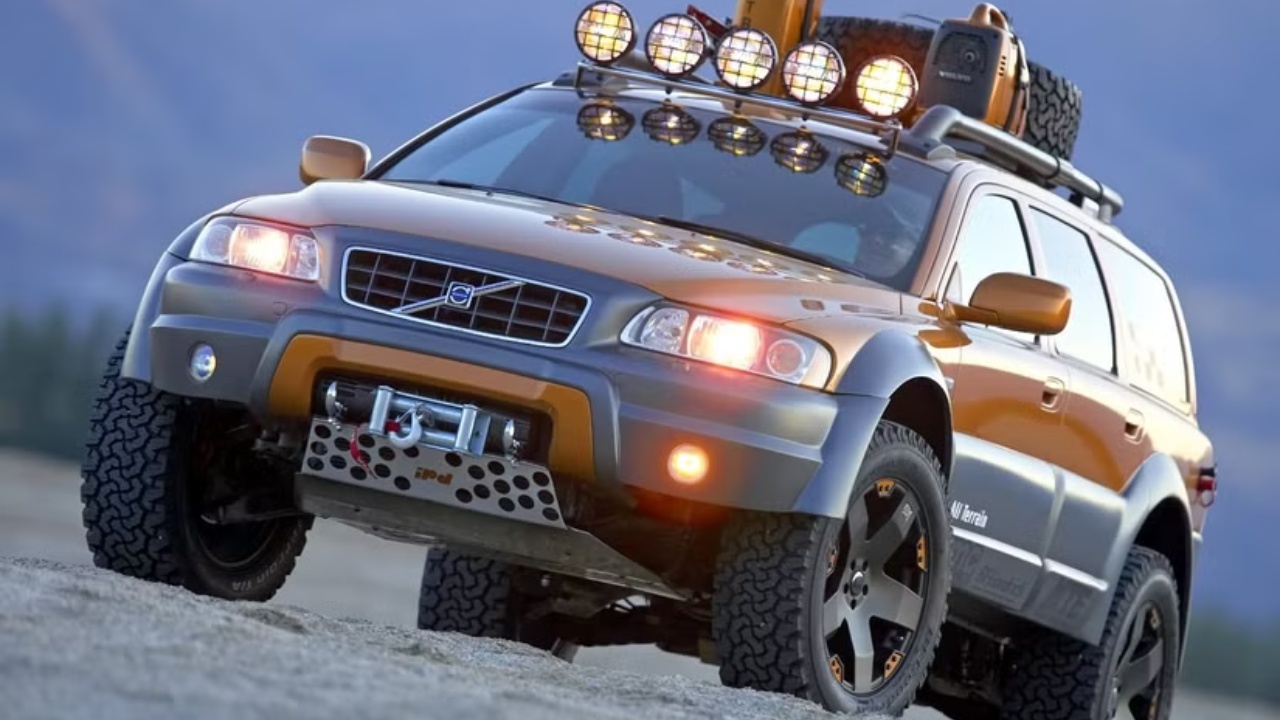
Customizing a vehicle is part of American car culture, but not every modification is legal for public roads. Some upgrades that look impressive at a car show or improve off-road performance can violate federal regulations, state laws, or vehicle safety standards once the car is driven on public streets.
In some cases, illegal modifications can result in failed inspections, expensive fines, revoked registrations, or even the vehicle being declared unsafe to operate.
Before investing money in aftermarket parts, drivers should understand which modifications cross the legal line. Here are ten vehicle modifications that can make your car illegal to drive on public roads in the United States.
Also Read: 10 SUVs Moving to a New Platform for 2027
1. Removing the Catalytic Converter
Few vehicle modifications carry penalties as severe as removing a catalytic converter. While some enthusiasts believe deleting the converter improves exhaust flow and engine performance, the legal consequences far outweigh any potential gains.
Under the federal Clean Air Act, it is illegal to remove or disable emissions control equipment installed by the manufacturer on vehicles driven on public roads.
The Environmental Protection Agency has the authority to enforce these rules nationwide, regardless of whether a particular state conducts annual emissions inspections.
The catalytic converter plays a critical role in reducing harmful pollutants by converting carbon monoxide, hydrocarbons, and nitrogen oxides into less harmful gases before they leave the tailpipe.
Modern converters are highly efficient and are integrated into the vehicle’s emissions system. Removing one typically triggers the check engine light, causes emissions tests to fail in states that require inspections, and may violate warranty coverage for emissions-related components.
Some aftermarket companies advertise “cat delete” pipes for racing applications. These products are intended only for vehicles used exclusively on closed-course tracks and not for highway operation. Installing them on a street-driven vehicle makes that vehicle non-compliant with federal emissions regulations.
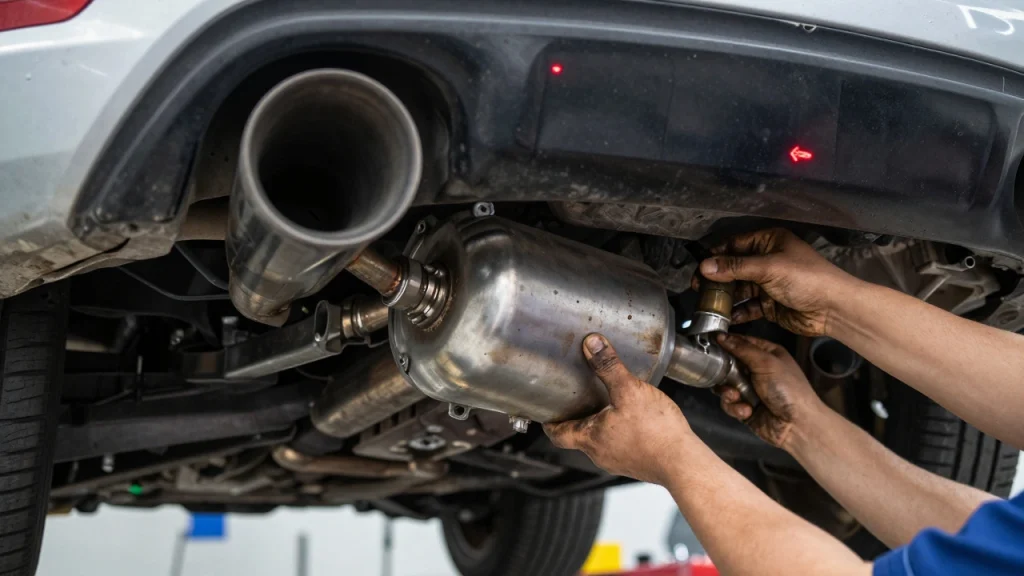
Penalties can be substantial. Repair shops that illegally remove catalytic converters have faced significant EPA enforcement actions, while vehicle owners may be required to restore the factory emissions system before the vehicle can be legally operated or registered in states with emissions testing.
If performance improvements are the goal, owners should instead choose EPA-compliant aftermarket components specifically certified for road use.
2. Installing Window Tint That Exceeds State Limits
Window tint can improve cabin comfort, reduce interior temperatures, and block harmful ultraviolet rays, but every state establishes legal limits governing how dark vehicle windows may be. Installing tint that exceeds those limits can make a vehicle illegal to operate until the film is removed or replaced with compliant material.
Although the exact percentage varies by state, law enforcement agencies regularly issue citations for excessive tint because it reduces visibility and can interfere with officer safety during traffic stops.
Visible Light Transmission, commonly called VLT, measures how much light passes through the glass. A lower VLT percentage means a darker tint.
Many owners mistakenly purchase film based solely on appearance without checking state regulations. Even factory privacy glass combined with aftermarket tint can exceed the legal limit.
Excessively dark windows also create practical safety concerns. Reduced visibility during nighttime driving, heavy rain, or poor weather increases the difficulty of spotting pedestrians, cyclists, and approaching vehicles. For that reason, states balance driver comfort with public safety when establishing tint laws.
Drivers who relocate between states should also remember that tint regulations differ across the country. A vehicle legally tinted in one state may violate the law in another. Before installing aftermarket window film, verify the applicable requirements where the vehicle is registered.
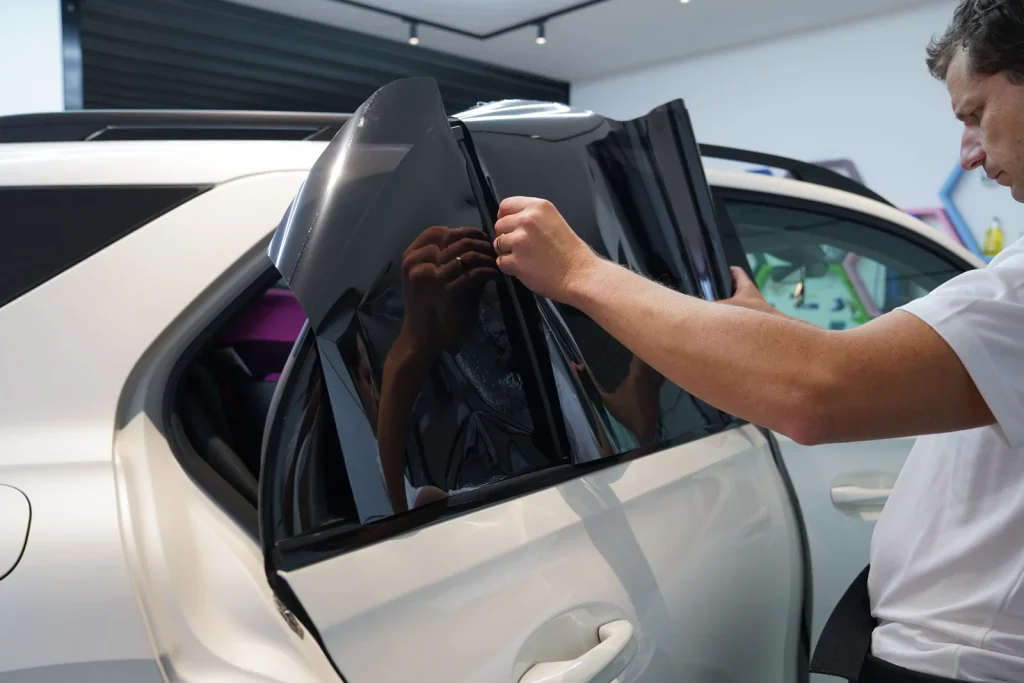
Choosing a reputable installer familiar with local regulations is usually the safest approach. Quality shops typically understand state-specific VLT requirements and can recommend films that improve heat rejection while remaining fully compliant with the law.
3. Installing Red or Blue Emergency Vehicle Lights
Bright LED lighting has become one of the most popular aftermarket upgrades, but installing red or blue lights on a privately owned vehicle is one of the quickest ways to violate traffic laws.
Across the United States, these colors are generally reserved for authorized emergency vehicles such as police cars, fire apparatus, and ambulances.
State laws vary slightly, but displaying emergency lighting on an unauthorized vehicle can lead to citations, equipment violations, vehicle impoundment, or even criminal charges if the lighting is used to imitate law enforcement.
Many enthusiasts install grille lights, windshield strobes, or roof-mounted LED bars because they appreciate the appearance. Problems arise when those lights are capable of flashing in colors reserved for emergency responders or are visible while the vehicle is traveling on public roads.
Even if the driver has no intention of impersonating an officer, other motorists may react unpredictably, creating unnecessary hazards.
Some aftermarket lighting systems allow users to switch between white, amber, blue, and red modes through a smartphone app or controller.
Owners should verify that prohibited colors are disabled before driving on public streets. Amber lighting is often permitted in limited situations, but the applicable rules depend on state law and the vehicle’s intended use.

Modern LED systems are incredibly bright, making misuse even more dangerous than older lighting technology. A driver who mistakes a modified vehicle for an actual emergency responder may suddenly brake, pull onto the shoulder, or make unsafe lane changes.
If additional visibility is the goal, DOT-compliant auxiliary driving lights or legal fog lights are far better alternatives. They improve nighttime driving without creating confusion for other motorists or violating laws that protect the distinctive appearance of emergency vehicles.
4. Installing an Excessively Loud Exhaust System
A performance exhaust can improve engine sound and, in some applications, slightly reduce exhaust restriction. However, replacing the factory system with an excessively loud exhaust can make a vehicle illegal to drive, depending on state and local noise regulations.
Nearly every state enforces laws limiting unreasonable vehicle noise, while many cities impose even stricter decibel standards.
Some owners remove mufflers entirely or install straight-pipe exhaust systems to maximize volume. Although the aggressive sound may appeal to enthusiasts, excessive noise affects nearby residents, pedestrians, and other motorists.
Complaints about modified exhaust systems have increased substantially in many metropolitan areas, prompting stricter enforcement and higher penalties.
Another concern involves emissions compliance. Certain aftermarket exhaust systems remove or relocate emissions equipment, creating additional legal violations beyond excessive noise.
Purchasing a quality cat-back exhaust from a reputable manufacturer helps avoid this issue because those systems typically retain the original catalytic converters while providing a deeper exhaust note.
Law enforcement officers do not always rely on sound meters during roadside stops. In many jurisdictions, they can issue citations if the exhaust is clearly louder than what is permitted under state law or appears to have been illegally modified.
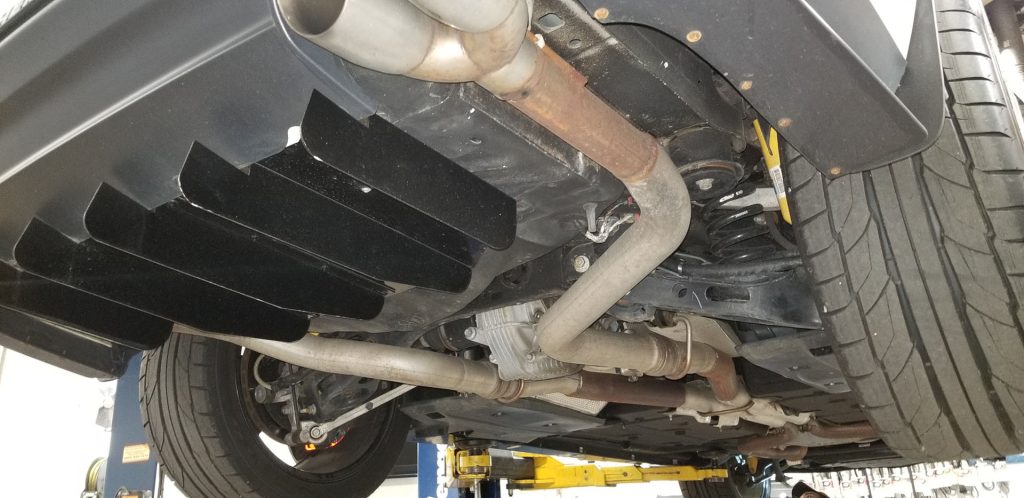
Drivers planning exhaust upgrades should research both state regulations and local ordinances before purchasing parts. An exhaust that is legal in one county may violate municipal noise rules elsewhere.
Choosing a system specifically marketed as street legal and emissions compliant provides a much better balance between performance, sound quality, and legal operation while reducing the risk of expensive fines or mandatory repairs.
5. Removing or Disabling Airbags
Airbags are among the most important safety features in any modern vehicle, yet some owners remove or disable them while installing racing steering wheels, aftermarket dashboards, or stripped interiors.
Although these modifications may be common on dedicated race cars, they can make a street-driven vehicle illegal or unsafe depending on state regulations and the circumstances of the modification.
Modern airbags are integrated into a vehicle’s Supplemental Restraint System, commonly known as the SRS. This system works alongside seat belts, crash sensors, and electronic control modules to reduce the risk of serious injury during collisions.
Removing an airbag often triggers the SRS warning light, indicating that the safety system is no longer functioning as designed.
Federal Motor Vehicle Safety Standards require manufacturers to equip new vehicles with approved occupant protection systems. While federal law generally regulates manufacturers and repair businesses rather than individual owners, many states prohibit operating vehicles with knowingly disabled required safety equipment.
Additionally, a vehicle with an illuminated airbag warning light may fail a required safety inspection in states that conduct annual inspections.
Insurance companies may also question claims involving modified safety systems following a crash. If investigators determine that airbags were intentionally removed or disabled, the modification could complicate coverage or liability issues.
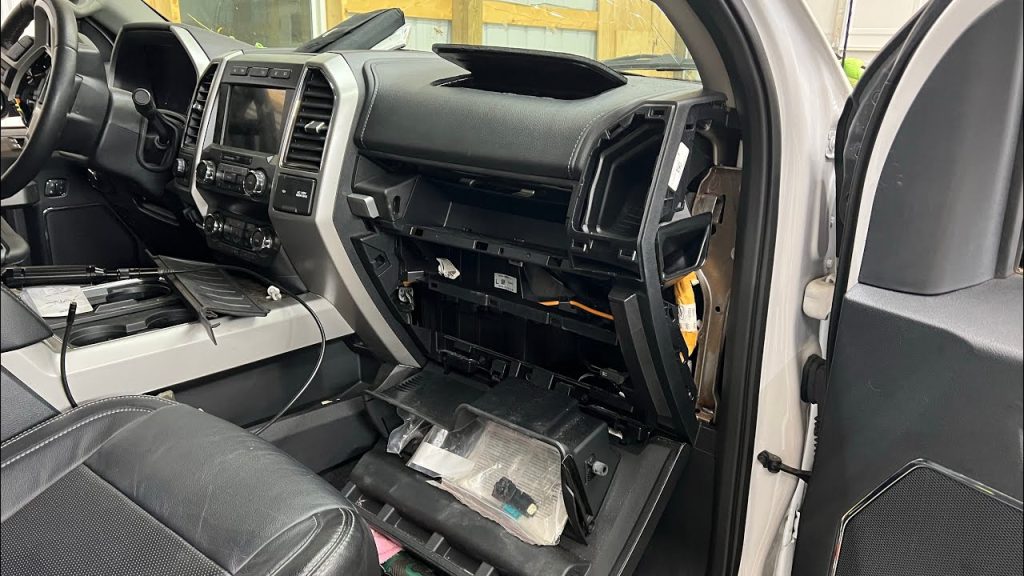
Drivers who want a race-inspired appearance should select aftermarket accessories that retain factory airbags whenever possible. Many reputable manufacturers produce performance steering wheels and interior components designed specifically to maintain compatibility with original safety systems.
Preserving these features protects occupants while helping ensure the vehicle remains compliant with applicable inspection and safety requirements.
6. Installing a Suspension Lift or Drop Beyond Legal Limits
Lift kits and lowering kits dramatically change a vehicle’s appearance, but they can also create legal problems when they exceed state limits or compromise safety.
While many suspension modifications are perfectly legal, extremely high lift kits or aggressive lowering setups may violate bumper-height regulations, headlight height requirements, or equipment laws established by individual states.
Pickup trucks frequently receive lift kits measuring several inches, allowing larger tires and improved ground clearance for off-road use. Sports cars often receive lowering springs or adjustable coilovers to improve handling and achieve a more aggressive stance.
Both modifications can remain legal if performed correctly, but excessive changes may reduce braking stability, alter steering geometry, or interfere with safe operation.
Several states regulate maximum bumper height because vehicles with unusually high front ends can override the crash structures of smaller passenger cars during collisions. Likewise, excessively lowered vehicles may scrape suspension components, reduce steering travel, or prevent headlights from illuminating the roadway correctly.
Improper suspension modifications also accelerate tire wear and place additional stress on steering and drivetrain components if the vehicle is not professionally aligned afterward. Drivers sometimes focus solely on appearance without considering how suspension geometry affects handling and emergency braking.
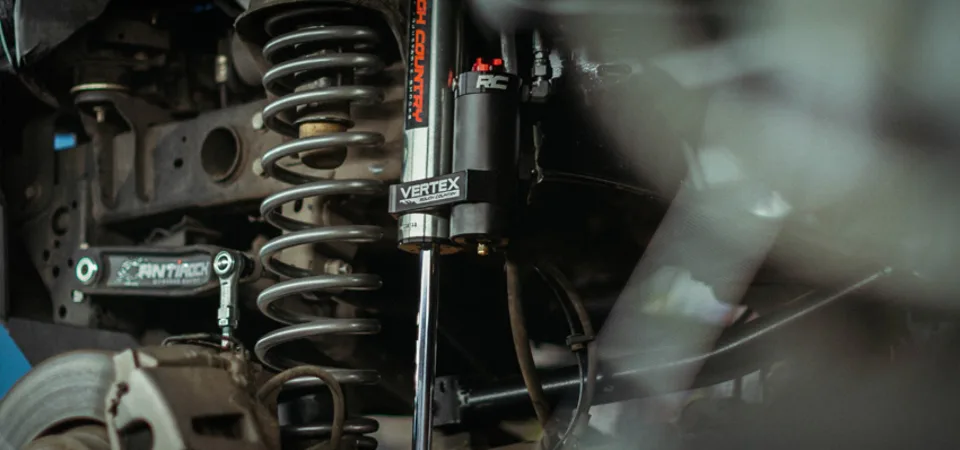
The safest approach is choosing suspension systems from established manufacturers that are engineered for the specific vehicle. Professional installation followed by a complete wheel alignment helps preserve handling while ensuring the vehicle complies with applicable state regulations.
Researching local equipment laws before making significant suspension changes can prevent inspection failures, citations, and costly corrective repairs.
7. Using Non-DOT-Approved Tires on Public Roads
Tires are the only part of a vehicle that remains in constant contact with the road, making their legal status just as important as their performance. Some enthusiasts install racing slicks, dedicated off-road tires, or imported tires that lack Department of Transportation certification.
While these products may perform exceptionally well in specialized environments, using them on public roads can make a vehicle illegal to operate and significantly reduce safety.
DOT-approved tires undergo testing to ensure they meet federal standards for construction, durability, labeling, and performance. Approved tires display a DOT identification code molded into the sidewall.
Tires intended solely for racing or off-road use often lack this marking because they were never designed to comply with highway regulations.
Racing slicks provide excellent grip on dry race tracks but become extremely dangerous on wet roads because they have no tread to disperse water. Likewise, aggressive off-road tires designed for mud or rock crawling may deliver poor braking performance and excessive road noise on pavement.
Using the wrong tire for everyday driving increases stopping distances and reduces vehicle stability during emergency maneuvers.
Law enforcement officers and vehicle inspectors may identify non-compliant tires during inspections or traffic stops. Insurance companies may also examine tire condition after serious collisions if tire suitability becomes a factor in the investigation.
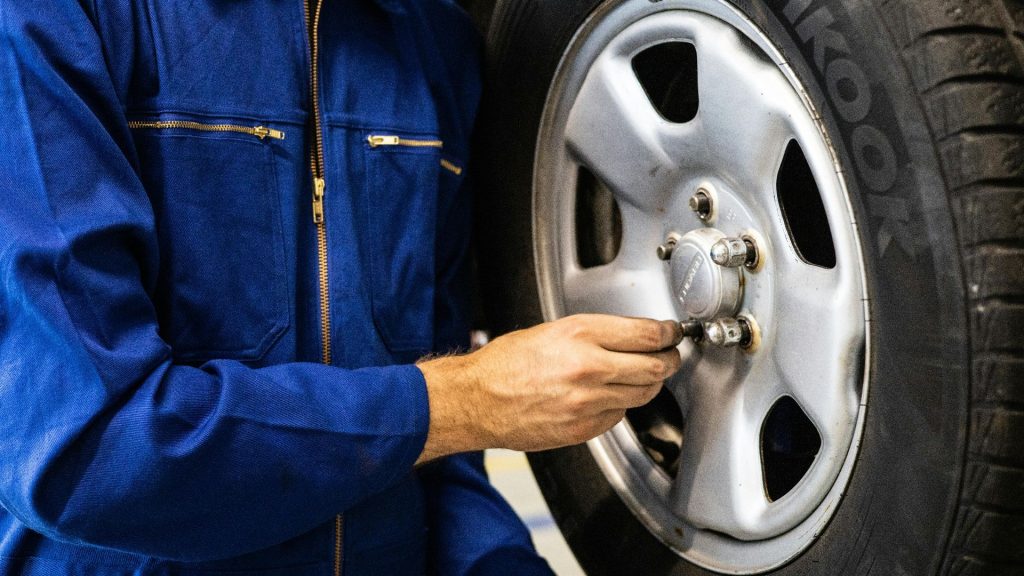
Drivers seeking improved performance should purchase DOT-approved ultra-high-performance or all-terrain tires specifically engineered for highway use.
These products provide excellent traction while maintaining compliance with federal regulations. Investing in properly certified tires protects not only legal status but also the safety of everyone inside the vehicle.
8. Installing License Plate Covers That Obscure the Plate
Many drivers install tinted or reflective license plate covers to improve appearance or protect plates from weather damage. However, these accessories can quickly become illegal if they interfere with the readability of the registration plate.
Nearly every state requires license plates to remain clearly visible from a specified distance, and anything that obstructs letters, numbers, registration stickers, or reflective material may result in a citation.
Some aftermarket covers are marketed as privacy products designed to defeat red-light cameras or toll cameras. Others use dark-smokey-colored plastic that reduces visibility during daylight or reflects camera flash at night.
Although these products are widely sold online, legality depends on state law, and many are prohibited when installed on vehicles operated on public roads.
Law enforcement officers rely on clearly visible license plates for vehicle identification during traffic enforcement, crash investigations, and public safety operations. A partially obscured plate can delay identification and create unnecessary complications during routine traffic stops.
Even decorative plate frames can create legal issues if they cover the name of the issuing state, registration decals, or any portion of the plate number. Drivers are often surprised to receive citations for frames purchased from dealerships or souvenir shops.
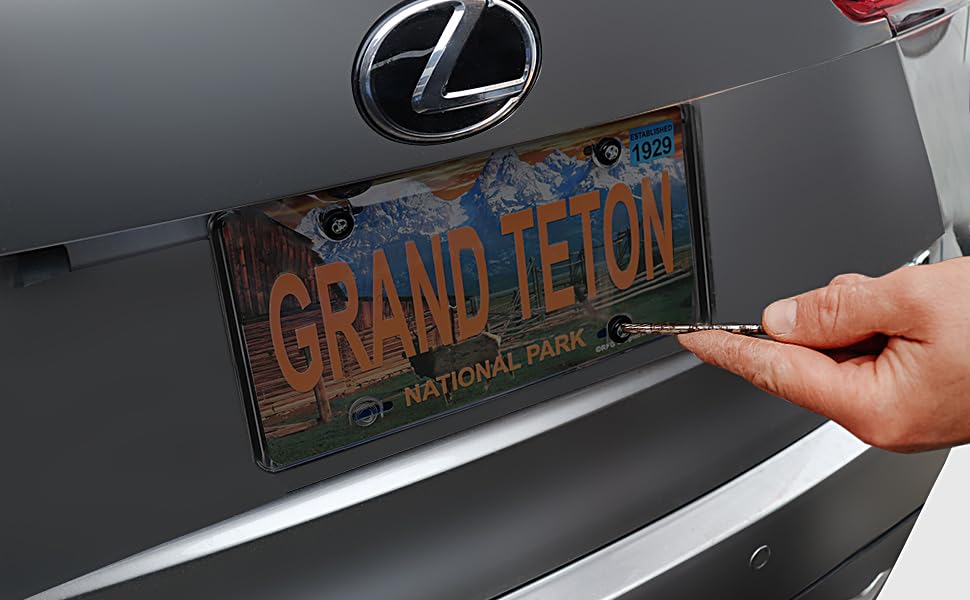
The simplest solution is using the plate exactly as issued by the state without tinted covers or oversized decorative frames. Keeping the plate clean, securely mounted, and fully visible ensures compliance with state regulations while avoiding unnecessary fines or inspection failures.
9. Removing or Tampering With Emissions Equipment
Modern vehicles rely on a network of emissions control components to meet federal air quality standards.
These include oxygen sensors, evaporative emissions systems, exhaust gas recirculation components on some engines, diesel particulate filters on diesel vehicles, and selective catalytic reduction systems where applicable.
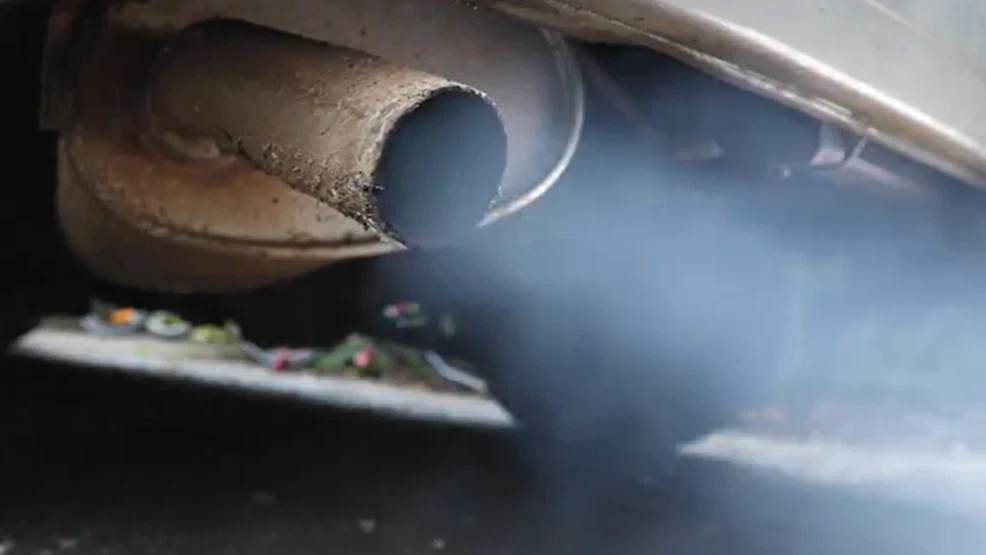
Removing, bypassing, or intentionally disabling any of these systems can make a vehicle illegal to operate on public roads under the federal Clean Air Act.
Some owners mistakenly believe emissions modifications are harmless if the vehicle appears to run normally. In reality, many of these components work together with the engine control module to maintain fuel efficiency, reduce harmful pollutants, and ensure the engine operates within federal certification standards.
Once a component is removed or altered, the vehicle no longer conforms to its original emissions certification.
Tampering can also create mechanical problems. The engine may enter a reduced-performance mode, trigger warning lights, or develop poor fuel economy because the computer is no longer receiving accurate sensor information.
Vehicles in states requiring emissions inspections will almost certainly fail testing until the factory emissions equipment is restored.
The Environmental Protection Agency has aggressively enforced emissions tampering rules in recent years, taking action against manufacturers, repair facilities, and companies selling illegal defeat devices. Civil penalties for businesses have reached millions of dollars in major enforcement cases.
Drivers looking for improved performance should instead purchase emissions-compliant aftermarket components carrying the appropriate certifications where required.
Legal upgrades can provide better sound or modest performance improvements while preserving emissions compliance and allowing the vehicle to remain fully legal for highway use.
10. Installing Illegal HID or LED Headlight Conversions
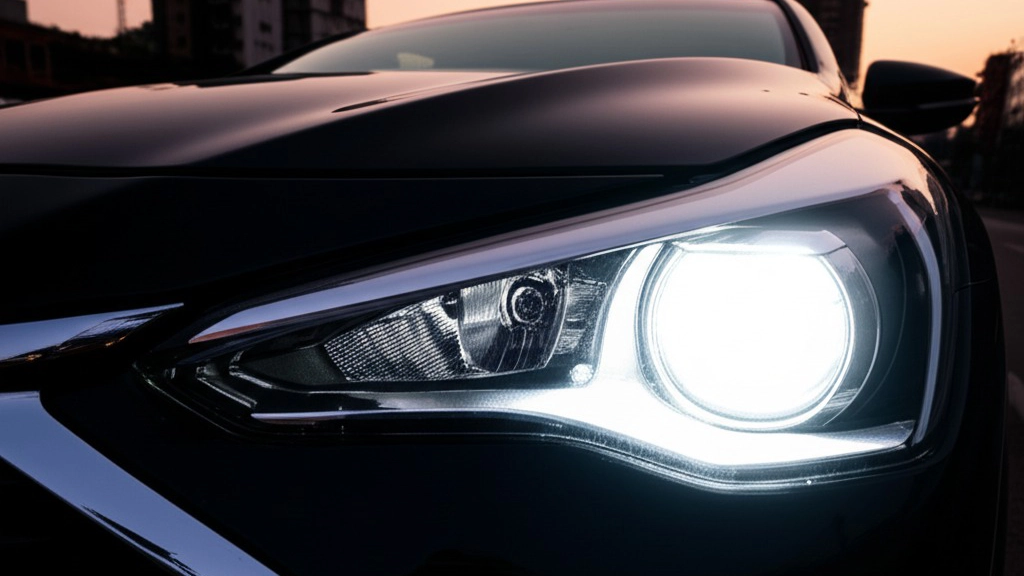
Headlights are one of the most commonly modified parts of a vehicle, yet they are also among the most frequently altered incorrectly. Many owners replace factory halogen bulbs with inexpensive LED or HID conversion kits that are not designed for the original headlight housing.
Although these kits often produce brighter light, they can create dangerous glare for oncoming traffic and violate federal lighting requirements.
Headlight performance depends on much more than bulb brightness. The reflector or projector housing is engineered around a specific light source.
Installing an incompatible bulb changes the beam pattern, scattering light into the eyes of other drivers instead of directing it safely onto the roadway. The result is reduced visibility for everyone sharing the road.
The National Highway Traffic Safety Administration has repeatedly warned that many aftermarket conversion kits do not comply with Federal Motor Vehicle Safety Standard No. 108 governing vehicle lighting. A brighter bulb does not automatically mean the lighting system is legal or safer.
Drivers cited for improper lighting may be required to remove the conversion kit before the vehicle can pass inspection or return to legal operating condition. Insurance companies may also consider non-compliant lighting modifications after nighttime crashes if glare or poor illumination contributed to the collision.
The safest solution is selecting replacement lighting specifically certified for the vehicle. Complete DOT-compliant headlamp assemblies designed for LED technology provide substantially better performance than inexpensive bulb conversions while maintaining the proper beam pattern and legal compliance.
Also Read: 10 Fastest Cars Ever Sold in America With a Manual Transmission