
A vehicle’s purchase price is only part of the ownership equation. Once the factory warranty expires, repair costs become the owner’s responsibility, and the difference between brands can be substantial.
According to RepairPal’s annual reliability and repair cost data, premium luxury manufacturers generally have significantly higher average annual repair expenses than mainstream brands because of complex engineering, specialized parts, and higher labor rates.
Expensive repairs do not necessarily mean poor quality, but they can dramatically increase long-term ownership costs. Here are eight brands that consistently rank among the most expensive to maintain and repair after warranty coverage ends, beginning with the costliest.
Also Read: 8 Car Brands That Reject a Part Until a Dealer Codes It
1. Land Rover
When discussing expensive out-of-warranty ownership, Land Rover almost always appears near the top of the conversation. RepairPal estimates the brand’s average annual repair and maintenance cost at approximately $1,174, placing it among the highest of any mainstream luxury manufacturer in the United States.
While many owners praise the brand’s unmatched off-road capability and premium interiors, maintaining a Land Rover after factory coverage expires can become a significant financial commitment.
Several factors contribute to these elevated costs. Modern Land Rover vehicles incorporate sophisticated air suspension systems, electronically controlled four-wheel-drive components, adaptive terrain management software, advanced infotainment systems, and numerous luxury features. Each system improves capability or comfort, but it also increases repair complexity when components fail.
Replacement parts are another major expense. Genuine Land Rover components typically cost more than comparable parts for mass-market vehicles, while many repairs require specialized diagnostic equipment available primarily through dealerships or experienced independent European repair shops.
Labor costs also tend to be higher because many procedures require additional disassembly compared with simpler vehicles.
Common out-of-warranty repairs include air suspension compressors, electronic suspension components, cooling system parts, timing chain service on certain engines, infotainment electronics, and drivetrain-related repairs depending on the model.
None of these repairs affect every vehicle, but individual repair invoices can easily reach several thousand dollars once warranty protection ends.
Despite the high ownership costs, Land Rover continues attracting buyers because few competitors combine luxury, genuine off-road capability, and premium craftsmanship as effectively. Prospective used buyers should simply budget for higher maintenance expenses than they would expect from a typical SUV.
2. Porsche
Porsche consistently ranks among the premium brands with the highest ownership costs after warranty expiration. RepairPal estimates the brand’s average annual repair and maintenance expense at approximately $1,192, reflecting the sophisticated engineering found across its sports cars and luxury SUVs.
Although Porsche enjoys an excellent reputation for build quality and long-term durability, repairing these vehicles is rarely inexpensive.
Unlike many manufacturers that share components across numerous mass-market models, Porsche designs many of its vehicles with highly specialized engines, transmissions, suspension systems, and electronics. That exclusivity improves performance but also increases parts prices.
Genuine replacement components often cost considerably more than comparable parts for mainstream vehicles, and many repairs require technicians trained specifically on Porsche systems.
Modern Porsche models also incorporate advanced technologies such as adaptive suspension, rear-wheel steering, active engine mounts, dual-clutch PDK transmissions, and complex turbocharging systems.
These features contribute to exceptional driving dynamics, yet they also increase diagnostic time and repair complexity once the warranty has expired.
Routine maintenance is similarly more expensive than average. Brake components, high-performance tires, premium synthetic oils, and factory-specified fluids all contribute to elevated ownership costs. Even scheduled maintenance visits frequently exceed those of many luxury competitors.
Owners often accept these expenses because Porsche vehicles generally deliver outstanding performance, strong resale values, and impressive reliability relative to other high-performance brands.
Major engine failures are relatively uncommon compared with some rivals, but when repairs are necessary, labor rates and parts costs remain among the highest in the industry.
For enthusiasts, the ownership experience often justifies the expense. Buyers entering the used Porsche market, however, should understand that premium engineering almost always comes with premium repair bills after factory warranty coverage expires.
3. Mercedes-Benz
Mercedes-Benz has built its reputation on engineering innovation, advanced safety technology, and premium craftsmanship. Those qualities make its vehicles highly desirable, but they also contribute to some of the highest out-of-warranty ownership costs in the industry.
According to RepairPal, the brand’s average annual repair and maintenance expense is approximately $908, placing it well above the industry average.
A significant reason for these costs is the complexity of modern Mercedes vehicles. Even entry-level models often include adaptive suspension systems, turbocharged engines, multiple electronic control modules, sophisticated driver-assistance technology, and premium infotainment systems.
While these features enhance comfort and performance, diagnosing and repairing them frequently requires specialized factory diagnostic equipment and technicians trained specifically on Mercedes-Benz vehicles.
Replacement parts also carry premium pricing. Components such as air suspension struts, turbochargers, electronic steering systems, digital instrument clusters, and advanced lighting assemblies can cost substantially more than equivalent parts found in mainstream brands.
Labor expenses further increase repair bills because many maintenance procedures require additional disassembly or manufacturer-specific service procedures.
Routine maintenance also tends to be more expensive. Mercedes specifies premium synthetic lubricants, specialized transmission service intervals, and factory-approved replacement parts that help preserve performance but increase ownership costs over time.
Despite these expenses, Mercedes-Benz vehicles generally provide excellent driving refinement, strong safety performance, and high-quality interiors. Owners often consider the elevated maintenance costs an acceptable tradeoff for the luxury experience the brand delivers.
For buyers considering a used Mercedes that is no longer under factory warranty, establishing a maintenance budget and obtaining a thorough pre-purchase inspection can significantly reduce the risk of unexpected repair expenses later in ownership.
4. BMW
BMW has long promoted itself as the “Ultimate Driving Machine,” and its vehicles consistently deliver responsive handling, refined powertrains, and advanced technology. Those engineering achievements, however, also contribute to relatively high ownership costs after warranty coverage expires.
RepairPal estimates BMW’s average annual repair and maintenance expense at approximately $968, making it one of the costliest mainstream luxury brands to own over the long term.
Modern BMW models feature turbocharged engines, sophisticated automatic transmissions, adaptive suspension systems, electronically controlled steering, and numerous driver-assistance technologies. These systems improve driving performance and comfort, but they also increase repair complexity compared with simpler vehicles.
Many repairs require manufacturer-specific diagnostic software capable of communicating with dozens of electronic control modules throughout the vehicle. Even routine procedures such as battery replacement often require electronic registration using factory-compatible equipment.
Independent repair shops capable of servicing BMW vehicles have become more common, but labor rates generally remain higher than those charged for non-luxury brands.
Replacement components also contribute significantly to ownership costs. Turbochargers, cooling system parts, adaptive dampers, electronic water pumps, and advanced lighting systems can produce repair invoices reaching several thousand dollars when replacement becomes necessary.
BMW’s maintenance requirements are also relatively strict. High-quality synthetic oil, factory-approved fluids, and premium brake components help preserve the vehicle’s performance characteristics but increase routine servicing expenses compared with many mainstream manufacturers.
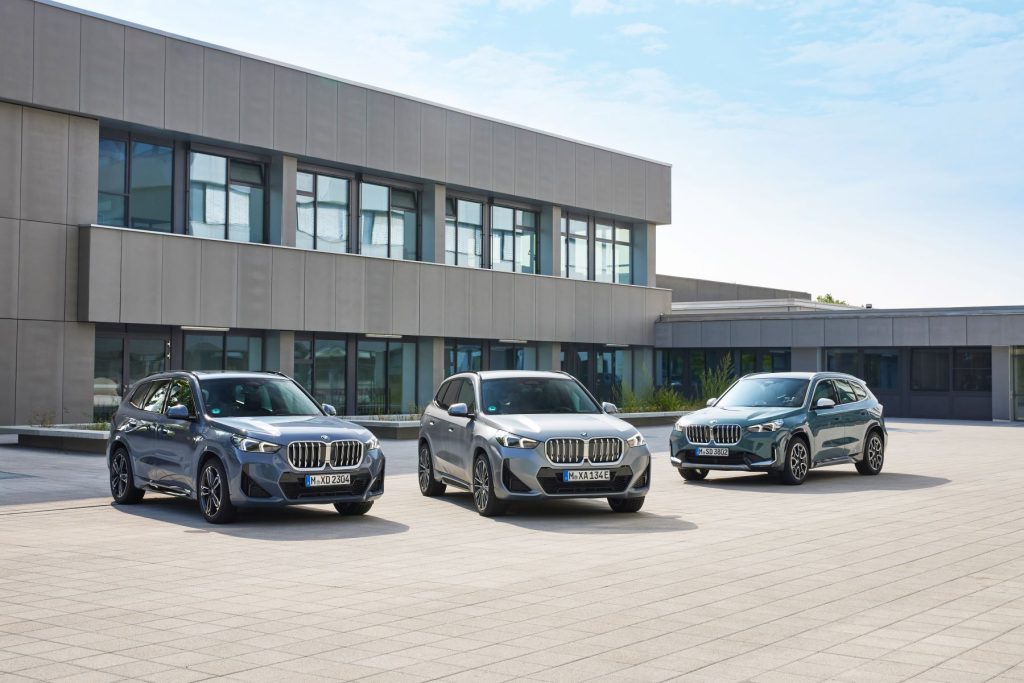
Despite the higher costs, BMW continues attracting loyal customers because of its excellent driving dynamics, refined interiors, and strong performance. Buyers shopping for used BMW models should simply recognize that premium engineering typically brings premium repair costs once factory warranty protection ends.
5. Audi
Audi has earned a reputation for producing some of the most refined luxury vehicles in the American market. Quattro all-wheel drive, turbocharged engines, premium interiors, and cutting-edge technology have become hallmarks of the brand.
Those same engineering strengths, however, contribute to higher repair expenses after factory warranty coverage expires. According to RepairPal, Audi owners spend an average of approximately $987 per year on repairs and maintenance, placing the brand among the most expensive to own long-term.
Modern Audi vehicles are packed with advanced technology. Sophisticated all-wheel-drive systems, adaptive air suspension on higher-end models, direct-injected turbocharged engines, dual-clutch transmissions, and complex electronic driver-assistance features all improve performance and comfort.
When repairs become necessary, however, these systems often require specialized diagnostic tools and factory-trained technicians.
Parts pricing is another major factor. Genuine Audi components typically carry premium prices, especially electronic modules, turbochargers, adaptive suspension components, digital displays, and advanced lighting systems. Labor costs also increase because many repairs require extensive disassembly before technicians can access the affected component.
Audi has improved long-term reliability in recent years, but ownership costs remain higher than average simply because of the complexity of the vehicles.
Even routine maintenance, including synthetic oil services, DSG transmission fluid changes on applicable models, and brake replacement, generally costs more than comparable work on mainstream brands.
Many owners gladly accept these expenses because Audi delivers excellent ride quality, upscale interiors, advanced safety technology, and confident all-weather capability through its Quattro system. Buyers considering a used Audi should simply understand that premium ownership extends beyond the purchase price.
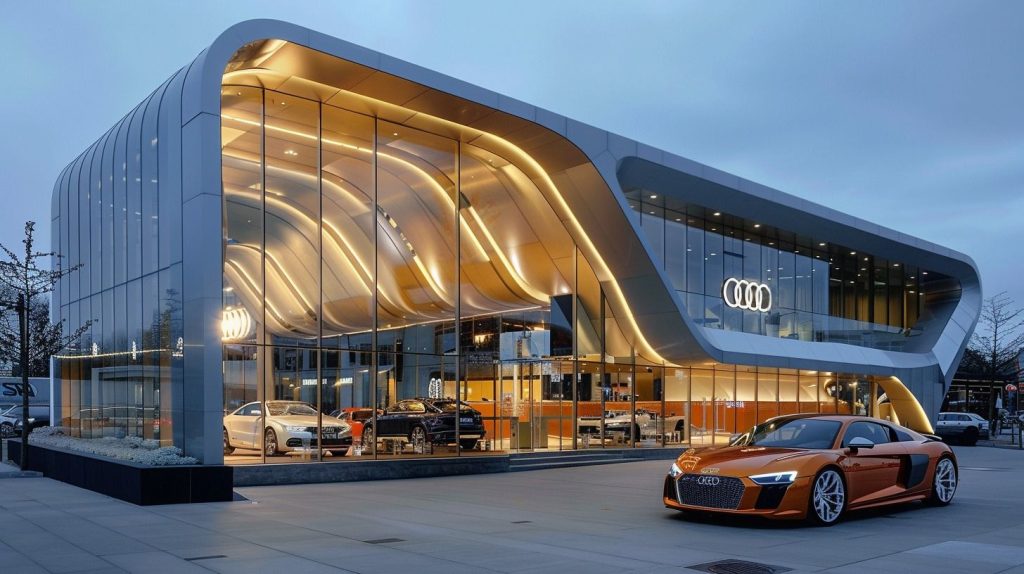
A detailed service history and regular preventive maintenance can significantly reduce the likelihood of expensive repairs once warranty coverage has expired.
6. Jaguar
Jaguar has produced some of the most elegant luxury sedans and SUVs ever sold in America. Stylish design, refined performance, and distinctive British character continue attracting buyers seeking an alternative to German luxury brands.
Maintaining a Jaguar after its factory warranty expires, however, can become significantly more expensive than owning many competing vehicles. RepairPal estimates the brand’s average annual repair and maintenance cost at approximately $1,123, placing it among the highest in the industry.
Several factors contribute to these elevated costs. Jaguar vehicles incorporate lightweight aluminum-intensive construction, sophisticated electronic systems, adaptive suspension technology, supercharged or turbocharged engines, and advanced infotainment platforms.
These systems enhance performance and comfort but require specialized diagnostic equipment and experienced technicians when repairs are necessary.
Replacement parts also tend to be costly because Jaguar sells relatively fewer vehicles in the United States than many competitors. Lower production volumes often translate into higher component prices and, in some cases, longer parts availability timelines.
Routine maintenance itself can also be expensive. Premium synthetic lubricants, manufacturer-approved fluids, high-performance braking systems, and specialized suspension components all increase ownership costs over time.
Repairs involving cooling systems, electronic modules, air suspension components, or advanced engine management systems can quickly produce repair bills well into four figures.
Despite these expenses, Jaguar continues appealing to enthusiasts who appreciate its unique blend of luxury and performance. The vehicles offer refined handling, beautifully designed interiors, and a driving experience that differs noticeably from many competitors.
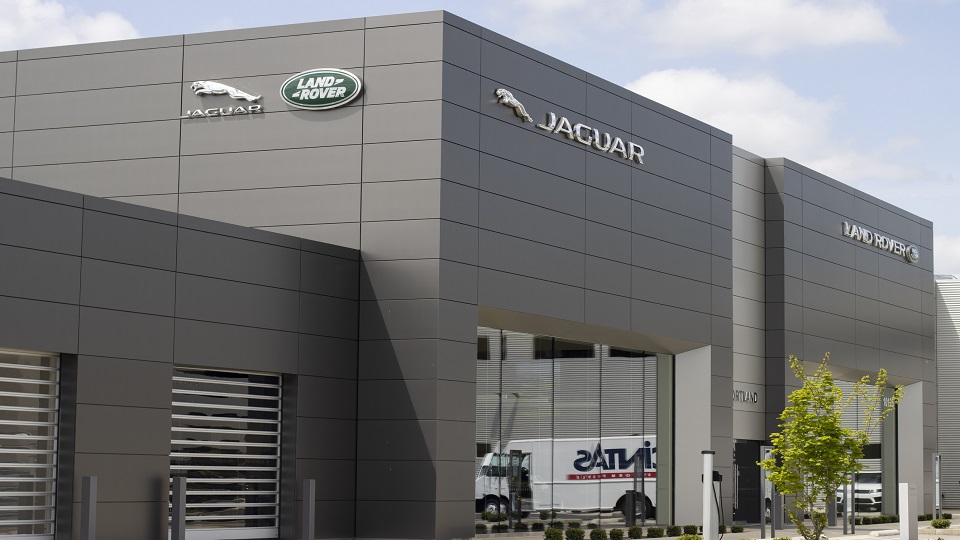
Prospective buyers of used Jaguars should prioritize vehicles with complete maintenance records and documented servicing. Preventive maintenance remains one of the most effective ways to reduce long-term repair costs after factory warranty protection has ended.
7. Volvo
Volvo has built an outstanding reputation for occupant protection, Scandinavian design, and refined driving manners. Over the past decade, the company has also introduced an impressive range of advanced powertrains featuring turbocharging, supercharging, mild hybrid systems, and plug-in hybrid technology.
While these innovations have improved efficiency and performance, they have also increased ownership costs once factory warranty coverage expires. According to RepairPal, Volvo owners spend approximately $769 annually on repair and maintenance, well above the average for mainstream brands.
One reason is the complexity of modern Volvo engineering. Even entry-level models include numerous electronic control modules, advanced driver-assistance systems, sophisticated climate control, and extensive safety technology.
Higher trims may add air suspension, plug-in hybrid components, and electronically controlled all-wheel-drive systems that require specialized diagnostic equipment and factory-trained technicians.
Replacement parts are also priced accordingly. Components such as adaptive headlights, radar sensors, turbochargers, electronic steering systems, and infotainment hardware often cost considerably more than similar parts used in non-luxury vehicles. Labor charges can increase as well because many repair procedures involve substantial disassembly.
Routine maintenance is similarly more expensive than average. Volvo specifies premium synthetic oils, specialized transmission fluids, and manufacturer-approved replacement components designed to maintain long-term reliability and safety performance.
Despite the higher costs, Volvo owners frequently praise the brand’s exceptional comfort, crash protection, and interior quality. Many consider the additional maintenance expense worthwhile because of the confidence these vehicles provide in daily driving.
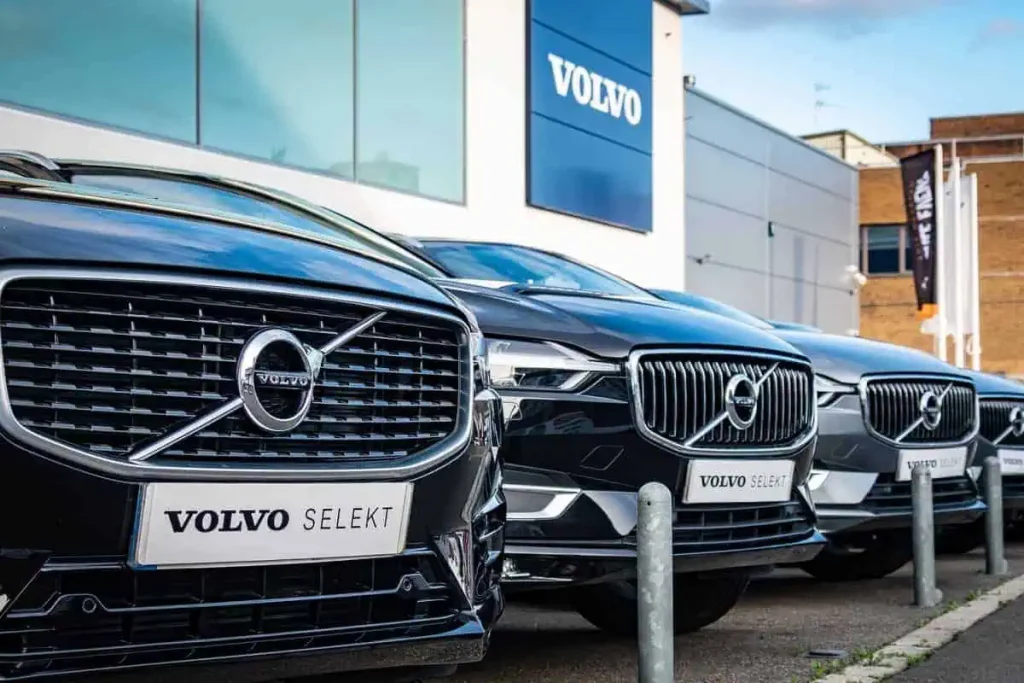
For shoppers considering a used Volvo beyond its factory warranty, a documented maintenance history and a professional pre-purchase inspection remain valuable investments that can help identify potential repair costs before ownership begins.
8. MINI
MINI closes this list because it consistently ranks above the industry average for repair and maintenance expenses despite its relatively small size. RepairPal estimates annual ownership costs at approximately $846, a figure that surprises many buyers who assume a compact vehicle should automatically be inexpensive to maintain.
The reason becomes clear when examining the engineering beneath the bodywork. Modern MINI models share many components with BMW, including turbocharged engines, sophisticated electronics, advanced automatic transmissions, and premium suspension systems.
These shared technologies deliver engaging driving dynamics but also bring luxury-brand repair costs once warranty coverage ends.
Turbocharged engines require careful maintenance using manufacturer-approved synthetic oils and cooling system components. Electronic systems, digital displays, adaptive lighting, and advanced driver-assistance features also increase repair complexity compared with simpler economy cars.
Replacement parts are another consideration. Genuine MINI components generally cost more than comparable parts for mainstream compact cars, and labor rates can be higher because many repairs require specialized BMW-compatible diagnostic equipment and technician expertise.
Owners often overlook these factors because MINI vehicles are marketed primarily for their distinctive styling and enjoyable driving experience rather than luxury positioning. However, maintenance expenses more closely resemble premium European brands than entry-level commuter cars.
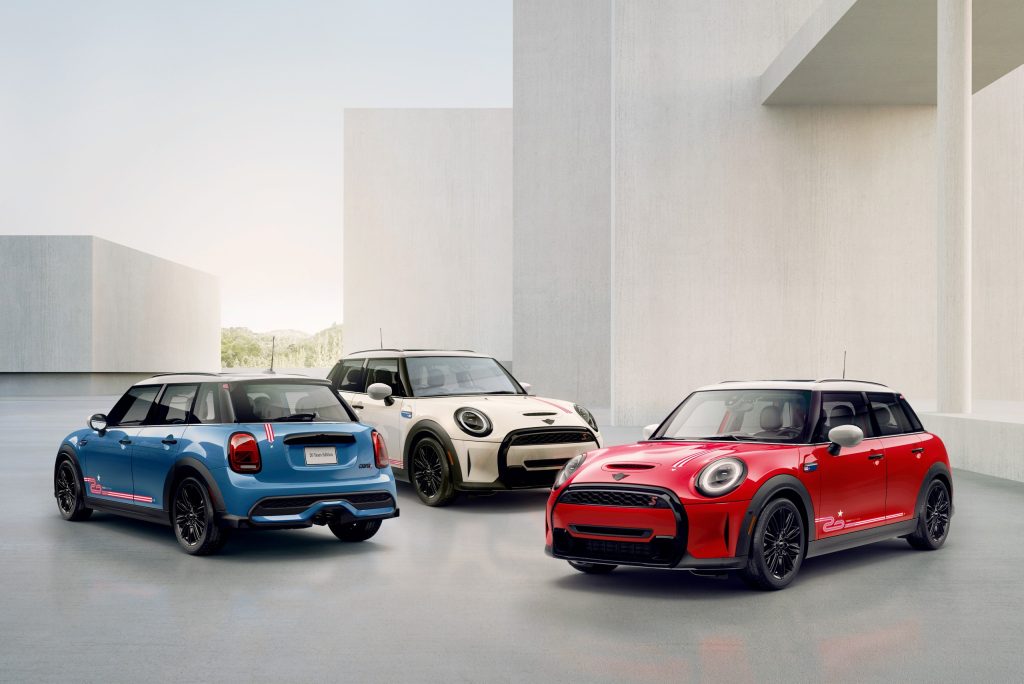
That said, well-maintained MINI models can provide many years of enjoyable ownership. Buyers willing to follow the recommended service schedule and address maintenance proactively often experience fewer major repairs than owners who postpone routine servicing.
Although MINI is the least expensive brand on this list, it still demonstrates that purchase price alone does not determine ownership costs. Long-term maintenance planning remains just as important as the initial transaction when buying any premium European vehicle.
9. Alfa Romeo
Alfa Romeo delivers distinctive styling and engaging driving dynamics, but owning one after the factory warranty expires can be considerably more expensive than maintaining a mainstream vehicle.
Although RepairPal has limited data because of the brand’s relatively low sales volume in the United States, independent ownership cost studies and service pricing consistently place Alfa Romeo among the more expensive European brands to maintain. Specialized parts, limited dealer networks, and sophisticated engineering all contribute to higher repair bills.
Modern Alfa Romeo vehicles feature turbocharged engines, electronically controlled all-wheel-drive systems, adaptive suspensions, advanced braking technology, and complex driver-assistance systems.
While these features enhance performance, they also increase repair complexity once components begin to age. Many repairs require factory-specific diagnostic software and technicians familiar with Alfa Romeo’s systems.
Parts availability can also affect ownership costs. Since Alfa Romeo sells far fewer vehicles in the United States than brands such as BMW or Mercedes-Benz, certain replacement components may cost more or require longer delivery times.
Turbochargers, electronic control modules, suspension components, and infotainment hardware can generate repair invoices that exceed those of many mainstream competitors.
Routine maintenance is equally important. Alfa Romeo specifies premium synthetic oils, manufacturer-approved fluids, and scheduled servicing that should not be delayed. Owners who follow the maintenance schedule generally report better long-term reliability than those who postpone recommended service.
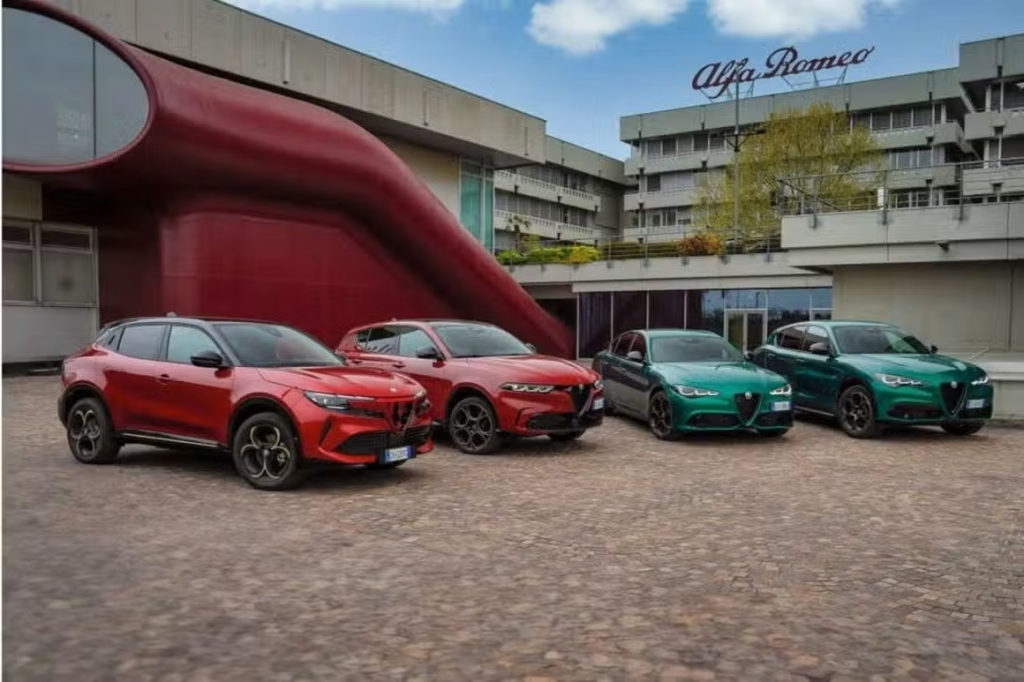
Despite the higher expenses, Alfa Romeo continues attracting buyers who value its unique character, responsive handling, and distinctive Italian styling. The ownership experience can be rewarding, but prospective buyers should budget for repair costs that are noticeably above the industry average once warranty protection has ended.
10. Maserati
Maserati has long occupied a unique position in the luxury automotive market, blending Italian craftsmanship with high-performance engineering. That exclusivity, however, comes with substantial ownership costs after the factory warranty expires.
Although RepairPal does not publish annual repair cost rankings because of limited repair data, independent ownership studies and repair industry estimates consistently identify Maserati as one of the most expensive automotive brands to maintain in the United States.
One reason is the extensive use of specialized components. Maserati vehicles feature high-output turbocharged engines, sophisticated automatic transmissions, adaptive suspension systems, electronically controlled differentials, and advanced luxury electronics.
These systems provide exceptional performance and refinement but often require specialized diagnostic equipment and highly trained technicians when repairs become necessary.
Replacement parts are also significantly more expensive than those for mainstream luxury brands. Components such as adaptive dampers, turbochargers, electronic steering systems, digital displays, and brake assemblies frequently cost thousands of dollars.
Limited production volumes further increase parts pricing because fewer components are manufactured compared with high-volume brands.
Routine maintenance is equally demanding. Premium synthetic lubricants, high-performance brake components, and factory-approved service procedures contribute to elevated ownership expenses throughout the vehicle’s life. Owners who neglect scheduled maintenance often face even higher repair bills later.
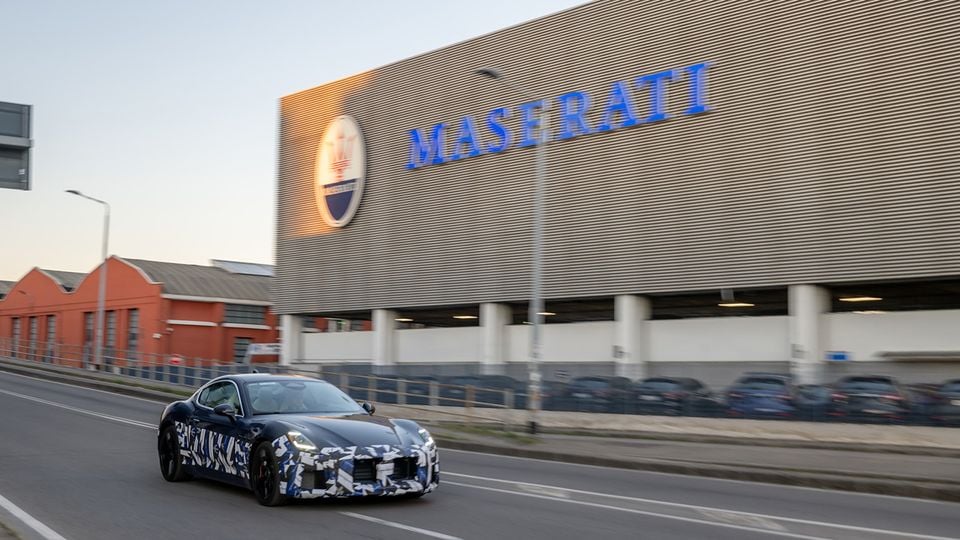
Despite these costs, Maserati continues appealing to enthusiasts seeking exclusivity, distinctive styling, and a driving experience that stands apart from more common luxury vehicles. Buyers considering a used Maserati should strongly prioritize vehicles with complete maintenance records and a thorough pre-purchase inspection performed by a specialist.
For many owners, the unique ownership experience justifies the higher operating costs, but it remains one of the most expensive brands to own once factory warranty coverage expires.
Also Read: 8 Engines That Powered Multiple Brands for Decades
