
Automotive history has been shaped by engines that delivered reliability, performance, and adaptability across different vehicles and brands. Some powerplants became famous because manufacturers trusted them for years, using the same engineering foundation in sedans, trucks, sports cars, and luxury models.
These engines helped companies reduce development costs while giving drivers proven technology. Their long production runs created strong reputations among enthusiasts and mechanics.
From powerful V8s to efficient inline engines, these machines influenced generations of vehicles and became important parts of automotive culture. Their legacy continues through collectors, restorers, and modern engineering decisions inspired by their durability.
Also Read: 10 EVs Ranked by Charging Speed
1. Chevrolet Small Block V8: A Legendary Engine Family Across Generations
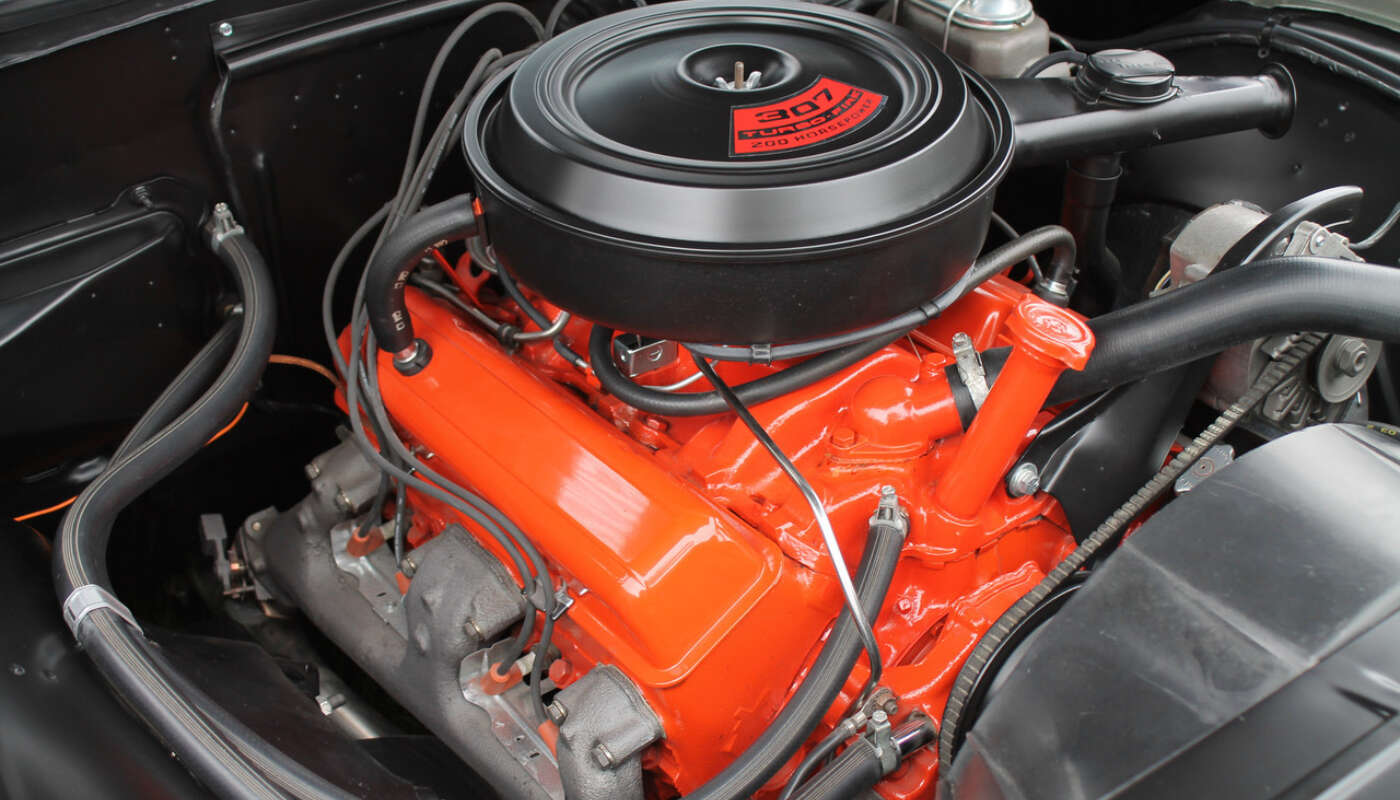
The Chevrolet Small Block V8 remains among the most recognized engines in automotive history because of its long production life and widespread use. Introduced in 1955, this engine family quickly became a favorite for General Motors because of its compact design, strong performance, and manufacturing efficiency.
The original 265 cubic inch V8 created a foundation that later expanded into many different versions, including 283, 327, 350, and 400 cubic inch variants.
Chevrolet used these engines in performance cars, family vehicles, trucks, and commercial applications, making the small block a common sight across decades of automotive production.
The engine became closely associated with Chevrolet vehicles such as the Corvette, Camaro, Nova, Chevelle, and various full-size sedans. Its simple architecture allowed engineers to modify displacement, compression ratios, cylinder heads, and fuel delivery systems without completely redesigning the engine.
This flexibility helped Chevrolet respond to changing customer demands, from fuel efficiency requirements to demands for greater horsepower. Mechanics also appreciated the engine because repairs and upgrades were straightforward compared with many complicated designs introduced later.
The influence of the Small Block V8 extended beyond Chevrolet passenger cars. General Motors used versions of the engine in brands such as GMC trucks and other GM vehicles. Its popularity also encouraged aftermarket companies to create countless performance components.
Enthusiasts could transform ordinary vehicles into high-performance machines by replacing internal parts, adding better intake systems, or improving exhaust designs. This aftermarket support helped the engine remain relevant long after newer technologies entered the market.
During its production history, the Small Block V8 went through significant technological changes. Early carbureted versions eventually gave way to electronic fuel injection, improved emissions systems, and computer-controlled management.
These updates allowed the engine family to survive stricter regulations while maintaining its reputation for power. The later LS-based engines continued the small block tradition with advanced materials, improved airflow, and better efficiency, proving that the original concept could evolve with changing automotive needs.
The lasting success of the Chevrolet Small Block V8 comes from its combination of simplicity, durability, and performance potential. Few engines have been installed in such a wide variety of vehicles or supported by such a large enthusiast community.
Whether found in classic muscle cars, pickup trucks, or modern performance builds, the small block represents an important chapter in automotive engineering. Its decades of service demonstrate how a well-designed engine can remain valuable across changing markets and technologies.
2. Ford Windsor V8: The Engine Behind Many Ford Performance Icons
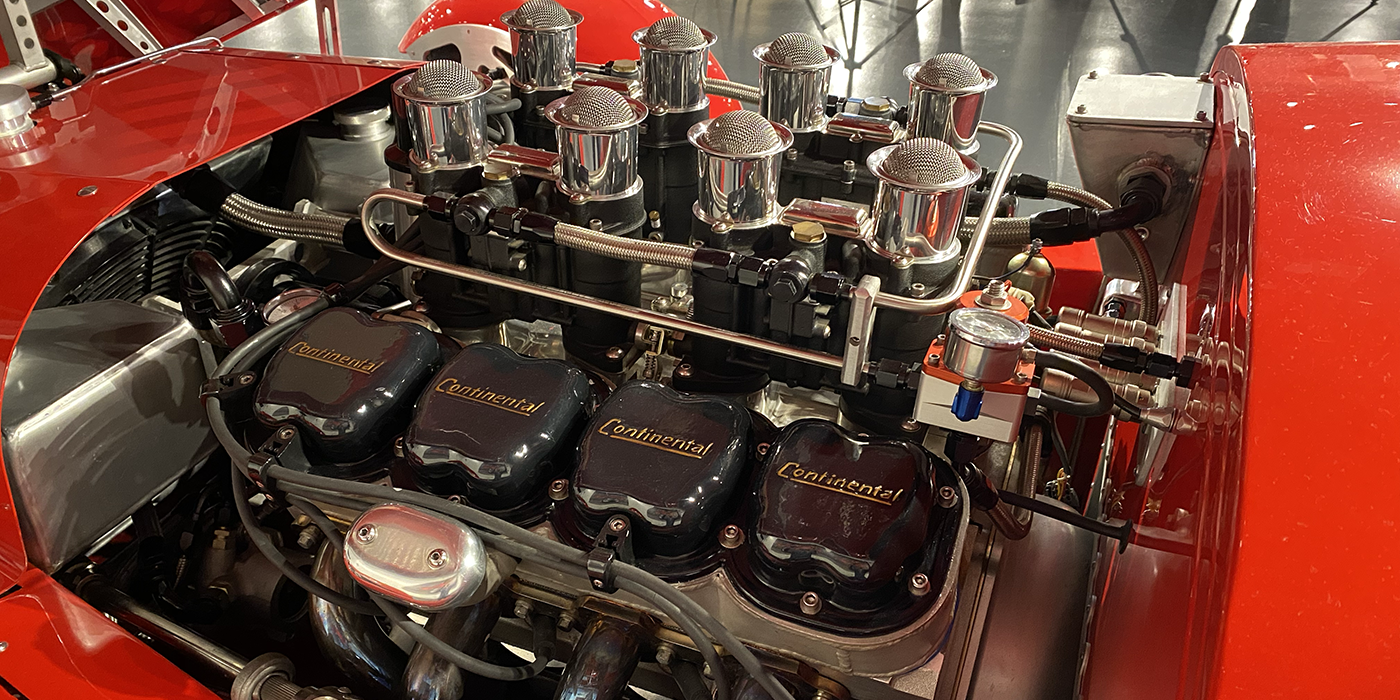
The Ford Windsor V8 became a major part of Ford’s performance history after its introduction in 1962. Originally developed as a compact alternative to Ford’s larger V8 engines, the Windsor family gained recognition for its balance of size, weight, reliability, and power output.
The engine received its name from the Windsor, Ontario, plant where many early versions were produced. Over time, the Windsor design appeared in numerous Ford vehicles, helping establish a strong connection between everyday transportation and motorsport performance.
Ford used Windsor engines in several popular models, including the Mustang, Torino, Bronco, Fairlane, and various pickup trucks. The 289 and 302 cubic inch versions became especially famous because they offered strong performance in relatively lightweight vehicles.
The Mustang’s success during the muscle car era was closely connected to the availability of small but powerful V8 engines. Drivers appreciated the responsive nature of these engines, while racing teams valued their ability to produce competitive power with modifications.
The Windsor engine family also supported multiple Ford brands and divisions through shared engineering practices. Vehicles from Ford’s performance-oriented programs benefited from the same basic architecture, allowing engineers to develop specialized versions without creating entirely new designs.
This approach helped Ford maintain production efficiency while offering customers different levels of performance. The engine’s adaptability made it suitable for sports cars, trucks, and utility vehicles.
A major reason for the Windsor V8’s popularity was its aftermarket support. Performance companies developed thousands of replacement components, including cylinder heads, camshafts, intake systems, and internal engine parts.
Enthusiasts could build engines focused on street driving, racing, or restoration projects. This flexibility helped keep Windsor-powered vehicles active decades after their original production ended.
The Ford Windsor V8 remains respected among collectors and performance enthusiasts because of its historical importance and mechanical simplicity. It helped create some of Ford’s most memorable vehicles and contributed to the company’s reputation for affordable performance.
Even as modern engines use advanced computer controls and complex designs, the Windsor’s straightforward engineering continues to influence builders and restorers who value traditional V8 characteristics.
3. Volkswagen EA827 Engine: A Four-Cylinder Powerhouse Used Across Brands
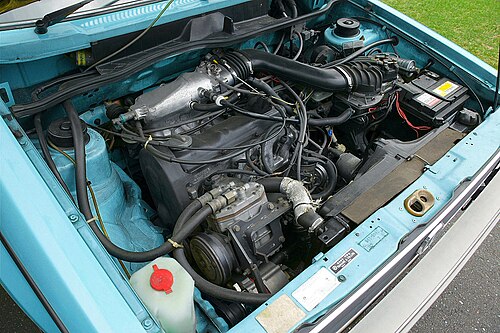
The Volkswagen EA827 engine family became one of Europe’s most widely used four-cylinder designs after its introduction in the 1970s. Developed by Volkswagen, this engine was created to provide efficient performance, reliability, and flexibility for a broad range of vehicles.
Its design became highly influential because manufacturers could adapt it for different applications, including compact cars, family vehicles, and performance models. The EA827 architecture eventually became the foundation for many engines used throughout the Volkswagen Group.
Volkswagen installed versions of the EA827 engine in vehicles such as the Golf, Jetta, Passat, and Scirocco. The engine’s success came from its practical design, which combined good fuel economy with dependable operation.
Its transverse installation made it suitable for front-wheel-drive layouts that became increasingly popular in European vehicles. This packaging advantage helped Volkswagen compete in markets where efficiency and practicality were major priorities.
The engine was also used across different brands connected to the Volkswagen Group. Audi, SEAT, and other manufacturers benefited from variations of the same basic engineering platform.
Shared engine development allowed companies to reduce costs while creating vehicles with different personalities. A family hatchback, a sporty coupe, and a compact sedan could all use related technology while targeting different customers.
Over the years, engineers improved the EA827 design through changes in fuel systems, cylinder head technology, and emissions equipment. Some versions gained fuel injection and improved combustion systems, helping them meet changing environmental standards.
High-performance versions demonstrated that a four-cylinder engine could deliver impressive results when paired with suitable engineering improvements.
The importance of the EA827 engine comes from its remarkable production history and influence on Volkswagen Group vehicles. Millions of cars benefited from this engine family, making it a significant part of automotive manufacturing history.
Its ability to serve basic transportation needs while supporting performance applications shows how versatile engineering can create long-term value.
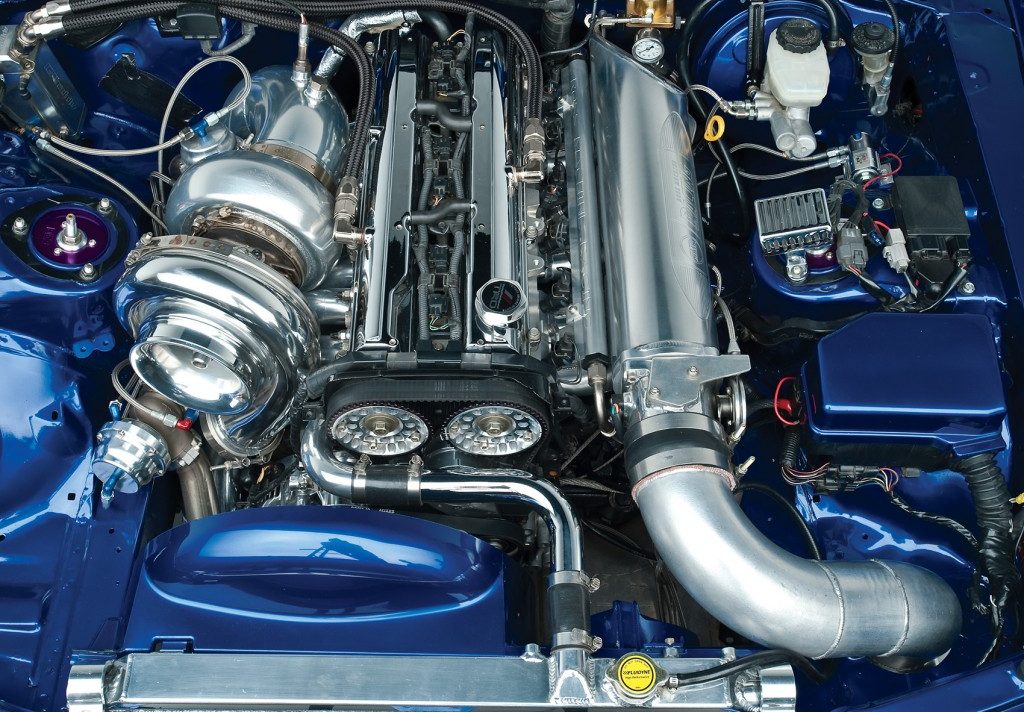
4. Toyota 2JZ Engine: A Global Symbol of Strength and Tuning Potential
The Toyota 2JZ engine became famous for its exceptional durability, smooth operation, and ability to handle high power outputs. Introduced in the early 1990s, this inline-six engine was developed during a period when Toyota focused heavily on creating advanced and reliable performance vehicles.
The engine gained attention through its use in the Toyota Supra, but its influence extended beyond that single model. Its engineering quality made it highly respected among enthusiasts, racing teams, and vehicle builders around the world.
The 2JZ family included naturally aspirated and turbocharged versions, with the twin-turbocharged 2JZ-GTE becoming the most recognized variant.
Toyota designed this engine with a strong cast iron block, advanced cylinder head technology, and a robust internal structure. These features allowed it to withstand significant increases in power without requiring major internal modifications. This strength helped establish the engine as a favorite platform for high-performance projects.
Toyota used related versions of the 2JZ engine in vehicles beyond the Supra. Models such as the Toyota Aristo, which was also sold under the Lexus brand as the GS in some markets, featured versions of this engine.
This demonstrated Toyota’s approach of sharing proven engineering across different vehicle categories. A luxury sedan could benefit from the same advanced powertrain technology found in a sports-focused model.
The popularity of the 2JZ grew significantly through motorsports, tuning communities, and automotive media. Enthusiasts discovered that the engine could support large horsepower increases while maintaining reliability when properly modified.
Turbocharger upgrades, fuel system improvements, and electronic tuning became common modifications. This created a strong aftermarket industry dedicated to improving vehicles equipped with the engine.
The long-term reputation of the Toyota 2JZ comes from its combination of engineering strength and cultural influence. It became more than just a mechanical component because it represented a period when manufacturers invested heavily in performance-focused technology.
Decades after its introduction, the engine continues to attract attention from collectors and builders who appreciate its durability and tuning capabilities.
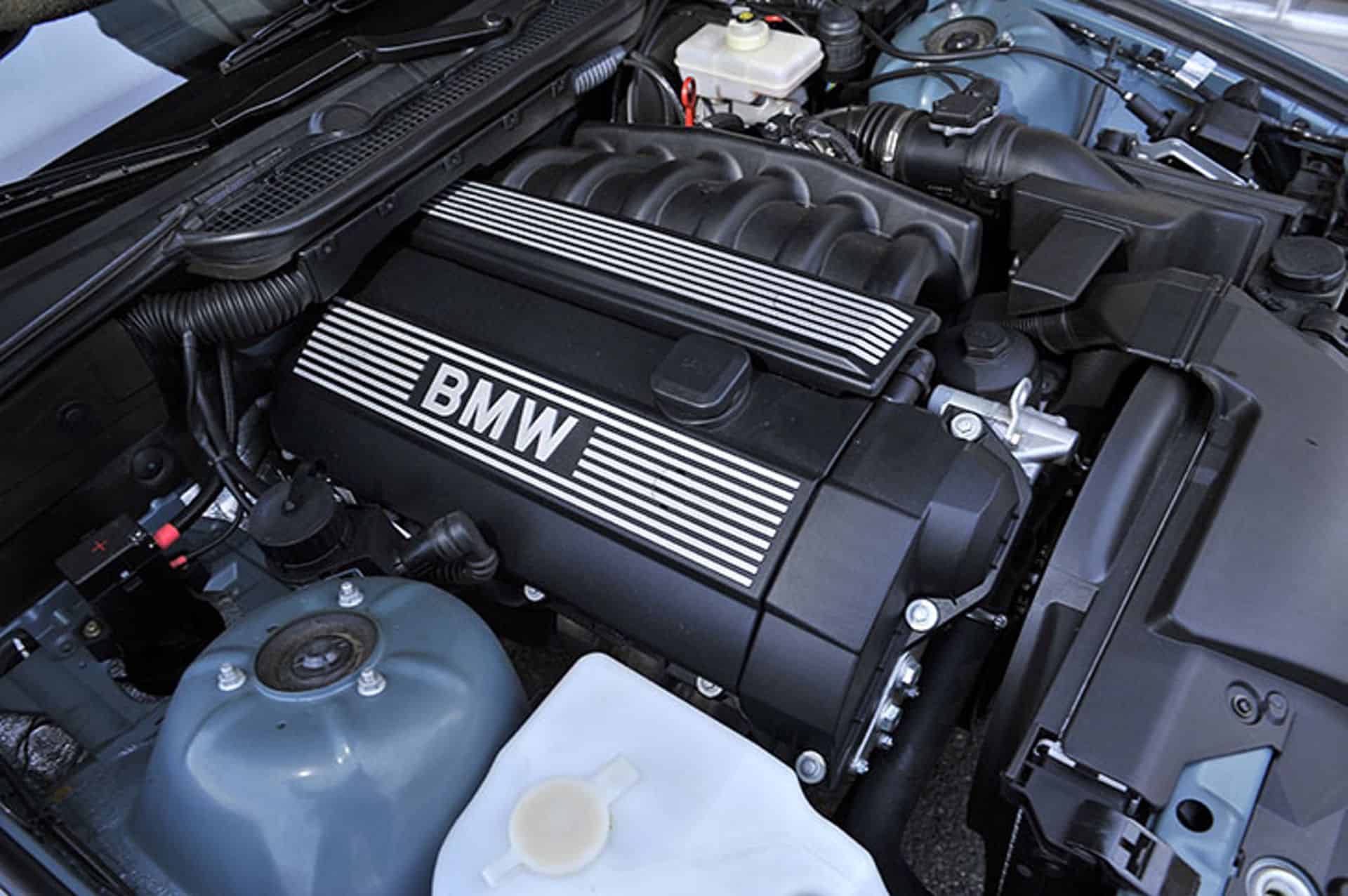
5. BMW M50 Engine: A Foundation for Multiple BMW Models
The BMW M50 engine played an important role in BMW’s transition toward modern inline-six engine technology. Introduced in 1990, this six-cylinder engine replaced earlier designs while introducing improvements in efficiency, reliability, and performance.
BMW used the M50 across several models, allowing the company to create a consistent driving experience throughout its lineup. The engine became known for its smooth power delivery and strong mechanical design.
The M50 was primarily used in vehicles such as the BMW 3 Series and 5 Series during the 1990s. Models including the E36 3 Series and E34 5 Series benefited from the engine’s balance of performance and refinement.
Its inline-six configuration matched BMW’s reputation for producing engines with excellent smoothness and responsive acceleration. Drivers appreciated the linear power delivery that became associated with the brand.
BMW later enhanced the M50 engine family with the introduction of its VANOS variable valve timing system. By continuously adjusting camshaft timing to match operating conditions, the technology improved low-speed performance while increasing engine efficiency.
The addition of such technology showed BMW’s focus on combining performance with improved fuel management. It also influenced future BMW engine designs.
The M50 engine also influenced other manufacturers and automotive enthusiasts because of its durability and modification potential. Many examples accumulated high mileage while maintaining reliable performance when properly maintained.
The engine became popular among tuning communities, where modifications included upgraded intake systems, exhaust improvements, and engine management changes.
The legacy of the BMW M50 comes from its role in shaping BMW’s modern engine philosophy. It represented a move toward advanced technology while maintaining the characteristics drivers expected from the brand. Its use across multiple models helped BMW create a recognizable identity based on smooth, powerful, and dependable inline-six engines.
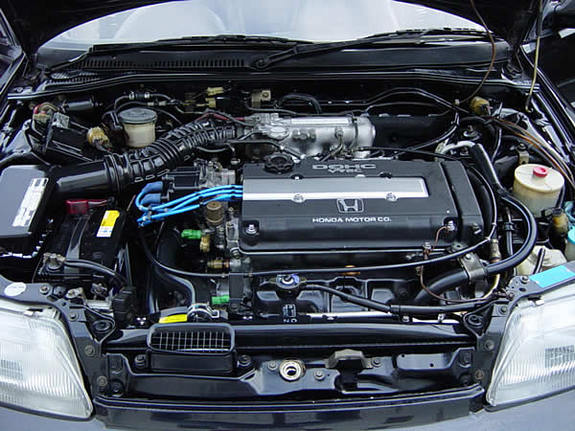
6. Honda B-Series Engine: A High-Revving Engine Family Across Several Models
The Honda B-Series engine became a defining example of how efficient engineering could create exciting performance. Introduced in the late 1980s, the engine family gained popularity because of its high-revving nature, lightweight construction, and advanced technology.
Honda designed these engines for compact vehicles, but their performance capabilities helped them gain recognition far beyond their original purpose.
The B-Series appeared in several Honda and Acura models, including the Civic, Integra, and CR-X. Performance versions such as the B16 and B18 engines became especially famous because of Honda’s VTEC variable valve timing system.
This technology allowed the engines to provide strong efficiency during normal driving while delivering increased performance at higher engine speeds. It represented a significant advancement in affordable performance engineering.
The engine family also supported Acura vehicles, allowing Honda to provide premium performance options through its luxury division. The Acura Integra Type R became especially respected among enthusiasts because of its responsive handling and high-performance engine characteristics.
The B-Series demonstrated that smaller displacement engines could compete with larger engines through intelligent design rather than relying only on size.
Tuners around the world adopted B-Series engines because they offered strong aftermarket support and impressive reliability. Modifications included improved intake systems, upgraded exhaust components, and internal engine changes designed for racing applications.
The engines became common in amateur motorsports because they combined affordability with competitive performance.
The lasting influence of the Honda B-Series comes from its ability to change perceptions about small engines. It showed that performance could come from engineering precision, lightweight design, and high operating speeds. Many enthusiasts continue to restore and modify B-Series-powered vehicles because of the engine’s unique character and historical importance.
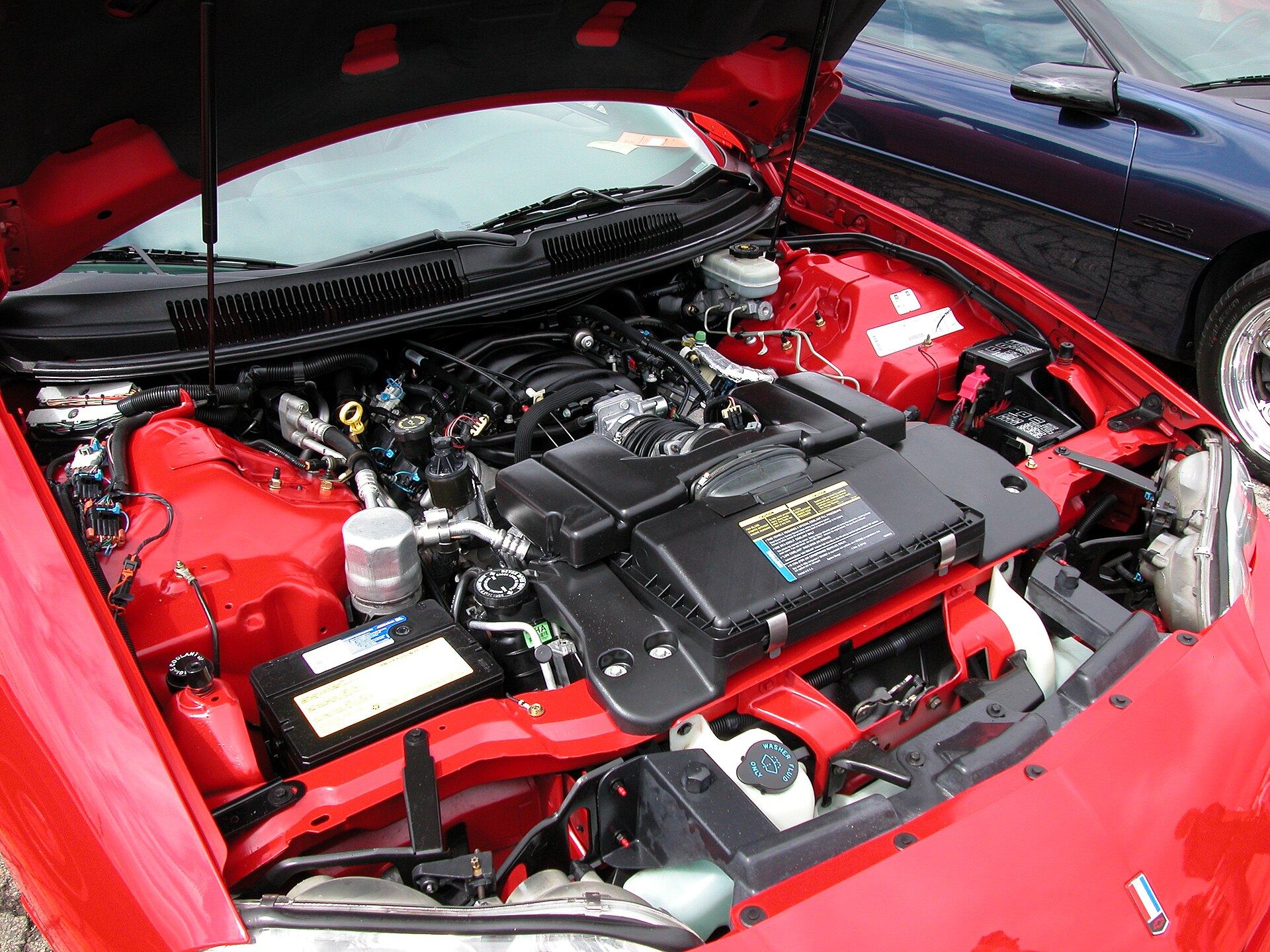
7. General Motors LS Engine Family: A Modern V8 Used Across Many Vehicles
The General Motors LS engine family became one of the most influential V8 designs of the modern era. Introduced in the late 1990s, the LS replaced older small block designs while bringing advanced technology, improved efficiency, and strong performance.
Its compact size and lightweight construction allowed it to fit into many different vehicles, making it popular among both manufacturers and enthusiasts.
The LS engine was first introduced in the Chevrolet Corvette before expanding into other General Motors vehicles. Versions of the engine appeared in the Camaro, Chevrolet trucks, Cadillac models, and performance vehicles across GM’s brands.
This wide application demonstrated the flexibility of the design. A single engine family could serve sports cars, luxury vehicles, and practical trucks.
The engine’s aluminum construction, efficient cylinder head design, and modern electronic controls helped it achieve impressive performance levels.
Engineers created multiple versions with different displacements and power outputs, allowing manufacturers to match the engine with different vehicle requirements. This approach improved production efficiency while maintaining strong performance.
The LS became extremely popular in the aftermarket world because of its availability and modification potential. Vehicle builders installed LS engines into cars from many different manufacturers, including older classics and custom projects.
The engine’s compact dimensions and strong power output made it a preferred choice for engine swaps and racing applications.
The importance of the LS engine extends beyond General Motors production vehicles. It influenced modern performance culture by showing how advanced technology could coexist with traditional V8 characteristics. Its widespread use across brands and platforms created a reputation for reliability, power, and adaptability that continues today.
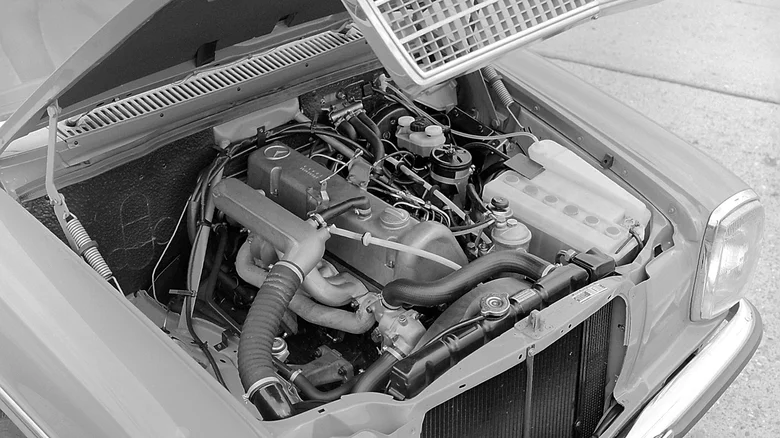
8. Mercedes-Benz OM617 Diesel Engine: Decades of Reliable Service
The Mercedes-Benz OM617 diesel engine earned a reputation as one of the most durable passenger car diesel engines ever produced.
Introduced in the 1970s, this five-cylinder diesel engine became famous for exceptional longevity, strong construction, and dependable operation. Mercedes-Benz used the engine during a period when diesel technology was becoming increasingly important for drivers seeking efficiency and reliability.
The OM617 was used primarily in Mercedes-Benz vehicles such as the W123 and W126 models. These cars became known for their ability to accumulate extremely high mileage while maintaining dependable performance.
The engine’s robust design included durable components that allowed it to operate under demanding conditions for many years.
Mercedes-Benz also used variations of this engine across different markets and vehicle categories. The company adapted the technology for sedans, luxury vehicles, and other applications where long-term reliability was a priority.
This approach helped establish Mercedes-Benz diesel vehicles as practical choices for customers who valued endurance.
The engine became popular among owners who appreciated its mechanical simplicity and service life. Many examples continued operating for decades with proper maintenance.
Enthusiasts often restored older Mercedes vehicles because of the OM617’s reputation for reliability and its connection to a period of highly engineered diesel technology.
The legacy of the OM617 comes from its ability to deliver dependable transportation for millions of drivers. While modern diesel engines use advanced electronics and emissions systems, the OM617 remains respected as a symbol of mechanical durability. Its decades of service prove that careful engineering and strong construction can create engines with lasting value.
Also Read: 10 Sedans That Pack More Than You’d Expect
