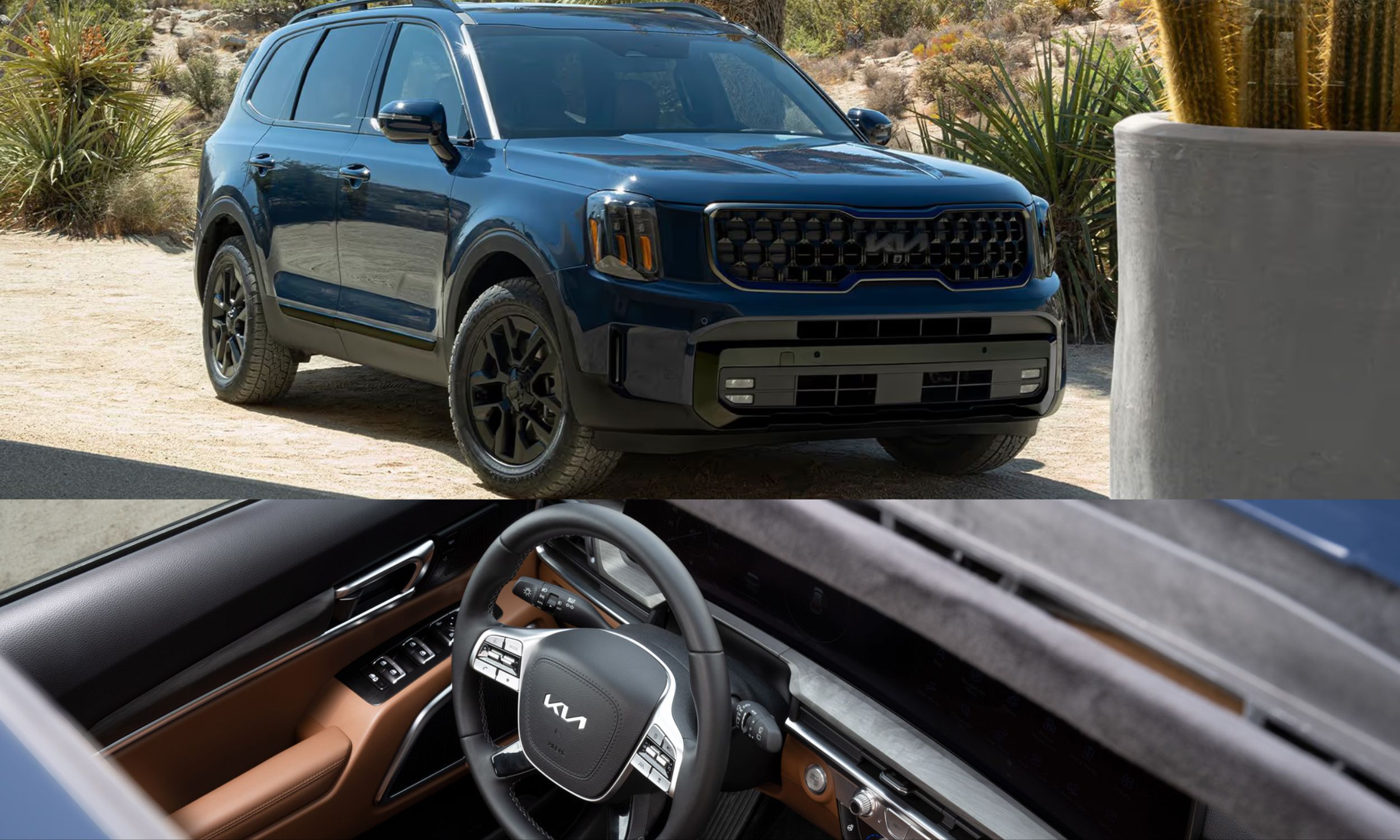
Buying a three-row family SUV can feel confusing because the Kia Telluride is available in several trim levels with a wide price range. While the lineup starts at a fairly affordable price, higher trims can cost more than $56,000. If your spending limit is around $46,000, you still have a few strong choices without stretching your budget too far. Knowing the differences between the EX and SX trims can help you avoid paying for features you may not really need.
This guide explains what each trim level offers, where the biggest price increases occur, and which model gives the best value for your money. It also looks at whether paying extra for the SX trim is a smart decision or if the EX already provides everything most buyers want. The goal is to help you spend wisely and choose the Telluride that fits your budget.
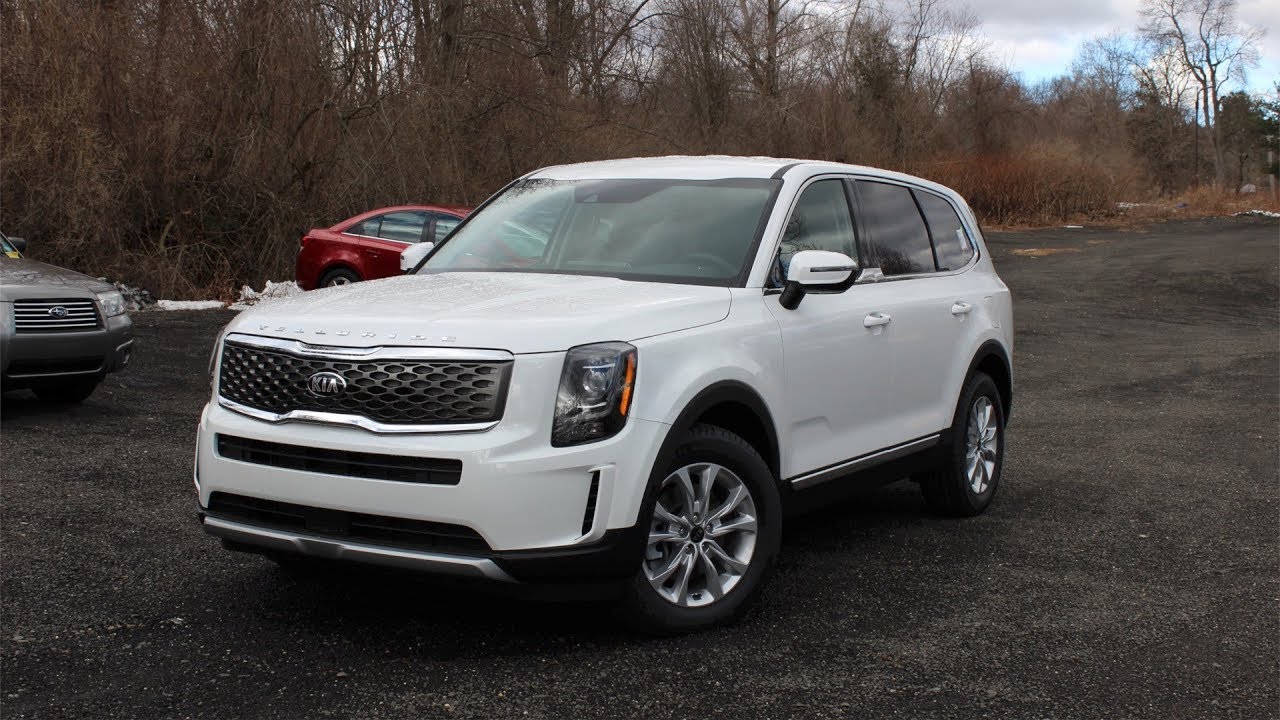
LX: The Base Trim Starting Point
Starting at $39,190, the LX trim gives budget-conscious shoppers a genuine entry point into three-row Telluride ownership without immediately maxing out their financing. Kia didn’t strip this trim down to bare bones either, equipping it with standard safety technology including blind-spot collision warning, lane keeping assist, forward collision-avoidance assist, and a full suite of driver attention monitoring features that plenty of competitors reserve for pricier trims.
Seating comes standard as an 8-passenger configuration with a second-row bench seat, giving families maximum capacity without paying extra for captain’s chairs they may not need. Interior materials lean practical rather than plush, featuring SynTex and cloth seat trim that holds up well against daily wear from kids and pets without demanding leather-level pricing.
Climate control stays impressively complete even at this entry price, with tri-zone automatic climate control and ceiling-mounted rear vents keeping every row comfortable regardless of where passengers sit. The turbocharged engine delivers 274 horsepower and 311 lb-ft of torque across every single trim in the lineup, meaning LX buyers get identical power output to someone spending $15,000 more on a loaded X-Pro model.
Shoppers who prioritize safety technology and genuine passenger space over premium materials find the LX trim delivers real value, leaving substantial room in a sub-$46,000 budget for either staying here or moving up a trim or two.
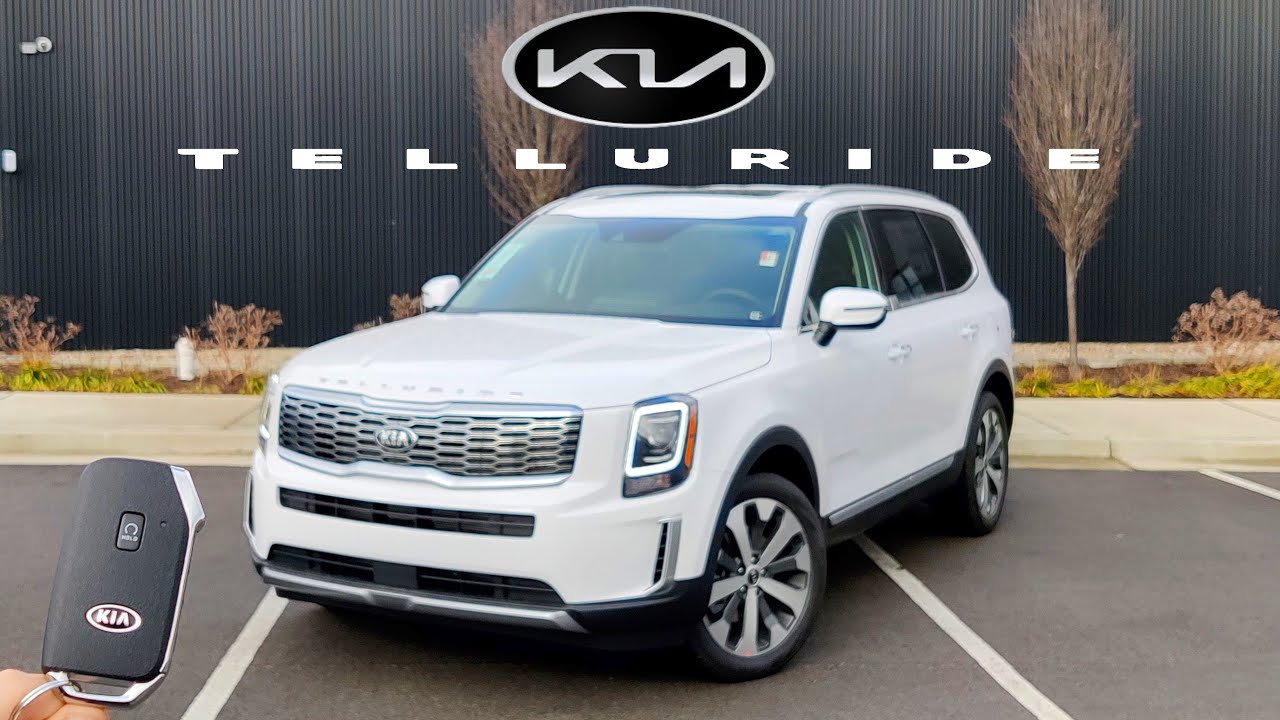
S: A Small Step Up in Value
Moving to the S trim bumps the starting price to $42,090, adding roughly $2,900 over the base LX while introducing several comfort upgrades that daily drivers tend to appreciate quickly. Kia added an 8-way power driver’s seat with 2-way power lumbar adjustment here, a meaningful improvement over the base trim’s manual seat adjustments for anyone who shares driving duties with a partner or spouse.
Seating capacity moves to a 7-passenger configuration on this trim, swapping the bench seat for versatility elsewhere in the cabin layout. A power sunroof becomes standard equipment too, something entirely absent on the base LX trim, giving the cabin a noticeably brighter, more open feel that photographs well and genuinely improves daily comfort during longer trips.
Auto-dimming rearview mirror technology arrives at this trim level as well, reducing glare from following headlights during nighttime highway driving. Heated front seats also become standard, a detail that matters considerably more than it sounds once winter arrives in colder climates across the country.
For buyers who want a slightly more comfortable daily experience without jumping all the way to EX pricing, the S trim represents a reasonable middle step, though it still leaves a meaningful gap in technology features compared to what EX buyers eventually unlock.
Also Read: 10 Hidden Features in the Kia Telluride
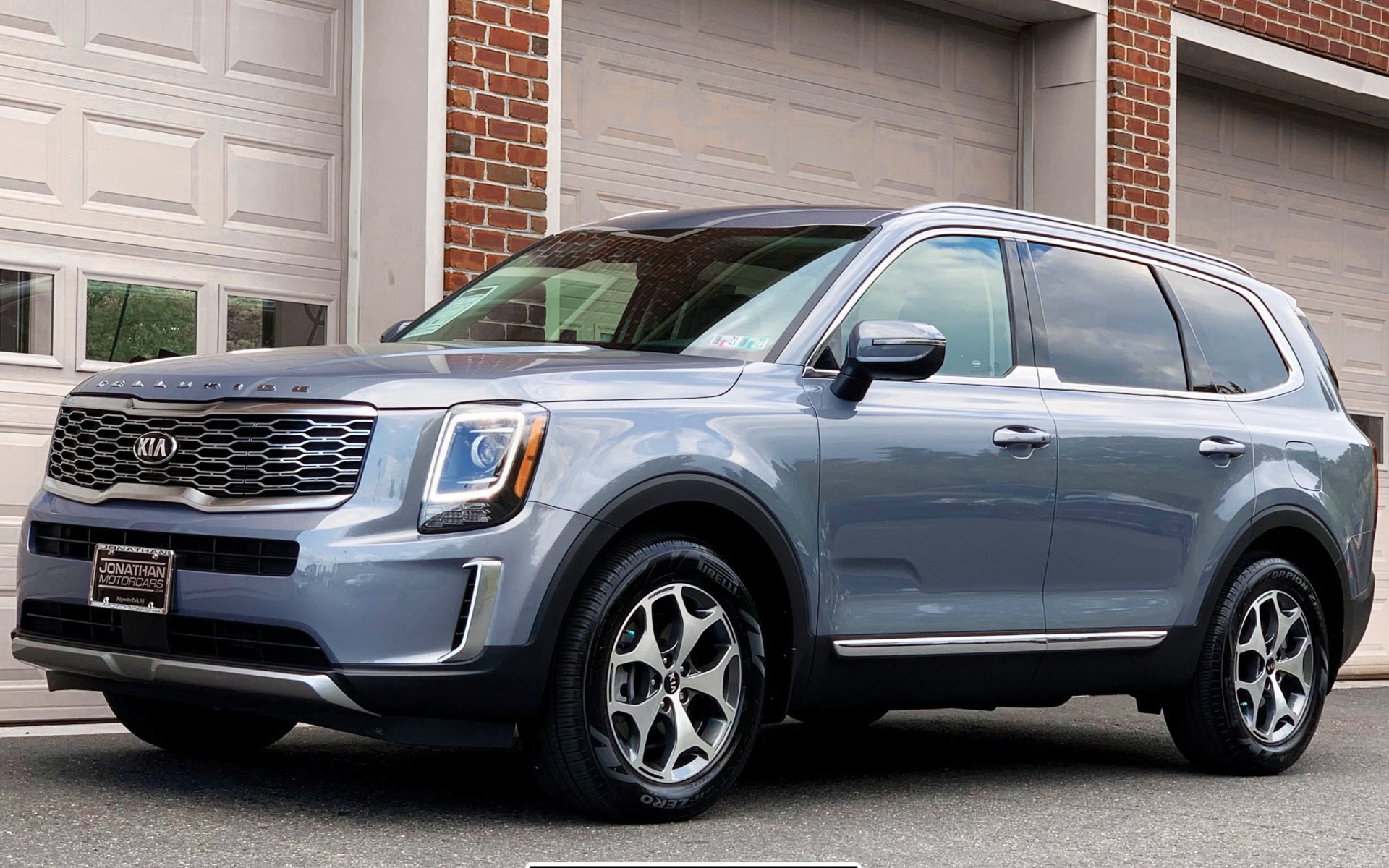
EX: The Sweet Spot Under $46,000
Priced at $43,790, the EX trim sits comfortably under the $46,000 threshold while delivering the most complete technology package available before prices start climbing sharply on higher trims. This is genuinely where the Telluride lineup starts feeling premium rather than merely adequate, and it’s worth understanding exactly why.
Blind-spot view monitor and 360-degree surround view monitor both become standard here, technology completely absent on both LX and S trims below it. Highway Driving Assist arrives as standard equipment too, giving EX buyers genuine semi-autonomous confidence during long highway stretches that lower trims simply don’t offer at any price.
Seat comfort improves again, with 8-way power seating extending to both driver and front passenger positions, plus ventilated front seats that make a real difference during hot summer commutes. Auto-dimming side mirrors and reverse tilt-down mirrors round out a package that feels considerably more sophisticated than the pricing suggests.
Rear cross-traffic collision-avoidance assist and remote parking sensors add genuine parking confidence in tight urban environments where three-row SUVs can feel unwieldy. For buyers determined to stay under $46,000 while getting real technology rather than just a nicer badge, EX represents the strongest value proposition in the entire lineup, striking a genuine balance most competing three-row SUVs simply can’t match at this specific price point.
X-Line EX: Rugged Looks Push the Price Higher
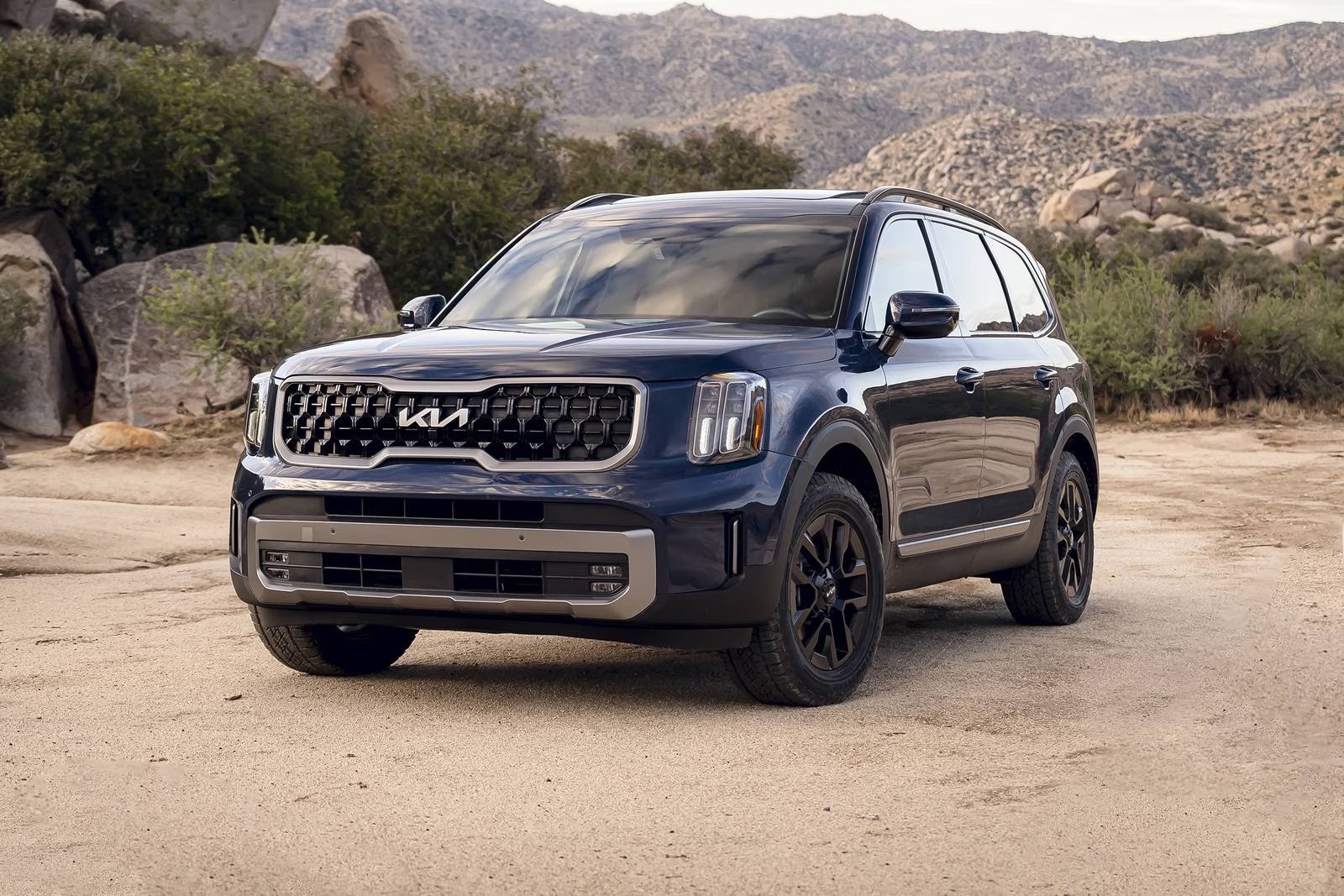
Here’s where budget math gets interesting. The X-Line EX trim jumps to $47,290, pushing just over $1,300 past the $46,000 ceiling many buyers set for themselves. Understanding what that extra money actually buys helps clarify whether crossing this particular line makes sense for your specific needs.
X-Line trims add blackout exterior trim, distinctive 21-inch wheels, and high-utility roof rails that give the Telluride a noticeably tougher, more adventure-ready appearance compared to standard EX styling. All-wheel drive with Terrain Mode becomes part of the package too, a genuine functional upgrade for buyers who occasionally venture onto gravel roads, snow-covered driveways, or light off-road trails.
Fuel economy takes a predictable hit with this configuration, dropping to 18 mpg city, 24 mpg highway, and 20 mpg combined compared to the standard EX’s better efficiency figures on lower trims. That’s a real ongoing cost buyers should factor in beyond the higher upfront sticker price.
Visually, X-Line badging appeals strongly to buyers who want their family SUV to look genuinely capable rather than just spacious. But functionally, most of the technology and comfort features remain identical to standard EX trim, meaning you’re primarily paying extra for styling and all-wheel drive capability rather than additional convenience or safety technology layered on top.
SX: Where the Budget Gets Tested
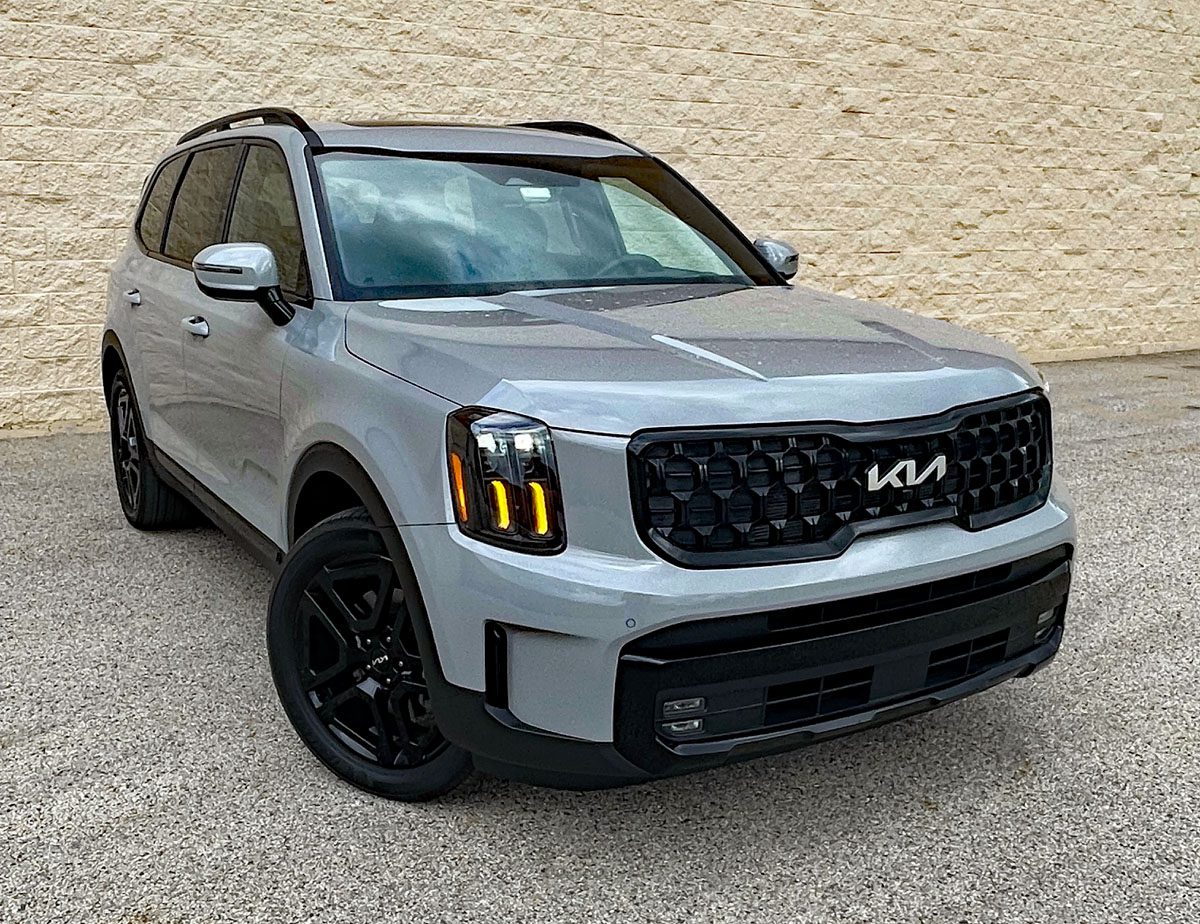
The SX trim starts at $48,790, landing nearly $5,000 above the standard EX and comfortably outside any $46,000 budget ceiling. This is genuinely the trim where Telluride pricing starts feeling like a different vehicle tier entirely, and shoppers need to understand exactly what justifies that jump before committing.
Blind-spot collision-avoidance assist becomes standard here, an actual steering intervention system rather than just a warning light, alongside Highway Driving Assist 2, which adds automated lane-change capability during highway cruising. A digital rearview mirror with HomeLink integration arrives standard too, letting drivers switch between traditional glass and a camera-based display that eliminates rear obstructions.
Seating comfort climbs again with a 10-way power driver’s seat featuring thigh support and enhanced lumbar adjustment, genuinely noticeable during longer road trips compared to the EX trim’s already-solid 8-way seating. Dual sunroofs replace the single panel found on lower trims, and second-row captain’s chairs become heated and ventilated standard equipment.
For buyers with genuine flexibility above $46,000, SX delivers real, tangible upgrades justifying its higher price point. But for anyone holding firm to that budget ceiling, these features remain aspirational rather than accessible, making the jump from EX to SX a real financial commitment rather than a minor upgrade decision.
EX vs SX: The Real Package Math
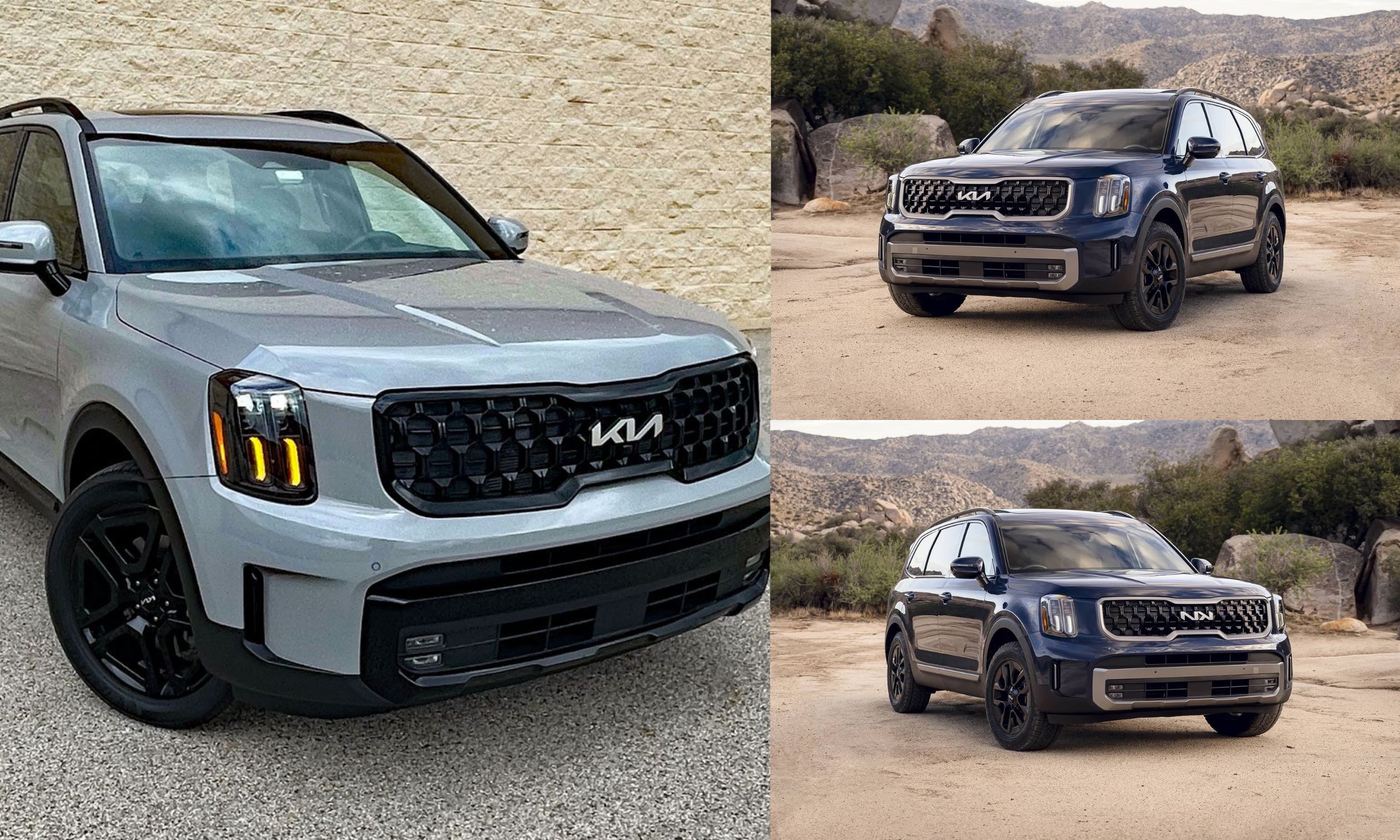
Breaking down the actual dollar gap reveals exactly what buyers give up by staying under budget. Moving from EX at $43,790 to SX at $48,790 costs an additional $5,000, and that money buys a specific, identifiable list of upgrades rather than vague premium positioning.
Advanced driver assistance jumps meaningfully between these two trims. SX adds evasive steering assist, junction crossing detection, and lane-change collision avoidance, technology that actively intervenes during emergencies rather than simply issuing warnings like the EX trim’s already-solid safety suite.
For families genuinely cross-shopping safety technology feature-by-feature, this represents the single strongest argument for stretching budget toward SX. Comfort upgrades add real value too, though arguably less urgent than the safety technology gap. Dual sunroofs, heated and ventilated second-row seating, and the more sophisticated 10-way driver’s seat all represent genuine quality-of-life improvements that EX buyers simply don’t get access to at any price.
Here’s the honest math though: $5,000 buys meaningfully more safety technology, but the EX trim already includes blind-spot monitoring, forward collision avoidance, and highway driving assistance standard. Buyers who want maximum technology without exception should stretch toward SX.
Buyers satisfied with strong, genuinely capable safety technology at a lower price point find the EX trim delivers nearly everything that matters most for daily family use.
Also Read: 9 Hidden Features in Kia Models Owners Never Discover
Which Trim Actually Makes Sense
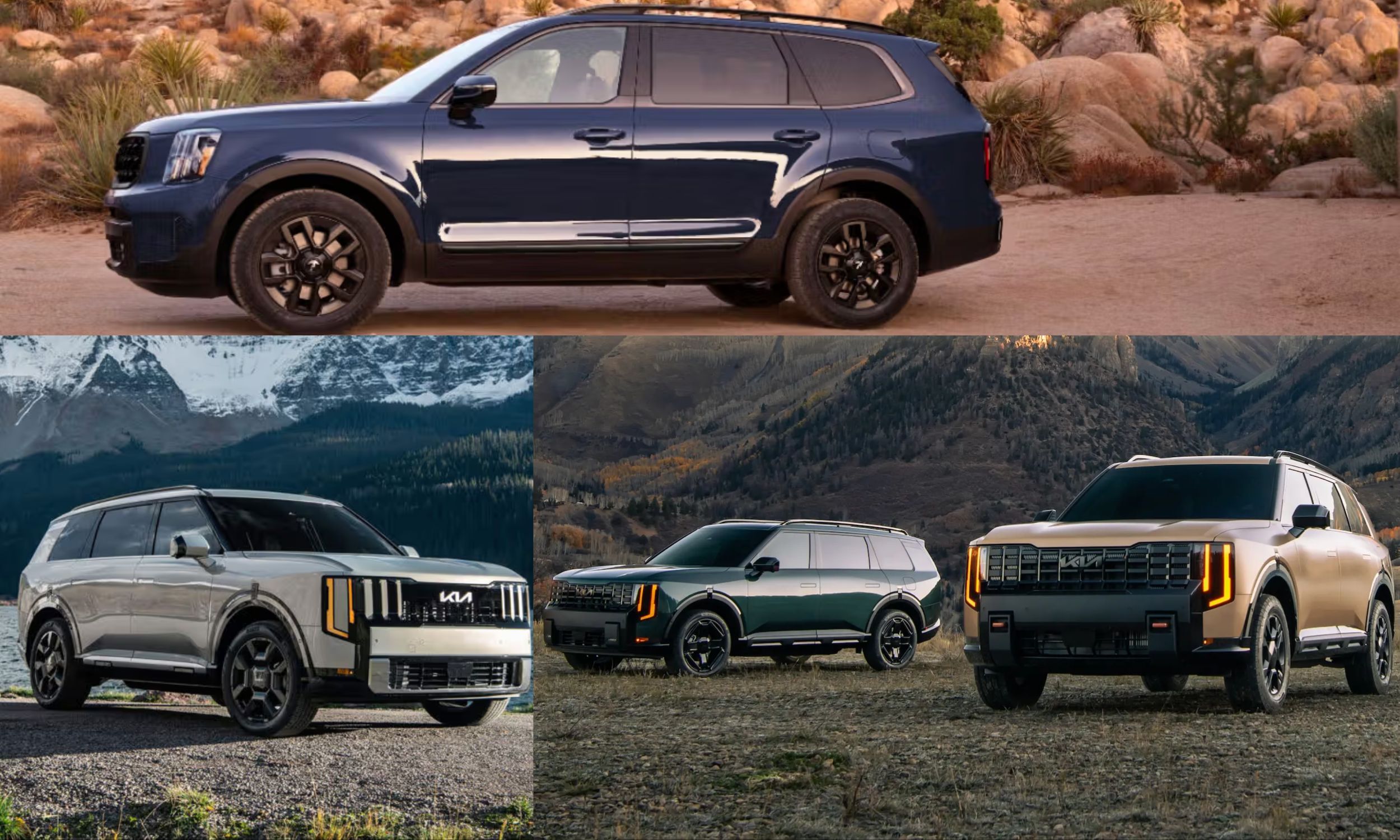
Choosing between these trims comes down to honestly assessing what you’ll actually use rather than chasing every available feature. Families prioritizing genuine safety technology, adequate comfort, and predictable monthly payments should seriously consider stopping at EX trim, banking real savings while still driving away with a thoroughly equipped three-row SUV.
Buyers who specifically want all-wheel drive and a more rugged appearance, without needing SX-level comfort upgrades, might find X-Line EX worth stretching slightly past $46,000 for, particularly in regions with genuine winter weather or occasional gravel roads. SX trim makes the most sense for buyers who have already decided budget flexibility matters less than getting every available comfort and safety feature Kia offers on this platform.
The jump isn’t small, but neither are the tangible upgrades that come with it, and buyers who plan to keep their Telluride for a decade or more sometimes find that extra investment pays off through better resale value and daily comfort. Every family’s calculation looks different depending on financing terms, trade-in value, and genuine feature priorities.
What matters is understanding exactly where your money goes at each trim level rather than simply chasing the highest number of standard features regardless of actual cost, and this breakdown should make that decision considerably easier heading into your next dealership visit.