
The sports cars are never static. Every year brings new updates, refreshes, and sometimes painful regressions that change how we feel about our favorite machines. In 2026, the automotive world has shifted in fascinating ways. Some legendary nameplates have grown stronger, sharper, and more desirable than ever before. Others have stumbled under the weight of compromise, cost-cutting, or misguided modernization.
Age is a peculiar thing in the sports car world. A car that felt raw and unfinished at launch can mature into something truly special. Conversely, a car that once set hearts racing can slowly lose its soul through successive updates and corporate decisions. Enthusiasts know this feeling all too well. The thrill of a great sports car is deeply personal, and watching one deteriorate is genuinely heartbreaking.
In 2026, we are seeing both ends of this spectrum play out in real time. Manufacturers are balancing electrification, safety regulations, and rising costs against the pure driving experience that defines the sports car genre. Some have struck that balance brilliantly. Others have sacrificed too much on the altar of modernity.
5 Sports Cars That Got Better With Age
These exceptionally evolving vehicles feature continuous refinement and thoughtful updates, perfectly demonstrating manufacturers’ commitment to improvement, providing enhanced performance and quality through each successive model year as engineers addressed weaknesses, upgraded components, and incorporated owner feedback, creating progressively superior versions that reward patient buyers choosing recent examples over earlier production.
1. Porsche 911 GT3
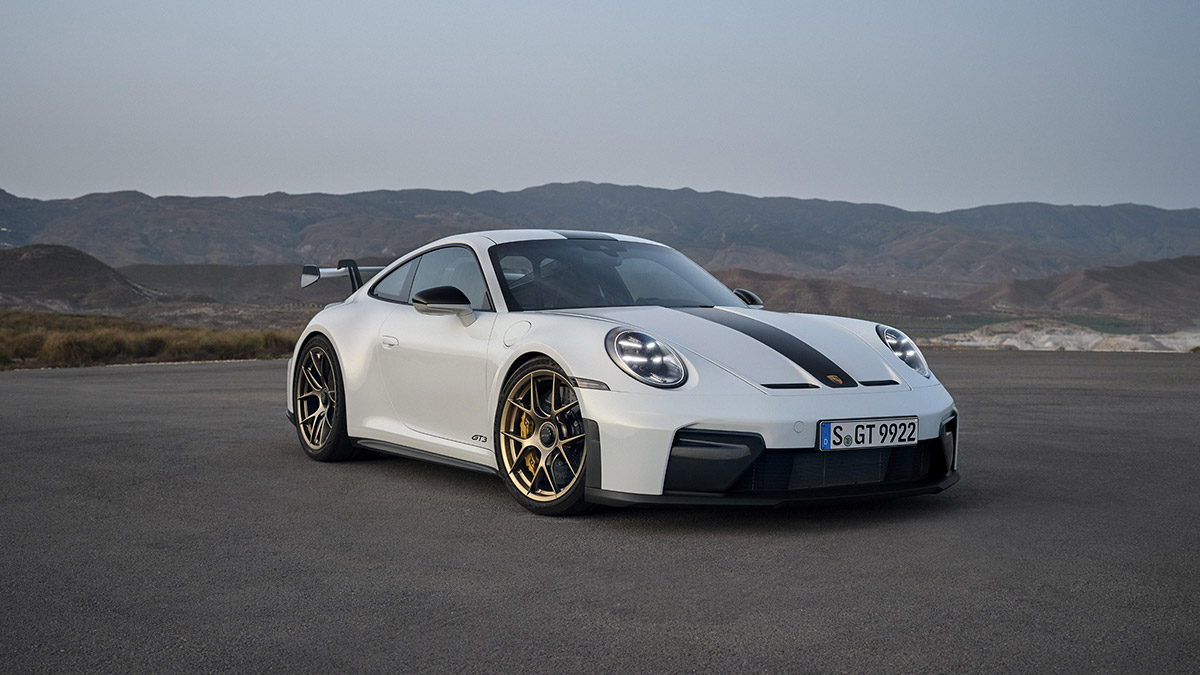
The Porsche 911 GT3 has always been the gold standard of naturally aspirated sports cars. In 2026, it stands even taller than before. Porsche has spent decades refining this machine, and the results are nothing short of extraordinary. Every generation adds something meaningful without taking away what made the previous one special.
The current GT3 benefits from lessons learned across motorsport and road car development simultaneously. Porsche’s engineers treat the GT3 as a living, breathing project rather than a finished product. That philosophy shows in every detail of the 2026 car.
The flat-six engine remains the beating heart of the experience. It revs to 9,000 rpm with a ferocity that makes modern turbocharged engines feel lazy and disconnected. The sound alone is worth the price of admission. Few naturally aspirated engines in production today match its character and intensity.
Aerodynamic updates have made the GT3 significantly more planted at high speed. The swan-neck rear wing generates impressive downforce without adding unnecessary drag. Porsche’s engineers understand that balance in aerodynamics is just as critical as raw downforce numbers.
The suspension tuning in 2026 represents a generational leap in precision. The car communicates through the steering wheel with extraordinary clarity and honesty. Drivers of all skill levels can feel exactly what the front tires are doing at any given moment.
The interior has been modernized thoughtfully without losing its driver-focused purity. Porsche resisted the temptation to add excessive screens and digital clutter. The driver remains at the center of everything, with controls falling naturally to hand.
Weight has been managed carefully despite new safety requirements and updated technology. The GT3 remains one of the lightest cars in its class. That low weight translates directly into agility and driver engagement that heavier rivals simply cannot match.
Track performance has reached genuinely stunning levels in 2026. Lap times at the Nürburgring continue to embarrass far more exotic and expensive machinery. The GT3 makes supercar performance accessible to skilled drivers without requiring supercar money.
The PDK gearbox has been recalibrated for even faster shifts in Sport Plus mode. Manual purists still have the option of a proper six-speed. Porsche’s commitment to offering both gearboxes is a statement of respect for driving enthusiasts worldwide.
Resale values tell their own compelling story. Used GT3s from previous generations continue to appreciate in value. Buyers are increasingly treating them as investments rather than depreciating assets. That kind of market confidence speaks volumes about the model’s enduring reputation.
In 2026, the 911 GT3 is simply the finest execution of the driver’s sports car formula available for purchase. It has aged like the finest wine in the Porsche cellar. Every passing year only makes the world appreciate it more deeply and completely.
2. Mazda MX-5 Miata
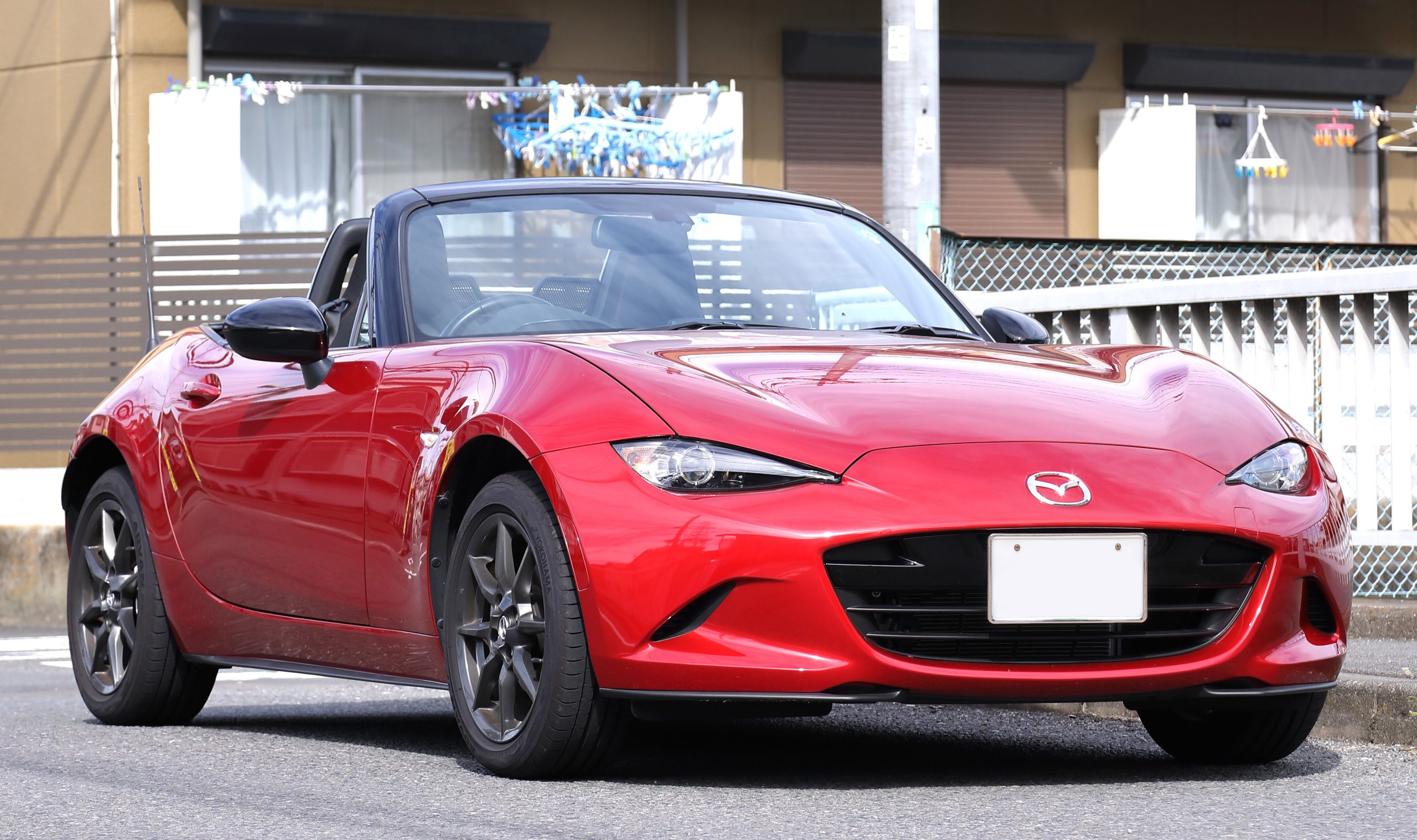
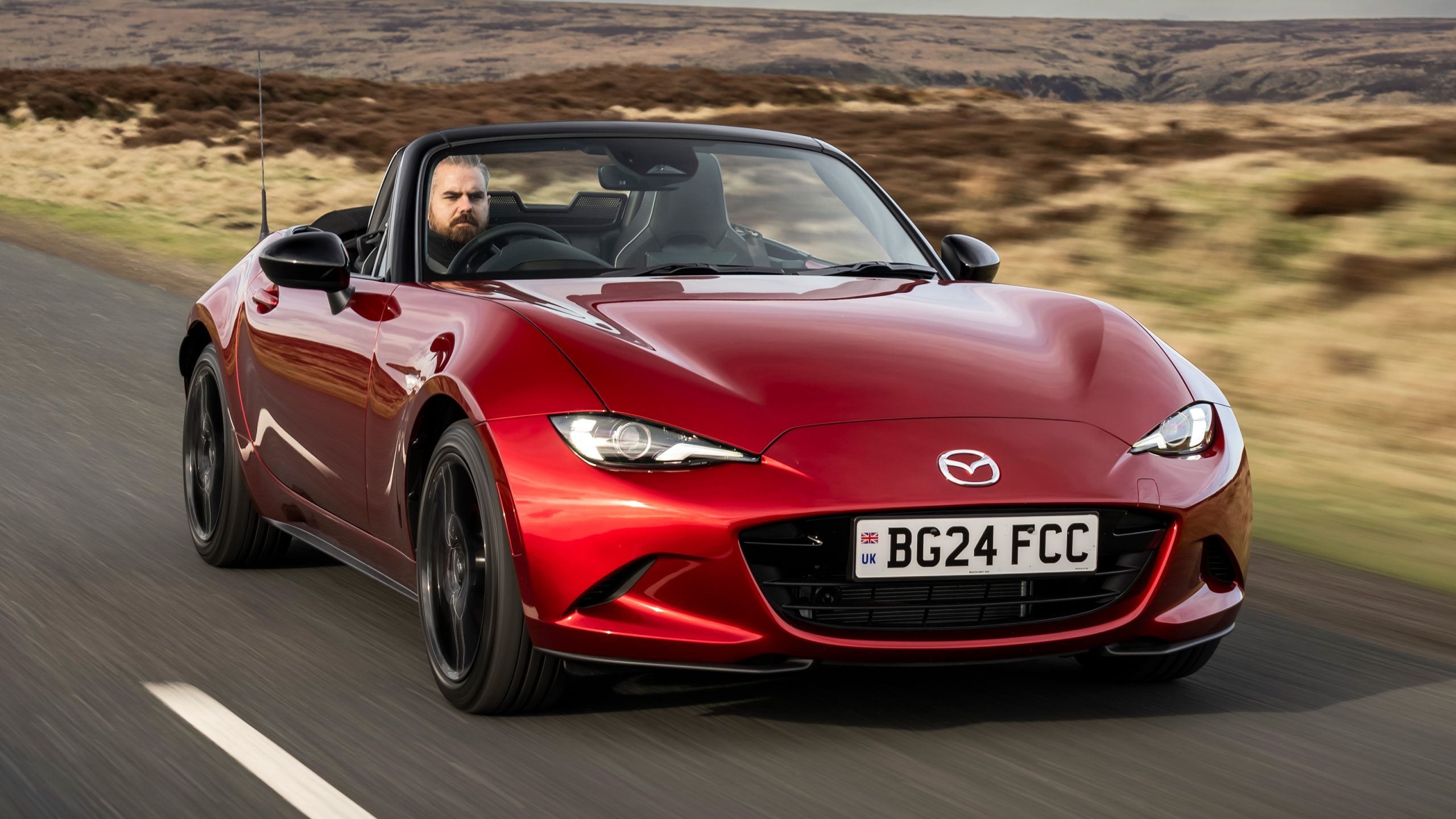
The Mazda MX-5 Miata has been making drivers smile since 1989. In 2026, it continues to do so with remarkable consistency and charm. What makes the Miata special is not its power or its prestige. It is the purity of its driving experience that sets it apart from everything else at any price point.
Mazda’s 2026 updates have focused on refinement rather than reinvention. The engineers understand that the Miata’s magic lies in its simplicity and balance. Messing with that formula too aggressively would be automotive sacrilege of the highest order.
The chassis has been subtly stiffened through targeted structural reinforcements. Handling precision has improved without any loss of the playful character that defines the car. The Miata still rewards smooth, flowing driving inputs above all else.
Engine output remains modest by modern sports car standards. However, that modest power figure feels perfectly matched to the car’s lightweight structure. The 2026 Miata weighs barely over 1,000 kilograms in some trim levels. That weight advantage makes even modest horsepower feel genuinely exciting and engaging.
The manual gearbox remains one of the finest in the business. Shift action is short, precise, and deeply satisfying with every gear change. Mazda has consistently refused to ruin this gearbox in the pursuit of technology. That commitment to tactile excellence deserves enormous respect and recognition.
Steering feel has been a consistent Miata strength across every generation. The 2026 car continues this tradition with electric assistance that actually communicates road texture. Most modern electric steering systems feel numb and artificial by comparison. The Miata’s system is a genuine engineering achievement in driver feedback.
Open-top motoring in the Miata remains one of life’s great simple pleasures. The soft top drops in seconds without requiring you to leave the driver’s seat. Wind in the hair at legal speeds feels thrilling in this car. Few expensive convertibles can replicate that sensation of connection with the environment.
Interior quality has taken meaningful steps forward in 2026. Materials feel more premium without becoming ostentatiously luxurious. The Miata’s cockpit remains snug and intimate, wrapping the driver in a purposeful embrace. Everything important is within easy reach and intuitive to operate.
Reliability continues to be one of the Miata’s most underrated virtues. Mazda builds these cars to last with minimal mechanical drama. Long-term owners report remarkably low running costs compared to European rivals. That dependability makes the Miata a genuinely sensible sports car choice for daily drivers.
The MX-5 Miata in 2026 proves that bigger is not always better. It proves that lightness, balance, and simplicity can create driving joy that expensive complexity cannot buy. After nearly four decades, the Miata’s heart beats stronger than ever. It remains the greatest affordable sports car ever made.
3. Ford Mustang Dark Horse
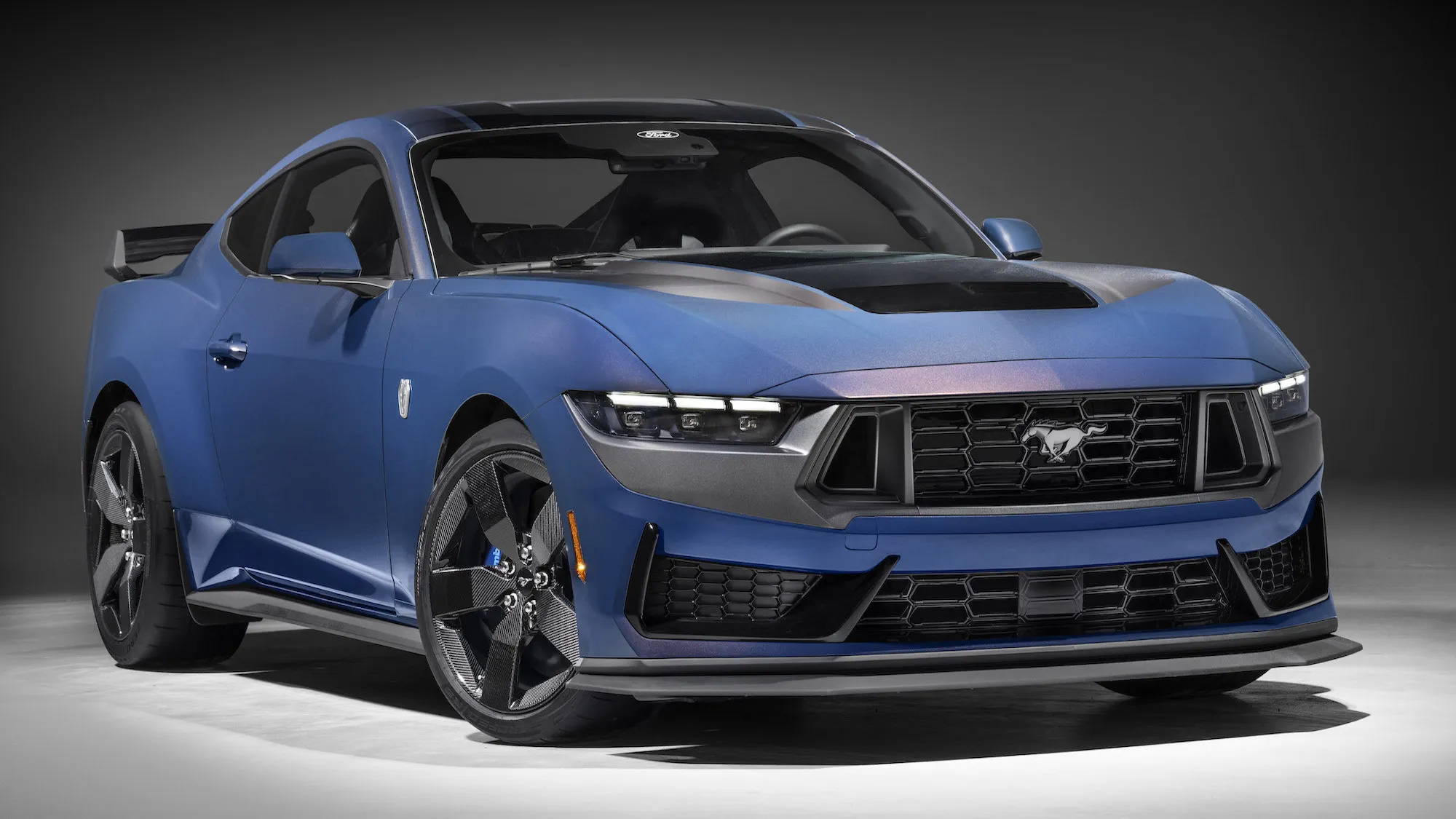
The Ford Mustang has always represented American performance values in their most raw and unfiltered form. The Dark Horse variant introduced in recent years has transformed what the Mustang can be. In 2026, it had evolved into something that deserves serious respect from even the most ardent European sports car enthusiasts.
The Dark Horse was conceived as a focused driver’s car rather than a straight-line speed machine. That mission has guided every development decision since its introduction. Ford’s engineers have worked methodically to sharpen every aspect of the driving experience. The results in 2026 are genuinely impressive and somewhat surprising.
The 5.0-liter Coyote V8 has been further refined for the 2026 model year. Power output sits at a substantial and satisfying 500 horsepower. More importantly, the engine’s character and sound have been preserved and enhanced. American V8s have a musical quality that simply cannot be replicated by any other configuration.
Suspension tuning has been the most dramatic area of improvement. Ford worked with professional racing drivers to calibrate the chassis for real-world performance. The result is a Mustang that handles with genuine precision and balance. Previous Mustangs often felt their weight in corners, but the Dark Horse manages mass with much greater sophistication.
MagneRide damper technology from the Shelby GT500 has been adapted for the Dark Horse. The system reads road conditions and adjusts damping thousands of times per second. Ride quality in comfort mode is genuinely civilized for a performance-focused vehicle. Switch to Track mode, and the transformation is dramatic and immediate.
Brake performance has been significantly upgraded from the standard Mustang. Brembo calipers with large diameter rotors provide massive stopping power. Fade resistance during extended track sessions is commendable for a production car. The pedal feel is firm and progressive with excellent modulation capability for skilled drivers.
The six-speed manual gearbox has been recalibrated with a shorter, more precise action. Rev-matching technology assists less experienced drivers while staying out of the way for purists. The clutch pedal weight and travel feel properly calibrated and satisfying. Rowing through the gears in the Dark Horse is a genuinely rewarding mechanical experience.
Interior technology has been modernized significantly without losing Mustang’s muscular character. The 12.4-inch digital instrument cluster displays rich performance data during track sessions. Connectivity features work intuitively without distracting from the driving experience. Ford has struck a reasonable balance between tradition and modernity in the cabin.
In 2026, the Mustang Dark Horse represents the finest expression of the Mustang’s capabilities. It proves that American muscle cars can compete with European sports cars on their own terms. The Dark Horse has aged from a promising debut into a genuine performance benchmark. Ford should be proud of how this car has developed and matured.
4. Toyota GR86
The Toyota GR86 arrived as a spiritual successor to one of the greatest affordable sports cars ever made. In 2026, it has grown into something that exceeds even those lofty expectations. Toyota’s Gazoo Racing division has treated this car as a serious performance project from day one. That serious intent shows in every update and improvement made to the platform.
The second-generation GR86 arrived with a significantly larger 2.4-liter flat-four engine. That displacement increase transformed the driving experience from entertaining to genuinely exciting. Low-end torque was the first generation’s greatest weakness, and Gazoo Racing addressed it comprehensively. The 2026 engine pulls strongly from low revs all the way to its 7,500 rpm redline.
Chassis balance remains the GR86’s greatest single virtue. Front-to-rear weight distribution is near perfect at approximately 53/47. That balance makes the car feel natural and predictable when driven at the limit. Even novice drivers quickly discover they can feel exactly what the car is doing beneath them.
Suspension geometry has been refined for 2026 with input from Toyota’s motorsport program. The car responds to driver inputs with satisfying immediacy and precision. Body roll is controlled without making the ride feel harsh or uncomfortable on public roads. This dual-purpose capability is genuinely difficult to engineer and should not be underestimated.
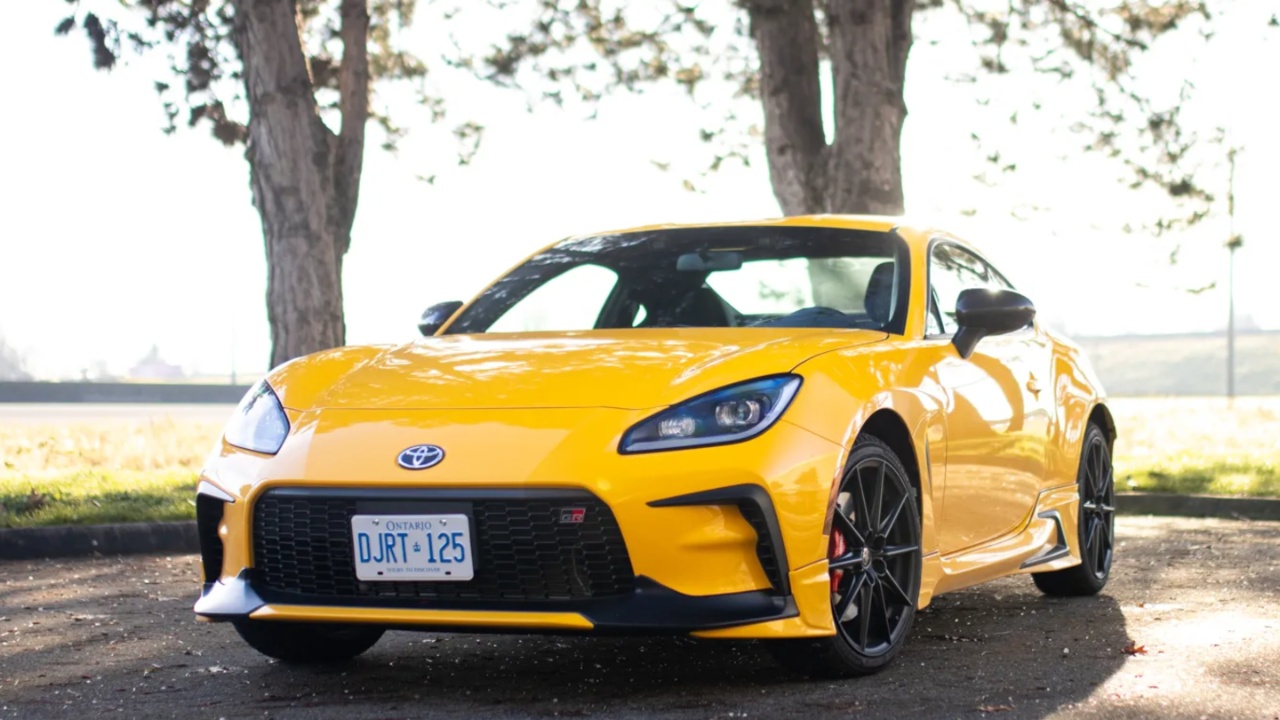
Grip levels from the Michelin Pilot Sport tires are now higher than before. Yet the GR86 still allows drivers to feel the limits of traction clearly and progressively. This is perhaps the most valuable quality a sports car can possess for developing driver skill. The GR86 teaches as much as it thrills with every spirited drive.
The six-speed manual transmission continues to be a highlight of the experience. It shifts with a mechanical directness that few modern gearboxes can match. The automatic option has also been improved with faster, more intuitive shift logic. Both transmissions suit the car’s character well and are worth considering seriously.
Interior quality took a significant step forward with the second generation. Materials and fit-and-finish now feel genuinely competitive with European rivals. The sport seats provide excellent lateral support during enthusiastic driving without being uncomfortable for daily use. Toyota has learned that a driver’s car still needs to be livable over long distances.
Pricing remains the GR86’s most powerful argument in a crowded market. It delivers a sports car experience that rivals cost two or three times as much to match. Depreciation has been modest thanks to strong enthusiast demand for clean examples. The GR86 in 2026 represents extraordinary value for money in the sports car segment.
Also Read: 10 Japanese Engines Tuners Swap Into Everything Else
5. Chevrolet Corvette Z06
The C8 Corvette Z06 arrived with the kind of fanfare that only an American supercar can generate. In 2026, it has matured from an exciting debut into a world-class performance vehicle without reservation or qualification. Chevrolet has spent years listening to owners and refining the Z06 based on real-world feedback. The improvements have been both substantial and meaningful.
The flat-plane crank 5.5-liter V8 remains one of the engineering marvels of the current automotive era. It produces 670 horsepower and screams to 8,600 rpm with exotic car ferocity. No American production engine has ever revved this high with this level of refinement. The sound it produces is genuinely spine-tingling and utterly addictive to experience.
Aerodynamic development has been significant between the launch model and 2026 cars. The front splitter, rocker extensions, and rear wing work together with greater efficiency now. High-speed stability has improved noticeably without requiring additional mechanical downforce aids. Engineers clearly spent serious time in the wind tunnel and on high-speed test tracks.
Chassis calibration updates have addressed early criticisms about ride quality on rough roads. The magnetic ride control system has been recalibrated with more nuanced damping algorithms. Comfort mode is now genuinely comfortable rather than merely tolerable. Track mode remains devastatingly effective and completely transforms the character of the car.
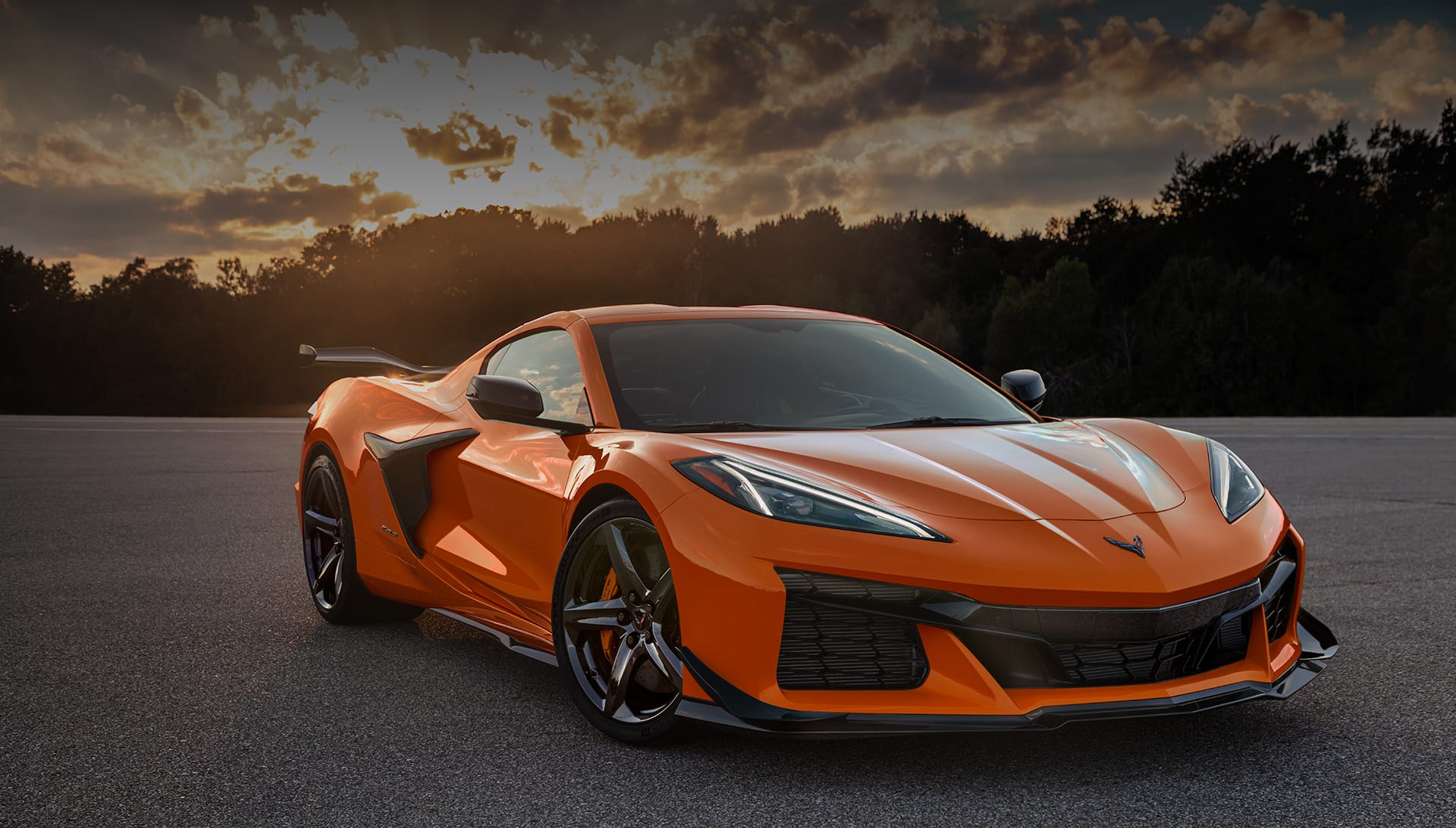
Tire development has played a crucial role in the Z06’s improvement over time. Michelin has worked closely with Chevrolet to develop compounds specifically for this application. Grip levels in both dry and damp conditions have improved substantially over initial fitments. The Z06’s already impressive lap times have dropped further thanks to this tire development work.
Interior quality was a frequent criticism of early C8 Corvettes. Chevrolet has addressed this systematically through materials upgrades and improved assembly processes. The cabin now feels genuinely premium and befitting a car that competes with Ferrari and Lamborghini. Attention to detail in the stitching, switchgear, and screen quality has all improved markedly.
The eight-speed dual-clutch transmission has been recalibrated for smoother low-speed operation. Early examples occasionally felt jerky in urban driving situations, which frustrated daily drivers. The 2026 calibration is much smoother without sacrificing any of the lightning-fast upshift performance. This improvement alone has dramatically raised ownership satisfaction among Z06 buyers.
Mid-engine packaging gives the Z06 a dynamic character that previous front-engined Corvettes could never achieve. The car rotates through corners with a precision and balance that feels genuinely exotic. Yet it remains accessible and usable in a way that many of its Italian rivals are not. This combination of performance and usability is the Z06’s most compelling selling point in 2026.
5 Cars That Got Worse With Age
These disappointingly degraded vehicles suffer from cost-cutting measures and reduced content that transformed once-impressive sports cars into shadow versions of their former selves, creating buyer disappointment as manufacturers eliminated features, cheapened materials, and reduced performance through decontenting exercises that prioritized profit margins over maintaining the quality and capability that established original reputations.
1. BMW M4
The BMW M4 was once the definitive sports coupe benchmark for an entire generation of enthusiasts. In 2026, it has become a bloated, confused machine that seems uncertain of its own identity. The M division that once produced focused, driver-centric machines now appears obsessed with horsepower figures and technology demonstrations. The soul has slowly drained from what was once one of the greatest driving machines on earth.
Weight has been the M4’s most damaging ongoing problem throughout its current generation. The car tips the scales at over 1,800 kilograms in some configurations. That is an extraordinary amount of mass for a car that calls itself a sports coupe. No amount of electronic wizardry can fully compensate for carrying that much weight through a corner.
The turbocharged inline-six engine produces immense horsepower but lacks the character of previous M engines. Power delivery feels aggressive but lacks the linear, communicative quality of naturally aspirated predecessors. The S58 engine is technically impressive but emotionally cold and somewhat antiseptic. Older M3 owners regularly cite the engine character as their biggest disappointment with modern M cars.
All-wheel drive has become the default configuration rather than the exception. The M4’s rear-wheel drive purity, which was once a defining characteristic, has been diluted. xDrive systems are competent and fast, but fundamentally change the nature of the driving experience. The playful, adjustable character that made older M3s legendary has been largely engineered away.
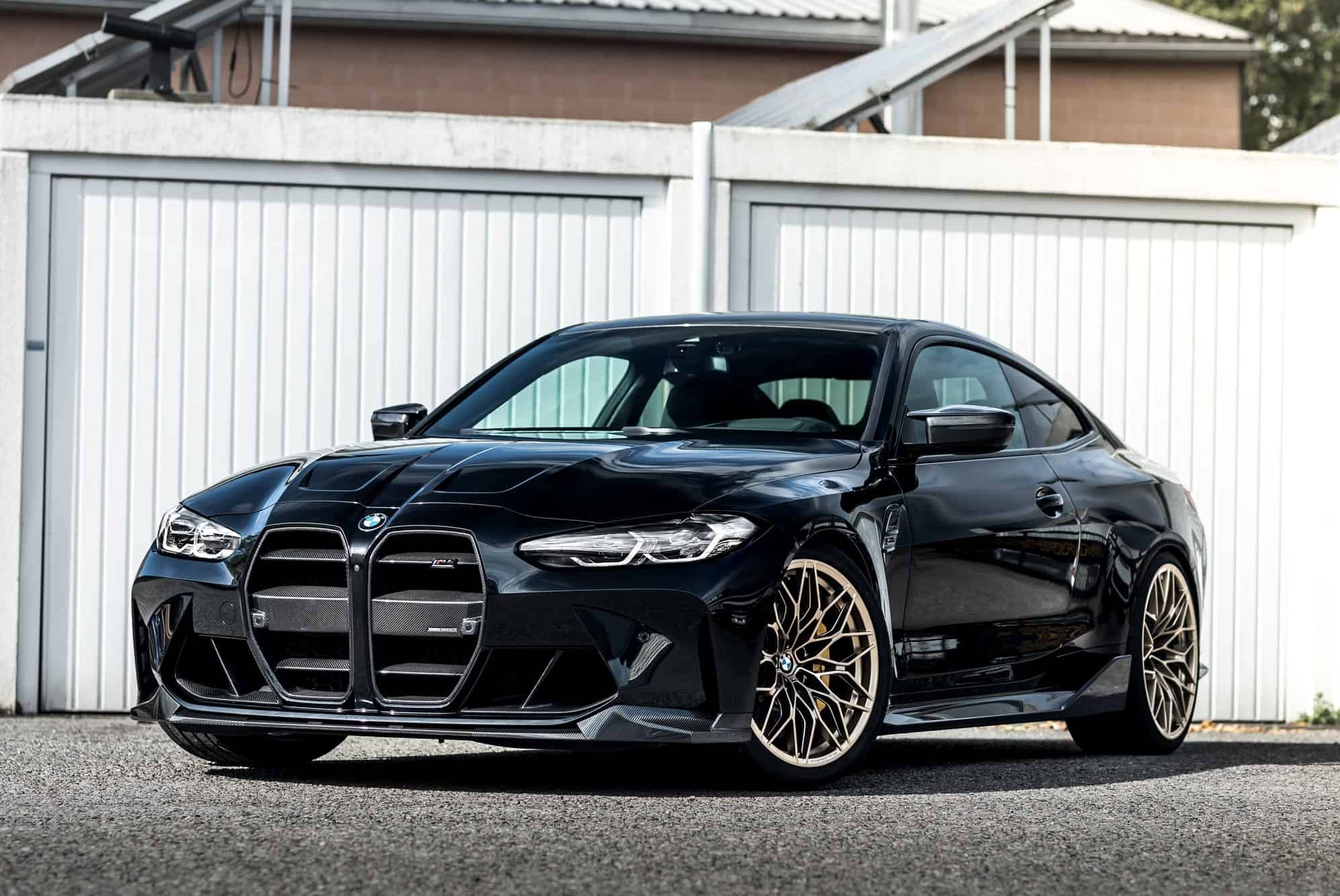
The controversial kidney grille design remains a polarizing styling choice that ages poorly. What seemed boldly provocative at launch now simply looks disproportionate and awkward. Visual cohesion across the front end is poor compared to previous M4 generations. Design should improve a car’s appeal over time, and this one does the opposite entirely.
Electronic driver aids intervene frequently and sometimes intrusively during spirited driving. Turning them all off requires going through the multiple menus across several touchscreen layers. BMW has made it unnecessarily complicated to access the raw driving experience that M cars promised. This bureaucratic approach to driving modes feels antithetical to everything the M badge should represent.
Interior technology has expanded to the point of overwhelming the driver with information and options. The iDrive 9 system requires significant learning investment before operation becomes intuitive. Screen real estate dominates the cabin in a way that prioritizes demonstration over usability. Older BMW interiors with fewer screens were paradoxically more driver-focused and less distracting.
Pricing has escalated dramatically as option packages have multiplied. A properly specified M4 now costs significantly more than its launch price suggested. Competitors offer comparable or superior performance at considerably lower price points. The value proposition of the M4 has weakened substantially as the car has evolved and as rivals have improved.
7. Audi R8
The Audi R8 was introduced to the world as Germany’s answer to the Ferrari 360. It succeeded brilliantly with a mid-engine layout, a screaming naturally aspirated V10, and everyday usability. In its later years before discontinuation, however, the R8 seemed to lose direction and purpose. The final versions of this car represent a cautionary tale about losing focus when a model approaches the end of life.
Development investment dried up visibly in the R8’s final years of production. Interior technology fell behind rivals who were updating their cars more aggressively and consistently. The infotainment system felt dated compared to what competitors were offering at similar price points. Buyers paying supercar money expect cutting-edge technology to match the mechanical package they are purchasing.
Weight crept up through successive model years as regulations demanded additional safety systems. The R8’s original lightness was a key component of its handling appeal and driver engagement. Later versions felt noticeably heavier through changes of direction and in response to steering inputs. That added mass blunted the razor-sharp reflexes that made early examples so thrilling to drive.
Pricing became increasingly difficult to justify as the car aged without substantive updates. Comparable supercars from Ferrari and McLaren offered fresher technology and sharper dynamics. Audi’s reluctance to invest in a major update left the R8 looking increasingly poor value. Depreciation on late-model R8s has been sharper than the early examples enjoyed.
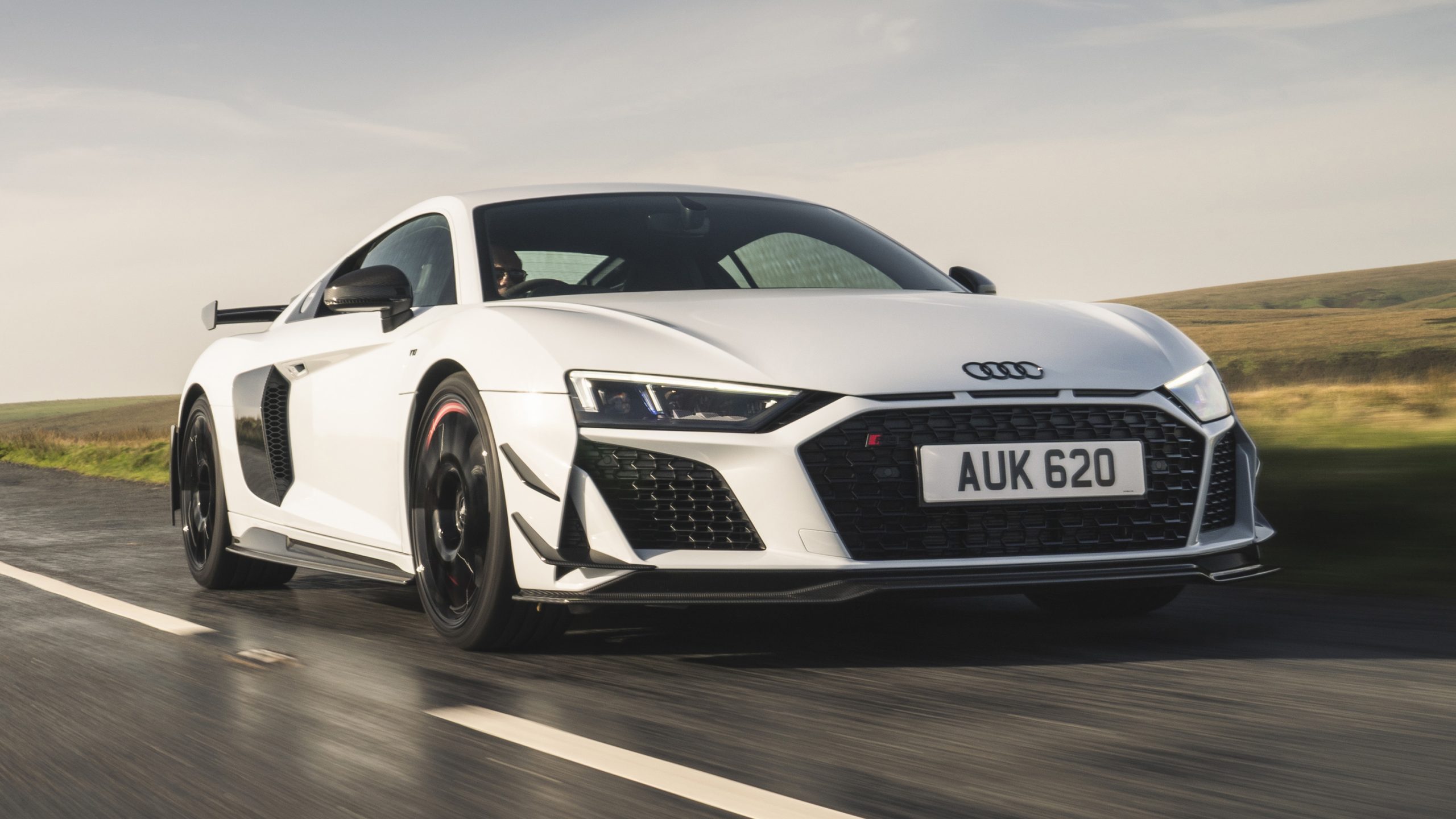
The quattro all-wheel drive system, while excellent for performance, removed some of the driving purity that enthusiasts craved. Rear-wheel drive variants were available but remained relatively rare and expensive additions. The natural balance and adjustability that mid-engine rear-wheel drive delivers were sacrificed in most configurations. Competitors offered more engaging dynamics for similar or lower prices by this point.
Exterior styling changed very little across the car’s long production life. What seemed elegant and purposeful in 2007 looked somewhat dated by the mid-2020s. Minor refreshes failed to meaningfully update the visual impact of a car competing with constantly evolving rivals. Styling matters enormously in the supercar segment, and the R8 fell behind badly.
The V10 engine remained magnificent throughout the car’s life and deserves full credit. It was the one constant that enthusiasts could always celebrate and appreciate unreservedly. However, one outstanding component cannot compensate for a package that aged poorly in other critical areas. The R8’s decline is a reminder that even great cars need sustained investment and development to remain competitive.
8. Nissan Z
The Nissan Z returned in 2023 with enormous fanfare from enthusiasts who had waited years for a proper successor. Initial impressions were positive, with a twin-turbocharged V6 and a design that honored the car’s long heritage respectfully. However, by 2026, the Z has stagnated in ways that are becoming increasingly difficult to overlook or excuse. The gap between promise and delivery has widened with each passing model year.
The biggest criticism of the 2026 Z centers on its lack of meaningful updates since launch. Rivals have moved forward with technology, dynamic improvements, and value enhancements. Nissan has largely stood pat, offering the same car with minimal changes or improvements. In a competitive sports car market, standing still is effectively moving backward every single year.
The nine-speed automatic transmission remains controversial and divisive among owners and enthusiasts. Shift logic can feel hesitant and confused during spirited driving in ways that frustrate experienced drivers. The manual gearbox is more satisfying but also shows its limitations during extended track use. Neither option feels fully resolved or properly matched to the engine’s performance character.
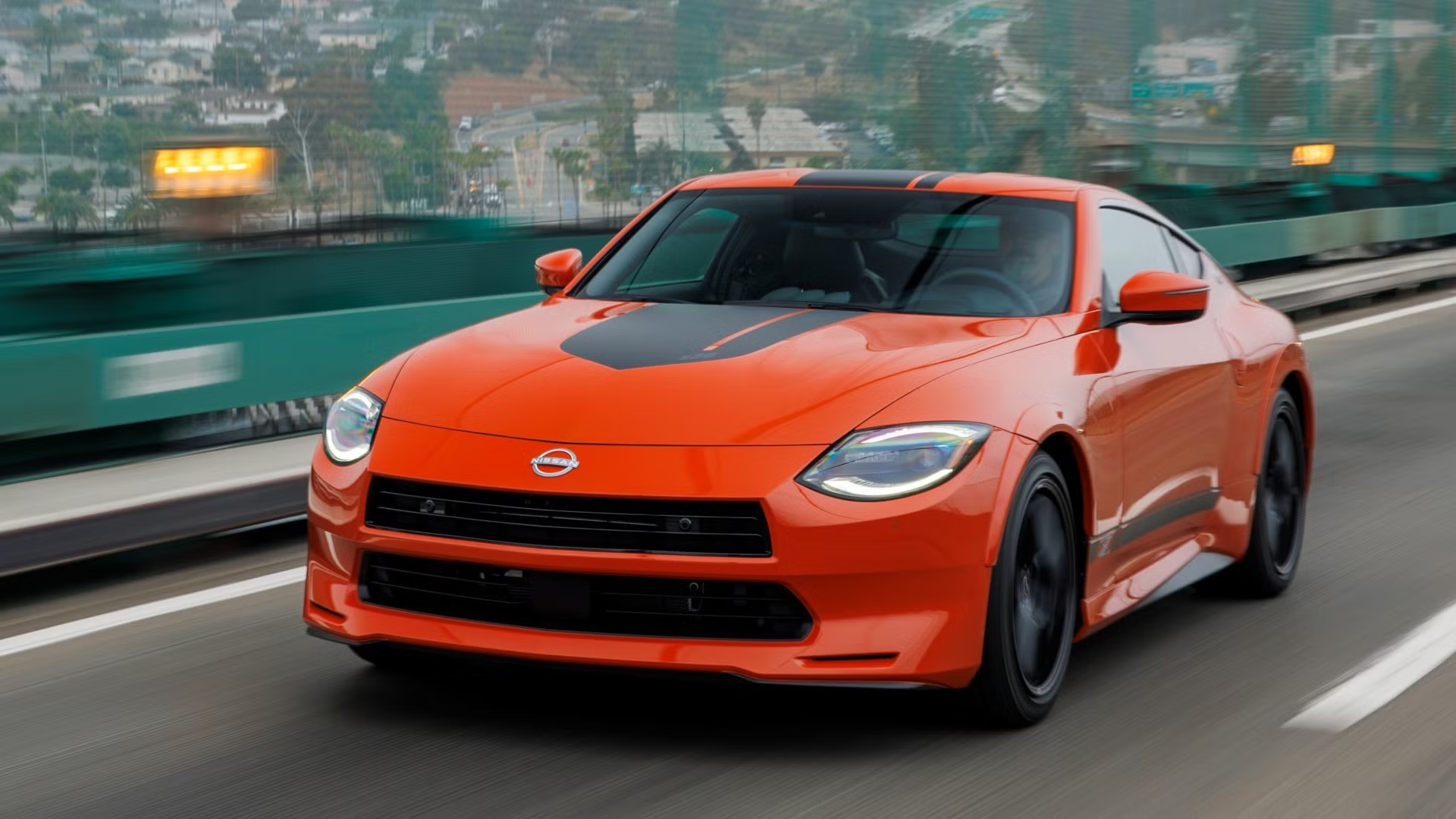
Chassis rigidity has drawn consistent criticism from automotive journalists and track-day enthusiasts. The body structure flexes more than rivals in its class, affecting handling precision at the limit. This flex translates into a slight vagueness in the steering and chassis response during fast directional changes. A stiffer structure would transform the Z’s dynamic capabilities significantly and immediately.
Interior quality remains below what buyers expect at the Z’s current price point. Plastics in key areas feel insubstantial and inconsistent with the car’s sporting pretensions. Technology features that were adequate at launch now feel behind the curve in 2026. Nissan’s rivals have raised the interior quality bar significantly, while the Z has remained static.
The twin-turbocharged V6 engine produces adequate power but lacks the character to inspire devotion. It does not develop a distinctive personality that enthusiasts want to celebrate and talk about. Engine character is difficult to quantify but crucial to building an emotional connection with buyers. The Z’s engine is competent but forgettable, which is a serious problem in this emotional product segment.
Reliability concerns have emerged with some owners reporting turbocharger-related issues after extended use. These reports have dented the Z’s reputation for the bulletproof dependability that Nissan products once enjoyed. For a car that enthusiasts intend to drive hard and frequently, reliability is absolutely non-negotiable. Nissan must address these concerns urgently if the Z is to rebuild confidence among its target buyers.
9. Mercedes-AMG GT
The Mercedes-AMG GT began life as a genuine sports car that offered a real alternative to Porsche’s 911. It had a front-mounted V8, rear-wheel drive, and a focused character that enthusiasts genuinely appreciated. In 2026, the AMG GT has drifted so far toward grand touring luxury that it barely qualifies as a sports car by traditional definitions. The transformation is impressive in some respects but disappointing for those who loved the original car’s purpose and focus.
The current AMG GT is substantially larger and heavier than the car it replaced. Mercedes has repositioned it as a four-seat grand tourer competing with the Aston Martin DB12 rather than the Porsche 911. This strategic pivot may make business sense, but it has cost the car its sporting soul. Weight is now the AMG GT’s most persistent and fundamental performance handicap in any comparison test.
The 4.0-liter biturbo V8 continues to produce tremendous power in all variants. However, the additional mass it must motivate has blunted the performance gains significantly. Straight-line acceleration remains impressive, but corner-to-corner pace has not kept up with rivals. The power-to-weight ratio tells a story that the marketing materials prefer not to emphasize too directly.
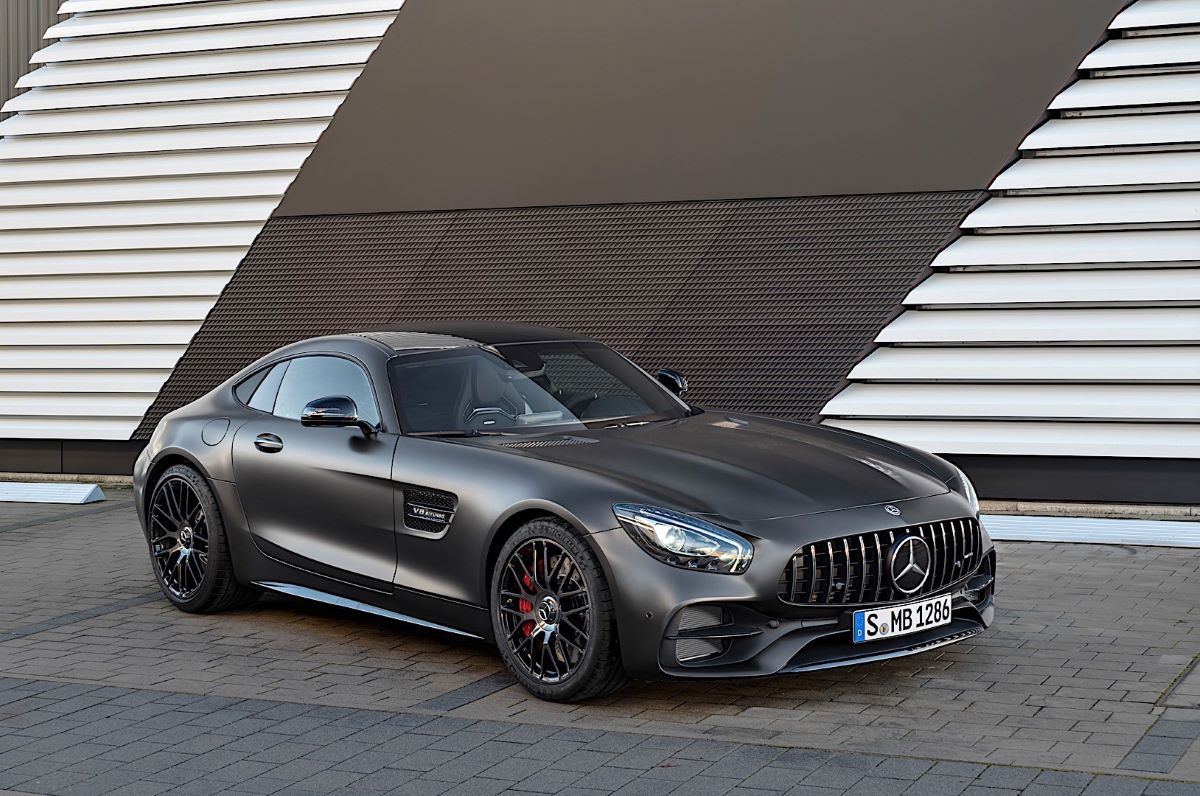
Ride quality has been prioritized at the expense of handling precision and driver engagement. The suspension setup in default modes absorbs bumps in a way that feels more Bentley than AMG. Sport and Sport Plus modes firm things up adequately but cannot transform the car’s fundamental character. The AMG GT now cossets where it once communicated, and that is a significant philosophical change.
The interior is undeniably spectacular by any objective measure of luxury and technology. Screens, premium materials, and ambient lighting create an atmosphere of genuine opulence and refinement. But sports car buyers often do not want or need this level of luxury in a driving machine. The AMG GT’s cabin now distracts from rather than enhances the driving experience it is meant to deliver.
Steering feel has been a consistent disappointment throughout the current generation’s life. The electric power steering system provides adequate assistance but minimal communication or road feel. Drivers cannot feel what the front tires are doing with any real clarity or confidence. This lack of feedback makes the AMG GT feel blunted and imprecise when pushed toward the limits of its capability.
Pricing has escalated to the point where the AMG GT competes directly with Ferrari entry-level models. At those price points, the Ferrari offers a far more emotionally rewarding and technically sophisticated experience. The AMG GT’s value proposition has weakened dramatically as its price has climbed and its character has softened. Mercedes has created a luxurious machine, but lost a great sports car in the process.
10. Jaguar F-Type
The Jaguar F-Type was one of the most emotionally compelling sports cars introduced in the last fifteen years. Its supercharged V8 engine produced one of the greatest exhaust sounds of any production car ever built. However, by 2026, the F-Type represents a car that has aged without the investment it deserved. Jaguar’s corporate difficulties have directly impacted a model that enthusiasts rightly adored and celebrated from its very first appearance.
Development investment ceased several years before the F-Type’s eventual end of production. New technology, updated electronics, and chassis improvements that the car desperately needed never arrived. The F-Type fell behind rivals not because it was fundamentally flawed, but because it was simply neglected. Watching a great car deteriorate through lack of attention is one of the most frustrating experiences in automotive enthusiasm.
Interior technology became a significant liability as the years passed without meaningful updates. The infotainment system felt outdated compared to what rivals like Porsche and Mercedes were offering. Buyers paying premium sports car prices expect premium technology across the entire package. The F-Type’s cabin increasingly felt like a time capsule from an earlier era of automotive technology.
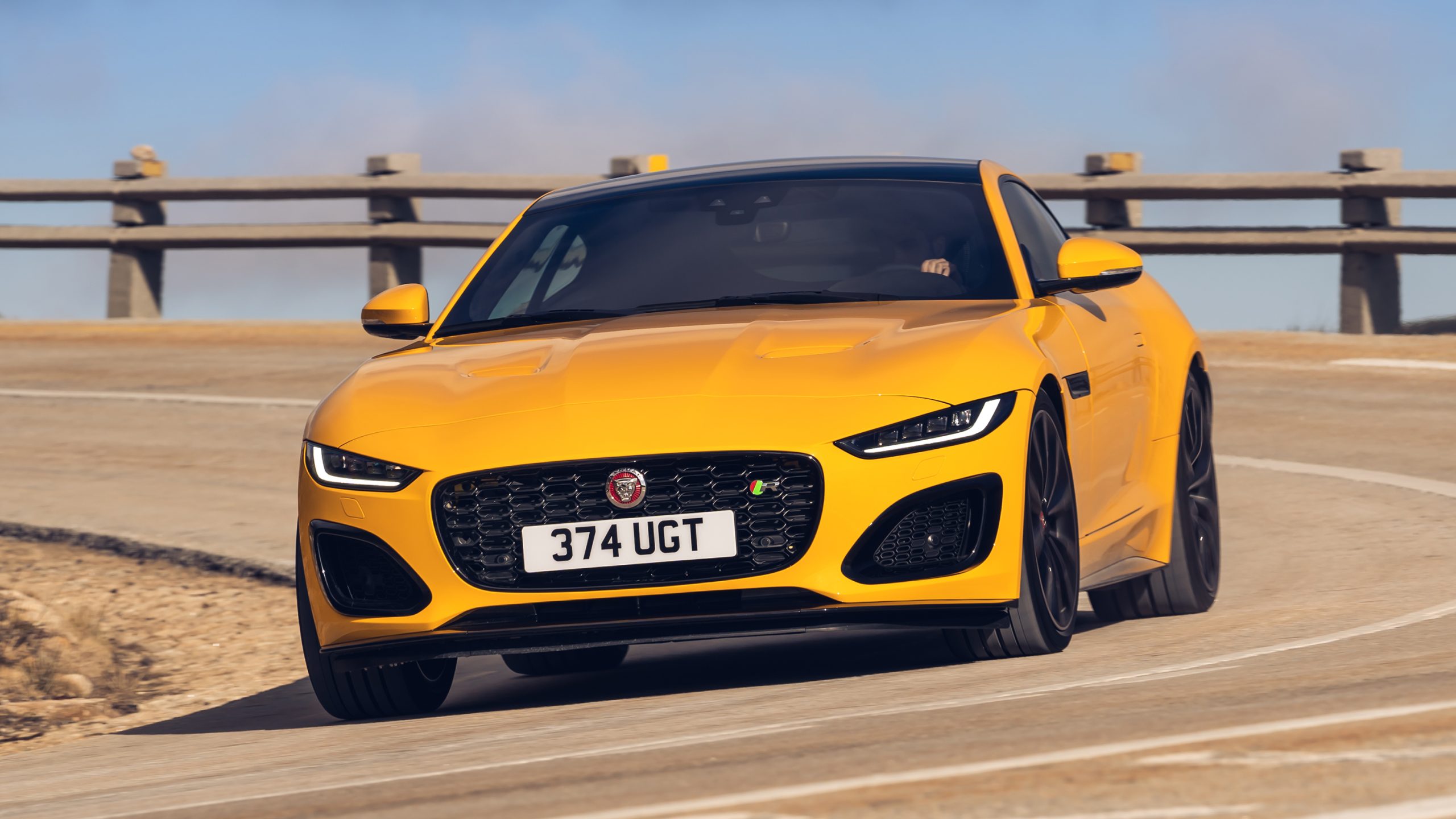
Build quality consistency was, unfortunately, variable across the F-Type’s later production run. Some examples felt tight and well-assembled, while others exhibited rattles and fit issues. This inconsistency is damaging for a prestigious brand competing in the premium sports car segment. Reliability perception suffered as a result, making buyers understandably cautious about commitment.
The supercharged V6 variants were retired before the end of production, leaving only the V8 available. While the V8 is magnificent, removing the entry-level options reduced accessibility significantly. Fewer buyers could access the F-Type experience at a price point that made financial sense for them. A sports car that prices out its core audience is making a serious strategic mistake.
Resale values declined sharply in the F-Type’s final years as production wound down. The uncertainty surrounding Jaguar’s future and model lineup created buyer hesitation and market confusion. Depreciation accelerated precisely because buyers feared parts availability and dealer support would diminish over time. These financial realities made the F-Type an increasingly difficult purchase to justify rationally.
The tragedy of the F-Type is that it deserved so much better than the fate it received. With proper investment and development, it could have competed at the very top of the sports car segment. Instead, it serves as a reminder that great engineering and stunning design cannot survive without sustained corporate commitment. The F-Type deserved a champion inside Jaguar, and it never found one when it needed one most.
Also Read: 6 Best Panoramic Views In American Cars vs 6 Blind-Spot Nightmares
