
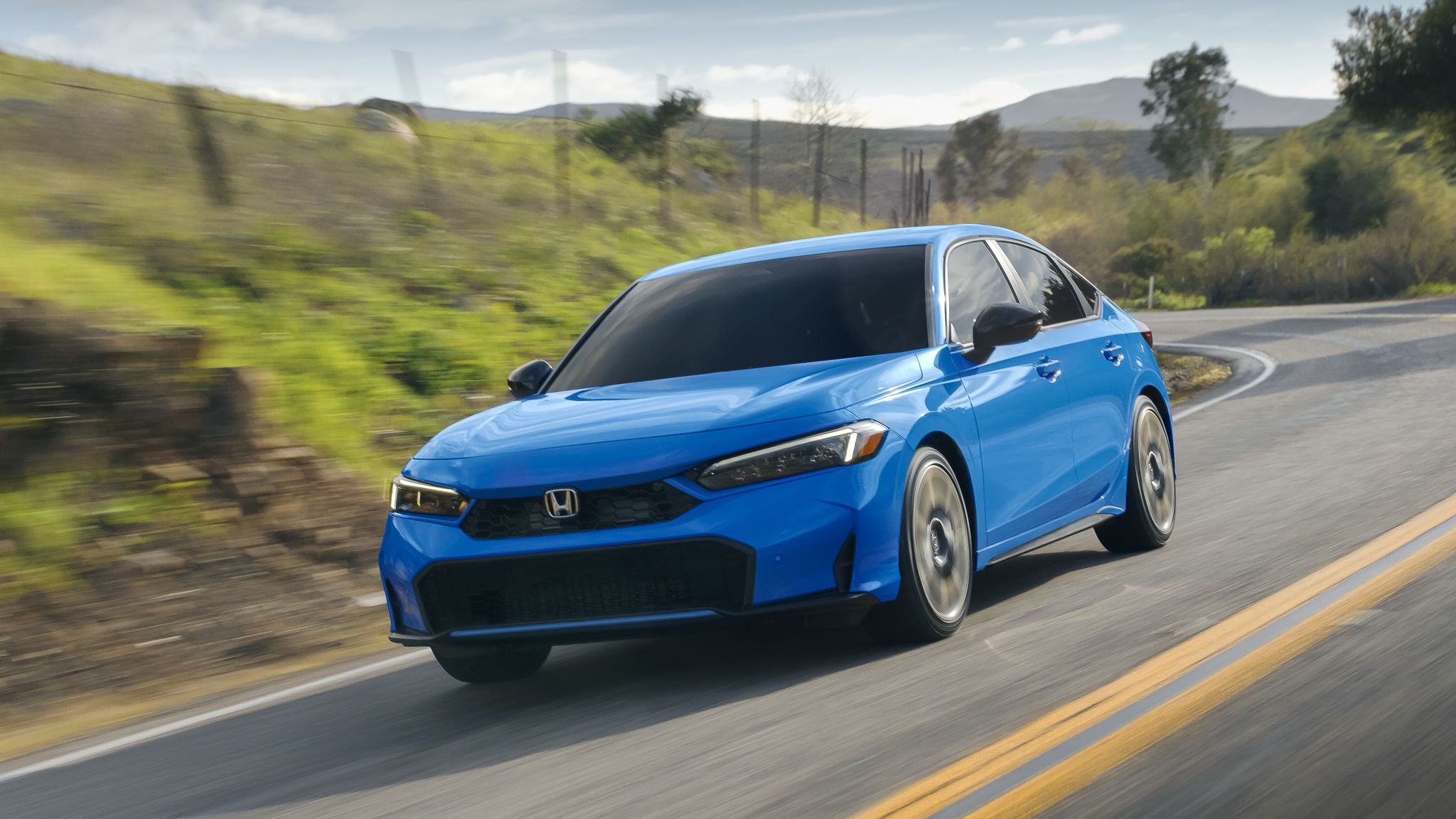
Modern cars are increasingly replacing physical buttons with large touchscreens. This shift has been controversial among drivers who value tactile feedback and ease of use.
Touchscreens look sleek and futuristic on the surface. But they often require drivers to take their eyes off the road just to adjust the temperature.
Many automakers have heard the complaints from loyal customers. They have made the smart decision to keep real, physical climate control buttons in their vehicles.
Physical buttons offer something no touchscreen can truly replicate. They allow drivers to make adjustments purely by feel, without any visual distraction.
This is not just a matter of preference it is a matter of safety. Fumbling through menus while driving is a genuine hazard on the road. Several top automakers still prioritize driver-friendly interfaces with dedicated knobs and buttons. These brands understand that good design means making things easier, not just prettier.
In this article, we explore nine cars that have stood firm against the all-screen trend. Each of these vehicles proudly features real, physical climate control buttons that drivers genuinely appreciate.
Whether you are buying a family sedan or a luxury SUV, these cars prove that buttons still matter. Let us look into each one and explore what makes them stand out.
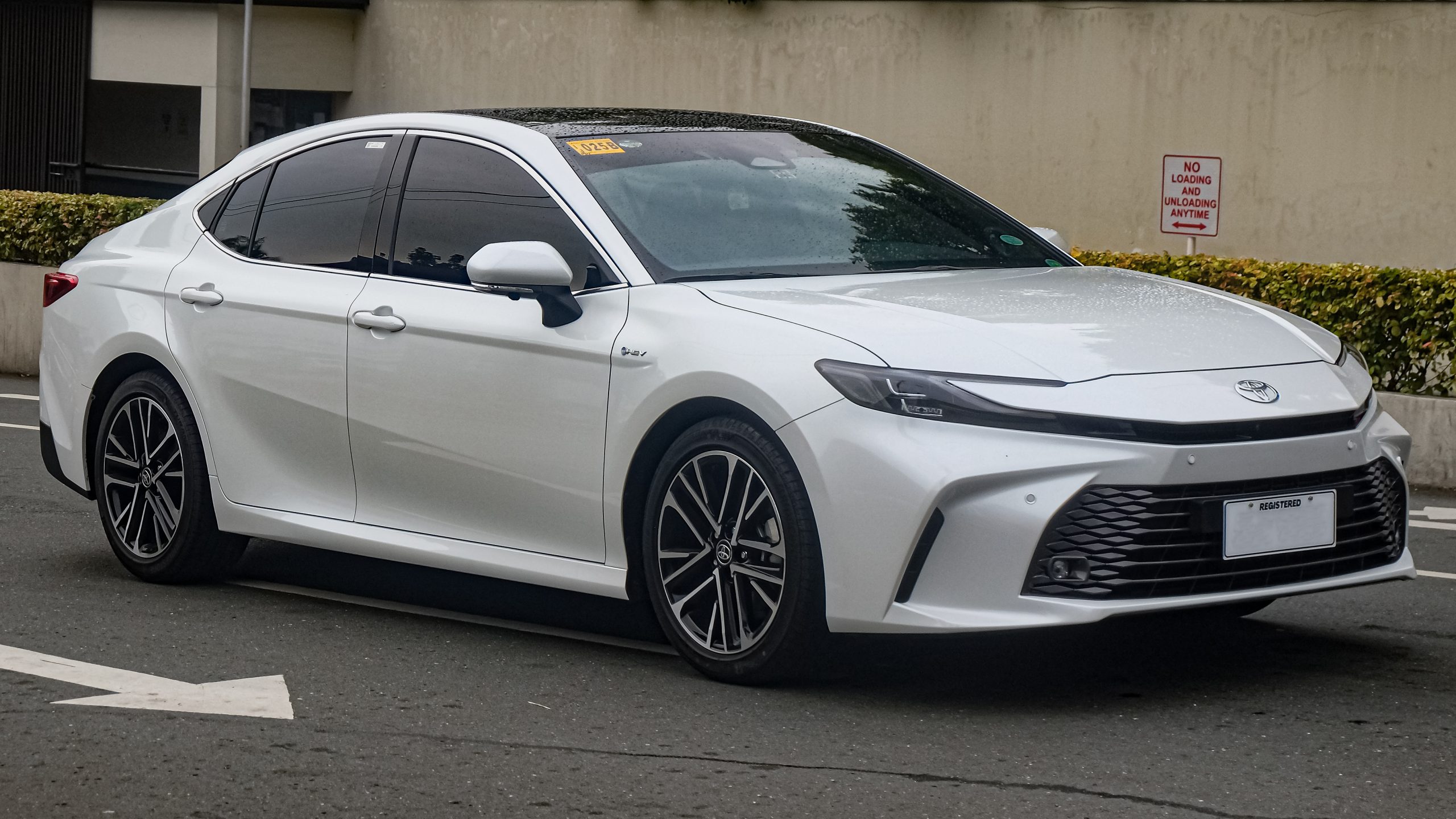
1. Toyota Camry
The Toyota Camry has long been one of the best-selling sedans. It earns that reputation not just through reliability, but through thoughtful, driver-focused design.
One of the Camry’s most appreciated features is its dedicated climate control panel. Toyota has kept real buttons and knobs front and center, resisting the urge to bury everything in a touchscreen.
The climate interface sits low on the center console, right where your hand naturally falls. You can adjust the fan speed, temperature, and airflow direction without ever looking down.
Toyota designed this system with everyday drivers in mind. Whether you are commuting in city traffic or cruising on the highway, comfort adjustments are always within reach.
The buttons are clearly labeled and well-spaced. There is no guesswork involved each control does exactly what it says, every single time. The dual-zone automatic climate control is standard on higher trims. Both the driver and the passenger can set their own preferred temperature independently.
The rotary temperature knobs have a satisfying, firm feel. Turning them gives you a clear sense of how much you are adjusting the setting. Fan speed is controlled through a straightforward row of buttons. You can bump it up or down with a single tap, even while keeping your eyes on the road.
Defrost controls for both the front and rear windshields are also dedicated physical buttons. These are especially valuable in cold weather when you need fast, reliable access.
Toyota has also ensured that the climate panel does not feel like an afterthought. It integrates cleanly into the dashboard design, looking modern without abandoning usability.
The Camry’s infotainment screen handles media and navigation separately. This clear division of controls means climate never gets buried beneath app menus.
Even the base trim of the Camry comes well-equipped with physical HVAC controls. You do not have to spend extra to get a car that treats you like an adult driver.
Owners regularly praise the Camry for being easy to live with on a daily basis. Simple things, like adjusting the AC on a hot afternoon, just work without frustration.
In a market flooded with overly complex interiors, the Camry is a breath of fresh air. It proves that smart design choices age better than flashy screen-heavy alternatives.
Toyota’s commitment to physical controls reflects a broader philosophy of driver trust. They believe that you should never struggle to stay comfortable behind the wheel.
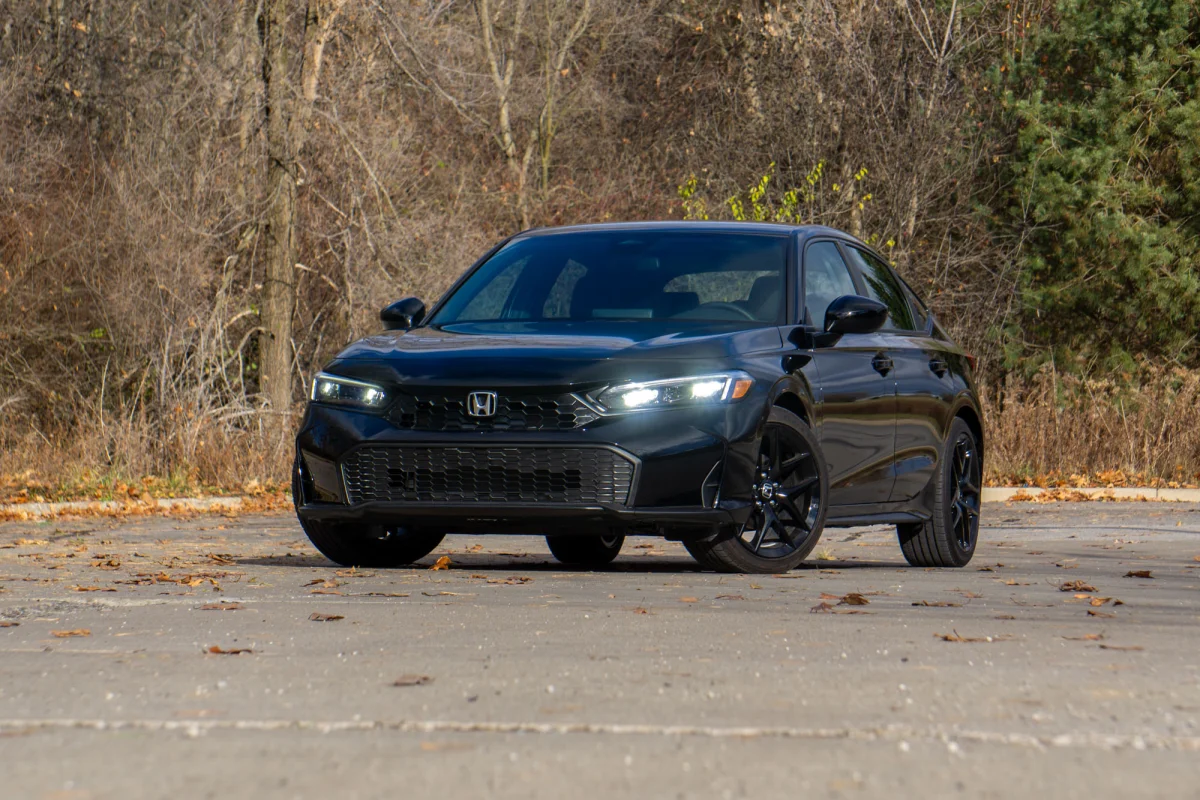
2. Honda Civic
The Honda Civic is a global icon of practical, affordable motoring. It has consistently delivered a satisfying driving experience without unnecessary complications.
One thing long-time Civic fans appreciate is the retention of physical climate controls. Honda has kept the HVAC interface tactile, simple, and highly intuitive to use.
The Civic features a clean row of buttons and a rotary fan dial below the infotainment screen. This placement makes it easy to reach without stretching or searching.
Temperature is adjusted using clearly marked up-and-down buttons on either side. A simple press is all it takes to get the cabin to your preferred comfort level.
The fan speed dial turns with a smooth, consistent resistance. It feels precise in your hand and responds exactly as expected every single time. Honda has made a deliberate choice to separate climate from the touchscreen system. This keeps the driving experience cleaner, safer, and far less distracting.
The Civic’s air conditioning and recirculation buttons are right where you expect them. There’s no need to go through menus or swipe through options, just press and go.
Rear defrost is handled by its own dedicated button on the panel. It activates with a single press and shows a clear indicator light when it is running.
The simplicity of the Civic’s climate layout is a major selling point for many buyers. People who have switched from touchscreen-heavy rivals often comment on how refreshing it feels.
Honda has also ensured the buttons have a quality feel to them. They click firmly and do not feel cheap or flimsy under repeated daily use.
Even in the dark, you can go through the Civic’s climate panel by memory and touch alone. The layout is logical enough that it becomes second nature within days of ownership.
The dual-zone option on higher trims adds passenger-side temperature control. Both occupants get their own settings without any complicated digital interface to wrestle with.
The Civic also benefits from a clean dashboard design. The physical climate section complements the rest of the interior without looking dated or mismatched.
Honda’s engineers understand that usability is the true measure of good design. A button you can press blindly is always better than a menu you have to read.
The Civic continues to be a top choice for drivers who want smart, no-nonsense interiors. Its climate control setup is one of the clearest examples of Honda getting things right.
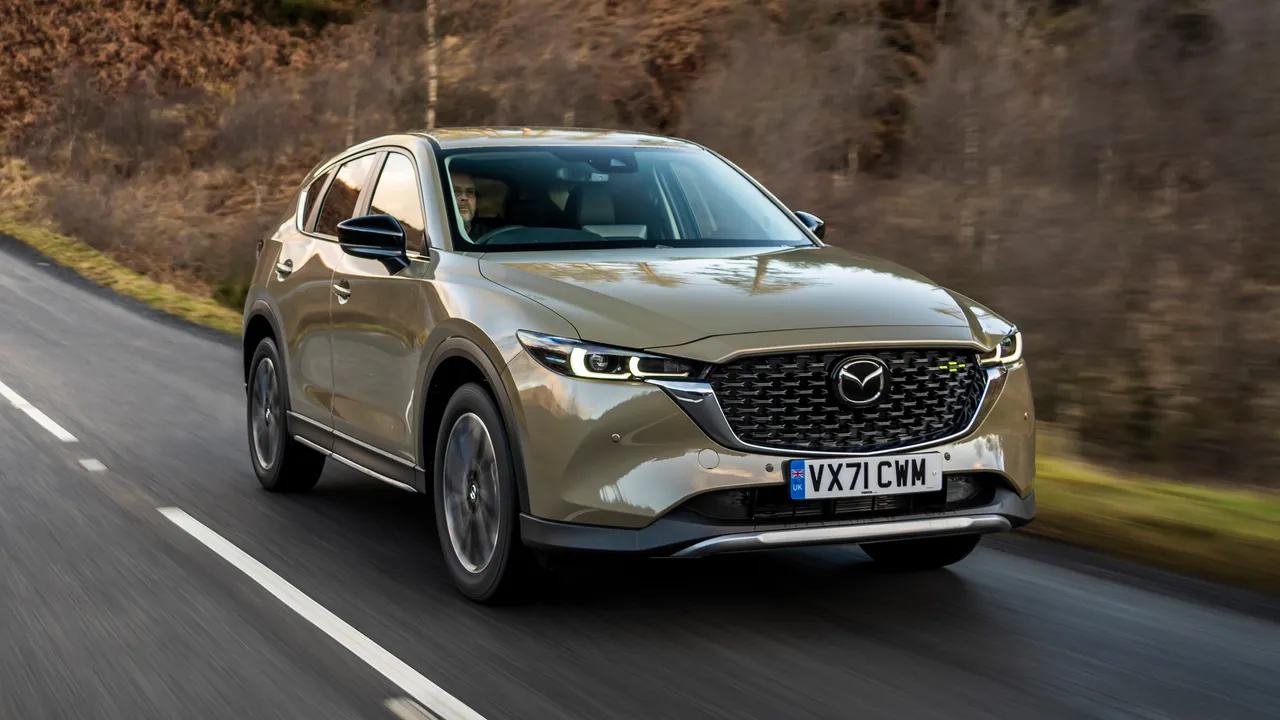
3. Mazda CX-5
The Mazda CX-5 is widely regarded as one of the most premium-feeling compact SUVs on the market. It punches well above its price point in terms of interior quality and design.
A key part of that premium feel is Mazda’s deliberate use of physical controls throughout the cabin. The climate system is a perfect example of this philosophy in action.
The CX-5 uses a dedicated climate panel with rotary dials for temperature and fan speed. These dials feel solid and well-weighted, giving the whole system a high-end character.
Mazda has specifically stated that physical controls are safer for drivers to use. They have backed up that philosophy by keeping buttons front and center in their interiors.
The temperature dials sit on either side of the center climate panel. Each one turns smoothly and clicks into position with a satisfying mechanical feel.
Airflow direction is controlled through a simple set of buttons directly below the dials. You can cycle through different venting options quickly and without any confusion.
The Auto button activates the full automatic climate system with a single press. The car then handles temperature, fan speed, and airflow direction all on its own.
Mazda has even resisted the temptation to add too many layers to the system. What you see is what you get and what you get is remarkably easy to use.
The CX-5’s infotainment system is handled separately through a rotary controller on the console. This separation of duties keeps climate quick and media management deliberate.
Higher trims offer dual-zone climate control for both front occupants. Each side has its own dedicated dial, making independent adjustments completely effortless.
Rear passengers also benefit from dedicated vents in the second row. Climate comfort extends throughout the whole cabin, not just to the front seats.
The build quality of the CX-5’s buttons adds to the sense of craftsmanship. Nothing feels loose, rattly, or out of place in this beautifully assembled interior.
Mazda’s approach has earned the CX-5 consistent praise from automotive journalists. The cabin is frequently described as one of the most driver-focused in its class.
Owners report that the climate controls become completely instinctive within the first week. That kind of immediate usability is the hallmark of genuinely great interface design.
The CX-5 proves that a compact SUV can feel sophisticated without resorting to giant screens. Physical buttons, done well, are a feature not a limitation.
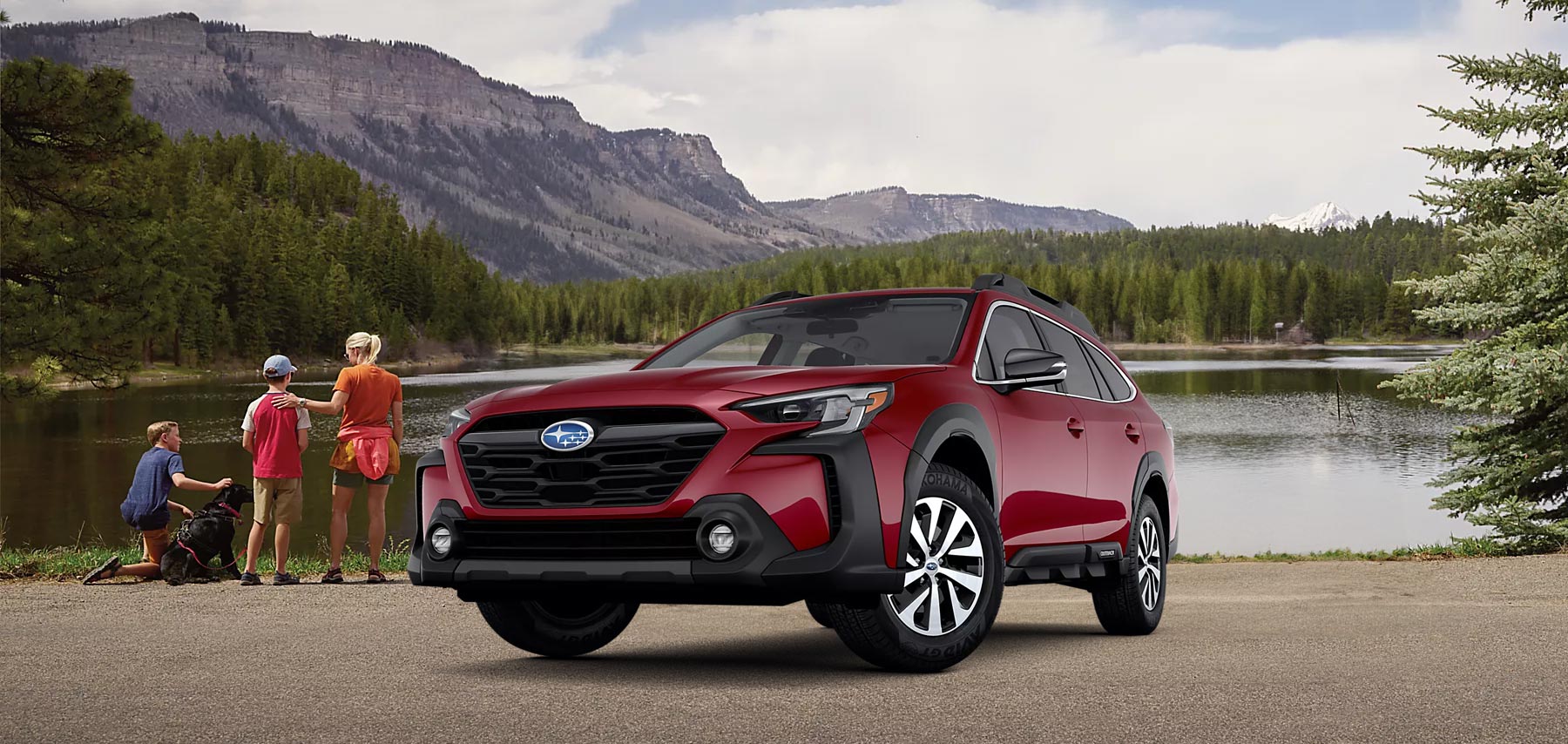
4. Subaru Outback
The Subaru Outback is the adventure-ready wagon that millions of outdoor enthusiasts trust. It combines rugged capability with a surprisingly comfortable and practical interior.
One of the Outback’s underrated strengths is its commitment to physical climate controls. Subaru has kept real buttons and dials in place, even as competitors race toward all-screen designs.
The climate panel on the Outback is located centrally below the large infotainment screen. It is clearly organized, with dedicated controls for every major function you need.
Temperature is managed through rotary dials on each side of the panel. These dials are easy to grip and turn, even if you are wearing gloves on a cold morning.
That glove-friendly design is particularly valuable for Outback owners. Many of them spend time in cold climates where thick winter gloves are a daily reality.
Fan speed is adjusted through its own separate dial. You can feel the different settings as you turn it, giving you precise control over airflow intensity.
The Outback also features clearly marked buttons for AC, recirculation, and defrost functions. Each one is dedicated to a single job, making the whole system reassuringly simple.
Subaru has included heated seat controls as physical buttons on higher trims. You do not need to go through a touchscreen just to warm yourself up on a winter commute.
The rear defrost button activates with a satisfying click and lights up to confirm activation. Small details like this make a real difference in everyday driving comfort.
Subaru’s dual-zone climate control is available across several trim levels. Both the driver and front passenger can maintain different temperatures without interfering with each other.
The Outback’s interior is designed to be used in real-world conditions, not just showrooms. Physical buttons hold up better to muddy hands, wet gloves, and general outdoor life.
Subaru owners are known for being deeply loyal to the brand. Part of that loyalty comes from the fact that Subaru trusts them to use straightforward, functional controls.
The Outback’s climate system has remained consistent across recent generations. This consistency means long-time Subaru owners can switch models without any learning curve.
Even entry-level Outback trims come with a solid physical climate interface. Subaru does not reserve this sensible design only for top-spec buyers.
The Outback continues to prove that practical design and adventure capability go hand in hand. Physical climate controls are just one piece of a very well-thought-out package.
Also Read: 10 Subaru Engines From the Head-Gasket-Fixed Era
5. Volkswagen Golf
The Volkswagen Golf is one of the most iconic and beloved compact cars ever built. It has set the benchmark for the hot hatch and family hatchback segments for decades.
Recent generations of the Golf attracted some criticism for removing physical controls. However, Volkswagen listened to customer feedback and began restoring dedicated buttons in updated versions.
The current Golf includes a row of touch-sensitive and physical shortcut buttons beneath the screen. Climate controls can be accessed quickly, without the need to go through digital menus.
Temperature controls have been restored as tactile sliders and dedicated inputs. Drivers can now make adjustments without their eyes leaving the road ahead of them.
Volkswagen’s decision to walk back its all-touchscreen approach was a significant move. It demonstrated that even a trendsetting brand can acknowledge when it has gone too far.
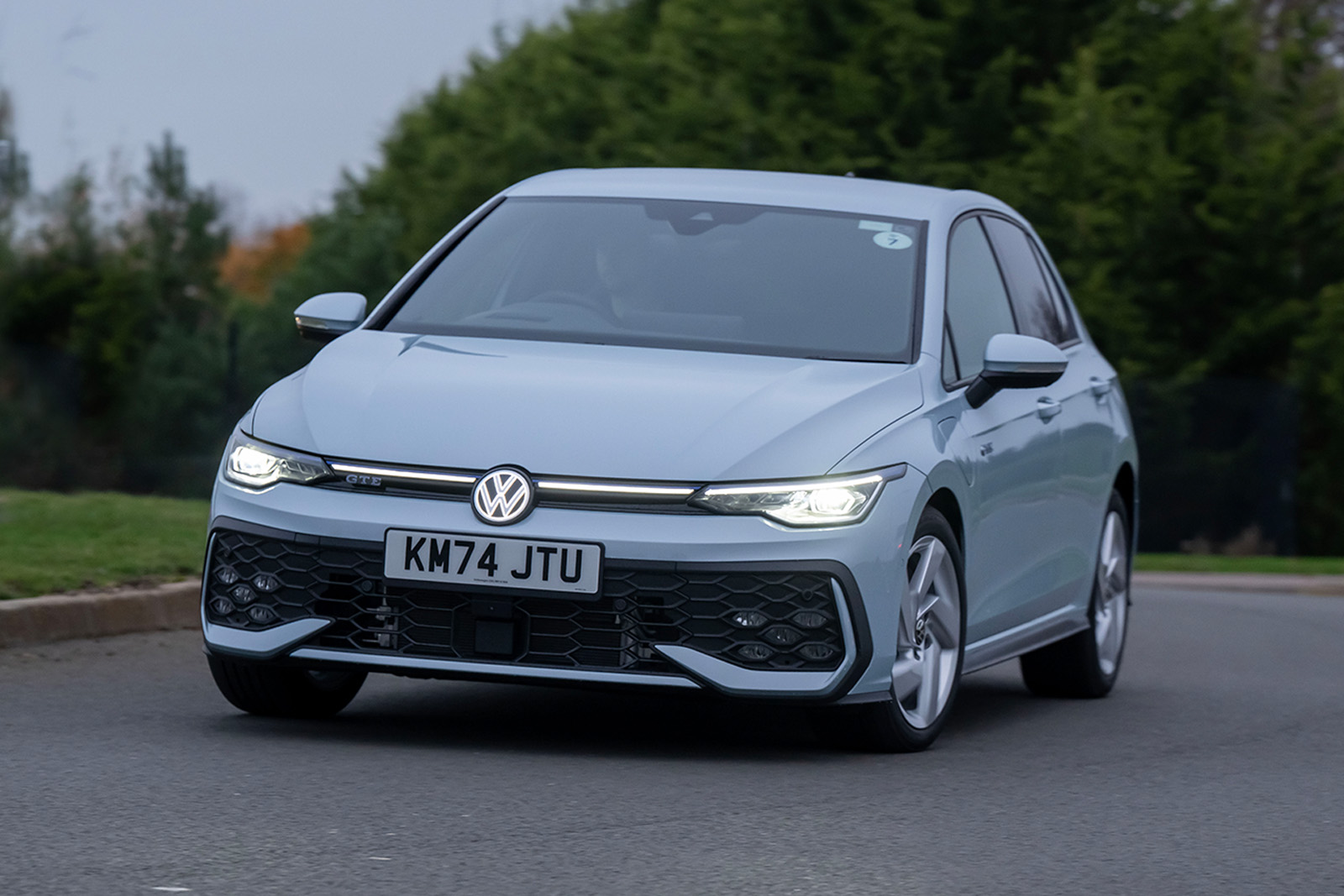
The Golf’s climate interface now strikes a balance between modern styling and practical usability. It does not look old-fashioned, but it functions like a proper set of controls should.
Fan speed can be adjusted through physical controls that respond immediately to your touch. There is no delay, no animation, no loading, just instant, direct response.
The dual-zone climate system is available on higher trims and works intuitively. Each front passenger gets independent control without needing a digital interface to manage it.
Heated seats and steering wheel controls are also available as physical buttons on equipped models. Comfort features are never more than a single press away.
The Golf’s interior quality remains class-leading in the compact segment. Soft-touch materials, quality plastics, and well-damped buttons all contribute to a premium experience.
Volkswagen has also ensured that climate controls are well-lit at night. The backlit buttons and sliders make night driving adjustments as easy as daytime ones.
The Golf’s air conditioning system is powerful and efficient. The physical controls let you make quick micro-adjustments to find the perfect comfort level in any weather.
Owners of the restored-button Golf models have responded very positively to the changes. Forum discussions and owner reviews consistently highlight the improved daily usability.
The Golf proves that course correction is possible in automotive design. You do not have to sacrifice style to give drivers the physical controls they actually want and need.
Volkswagen’s willingness to listen to its customers sets a good example for the industry. The Golf remains a benchmark car for many very good reasons.
6. BMW 3 Series
The BMW 3 Series has long been the definition of the driver’s car in the executive sedan segment. It combines sharp handling with a sophisticated, well-crafted interior.
BMW has retained physical climate controls in the 3 Series as part of its driver-centric philosophy. The brand understands that a true driver’s car should never create unnecessary distractions.
The climate panel is situated low in the center console, within easy reach of the driver’s hand. The layout is clean, logical, and requires no instruction manual to figure out.
Dual-zone automatic climate control is standard across most 3 Series trim levels. Both front occupants can set precise temperatures independently using their own dedicated physical controls.
The temperature dials have a premium feel that matches the rest of the 3 Series interior. They turn with smooth resistance and feel like they belong in a luxury vehicle.
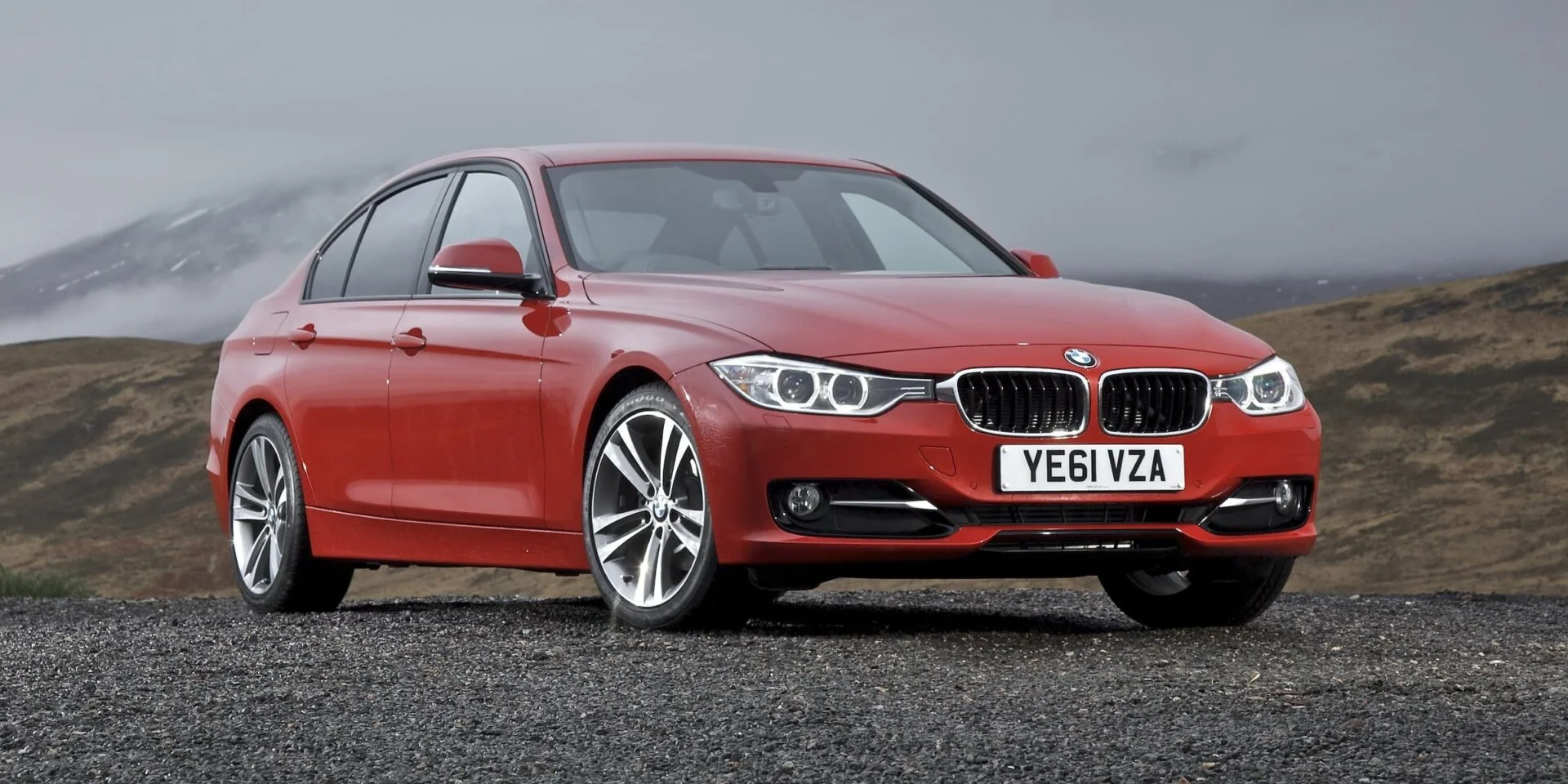
Fan speed, airflow mode, and recirculation are all controlled through dedicated physical buttons. Each one is clearly labeled and lights up cleanly when activated.
BMW has integrated the climate controls into the iDrive system, but kept physical shortcuts readily available. You can override or adjust settings quickly without entering any menus.
The heated seat controls on the 3 Series are also physical buttons, located conveniently on the lower center console. Seat warming is always just one quick press away.
Ventilated seat controls, where available, are handled the same way. BMW does not bury premium comfort features behind layers of digital menus.
The 3 Series also features an AUTO function that manages the entire climate system automatically. A single press of the physical AUTO button hands full control to the car’s sensors.
BMW’s climate system is also notably effective at actually heating and cooling the cabin. The physical controls allow for precise fine-tuning that makes the most of this powerful system.
The 3 Series dashboard design is elegant and purposeful. Physical climate controls sit below the central screen in a way that feels integrated, not tacked on.
Night visibility of the controls is excellent, thanks to thoughtful illumination design. Backlit buttons and dials remain readable and usable in complete darkness.
Long-distance motorway drivers particularly appreciate the 3 Series climate setup. Quick, effortless adjustments make multi-hour journeys significantly more comfortable.
The BMW 3 Series continues to prove that luxury and driver-friendliness are not mutually exclusive. Physical controls are a key part of what makes it such a rewarding car to live with.
7. Mercedes-Benz C-Class
The Mercedes-Benz C-Class is the very definition of accessible luxury in the executive car segment. It wraps passengers in premium materials and genuine comfort at every level.
Mercedes has ensured that the C-Class retains physical climate control elements despite its heavy use of digital displays. The brand knows that true luxury means effortless convenience.
The C-Class features a set of touch-sensitive physical controls at the base of the center stack. These provide haptic feedback, making them feel responsive and real under your fingertips.
Temperature adjustments on the C-Class are handled through dedicated, clearly marked controls. Both driver and passenger have their own independent settings for perfect personalized comfort.
The dual-zone automatic climate system on the C-Class is impressively sophisticated. It uses multiple sensors to maintain your chosen temperature regardless of outside conditions.
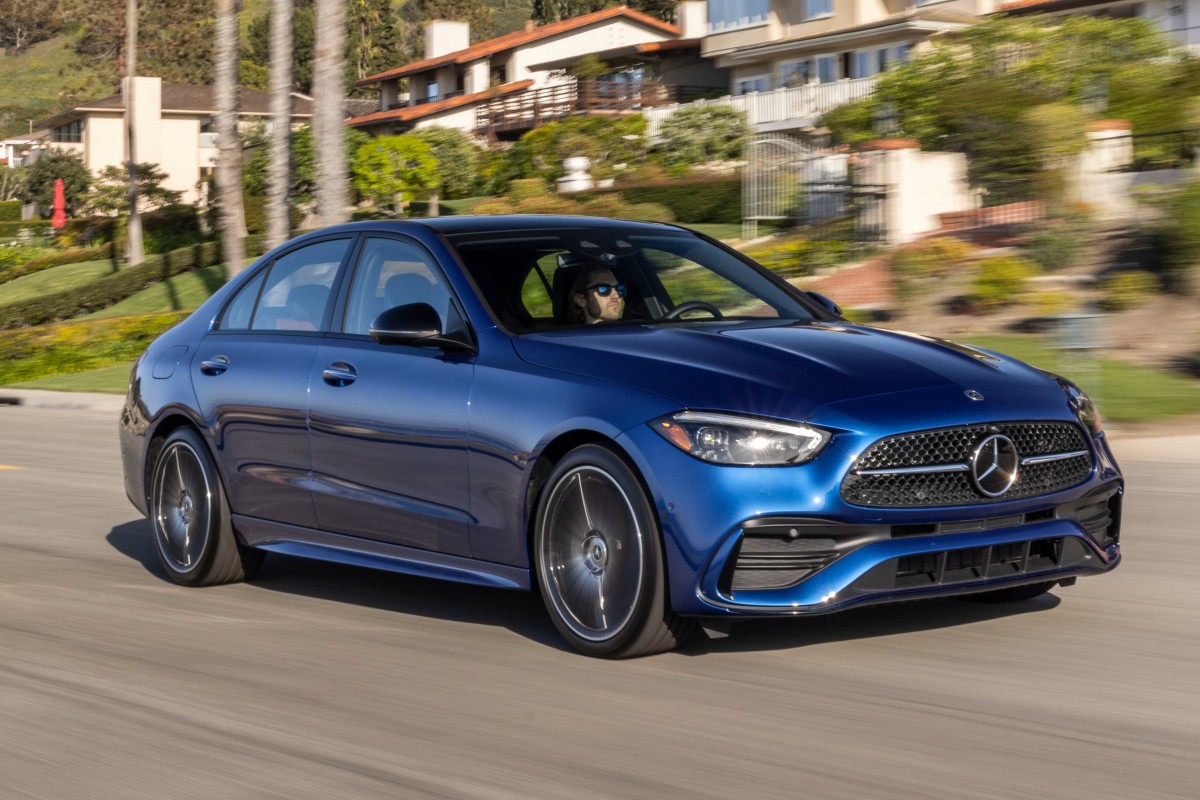
Physical buttons for AC, recirculation, defrost, and seat heating are all clearly present. These controls are lit in a warm ambient tone that suits the luxurious atmosphere of the interior.
Mercedes has designed the C-Class interior to feel like a high-end environment at all times. Physical controls contribute to that feeling by being both beautiful and functional.
The rear-seat passengers in the C-Class also benefit from dedicated physical climate controls. A separate panel in the center console allows the back-seat occupants to manage their own comfort.
Heated and ventilated seats are controlled through physical buttons on the door panels. This placement keeps the main climate panel clean and uncluttered.
The C-Class also features a powerful and efficient climate system that heats or cools the cabin quickly. Physical controls let you fine-tune the output the moment you notice any discomfort.
Mercedes has managed to blend its digital MBUX interface with traditional physical control philosophy. The result is a cabin that feels both modern and deeply user-friendly.
The quality of the physical controls in the C-Class is excellent. Buttons have a precise click, dials turn smoothly, and everything feels built to a very high standard.
Night-time usability is excellent, with all controls illuminated in Mercedes’ signature soft ambient lighting. You will never struggle to find the right button after dark.
The C-Class proves that a luxury car can embrace technology without abandoning driver usability. Physical climate controls remain a cornerstone of the Mercedes ownership experience.
Drivers who spend a lot of time in the C-Class consistently praise how little mental effort it takes to stay comfortable. That ease of use is the quiet luxury you notice every single day.
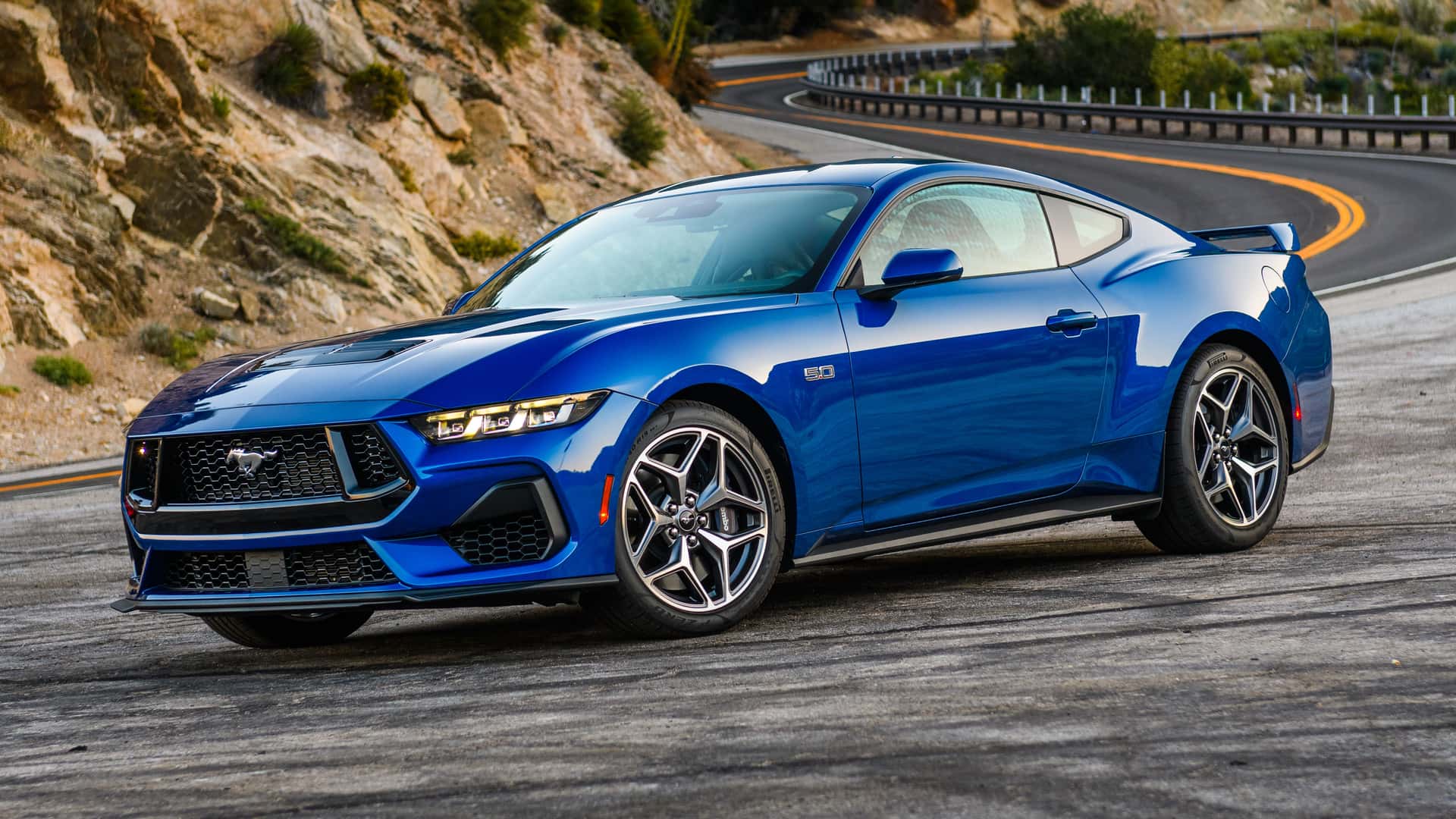
8. Ford Mustang
The Ford Mustang is one of the most iconic and emotionally charged cars in American automotive history. It stands for freedom, performance, and an unapologetically bold driving experience.
The Mustang may be known for its engine and styling, but its interior deserves attention, too. Ford has kept real, physical climate control buttons firmly in place in recent generations.
The climate panel on the Mustang is positioned centrally on the lower dash, easy to access at a glance. Controls are large, clearly labeled, and feel appropriately robust for a performance car.
Temperature is adjusted via physical rotary dials, one for each side in dual-zone configurations. These dials feel solid and turn with satisfying precision in your hand.
Fan speed has its own dedicated dial that sits comfortably alongside the temperature controls. You can dial up more airflow on a hot track day without taking your focus off driving.
The Mustang’s AC button is a dedicated physical control that responds instantly. On a blazing summer day, you want cold air now not after going through the three menus.
Ford has also included physical buttons for recirculation and windshield defrost. These are especially useful during the cooler months when fogging and frost are regular issues.
Heated seat controls are physical buttons located conveniently on the lower center console. They are within easy reach, whether you are in a normal driving position or fully reclined.
The Mustang’s interior has a sporty, driver-focused atmosphere throughout. Physical climate controls contribute to that feel by keeping everything tactile and immediate.
Even in the GT500 and Mach 1 variants, physical climate buttons remain part of the setup. Performance upgrades do not come at the cost of basic everyday usability.
Ford’s approach to the Mustang reflects an understanding of its buyer. Mustang owners want a raw, engaging experience, and that includes direct, no-nonsense climate controls.
The Mustang’s cabin can get warm quickly, especially in summer with a dark exterior color. Fast, reliable physical climate controls mean you get comfortable without any delay.
Night usability is solid, with all controls illuminated in the Mustang’s sporty red or white backlighting. Finding the right button in the dark is never an issue in this cabin.
Ford has also kept the layout consistent across recent Mustang model years. Long-time Mustang owners do not need to relearn the interior every time they upgrade.
The Mustang proves that a performance icon can also be a practical daily driver. Physical climate controls are a small but significant part of what makes it such a complete car.
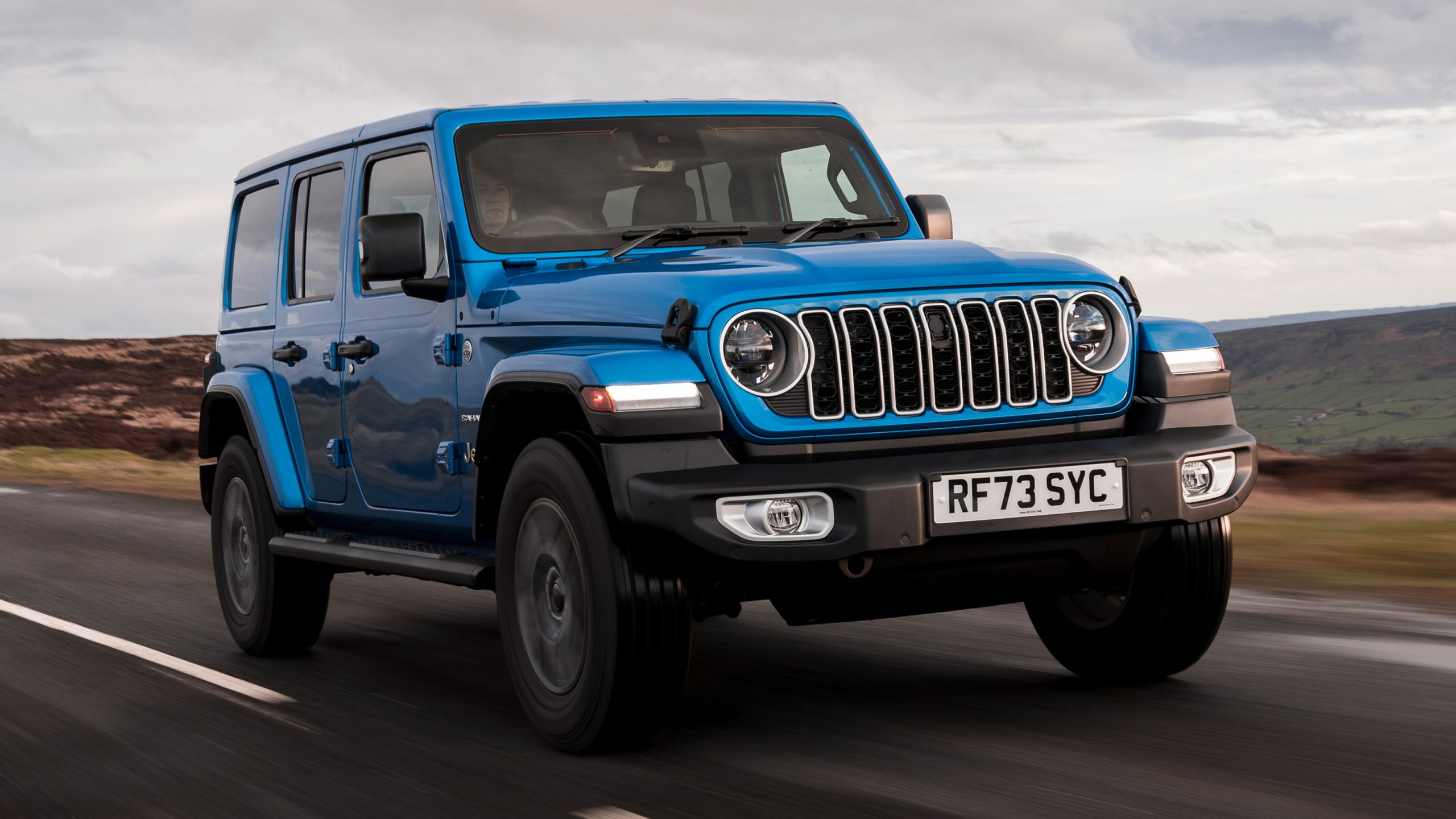
9. Jeep Wrangler
The Jeep Wrangler is unlike any other vehicle on this list or any list, for that matter. It is an off-road legend that has stayed true to its rugged, utilitarian roots for decades.
The Wrangler’s interior is built for adventure, not aesthetics. And in that spirit, it comes loaded with real, physical climate control buttons that work in any condition.
The climate panel on the Wrangler is simple, bold, and completely unpretentious. Large knobs and chunky buttons dominate the lower dash, designed to be used with muddy or gloved hands.
Temperature is controlled by a large central rotary dial that turns with firm, deliberate resistance. There is absolutely no ambiguity about what setting you are choosing.
Fan speed is managed by its own large dial placed right alongside the temperature control. Both dials are oversized for easy operation in rough terrain or harsh weather conditions.
Mode selection for airflow direction uses a separate rotary dial or clearly marked buttons. Everything is separated, logical, and built to be operated without any mental effort.
The Wrangler’s AC and recirculation buttons are large, raised physical switches. They feel like they belong in a vehicle built to handle the toughest environments on the planet.
Jeep has designed the Wrangler’s interior to be hoseable in extreme cases. Physical controls hold up to moisture and dirt in a way that touchscreens simply never could.
Heated seat controls, where available, are straightforward physical buttons. Warmth on a cold trail morning is just one quick press away, no glove removal required.
The defrost controls are equally accessible and clearly marked. Front and rear defrost each have their own dedicated button for fast, fuss-free activation.
The Wrangler’s climate system is also notably effective at coping with extreme temperatures. Whether you are baking in the desert or freezing on a mountain, the controls respond instantly.
Off-road drivers particularly appreciate physical controls when the going gets rough. When you are going through a difficult trial, you cannot afford to look at a screen.
Jeep has kept the Wrangler’s interior philosophy consistent over multiple generations. The controls look different year to year, but the approach always stays refreshingly simple.
Even the JL generation Wrangler, which added a modern Uconnect infotainment screen, kept climate physical. Jeep correctly identified that this was a line it should not cross.
The Wrangler is proof that physical buttons are not just about nostalgia. They are about building a vehicle that works reliably in the real world, under any conditions imaginable.
In a world racing toward digital everything, the Jeep Wrangler stands proudly apart. It remains the ultimate reminder that sometimes, the old way truly is the best way.
Also Read: 9 Engines Still Running in Countries Where Parts Haven’t Been Made Since 1995
