
Roof boxes are one of the most practical accessories you can add to an SUV. They offer extra storage space without compromising the interior comfort of your vehicle. Whether you are heading out on a long road trip or packing gear for a skiing holiday, a roof box makes life significantly easier. However, one common problem many SUV owners face is the roof box blocking the rear wiper. This can seriously affect visibility and driving safety, especially in wet or snowy conditions.
Not every SUV is built the same way. The roofline shape, rear wiper placement, and mounting rail position all determine whether a roof box will interfere with the wiper. Some SUVs have rear wipers positioned high on the tailgate, while others have them tucked lower or at an angle. Choosing the right combination of SUV and roof box matters more than most buyers realise.
This guide covers eight of the best SUVs where roof boxes can be fitted without blocking the rear wiper. Each model has been selected based on roofline design, wiper placement, and compatibility with standard roof box systems. Read on to find the perfect SUV and roof box combination for your next adventure.
1. Volvo XC90
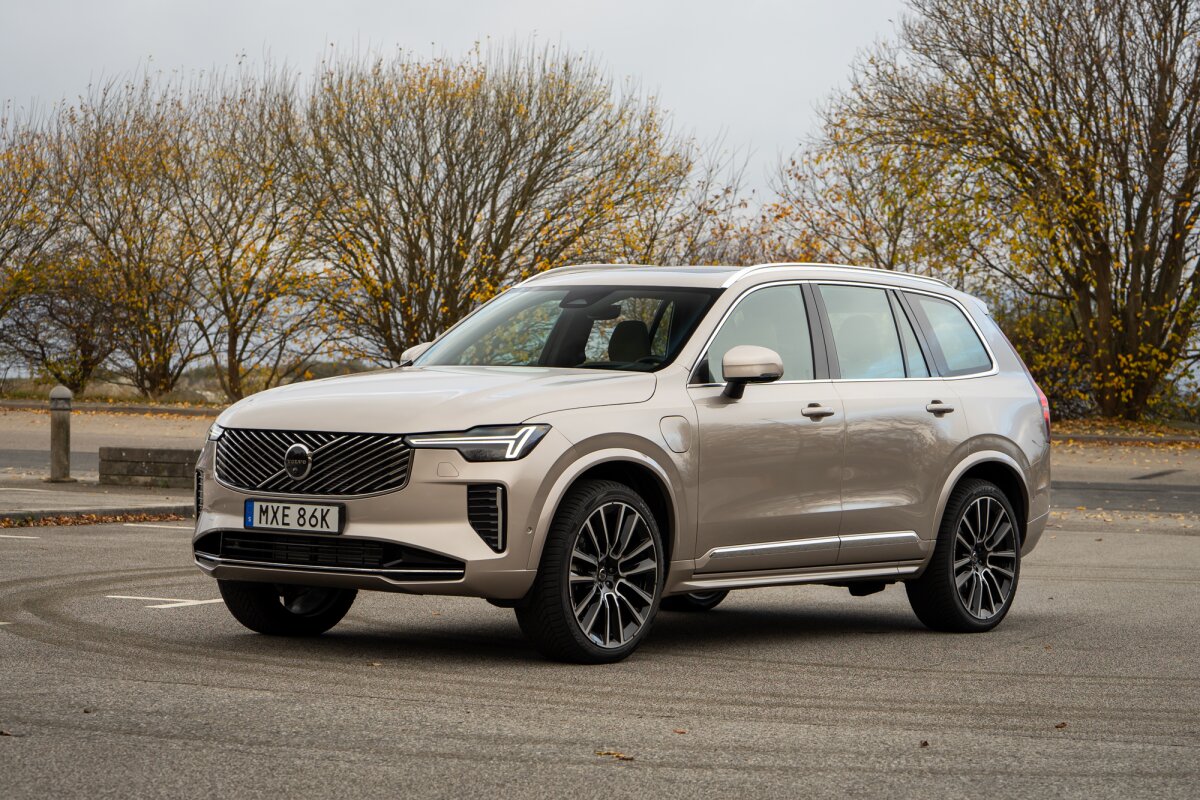
The Volvo XC90 is widely regarded as one of the best SUVs for roof box compatibility. Its long, flat roofline and well-positioned roof rails make it an ideal platform for carrying extra luggage. The rear wiper on the XC90 sits low on the tailgate, far below the roofline. This positioning ensures that even large roof boxes do not interfere with wiper movement.
Volvo designed the XC90 with practicality firmly in mind. The roof rails are integrated cleanly into the roofline without creating awkward gaps or load-distribution issues. When you mount a standard roof box using compatible crossbars, the box sits well forward of the rear edge. This keeps the rear wiper completely clear and fully operational in all weather conditions.
The XC90 has a generous roof length of approximately 1,400mm between the front and rear crossbar positions. This means you can comfortably fit a roof box of up to 500 litres without it overhanging the rear. Overhanging is the primary reason roof boxes block rear wipers on smaller SUVs. The XC90 simply eliminates that problem by offering ample roof space.
Thule and Yakima both officially list the XC90 as a top-tier compatible vehicle. The Thule Motion XT XL, one of the most popular roof boxes on the market, fits the XC90 perfectly. It sits centred on the roof with enough clearance at the rear to allow the wiper to function normally. Even in heavy snowfall, the wiper arm moves freely without obstruction.
The interior of the XC90 is also worth mentioning in this context. With seven seats and a large boot, you might wonder why anyone needs a roof box. The answer is simple — families with seven passengers have very little boot space left for luggage. The roof box solves this problem elegantly. And because the rear wiper remains unaffected, safety is never compromised.
Another advantage of the XC90 is its aerodynamic roofline shape. The gentle slope towards the rear means wind resistance from a mounted roof box is lower than on boxier SUVs. This translates into better fuel efficiency when travelling with a loaded roof box. Drivers report minimal wind noise even at motorway speeds.
The XC90 also benefits from Volvo’s own roof accessory range. Volvo-approved crossbars are engineered to the exact specifications of the vehicle. Using manufacturer-approved crossbars further reduces the risk of incorrect positioning that could cause the roof box to hang too far back. This attention to detail is why the XC90 consistently tops roof box compatibility charts.
For families, adventurers, and long-distance travellers, the Volvo XC90 is a near-perfect choice. It combines luxury, safety, and practicality in one well-engineered package. The fact that a roof box can be added without affecting the rear wiper only adds to its outstanding reputation. It is genuinely one of the best all-round SUVs for roof box use.
2. BMW X5
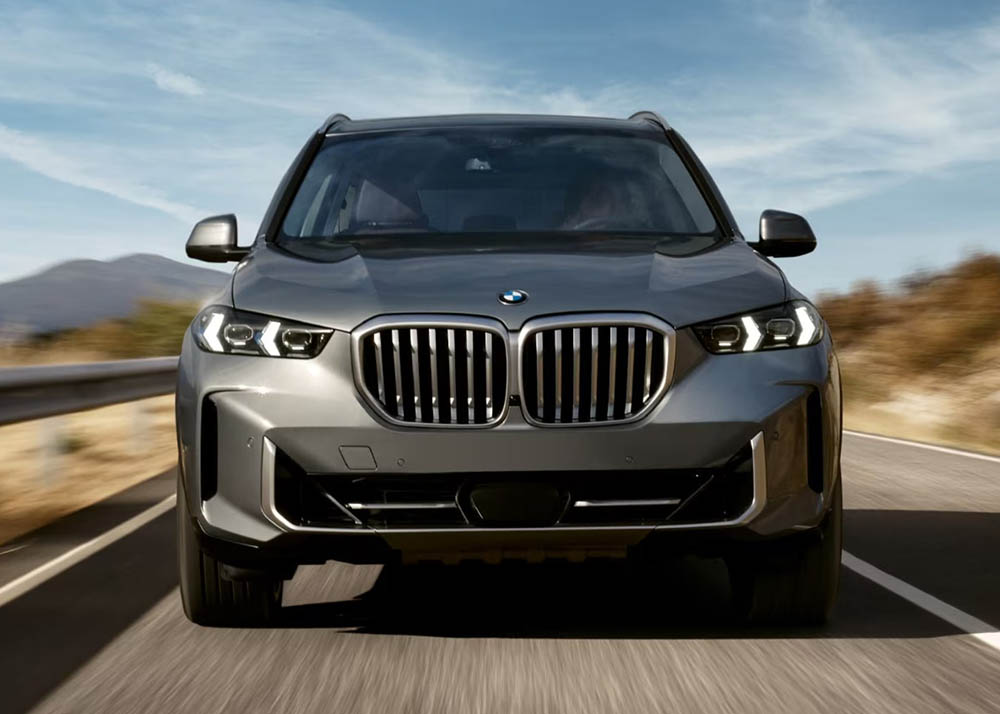
The BMW X5 is a performance-focused SUV that also excels as a practical family vehicle. Its long wheelbase and extended roofline provide excellent mounting options for roof boxes. The rear wiper is positioned at the base of the rear screen, sitting well below the roofline edge. This design choice by BMW means roof boxes mounted on the crossbars sit completely clear of the wiper mechanism.
BMW engineers have always paid close attention to aerodynamics. The X5’s roofline tapers gradually towards the rear, creating a smooth transition that also benefits roof box fitment. The taper angle is gentle enough that even long roof boxes do not dip down towards the wiper area. This is a critical geometric detail that many buyers overlook when selecting a vehicle for roof box use.
The X5 has integrated roof rails that are rated to carry up to 75kg of dynamic load. This means even the heaviest roof boxes, fully loaded with ski equipment or camping gear, can be carried safely. The structural integrity of the roof rails on the X5 is exceptional. You never feel any flex or vibration from the roof box at motorway speeds.
Thule, Yakima, and Rhino-Rack all produce crossbar systems specifically designed for the BMW X5. These crossbar systems position the mounting points precisely to avoid any rear overhang. When installed correctly, the roof box sits entirely within the wheelbase footprint. This is the ideal configuration for keeping the rear wiper completely unobstructed.
The BMW X5 is available in both standard and long-wheelbase versions in certain markets. The longer version naturally offers even more roof space. However, even the standard X5 provides sufficient rooftop real estate for a 500-litre roof box. Most families find this capacity more than adequate for a full holiday’s worth of luggage.
One thing to note is that the X5’s panoramic sunroof option reduces the available roof mounting area slightly. Buyers planning to use a roof box regularly should consider this when configuring their vehicle. Even with the panoramic roof, however, crossbars can still be mounted and a medium-sized roof box fitted without wiper interference. The placement just requires slightly more careful planning.
The X5 also benefits from BMW’s own original accessories programme. BMW-branded roof boxes are engineered to complement the vehicle’s aesthetics and aerodynamics. These boxes are tested specifically on the X5 to ensure zero interference with any vehicle system, including the rear wiper. This factory-approved compatibility gives owners complete peace of mind.
In terms of value, the BMW X5 represents a premium investment that pays dividends in versatility. You get a high-performance SUV that handles brilliantly and also accommodates a roof box without any practical drawbacks. The rear wiper remains fully functional, and the driving experience is barely affected even with a fully loaded box on the roof.
3. Toyota Land Cruiser
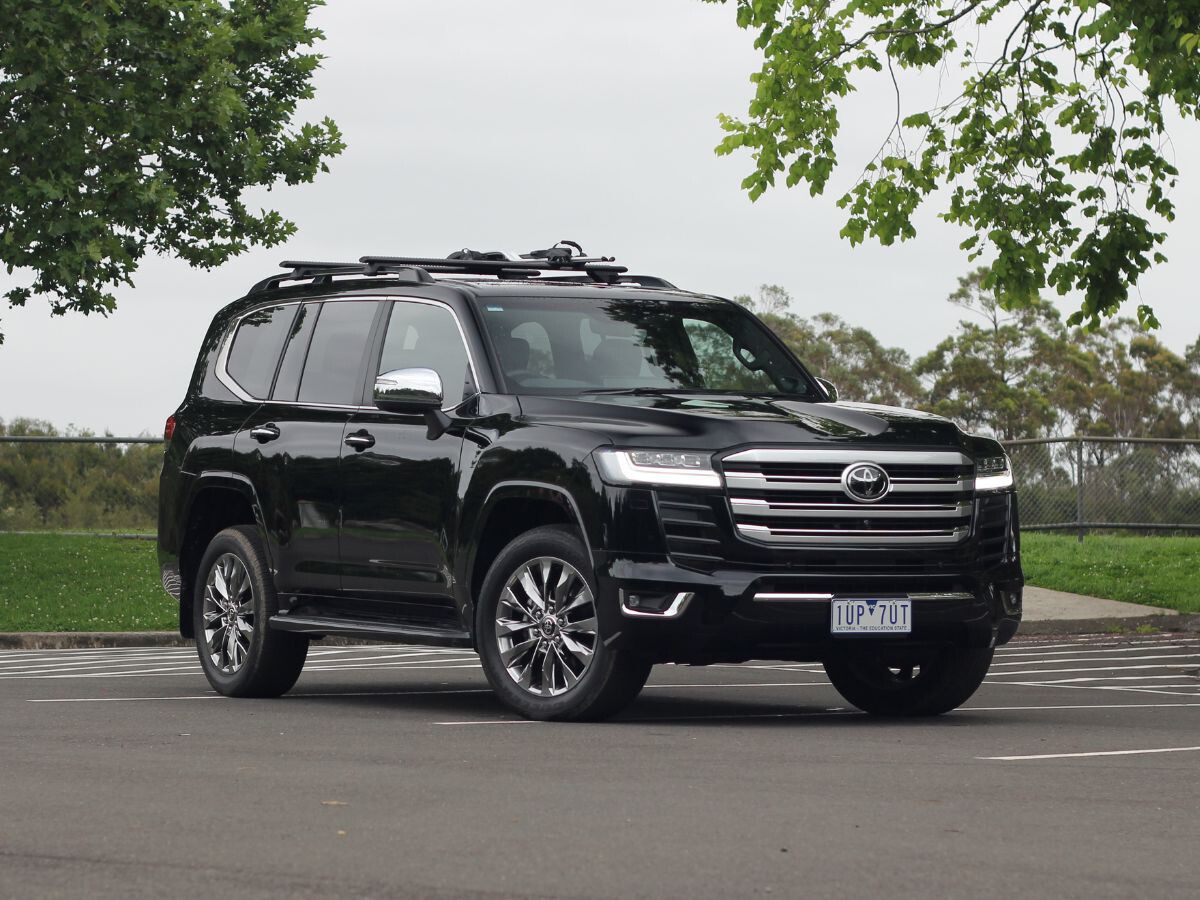
The Toyota Land Cruiser is legendary for its durability and off-road capability. It is also an outstanding choice for roof box fitment due to its wide, flat roof and substantial length. The rear wiper on the Land Cruiser is mounted at the very bottom of the rear screen. This low positioning keeps it completely clear of any roof box mounted on standard crossbars.
Toyota built the Land Cruiser to go anywhere and carry everything. The roof structure is immensely strong, capable of supporting significant dynamic loads. Roof boxes, even large expedition-grade units, sit securely on the Land Cruiser’s roof without any flexing or movement. This rigidity is important not just for safety but also for ensuring the roof box does not shift position and creep towards the rear wiper area.
The Land Cruiser’s flat roofline is one of its greatest assets for roof box use. Unlike SUVs with pronounced rear slopes, the Land Cruiser maintains a level profile almost to the very end of the roof. This flat profile means a roof box sits level regardless of how far back it is positioned. There is no risk of the box angling downward and potentially contacting the wiper.
Standard roof rails come fitted on most Land Cruiser variants. These rails are positioned wide apart and run the full length of the roof. The wide rail spacing offers excellent lateral stability for roof boxes, reducing wind-induced rocking on motorways. Crossbars can be positioned at multiple points along the rails, giving owners great flexibility in choosing the optimal box placement.
The Land Cruiser is particularly popular among overlanders and expedition travellers. These users often mount roof tents or very large cargo boxes on the roof. Even with these oversized loads, the rear wiper remains operational because of the vehicle’s generous roof dimensions. This practicality is one reason the Land Cruiser has retained such a loyal following worldwide.
In terms of roof box compatibility, the Land Cruiser works well with heavy-duty options like the Thule Force XT and the Yakima SkyBox. These larger boxes are designed for maximum capacity and are ideal for the Land Cruiser’s load-carrying abilities. When mounted centrally on the roof, they leave ample clearance at the rear for the wiper to sweep without interruption.
The Land Cruiser’s height is also worth considering. Being a tall vehicle, mounting and accessing a roof box requires a step or ladder. However, this extra height also means the roof box is positioned higher above the rear wiper than on lower SUVs. This additional vertical clearance is an unexpected benefit of the Land Cruiser’s imposing stature.
For buyers who want an SUV that handles both serious off-road adventures and family holidays with equal competence, the Land Cruiser is hard to beat. Its roof box compatibility is excellent, and the rear wiper is never a concern. This is a vehicle built without compromise, and that philosophy extends to how well it accommodates practical accessories.
4. Audi Q7
The Audi Q7 is a flagship SUV that blends executive refinement with genuine practicality. Its long, elegantly sloped roofline is one of its most distinctive design features. Despite this slope, the Q7 is engineered so that roof boxes sit well forward of the rear wiper. The wiper mechanism on the Q7 is mounted at the base of the large rear screen, positioned far below the roof’s trailing edge.
Audi takes accessory compatibility very seriously. The Q7 is listed as compatible with a wide range of roof boxes through Audi’s own accessories programme. All roof box solutions recommended by Audi are positioned to ensure zero interference with vehicle systems. This includes the rear wiper, which remains fully operational regardless of the roof box size chosen.
The Q7’s roof rails are available in either silver aluminium or body-coloured finishes. Both versions provide the same structural integrity and load capacity. Audi-approved crossbars lock into these rails securely and position the roof box precisely. The crossbar positioning ensures the box remains well within the safe zone, clear of the rear wiper’s sweep area.
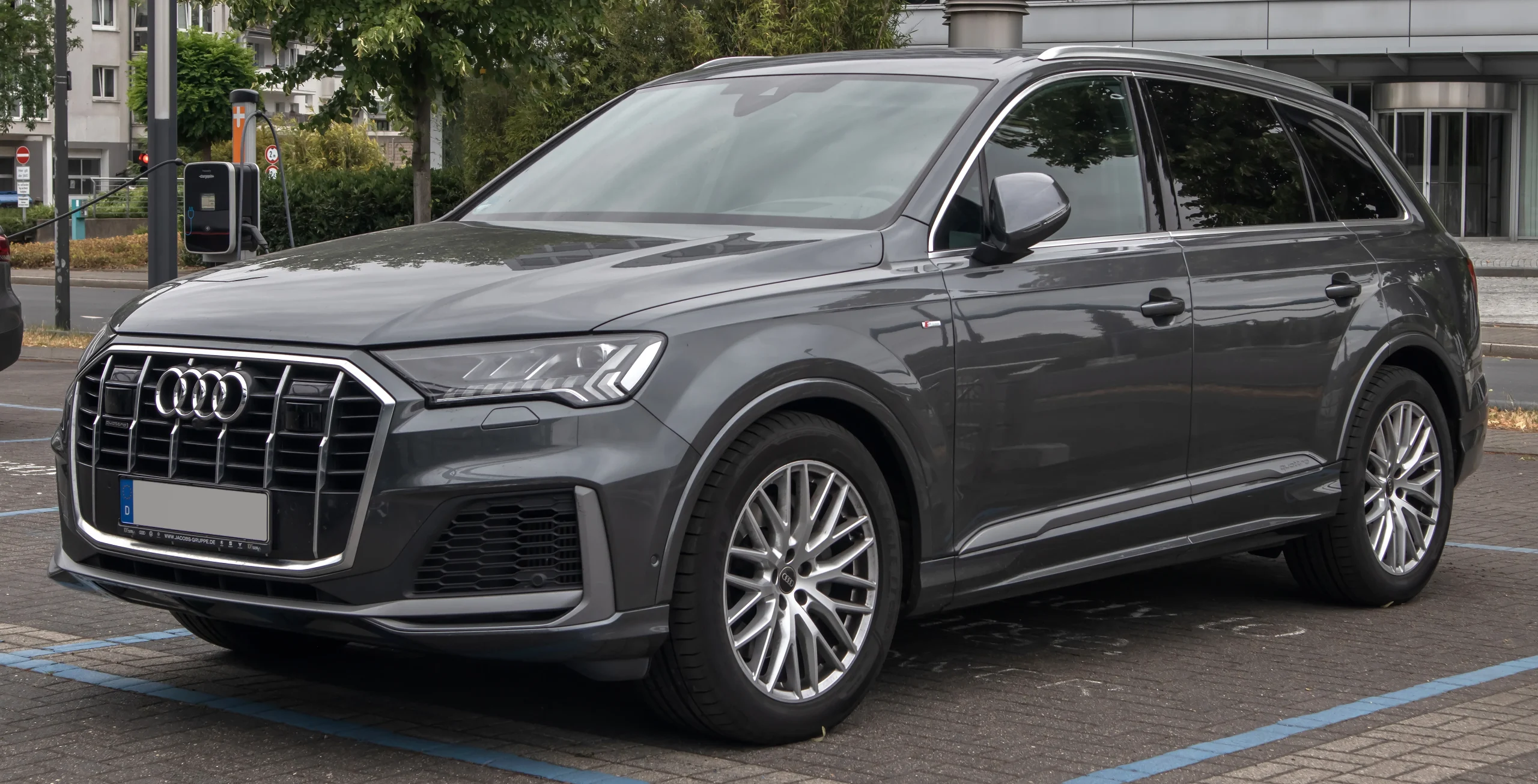
One distinctive advantage of the Q7 is its virtually flat load floor between the crossbar positions. Many SUVs have a slight crown or curve to the roof that can cause uneven load distribution. The Q7’s roof is noticeably flat between the rails, which means roof boxes sit without any tipping or angling towards the rear. This flat surface helps maintain the geometric distance needed between the box and the wiper.
The Q7 is available in a seven-seat configuration, which is the most popular choice among family buyers. With seven passengers on board, the boot space is significantly reduced by the third-row seats. A roof box becomes almost essential for these buyers. The Q7’s roof box compatibility, combined with its wiper-clear design, makes it a particularly smart choice for large families.
Popular roof box choices for the Q7 include the Thule Vector and the Kamei Oyster. Both of these models fit the Q7’s crossbar system with precision. They mount securely and sit well forward of the rear wiper. Drivers report no visibility issues and no wiper obstruction even in the heaviest rain.
The Q7 also benefits from Audi’s advanced driver assistance systems, many of which use cameras and sensors mounted at the rear. Keeping the rear wiper clear is therefore doubly important on the Q7. A blocked wiper could affect the performance of the rear camera wash system and other safety technologies. Audi’s careful engineering ensures none of these systems are compromised by a roof box.
From a purely aesthetic perspective, the Q7 with a well-chosen roof box looks purposeful and handsome. Audi’s design language lends itself well to the addition of roof-mounted accessories. The result is an SUV that looks ready for adventure without sacrificing its premium visual identity. Functionality and style combine seamlessly on the Audi Q7.
Also Read: 5 Sports Cars That Got Better With Age And 5 That Got Worse In 2026
5. Ford Explorer
The Ford Explorer is one of America’s best-selling SUVs, known for its spacious interior and strong roof-loading capability. It features an upright rear end with the wiper mounted at the very bottom of the tailgate glass. This configuration naturally keeps the rear wiper well away from any roof box mounted on the crossbars. Ford clearly designed the Explorer with practical accessory use in mind.
The Explorer’s roof is notably long and wide compared to many European competitors. This generous rooftop area gives owners plenty of freedom in positioning a roof box. You can mount the box further forward than usual, increasing the gap between the box’s rear edge and the wiper. This extra clearance is a significant advantage during winter driving when wipers work hardest.
Ford offers a range of factory-compatible roof accessories for the Explorer. The integrated roof rails are rated for substantial loads and accept a variety of crossbar systems from major brands. Thule and Yakima both produce Explorer-specific fitment kits that position crossbars at the optimum locations. These positions are calculated to ensure roof boxes remain in the safe zone relative to the rear wiper.
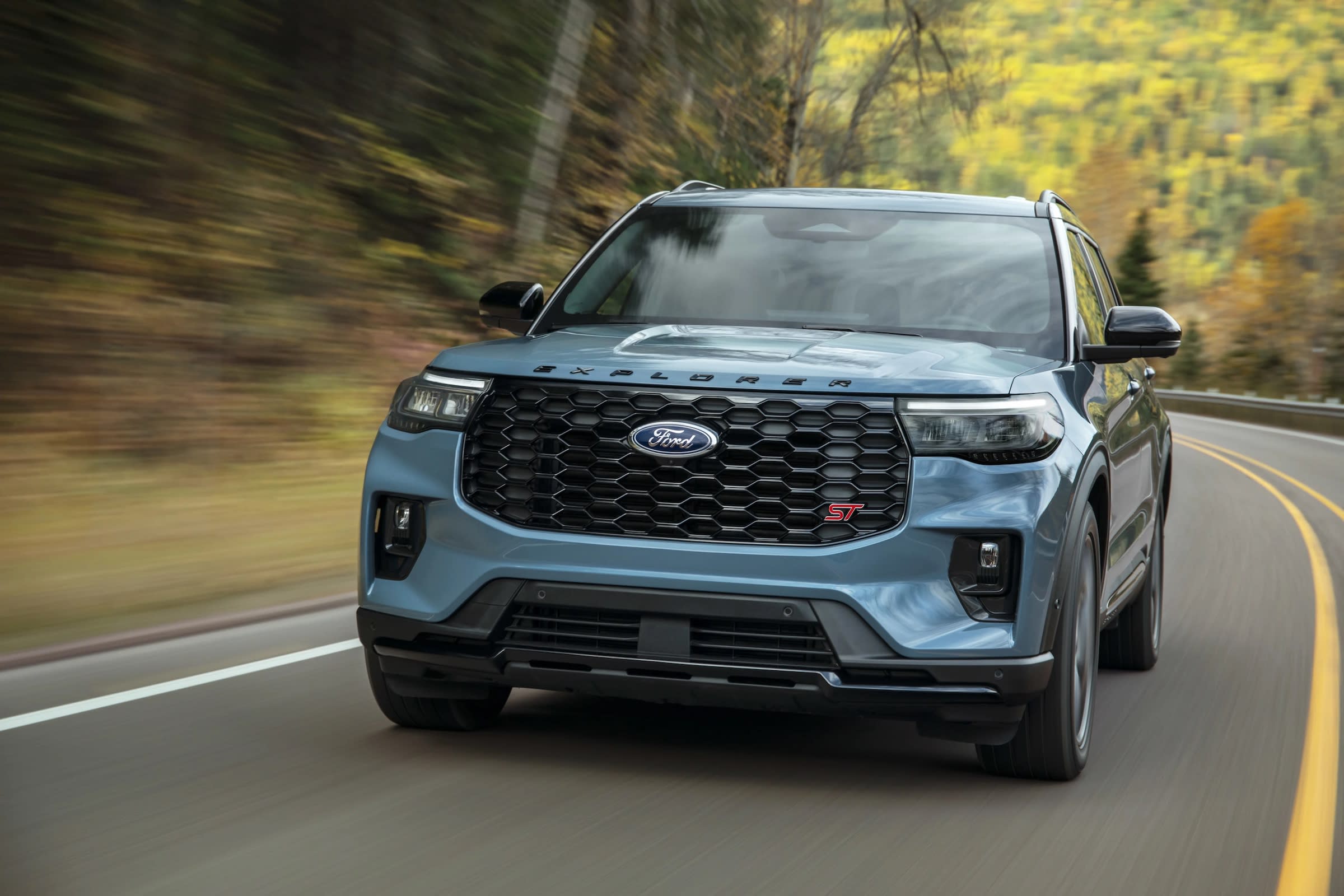
The Explorer’s upright tailgate design is worth examining more closely. Because the tailgate is nearly vertical rather than steeply sloped, the rear screen sits upright too. This means the wiper sweeps across a vertical surface rather than a curved, sloping one. The vertical orientation keeps the wiper mechanism away from the roofline, creating a natural clear zone for the roof box.
One consideration with the Explorer is its relatively high roof height. Accessing and loading a roof box requires either a step stool or a sturdy bumper step. Many Explorer owners fit a rear step accessory specifically for this purpose. Despite this minor inconvenience, the practical benefits of the Explorer’s roof box compatibility far outweigh the extra effort of loading.
The Ford Explorer is particularly popular among American buyers who travel with recreational equipment. Kayaks, ski bags, camping gear, and sports equipment are routinely carried in Explorer roof boxes. The vehicle’s robust structure handles these loads without any stress. The rear wiper continues to function perfectly, giving drivers complete confidence in adverse weather.
The Explorer’s towing capability also complements its roof box usability. Owners can tow a trailer carrying bulky items while simultaneously using the roof box for smaller luggage. This dual carrying strategy makes the Explorer one of the most versatile load carriers in the SUV market. The rear wiper, kept fully clear, ensures this versatility never comes at a safety cost.
For buyers in North America looking for a reliable, family-friendly SUV with excellent roof box compatibility, the Ford Explorer is a compelling option. Its practical design choices, generous roof dimensions, and low wiper placement combine to make it one of the safest and most convenient SUVs for roof box fitment.
6. Mercedes-Benz GLE
The Mercedes-Benz GLE is a benchmark luxury SUV that also happens to be an excellent choice for roof box use. Its long wheelbase and carefully designed roofline create ideal conditions for mounting a roof box without wiper interference. The rear wiper on the GLE is integrated into the lower portion of the tailgate, sitting well below the roof’s trailing edge. This separation between wiper and roofline is one of the GLE’s most practically useful design features.
Mercedes-Benz engineers test roof accessories extensively before approving them for the GLE. The brand’s own accessories catalogue includes a comprehensive range of roof boxes, crossbars, and rail systems. All of these products are designed to work together as a system, ensuring correct positioning every time. When a GLE owner uses Mercedes-approved accessories, the roof box will never interfere with the rear wiper.
The GLE’s roof rails are available in two finishes and provide a solid foundation for crossbar mounting. The rails are embedded into the roofline in a way that minimises aerodynamic disruption. This integration also ensures that crossbars can be positioned at precise intervals, giving the roof box the best possible placement relative to the rear of the vehicle.
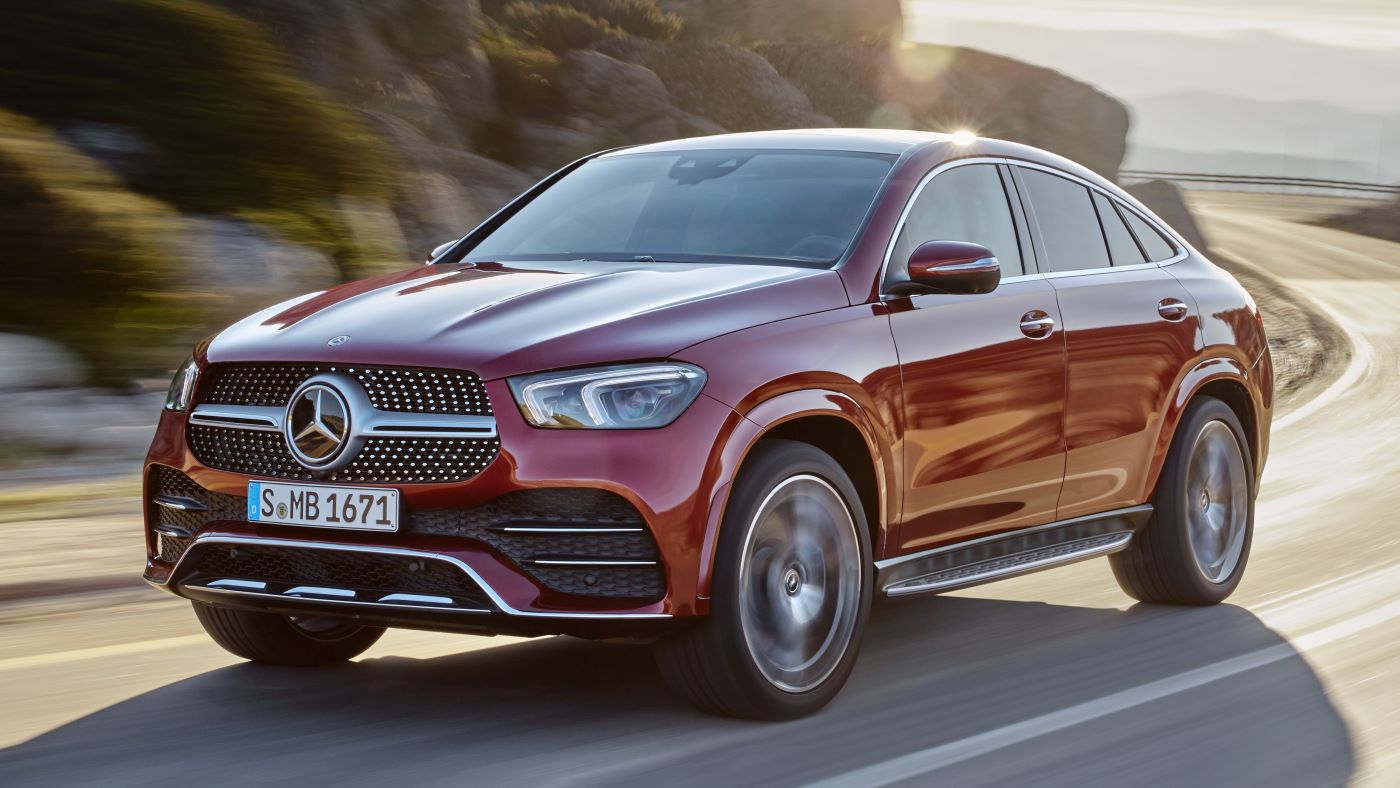
One of the GLE’s standout features is its use of advanced materials in the roof structure. High-strength steel and aluminium alloys are used to create a roof that is both lightweight and immensely stiff. This stiffness ensures that crossbars do not flex or shift during high-speed driving. A roof box mounted on this solid platform remains in its optimal position throughout the journey.
The GLE is a popular choice for ski holidays in the Alps. Austrian, Swiss, and French ski resorts frequently see GLE models in their car parks, loaded with ski boxes on the roof. The ski box, typically a long, narrow variant of the standard roof box, fits the GLE perfectly. Its length falls entirely within the roof’s safe zone, and the rear wiper operates without restriction even in heavy snow.
Mercedes has also developed a highly effective roof box integration system called the Easy-Fit mounting mechanism. This system allows a roof box to be mounted or removed in under three minutes without tools. The positioning within the Easy-Fit system is fixed by design, meaning the box always lands in the correct, wiper-clear location. This eliminates user error in box placement, which is a surprisingly common cause of wiper interference on other vehicles.
The GLE’s interior technology also benefits from a clear rear wiper. The 360-degree camera system uses the rear wiper wash to keep its lens clean. A blocked wiper would compromise this safety system. Mercedes has engineered around this concern by ensuring that all approved roof box configurations maintain wiper access. This is a thoughtful integration of safety and practicality.
Buyers who choose the GLE for family use will find its roof box compatibility a genuine asset. The combination of a spacious, luxurious interior and excellent roof-loading capability makes it a near-ideal family SUV. Adding a roof box does not diminish the GLE’s character or safety. Instead, it enhances its already impressive versatility.
7. Subaru Outback
The Subaru Outback occupies a unique position in the SUV market. It is technically a raised estate car, but its roof-loading capabilities rival those of full-size SUVs. The Outback’s roof is long, flat, and specifically designed to carry loads. Subaru has positioned the rear wiper at the very base of the rear screen, leaving the entire roofline free for roof box mounting.
Subaru’s heritage in rally and outdoor sports means the brand takes roof-loading seriously. The Outback comes standard with integrated roof rails on virtually every trim level. These rails are rated for generous loads and accept crossbars from Thule, Yakima, and Subaru’s own accessories range. The crossbar system can be configured to keep the roof box well within the safe zone, clear of the wiper.
The Outback’s flat roofline is ideal for mounting a roof box level and stable. Unlike coupe-SUVs that taper aggressively towards the rear, the Outback maintains its flat profile right up to the roofline’s trailing edge. This means the rear edge of a mounted roof box stays high and well above the wiper. There is no risk of the box dipping down and obscuring the wiper’s path.
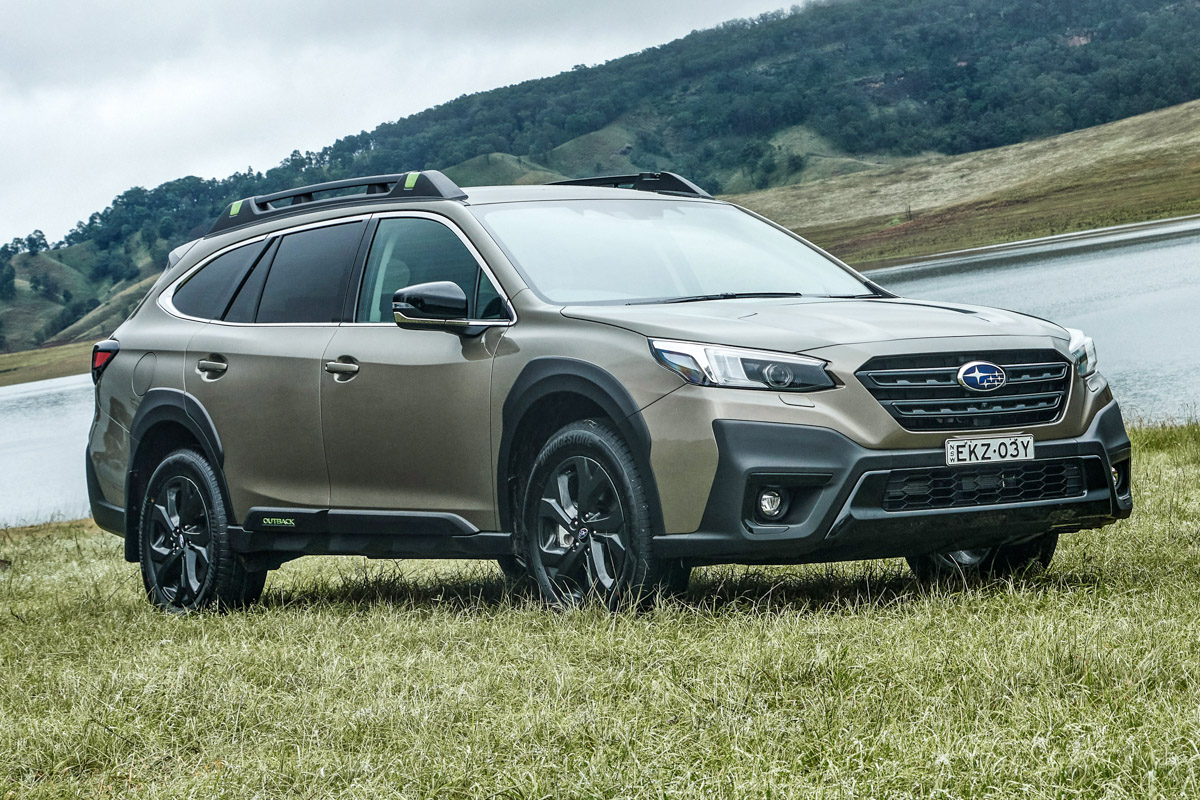
Subaru offers a range of factory-approved roof boxes designed specifically for the Outback. These boxes are aerodynamically shaped to complement the Outback’s profile and are tested to ensure rear wiper clearance. Owners who use these Subaru-approved options can fit a roof box with complete confidence. The rear wiper will continue to operate normally in all conditions.
The Outback is also popular among outdoor enthusiasts who need to carry specialist equipment. Surfboards, mountain bikes, kayaks, and skiing gear are all commonly carried on Outback roof systems. For these users, a roof box combined with roof-mounted bike or ski carriers is a popular setup. The Outback’s generous roof area accommodates these combined configurations without any component interfering with the wiper.
Fuel efficiency is a genuine consideration when adding a roof box to any vehicle. The Outback’s Boxer engine and symmetrical all-wheel drive system are known for reasonable efficiency. Adding a roof box increases drag, but the Outback’s aerodynamically shaped roofline minimises the impact. Drivers report a modest increase in fuel consumption with a roof box fitted, but nothing excessive.
One often overlooked benefit of the Outback is its ground clearance. It sits higher than a standard estate car, which makes accessing the roof and roof box easier than on lower vehicles. This extra height, combined with Subaru’s standard roof rails, means loading a roof box is a reasonably comfortable task. You do not need a step stool in most cases, which adds to the Outback’s everyday practicality.
The Subaru Outback proves that you do not need a large, expensive luxury SUV to enjoy excellent roof box compatibility. Its thoughtful design, standard roof rails, and low wiper placement combine to make it one of the most accessible and capable vehicles for roof box use. It is a practical choice that delivers real-world versatility at a competitive price.
8. Skoda Kodiaq
The Skoda Kodiaq is a mid-size family SUV that has earned considerable praise for its practicality and value. It may not carry the prestige of some of the other vehicles on this list, but its roof box compatibility is genuinely impressive. The Kodiaq’s rear wiper is mounted at the lower edge of the rear screen, positioned far from the roofline. This thoughtful placement ensures that even generously sized roof boxes do not interfere with the wiper’s operation.
Skoda has always prioritised practical family features in the Kodiaq. The vehicle includes standard roof rails on most trim levels, and Skoda’s own accessories programme offers a comprehensive range of crossbars and roof boxes. These accessories are specifically tested for compatibility with the Kodiaq’s roof dimensions and wiper placement. Buyers who choose Skoda-branded accessories can be confident that everything works together perfectly.
The Kodiaq’s roof dimensions are well-suited to medium and large roof boxes. The roof length between the standard crossbar positions accommodates boxes of up to 480 litres comfortably. This capacity is sufficient for a family of five to pack for a two-week holiday. The roof box sits well forward of the rear edge, leaving generous clearance for the wiper.
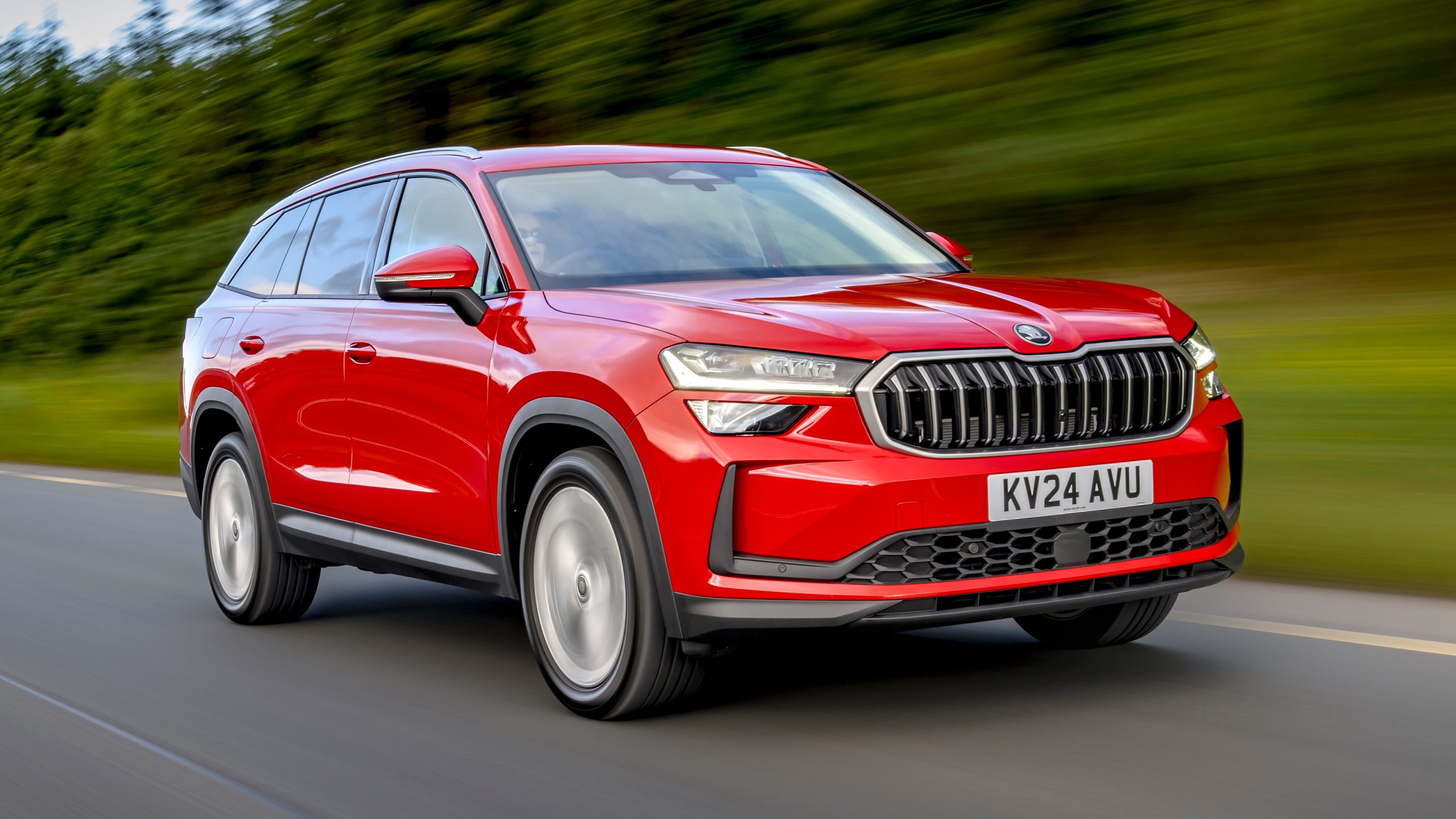
Thule’s range of roof boxes is particularly well-suited to the Kodiaq. The Thule Motion XT L and XL both fit the Kodiaq’s crossbar system without any modification. When mounted in the recommended positions, these boxes leave the rear wiper completely unobstructed. Thule’s compatibility guide confirms the Kodiaq as a fully supported vehicle for this range.
The Kodiaq is also available in a seven-seat version. As with other seven-seat SUVs, the third row significantly reduces available boot space when occupied. A roof box is therefore an almost essential accessory for seven-seat Kodiaq owners travelling with a full complement of passengers. The vehicle’s clear-wiper design makes this a safe and practical solution.
Skoda has included several clever storage features in the Kodiaq that complement roof box use. The Simply Clever details, including boot storage hooks, umbrella holders, and rear seat pockets, maximise interior space. When combined with a roof box, the Kodiaq offers an exceptional total storage solution for family travel. Every cubic centimetre of space is used intelligently.
Wind noise is a common concern among roof box users. The Kodiaq’s relatively boxy roofline means some wind noise is inevitable at motorway speeds with a roof box fitted. However, aerodynamically shaped roof boxes from Thule and Yakima significantly reduce this noise. Choosing a teardrop or tapered roof box profile makes the Kodiaq’s roof setup noticeably quieter on long journeys.
The Skoda Kodiaq represents outstanding value in the family SUV segment. Its roof box compatibility is a genuine strength that often surprises buyers more familiar with premium brands. The rear wiper remains fully functional with a roof box fitted, the load capacity is generous, and the total storage solution is hard to beat at the Kodiaq’s price point. For practical family buyers, it is one of the smartest choices on this list.
Also Read: Top 10 Engines Whose Reputation Is Built on Running Without Maintenance Surprises
