
The used car market can feel like a jungle. One wrong decision and you could be stuck with a financial nightmare on four wheels. Every year, millions of people buy used cars hoping to save money. But not every used car deal is as good as it looks on the surface.
Some used cars are genuinely incredible value for money. They run for hundreds of thousands of miles with minimal maintenance costs. Others look cheap on the sticker price but slowly drain your bank account. Repair bills, frequent breakdowns, and poor reliability can turn a “bargain” into a disaster.
Knowing the difference between a smart buy and a money pit is essential. It can save you thousands of dollars over the years. This guide breaks down five used cars that are absolute steals at their price points. These are vehicles that offer reliability, longevity, and low running costs.
We also expose five used cars that seem tempting but should be avoided. These models have earned a terrible reputation for reliability and expensive repairs.
Whether you are a first-time buyer or a seasoned car shopper, this guide is for you. Read every word before you hand over your hard-earned money.
5 Used Cars That Are a Steal
These cars are known for strong reliability, low maintenance costs, and excellent long-term value, making them smart choices in the used market. Models like the Toyota Corolla, Honda City, and Maruti Suzuki Swift are trusted for durability and affordable upkeep.
Cars such as the Hyundai i20 and Tata Tiago also offer a great balance of comfort, fuel efficiency, and reliability, making them ideal for daily use. Their widespread availability and easy serviceability make them true “steals” for buyers looking for dependable used vehicles.
1. Toyota Camry (2015–2020)
When people talk about dependable used cars, the Toyota Camry always comes up first. It has earned its reputation through decades of consistent, rock-solid performance.
The 2015 to 2020 Camry generation is particularly impressive for its price-to-value ratio. You can find clean examples with under 80,000 miles for surprisingly affordable prices.
Toyota built these cars to last well beyond 200,000 miles. With basic maintenance, many owners have crossed the 300,000-mile mark without major engine issues.
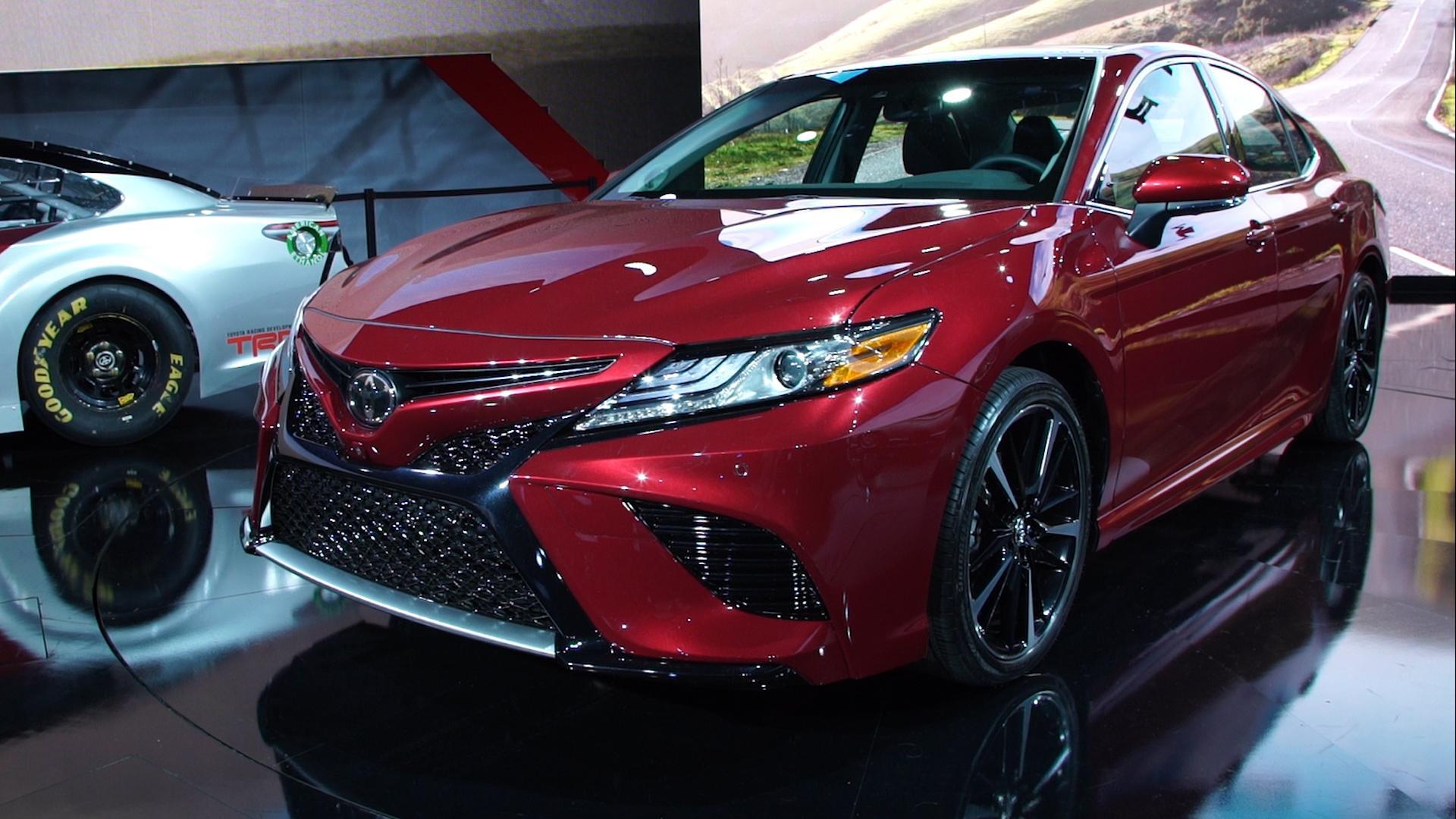
The 2.5-litre four-cylinder engine in this generation is nearly bulletproof. It rarely suffers from catastrophic failures that plague other brands at similar mileage.
Routine maintenance costs on the Camry are extremely low. Oil changes, brake pads, and tyre rotations are all that most owners deal with for years.
The transmission in these models is smooth and highly durable. Unlike some competitors, the Camry’s gearbox does not require expensive rebuilds at 100,000 miles.
Resale value on the Camry remains strong even at high mileage. This means your investment holds its worth better than almost any other sedan on the road.
Insurance rates for the Camry are also very reasonable. Its safety ratings and low theft rates keep premiums lower than sportier alternatives.
Interior quality on these models aged remarkably well. The cabin materials feel solid, and the infotainment system still functions reliably without constant glitches.
Parts for the Camry are widely available and inexpensive. Because so many were sold, mechanics everywhere know these cars inside and out. Finding a trusted mechanic who specialises in Toyotas is easy in almost any city. This reduces diagnostic time and keeps labour costs manageable.
Even higher-mileage Camrys from this era are worth considering. A well-maintained 150,000-mile Camry often outperforms a neglected 60,000-mile competitor.
Always request a full service history when buying any used Camry. Look for consistent oil change records and evidence of timing chain maintenance.
A pre-purchase inspection by an independent mechanic is strongly recommended. You want to confirm the vehicle has not been in any unreported accidents.
The Toyota Camry is the definition of a used car steal. It gives you dependability, comfort, and low ownership costs that few other vehicles can match.
2. Honda Civic (2016–2021)
The Honda Civic has been one of the best-selling cars for good reason. It combines fuel efficiency, reliability, and practicality in a compact and affordable package.
The 2016 to 2021 generation represents one of Honda’s finest engineering achievements. This era introduced a completely redesigned platform that dramatically improved rigidity and driving dynamics.
Fuel economy on the 1.5-litre turbocharged engine is genuinely impressive. Most drivers comfortably achieve 35 to 40 miles per gallon in mixed driving conditions.
Honda’s engineering team focused heavily on long-term durability with this generation. The powertrain was designed to handle high mileage without requiring expensive interventions.
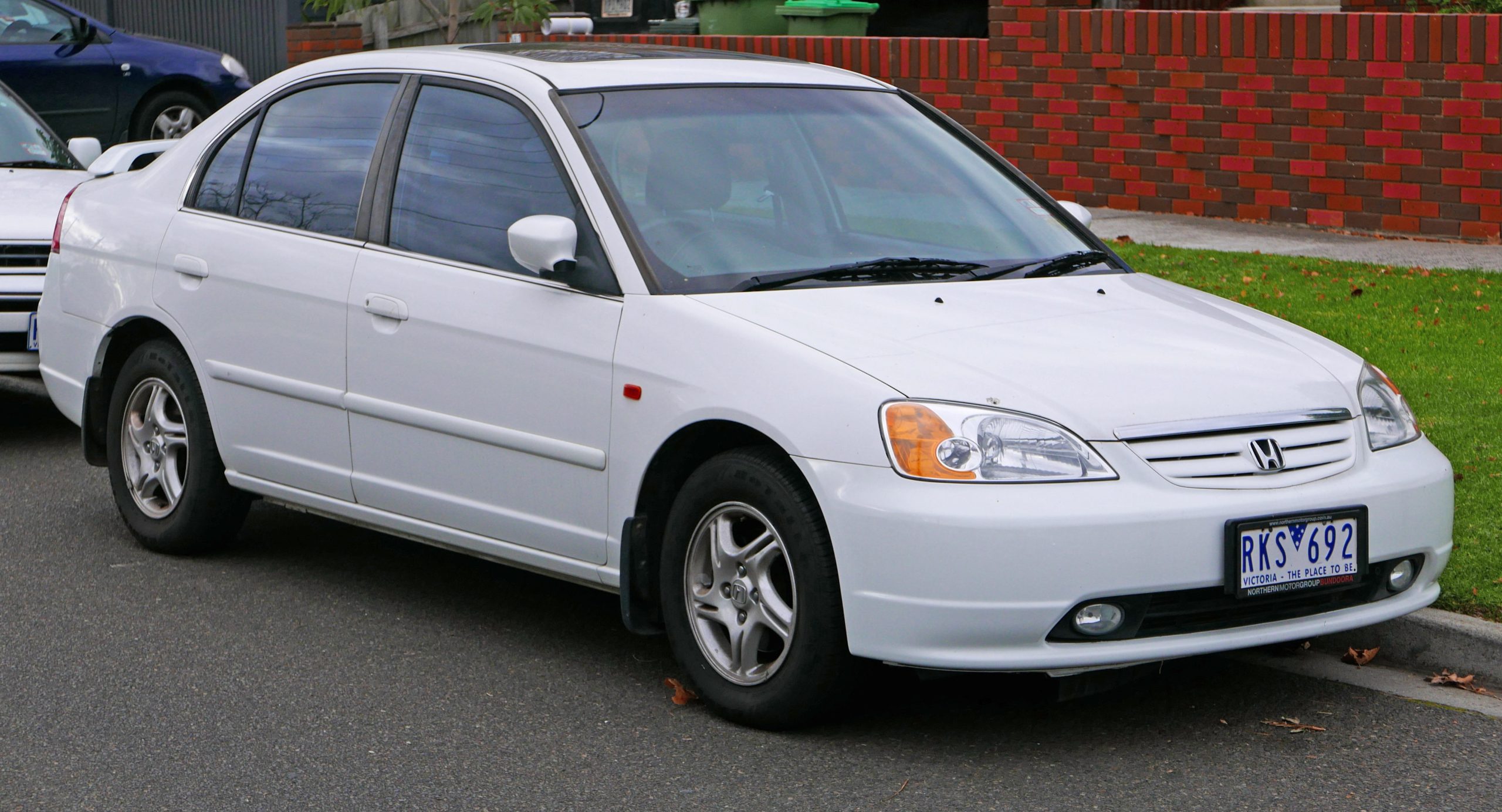
Used Civics from this era are widely available at attractive price points. The high volume of units sold means inventory is plentiful across the country.
The Civic’s suspension system is well-engineered and built to last. Many owners report no suspension component failures well past the 100,000-mile mark.
Braking systems on these Civics are also reliable and cost-effective to maintain. Standard brake pad and rotor replacements are straightforward and affordable for any mechanic.
The turbocharged engine does require clean oil to stay healthy. Following the oil change schedule religiously is the single most important maintenance task for Civic owners.
If oil changes are skipped, carbon buildup on the intake valves can become an issue. This is a known weakness, but it is entirely preventable with proper care.
The Civic’s safety suite on later models is genuinely excellent. Honda Sensing, which includes automatic emergency braking, comes standard on most 2018 and newer trims.
Resale value for the Civic is consistently among the highest in its class. This makes it one of the safest financial investments in the used car segment.
Repair costs when things do go wrong are very reasonable. Honda parts are affordable, and virtually every independent mechanic is experienced with these engines.
The interior of the 2016–2021 Civic aged well in terms of functionality. The touchscreen system is intuitive, and the physical controls are logically placed.
Rear seat space improved dramatically in this generation compared to older Civics. It no longer feels like a punishment to sit in the back seat on longer journeys.
The Honda Civic from this era is an extraordinary used car value. It rewards careful buyers with years of trouble-free, economical, and enjoyable motoring.
3. Mazda3 (2014–2019)
The Mazda3 is often overlooked in conversations about reliable used cars. That oversight works entirely in your favour as a smart buyer.
While everyone chases Toyotas and Hondas, Mazda3 prices remain more accessible. You get a car of equal or superior quality at a noticeably lower asking price.
Mazda’s SKYACTIV engine technology, introduced in this generation, was a genuine breakthrough. It delivers impressive fuel efficiency without sacrificing performance or long-term durability.
The 2.0 and 2.5-litre SKYACTIV engines have proven to be exceptionally reliable over time. Reports of major engine failures at normal mileage are extremely rare across owner forums.
Build quality on the Mazda3 consistently exceeds expectations for its price segment. The interior materials, fit and finish, and exterior panel gaps all feel like a more expensive car.
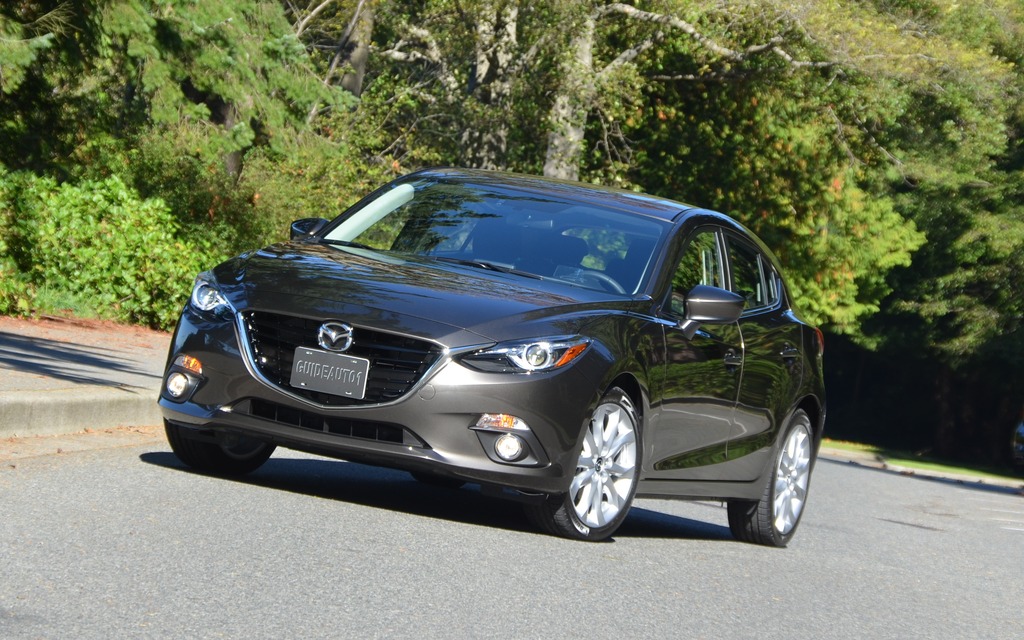
Mazda invested heavily in driver-focused design with this generation. The seating position, steering feel, and chassis balance make this one of the most enjoyable cars to drive in its class.
Handling is precise and responsive in a way that many Japanese competitors cannot match. Even on worn suspension components, the Mazda3 maintains composure through corners.
Fuel economy figures are competitive with the best in the compact class. Owners regularly report achieving 38 to 42 miles per gallon on highway journeys.
Maintenance costs are predictably low for responsible owners. The service intervals are reasonable, and Mazda dealer pricing is generally less inflated than that of Toyota or Honda.
The Mazda3 also benefits from a very low rate of recalls and technical service bulletins. This indicates that Mazda got the engineering right the first time without needing constant corrections.
Rust resistance on these models is better than many reviewers give Mazda credit for. Owners in salt-heavy climates report minimal underbody corrosion compared to competitors.
The infotainment system, while dated by modern standards, is reliable and functional. It does not suffer from the constant software glitches that plague some European alternatives.
Resale value has historically been slightly lower than that of Toyota or Honda equivalents. This means you can buy a high-quality, low-mileage Mazda3 at a price that represents genuine value.
A Mazda3 with 70,000 miles and a clean service history is an exceptional used car buy. You get premium driving dynamics without paying a premium price.
The Mazda3 proves that you do not need a Toyota badge to get a great used car. It is a hidden gem that deserves far more attention from budget-conscious buyers.
4. Subaru Forester (2014–2018)
Finding a reliable all-wheel-drive vehicle at an affordable used price is notoriously difficult. The Subaru Forester from this era solves that problem elegantly.
Most AWD systems from other brands are either unreliable or prohibitively expensive to repair. Subaru’s Symmetrical AWD is a standard feature that is genuinely durable and well-engineered.
The 2.5-litre naturally aspirated engine in non-turbo Forester models is the engine to seek out. It lacks the explosive power of the turbo version but compensates with significantly greater long-term reliability.
Avoid the turbocharged XT models unless you are prepared for potential head gasket concerns. The naturally aspirated engine is the smarter long-term choice for used car buyers.
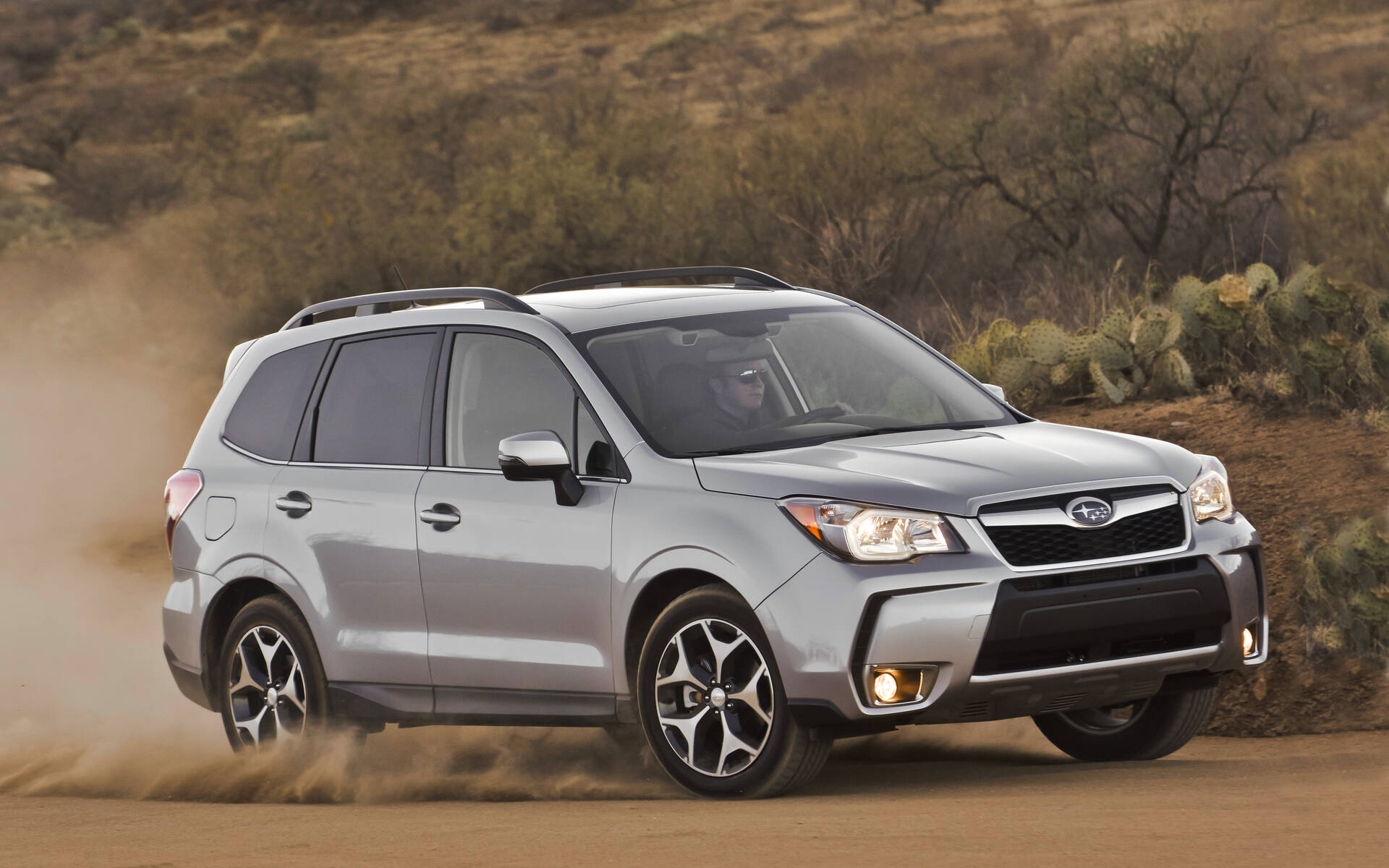
Off-road capability on the Forester is impressive for a family SUV. Ground clearance is generous, and the AWD system handles loose terrain and snow with genuine confidence.
Cargo space in the Forester is best in its class for the price range. The boxy design that some find unattractive actually translates into exceptional practicality.
Visibility out of the Forester is outstanding thanks to its large greenhouse design. Drivers appreciate the confidence that comes from being able to see clearly in all directions.
Seating comfort for all five passengers is genuinely good for an SUV of this size. Long road trips are comfortable without the fatigue associated with cheaper alternatives.
Safety ratings for this generation Forester are consistently excellent. The EyeSight driver assistance system on equipped models provides genuine accident prevention capability.
Maintenance costs on the naturally aspirated Forester are modest and predictable. Timing belts, oil changes, and spark plugs are the primary scheduled maintenance items to budget for.
Timing belt replacement is the one significant maintenance cost to factor into your budget. It should be done at around 105,000 miles and costs between $600 and $900 at most independent shops.
The Forester’s suspension is durable and tolerates rough roads extremely well. You are unlikely to face expensive suspension repairs before 150,000 miles with normal driving.
Used Forester prices from this era are very reasonable given what the car offers. Few competitors deliver this level of AWD capability, space, and reliability at comparable prices.
Winter performance is genuinely exceptional with all-season or dedicated winter tyres. The combination of AWD and good ground clearance makes this an ideal choice for buyers in cold climates.
The Subaru Forester is one of the smartest used car purchases for practical buyers. It delivers real-world utility, reliability, and versatility that justifies every penny of its asking price.
Also Read: 5 Cars That Beat A Tesla On A Road Trip And 5 That Don’t Stand A Chance
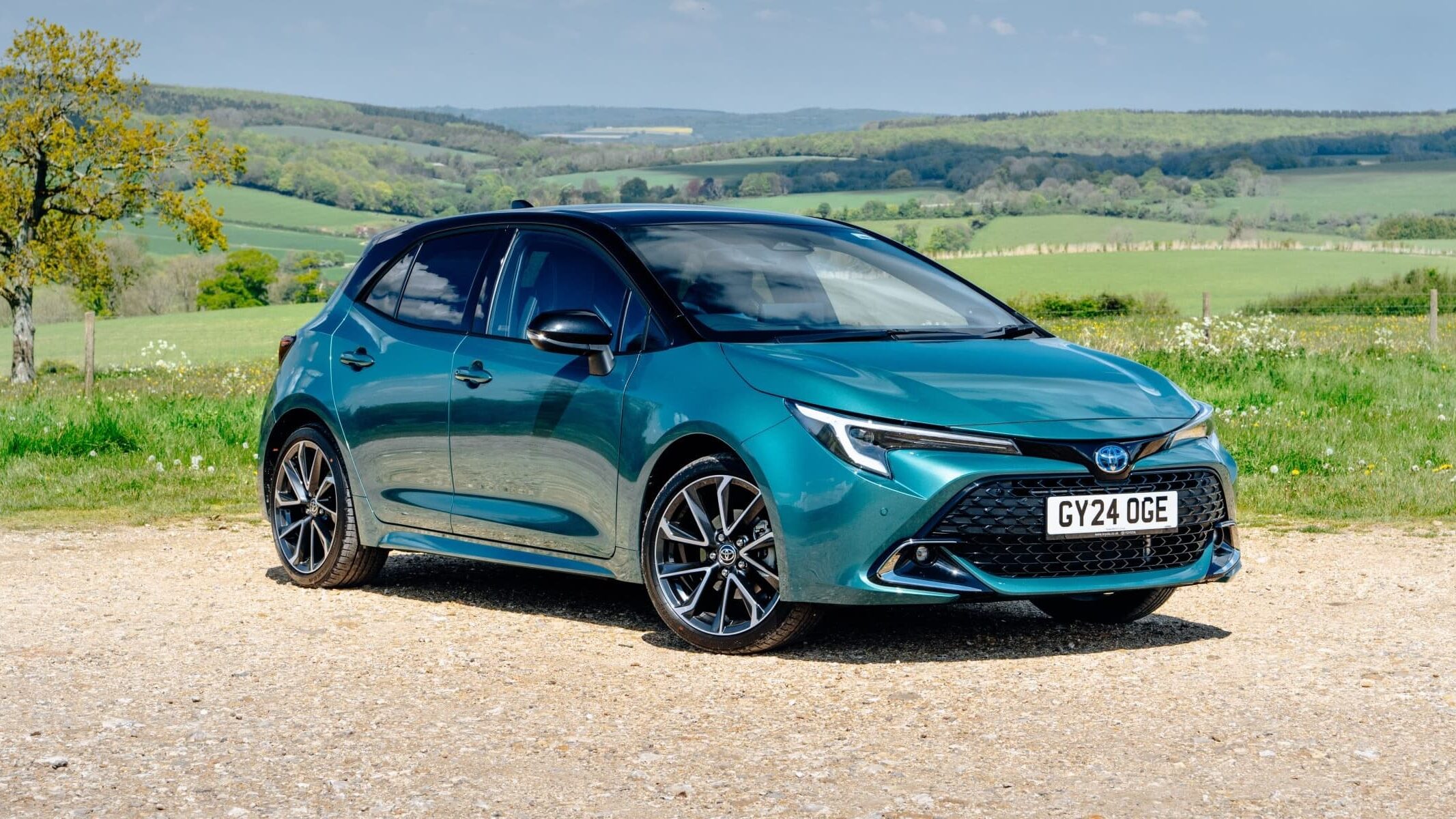
5. Toyota Corolla (2014–2019)
If the Camry is the king of reliability, the Corolla is the loyal, dependable workhorse. It may not be exciting, but it will never let you down.
The Corolla has been continuously refined over decades of production. Every generation improves incrementally, and the 2014 to 2019 models represent a very mature and polished product.
The 1.8-litre engine in this generation is extraordinarily simple and durable. It lacks modern turbocharged complexity, which means far fewer things can go wrong over time.
Simplicity is the Corolla’s greatest technical virtue. Fewer sensors, fewer electronic systems, and a straightforward drivetrain mean lower repair bills for the lifetime of the vehicle.
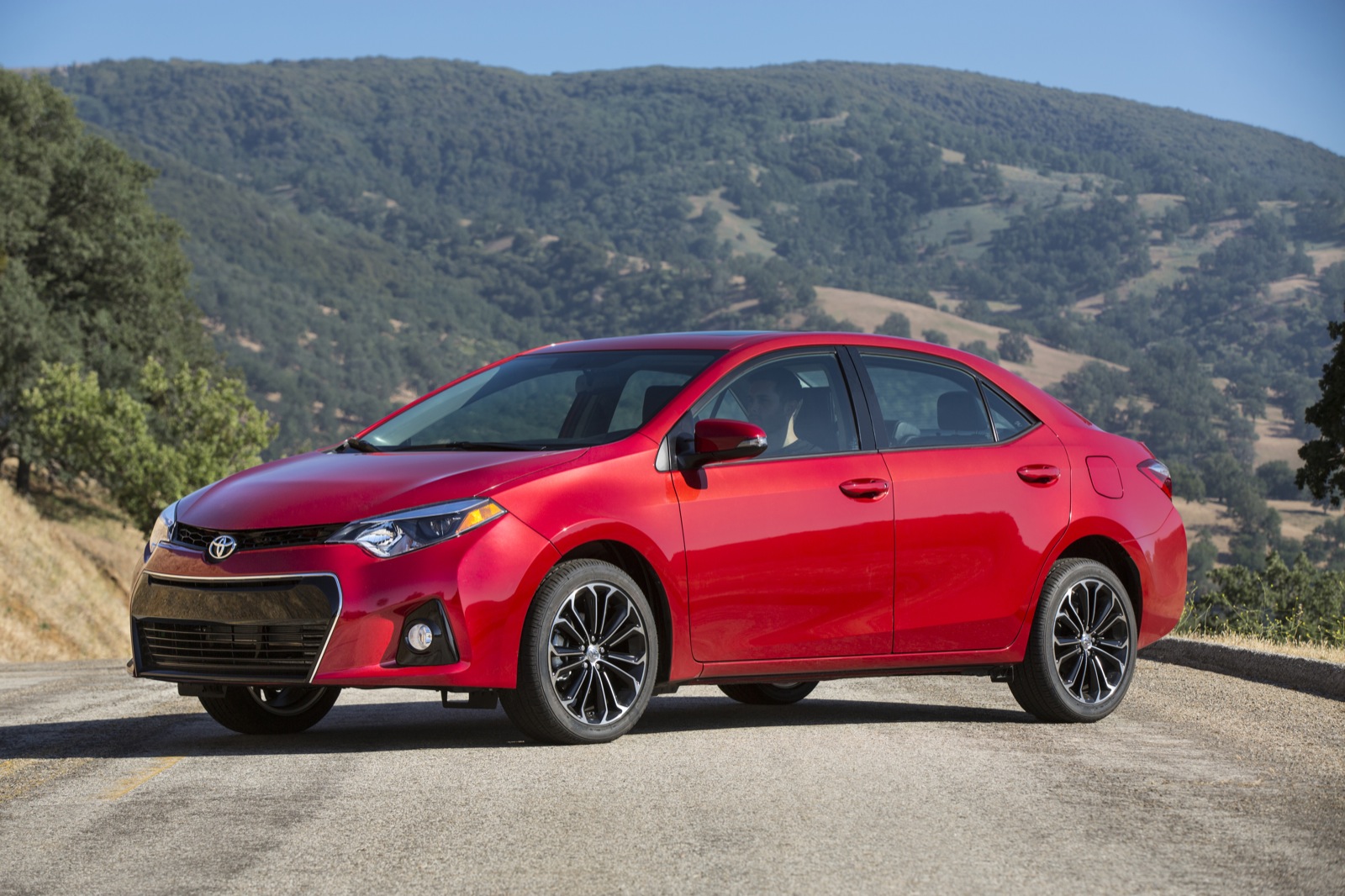
Fuel economy is consistent and predictable at around 32 miles per gallon in mixed driving. You will never be surprised by unexpected fuel consumption that drains your monthly budget.
The Corolla’s depreciation curve is one of the gentlest in the entire automotive market. A well-maintained example loses value very slowly, protecting your financial investment.
Insurance costs for the Corolla are among the lowest of any vehicle in its segment. Its safety record, theft resistance, and repair cost profile all keep premiums extremely affordable.
Finding replacement parts for the Corolla is never a challenge. Toyota produced millions of these globally, so components are cheap, plentiful, and available at virtually every auto parts store.
The Corolla’s ride quality is smooth and composed for a compact sedan. Toyota tuned the suspension for comfort and durability rather than sporty handling, which benefits long-term owners.
Reliability data from J.D. Power and Consumer Reports consistently place the Corolla near the very top of its class. Year after year, owners report fewer problems than virtually any competitor.
The interior is functional and sensibly designed without unnecessary complication. Everything is exactly where you expect it to be, and the controls remain intuitive after years of use.
Trunk space is adequate for daily use, though not class-leading. For most buyers who use the Corolla as a commuter or family runabout, the storage capacity is perfectly sufficient.
Higher trim levels from this era included features like adaptive cruise control and lane departure warning. Finding a well-equipped used Corolla at a reasonable price is entirely achievable with patience.
A Corolla with 100,000 miles and documented service history is not a risky purchase. It is likely good for another 100,000 miles with only routine maintenance required.
The Toyota Corolla is the safest possible used car purchase for cautious buyers. It represents the purest form of automotive value: dependability, affordability, and total peace of mind.
5 Used Cars That Are a Money Pit
These cars often become expensive to own due to frequent repairs, costly parts, or poor long-term reliability. Older luxury cars and certain discontinued models may seem affordable initially, but can quickly lead to high maintenance expenses.
Vehicles with known issues like electrical faults, transmission failures, or weak build quality can drain money over time. What looks like a bargain upfront can turn into a financial burden, making these cars risky choices in the used market.
6. BMW 3 Series (2012–2018, F30 Generation)
Few cars seduce used car buyers as effectively as the BMW 3 Series. The combination of luxury, performance, and an attractive price tag makes it almost irresistible.
The problem is that the price you pay to buy it is only the beginning. The real cost of owning a used BMW 3 Series accumulates rapidly through relentless repair and maintenance bills.
The N20 turbocharged four-cylinder engine used in the 328i is notorious for timing chain issues. The tensioner wears out prematurely, and if it fails catastrophically, it can destroy the entire engine.
Timing chain repair on the N20 engine costs between $2,000 and $4,000 at a reputable shop. This failure often occurs well before 100,000 miles, which is shocking for an engine of this calibre.
The cooling system on this generation BMW is genuinely fragile. Water pumps, thermostats, and coolant expansion tanks fail regularly and often in quick succession rather than individually.
A failed water pump can quickly lead to engine overheating if not addressed immediately. Overheating in a BMW engine can cause catastrophic and irreversible damage within minutes.
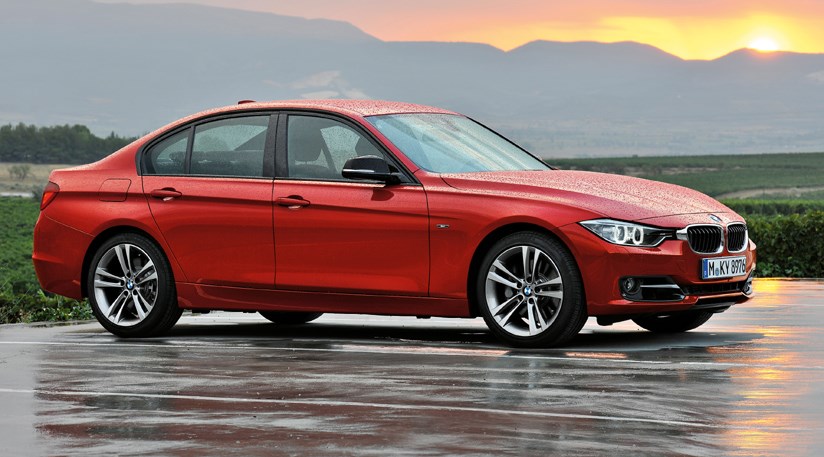
Electronic components in BMW vehicles are famously complex and expensive to diagnose. A single warning light can require hours of specialist time and hundreds of dollars just to identify the root cause.
Suspension components on the F30 are performance-oriented and wear faster than economy car equivalents. Control arm bushings, thrust arm bushings, and sway bar links all need attention around 60,000 to 80,000 miles.
Replacing all the worn suspension components on a used BMW can easily cost $2,000 to $3,500. This is money that many buyers did not factor into their initial ownership budget.
The N55 straight-six engine in the 335i is more powerful but introduces its own concerns. High-pressure fuel pump failures and valve cover oil leaks are common issues that add to ownership costs.
BMW’s proprietary software systems require expensive diagnostic equipment to interrogate properly. Most independent mechanics cannot work on these cars effectively, forcing owners toward costly dealer service.
Extended warranty costs for a used BMW are significantly higher than for Japanese equivalents. Insurance companies price the coverage based on known reliability data, and the numbers are sobering.
Tyre costs are also raised because BMWs use performance-spec rubber in wider sizes. Replacing four tyres on an F30 can cost $800 to $1,200 or more, significantly more than a comparable Toyota.
The driving experience is genuinely excellent, which makes the financial pain even more frustrating. You enjoy the car enormously until the next repair bill arrives in your inbox.
The BMW 3 Series is a car best admired from a distance if you are budget-conscious. Unless you have deep pockets and a trusted specialist mechanic, avoid this trap entirely.
7. Volkswagen Tiguan (2009–2017, First Generation)
The Volkswagen Tiguan looks like a sensible, compact SUV choice on paper. The reality of owning one of these first-generation models is considerably less pleasant.
VW has a well-documented history of building cars that feel premium initially but deteriorate disappointingly over time. The first-gen Tiguan is a prime example of this troubling pattern.
The 2.0-litre TSI turbocharged engine is the heart of the problem. It suffers from several well-documented failures, including timing chain tensioner failure, oil sludge buildup, and carbon fouling on the intake valves.
Carbon buildup on the intake valves is a direct injection issue that VW has never properly addressed. Walnut blasting to clean the valves costs $400 to $700 and needs to be done roughly every 40,000 miles.
The DSG dual-clutch transmission found in many Tiguan models is another significant concern. Mechatronic unit failures are common and can cost $1,500 to $3,000 to repair or replace.
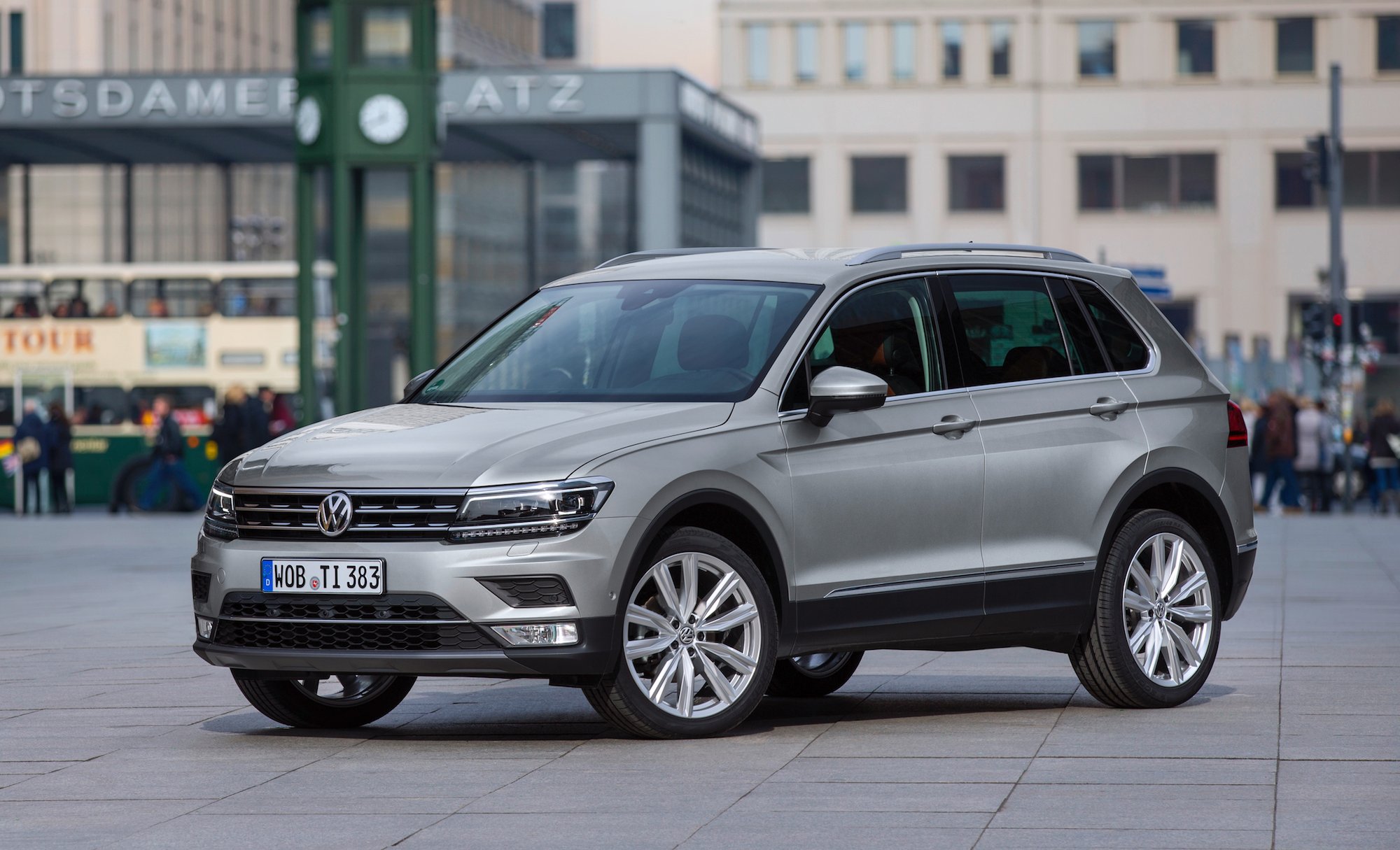
If you prefer the automatic transmission version, the traditional torque converter unit is more reliable. However, it still requires periodic fluid changes that VW misleadingly labelled as a lifetime fill.
VW’s “lifetime fill” transmission claim has been widely discredited by independent mechanics. Neglecting transmission fluid changes on these cars leads to early and expensive failure.
The electrical system in the Tiguan is complex and prone to unexplained faults. Random warning lights, sensor failures, and module issues are common complaints from long-term owners.
Window regulator failures are a recurring annoyance on this generation Tiguan. Both front and rear windows are prone to regulator failure, leaving windows inoperable in cold or wet weather.
Cooling system components, including the water pump and thermostat housing, are known weak points. Replacements are labour-intensive because of VW’s packaging, which buries critical components beneath other systems.
Rust is also a documented concern on first-gen Tiguans in regions with road salt usage. Underbody corrosion can compromise structural integrity and lead to expensive remediation work.
Dealer servicing costs for VW are significantly higher than for Japanese brands. Even routine services like oil changes and brake jobs cost noticeably more at authorised service centres.
The parts supply chain for VW in some markets is also problematic. Specialised components can have long lead times, leaving your vehicle stranded for days or weeks awaiting delivery.
The Tiguan’s cabin quality initially impresses, but does not age gracefully. Plastics crack, trim pieces fall off, and infotainment systems develop faults with age and mileage.
The first-generation Volkswagen Tiguan is a used car that will test your patience and your wallet. There are far better compact SUV options available at comparable or lower prices.
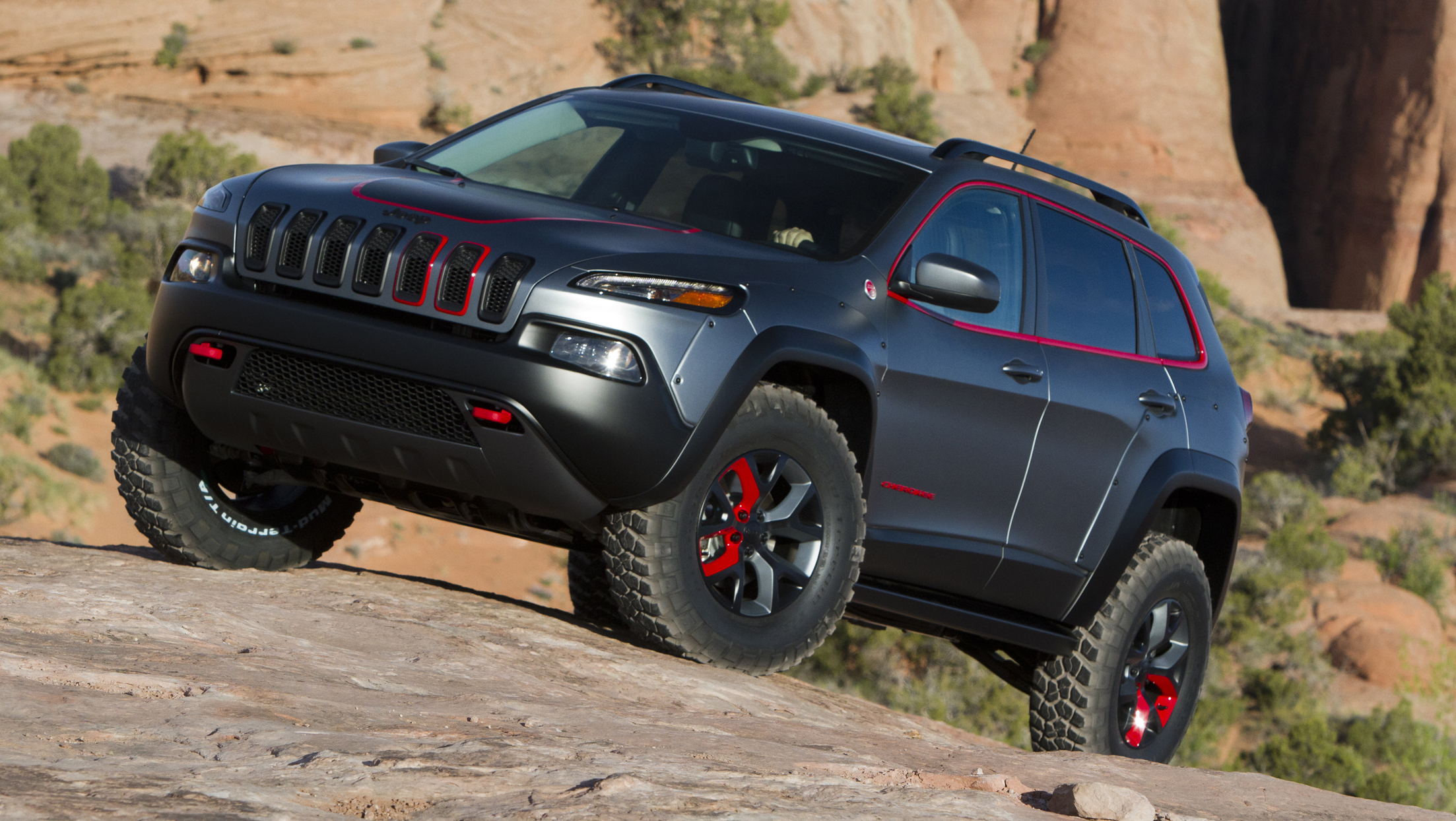
8. Jeep Cherokee (2014–2018, KL Generation)
The Jeep Cherokee promised rugged capability combined with everyday practicality. Unfortunately, the KL generation delivered frustration along with its adventure credentials.
The most controversial aspect of this Cherokee is its nine-speed automatic transmission. This ZF 9HP gearbox has been described as one of the most problematic transmissions fitted to any mainstream vehicle.
Owners describe the nine-speed as jerky, hesitant, and prone to unexpected behaviour during gear changes. Software updates from Jeep addressed some issues but never fully resolved the fundamental problems.
The 2.4-litre Tigershark engine paired with the nine-speed suffers particularly badly from poor calibration. The mismatch between engine and transmission responses creates a driving experience that many owners find genuinely stressful.
Engine issues on the Tigershark include oil consumption concerns that Fiat Chrysler acknowledged but never fully resolved. Some engines consume significant quantities of oil between service intervals, requiring owner vigilance.
The 3.2-litre V6 engine is a more reliable choice if you find a Cherokee so equipped. However, the transmission concerns persist regardless of which engine is under the hood.
Electronic systems in the KL Cherokee are complex and frequently generate phantom fault codes. Owners report spending hundreds of dollars on diagnostics only to find no definitive underlying cause.
The Uconnect infotainment system, while user-friendly, has a history of freezing and requiring resets. Software stability improved over the model years but remains a common complaint on earlier examples.
Suspension components on this Cherokee wear faster than expected for a vehicle of its type. Ball joints and control arm bushings are frequently cited as premature wear items by independent mechanics.
Build quality concerns are also documented across this generation. Panel fit inconsistencies, wind noise from door seals, and interior rattle development are recurring owner complaints.
FCA dealer service quality varies enormously from one location to another. Some owners report excellent experiences, while others describe poor diagnosis and repeated failures to fix underlying problems.
Rust concerns are legitimate for Cherokees from northern salt belt states. The underbody and wheel arch areas are known vulnerability points that buyers should inspect carefully before purchase.
Resale values on the KL Cherokee reflect the market’s awareness of its reliability reputation. Prices have depreciated more steeply than comparable Japanese SUVs, though this creates entry-level temptation.
That temptation should be resisted by buyers who prioritise reliability and predictable ownership costs. The low asking price is justified by the ownership experience that follows the purchase.
The Jeep Cherokee KL is an exciting concept, let down by poor execution. Buyers seeking genuine reliability should look elsewhere, regardless of how appealing the price tag appears.
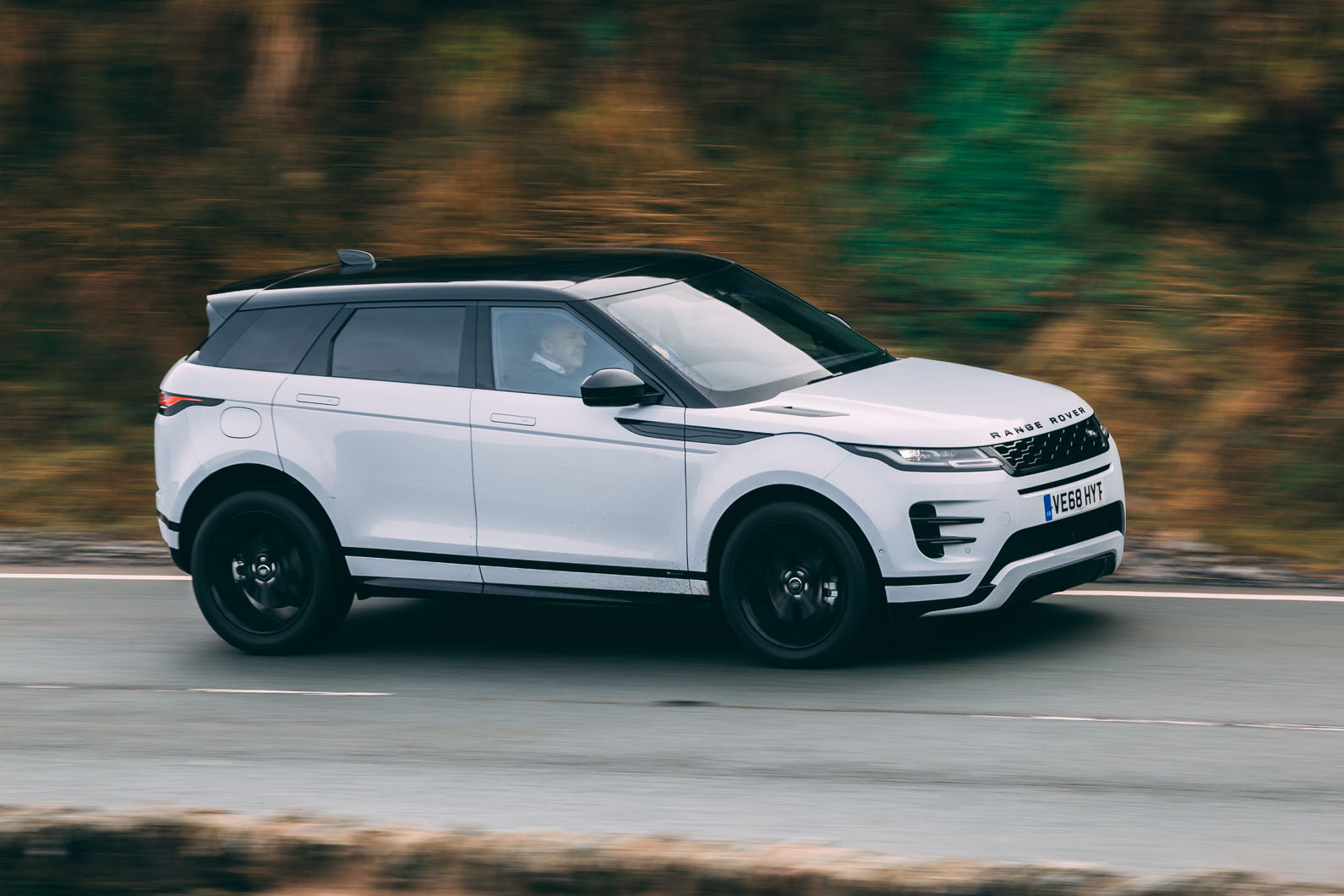
9. Land Rover Range Rover Evoque (2012–2018)
The Range Rover Evoque is one of the most visually striking compact SUVs ever produced. Its dramatic styling and premium badge make it enormously tempting in the used car market.
The problem is that almost everything beneath that gorgeous exterior is a potential source of expensive failure. The Evoque has earned a reputation as one of the most unreliable cars available at any price point.
The 2.0-litre Si4 turbocharged petrol engine is prone to carbon buildup and cooling system failures. Head gasket issues have been reported on higher-mileage examples, and repair costs are extremely high.
The nine-speed automatic transmission fitted to later models exhibits the same hesitant behaviour documented in other vehicles using this gearbox. Transmission software issues require dealer-only updates that are not always effective.
Land Rover’s Terrain Response system, while impressive in concept, adds significant electronic complexity. When components within this system fail, repairs require specialist equipment and command premium pricing.
The all-wheel-drive transfer case is another known weakness on used Evoques. Fluid leaks and internal failures are reported at mileage levels that would be considered early life for any Japanese SUV.
Electrical gremlins are practically a standard feature on used Land Rovers of any model. Random warning lights, failed sensors, and module communication errors are reported across virtually every owner forum.
Air suspension, fitted to some Evoque variants, adds another layer of expensive potential failure. Air spring replacements cost significantly more than conventional coil spring alternatives on competing vehicles.
Interior quality initially impresses, but the Evoque’s cabin does not age well under daily use. Leather stitching separates, switchgear develops faults, and infotainment systems freeze with concerning regularity.
Labour costs at Land Rover dealerships are among the highest in the automotive retail sector. Even minor service work generates invoices that cause genuine shock to unprepared first-time Land Rover owners.
Independent specialist mechanics who genuinely understand Land Rover systems are not easy to find in most markets. This lack of competitive servicing options keeps repair costs artificially raised.
The Evoque’s fuel economy in real-world driving rarely matches the official figures. Owners consistently report consumption that is noticeably worse than the manufacturer’s stated numbers.
Depreciation on used Evoques is steep, and for good reason. The market has priced in the known reliability issues, and values reflect the total cost of ownership rather than just the purchase price.
Many used Evoques have outstanding recall or outstanding software update work that was never completed by previous owners. Always verify full recall compliance before even considering a purchase.
The Range Rover Evoque is automotive eye candy with a very bitter aftertaste. Its beauty is real, but its reliability is not, and the financial consequences are genuinely severe.
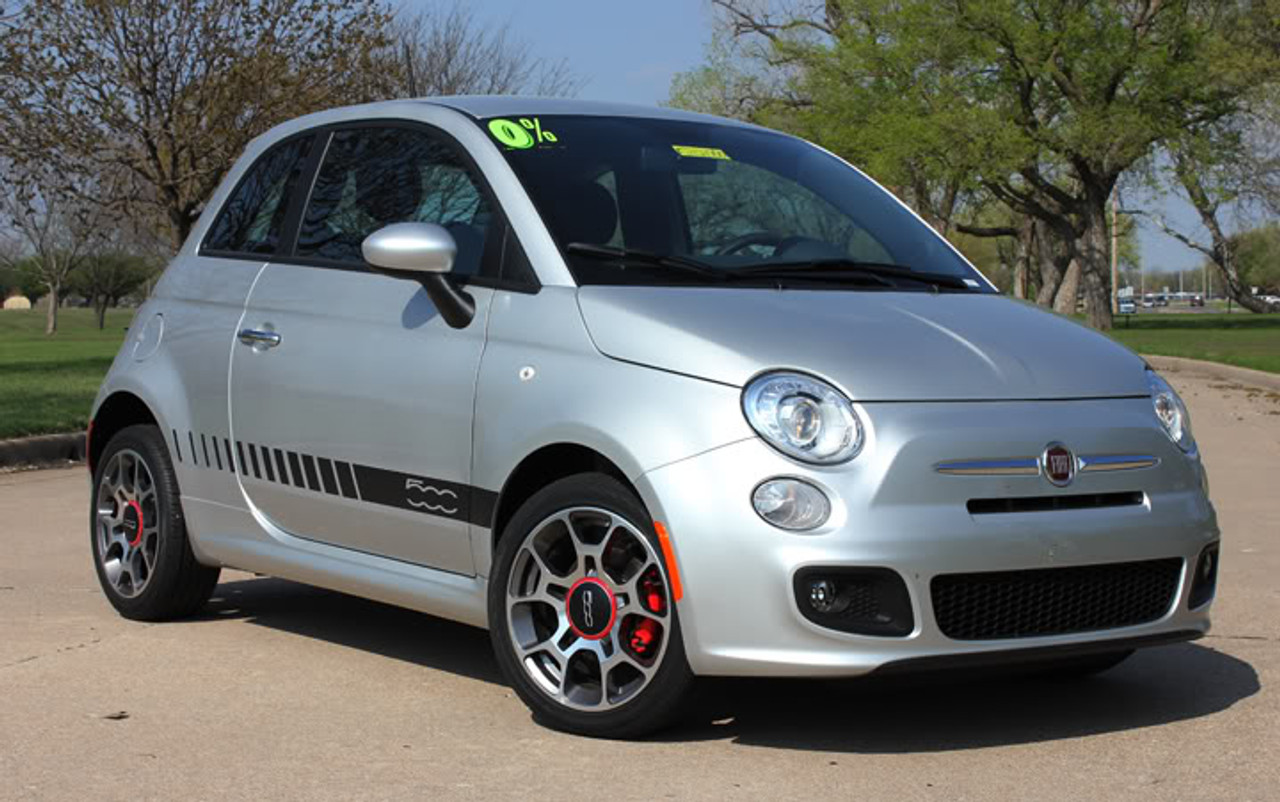
10. Fiat 500 (2012–2019)
The Fiat 500 is undeniably charming and impossibly cute. Its retro Italian styling and compact dimensions make it a compelling choice, especially for urban drivers.
But beneath the adorable exterior lies a vehicle that has repeatedly disappointed owners who prioritised style over substance. The Fiat 500 is one of the most problematic small cars available in the used market.
The 1.4-litre MultiAir engine found in many 500 models has known valve actuation system issues. The MultiAir system controls valve timing electronically and is both complex and expensive to repair when it fails.
Transmission problems are endemic across the Fiat 500 model range. Both the automated manual and traditional automatic options have documented reliability concerns that have never been adequately resolved.
The automated manual transmission, badged as a Dualogic, is particularly problematic. Its jerky, hesitant behaviour frustrated owners when new, and its reliability only worsens with age and mileage.
Electrical system issues are common and varied across the 500 range. Random warning lights, battery drain problems, and infotainment system failures are all regularly reported by owners.
Rust is a legitimate concern on older Fiat 500 examples in wet climates. The wheel arches and door sills are known corrosion initiation points that can deteriorate rapidly if ignored.
Build quality, despite the premium pricing relative to other small cars, is disappointing. Interior plastics feel cheap, trim alignment is inconsistent, and switchgear develops looseness quickly.
Dealer support for Fiat in many markets is inadequate due to the brand’s limited retail footprint. Fewer dealers mean less competition for service work and fewer convenient options for owners needing repairs.
Parts availability for less common components can be problematic outside of major metropolitan areas. Waiting periods for Fiat-specific parts add to ownership frustration and increase the cost of any repair.
The 500’s safety ratings are mediocre by modern standards. Buyers prioritising protection in an accident will find far better-equipped alternatives at comparable price points.
Resale values on used Fiat 500s reflect the market’s accurate assessment of their reliability. Prices drop steeply, and finding buyers for high-mileage examples can be genuinely challenging.
Running costs, including fuel, insurance, and maintenance, are not as low as the car’s small size suggests. The complexity of its systems means that even simple jobs require more time and money than expected.
The Fiat 500 is a car that wins hearts at first sight and then breaks them slowly over time. Its charm is real, but its reliability record makes it a risk that most sensible buyers should avoid.
Choose your used car with your head rather than your heart. The Fiat 500 is a beautiful reminder that looks can be deeply, expensively deceiving in the used car market.
Also Read: 10 Trucks With Cabins That Fit Three Adults In The Front
