
Buying a car is one of the biggest financial decisions most people will ever make. Yet many buyers focus only on the sticker price, monthly payments, and fuel economy, completely overlooking one of the most critical factors of long-term ownership: warranty coverage.
A car warranty is your financial safety net. It protects you from unexpected repair costs during the early years of ownership. Without strong warranty coverage, a single major mechanical failure can cost thousands of dollars out of pocket.
Not all warranties are created equal. Some automakers offer generous, comprehensive coverage that gives buyers genuine peace of mind. Others provide minimal protection that leaves owners exposed to significant financial risk the moment something goes wrong.
The worst warranties share common traits. They have short coverage periods, low mileage limits, excessive exclusions, and poor roadside assistance programs. Some brands also make the claims process unnecessarily difficult, adding frustration to financial pain.
In this article, we examine nine cars that come with the weakest warranty coverage available in today’s market. These vehicles may look appealing on the showroom floor. But once you read the fine print, the picture changes dramatically. Understanding these shortcomings can save you thousands of dollars and countless headaches down the road.
1. Fiat 500 / Fiat 500X
The Fiat 500 has always been a polarizing vehicle. It wins fans with its retro Italian styling, compact dimensions, and playful character. However, it consistently disappoints when the conversation turns to warranty coverage and long-term ownership costs.
Fiat offers a basic limited warranty of just 3 years or 36,000 miles. This matches the industry’s bare minimum and provides no competitive advantage whatsoever. For a brand that already carries a mixed reputation for reliability, this short coverage window is a serious concern.
The powertrain warranty stands at 5 years or 60,000 miles. While this sounds reasonable on paper, it falls behind brands like Hyundai, Kia, and Mitsubishi that offer 10-year or 100,000-mile powertrain coverage. The gap is enormous and financially significant.
Fiat’s roadside assistance coverage mirrors the basic warranty at 3 years or 36,000 miles. This means after three years, you’re completely on your own if your vehicle breaks down on the highway. For a car with Fiat’s reliability track record, this is especially worrying.
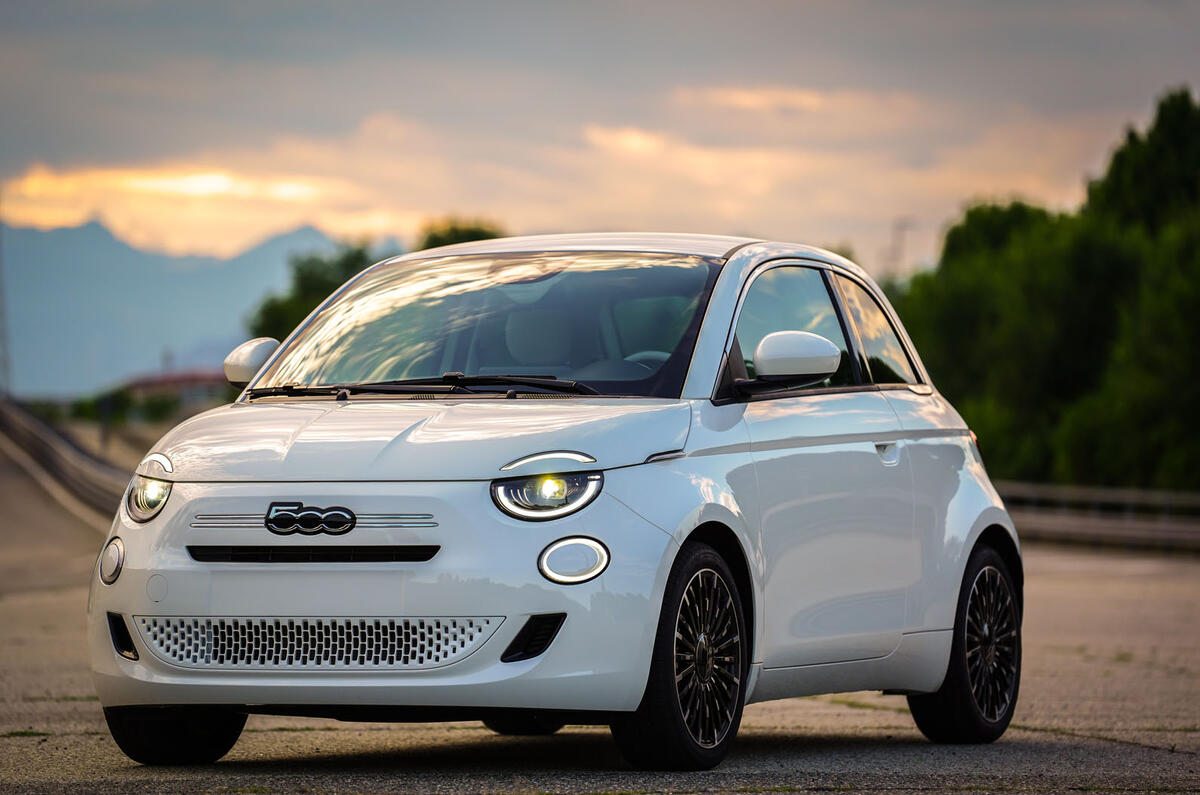
The Fiat 500’s reliability record has been a persistent issue for years. Consumer satisfaction surveys regularly place Fiat near the bottom of reliability rankings. Owning one outside of the warranty window can quickly become an expensive proposition.
Dealers in the United States have also been a challenge for Fiat owners. The brand dramatically reduced its U.S. dealership footprint over the past decade. Fewer dealers mean fewer service options and sometimes longer wait times for repairs.
The warranty exclusions are also worth noting carefully. Like most manufacturers, Fiat excludes wear items such as brake pads, tires, wiper blades, and clutch components. But given how frequently some Fiat models require unscheduled service visits, these exclusions add up faster than average.
Parts availability can also become a headache for Fiat owners. Because the brand shares components with Chrysler and other Stellantis vehicles, some parts are accessible. However, unique Fiat-specific components can sometimes take longer to source, extending repair times significantly.
The Fiat 500X, the brand’s compact crossover, shares the same warranty terms as the 500. It also inherits similar reliability concerns, making it equally risky from a warranty and long-term cost perspective. Both vehicles require buyers to be financially prepared for post-warranty ownership.
If you’re considering a Fiat, extended warranty options are available through dealerships. However, these plans come at a high additional cost and often carry their own exclusions and deductibles. Budget carefully before committing to either model without extended coverage.
The bottom line is clear. Fiat offers minimal warranty protection for vehicles that have a history of reliability issues. Buyers should think carefully about the long-term financial implications before purchasing either the 500 or the 500X without robust extended coverage in place.
2. Alfa Romeo Giulia / Stelvio
Alfa Romeo is one of the most emotionally compelling automotive brands. The Giulia sedan and Stelvio SUV are genuinely beautiful machines with thrilling driving dynamics. But beautiful cars and thrilling performance don’t automatically translate into strong warranty protection.
Alfa Romeo provides a 4-year or 50,000-mile limited basic warranty. At first glance, this sounds slightly better than the industry’s standard 3/36 baseline. However, when compared to luxury competitors and the brand’s reliability reputation, it falls well short of acceptable.
The powertrain warranty lasts 4 years or 50,000 miles as well. This means both coverage periods are identical, which is unusual in the industry. Most manufacturers offer extended powertrain coverage beyond their basic warranty as an added layer of protection.
BMW and Mercedes-Benz, two of Alfa Romeo’s direct competitors, offer their own complimentary maintenance programs alongside their warranties. Alfa Romeo provides no such complimentary maintenance. This means ongoing service costs are entirely on the owner from day one.
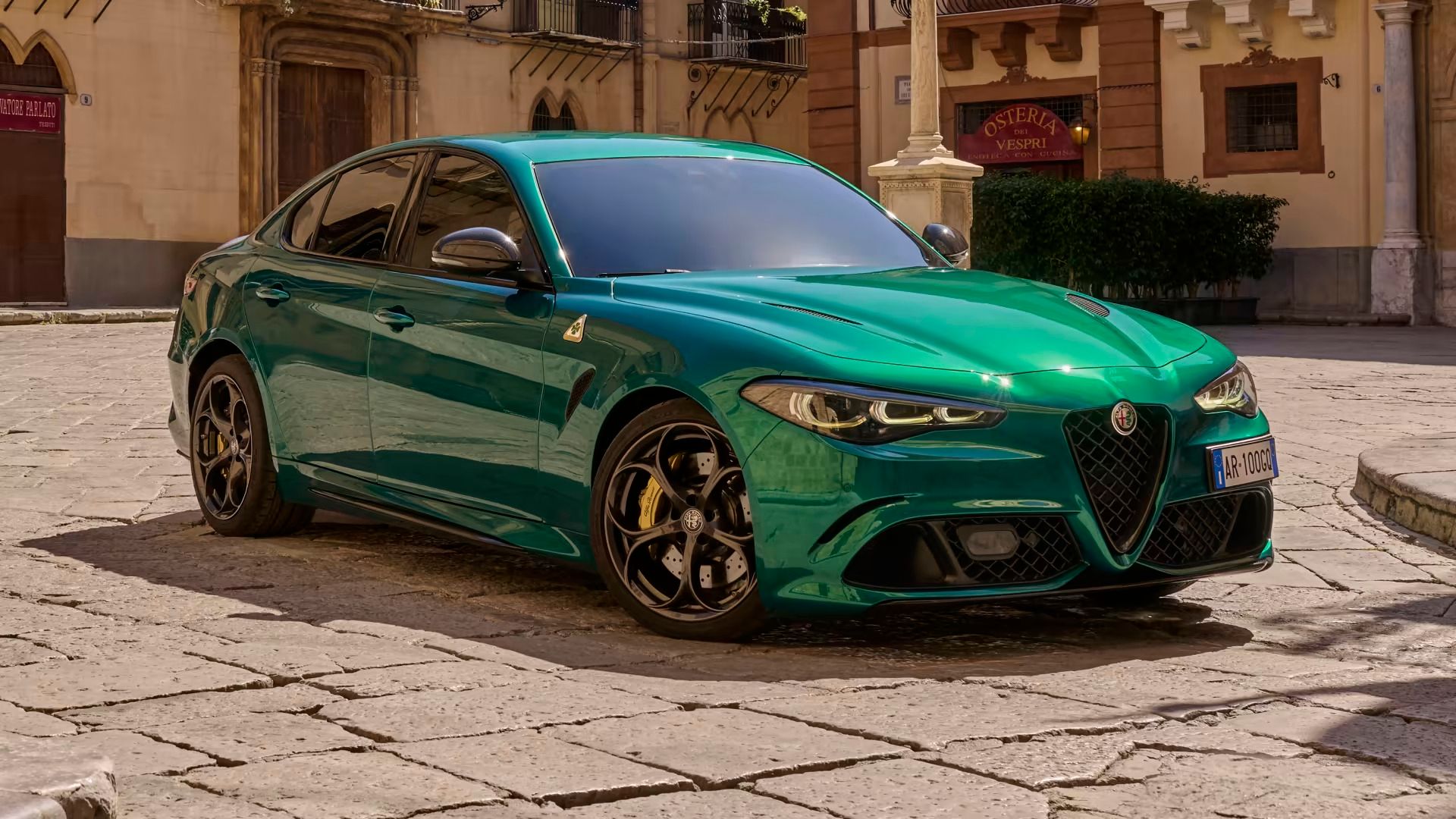
Reliability data for Alfa Romeo vehicles has been consistently troubling. Consumer Reports and J.D. Power surveys frequently place Alfa Romeo near the very bottom of reliability and ownership satisfaction rankings. Owning one of these cars outside the warranty window is a significant financial gamble.
The Giulia Quadrifoglio, Alfa’s performance flagship, is particularly concerning from a warranty standpoint. It uses a twin-turbocharged Ferrari-derived V6 engine. Repairs for this engine outside warranty coverage can run into tens of thousands of dollars.
Alfa Romeo’s U.S. dealership network is also quite limited. With fewer locations than mainstream brands, getting warranty work done can sometimes require traveling long distances. This makes the already thin warranty coverage even more inconvenient to actually use.
The brand’s roadside assistance program runs concurrently with the basic warranty at 4 years or 50,000 miles. After that period expires, owners are without manufacturer-provided roadside assistance. Given the cars’ complexity, this is a notable gap in protection.
Some Alfa Romeo owners report frustrations with the claims process itself. Getting warranty repairs approved on complex electronic systems and unique Italian-engineered components has been a source of friction. The experience doesn’t always match the premium image the brand projects.
Alfa Romeo does offer certified pre-owned programs and dealer-sold extended warranties. But these options add cost to vehicles that are already priced at a premium level. Buyers need to factor extended coverage costs into their total ownership budget from the very beginning.
3. Land Rover Defender / Discovery
Land Rover builds vehicles with extraordinary off-road capability and unmistakable premium styling. The Defender and Discovery are globally recognized symbols of adventure and rugged luxury. Unfortunately, their warranty programs don’t quite match the prestige of the badge on the hood.
Land Rover provides a standard limited warranty of 4 years or 50,000 miles. This is slightly above the bare minimum but remains well below what buyers spending $60,000 to $100,000 on a vehicle should reasonably expect. Premium pricing should carry premium protection.
The powertrain warranty also runs 4 years or 50,000 miles. Once again, both terms are identical, providing no additional powertrain-specific security. For vehicles with complex all-wheel-drive systems and sophisticated air suspension, this limited coverage is a genuine concern.
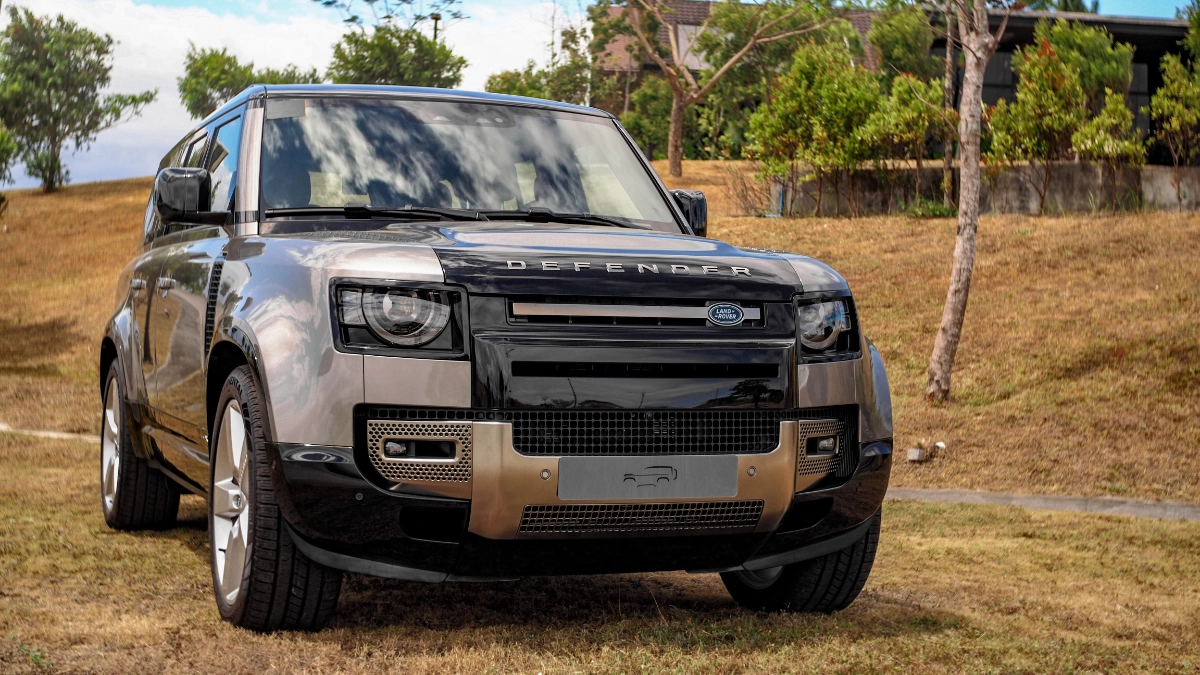
Land Rover’s reliability record is unfortunately well documented. The brand consistently ranks near the bottom in reliability studies conducted by major automotive research organizations. Owning a Land Rover outside of warranty coverage has historically been a very expensive experience.
Electrical complexity is one of the biggest concerns with modern Land Rovers. Both the Defender and Discovery are packed with sophisticated electronics, infotainment systems, and driver assistance technologies. When these systems fail outside of warranty, repair bills can be staggering.
Air suspension is standard or optional on many Land Rover models. Air suspension systems are significantly more expensive to repair than conventional coil spring setups. A single air suspension failure outside warranty can cost several thousand dollars in parts and labor alone.
Land Rover does offer roadside assistance for 4 years or 50,000 miles. This is actually better than some brands on this list. However, given how frequently some owners report needing unscheduled service visits, even this coverage often feels insufficient in practice.
The brand’s authorized service network is reasonably well distributed in major metropolitan areas. Rural owners, however, may find themselves far from the nearest Land Rover dealership. This geographical limitation reduces the practical value of the warranty coverage further.
Complimentary scheduled maintenance is not included with new Land Rover purchases. Oil changes, tire rotations, and other routine services are entirely the owner’s financial responsibility. When combined with the limited warranty terms, the total cost of ownership climbs quickly.
Buyers who are seriously considering a Land Rover Defender or Discovery should absolutely factor in the cost of an extended warranty plan. Given the brand’s reliability history, driving these vehicles beyond factory coverage without additional protection is a significant financial risk that many owners have come to regret.
4. Jeep Wrangler
The Jeep Wrangler is one of the most iconic and beloved vehicles in American automotive history. It has a devoted following of enthusiasts who swear by its off-road capability and rugged personality. But when it comes to warranty coverage, the Wrangler is decidedly average at best.
Jeep provides a basic limited warranty of 3 years or 36,000 miles. This is the industry’s absolute minimum and provides no advantage over far cheaper economy cars. For a vehicle that often carries a $45,000 to $60,000 price tag, this is a disappointing starting point.
The powertrain warranty runs 5 years or 60,000 miles, which is slightly better. However, it still falls significantly short of the 10-year/100,000-mile coverage offered by Hyundai and Kia. The gap in protection is substantial when measured over a typical ownership period.
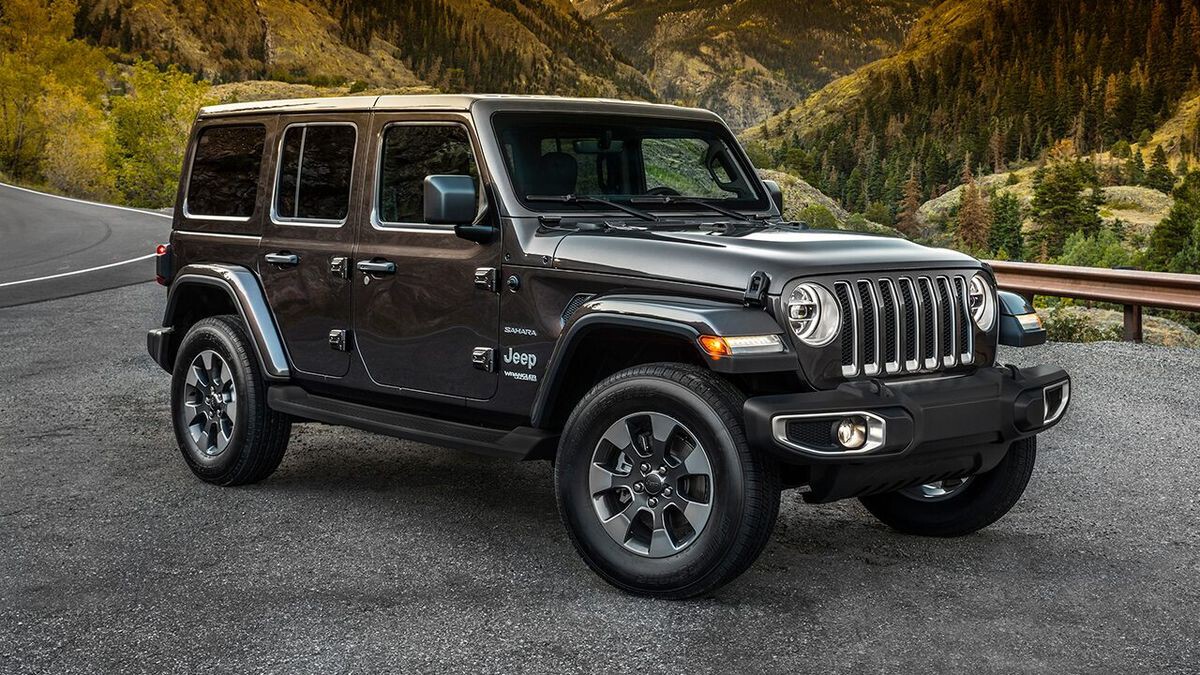
Roadside assistance comes with the Jeep for only 3 years or 36,000 miles. After that window closes, owners are left without manufacturer-backed emergency assistance. Given the Wrangler’s frequent off-road use cases, losing roadside assistance at the 3-year mark feels particularly short-sighted.
Wrangler owners who modify their vehicles face additional warranty complications. Lift kits, larger tires, and aftermarket accessories are extremely popular in the Wrangler community. However, such modifications can void portions of the manufacturer’s warranty, leaving owners with reduced coverage.
The Wrangler’s open-air design means it is frequently exposed to the elements. Water intrusion, dust, and UV damage are common concerns for Wrangler owners. Many of these issues fall under exclusions in the standard warranty, creating frustrating gray areas during claims.
The 4xe plug-in hybrid version of the Wrangler adds battery and electrical system complexity. The high-voltage battery carries an 8-year or 80,000-mile warranty, which is mandated by federal regulations. This is a positive aspect, but the rest of the coverage remains at the same modest Jeep standard.
Jeep’s reliability record for the Wrangler has improved in recent years. But it still trails top-rated brands in long-term dependability studies. Early Wrangler owners with the 2.0-liter turbocharged engine reported various issues that required dealer visits during the warranty period.
Stellantis, Jeep’s parent company, has faced criticism for customer service consistency across its brands. While many Jeep dealers provide excellent service, experiences can vary significantly from one location to another. This inconsistency makes warranty claims a mixed experience nationwide.
The Wrangler’s loyal fan base often accepts these warranty shortcomings as part of the ownership package. But new buyers entering the Wrangler world for the first time should be fully aware of what the factory warranty does and does not cover before signing the purchase agreement.
Also Read: 7 Hidden Costs of Owning an EV Nobody Talks About
5. Mini Cooper
The Mini Cooper is one of the most characterful and entertaining cars you can buy today. It brings genuine driving excitement, head-turning retro styling, and a premium interior to the compact car segment. Unfortunately, its warranty coverage is not nearly as exciting as the driving experience.
Mini offers a basic limited warranty of 4 years or 50,000 miles. This is slightly above the industry minimum and aligns with parent company BMW’s approach. However, Mini’s reputation for reliability issues makes even this coverage feel stretched thin.
The powertrain warranty also runs 4 years or 50,000 miles, mirroring the basic coverage term. There is no extended powertrain protection beyond this window from the factory. Owners who keep their Minis past 50,000 miles are potentially exposed to significant repair costs.
Mini does provide complimentary scheduled maintenance for the first 3 years or 36,000 miles. This is a genuine benefit that many manufacturers on this list do not offer. However, it applies only to routine maintenance, not to repairs or parts failures outside the warranty’s scope.
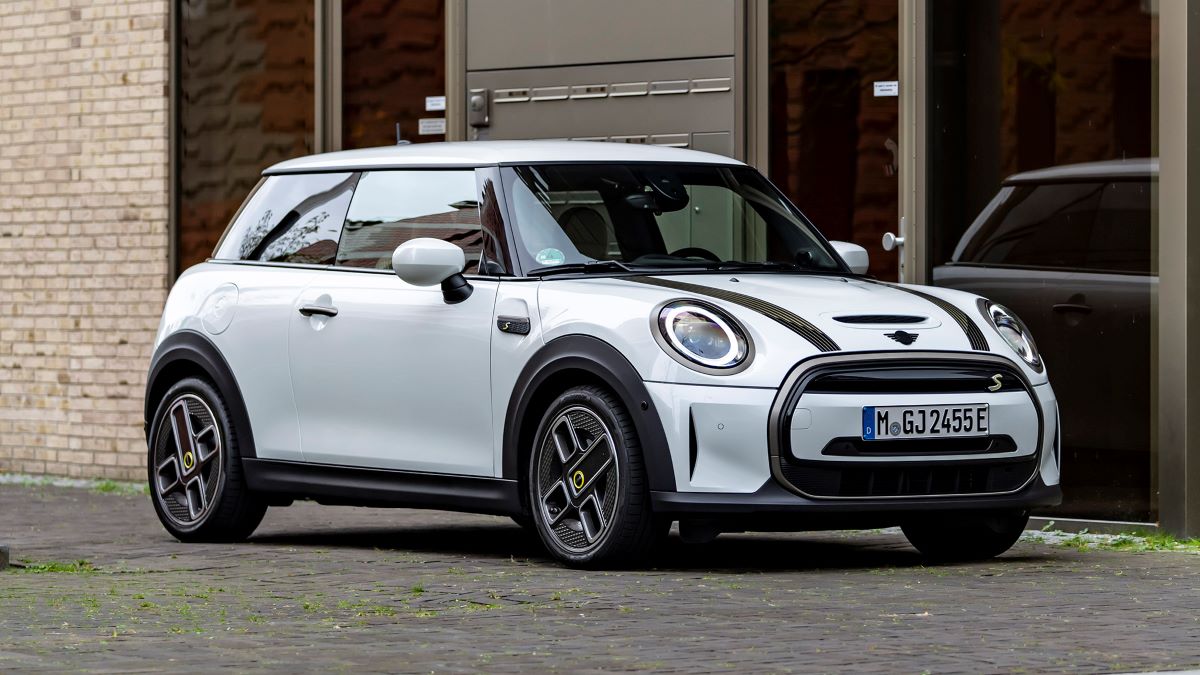
The Mini’s turbocharged engines have been a source of reliability concern over the years. Carbon buildup, timing chain issues, and oil consumption problems have been reported across multiple model generations. Addressing these problems outside of warranty coverage can be surprisingly expensive.
Mini’s Countryman and Paceman models add all-wheel-drive systems and additional mechanical complexity. More complex drivetrains mean more potential points of failure. Yet these more expensive variants carry the exact same warranty terms as the basic hatchback.
The Mini lineup has become increasingly diverse and technology-rich in recent years. The latest models are loaded with digital displays, connected services, and driver assistance systems. Complex electronics often have higher failure rates and expensive repair costs when they malfunction post-warranty.
Roadside assistance for Mini mirrors the basic warranty at 4 years or 50,000 miles. This is relatively reasonable compared to some brands on this list. But after the coverage period ends, owners must arrange their own emergency services or pay for third-party coverage.
Mini’s dealer network in the United States is not particularly extensive. Owners in smaller cities and rural areas may find the nearest authorized dealer inconveniently far away. This can make routine warranty service claims a logistical challenge.
For buyers considering a Mini, the electric Mini Cooper SE presents an interesting warranty picture. The battery and electric drivetrain carry federally mandated 8-year or 100,000-mile coverage. But the rest of the vehicle still operates under the standard 4-year/50,000-mile terms, which limits the appeal.
6. Maserati Ghibli / Levante
Maserati sells a dream. The Ghibli sedan and Levante SUV offer exotic Italian styling, a Ferrari-derived engine note, and the kind of road presence that turns heads at every intersection. But the fantasy has limits, and those limits become painfully clear when you examine the warranty coverage.
Maserati provides a basic limited warranty of 4 years or 50,000 miles. For a vehicle that regularly costs $80,000 to $120,000, this is simply not good enough. Comparable German luxury brands offer similar or better coverage alongside superior reliability track records.
The powertrain warranty is also just 4 years or 50,000 miles. Given the complexity of Maserati’s twin-turbocharged V6 and V8 engines, a single powertrain failure outside this window can easily cost $20,000 or more. The financial exposure after warranty expiration is enormous.
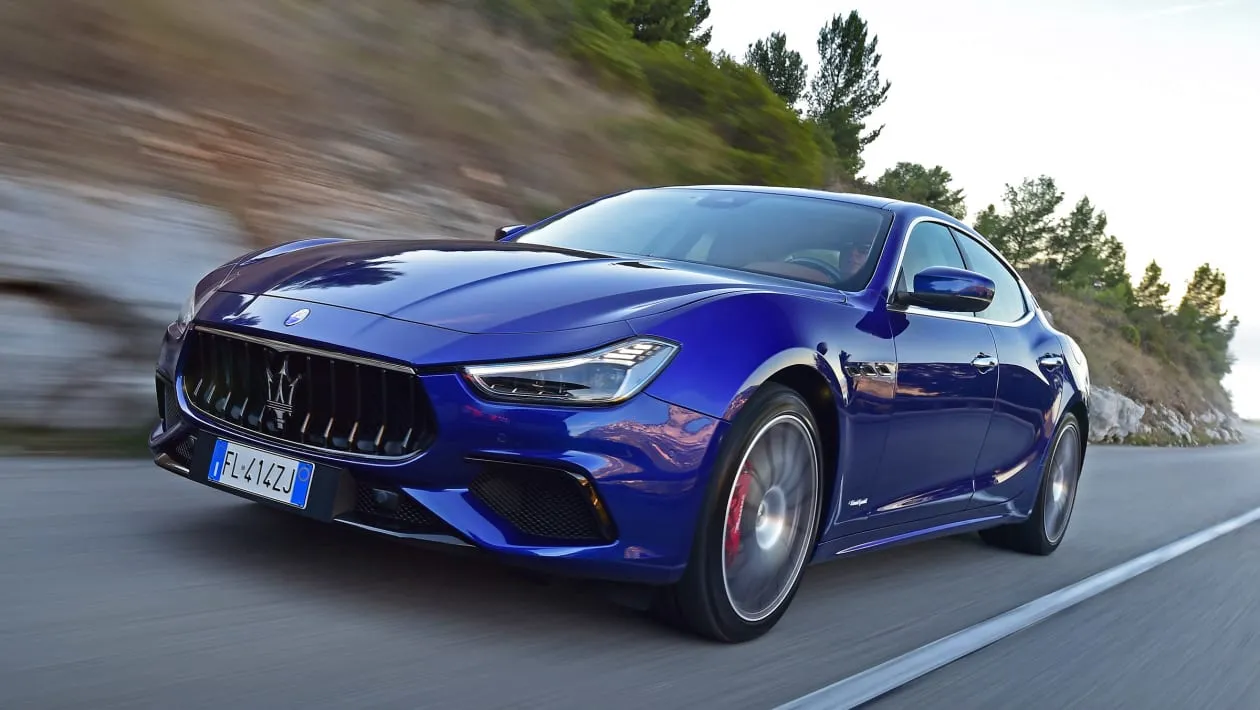
Maserati’s reliability record is consistently ranked among the worst in the luxury automotive segment. Consumer Reports and J.D. Power surveys have repeatedly placed Maserati at the very bottom of dependability rankings. This poor reliability, combined with thin warranty coverage, creates a genuinely risky ownership proposition.
The Ghibli’s interior technology and infotainment systems have been persistent sources of frustration. Older generation systems, in particular, were prone to glitches, crashes, and software failures. Newer systems are improved but remain complex and potentially expensive to repair.
Maserati’s authorized dealer and service center network in the United States is extremely limited. There are only a handful of authorized service locations in many states. Getting warranty work completed in a timely manner can be a serious logistical challenge, depending on where you live.
Maintenance costs for Maserati vehicles are substantial even under warranty. Many service intervals require specialized tools and factory-trained technicians. Non-warranty maintenance expenses during the coverage period can themselves run into thousands of dollars annually.
Maserati does include roadside assistance for the 4-year warranty period. This is a necessary minimum given the vehicles’ known reliability challenges. However, the scope of what roadside assistance actually covers is limited and does not substitute for comprehensive breakdown coverage.
The Levante SUV adds four-wheel-drive system complexity and air suspension to Maserati’s reliability equation. Both systems have shown vulnerability to failure in various owner reports and reviews. Repairing either system outside of the warranty period represents a major unexpected expense.
Maserati ownership is truly only financially manageable within the factory warranty period for most buyers. Post-warranty ownership without an extended service plan can quickly become financially crippling. Experts consistently advise Maserati buyers to purchase extended coverage before the factory warranty expires.
7. Jaguar XE / XF / F-Pace
Jaguar has worked hard over the past decade to shed its reputation for unreliability. The XE, XF, and F-Pace are genuinely competitive vehicles with sophisticated design and impressive on-road dynamics. But their warranty terms still reflect a brand that hasn’t fully committed to backing its products with confidence.
Jaguar offers a basic limited warranty of 5 years or 60,000 miles. This is actually better than many of the brands on this list and slightly above the industry average. However, reliability concerns and the cost of repairs outside coverage periods still make this protection feel insufficient for many buyers.
The powertrain warranty runs 5 years or 60,000 miles as well. This matches the basic warranty term, providing no additional layer of powertrain-specific protection. Buyers of performance variants like the SVR versions deserve and should expect more comprehensive powertrain coverage.
Jaguar does offer complimentary scheduled maintenance for the first 5 years or 60,000 miles. This is one of the brand’s genuine warranty strengths and provides meaningful financial relief during the ownership period. Routine oil changes and service visits are covered, which adds real value.
Despite the improvement in warranty length, Jaguar’s reliability record remains mixed. J.D. Power and Consumer Reports continue to rank Jaguar below the segment average for dependability. The concern is not just during the warranty period but in what happens once that protection expires.
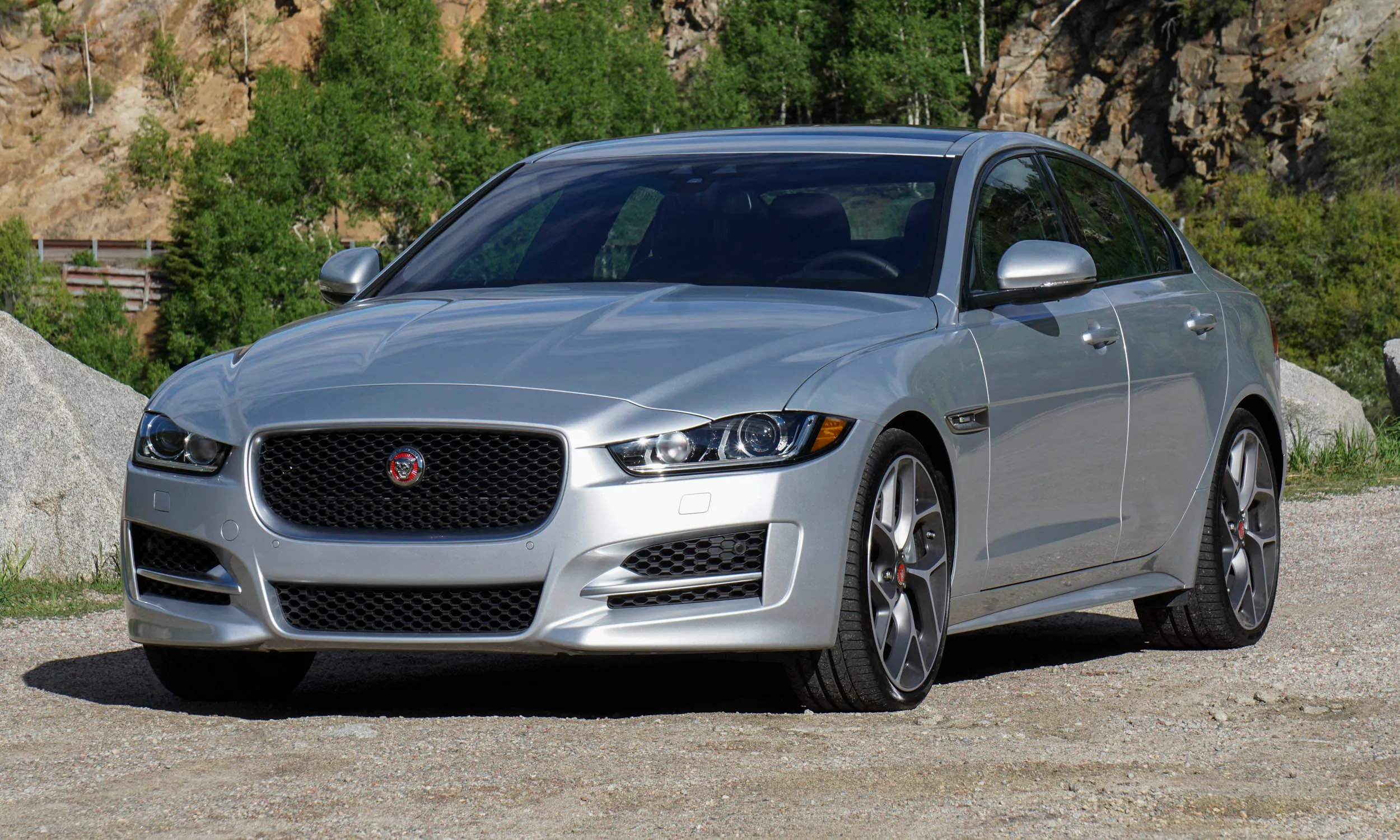
The F-Pace’s air suspension, available on several trim levels, is a specific area of concern. Air suspension systems are sophisticated and expensive. They require specialized diagnostic equipment and trained technicians when something goes wrong beyond the warranty window.
The XE and XF sedans have seen declining sales in recent years as buyers shift toward SUVs. Reduced production volumes can sometimes impact parts availability for older models. Owners of these sedans should consider this when evaluating long-term ownership costs.
Jaguar’s infotainment system has been a frequent target of criticism from owners and automotive journalists alike. The Pivi Pro system introduced in recent model years is a significant improvement. But earlier systems in pre-2021 models have been a persistent source of reliability complaints.
The brand’s InControl suite of connected services adds another layer of software complexity to the ownership experience. Software-related warranty claims can sometimes be frustrating to resolve. Dealers occasionally need multiple visits to properly diagnose and fix complex electronic issues.
Jaguar’s future model lineup is shifting significantly toward electric vehicles. This transition period creates some uncertainty about long-term parts supply for current internal combustion engine models. Buyers purchasing today should factor this consideration into their extended ownership planning.
8. Genesis G80 / GV80
Genesis actually offers one of the best warranty packages in the industry, so why does it appear on this list? The answer lies in the details, the ownership experience, and some specific gaps that buyers often overlook when reading the headline warranty numbers.
Genesis advertises an impressively generous warranty package. The basic coverage is 5 years or 60,000 miles, and the powertrain warranty extends to an industry-leading 10 years or 100,000 miles. These numbers are undeniably excellent on paper and deserve recognition.
However, the powertrain warranty has a significant catch that many buyers discover too late. The 10-year/100,000-mile powertrain coverage applies only to the original owner. If you purchase a used Genesis, even from a certified dealer, the powertrain warranty reverts to just 5 years or 60,000 miles from the original sale date.
This transferability limitation dramatically reduces the vehicle’s value proposition on the used market. A 3-year-old Genesis with 40,000 miles has far less warranty coverage remaining than many buyers assume. Understanding this distinction is critical when evaluating the total value of a Genesis purchase.
The brand’s service network is another area of concern. Genesis has a growing but still limited number of standalone dealerships in the United States. Many Genesis vehicles are still serviced through Hyundai dealerships, which creates an inconsistent premium ownership experience.
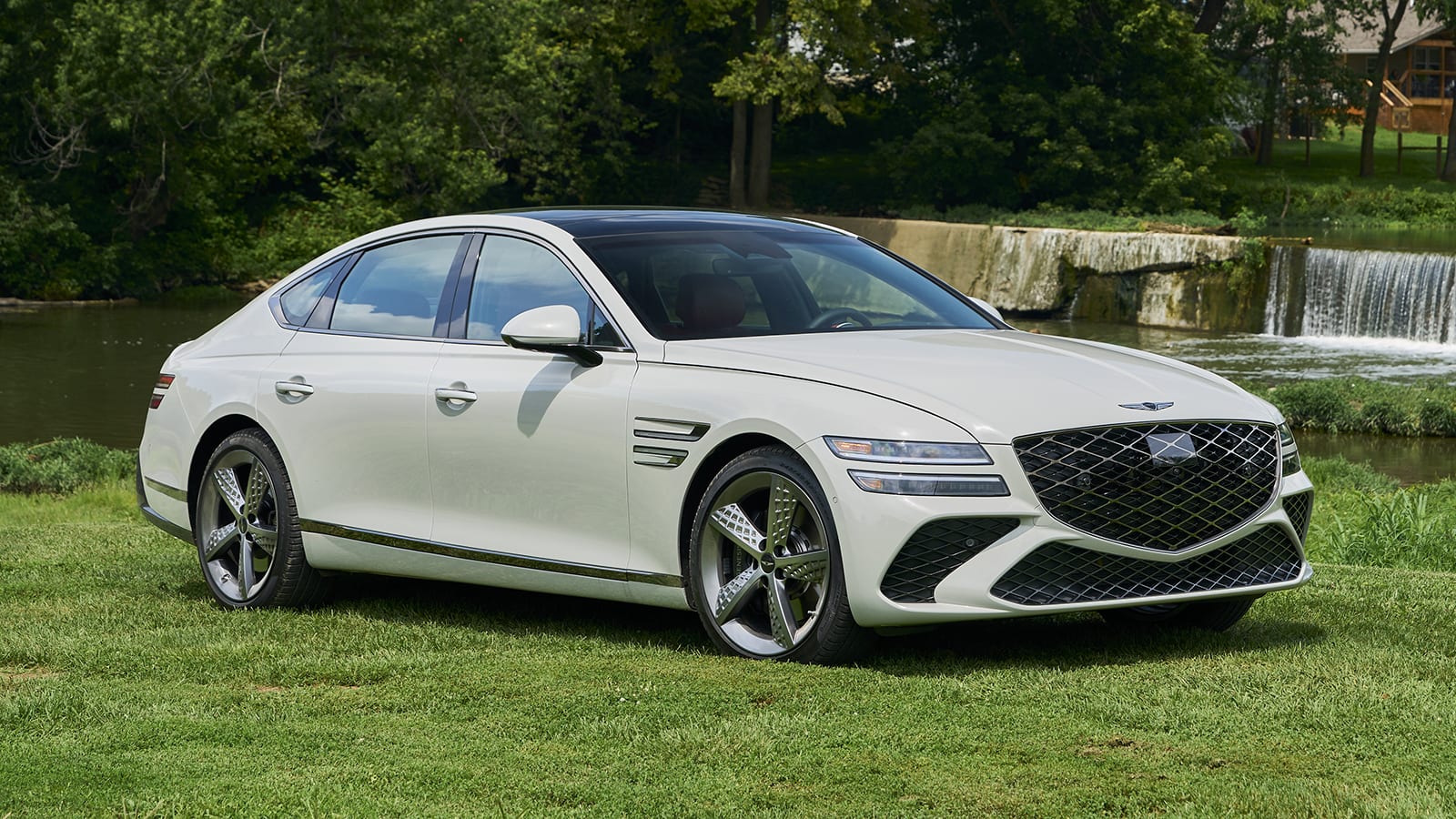
Buyers spending $60,000 to $90,000 on a G80 or GV80 expect a luxury ownership experience that matches the vehicle’s quality. Visiting a shared Hyundai-Genesis showroom for warranty service can feel incongruent with the premium positioning Genesis is working to establish.
Roadside assistance runs concurrently with the basic 5-year/60,000-mile warranty. After this period, owners must arrange their own emergency roadside coverage. Given that many owners keep their vehicles well past the 5-year mark, this gap becomes a practical concern.
Complimentary scheduled maintenance is included for 3 years or 36,000 miles. This is a genuine benefit, but it trails behind some competitors who offer maintenance coverage for the full basic warranty period. The gap between maintenance coverage and basic warranty coverage leaves some costs on the owner.
Genesis vehicles are genuinely well-built and have earned strong reliability scores in recent surveys. The concern here is less about the car itself and more about coverage limitations and service experience gaps. The warranty package, while impressive in headline numbers, has important nuances buyers must understand.
Extended warranty options are available for Genesis owners approaching coverage limits. These plans can provide additional protection for high-mileage owners. However, the cost and terms of extended coverage should be evaluated carefully before purchase.
Genesis is clearly improving its ownership experience year over year. But until the dealer network matures and transferability limitations are addressed more transparently, some buyers will inevitably be surprised by the gaps in coverage that the impressive headline warranty numbers can obscure.
9. Ram 1500 (Higher Trim Levels)
The Ram 1500 is one of America’s best-selling trucks and a genuinely impressive vehicle across all trim levels. Its interior quality, ride comfort, and available features have set new standards for the full-size truck segment. Yet the warranty coverage doesn’t always keep pace with the truck’s premium pricing.
Ram provides a basic limited warranty of 3 years or 36,000 miles. This is the industry minimum and applies across all trim levels, including the luxurious Ram 1500 Limited and Long Horn editions that can easily exceed $75,000. At that price point, better warranty terms are a reasonable expectation.
The powertrain warranty runs 5 years or 100,000 miles, which is actually a strong point for Ram. This coverage is competitive and provides meaningful protection for the engine, transmission, and drivetrain components. It is one of the better powertrain warranties among domestic truck brands.
However, the basic warranty’s 3-year/36,000-mile limit means that non-powertrain issues, including electrical systems, infotainment, air suspension, and interior components, are only covered for a relatively short window. On a sophisticated modern truck, these are exactly the systems most likely to require attention.
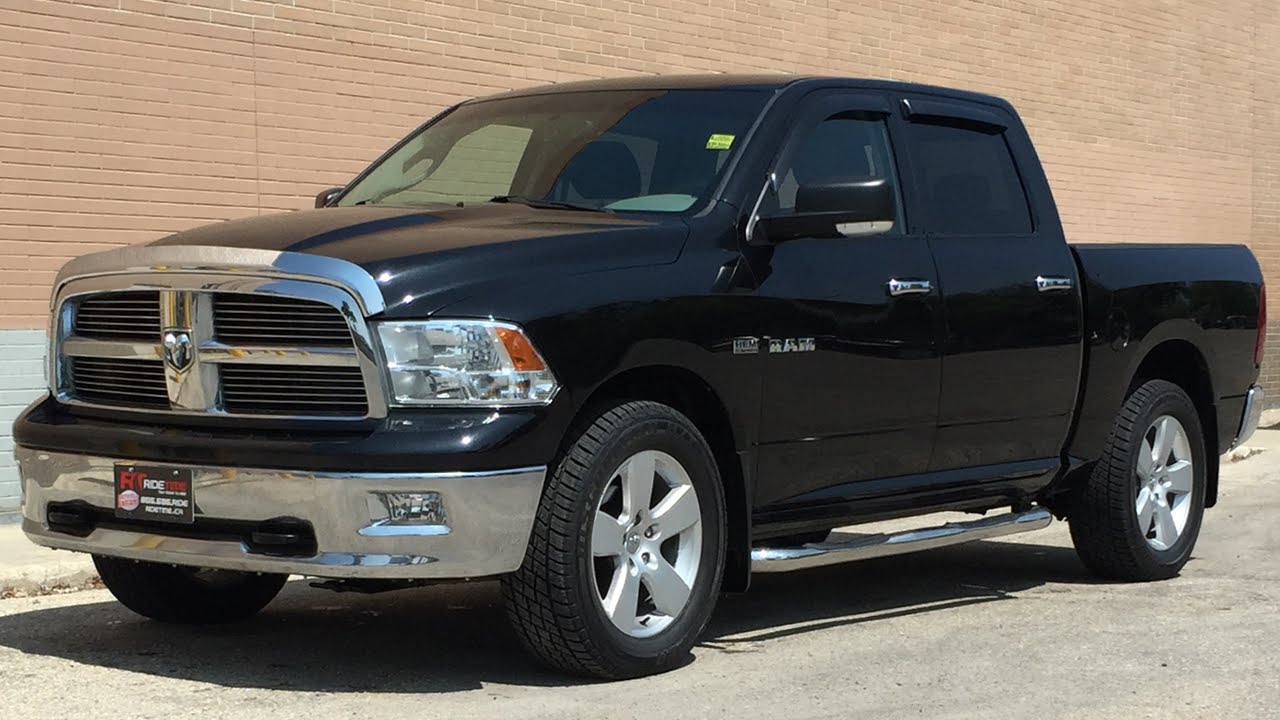
The Ram 1500’s available air suspension system, known as Active-Level Four Corner Air Suspension, is a premium feature on higher trim levels. Like all air suspension systems, it is more expensive to repair than conventional springs. A single air suspension failure outside the basic warranty window can cost $3,000 or more.
The Ram’s infotainment system, powered by Uconnect, is one of the better systems in the segment. But like all sophisticated digital platforms, it is not immune to software glitches and hardware failures. These issues are only covered under the basic 3-year warranty, not the longer powertrain warranty.
Ram trucks have generally improved in reliability compared to earlier generations. But they still trail top-ranked trucks in long-term dependability studies from organizations like J.D. Power. Higher trim models with more features have more complex systems with more potential failure points.
Ram’s commercial warranty program offers additional coverage options for work truck buyers. But most retail buyers of the Ram 1500 at higher trim levels are left with the same basic 3/36 coverage. Given the truck’s premium pricing, this remains one of the most significant warranty shortcomings in the full-size truck segment today.
