
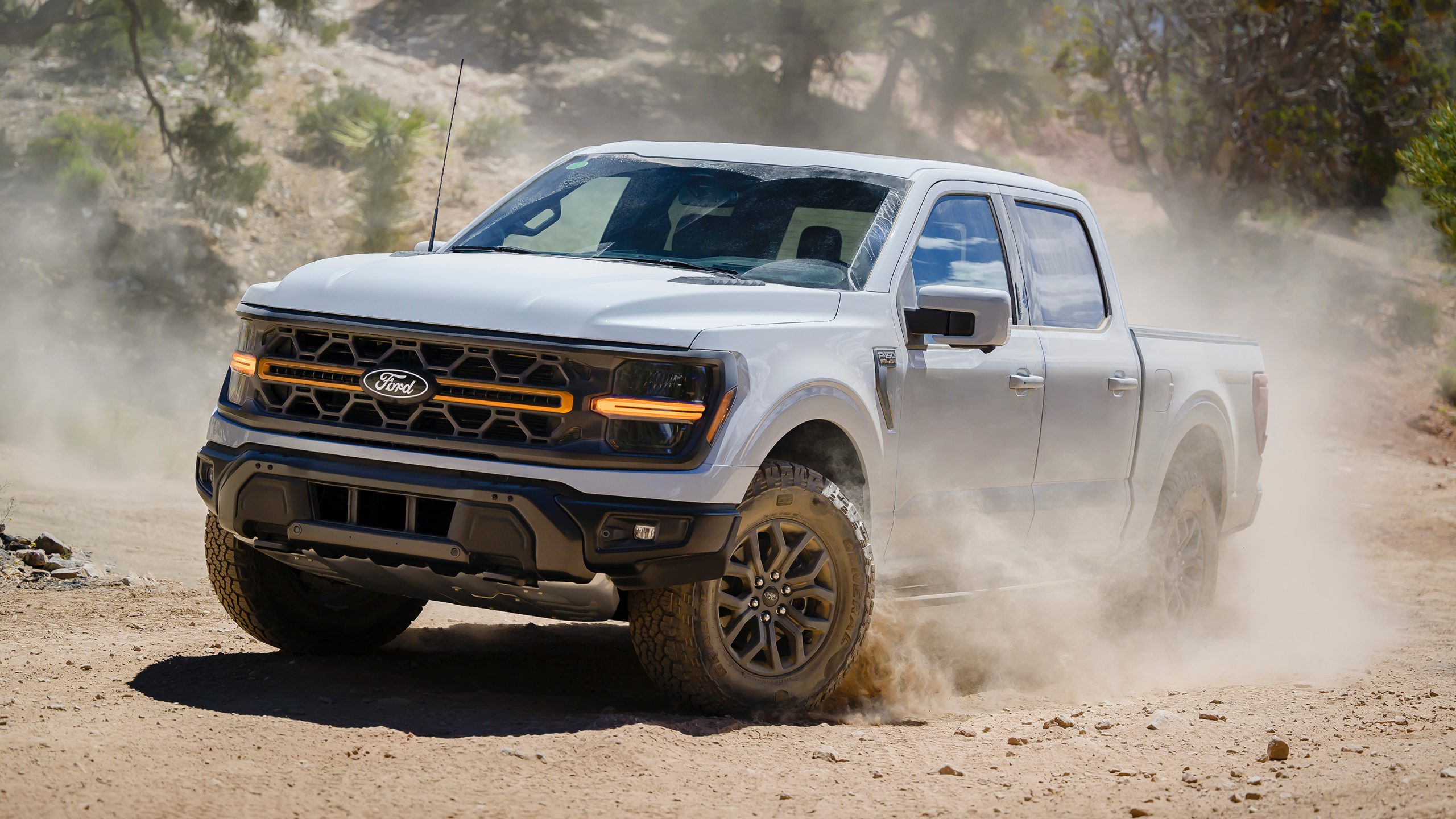
Crash testing is one of the most important tools consumers have when making a vehicle purchase decision. For decades, organizations like the Insurance Institute for Highway Safety (IIHS) and the National Highway Traffic Safety Administration (NHTSA) have been refining and toughening their evaluation standards to better reflect real-world crash scenarios.
What this means in practice is that a car earning a glowing safety rating in 2015 may not look nearly as impressive under today’s far stricter testing criteria.
Over the past decade, both IIHS and NHTSA have introduced several major updates to their testing protocols. The IIHS launched a revised moderate overlap front crash test that began including rear-seat dummies to evaluate back-seat passenger protection, an area previously left largely unexamined.
Side-impact tests were made more aggressive, headlight evaluations became more rigorous, and pedestrian automatic emergency braking was added as a scoring criterion. These changes have exposed structural and restraint-system weaknesses in vehicles that once wore their safety awards proudly.
The result is a growing list of popular vehicles from family minivans and midsize sedans to full-size trucks and luxury SUVs whose modern crash test scores tell a very different story compared to where they stood a decade ago. Some of the most trusted names in the automotive world have found themselves on the wrong side of updated ratings.
This article examines eight such vehicles, exploring what changed, why the ratings declined, what the specifications look like today, and what buyers should know before sitting behind the wheel.
1. Ford F-150 (Crew Cab)
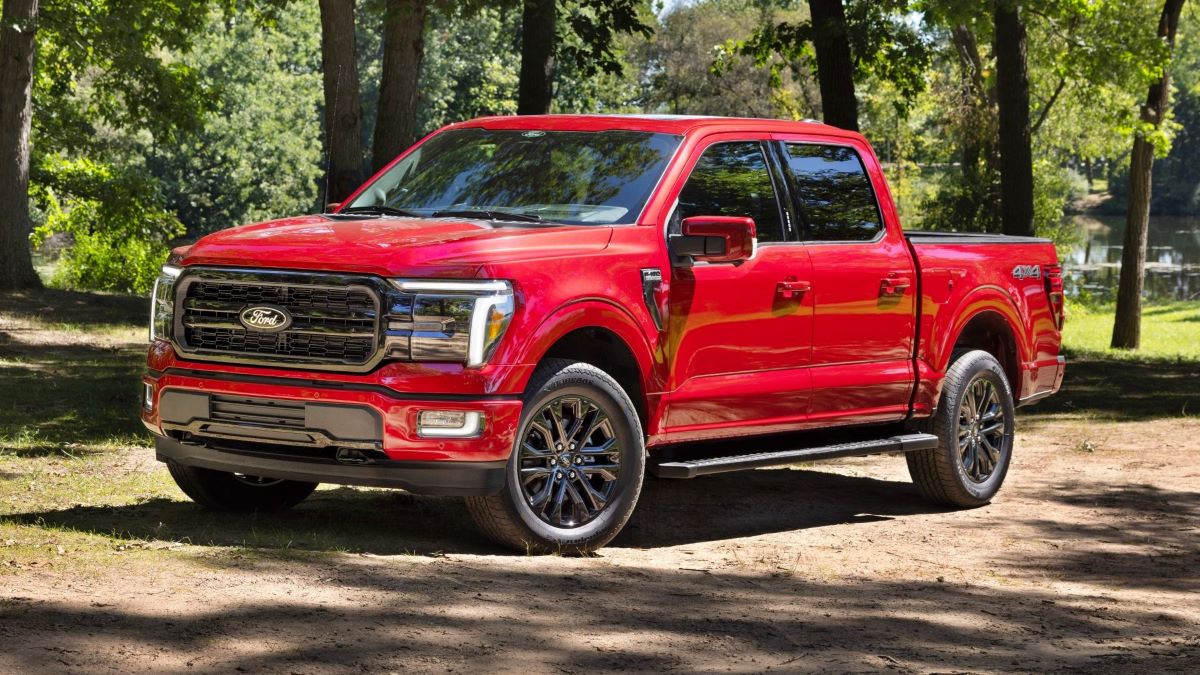
The Ford F-150 is America’s best-selling vehicle, and for years it stood as a symbol of both toughness and safety. A decade ago, the F-150 impressed safety testers and earned strong marks across nearly every IIHS category.
It was awarded the IIHS Top Safety Pick designation and earned “Good” ratings in small overlap front, moderate overlap front, and side crash testing. For a full-size pickup, those numbers were genuinely impressive.
Fast-forward to today, and the picture has changed considerably. The current F-150 Crew Cab lost its IIHS Top Safety Pick award after receiving a “Poor” rating in the updated moderate overlap front crash test, specifically in the rear-seat protection component.
The rear dummy’s chest injury measurements came back alarmingly high. The shoulder belt was observed riding up toward the neck, while the lap belt slid onto the abdomen during the test, both serious concerns for rear-seat passengers.
The problem is not that the F-150 has structurally regressed. In fact, the front-seat protection remains strong, and NHTSA still awarded the truck a five-star rating.
The issue is that the IIHS began placing a dummy in the back seat during the moderate overlap test in 2022, a move that exposed rear restraint deficiencies across the entire truck segment. Ford has acknowledged the issue and is actively working on rear-seat restraint improvements.
The F-150 remains a capable and powerful truck. But drivers who regularly carry passengers in the back seat should be aware of this specific, documented weakness in today’s testing environment.
Specifications (Ford F-150):
- Engine: 3.5L EcoBoost Twin-Turbo V6
- Horsepower: 400 hp
- Torque: 500 lb-ft
- Length: 231.7 inches (SuperCrew, 5.5-ft bed)
- Width: 79.9 inches (without mirrors)
Older Crash Test Rating (2015 IIHS): Good in moderate overlap front, Good in small overlap front, Good in side IIHS Top Safety Pick awarded.
Current IIHS Rating: Poor in updated moderate overlap front (rear-seat). The Top Safety Pick award was lost.
2. Hyundai Palisade
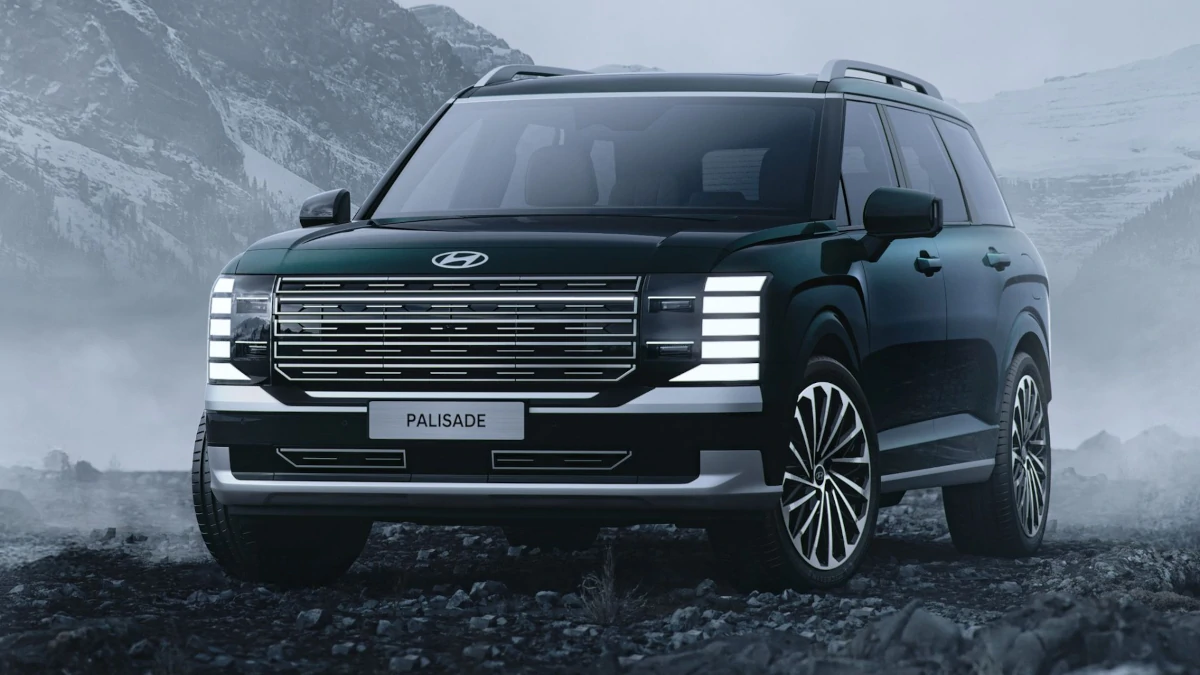
The Hyundai Palisade arrived as one of the most critically acclaimed three-row SUVs on the market. Early models earned strong IIHS ratings and were celebrated for their safety performance. Just a few years in, the Palisade was considered one of the benchmark vehicles in the midsize SUV segment for family safety.
However, the Palisade ran into serious trouble when IIHS applied its updated moderate overlap front test with rear-seat protection criteria. The current Palisade received a “Poor” rating in this updated test, with IIHS citing belt fit problems for rear-seat occupants as the primary cause.
The shoulder belt was observed rising toward the neck, and the lap belt was sliding up over the abdomen during the test, a pattern that correlates with raised abdominal injury risk.
This was a significant fall from grace for a vehicle widely marketed as a family hauler. It lost its IIHS Top Safety Pick award status, a result that sent shockwaves through the automotive press.
Hyundai moved relatively quickly to address the problem by engineering changes to the rear seat belt buckles. Only Palisades built after November 2025 with the revised buckle system qualify for the Top Safety Pick+ award.
The situation illustrates a broader truth about automotive safety: structural crashworthiness alone is no longer enough. Restraint systems, particularly for rear occupants, have become a defining battleground in modern safety testing.
Specifications (Hyundai Palisade):
- Engine: 3.8L V6 naturally aspirated
- Horsepower: 291 hp
- Torque: 262 lb-ft
- Length: 196.1 inches
- Width: 77.8 inches
Older Crash Test Rating (2020–2022 IIHS): Good across major categories; IIHS Top Safety Pick recognized.
Current IIHS Rating: Poor in updated moderate overlap front (rear-seat protection). Award status lost.
3. Honda Odyssey
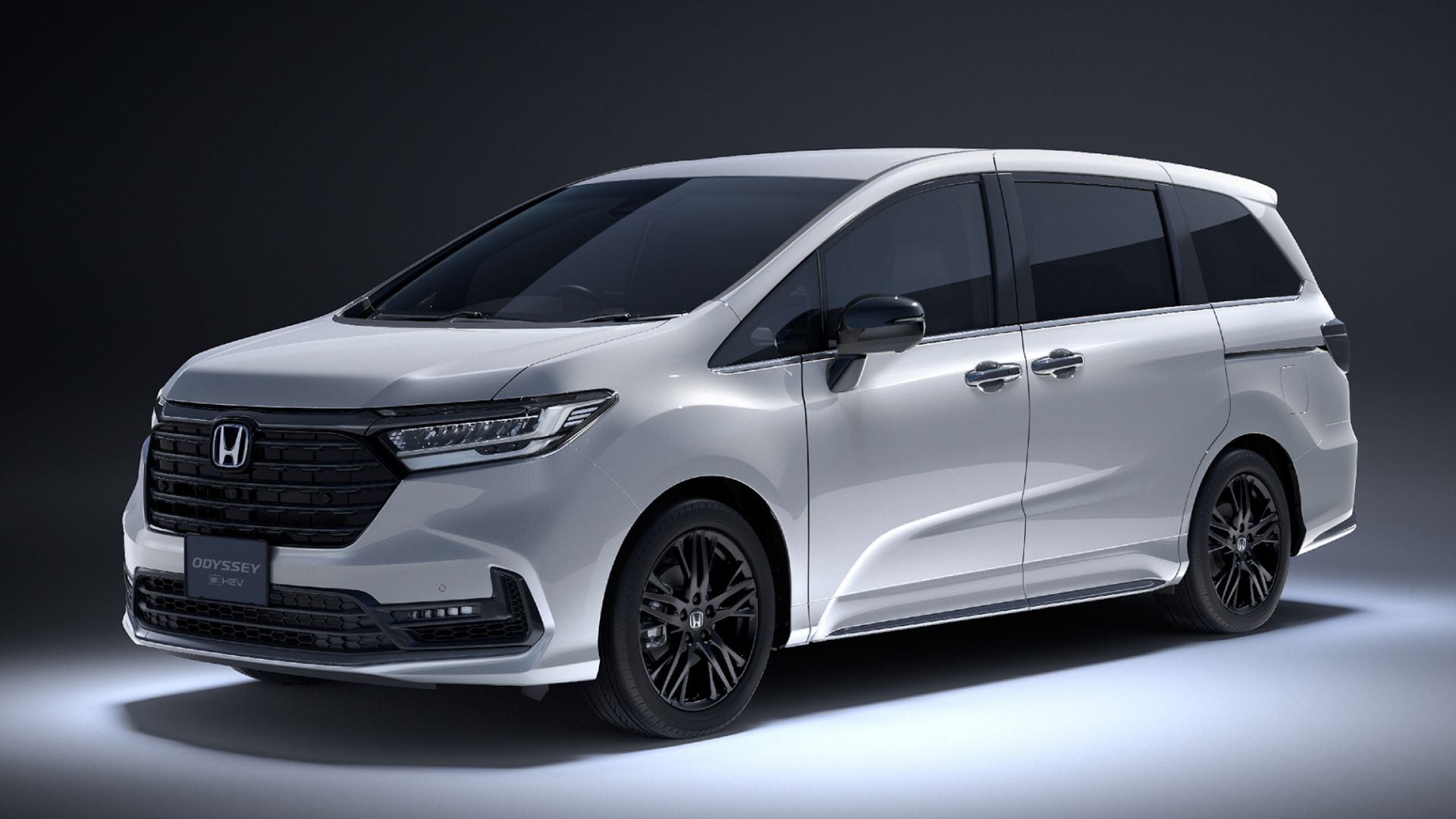
For years, the Honda Odyssey was the gold standard of minivan safety. It was genuinely remarkable back in 2014, when IIHS tested a group of minivans on the small overlap frontal test, the Odyssey was the only one to earn a “Good” rating.
While competitors like the Nissan Quest and Dodge Caravan were receiving the lowest possible marks, the Odyssey stood alone at the top of the class. It was a genuine point of pride for Honda.
A decade later, the Odyssey is now the worst-performing minivan in its class under updated IIHS testing. The redesigned moderate overlap front test, which began including rear-seat occupant protection, caught the Odyssey in a difficult position.
IIHS awarded it a “Poor” rating in this test, making it the only minivan to earn the lowest possible score while its rivals received “Marginal” ratings. The Chrysler Pacifica, Kia Carnival, and Toyota Sienna all finished ahead of the Odyssey.
The IIHS noted that forces on the neck and head were higher than acceptable levels in the poorly rated Odyssey. Additionally, the rear seat belt allowed the crash dummy’s head to get dangerously close to the front seatback during impact.
Honda responded by pointing to its long history of safety leadership and noted improvements in later models, which addressed the seat belt concern and improved the score in that category.
It is a dramatic reversal for a vehicle that built its reputation on being the safest family hauler available. The Odyssey’s structural integrity remains solid, but the rear occupant restraint design has become its Achilles’ heel.
Specifications (Honda Odyssey):
- Engine: 3.5L i-VTEC V6
- Horsepower: 280 hp
- Torque: 262 lb-ft
- Length: 203.2 inches
- Width: 77.8 inches
Older Crash Test Rating (2014–2015 IIHS): Good, the only minivan to earn this rating in small overlap frontal testing. Industry-leading safety designation.
Current IIHS Rating: Poor in updated moderate overlap front (rear-seat). Lowest rating among all tested minivans.
4. Kia K5
The Kia K5 debuted for the 2021 model year and quickly made a strong impression with its bold styling, powerful engine options, and early safety ratings that supported the image of a refined, competitive midsize sedan.
The K5 was viewed as a serious contender against the Honda Accord and Toyota Camry in the segment, and its early IIHS scores backed that reputation up reasonably well.
However, things changed sharply when IIHS applied its updated moderate overlap front test with rear-seat evaluation criteria. The current K5 received a “Poor” rating in this test.
The rear dummy recorded alarming injury measures for the head, neck, and chest. IIHS specifically identified submarining, where the pelvis slides under the seat belt during a crash, as one of the primary problems, leading to raised injury readings throughout the lower and upper body of the rear dummy.
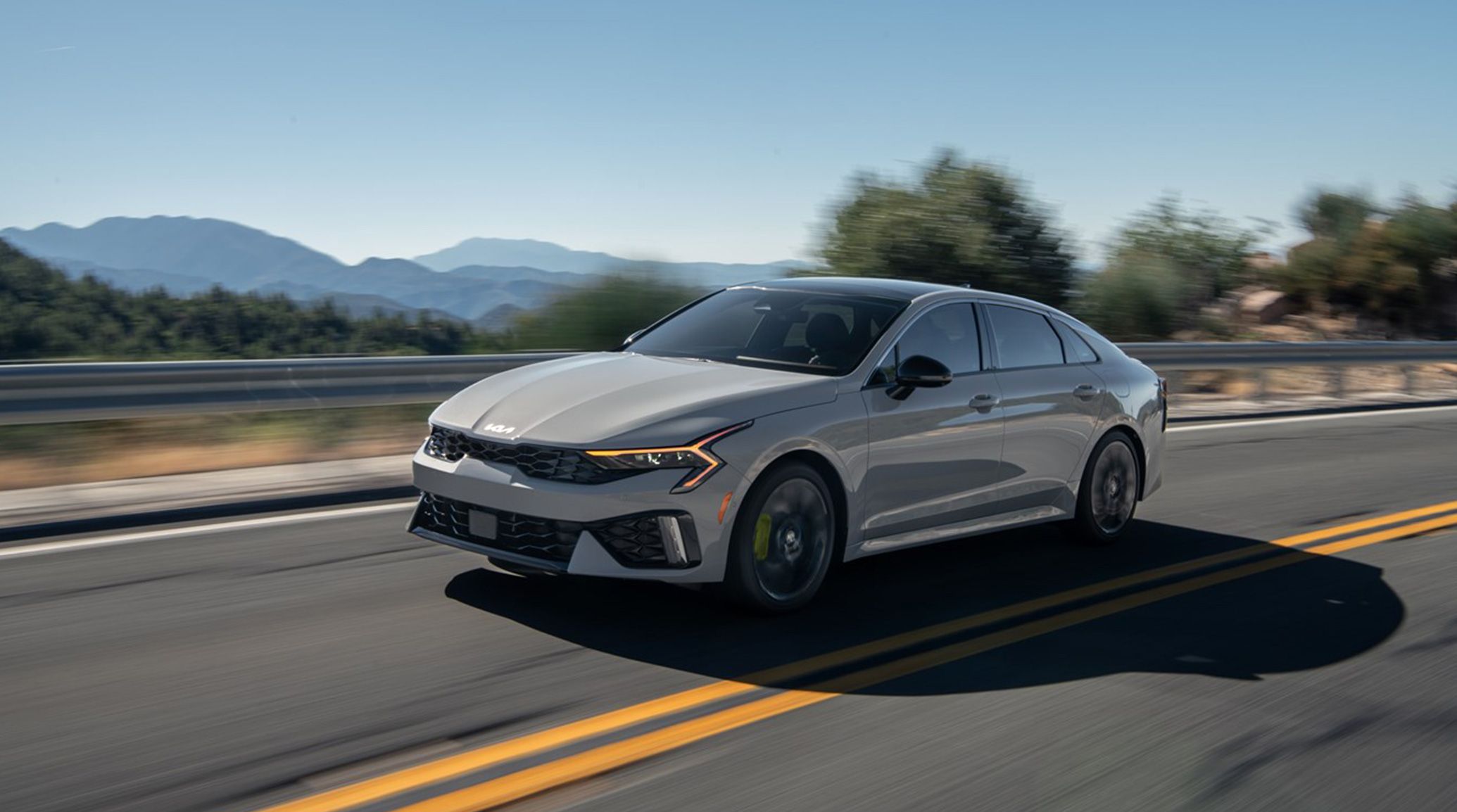
The K5’s situation was further complicated by reports naming it among the vehicles with higher-than-average fatal accident rates per billion miles driven. That external data, combined with the IIHS’s poor rating, painted a concerning picture.
To make matters worse, when Kia refreshed the K5’s exterior for its latest iteration, the moderate overlap test returned a “Marginal” rating, a slight improvement over “Poor,” but still far below the standard set by segment leaders.
Despite its safety challenges, the K5 remains a feature-rich and engaging sedan. Kia has emphasized its commitment to addressing the issue in future iterations of the vehicle.
Specifications (Kia K5):
- Engine: 2.5L Turbocharged 4-cylinder
- Horsepower: 290 hp
- Torque: 311 lb-ft
- Length: 191.1 inches
- Width: 73.2 inches
Older Crash Test Rating (2021 IIHS initial test): Good in original moderate overlap front and small overlap front tests. Performed competitively on early evaluations.
Current IIHS Rating: Poor in updated moderate overlap front (rear-seat). Marginal after exterior refresh.
Also Read: 9 Hidden Features in Subaru Cars Buried in the Menus
5. Volkswagen Jetta
The Volkswagen Jetta has long been one of the most popular compact sedans. In 2015, it carried a reputation for solid European-built safety and structural integrity that matched its premium positioning.
That generation of Jetta earned Good ratings from IIHS across the critical frontal crash categories, and it was widely considered among the safer options in the compact sedan segment.
When the Jetta was fully redesigned, the new generation initially maintained strong ratings in the standard IIHS test battery, earning Good marks in small overlap front, moderate overlap front, and side crash testing.
That began to change, however, as IIHS upgraded its moderate overlap front test to include rear-seat protection. The current Jetta now earns a “Poor” rating in the updated moderate overlap front test, a steep drop from its prior Good performance in the same category.

The failure stems from rear-seat belt behavior during the crash, a phenomenon known as submarining, where the lap belt migrates upward onto the abdomen, and the shoulder belt drifts toward the neck.
This creates excessive force on the torso and raises the risk of spinal and abdominal injuries. The Jetta’s situation mirrors that of the Hyundai Sonata, with which it earned identical “Poor” rear-seat ratings in the same round of testing.
Additionally, the current Jetta earned a “Poor” rating for seat belt reminders, indicating that its audible and visual cues for unfastened rear belts are inadequate by modern standards a concern for families with children in the back seat.
Specifications (Volkswagen Jetta):
- Engine: 1.5L Turbocharged 4-cylinder
- Horsepower: 150 hp
- Torque: 184 lb-ft
- Length: 186.5 inches
- Width: 70.8 inches
Older Crash Test Rating (2015–2018 IIHS): Good in moderate overlap front, Good in small overlap front, Good in side impact. No significant deficiencies noted.
Current IIHS Rating: Poor in updated moderate overlap front (rear-seat). Poor in seat belt reminders.
6. Cadillac XT6
The Cadillac XT6 was launched as GM’s three-row luxury SUV, positioning itself against the BMW X5, Audi Q7, and Volvo XC90. In its early years, it earned respectable IIHS marks including a Top Safety Pick award that reinforced the premium, safety-conscious image Cadillac was actively promoting.
It performed well in the original moderate overlap front and side crash tests, earning “Good” ratings in both categories. That award, however, is now gone.
The current Cadillac XT6 received not just one but two “Poor” ratings from IIHS in the updated moderate overlap front test and in the updated side collision test.
Two poor ratings in a single round of evaluation represent a significant fall for any vehicle, but it is particularly damaging for a luxury SUV where buyers expect the highest levels of protection.
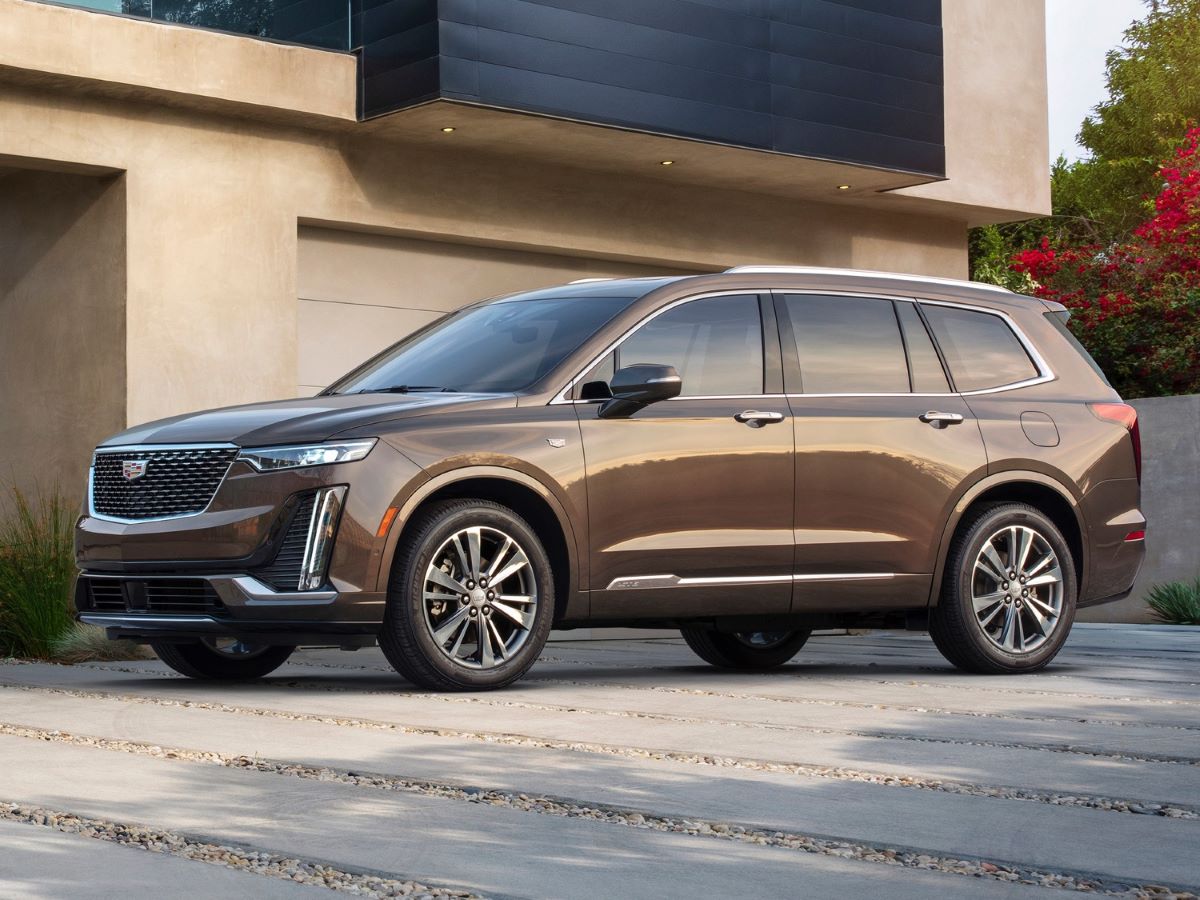
In the updated moderate overlap test, the XT6’s front end structure crumpled in a manner that increased the risk of serious front-end collision injuries.
In the side collision test, occupant protection was found to be insufficient under the revised, more stringent parameters that IIHS introduced in 2021. Together, these results have caused the XT6’s safety profile to deteriorate sharply relative to how it looked even just a few model years ago.
The XT6 carries the same underlying platform architecture as the GMC Acadia, which itself has experienced similar struggles under the updated evaluation criteria. Cadillac has yet to announce a redesign that would comprehensively address these specific structural findings.
Specifications (Cadillac XT6):
- Engine: 3.6L V6 naturally aspirated
- Horsepower: 310 hp
- Torque: 271 lb-ft
- Length: 198.8 inches
- Width: 75.3 inches
Older Crash Test Rating (2020–2022 IIHS): Good in original moderate overlap front and side crash tests. The IIHS Top Safety Pick was designated in early model years.
Current IIHS Rating: Poor in the updated moderate overlap front and Poor in the updated side crash test. The Top Safety Pick award was lost.
7. Honda Ridgeline
The Honda Ridgeline has always occupied a unique niche as an unibody pickup truck that prioritizes everyday drivability and passenger comfort over traditional body-on-frame truck utility. When the second-generation Ridgeline launched, it earned very strong safety scores.
It was awarded a Top Safety Pick designation from IIHS and earned a five-star rating from NHTSA. It was, for a time, considered one of the safest trucks money could buy.
Today, the Ridgeline’s crash test results tell a far more troubling story. The current Honda Ridgeline has received a “Poor” rating in the updated IIHS moderate overlap front crash test, making it one of the worst performers in the midsize truck segment under current criteria.
The IIHS specifically cited rear-seat occupant protection as the primary deficiency the rear dummy recorded high injury measures for the head and chest, with the seat belt providing insufficient control during the impact.
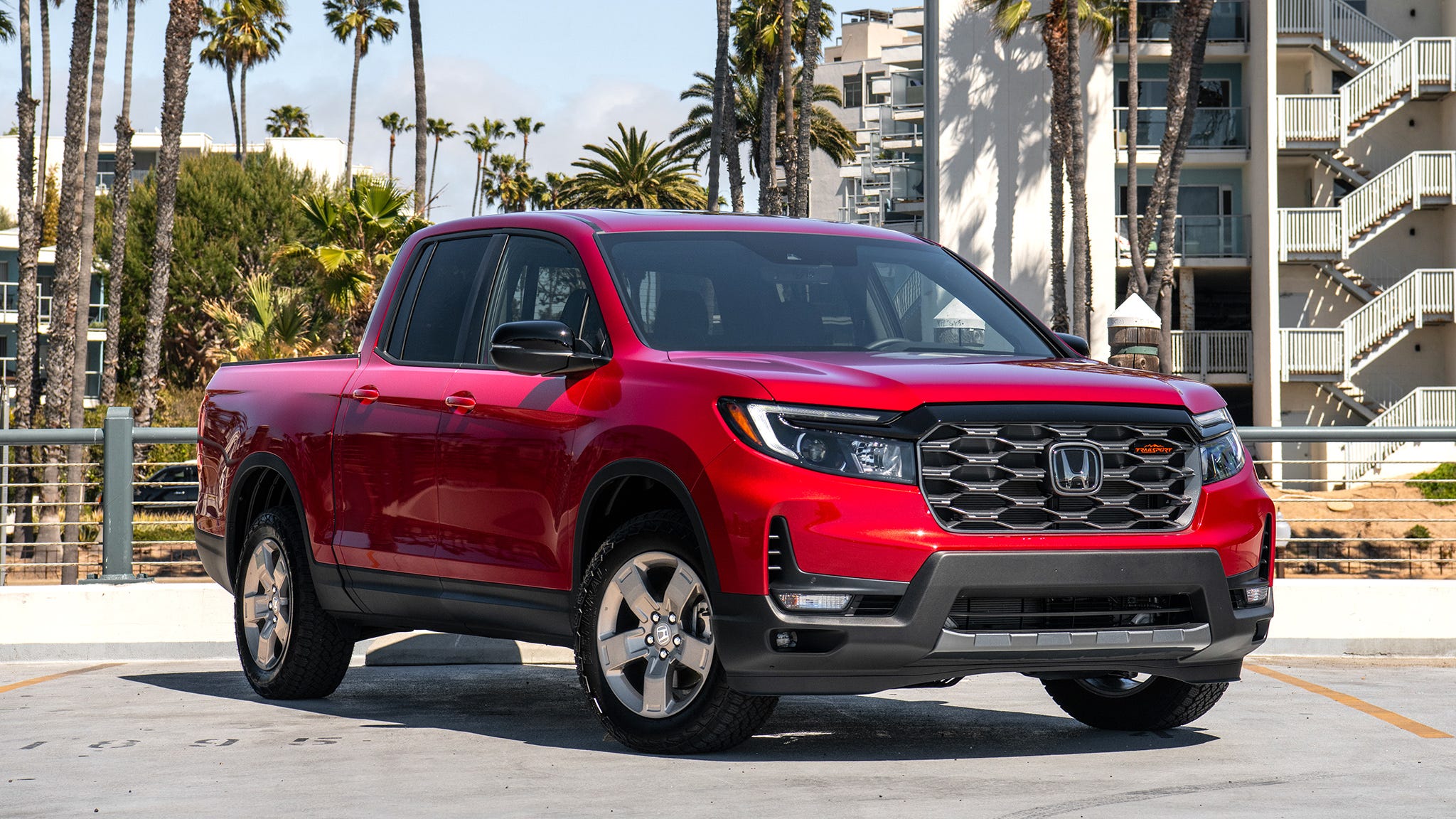
The Ridgeline’s small overlap frontal test results also drew criticism. The front dummy’s head was observed barely contacting the frontal airbag before sliding off and coming into contact with the dashboard, a finding that indicates airbag deployment geometry may be insufficient for oblique impact scenarios.
The headlights were rated “Marginal,” with the LED low beams offering inadequate visibility on curved roads. These combined findings represent a significant departure from the truck’s earlier safety reputation.
The Ridgeline continues to use an older V6 engine architecture, and many observers have noted that the truck is overdue for a comprehensive redesign that would allow Honda to address these structural and restraint-system concerns.
Specifications (Honda Ridgeline):
- Engine: 3.5L V6 (VTEC)
- Horsepower: 280 hp
- Torque: 262 lb-ft
- Length: 210.2 inches
- Width: 78.2 inches
Older Crash Test Rating (2017–2018 IIHS): Good in moderate overlap front and side crash tests. IIHS Top Safety Pick awarded. Five-star NHTSA overall rating.
Current IIHS Rating: Poor in updated moderate overlap front. Marginal headlights. Significant drop in overall safety standing.
8. Nissan Altima
The Nissan Altima was a segment benchmark for affordable midsize sedan safety throughout the 2010s. The fifth-generation model earned multiple Top Safety Pick awards from IIHS in that era, with consistently strong performance across frontal, side, and roof strength evaluations.
In 2015, the Altima was widely recommended by consumer safety guides as a reliable and well-protected daily driver. The current generation has struggled significantly under updated testing criteria.
The latest Altima did not earn a Top Safety Pick or Top Safety Pick+ award, failing in multiple test categories. Most critically, IIHS awarded the Altima a “Marginal” rating in the updated moderate overlap front test.
In a separate round of updated side-impact testing, the Altima fared even worse, receiving a “Poor” rating, with IIHS observing that the driver dummy sustained hard blows to the head after it contacted the window sill during the side collision.
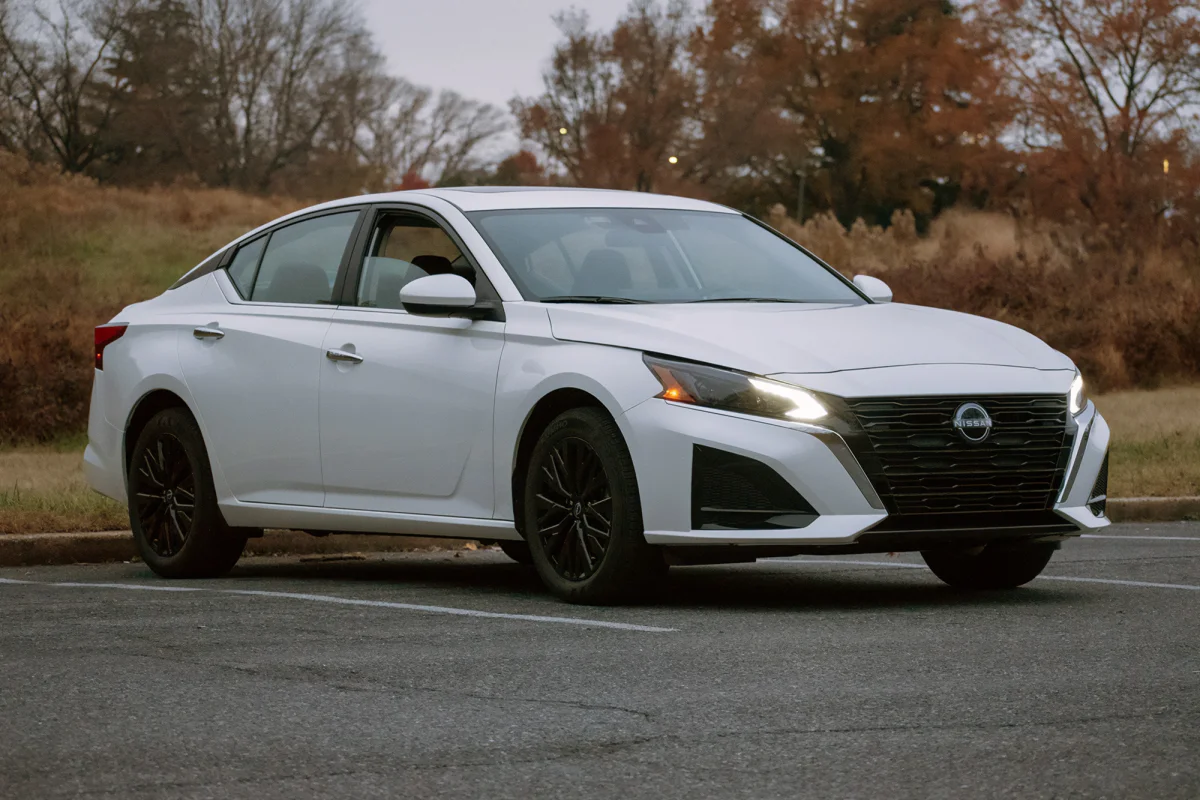
In that side test, driver pelvic and torso protection was found to be inadequate. Head protection was described as insufficient, and the recorded forces on the head and neck were categorized as marginal at best.
This is a notable contrast to the Altima’s performance in earlier testing eras, when side-impact protection was consistently rated Good. The pedestrian automatic emergency braking system also performed poorly in nighttime testing scenarios.
Nissan has been gradually introducing improvements to the Altima’s driver assistance systems, but the underlying structural and restraint concerns that have driven these declining ratings have not yet been fully resolved in current models.
Specifications (Nissan Altima):
- Engine: 2.0L VC-Turbo 4-cylinder (Variable Compression)
- Horsepower: 248 hp
- Torque: 273 lb-ft
- Length: 192.9 inches
- Width: 72.9 inches
Older Crash Test Rating (2014–2016 IIHS): Good in moderate overlap front, Good in small overlap front, Good in side crash. Multiple Top Safety Pick designations awarded.
Current IIHS Rating: Marginal in updated moderate overlap front. Poor in updated side crash test. No IIHS award designation for current models.
Also Read: 5 Cadillac Models Worth the Money vs 5 Overpriced Ones
