
Reliability remains one of the biggest factors car buyers consider before making a purchase decision. A dependable car saves money on repairs, reduces downtime, and offers peace of mind for years of ownership.
Every year, organizations like Consumer Reports and J.D. Power release detailed studies analyzing hundreds of thousands of vehicles. These reports track problem areas, owner satisfaction, and long-term durability across brands and models.
For 2025-2026, the results show a familiar pattern. Japanese and Korean automakers continue to dominate the top spots. Asia-based automakers continue to lead the industry in reliability, with an average score of 56 for the region on a scale of 1 to 100.
European brands like BMW have also made significant strides. European automakers rank second with a score of 50, and only BMW made the list of the top 10 most reliable brands.
Even electric vehicle makers are catching up. Tesla posted its best reliability scores ever this year, surprising many longtime critics. Below, we break down eight companies currently producing the most reliable cars on the market. Each section covers their engineering philosophy, standout models, and what makes them trustworthy choices.
1. Toyota
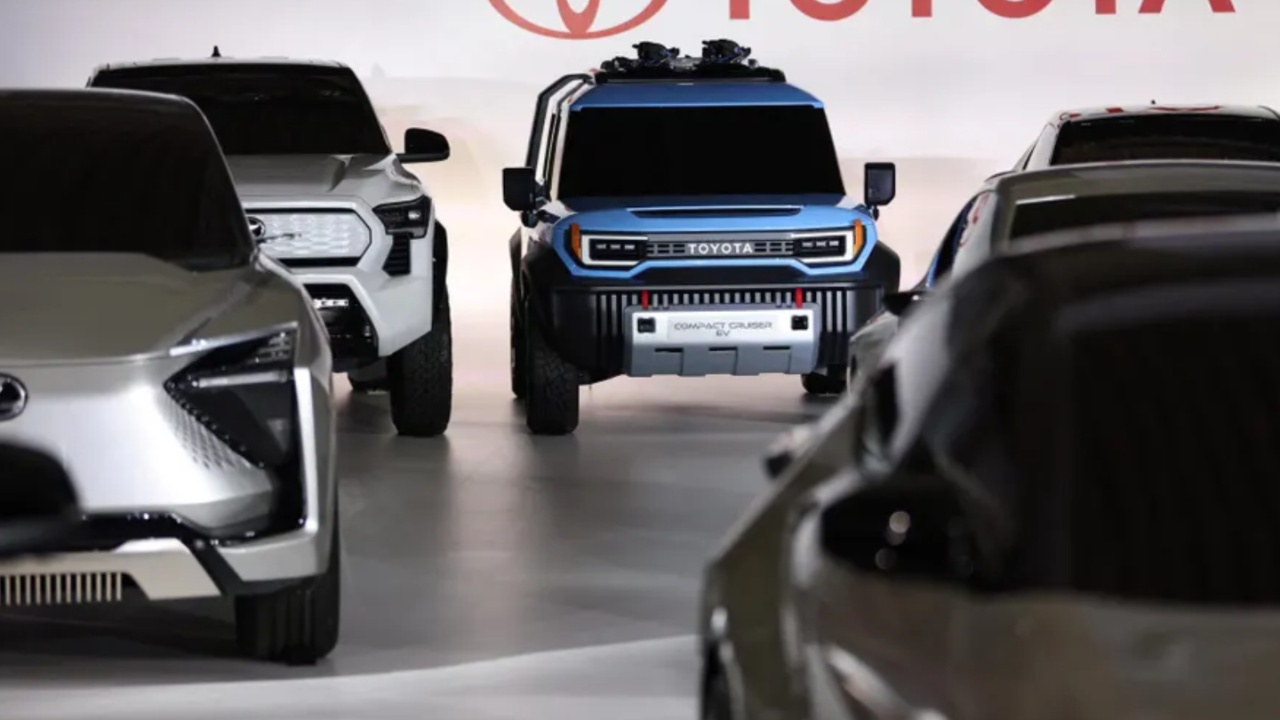
Toyota has long been the gold standard for automotive reliability. The brand once again topped the charts in the latest rankings. Toyota leads Consumer Reports’ 2026 reliability study with a score of 66 out of 100. That score sits far above the industry average.
The gap between Toyota and lower-ranked brands isn’t small. It represents a fundamental difference in engineering philosophy that has held for decades. Toyota’s secret lies in its conservative approach to new technology. The company rarely rushes unproven systems into production.
Its philosophy of continuous, incremental improvement ensures that even when a model is redesigned, the core mechanical components are often vetted versions of existing, proven hardware. This reduces the risk of major faults.
Toyota’s hybrid systems are a major reason for its dominance. The brand has spent over twenty years refining this technology. While other manufacturers struggle with the complexity of electrified systems, Toyota has refined its hybrid powertrains over two decades. This experience shows in real-world durability.
The numbers back this up across multiple studies. Six of the top ten most reliable cars this year are Toyota models. Specific models stand out for their dependability. The 4Runner stands out as the most reliable individual Toyota model, even after a complete redesign in 2025.
The Toyota Corolla also has a stellar reputation. It has historically ranked as one of the most reliable cars sold anywhere. Other strong performers include the Camry, RAV4, and Tacoma. These models use proven platforms with minimal year-to-year mechanical changes.
Toyota’s build quality extends to interior materials and electronics. Components are tested extensively before reaching production vehicles. The brand also benefits from a massive global parts network. Repairs are typically affordable and easy to source.
Resale values for Toyota vehicles remain among the highest in the industry. This reflects buyer confidence in long-term durability. Toyota dealerships also maintain strong service reputations. Routine maintenance is straightforward and well-documented.
For buyers prioritizing low ownership costs, Toyota remains the safest bet. Decades of data support this reputation. Whether choosing a sedan, SUV, or hybrid, Toyota consistently delivers. It’s no surprise the brand tops nearly every reliability list.
2. Subaru
Subaru has emerged as one of the most consistently reliable automakers in recent years. The brand has topped Consumer Reports’ rankings for two years running.
CR named Subaru the No. 1 brand for the second straight year in its 2026 report card. This is a significant achievement. What makes Subaru special is its engineering consistency. The brand sticks to a tried-and-tested mechanical formula across its lineup.
Subaru remains among the top three most reliable brands thanks to sticking to a standardized mechanical formula. Most models share the same boxer engine architecture.
This standardization helps engineers identify and fix issues quickly. Problems in one model often get resolved across the entire lineup. Subaru’s reliability isn’t just about mechanics. The brand also scores well in owner satisfaction surveys.
CR’s senior director of auto testing noted that Subaru models excel in areas that may not be immediately apparent during a test drive. Long-term comfort and durability are key strengths.
Specific models have driven this success. The Impreza and Crosstrek have been particularly strong performers in recent reliability surveys. The Outback also remains a fan favorite. It combines all-wheel-drive capability with dependable powertrains.
Subaru’s all-wheel-drive system is standard on nearly every model. This adds mechanical complexity but has proven durable over decades. The Forester continues to be praised for its simplicity. It avoids overly complex technology that could fail prematurely.
Subaru owners also tend to keep their vehicles longer than average. This loyalty speaks to the trust built over years of ownership. Pricing remains competitive compared to rivals. Subaru offers strong value alongside its reliability credentials.
Safety ratings are another major selling point. Subaru consistently earns top marks from crash-test agencies. The brand’s relatively simple lineup also helps quality control. Fewer models mean more focused engineering resources.
For buyers in snowy or rural areas, Subaru’s combination of AWD and reliability is hard to beat. It has become a go-to choice for practical, long-lasting vehicles. Subaru’s rise to the top reflects steady, unglamorous engineering. Sometimes the simplest approach wins.
3. Lexus
Lexus, Toyota’s luxury division, consistently ranks among the most dependable premium brands worldwide. It has held this position for years. In the 2026 J.D. Power U.S. Vehicle Dependability Study, Lexus secured the top spot for premium brands for the fourth consecutive year. That’s an impressive streak.
The numbers tell the story clearly. Lexus recorded a score of 151 problems per 100 vehicles, well below the industry average. Lexus achieves this by leaning on Toyota’s proven engineering. Many components share underpinnings with reliable Toyota models.

The IS sedan is currently ranked as the most reliable Lexus model, while the NX is also highly rated thanks to its Toyota-based underpinnings. Shared platforms mean shared reliability.
Lexus also avoids overly aggressive tech rollouts. This cautious approach pays off in long-term durability. By prioritizing physical controls and proven hybrid powertrains over complex software-heavy interfaces, Lexus effectively avoided the industry-wide surge in infotainment and connectivity defects. This is a major differentiator.
Hybrid technology plays a big role here, too. Lexus hybrids benefit from the same refined systems found in Toyota vehicles. Key segment winners for Lexus include the GX in the Midsize Premium SUV category and the IS in the Compact Premium Car segment. Both reflect Toyota-derived engineering.
The brand’s interior quality also stands out. Materials are built to withstand years of daily use. Lexus dealerships are known for excellent customer service. This adds to the ownership experience.
Resale values remain strong for nearly all Lexus models. Buyers trust that depreciation will be manageable. The RX and ES models are also frequently praised. Both combine comfort with mechanical simplicity.
Electrified Lexus models have occasionally shown minor issues. However, the core lineup remains exceptionally strong. For buyers wanting luxury without sacrificing dependability, Lexus is the clear choice. It blends premium features with Toyota’s engineering DNA. This combination is difficult for rivals to replicate. Few luxury brands can match this level of consistency.
4. Honda
Honda has built its reputation on straightforward, well-engineered vehicles. The brand consistently ranks in the top five for reliability. Honda placed fourth in Consumer Reports’ 2026 brand report card. This reflects strong performance across the lineup.
Honda’s approach focuses on engineering fundamentals. The company avoids unnecessary complexity in its vehicle designs. Honda continues to offer products that maintain an enviable blend of performance, reliability, and fun driving characteristics. Few brands balance these traits as well.
Specific models highlight this strength. The Honda Passport regularly receives very high reliability scores thanks to its tried and tested underpinnings.
The Civic is another standout performer. The Honda Civic stands out for its dependability without compromising on interior tech or performance. Honda’s engines have a reputation for longevity. Many owners report vehicles lasting well past 200,000 miles with basic maintenance.
The CR-V remains one of the best-selling compact SUVs for good reason. It combines practicality with proven mechanics. The Honda Passport scored well above average in this year’s reliability survey, alongside the Lexus IS and Toyota 4Runner. This puts Honda in elite company.
Honda’s hybrid systems have also matured significantly. The Accord Hybrid and CR-V Hybrid both earn praise for dependability. Transmission reliability has historically been a Honda strength. Modern CVT units have improved compared to earlier generations.
The Pilot and Odyssey serve families well over long ownership periods. Both models maintain strong reputations for durability. Honda’s manufacturing quality control is rigorous. Plants follow strict standards across global production facilities.
Maintenance costs tend to be reasonable. Parts are widely available and technicians are familiar with Honda systems. Safety technology has also improved without sacrificing reliability. Honda Sensing features have proven dependable in real-world use.
For buyers seeking a balance of fun, efficiency, and dependability, Honda remains a top recommendation. Its engineering philosophy continues to pay dividends.
Also Read: 8 Things to Look For on a Test Drive Most People Miss
5. BMW
BMW stands out as the most reliable European automaker by a wide margin. This is a notable achievement given the competitive luxury segment.
Only BMW made the list of the top 10 most reliable brands among European automakers, and its 2 Series was the highest-scoring European model in this year’s survey.
The brand’s standing has also improved significantly. BMW ranked second in Consumer Reports’ 2026 brand report card, behind only Subaru. BMW’s reliability score reflects this progress. BMW ranks fifth in the 2026 reliability study with a score of 58.
This is impressive considering BMW’s reputation for complex engineering. The brand packs advanced technology into nearly every model. Executives have credited consistent quality across the lineup.
BMW has made very highly desirable models for years, and their reliability easily outshines all of their European rivals. The 2 Series has emerged as a particular bright spot. Its relatively simple powertrain options contribute to fewer issues.
BMW’s larger sedans and SUVs have also improved. The X3 and 3 Series benefit from mature platforms. Engine reliability has been a focus area for BMW engineers. Turbocharged four-cylinder and six-cylinder units have shown improved durability.
Software updates remain a challenge for many automakers. BMW has managed this better than most European competitors. iDrive infotainment systems have become more stable over recent generations. This reduces a common source of owner complaints.
BMW’s electric and hybrid models are still relatively new. However, early data suggest reasonable reliability so far. Maintenance costs for BMW vehicles remain higher than those of mainstream brands. This is typical for luxury vehicles with advanced features.
Owners who follow recommended service schedules tend to report fewer major problems. Preventive maintenance matters significantly for German vehicles.
For luxury buyers wanting genuine reliability, BMW has earned its position. It proves European engineering can compete with Japanese dependability. This represents a meaningful shift in the reliability world. BMW’s progress challenges old assumptions about luxury car ownership.
6. Acura
Acura, Honda’s luxury arm, has quietly become one of the most dependable premium brands. It often gets overlooked compared to flashier competitors.
Acura ranked ninth in Consumer Reports’ 2026 brand report card. This places it ahead of many established luxury names. The brand benefits directly from Honda’s engineering expertise. Many Acura models share platforms and powertrains with Honda counterparts.
This shared development reduces risk significantly. Components are tested across higher sales volumes before reaching Acura badges. The Acura MDX has built a strong reputation among three-row SUV buyers.
Its V6 engine has a long history of dependable performance. The RDX compact SUV is another consistent performer. It combines turbocharged efficiency with Honda-derived reliability.

Acura’s TLX sedan offers a sportier driving experience. Despite this, reliability scores remain competitive within the segment. Interior quality has improved substantially in recent generations. Materials now better reflect the brand’s premium positioning.
Acura’s Super Handling All-Wheel Drive system has proven durable over time. This is impressive given its mechanical complexity. Resale values for Acura vehicles tend to hold up well. This reflects buyer confidence in long-term ownership costs.
Maintenance expenses are generally lower than those of European luxury rivals. Acura dealerships often provide more affordable service options. The brand’s hybrid offerings have also performed reasonably well. Acura has been cautious about rushing new electrified technology.
Acura doesn’t always get the attention of brands like Lexus or BMW. However, the data consistently places it among reliability leaders. For buyers seeking near-luxury features with mainstream dependability, Acura offers a compelling combination. It remains an underrated choice in the premium segment.
This combination of value and reliability continues to attract loyal owners. Word-of-mouth reputation has helped sustain Acura’s position for decades.
7. Buick
Buick has emerged as a surprising leader among American automakers for reliability. It consistently outperforms domestic rivals in recent studies. The highest-scoring domestic brand is Buick, which ranked in eighth place this year. This is a notable result for a U.S. brand.
Multiple sources confirm this trend. Buick had the highest domestic ranking, coming in eighth in reliability. Buick’s strategy has focused on simpler, well-tested vehicle lineups. The brand avoids overly ambitious technology rollouts.
The Encore and Encore GX have performed well in compact SUV reliability surveys. Both models use proven small-displacement engines. The Enclave large SUV also benefits from a mature platform. Its V6 engine has a solid track record across General Motors vehicles.
Buick’s positioning as an “affordable luxury” brand helps with quality expectations. Buyers often find that the vehicles exceed expectations for the price. Interior comfort and quietness remain Buick hallmarks. These qualities contribute to high owner satisfaction scores.
The brand’s transmission reliability has improved significantly in recent model years. Earlier generations faced more frequent issues. Buick’s electrical systems have also seen fewer complaints recently. Software stability has improved across GM’s lineup generally.
Many Buick models share components with Chevrolet and GMC vehicles. This shared development helps spread reliability improvements across brands.
Maintenance costs are generally reasonable compared to luxury imports. Parts availability benefits from GM’s extensive dealer network. Buick’s success shows that domestic brands can compete on reliability. It challenges the assumption that American cars inherently lag behind.
For buyers wanting comfortable, well-equipped vehicles without import pricing, Buick offers genuine value. Its reliability gains deserve more attention than they typically receive.
This progress represents a meaningful shift for American manufacturing. Buick’s rise offers hope for other domestic brands seeking similar improvements.
8. Tesla
Tesla represents the most dramatic reliability turnaround in recent memory. The brand has historically struggled with quality control complaints. Tesla rounds out the top 10 in Consumer Reports’ 2026 brand report card, marking the first time the EV specialist’s full brand has earned such praise. This is a major milestone.
The improvement has been substantial. Tesla made the largest improvement of any brand in 2026, jumping eight positions to ninth place. Specific models have driven this progress. The Model 3 and Model Y emerged as the most reliable EVs in the data, with the Model Y scoring 81 out of 100.
Experts attribute this to production longevity. Jake Fisher noted that Tesla makes the most reliable electric vehicles now, largely because most Tesla models have been in production longer than rivals.

The Model S exemplifies this principle. The Tesla Model S hasn’t been redesigned in 15 years, allowing it to be refined over time. This pattern mirrors traditional automakers’ approach. Conservative iteration over many years explains why Japanese brands have dominated reliability rankings for decades.
However, older Tesla vehicles still face challenges. Five- to ten-year-old Teslas rank last in reliability for vehicles of that age range. This suggests early production vehicles had lingering issues. Newer manufacturing processes appear significantly more refined.
Tesla’s Model Y has become particularly impressive. Its high reliability score rivals many established gas-powered vehicles. Build quality complaints, once common, have decreased substantially. Panel gaps and paint issues are far less frequently reported now.
Software remains a Tesla strength rather than a weakness. Over-the-air updates often fix issues remotely without dealer visits. Battery and drivetrain reliability have also matured. Long-term data now support Tesla’s electric powertrain durability claims.
For EV buyers prioritizing reliability, Tesla has closed the gap with traditional brands. This marks a significant shift in the electric vehicle world. Tesla’s progress also signals broader change. As legacy automakers refine their EV platforms, similar improvements may follow industry-wide.
Also Read: 8 Chevy Tahoes Ranked From Worst to Best
