
Nissan Motor is entering a critical phase in its recovery strategy, and its latest turnaround plan reflects a decisive shift in direction. The company has confirmed it will cut 11 models from its global lineup, reducing the total from 56 to 45.
This move is not simply about downsizing, it represents a broader effort to restore profitability, sharpen brand identity, and compete more effectively in a rapidly evolving automotive landscape.
For years, Nissan’s challenges have stemmed from an overly fragmented product portfolio. The company expanded across multiple segments without maintaining consistent product cycles, resulting in an aging lineup and declining competitiveness.
Rather than continuing to stretch resources across underperforming vehicles, Nissan is now eliminating weaker models and concentrating investment where it can deliver stronger returns.
This restructuring is anchored in a clearer product framework. Nissan plans to organize its vehicles into four categories: Heartbeat, Core, Growth, and Partner. Each serves a distinct strategic role.
Heartbeat models are designed to sustain brand identity and emotional appeal, while Core models focus on high-volume, mainstream segments. Growth models target emerging opportunities, and Partner models leverage alliances to reduce development costs and expand reach.
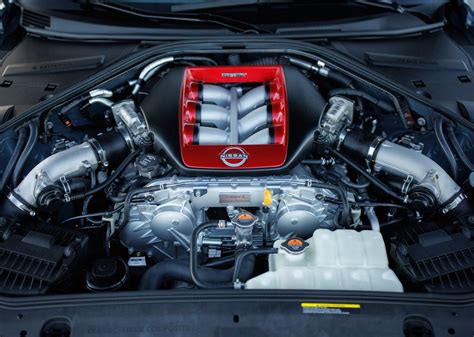
The underlying objective is efficiency with purpose. By narrowing its lineup, Nissan can allocate more capital toward fewer, more competitive vehicles. This is particularly important as the industry accelerates toward electrification.
Despite being an early pioneer with the Leaf, Nissan has struggled to maintain leadership in electric and hybrid technologies. The new plan aims to correct this by prioritizing advanced powertrains and shortening development cycles.
Geographic focus is another key element of the strategy. Nissan is doubling down on its primary markets, the United States, Japan, and China, while relying more heavily on partnerships in other regions. This approach reduces operational complexity and ensures that resources are directed toward markets with the highest potential returns.
Notably, the company is retaining its performance and heritage models, even if they contribute less to sales volume. This reflects an understanding that brand equity is not built on volume alone.
Vehicles that generate enthusiasm and reinforce identity play a critical role in long-term positioning, particularly as competition intensifies across both traditional and electric segments.
However, the plan is not without risk. A reduced lineup limits market coverage, leaving less room for error if new or updated models fail to resonate with consumers.
The success of this strategy will depend heavily on execution, specifically Nissan’s ability to deliver compelling products that meet evolving expectations in design, technology, and efficiency.
What Nissan is undertaking is not merely a reduction in scale, but a recalibration of priorities. The company is shifting from breadth to depth, from volume-driven expansion to targeted competitiveness. In an industry defined by rapid technological change and tightening margins, that shift may be necessary.
If executed effectively, this turnaround plan could mark a pivotal moment for Nissan. Rather than a retreat, the decision to cut 11 models may ultimately be seen as the foundation of a more focused and resilient future.
