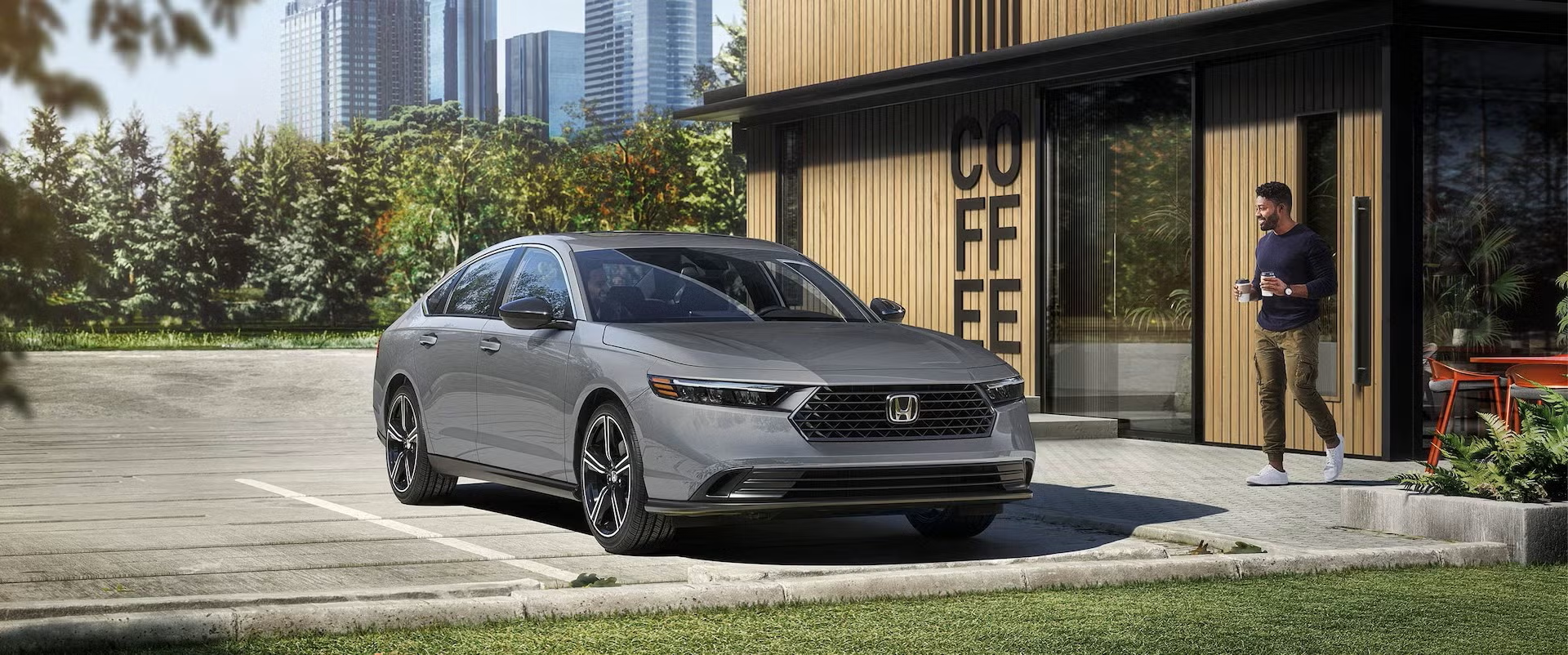
Honda has confirmed it will withdraw from the South Korean passenger car market by the end of 2026, bringing a 23-year chapter to a close. The decision reflects a sustained downturn in sales, mounting competitive pressure, and broader structural shifts in the country’s automotive landscape.
The move leaves Toyota as the only remaining high-volume Japanese car brand operating in South Korea, following the earlier departure of Nissan in 2020.
The announcement was made on April 23, with regional CEO Lee Ji-hong citing a combination of factors behind the exit. These include changing market conditions, adverse currency dynamics, and the need to reallocate corporate resources toward more strategic priorities.
While new vehicle sales will cease, Honda has stated that it will maintain after-sales services, spare parts supply, and warranty coverage for a minimum of eight years, aiming to protect existing customers and preserve brand credibility.
The underlying commercial context is difficult to ignore. Honda recorded sales of just 1,951 vehicles in South Korea in 2025, marking a 22 percent year-on-year decline.
More strikingly, this represents an 85 percent drop from its peak in 2008, when the company sold 12,356 units and became the first foreign automaker to surpass the 10,000-unit annual sales threshold in the country. That milestone once positioned Honda as a leading imported brand, but its momentum steadily eroded over the following decade.
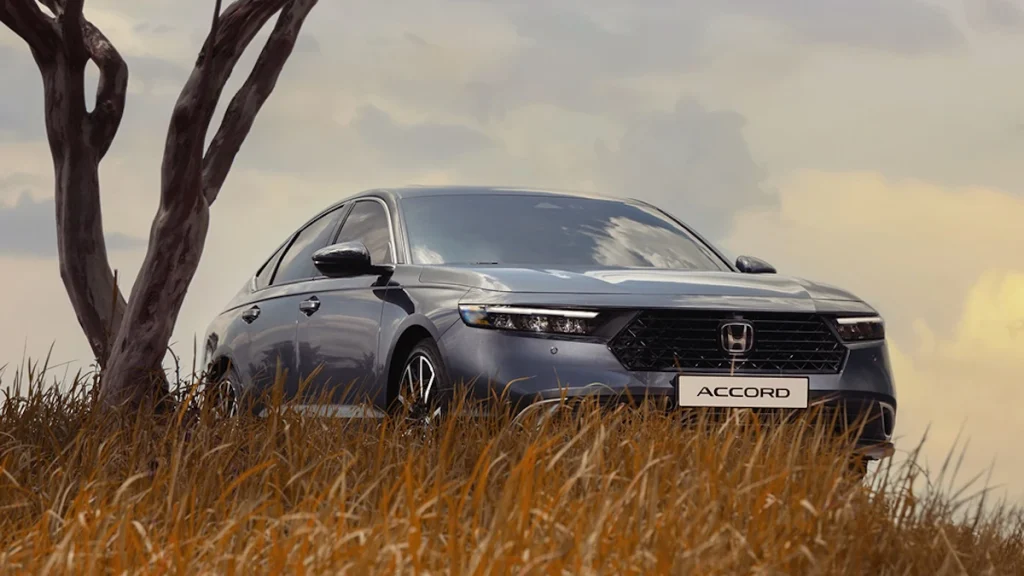
By the time of its exit, Honda’s lineup in South Korea had narrowed to four models: the Accord sedan, CR-V crossover, Odyssey minivan, and Pilot SUV. All were sourced from the company’s manufacturing facilities in Ohio, United States.
This reliance on U.S. production introduced additional financial strain, as a stronger U.S. dollar relative to the Korean won compressed profit margins on imported vehicles. Pricing competitiveness became increasingly difficult to sustain in a market where cost sensitivity remains high.
More decisive, however, has been the dominance of domestic automakers. Hyundai and Kia have consolidated their position with expansive product portfolios, aggressive pricing strategies, and continuous improvements in design and technology. Their rapid advancement in electrification, including both battery-electric and hybrid offerings, has further widened the competitive gap.
At the same time, the import segment has undergone a structural shift. German premium manufacturers have strengthened their foothold, appealing to consumers seeking luxury positioning, while new entrants, particularly from China, have begun to disrupt the market.
BYD, for instance, achieved sales of over 10,000 units within just 11 months of entering South Korea in April 2025, signaling how quickly competitive dynamics can evolve.
Honda’s relative weakness in electrification played a critical role in its decline. The company had previously planned to introduce electric vehicle models tailored for the Korean market but ultimately canceled those initiatives, citing insufficient demand projections.
This left it without a viable response in a market where electrified mobility is gaining traction and where domestic players have invested heavily in battery technology and infrastructure.
The implications of Honda’s withdrawal extend beyond South Korea itself. While market exits by foreign automakers are not uncommon in highly competitive environments such as China, they are less frequent in developed economies with stable regulatory frameworks.
South Korea, as a G20 economy with advanced industrial capabilities, represents a strategically significant market. Exiting such a market signals deeper challenges related to product alignment, cost structure, and long-term competitiveness.
Academic perspectives reinforce this interpretation. Kim Ki-chan, emeritus professor at Catholic University, noted that Japanese automakers struggled to transition away from traditional production paradigms and adapt to rapid industry changes. This critique points to a broader issue of organizational inertia in the face of electrification and digital transformation.
Despite the withdrawal from passenger vehicles, Honda will continue its motorcycle operations in South Korea. The company entered the two-wheeler market in 2001 and has since sold more than 420,000 units, maintaining a leading market share.
This bifurcated outcome, strong performance in motorcycles but retreat in cars, mirrors the experience of Suzuki, which exited the U.S. passenger car market in 2012 while retaining profitable motorcycle and niche operations.
Honda’s departure underscores a broader recalibration within the global automotive industry. Success increasingly depends on localization strategies, electrification readiness, and the ability to compete against both established domestic leaders and agile new entrants. In South Korea, Honda’s earlier success has given way to structural disadvantages it was ultimately unable to overcome.