

American drivers are once again feeling the strain at the gas pump after the national average price for a gallon of regular gasoline climbed to $4.52 this week, marking one of the sharpest fuel price increases seen in recent years.
The spike comes as ongoing supply disruptions tied to instability in the Middle East continue affecting global oil markets, creating fresh anxiety for households already dealing with high living costs and economic uncertainty.
The increase is being felt nationwide, though some regions are experiencing even steeper prices. In parts of California, Nevada, and Washington, drivers are already paying well above $5 per gallon, while several East Coast and Midwest states have also reported rapid increases over the last two weeks.
Analysts say the situation could remain unstable throughout the summer travel season if crude oil supplies continue tightening.
For millions of Americans, the rising cost of fuel is not just an inconvenience. It is quickly becoming a major financial burden that affects commuting, family budgets, vacation plans, and even long-term vehicle purchasing decisions.
Also Read: Why Buying a Hybrid Out of Warranty Is the Single Riskiest Used-Car Purchase?
Middle Eastern Supply Problems Are Driving Oil Prices Higher
Energy analysts point to continuing disruptions in global oil supply chains linked to tensions and shipping concerns in the Middle East as the primary reason behind the sudden jump in gasoline prices.
Several shipping routes critical to global petroleum movement have experienced delays and security concerns, reducing confidence in stable energy supplies and pushing crude oil prices upward.
Because oil is traded globally, even disruptions thousands of miles away can immediately impact American fuel prices. Refiners, distributors, and commodity markets react quickly to uncertainty, especially when supply interruptions involve regions responsible for large portions of the world’s petroleum exports.
Crude oil prices have climbed steadily during the past month, and gasoline prices have followed closely behind. Experts say refinery costs, transportation expenses, and seasonal fuel demand are adding additional pressure as Americans begin preparing for summer travel.
The current national average of $4.52 represents a substantial increase compared with earlier this year, when many states were seeing prices comfortably below the $4 mark. In some areas, drivers are now paying nearly a dollar more per gallon than they were just a few months ago.
That kind of increase can have a major impact on middle-income households, particularly families relying on larger SUVs or pickup trucks for daily transportation.
Household Budgets Are Feeling the Pressure
The timing of the fuel surge has created additional stress for consumers already coping with high grocery prices, upgraded insurance costs, and expensive housing markets.
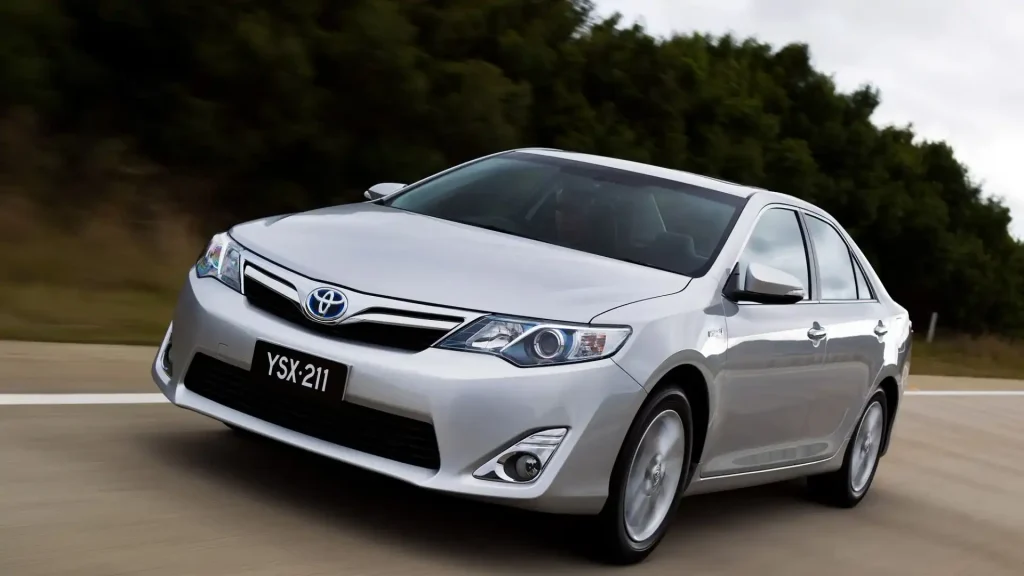
Transportation expenses play a central role in household finances across the United States because many Americans depend heavily on personal vehicles for commuting and daily activities.
For workers with long commutes, the increase is especially painful. A driver filling a 20-gallon tank each week now spends significantly more per month compared with the beginning of the year. Families managing multiple vehicles face even higher costs, particularly in suburban and rural areas where public transportation options remain limited.
Economists warn that rising fuel prices often trigger broader financial consequences beyond gas stations themselves. When consumers spend more on gasoline, they frequently cut back in other areas, including dining, entertainment, travel, and retail purchases.
Businesses also feel the impact because higher fuel costs increase shipping and transportation expenses across the economy. Those additional costs can eventually lead to higher prices for goods and services, creating wider inflation concerns.
The psychological effect matters as well. Gasoline prices are one of the most visible economic indicators consumers encounter daily. Unlike mortgage rates or stock market changes, drivers see fuel prices displayed on large signs every time they pass a station.
Sharp increases can quickly influence public sentiment about the economy, even among people less affected financially.
Buyers Are Rethinking Vehicle Choices
The latest gas price spike is already reshaping conversations inside dealerships across the country. Automotive analysts say rising fuel costs are pushing more consumers toward hybrids, compact crossovers, and used electric vehicles as buyers reconsider the long-term operating costs of larger gasoline-powered models.
Hybrid demand has reportedly increased sharply during recent weeks, particularly for vehicles from Toyota, Honda, Hyundai, and Ford. Many shoppers who previously dismissed hybrids are now taking another look as fuel costs continue climbing. Used electric vehicles are also attracting renewed attention.
Prices for used EVs dropped significantly during the past year due to inventory growth and shifting market demand, making them more affordable than many buyers expected. With gasoline climbing above $4.50 nationally, some consumers now view used EVs as a practical alternative rather than a luxury experiment.
Dealers in several major markets report stronger inquiries for fuel-efficient vehicles compared with large trucks and high-performance SUVs. That shift mirrors earlier periods of high fuel prices, when consumer priorities quickly changed in response to operating costs.
However, the transition is not simple for everyone. Many American families still require larger vehicles for work, towing, or passenger space, especially in rural regions where driving distances remain substantial.
Electric vehicle charging infrastructure also continues to vary widely depending on location, limiting adoption in some parts of the country.
As a result, many consumers are focusing on hybrids as a middle ground between traditional gasoline vehicles and fully electric transportation.
Summer Travel Plans Could Change
The fuel surge is arriving just as Americans begin planning vacations, road trips, and summer travel activities. Travel industry analysts say higher gasoline prices may reduce long-distance driving trips or encourage travelers to shorten vacations in order to control expenses.
Hotels, airlines, rental car companies, and tourism businesses are closely monitoring the situation because fuel costs influence consumer travel behavior heavily during peak vacation months.
Some families may choose destinations closer to home, while others could delay discretionary travel altogether if prices continue rising through the summer. Recreational vehicle owners and boat users are also facing much higher operating costs compared with last year.
The trucking industry is watching carefully as well. Commercial transportation companies rely heavily on diesel fuel, and rising energy prices increase operating expenses across shipping networks nationwide. Those costs can eventually affect pricing for consumer goods, creating broader economic ripple effects beyond transportation alone.
Energy Markets Remain Uncertain
Analysts caution that gasoline prices could remain volatile in the coming months, depending on developments in global energy markets. Much will depend on whether oil supply disruptions ease or intensify during the summer.
Refinery capacity, seasonal demand, and geopolitical stability will all play important roles in determining whether prices stabilize or continue climbing. Weather events such as hurricanes could also complicate the situation later in the season by disrupting refinery operations along the Gulf Coast. For now, consumers are adjusting as best they can.

Some drivers are cutting unnecessary trips, combining errands, or returning to fuel-saving habits that became common during previous gas price spikes. Others are accelerating plans to trade older vehicles for more efficient alternatives before fuel costs rise even further.
Automakers are likely paying close attention to those changing behaviors because sustained high gas prices often reshape the market faster than advertising campaigns or government incentives.
The current national average of $4.52 may not represent the highest fuel price America has ever seen, but it is high enough to change buying habits, pressure household budgets, and reignite concerns about economic stability.
For drivers across the country, every trip to the gas station now serves as another reminder that global events can quickly hit close to home.
