
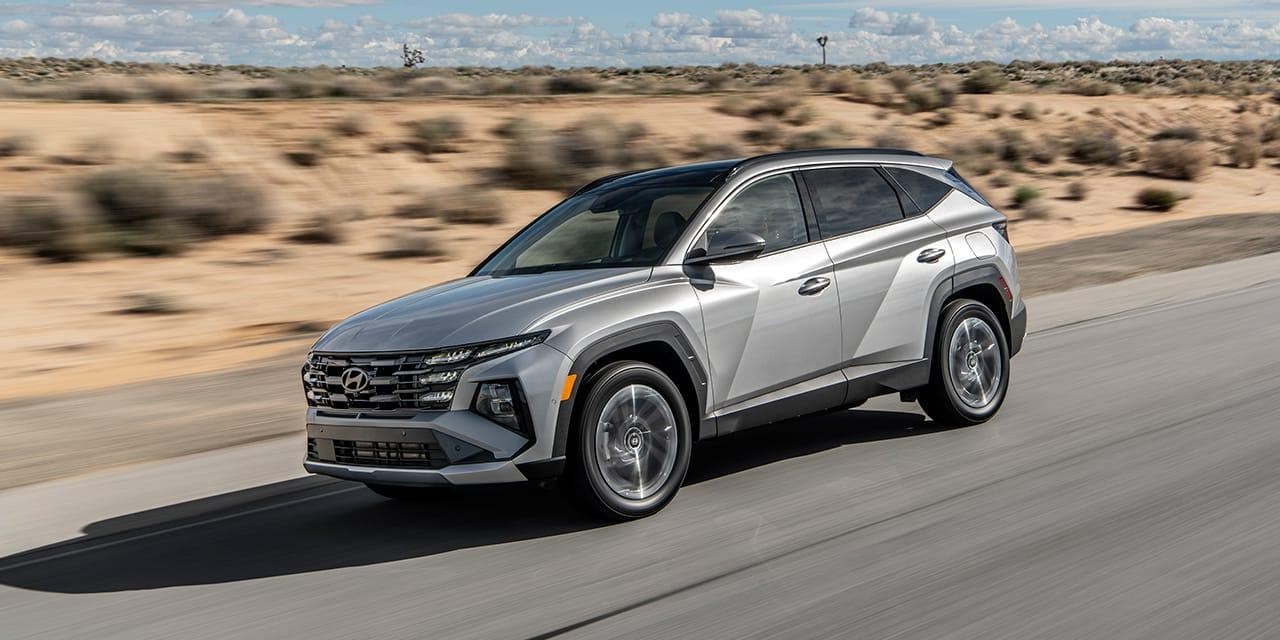
Hyundai has become one of the fastest-growing automotive brands in the United States. Its lineup of SUVs, sedans, and electric vehicles has attracted millions of buyers who want style, value, and technology under one roof.
The Tucson, Santa Fe, Palisade, and Ioniq models have all performed strongly on sales charts. Record sales figures have become almost routine for the brand in recent years.
Yet, as the showroom success story grows louder, a quieter and deeply troubling narrative is building in service bays and consumer complaint forums across the country.
Buyers who fell in love with their Hyundai at purchase are finding a very different experience when problems arise. Warranty denials, long wait times, unresolved mechanical issues, and poor dealer communication are piling up. Hyundai now faces a defining challenge, fixing its reputation for after-sales service, before it begins to cost the brand its hard-won loyalty.
A Widening Gap Between Sales Success and Service Reality
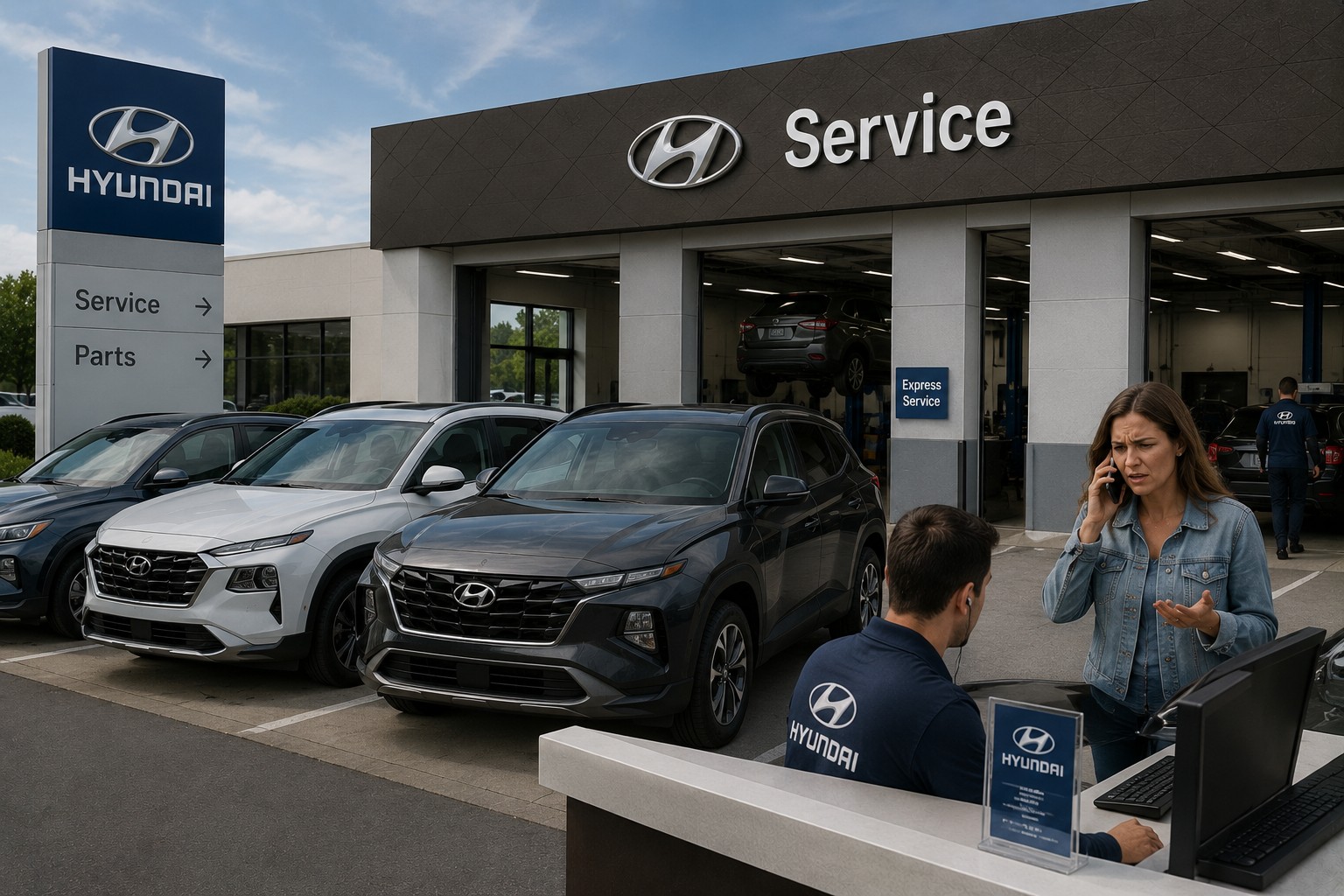
Hyundai has rolled out new service improvement programs across its 861 US dealerships after spending years ranked near the bottom of JD Power’s customer service satisfaction surveys.
The contrast between the brand’s commercial momentum and its service performance has become impossible to ignore. Owners are not staying quiet about their frustrations.
Complaint patterns across consumer review platforms reveal a deeply consistent set of problems. Long appointment waits, unavailable parts, and repeated visits for the same unresolved issue are among the most common grievances reported.
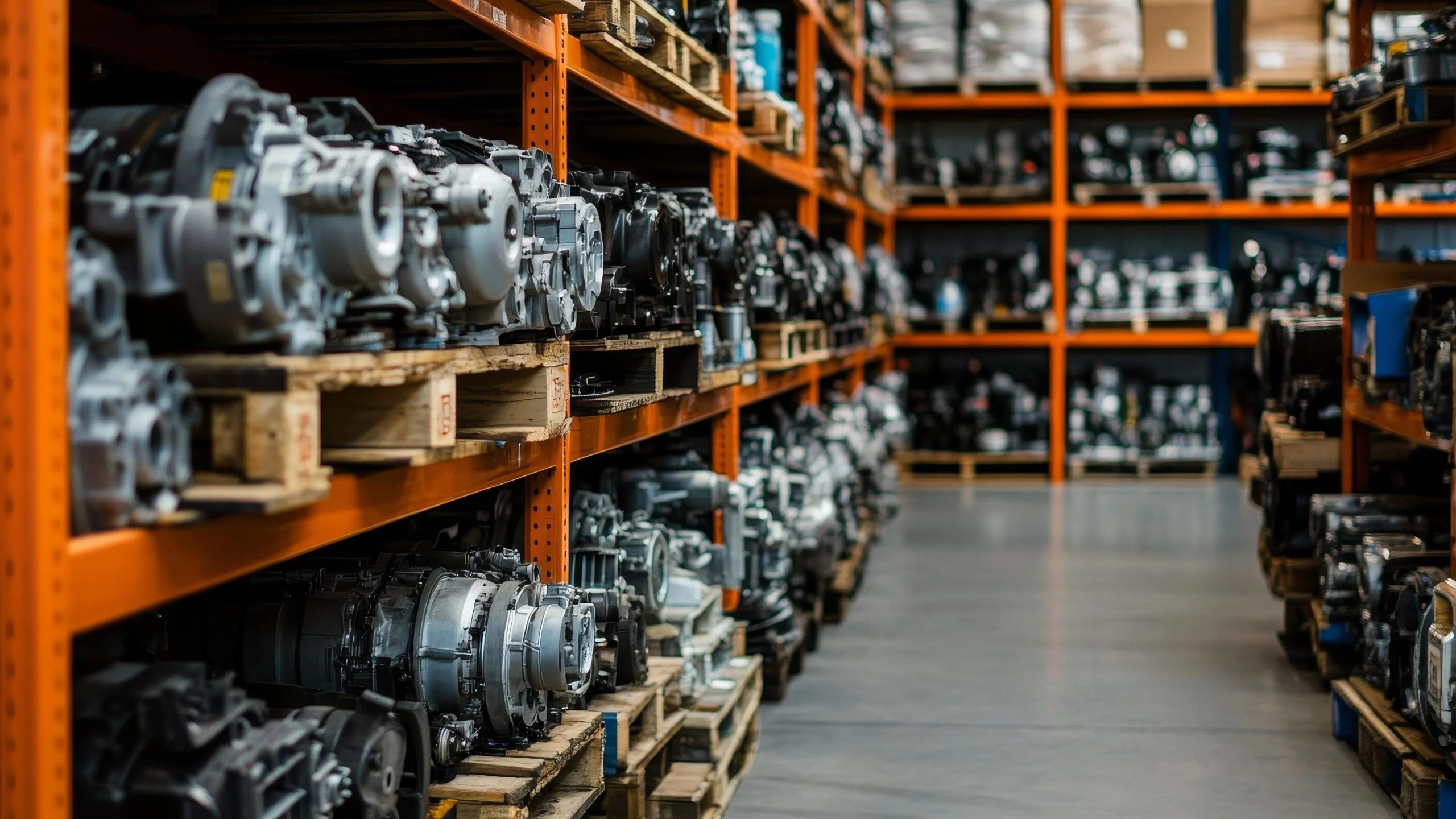
One owner described visiting a dealership five times for a single door repair, three times for the fix itself, and twice more because parts physically located at the warehouse could not be retrieved by staff.
Warranty disputes have become one of the most painful chapters in the Hyundai service story. Engine failure claims are frequently denied by the corporation on grounds of insufficient maintenance records, even when owners present documented service histories.
In one widely reported case from early 2026, a customer’s engine replacement request was denied after repeated towing incidents, with the corporation declaring the decision final and offering no formal appeals process.
The frustration is compounded by a structural accountability gap. When owners contact Hyundai’s corporate office about dealer failures, they are often redirected back to the same dealer.
When they return to the dealer, they are told that only the corporation can resolve the matter. Owners are left trapped between two parties, neither of whom takes full responsibility.
Hyundai’s Overhaul Plan and What Must Change
Hyundai has acknowledged the gap and is taking measurable steps to close it. The company has surpassed 50 percent completion in its Global Dealership Space Identity initiative, with over 457 US dealerships having completed physical renovations aligned with the brand’s Modern Premium standard.
These upgraded facilities are designed to improve the customer environment and bring consistency to the service experience regardless of location.
At a recent national dealer meeting, Hyundai’s leadership pushed its 859-dealer US network not just to sell more vehicles, but to significantly invest in service revenue and customer retention.
The message was that direct growth without service quality is not sustainable. Dealers that have adopted the renovation program are reportedly performing better on profitability, return on sales, and service retention metrics.
However, upgraded lobbies and fresh paint cannot substitute for faster parts supply chains, better-trained technicians, and an honest warranty resolution process.
Customers do not remember the waiting room furniture; they remember whether their engine was fixed. Hyundai’s sales growth has earned it a seat at the top of the American automotive table. Whether it earns lasting customer trust now depends entirely on what happens after the keys are handed over.
