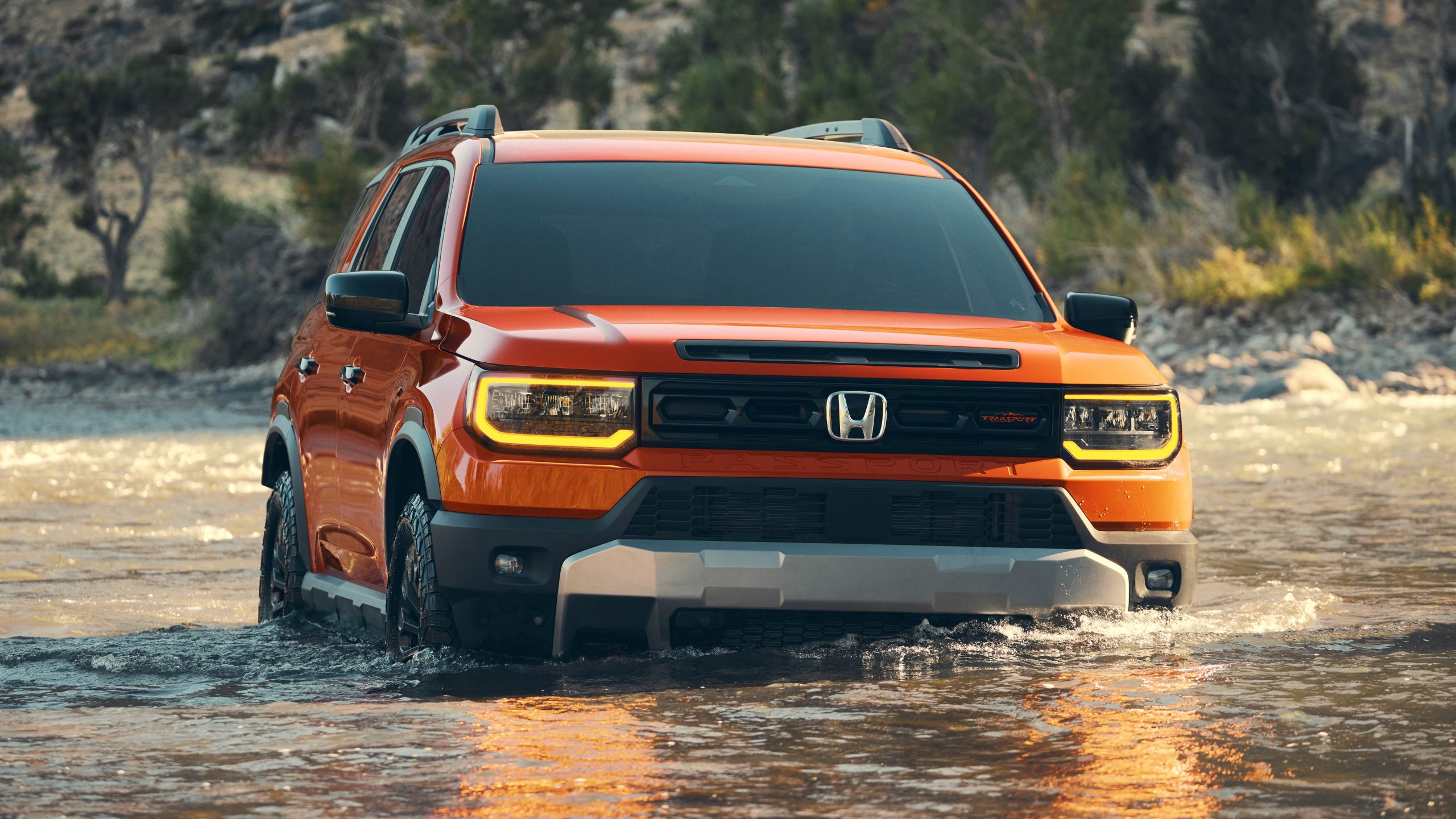
Honda is preparing significant updates for two of its most important vehicles as the automaker looks to strengthen its position in an increasingly competitive market.
According to information emerging from American Honda’s product planning division, both the Accord sedan and Passport SUV are set to receive extensive refreshes that go well beyond the typical mid-cycle update.
The move comes as automakers across the industry adjust to shifting consumer preferences, evolving technology expectations, and growing competition from both traditional rivals and emerging electric vehicle brands.
While crossovers and SUVs continue to dominate sales charts, Honda remains committed to maintaining a strong presence in multiple segments, making the Accord and Passport crucial components of its North American strategy.
What makes these upcoming updates particularly noteworthy is their reported scope. Internal comments suggest the changes will be substantial enough that many buyers may view the vehicles as entirely new generations rather than refreshed versions of existing models.
For Honda, the objective appears clear: keep two of its most recognizable nameplates relevant in a rapidly changing automotive landscape.
Also Read: 8 Beginner Motorcycles Ranked Worst To Best
Honda Targets More Than a Traditional Facelift
Automakers routinely update vehicles midway through their product cycles. These refreshes often include revised styling, new wheel designs, updated technology, and minor feature enhancements intended to maintain consumer interest until a full redesign arrives.
The planned updates for the Accord and Passport appear to go much further. Sources familiar with Honda’s plans indicate that both vehicles will receive comprehensive exterior revisions along with major technology upgrades.
The company reportedly wants the refreshed models to feel dramatically different from the vehicles currently sitting in showrooms. That strategy reflects changing customer expectations.
Modern consumers increasingly evaluate vehicles based not only on reliability and performance but also on technology, connectivity, digital interfaces, and design sophistication. As product cycles lengthen across the industry, manufacturers are under pressure to keep vehicles feeling fresh for longer periods.
Honda appears determined to meet that challenge head-on. Rather than relying on subtle cosmetic changes, the company is reportedly pursuing updates substantial enough to create the impression of entirely new products.
Accord Remains a Critical Model
The Accord has served as one of Honda’s flagship vehicles in North America for decades. Although the midsize sedan segment has contracted as consumers gravitate toward SUVs and crossovers, the Accord continues to play an important role within Honda’s lineup.
It remains one of the company’s most recognizable products and consistently attracts buyers seeking efficiency, comfort, practicality, and long-term reliability.
The sedan market itself has become increasingly competitive despite declining full volumes.
Models such as the Toyota Camry, Hyundai Sonata, and Kia K5 continue fighting for market share, while newer technologies and electrification strategies are reshaping buyer expectations.
For Honda, maintaining the Accord’s relevance requires more than simply preserving its reputation.
The upcoming refresh appears designed to ensure the sedan remains competitive not only in terms of driving dynamics and efficiency but also in technology and visual appeal.
A more contemporary design language could help attract younger buyers while preserving the qualities that have long appealed to existing Accord customers.
Passport Receives Similar Attention
The Passport may not have the same historical legacy as the Accord, but it has become increasingly important within Honda’s SUV portfolio.
Positioned between the CR-V and Pilot, the Passport targets buyers looking for a more rugged and adventure-oriented vehicle. Its combination of off-road-inspired styling, spacious interior accommodations, and practical utility has helped it establish a distinct identity within the brand.
Consumer demand for SUVs remains strong, making continued investment in the Passport a logical decision.
The planned overhaul reportedly includes significant design revisions intended to reinforce the model’s rugged character. Industry observers expect Honda to further differentiate the Passport from the family-focused Pilot while strengthening its appeal among outdoor enthusiasts. That approach aligns with broader market trends.
Many automakers are increasingly creating specialized SUV identities rather than offering generic crossover designs.
Vehicles with distinctive personalities often perform better in crowded segments where consumers have numerous alternatives. The refreshed Passport appears positioned to benefit from that strategy.
Technology Becomes a Central Focus
Perhaps the most significant aspect of the reported updates involves infotainment and digital technology.
Consumer expectations regarding vehicle technology have changed dramatically during the past decade. Large displays, advanced connectivity features, wireless smartphone integration, and intuitive user interfaces are no longer viewed as luxury items. They have become mainstream requirements.
Honda has made progress in this area in recent years, but competition continues to intensify. Automakers such as Hyundai, Kia, Ford, General Motors, and Toyota have invested heavily in digital experiences, creating pressure on rivals to keep pace.
As a result, technology often becomes a deciding factor for consumers comparing vehicles within the same segment.
Reports indicate that both the Accord and Passport will receive heavily updated infotainment architectures designed to improve functionality and user experience. The upgrades are expected to involve more than larger screens.
Modern vehicle software increasingly serves as the foundation for connectivity services, driver-assistance features, navigation systems, and future updates. Improving that infrastructure can have long-term benefits extending beyond immediate customer satisfaction.
Design Language Evolves
The reported exterior changes also suggest Honda is preparing to evolve its design direction. Automotive styling plays a major role in purchasing decisions, particularly in highly competitive segments where mechanical differences between vehicles may be relatively small.
Manufacturers continuously refine design languages to keep products feeling contemporary and appealing.
Honda’s recent vehicles have generally embraced cleaner and more mature styling themes compared with some earlier generations.
The upcoming Accord and Passport updates are expected to continue that trend while introducing fresh visual elements that distinguish them from current models.
Creating a stronger showroom presence could be especially important as buyers increasingly begin their shopping journeys online.
Vehicles that stand out visually often generate more consumer interest before potential customers ever visit a dealership.
Competing in a Changing Market
The timing of these updates reflects broader changes occurring throughout the automotive industry.
Consumer preferences continue shifting, electrification efforts are accelerating, and technology expectations are rising rapidly. At the same time, manufacturers face pressure to maximize returns on existing platforms and development investments.
Deep refreshes offer an attractive solution. By substantially updating vehicles without developing entirely new architectures, automakers can deliver meaningful improvements while controlling costs. The strategy has become increasingly common as product development expenses continue climbing.
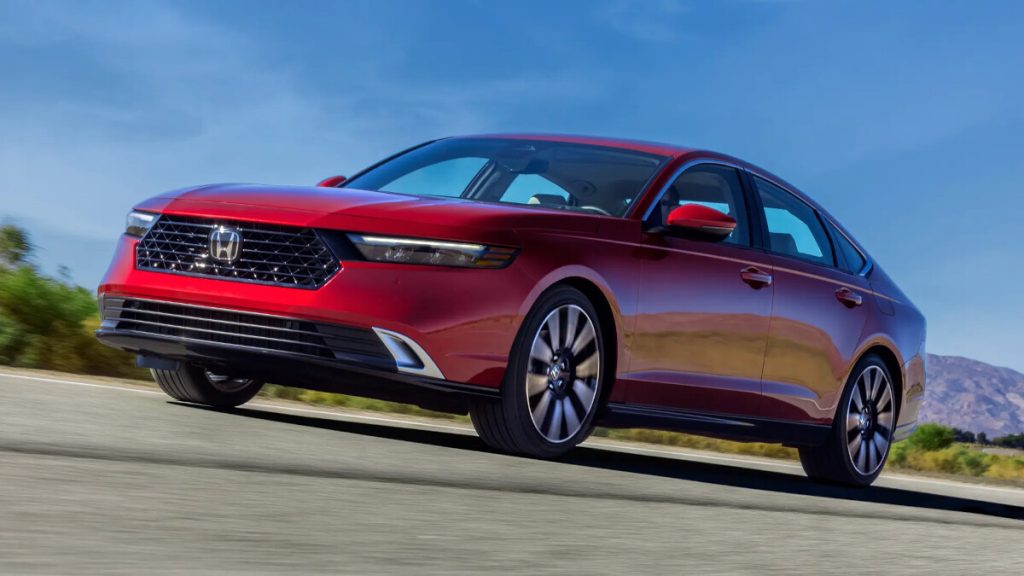
Honda appears to be embracing that approach with the Accord and Passport. If the updates achieve the intended effect, customers may perceive the vehicles as all-new products despite their existing foundations.
That perception can be valuable in maintaining competitiveness and showroom traffic between full redesign cycles.
Honda Looks to Strengthen Key Nameplates
The reported overhauls of the Accord and Passport signal Honda’s determination to keep two important products at the forefront of their respective segments.
Rather than settling for routine mid-cycle updates, the company appears committed to delivering extensive improvements in styling, technology, and full user experience. Internal descriptions suggesting the vehicles will feel like next-generation products indicate a level of ambition that exceeds traditional refresh programs.
For the Accord, the updates could help reinforce the sedan’s position in a shrinking but still important market. For the Passport, they provide an opportunity to strengthen its identity within the highly competitive SUV segment.
Most importantly, the changes reflect Honda’s recognition that modern consumers expect continuous innovation.
As more details emerge, the scale of the updates will become clearer. Based on early indications, however, Honda is preparing to give both the Accord and Passport a much more comprehensive transformation than buyers typically expect from a mid-cycle refresh.
Also Read: 10 Analog-Era Super Cars