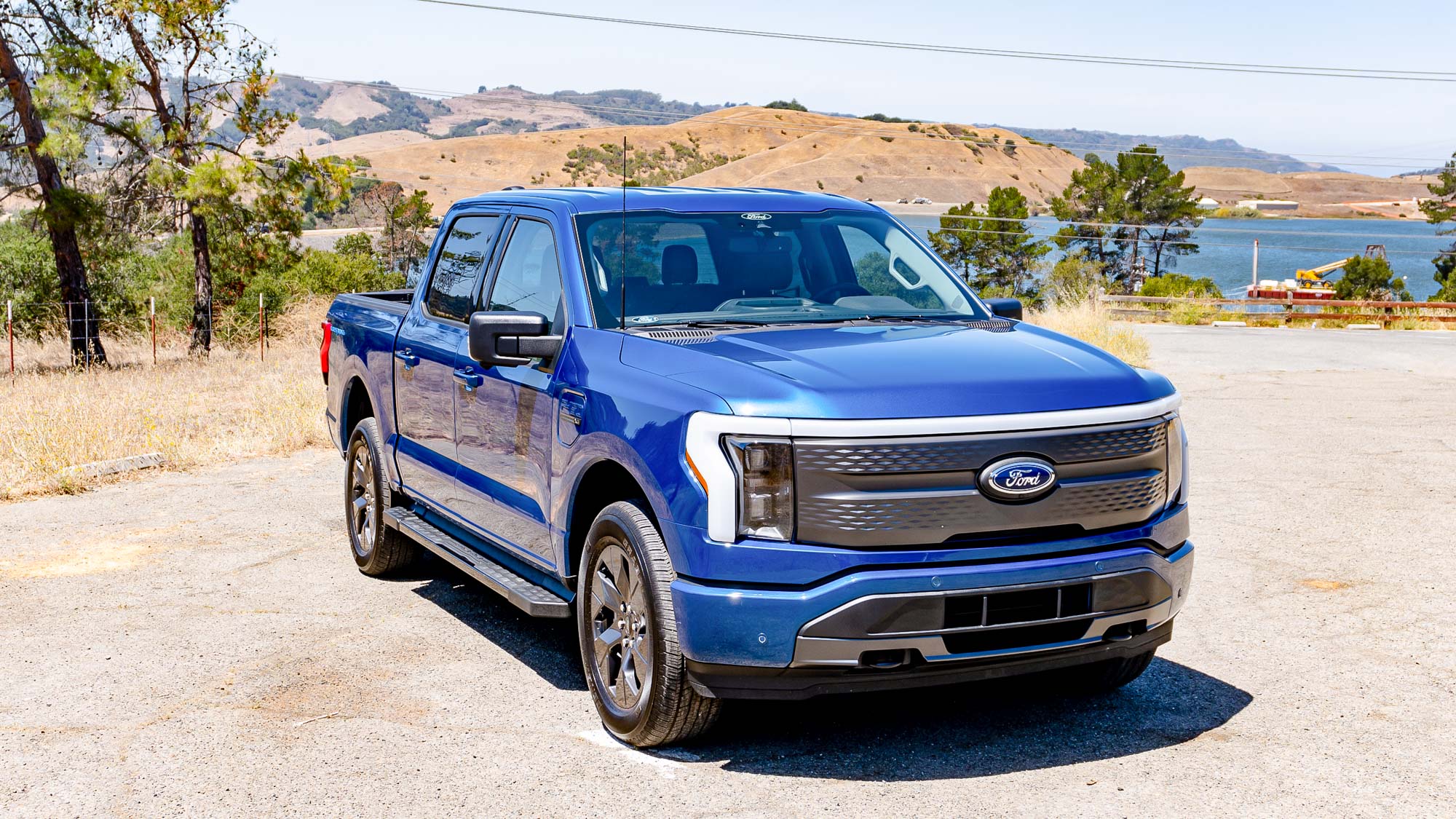
When automakers began introducing electric pickups, expectations were enormous. Industry leaders promised a future where battery-powered trucks would combine the utility of traditional work vehicles with the performance advantages of electric propulsion.
Models such as the Ford F-150 Lightning, Chevrolet Silverado EV, and Tesla Cybertruck quickly became some of the most anticipated vehicles in North America.
Several years later, however, the segment has not expanded as rapidly as many analysts predicted.
A recent retail market analysis from Chargenomics sheds light on why adoption has been slower than expected among mainstream truck buyers. The report suggests that while electric pickups have attracted significant interest, several practical challenges continue limiting their appeal, particularly among commercial operators and traditional truck owners.
According to the analysis, concerns surrounding towing range, charging infrastructure, and vehicle pricing remain the most significant barriers preventing broader acceptance.
The findings underscore a reality that much of the automotive industry is increasingly recognizing: truck buyers often prioritize different factors than passenger car customers, making electrification a more complicated transition.
Also Read: 10 Analog-Era Super Cars
Towing Remains the Biggest Challenge
One of the most frequently cited concerns among truck owners involves towing performance. Electric pickups generally perform well during everyday commuting and light-duty driving. Problems emerge when owners begin using them for the tasks many trucks were designed to handle.
Chargenomics identified towing-related range loss as one of the most significant obstacles facing the segment. While electric trucks often advertise impressive driving ranges under normal conditions, pulling trailers, boats, construction equipment, or recreational vehicles can dramatically increase energy consumption.
The result is a substantial reduction in real-world driving range. This issue affects all vehicles to some degree. Gasoline and diesel trucks also experience reduced efficiency while towing.
The difference is that conventional vehicles can typically refuel in a matter of minutes, while EV owners may need to spend significantly longer at charging stations.
For commercial users operating on tight schedules, that distinction can have major implications.
Many traditional truck buyers view predictable long-distance towing capability as a core requirement rather than an optional benefit.
Rural Charging Infrastructure Lags Behind
Infrastructure represents another major challenge highlighted in the analysis. Public charging networks have expanded rapidly across urban and suburban regions, but many rural areas continue to lack sufficient high-speed charging options.
This creates difficulties for customers who use trucks in agriculture, construction, energy production, and other industries that frequently operate outside major metropolitan areas.
Chargenomics pointed specifically to shortcomings in high-voltage charging infrastructure throughout many working regions.
For truck owners, charging availability is often more important than total charging station counts. Commercial users need reliable access to fast chargers capable of supporting larger battery packs and minimizing downtime.
Unfortunately, those chargers are often concentrated near major highways and urban centers. The situation becomes even more challenging when towing enters the equation. Reduced range means drivers may need to charge more frequently, increasing dependence on infrastructure that may not exist in remote locations.
Until charging networks become more widespread, many buyers appear hesitant to replace conventional work trucks with electric alternatives.
Pricing Continues to Limit Adoption
Cost remains another major factor. While electric vehicle prices have become more competitive in several market segments, full-size electric pickups remain expensive compared with many traditional alternatives.
Chargenomics identified premium pricing as one of the key reasons adoption has not accelerated among mainstream truck customers. The challenge is particularly evident among commercial buyers.
Businesses often evaluate vehicle purchases based on total ownership costs, operational efficiency, and return on investment. While electric trucks can reduce fuel and maintenance expenses over time, their higher initial purchase prices can still be difficult to justify.
Many electric pickups begin at prices significantly above comparable gasoline-powered models.
Higher trim levels often push pricing even further into premium territory, making affordability a concern for both individual consumers and fleet operators.
The issue becomes especially important in industries where companies purchase multiple vehicles at once.
A small difference in per-vehicle cost can translate into substantial expenses when fleets consist of dozens or hundreds of trucks.
Commercial Buyers Have Different Priorities
One of the key insights from the Chargenomics report is that traditional truck buyers often approach vehicle purchases differently than passenger-car consumers.
Many EV adoption studies focus on private buyers seeking lower operating costs, improved efficiency, or environmental benefits. Commercial truck users typically place greater emphasis on reliability, uptime, payload capacity, towing capability, and operational flexibility.
Those priorities can make electrification more complicated. A construction contractor operating in a rural area may view charging infrastructure limitations as a more significant concern than fuel savings. Similarly, a towing company may prioritize consistent range under heavy loads over acceleration performance or technology features.
The report suggests that many electric truck marketing campaigns initially underestimated the importance of these real-world use cases.
While electric pickups offer impressive performance characteristics, traditional truck buyers often evaluate vehicles through a practical lens focused on work requirements.
Electric Trucks Still Offer Significant Advantages
The analysis does not suggest that electric pickups have failed. In fact, many owners report high satisfaction levels with vehicles such as the F-150 Lightning, Silverado EV, and Cybertruck. Electric trucks offer several advantages that conventional vehicles struggle to match.
Instant torque provides strong acceleration and impressive low-speed performance. Quiet operation improves comfort during long drives. Reduced maintenance requirements can lower operating costs over time. Some models also offer innovative features such as bidirectional charging and onboard power generation.
For buyers whose usage patterns align with current EV capabilities, these benefits can be compelling. Urban contractors, suburban homeowners, and recreational users often find electric trucks well-suited to their needs.
The challenge is that these customer groups represent only part of the broader pickup market. Commercial operators and rural users continue to face obstacles that manufacturers are still working to address.
Automakers Continue Adapting Their Strategies
The slower-than-expected adoption of full-size electric pickups has prompted several automakers to adjust their plans.
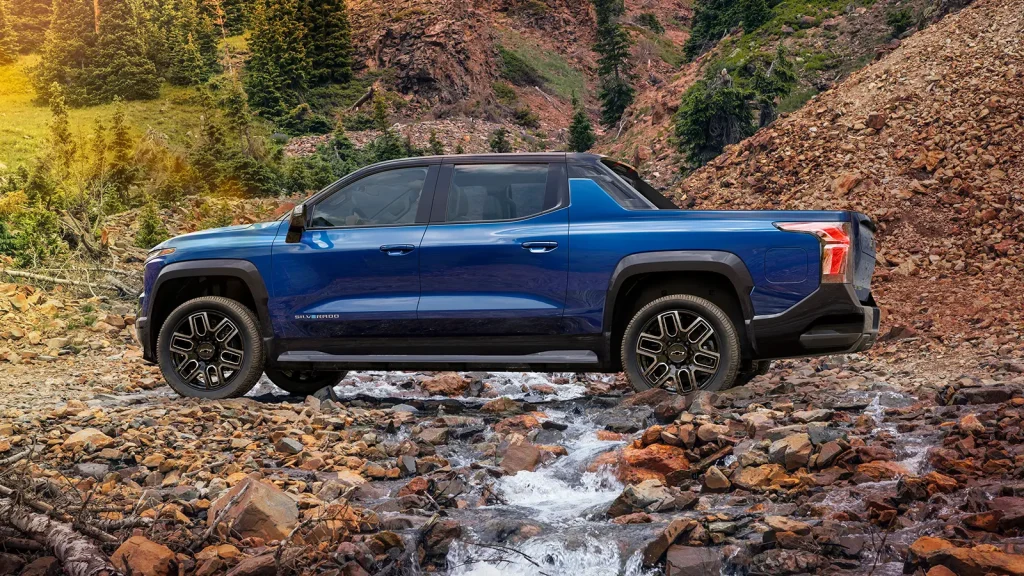
Some manufacturers have delayed production expansions, revised sales forecasts, or increased focus on hybrid and range-extended technologies. Others continue investing heavily in charging infrastructure partnerships aimed at improving accessibility for truck owners.
Ford, General Motors, and Tesla remain committed to the segment, but industry strategies are becoming more nuanced.
Rather than assuming rapid adoption across all customer groups, manufacturers increasingly recognize that different buyers will transition to electrification at different speeds.
This evolving perspective is influencing product development decisions throughout the industry.
Range-extender technologies, larger battery packs, and charging network improvements are all receiving increased attention as companies seek to address concerns raised by traditional truck customers.
The Road Ahead for Electric Pickups
Chargenomics’ analysis provides valuable insight into why full-size electric trucks have not yet transformed the market as quickly as many predicted.
The report points to three primary obstacles: significant range reductions while towing, limited high-speed charging infrastructure in rural working environments, and purchase prices that remain higher than many traditional truck buyers are willing to accept.
None of these challenges is insurmountable. Battery technology continues improving, charging networks continue expanding, and vehicle costs are expected to decline over time.
Yet the findings suggest that the transition from gasoline and diesel trucks to electric alternatives may take longer than early forecasts anticipated.
For now, electric pickups appear to be succeeding with specific customer groups while facing resistance from others.
The Ford F-150 Lightning, Chevrolet Silverado EV, and Tesla Cybertruck have demonstrated that there is demand for electric trucks. What they have not yet demonstrated is the ability to fully replace conventional pickups for every type of buyer.
As infrastructure improves and technology advances, that equation may change. Until then, the pickup market remains one of the automotive industry’s most challenging frontiers for electrification.
Also Read: 8 Beginner Motorcycles Ranked Worst To Best