
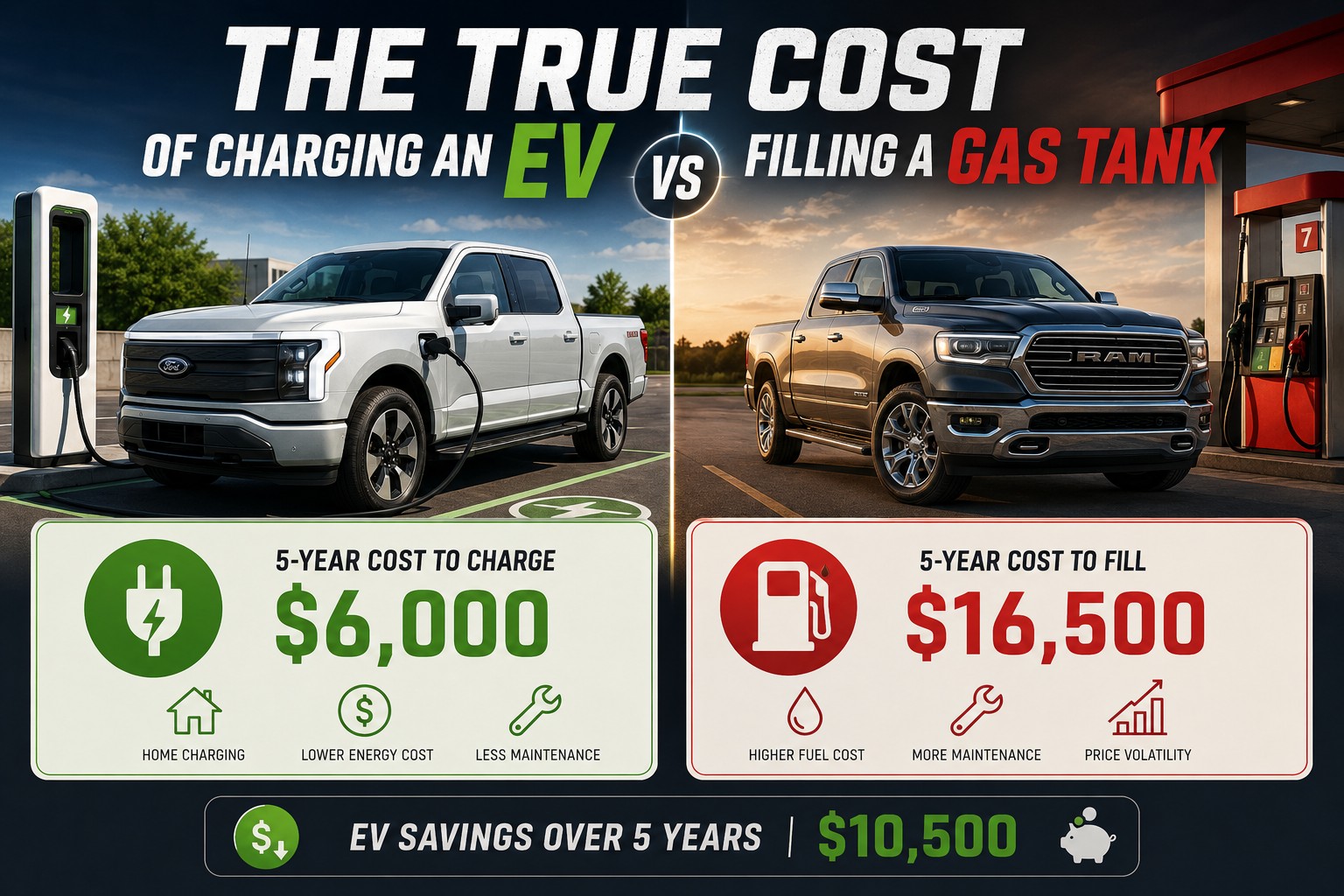
The world is shifting gears fast. Electric vehicles are no longer a niche curiosity reserved for tech enthusiasts they are sitting in driveways across Mumbai, Munich, and Minneapolis. But one question cuts through every conversation like a sharp turn: what does it actually cost to power these cars compared to filling up at a petrol pump?
The answer is more layered than a simple price-per-litre comparison. It depends on where you live, how you charge, what time of night you plug in, and whether you are on a highway or parked in your garage. For a foreign audience going through the unfamiliar energy markets, the numbers can feel confusing at first glance.
This article strips away that complexity. It breaks down the real, thoroughly researched cost of EV charging versus petrol from home sockets to highway fast chargers, from the United States to India to Europe. By the end, you will have a clear, honest picture of where the money actually goes, and what it truly costs to keep an electric car moving.
Understanding the Two Fuels: Kilowatt-Hours vs Litres
Before comparing prices, you have to understand what you are buying. A petrol car drinks litres of fuel. An EV drinks kilowatt-hours (kWh) of electricity.
One kWh of electricity carries roughly the same raw energy as 0.086 litres of petrol but the conversion is imperfect because electric motors are dramatically more efficient. A petrol engine wastes roughly 60–70% of its fuel energy as heat and friction. An electric motor converts about 85–90% of its electrical energy directly into motion.

This efficiency gap is the hidden foundation of the entire cost debate. You are not just paying less per unit of energy with an EV. You are also using fewer units to cover the same distance. That double advantage is why the numbers consistently favour electricity in most markets across the world.
Think of it this way: every time a petrol car idles at a red light, it burns fuel. An EV at the same light draws essentially nothing from the battery. That difference accumulates silently over thousands of kilometres every year, and it shows up clearly on your annual fuel bill.
Home Charging: Where the Real Savings Live
For most EV drivers in the United States, charging at home works out to roughly $0.04–$0.06 per mile. A comparable petrol car typically costs $0.12–$0.18 per mile making EV fuel less than half the cost, sometimes closer to one-third.
Using the most recent U.S. household average electricity rate of 18.83 cents per kWh, charging an EV at home costs about $64.65 per month for a driver covering approximately 1,015 miles. That same driver in a 30 mpg petrol car would spend around $163.80 per month on fuel at current pump prices. The gap is not marginal it is nearly $100 every single month.
Home charging typically runs $0.12–$0.22 per kWh depending on the state or region, working out to roughly $3.50–$6.50 per 100 miles the electricity equivalent of paying about $1.30–$2.20 per gallon. No petrol pump in any developed country is offering fuel anywhere near that price in 2026.
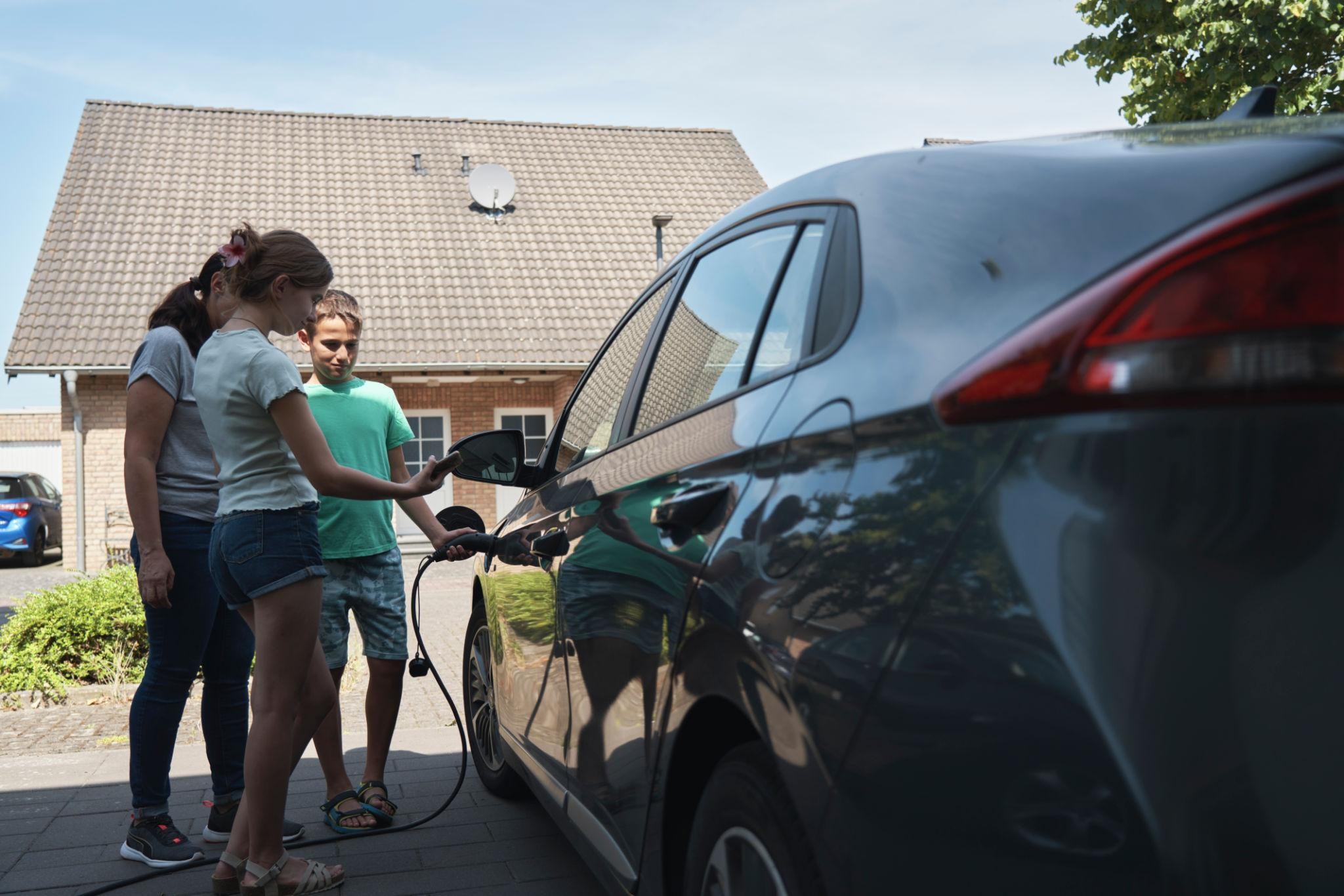
In India, the home charging advantage is even more dramatic. Home charging in India commonly sits around ₹6–₹10 per kWh. Using a mid-range tariff of ₹8 per unit, a driver covering 1,200 km a month would spend roughly ₹1,480 on electricity.
The same distance in a compact petrol SUV at ₹105 per litre would cost approximately ₹9,660. That is an 84% reduction in monthly fuel spending a figure that fundamentally transforms household budgets for middle-income families.
Public Charging: Convenient but Costly
Not everyone has a driveway or a dedicated home charger. Apartment dwellers, urban residents, and long-distance travellers often depend on public charging networks. The economics here shift considerably, and this is the part of the EV conversation that catches many buyers off guard.
Public chargers in the U.S. average around $0.37 per kWh more than double the cost of home charging. At that rate, EV drivers pay roughly 13 cents per mile, which keeps costs competitive with petrol but nowhere near the savings available through home charging.
DC fast chargers often run $0.35–$0.60 per kWh, which translates to roughly $10–$18 per 100 miles the petrol equivalent of paying about $3.50–$5.50 per gallon. At those rates, the savings advantage begins to shrink considerably. For drivers who rely primarily on fast chargers, the cost gap between EVs and petrol vehicles narrows to a fraction of what home chargers deliver.
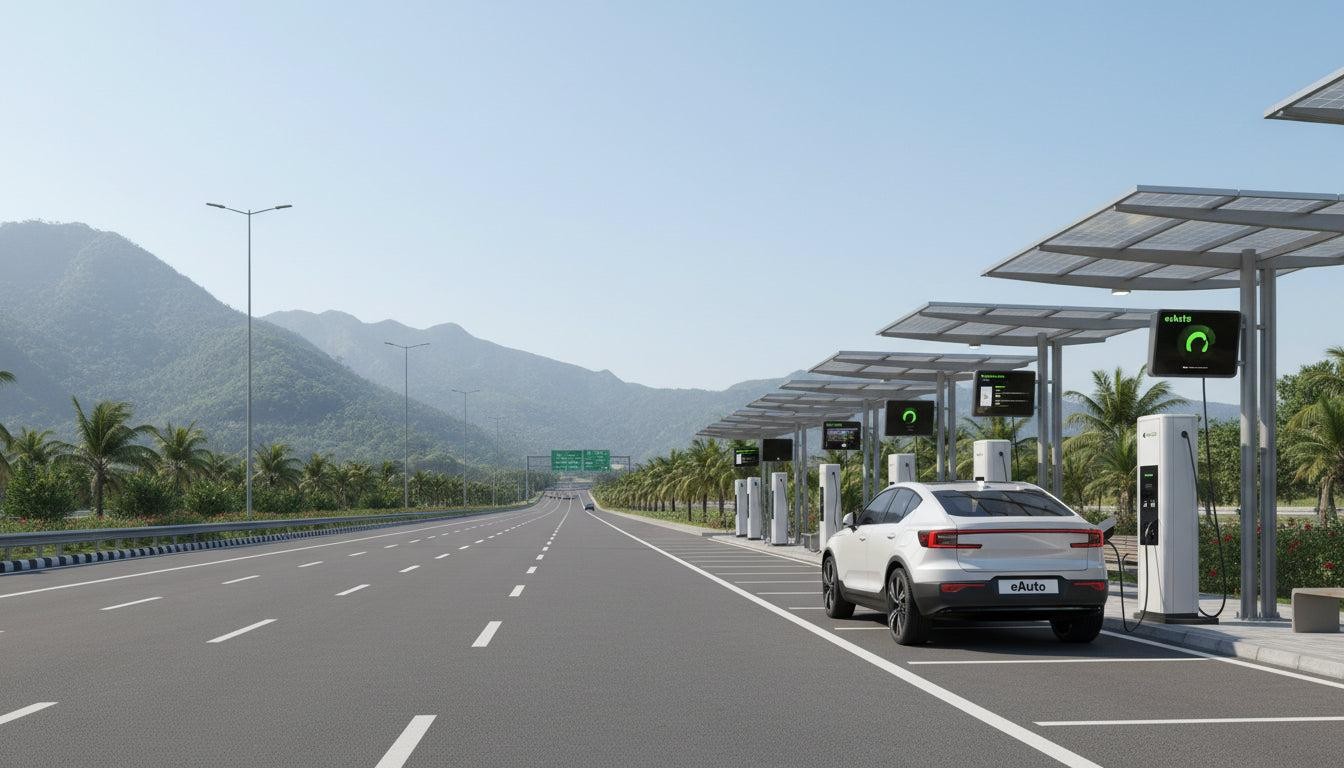
In India, the contrast between home and public fast charging is even more pronounced. Public DC fast chargers charge ₹16–₹25 per kWh, compared to the residential rate of ₹6–₹8.5 per kWh. With home charging, most electric cars cost around ₹90–₹120 per 100 km. Using public fast chargers pushes that figure to ₹240–₹375 per 100 km.
A full charge at a public station in India could cost ₹600–₹900, compared to around ₹300 at home. The infrastructure is expanding rapidly under government schemes, but the price premium of public fast charging remains a real and important consideration for any driver who cannot charge at home daily.
The European Picture: A Market of Extremes
Europe is not one electricity market it is thirty. Prices vary dramatically from one border to the next, and that variation reshapes the EV cost equation in ways that often surprise international buyers.
In Finland and Bulgaria, the median public fast-charging price sits at approximately €0.38 per kWh among the cheapest in all of Europe. Some operators in these countries offer DC fast charging at just €0.21–€0.25 per kWh on membership plans, which is cheaper than the EU average home electricity price of €0.29 per kWh.
In Western Europe, the norm is for public DC fast charging to cost 2.5 to 3 times the home electricity rate. In countries like Germany and the Netherlands, where home electricity already costs €0.28–€0.35 per kWh, fast-charging bills at motorway stations can reach €0.70–€0.85 per kWh. At those prices, a mid-sized EV on a long road trip can approach the per-kilometre cost of a modern diesel car.

The takeaway for European drivers mirrors the global pattern. Home charging remains cheap, predictable, and the primary driver of EV economics. Public fast charging is a valuable convenience but carries a significant price premium.
A Norwegian driver, benefiting from abundant hydropower and one of the lowest residential electricity rates in the developed world, experiences a fundamentally different EV economy than a driver in central Europe managing a grid built on a complex energy mix.
Maintenance and the Hidden Savings
The fuel price comparison, while important, is only part of the picture. Several additional financial factors shape the true total cost of ownership, and they are rarely explained clearly to buyers entering the EV market for the first time.
Data from Consumer Reports, replicated consistently across multiple model years, indicates that EV owners spend approximately 40% less on maintenance and repairs compared to drivers of petrol cars. This gap tends to widen after the five-year mark, when internal combustion engines typically require more invasive and expensive mechanical interventions.
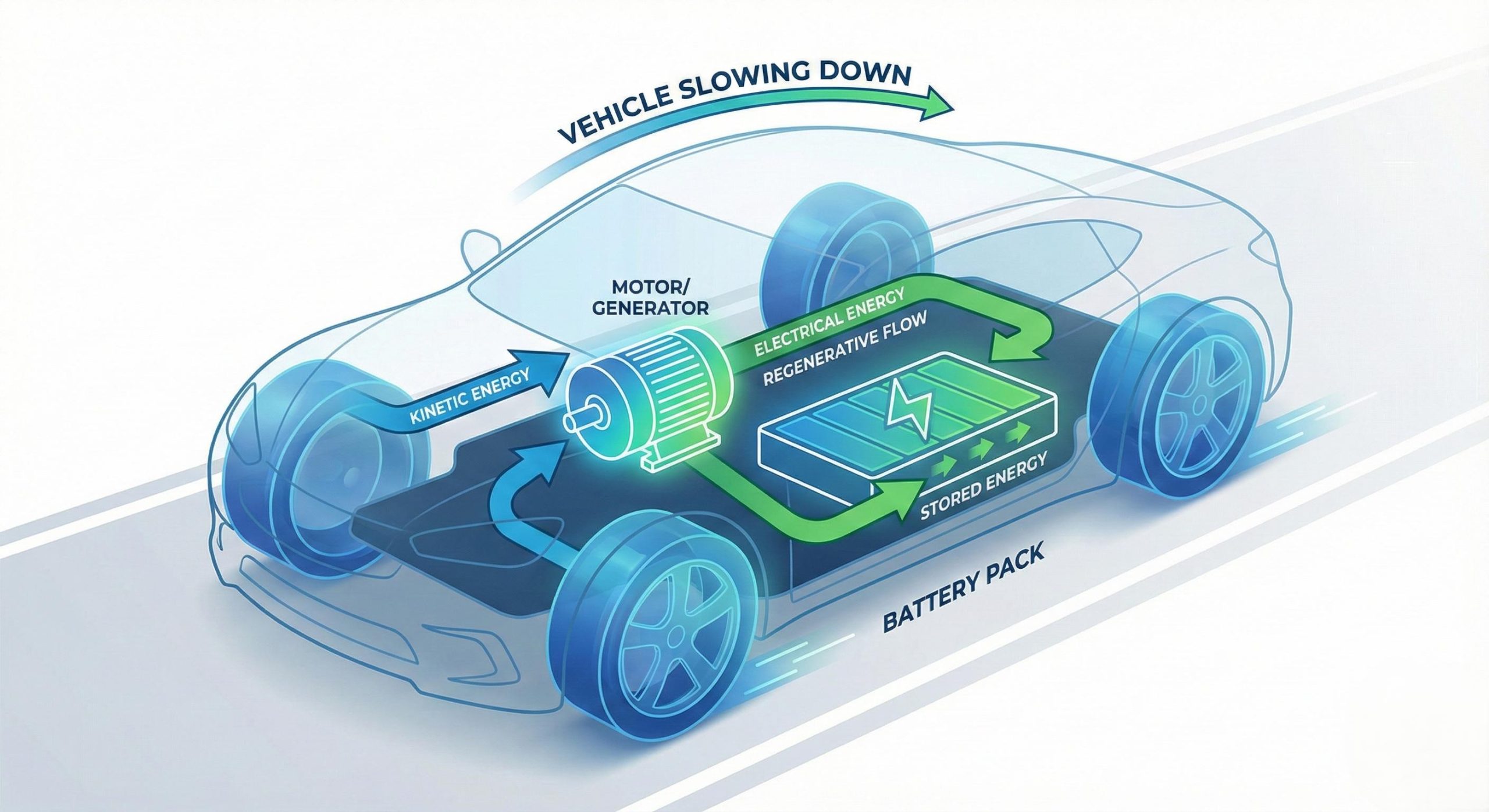
The reason is structural. An EV has no oil to change, no timing belt to replace, no exhaust system to repair, and no spark plugs to service. Brake wear is also dramatically reduced through regenerative braking, which uses the motor to slow the car and recharges the battery in the process.
According to the U.S. Department of Energy, battery electric vehicles cost approximately $0.06 per mile in maintenance, compared to $0.10 per mile for petrol cars a difference of roughly $1,000 per year for a driver covering 12,000 miles.
Over a five-year ownership period, that maintenance saving alone adds up to $5,000 before counting a single litre of petrol saved. Combined with lower fuel costs, EV vs petrol car cost comparisons consistently show EVs costing $6,000–$12,000 less over a 7–15 year ownership window, despite higher initial purchase prices.
Depreciation and Insurance: The Costs That Cut Back
The financial case for EVs is strong but it is not without its complications. Two cost categories consistently work against EV owners: depreciation and insurance premiums. Understanding them is essential for any honest total cost calculation.
Recent studies show EVs losing around 58–60% of their value over five years, which is higher than the market average. Conventional petrol cars typically fall into the 40–48% loss range over the same period.
That gap in resale value can represent thousands of dollars in real financial loss, particularly for buyers who purchase new and sell within three to four years.
In 2026, insuring an electric vehicle remains $1,000 to $1,500 more expensive per year on average than an equivalent petrol model, with premium gaps for luxury models often exceeding $2,000.
Higher repair costs for EV-specific components battery packs, electric motors, and specialised electronics drive insurance premiums upward. Insurers price for what they know, and EV repair costs remain less predictable than those of conventional vehicles with decades of actuarial data behind them.
The holding period is therefore the most critical variable: selling an EV before the sixth year often results in a net financial loss compared to a petrol car, whereas holding for a decade maximises the cumulative value of fuel and maintenance savings.
This is advice worth tattooing on the inside of every new EV buyer’s eyelid. The vehicle rewards patience and long-term thinking in a way that petrol cars, with their higher running costs, simply do not.
Time-of-Use Tariffs: The Strategy Most Drivers Miss
One of the most powerful and most consistently underused tools in the EV owner’s financial toolkit is the time-of-use electricity tariff. Most utility companies worldwide offer significantly reduced rates during off-peak hours, typically between 11 pm and 6 am. Charging during these windows can cut electricity costs by 30–50% compared to standard daytime rates.
In many U.S. states, overnight off-peak rates can fall substantially below the standard residential rate, particularly for drivers on time-of-use plans.
A driver paying $0.22 per kWh during the day might pay $0.10 per kWh overnight cutting their effective fuel cost almost in half. Over a full year, that difference on a single vehicle can equal a complete month of petrol spending handed back in savings.
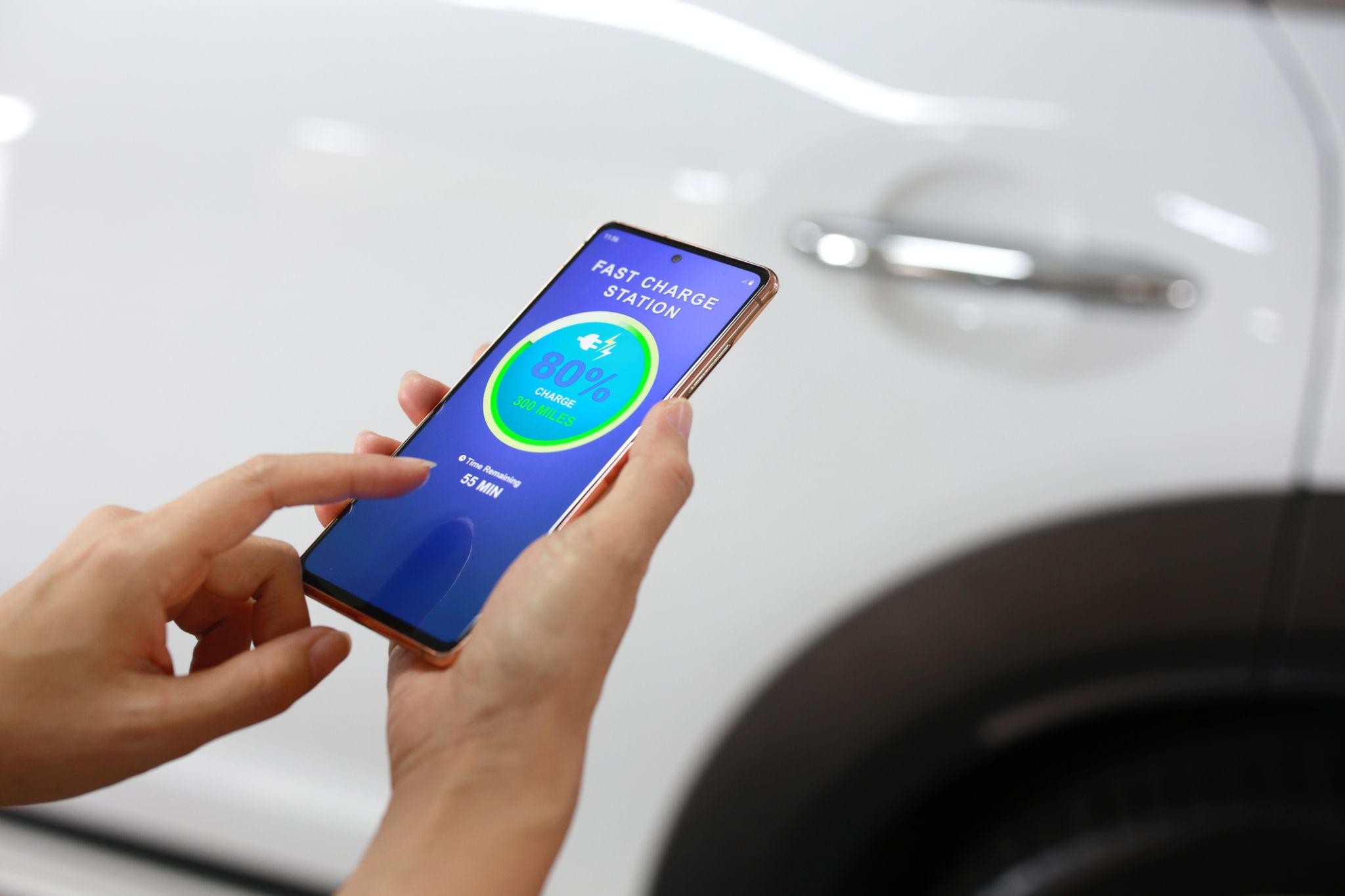
The strategy costs nothing to implement. It requires nothing more than setting a scheduled charging timer in the car’s app or onboard menu, a feature that virtually every modern EV supports natively.
Yet surveys consistently show that a substantial share of EV owners never activate scheduled overnight charging. They plug in when they get home and draw whatever rate happens to apply at that hour.
The broader principle here is one of control. A petrol driver pays whatever the pump charges, without leverage and without flexibility. An EV driver who understands their electricity tariff, charges at home, and schedules overnight sessions can effectively set their own fuel price and hold it well below anything a forecourt will ever offer.
In 2026, home charging is cheaper than filling a gas tank in every U.S. state. What changes is how large that gap is, and whether fast-charging habits eat into the advantage. The same logic applies globally. The infrastructure, the incentives, and the technology all point in one direction. The question is simply whether drivers are strategic enough to capture the full benefit available to them.
Also Read: 10 Cars Cheapest to Own in High-Gas States Like California
