
The global automotive industry entered 2026 facing a reality that would have been difficult to imagine just a few years ago. After spending billions of dollars preparing for an electric future, several major automakers are now slowing, revising, or completely rethinking their electrification plans.
The latest sign of that shift came when General Motors announced it expects to absorb approximately $6 billion in charges as it restructures portions of its electric vehicle strategy.
The decision reflects a broader reassessment taking place across the industry as demand growth for EVs cools and manufacturers confront changing market conditions.
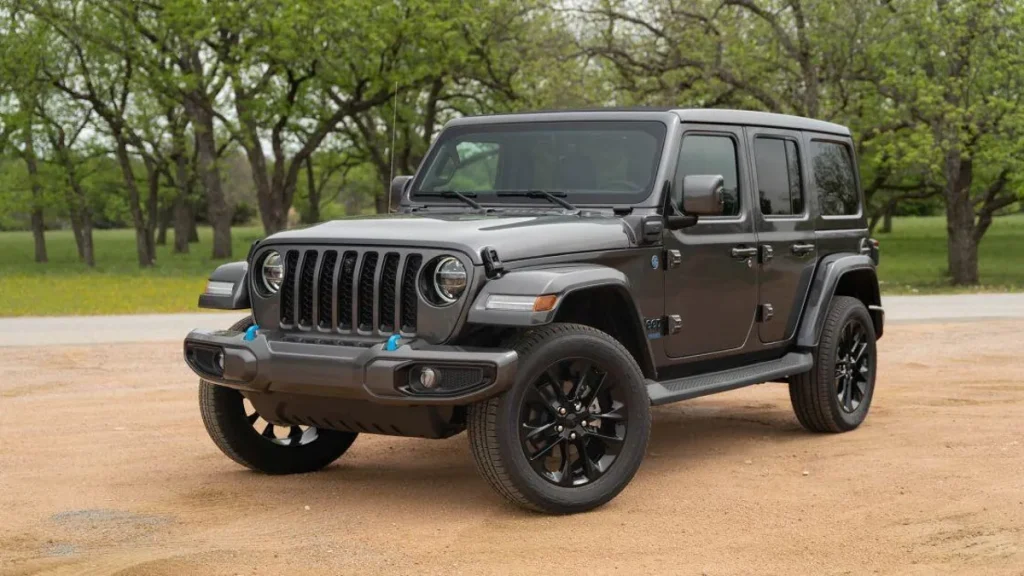
The announcement arrived on the same day Stellantis confirmed an equally significant move. The company revealed that it would discontinue all traditional plug-in hybrid vehicles in North America beginning with the 2026 model year, including the once highly successful Jeep Wrangler 4xe.
Together, the developments marked one of the clearest indications yet that automakers are moving away from assumptions that the transition to electrification would follow a straightforward path.
Also Read: 8 Beginner Motorcycles Ranked Worst To Best
A Costly Reset for General Motors
General Motors said the expected financial impact stems largely from scaling back planned EV production volumes and unwinding agreements that were established when the company anticipated significantly higher demand for electric vehicles.
Much of the charge is tied to supplier settlements, contract cancellations, and investments made to support production targets that no longer align with market realities.
According to regulatory filings, approximately $4.2 billion of the total charge is expected to come from cash expenses associated with terminating or restructuring supplier agreements. Additional costs include asset impairments and adjustments linked to EV programs that have been modified or delayed.
Despite the substantial financial hit, GM emphasized that it is not abandoning electric vehicles. Company executives said the automaker intends to continue offering its broad portfolio of battery-powered models in the United States.
The company currently maintains one of the largest EV lineups among traditional American automakers, spanning multiple brands and market segments.
Instead, the latest move represents a recalibration. Rather than pursuing aggressive production targets established during the peak of EV enthusiasm, GM is adjusting output to better match consumer demand.
The End of Rapid EV Growth
For much of the past decade, automakers operated under the assumption that electric vehicle sales would rise steadily year after year. Governments introduced incentives, manufacturers announced ambitious electrification targets, and billions of dollars flowed into battery factories and supply chains.
That momentum has weakened. Industry analysts point to several factors contributing to slower EV adoption. Higher interest rates have increased vehicle financing costs. Charging infrastructure expansion has not kept pace with expectations in some regions.
Consumers remain concerned about charging availability during long-distance travel. At the same time, many buyers continue to view conventional hybrids as a more practical alternative.
The removal of federal EV incentives in the United States also altered the economics of purchasing electric vehicles. Without tax credits helping offset higher sticker prices, many consumers have become more cautious about making the switch.
GM’s latest writedown reflects those changing conditions and highlights how difficult it can be for manufacturers to predict demand years in advance.
Stellantis Makes an Even Bigger Strategic Shift
While GM was scaling back portions of its EV ambitions, Stellantis took a different but equally dramatic step.
The company confirmed it will phase out all traditional plug-in hybrid programs in North America beginning with the 2026 model year. Vehicles affected include the Jeep Wrangler 4xe, Jeep Grand Cherokee 4xe, and Chrysler Pacifica Hybrid.
The move effectively ends a chapter that once represented a central component of the company’s electrification strategy.
The decision surprised many industry observers because plug-in hybrids had long been viewed as a bridge between gasoline-powered vehicles and fully electric transportation. They offered limited electric driving capability while retaining the convenience of a traditional engine for longer trips.
For several years, that formula appeared successful. The Wrangler 4xe became one of the most recognizable plug-in hybrids in America and at times ranked among the nation’s best-selling PHEVs. It appealed to buyers seeking off-road capability while reducing fuel consumption during daily driving.
Yet market conditions changed. Stellantis said customer demand has shifted toward conventional hybrids and range-extended electric vehicles rather than traditional plug-in hybrids. As a result, the company intends to redirect resources toward technologies it believes offer stronger long-term potential.
Why Plug-In Hybrids Are Losing Favor
The decline of plug-in hybrids highlights a challenge that has become increasingly apparent across the industry.
Although PHEVs combine electric and gasoline propulsion, that dual-system approach also creates complexity. Manufacturers must package a battery pack, electric motor, charging hardware, fuel tank, and internal combustion engine into a single vehicle. The result can be higher costs and greater engineering challenges.
Consumer behavior has also played a role. Studies and market data have suggested that many owners do not consistently charge their plug-in hybrids.
When drivers rely primarily on gasoline, the efficiency benefits of the technology become less significant. Automakers have increasingly questioned whether the added cost is justified when compared with conventional hybrid systems.
Sales trends appear to support that conclusion. Industry data has shown sharp declines in plug-in hybrid demand during recent months, prompting several manufacturers to rethink their product plans.
A Broader Industry Pattern Emerges
Neither GM nor Stellantis is operating in isolation. Across the automotive sector, executives are revisiting forecasts that were developed when electric vehicle growth appeared unstoppable.
Several manufacturers have delayed factory expansions, reduced production targets, or redirected investments toward hybrid technology. The common theme is flexibility.
Instead of betting exclusively on battery-electric vehicles, companies increasingly want a mix of powertrain options that can respond to changing consumer preferences and regulatory environments.
For GM, that means maintaining its EV lineup while reducing spending tied to overly optimistic production forecasts. For Stellantis, it means moving away from plug-in hybrids and focusing on conventional hybrids, range-extended vehicles, and battery-electric products.
The contrast illustrates how different manufacturers are arriving at different solutions to the same challenge.
Investors Watch the Next Phase Carefully
Financial markets have been closely monitoring the industry’s response to slowing EV growth. Large writedowns often signal that previous assumptions about demand have changed dramatically.
Investors generally view such charges as painful in the short term but potentially beneficial if they help companies align production with actual market conditions.
GM’s $6 billion charge will be recorded as a special item in the company’s financial results, providing investors with a clearer picture of how much the EV transition has cost so far. Analysts will likely focus on whether the restructuring improves profitability and creates a more sustainable path forward.
At the same time, Stellantis faces its own challenge. By eliminating plug-in hybrids, the company must convince consumers that its next generation of electrified products can fill the gap left behind by vehicles that once played a prominent role in its lineup.
The Road Ahead for Electrification
The events of early 2026 do not suggest that automakers are abandoning electrification. Rather, they indicate that the transition is proving more complicated than many executives, policymakers, and analysts initially expected.
Consumers continue to show interest in cleaner transportation technologies, but they are also demanding affordability, convenience, and practicality. Automakers must balance those expectations while managing enormous investments in batteries, software, manufacturing facilities, and supply chains.
General Motors’ projected $6 billion loss and Stellantis’ decision to eliminate its plug-in hybrid lineup underscore a critical lesson for the industry: the future of transportation may still be electric, but the journey toward that future is unlikely to follow a straight line.
Instead, manufacturers are being forced to adapt in real time, reshaping strategies that once seemed certain as they respond to a rapidly changing automotive market.
Also Read: 10 Analog-Era Super Cars
