
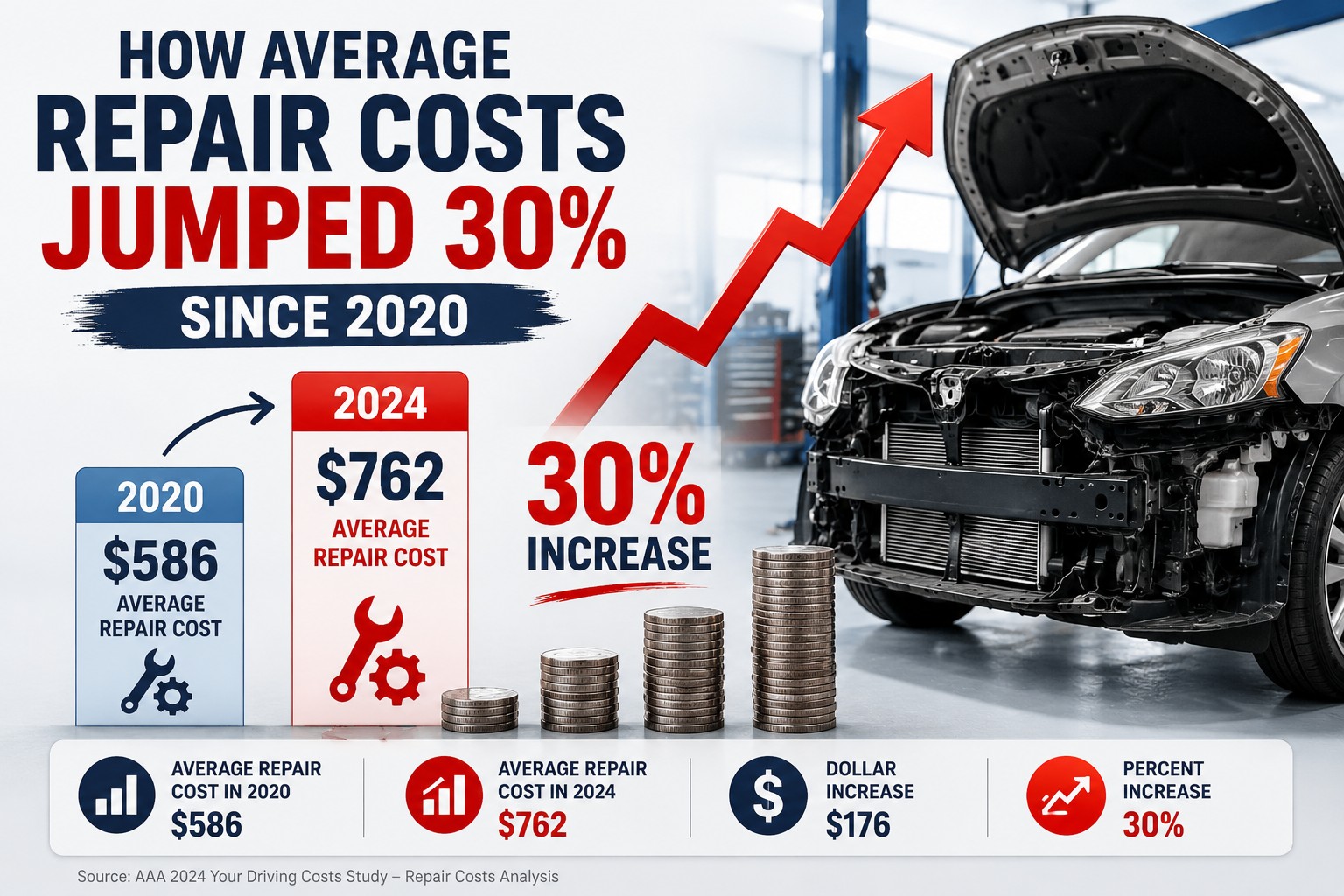
Average vehicle repair and maintenance costs have climbed sharply since 2020, leaving many drivers stunned by their shop bills. Data from the Bureau of Labor Statistics shows the average cost to repair and maintain a vehicle rose 43.6% from January 2019 to January 2025.
Some industry estimates put the increase even higher. Repair prices have risen as much as 46% since 2020, driven largely by labor shortages and increasingly sophisticated vehicle systems. This isn’t a temporary spike either. The Bureau of Labor Statistics confirms repair costs have grown more than 33% over the past four years alone.
A mix of pandemic-era disruptions, parts shortages, and rising vehicle complexity is behind the trend. Drivers are paying more at every type of shop, from quick-service centers to dealership garages.
Many Americans are also holding onto older cars longer, which adds more frequent and costly repairs to the mix. Understanding why this is happening can help drivers plan ahead and avoid financial surprises.
This article breaks down the main forces driving these increases, what they mean for everyday car owners, and how people are adjusting their habits in response.
The Pandemic’s Lasting Ripple Effect
The roots of this price surge trace back to 2020. Supply chain disruptions and production slowdowns during the pandemic sharply limited the number of new vehicles entering the market.
With fewer new cars available, prices for them spiked, too. As a result, used car sales surged after 2020, and more drivers chose to keep their existing vehicles rather than replace them.
That decision had a direct effect on repair demand. Older cars naturally need more frequent fixes than newer ones. Body shop pricing reflects this shift clearly. Average body shop sales jumped from $719.64 in 2020 to $929.93 by 2022, a nearly 29% increase in just two years.
Monthly repair averages tell a similar story. The average repair bill hit $378.18 at one point, a nearly 24% jump from the $305.57 average recorded in May 2020.

Parts shortages compounded the problem further. Shops struggled to source components, which slowed turnaround times and pushed labor costs higher across the board.
These early pandemic shocks set the stage for years of compounding inflation in the repair industry. Many of the pressures from that period never fully eased.
Labor Shortages and Rising Technician Wages
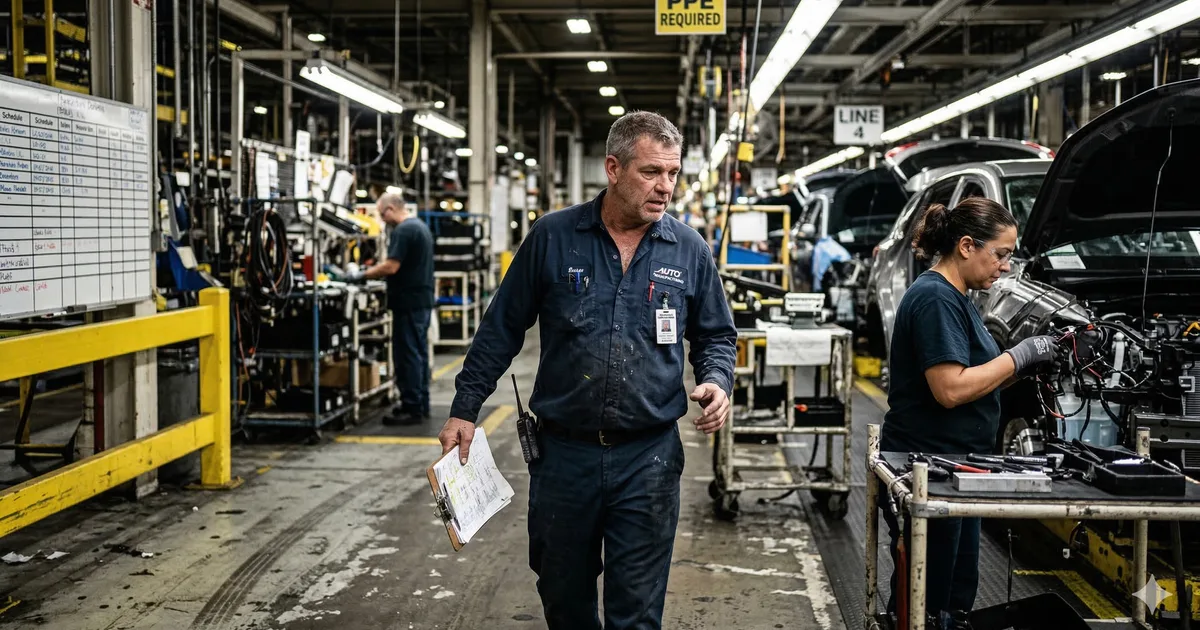
A shrinking pool of qualified mechanics is another major driver of higher repair bills. The number of employed automotive technicians dropped nearly 5%, falling from about 770,000 in 2018 to roughly 733,000 in 2021.
That decline created a real staffing gap. By 2022, there were about 56,000 unfilled automotive technician positions across the country. Fewer workers means shops must compete harder to retain skilled staff. Naturally, this pushes hourly labor rates upward.
Those wage increases get passed directly to customers. Shops report raising technician pay significantly over the past few years just to stay staffed.
At the same time, demand for repairs has grown. More crashes and an aging vehicle fleet mean mechanics are busier than ever, which keeps prices firm.
Industry groups warn this shortage won’t resolve quickly. Vocational training enrollment has declined for years, leaving fewer young technicians entering the trade.
Until that pipeline improves, labor costs are likely to remain a major contributor to rising repair bills nationwide. This is one of the slower-moving but most persistent factors behind the trend.
Vehicle Complexity and Ongoing Parts Pressures
Modern cars are simply more complicated machines than they used to be. Today’s vehicles can contain anywhere from 50 to 150 electronic control units managing everything from fuel systems to climate control.
That complexity adds cost to even minor repairs. Replacing a bumper, for example, may also mean recalibrating built-in sensors for safety features.
These advanced systems require specialized diagnostic tools. Shops have had to invest tens of thousands of dollars in calibration equipment just to service newer vehicles properly.
Parts pricing adds another layer of pressure. Many aftermarket components used in repairs are imported, and import tariffs have made those parts more expensive in recent years.
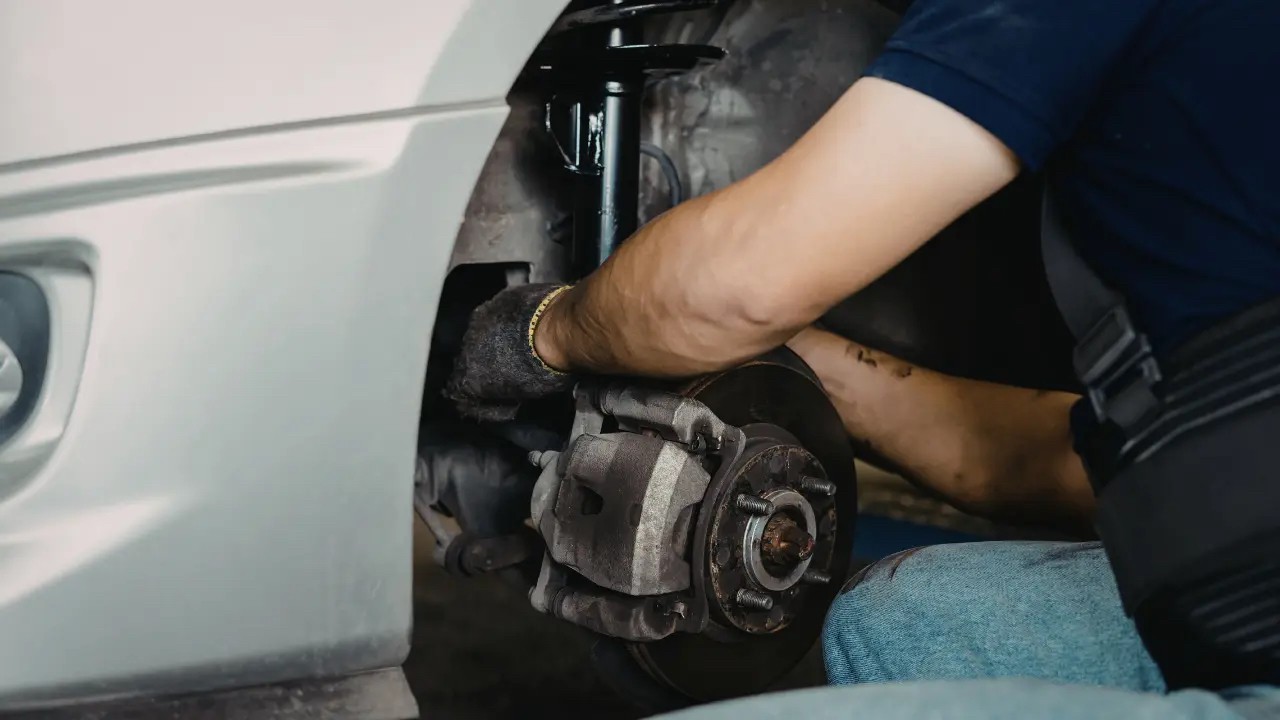
Repair frequency is also rising because cars are staying on the road longer. Vehicles older than seven years now make up a growing share of total repairs, since drivers are keeping cars for more years before replacing them.
Average repair visit totals reflect all of this combined pressure. A typical repair shop visit now costs around $838 for routine or moderate work, not including major engine or transmission jobs.
Even smaller routine services have grown pricier. Basic service visits, like oil changes and filter replacements, now generally cost between $95 and $237, depending on the shop.
These layered cost factors, complexity, parts, and labor, are unlikely to reverse soon. Most experts expect repair prices to keep climbing gradually rather than level off anytime soon.
Looking ahead, drivers can soften the blow by keeping up with routine maintenance schedules. Small, regular upkeep remains far cheaper than the larger repairs that come from neglect.
Building a small emergency fund for car expenses is also a smart precaution. With repair costs unlikely to fall back to pre-2020 levels, planning ahead has become essential for vehicle owners everywhere.
Also Read: What It Really Costs To Own A Tesla Model Y For Five Years
