
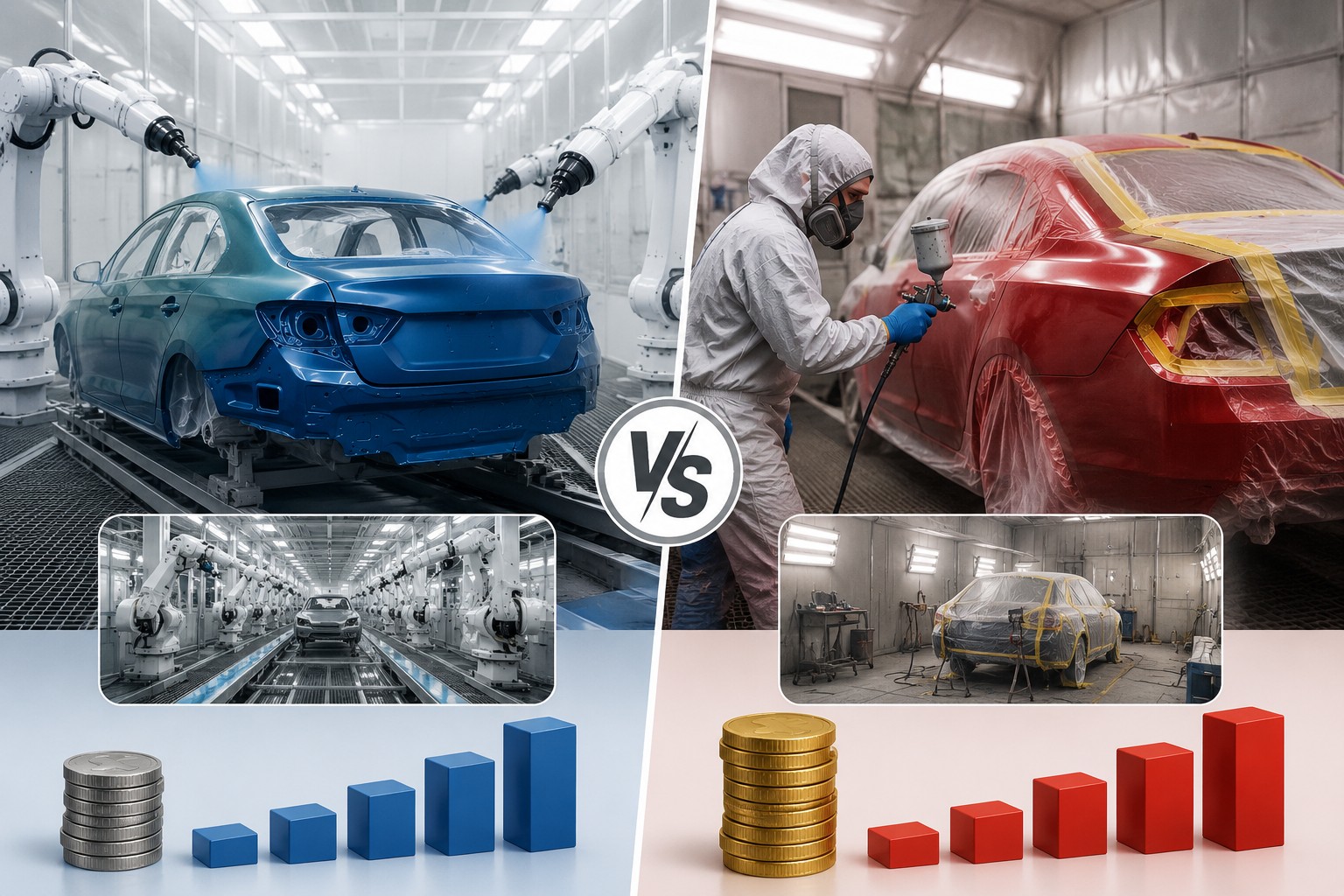
Car painting is one of the most technically demanding and expensive processes in the automotive world. Whether it happens on a factory assembly line or in a local body shop, the cost difference can be staggering and surprising.
Many car owners never think about paint until something goes wrong a scratch, a dent, or fading from years of sun exposure. At that point, the question of cost becomes very real and very personal.
Factory painting and body shop painting are two completely different worlds. One operates at massive industrial scale with robotic precision, while the other relies on skilled human hands and smaller equipment. The price gap between these two methods reflects not just labor and materials, but also the technology, environment, and time involved.
Understanding the real cost of painting a car helps you make smarter decisions. Whether you are buying a new car and wondering about factory paint quality, or dealing with accident damage and shopping for repair quotes, this knowledge gives you power.
It tells you what you are actually paying for and why. It also explains why a factory paint job that costs thousands of dollars to produce still outperforms most aftermarket work. This article breaks down the true costs on both sides factory and body shop with full detail and honest numbers.
The True Cost of Painting a Car at the Factory
Car manufacturers paint vehicles inside massive, climate-controlled facilities that cost billions of dollars to build. These paint shops are among the most expensive parts of any automobile manufacturing plant. A single automotive paint facility can stretch across hundreds of thousands of square feet, with temperature, humidity, and airflow maintained to extreme precision at all times.
The equipment used in factory painting is almost entirely robotic. Automated spray arms apply paint with a consistency that no human painter can match, following the exact contours of each car body and applying perfectly even coats every single time.
Factory paint is not a single layer it is a complex system of multiple coatings, each serving a specific function. The process begins with electrocoating, an electrically charged dip that coats every surface including hidden cavities, providing deep rust protection that body shop paint simply cannot replicate.
After e-coating, a primer coat is applied and baked in high-temperature ovens, followed by the base coat carrying the car’s color, and finally a clear coat for gloss and protection.
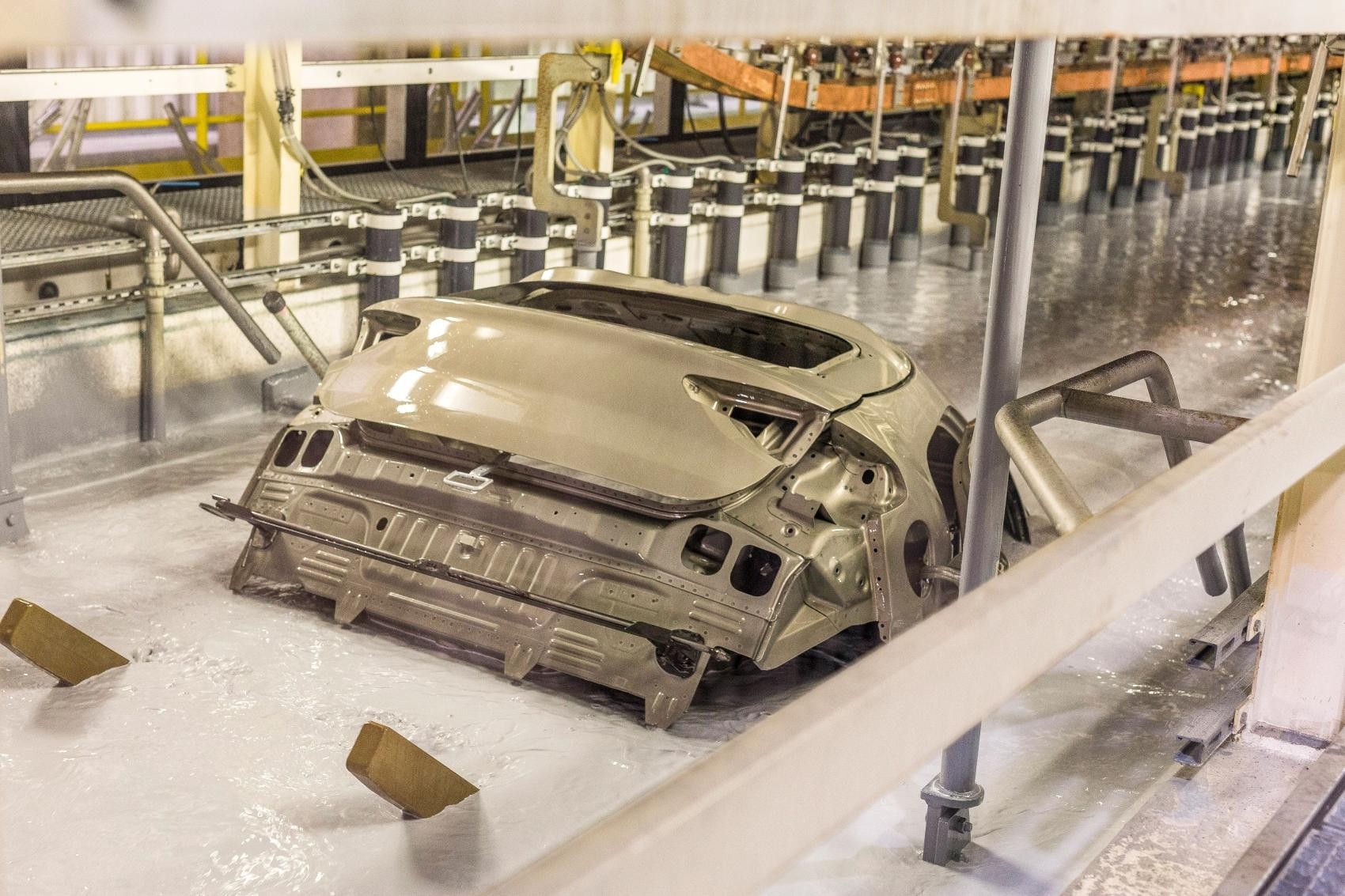
Industry estimates place the total factory painting cost at approximately $1,500 to $3,500 per vehicle depending on the manufacturer and model. Luxury brands like BMW, Mercedes-Benz, and Audi spend considerably more sometimes up to $5,000 or higher per vehicle. Special paint options like metallic, pearlescent, and multi-stage finishes push manufacturing costs even further beyond the standard range.
Factory paint shops consume enormous amounts of energy running curing ovens continuously at temperatures between 140°C and 180°C. A single automotive paint shop can consume as much energy as a small town over the course of a year.
Environmental regulations require factories to capture solvent fumes and dispose of chemical waste following strict hazardous material protocols, and these compliance costs are built into the price of every car that rolls off the line.
The durability of factory paint comes from high-temperature baking, which bonds the paint chemically to the primer and body panels in a way that low-temperature body shop curing cannot replicate.
Factory paint, when properly maintained, can last 20 to 30 years without significant fading or peeling. Thickness is precisely measured at multiple points on every vehicle to ensure total consistency across the entire painted surface.
The True Cost of Painting a Car at a Body Shop
A body shop operates on an entirely different scale from a factory, using smaller equipment and human painters rather than robots. Most body shops use compressed air spray guns, and skilled painters must master even-coat application by hand a technique that takes years of experience to develop properly.
Budget paint jobs at franchise chain shops can cost as little as $300 to $1,000, using basic single-stage paints and minimal surface preparation. Mid-range body shop paint jobs typically cost between $1,500 and $4,500, with better materials, proper multi-coat application, and careful panel blending.
High-end specialty or concours restoration shops can charge anywhere from $5,000 to $20,000 or more for a full vehicle, with labor hours alone sometimes exceeding 100 hours on a complete job.
Labor is the single biggest cost in any body shop paint job, with skilled automotive painters earning between $25 and $60 per hour in the United States.
A complete exterior respray can require 40 to 80 hours of labor, meaning labor costs alone can range from $1,000 to $4,800. Prep work sanding, masking, priming, and surface cleaning is where most of those hours are spent, and shops that rush this phase consistently produce paint jobs that fail within one or two years.
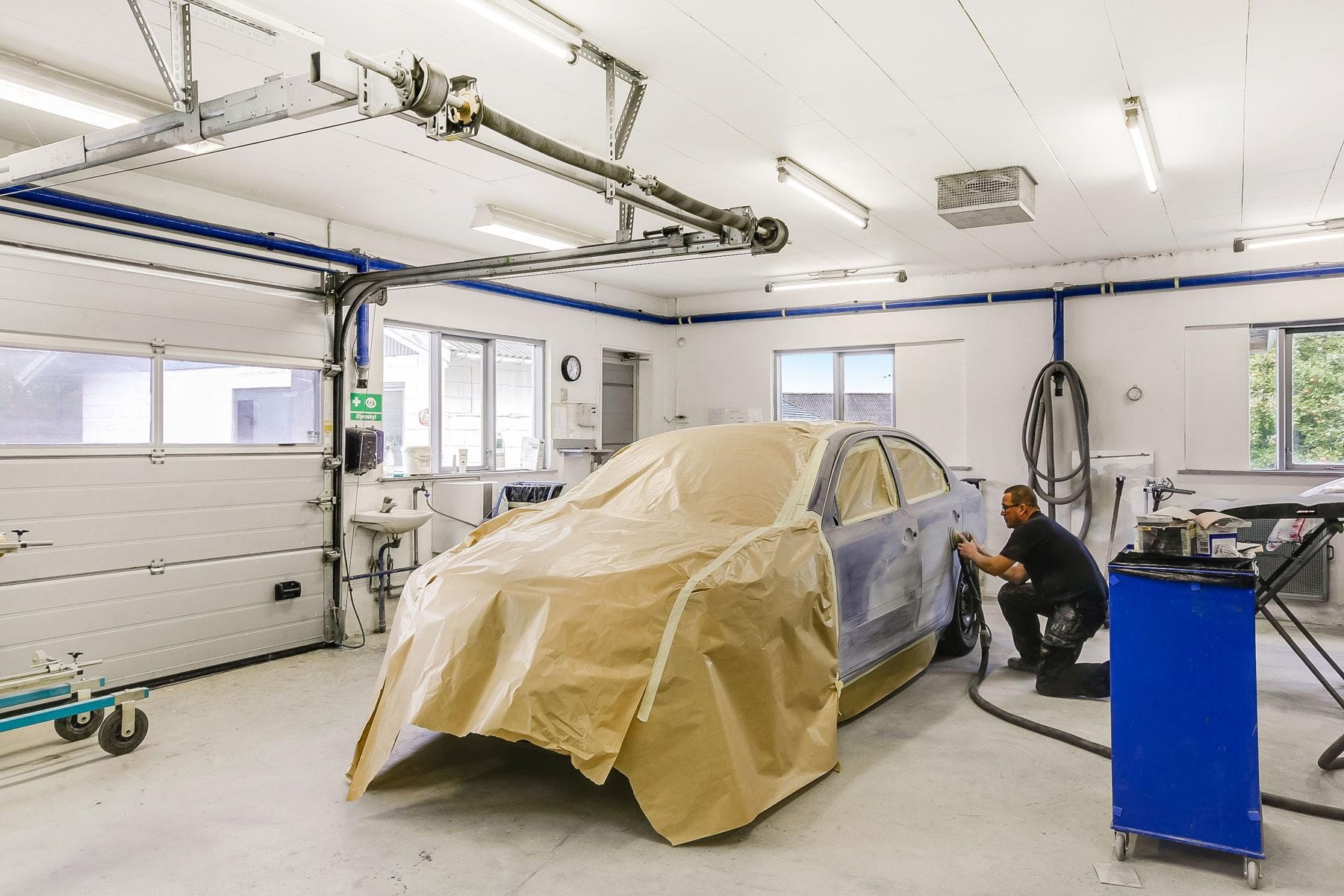
Professional automotive paint is expensive, with a single gallon of high-quality base coat costing between $100 and $300. Painting a full car requires multiple gallons of base coat plus separate primer and clear coat, pushing total material costs to $500 to $1,500 for a mid-level respray.
Color matching adds further complexity, often requiring computerized spectrophotometers to analyze existing paint and generate an exact formula, adding both equipment cost and technician time to the final bill.
Rust discovered under old paint is billed separately and can add hundreds or thousands of dollars once the shop begins working. Trim removal taking off door handles, mirrors, emblems, and weather stripping is charged as additional labor and is rarely included in initial quotes.
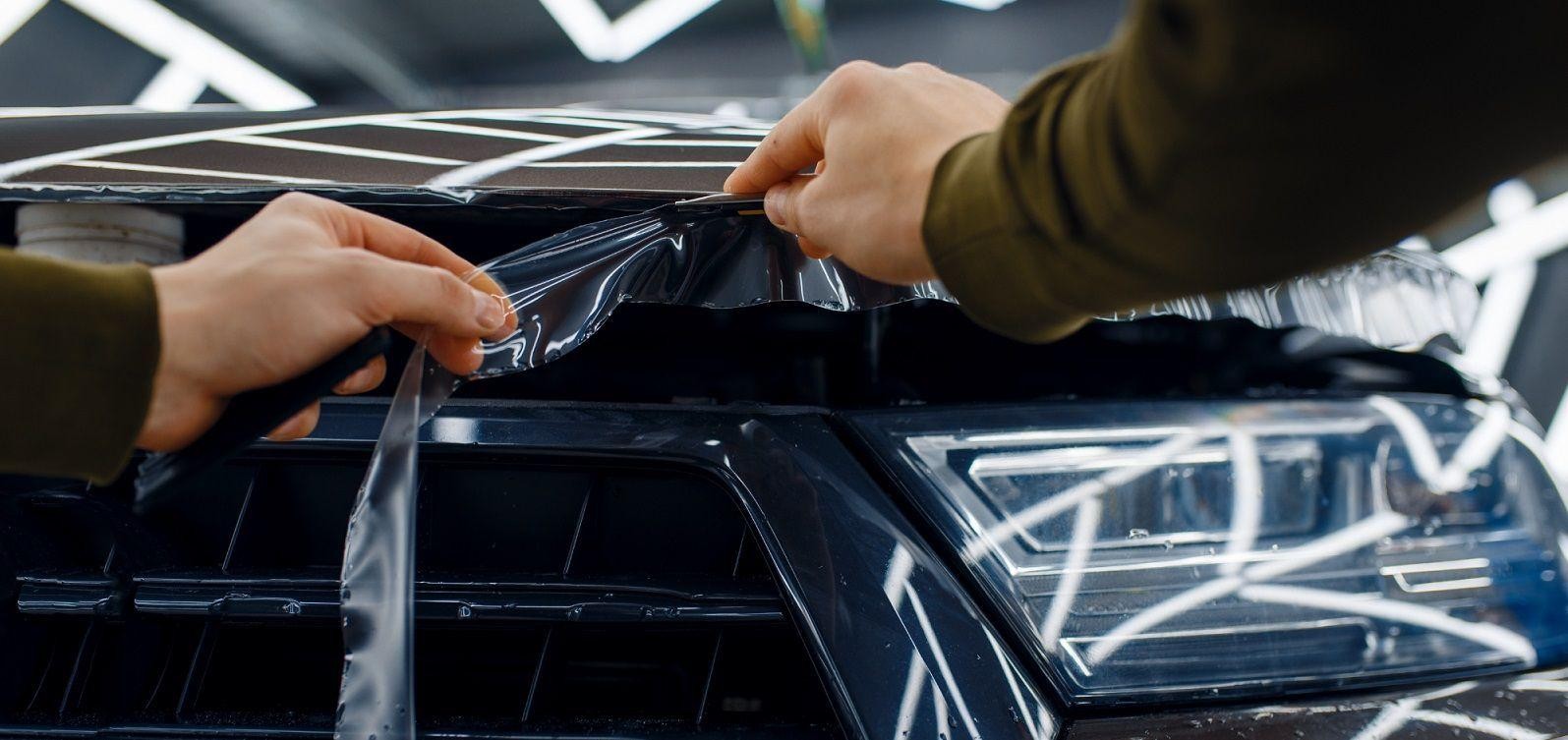
Paint protection film or ceramic coating, which many customers add after a respray, can add $500 to $5,000 to the total. Rental car expenses during the one to three weeks a quality respray typically takes also add up quickly and are almost never factored into early budget planning.
Key Differences, Value Comparison, and When to Choose What
The most critical difference between factory and body shop paint is the curing process and the molecular bond it creates. Factory paint cured at high temperatures bonds chemically to the primer and metal, while body shop paint cured at just 60°C to 80°C creates only a surface bond.
Factory paint thickness is controlled to 100 to 200 microns across all layers, measured precisely at multiple points on every vehicle. Body shop paint often applies thicker layers to hide surface imperfections, but thickness alone cannot compensate for the fundamental chemical bonding difference.
Getting a factory-perfect color match at a body shop is genuinely difficult, even with computerized mixing systems available. Slight variations in application technique, spraying temperature, and curing conditions can shift the final color enough to be clearly visible.
Repainted panels often look subtly different from original panels under certain lighting conditions, especially with metallic and pearl finishes. Full panel repaints always blend better than spot repairs, and matching complex multi-stage finishes remains one of the hardest ongoing challenges in the repair industry.
When insurance pays for collision repair paint work, the amounts allocated are based on negotiated labor rates that are often lower than what private customers pay. The average insurance-paid paint and body claim in the United States sits at approximately $3,000 to $5,000 for moderate damage.
Major collision repairs involving full-panel repaints can push claims into the $8,000 to $15,000 range. Insurers consistently try to control costs, which sometimes results in lower-grade materials or reduced prep hours being approved for the repair.
A high-quality body shop paint job is absolutely worth the investment for classic car restoration, show car preparation, and correcting severe factory paint defects. For daily drivers with serious paint damage, spending $2,000 to $4,000 on quality work protects the metal underneath, improves resale value, and meaningfully restores the car’s appearance.
If your car is older, carries high mileage, and is worth less than the cost of a full paint job, a budget respray or targeted touch-ups make far more financial sense. Prevention through regular washing, waxing, and paint protection film on high-impact zones always costs far less than full restoration down the road.
Factory paint costs manufacturers $1,500 to $5,000 per vehicle, with that cost absorbed invisibly into the purchase price. Body shop paint jobs range from $300 for a basic finish all the way to $20,000 or more for high-end restoration work. The quality gap between these extremes is enormous and directly reflects the time, technology, and materials invested at each level.
Understanding these real numbers gives you the confidence to negotiate fairly, recognize an unreasonable quote, and make the decision that is genuinely right for your specific vehicle and situation.
