The American electric vehicle market is undergoing one of its biggest course corrections since automakers began investing hundreds of billions of dollars in battery-powered transportation.
After years of ambitious product announcements, factory expansions, and promises of an all-electric future, 2026 has become a year defined by delays, cancellations, and strategic retreats.
Rather than introducing a wave of new electric models, several manufacturers are quietly removing vehicles from their U.S. lineups or postponing launches indefinitely. The shift is not driven by a lack of technological progress.
Battery technology continues to improve, charging networks are expanding, and many next-generation EV platforms promise greater range and lower production costs.
Instead, the market is responding to changing consumer demand, economic uncertainty, evolving government policy, and growing pressure to make electric vehicles profitable rather than simply available.
Industry analysts say the change represents a market correction rather than the end of electrification. Still, it marks a significant departure from the optimism that surrounded the EV industry only a few years ago.
Recent reporting from Business Insider identified more than a dozen electric models that have either been discontinued, delayed, or canceled for the U.S. market during 2026 alone. The list spans mainstream brands, luxury manufacturers, and even startups, illustrating how widespread the industry’s reassessment has become.
Also Read: 10 Automakers Ranked by How Much Driver Data They Collect
Consumer Demand Has Shifted Faster Than Expected
Automakers spent much of the past decade planning for a rapid transition toward fully electric transportation. Those forecasts were largely based on generous federal incentives, rising fuel prices, tightening emissions regulations, and expectations that battery costs would continue falling quickly.
Instead, many of those assumptions have changed. One of the biggest turning points came after the expiration of the federal EV tax credit program.
Without the incentive that reduced purchase prices by as much as $7,500 for eligible buyers, many consumers delayed purchases or returned to gasoline-powered vehicles and hybrids.
Figures released by Cox Automotive show U.S. EV sales fell 27 percent year over year during the first quarter of 2026. While the quarterly decline was smaller than the dramatic drop recorded immediately after incentives ended, the data confirmed that demand has not returned to previous expectations.
Battery-electric vehicles accounted for only about 6 percent of new vehicle sales during the quarter, well below the momentum many manufacturers had projected just two years earlier.
At the same time, hybrid vehicles have become the industry’s fastest-growing segment. MarketWatch, citing Cox Automotive data, reported that hybrid sales have increased dramatically over the past three years as consumers seek better fuel economy without worrying about charging infrastructure or long-distance range.
Toyota, Hyundai, Honda, and several other manufacturers have benefited from this renewed interest, prompting many companies to redirect investment toward hybrid technology instead of rushing exclusively toward battery-electric models.
Automakers Begin Trimming Their EV Portfolios
The changing market has forced manufacturers to rethink which products deserve continued investment.
Honda has made one of the most dramatic pivots. The company significantly reduced its ambitious EV expansion plans, shelving several projects that were expected to define its next generation of electric products in North America.
Industry reports indicate Honda’s planned 0 Series models, the Acura RSX EV program, and other future projects have either been canceled or substantially delayed as the company shifts more resources toward hybrids. Hyundai and Kia have also adjusted their American strategy.
Business Insider reported that Hyundai discontinued the Ioniq 6 and Kona Electric in the U.S. market while Kia removed the Niro EV and postponed several performance-oriented versions of the EV6 and EV9.
Company executives continue emphasizing their long-term commitment to electrification, but product portfolios are clearly being streamlined to match current demand rather than earlier sales forecasts. Luxury manufacturers are making similar decisions.
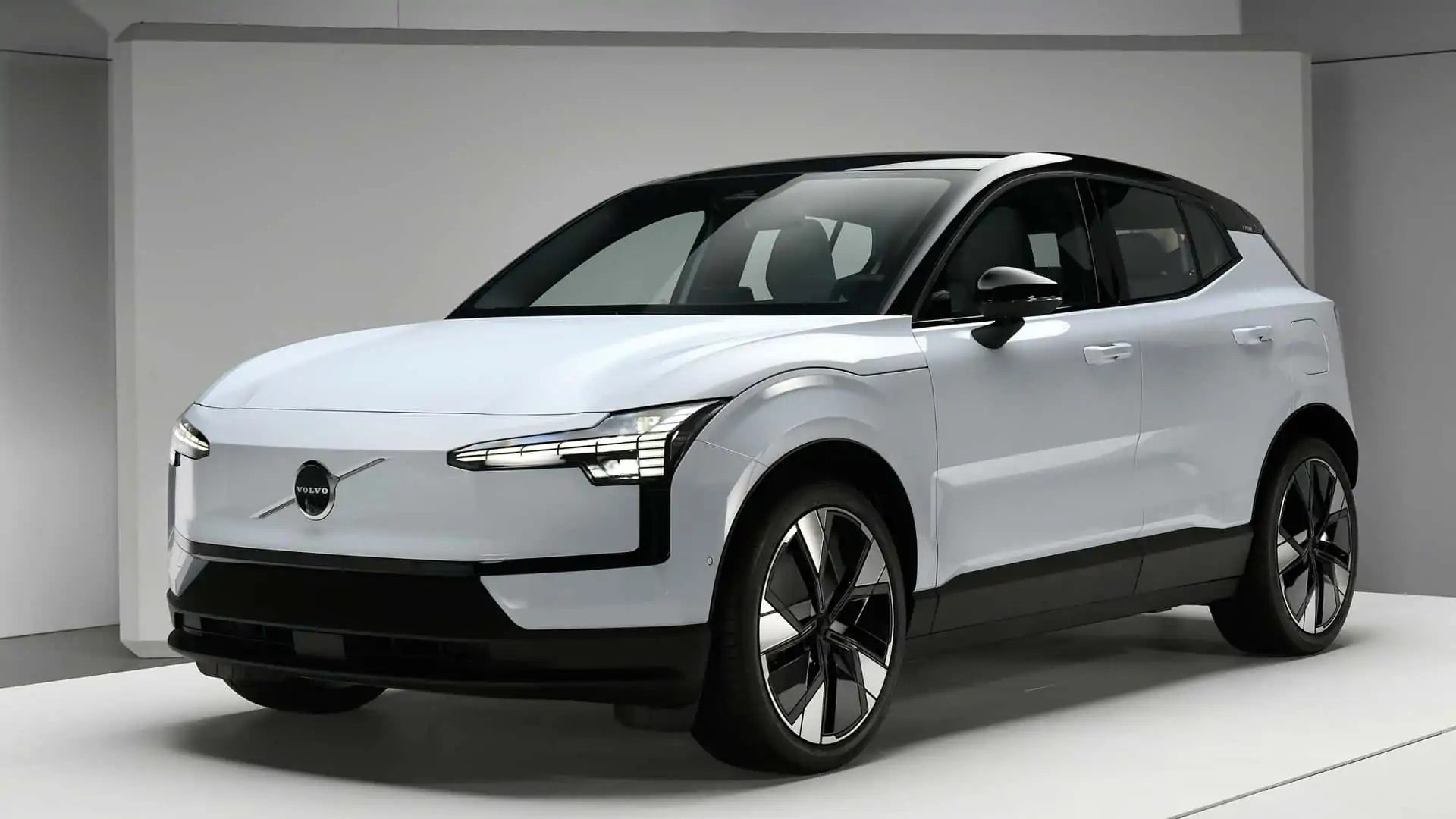
Volvo ended plans to continue offering the EX30 in the United States after pricing challenges, tariffs, and production changes reduced the model’s competitiveness.
BMW is gradually preparing to phase out current-generation electric models such as the i4 and iX as it focuses investment on its upcoming Neue Klasse architecture, which promises major improvements in efficiency, software integration, and manufacturing costs. Porsche has also begun reducing certain Taycan wagon variants as it refines its electric portfolio.
Tesla, despite remaining America’s dominant EV manufacturer, has not been immune to changing market conditions either.
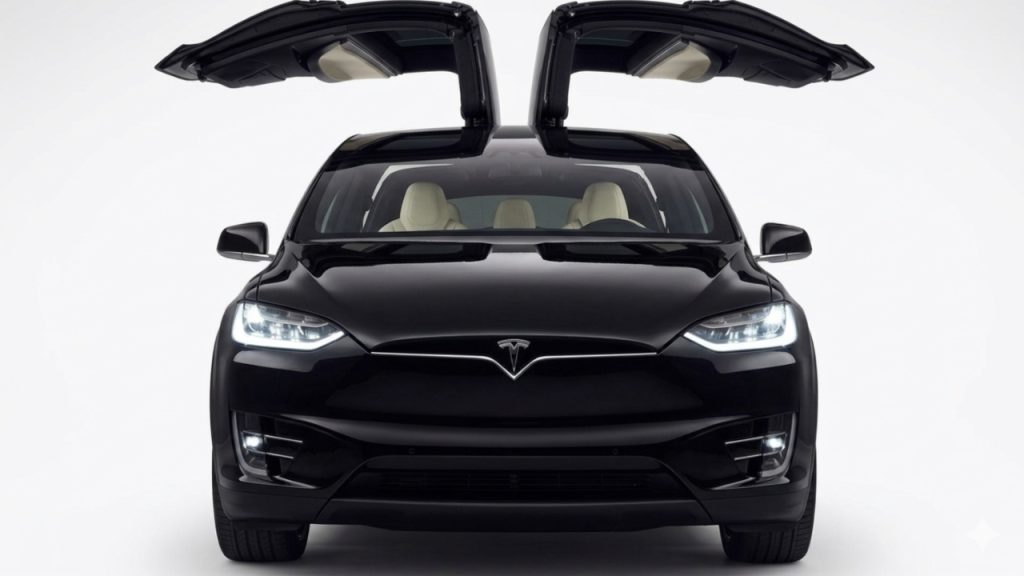
Reports indicate production of the aging Model S and Model X has been scaled back as the company concentrates manufacturing capacity on higher-volume products like the Model 3 and Model Y while preparing future platforms.
Profitability Has Become the New Priority
The latest changes reflect a broader shift inside automotive boardrooms. For years, investors rewarded manufacturers for announcing ambitious electrification plans, regardless of whether individual models generated meaningful profits. Today, executives face increasing pressure to demonstrate financial discipline.
The cost of developing dedicated EV platforms remains enormous. Companies must invest in battery factories, software development, semiconductor supply chains, charging partnerships, and manufacturing facilities simultaneously. Producing dozens of low-volume electric models has become increasingly difficult to justify when demand is softening.
Analysts say manufacturers are no longer chasing market share at any cost. Instead, they are concentrating resources on vehicles with stronger profit margins and higher sales potential.
That strategy is becoming visible across the industry as companies reduce overlapping models, delay risky launches, and prioritize vehicles capable of generating sustainable returns instead of simply expanding their electric portfolios.
Policy Changes and Global Competition Are Reshaping the Market
Government policy has become another major factor influencing automakers’ decisions. In recent years, federal incentives, emissions regulations, and investments in charging infrastructure have encouraged manufacturers to accelerate their EV programs.
However, the expiration of consumer tax credits and uncertainty surrounding future regulations have forced companies to reassess production volumes and pricing strategies.
At the same time, competition from Chinese manufacturers has intensified worldwide. Companies such as BYD continue expanding internationally with lower-cost electric vehicles, placing additional pressure on established automakers to reduce production costs before introducing new products.
Although many Chinese models are not sold directly in the United States because of tariffs and trade restrictions, their influence is being felt across the global industry.
According to the International Energy Agency, China remains the world’s largest EV market and continues to lead battery manufacturing capacity, giving its automakers significant economies of scale that many Western manufacturers are still working to achieve.
Executives across the industry now acknowledge that the transition to electrification will likely take longer than originally forecast. Instead of abandoning EVs altogether, companies are focusing on launching fewer models with better technology, improved profitability, and stronger consumer appeal.
The Future of America’s Electric Vehicle Market
Despite the growing list of discontinued and delayed models, industry experts caution against interpreting the current shake-up as the beginning of the end for electric vehicles in America. Battery technology continues to advance, charging infrastructure is steadily expanding, and next-generation platforms promise lower manufacturing costs and longer driving ranges.
Research from BloombergNEF suggests global EV adoption will continue growing over the coming decade, although the pace is expected to vary by region depending on government policy, charging availability, and consumer demand.
Many manufacturers are now concentrating on flexible production lines capable of building gasoline, hybrid, and electric vehicles on the same assembly line, allowing them to respond more quickly to changing market conditions.
Industry analysts at S&P Global Mobility also expect hybrid vehicles to play a much larger role during the remainder of the decade, serving as a bridge for consumers who are not yet ready to transition to fully electric transportation.
This strategy is already visible at companies including Toyota, Honda, Hyundai, and Ford, all of which have announced expanded hybrid offerings alongside their long-term EV investments.
The industry’s current direction reflects a more measured approach than the aggressive expansion seen just a few years ago.
Automakers are no longer introducing electric vehicles simply to fill every market segment. Instead, they are concentrating on products that can compete on price, profitability, and real-world usability.
America’s EV shake-up is therefore less about abandoning electrification and more about refining it. The cancellation of several models signals that the market is entering a new phase where financial sustainability carries as much weight as technological innovation.
Consumers can still expect a steady stream of new electric vehicles in the years ahead, but those models are likely to be introduced more selectively, backed by stronger business cases and shaped by lessons learned during the industry’s rapid expansion.
As manufacturers respond to shifting consumer preferences and economic conditions, the next phase of the EV market will likely be shaped less by the number of available models and more by how well they satisfy buyers in an increasingly competitive automotive market.
Also Read: 10 Three-Row SUVs That Leave Plenty of Room for Your Luggage