
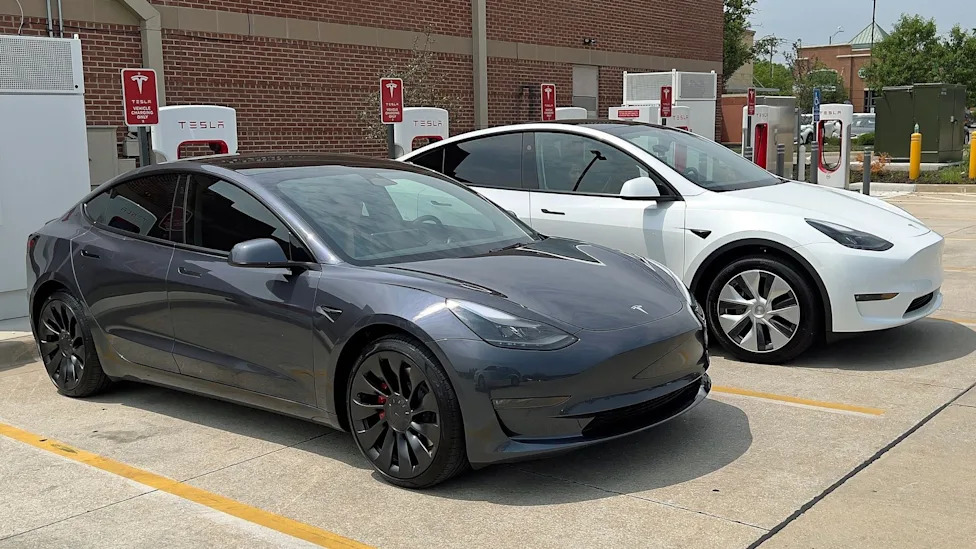
Tesla delivered one of its strongest quarterly sales performances in recent years, beating Wall Street expectations by a wide margin and reinforcing signs that demand for its electric vehicles has recovered in several key markets.
Yet investors responded unexpectedly. Instead of celebrating the better-than-anticipated numbers, they sent Tesla shares sharply lower, highlighting a growing divide between the company’s automotive performance and the market’s expectations for its future.
The Austin-based electric vehicle manufacturer reported second-quarter deliveries of 480,126 vehicles, comfortably surpassing analyst estimates compiled by Visible Alpha, which averaged just over 402,000 units.
Tesla also produced 451,758 vehicles during the April-to-June period, allowing the company to reduce inventory that had accumulated during the previous quarter.
Reuters noted that the delivery figure represented Tesla’s strongest second quarter on record and a roughly 25 percent increase from the same period a year earlier, marking a significant turnaround after two years of slowing sales growth.
Despite those encouraging figures, Tesla shares fell about 7 percent during trading, making it the company’s steepest one-day decline in nearly a year.
The reaction surprised many investors because strong delivery numbers traditionally provide a boost to automaker stocks. Instead, the market appeared focused on broader concerns about Tesla’s long-term growth strategy, profitability, and whether the latest sales surge can be sustained.
Reuters reported that many analysts believed much of the optimism had already been reflected in the stock price after Tesla shares rallied approximately 12 percent in the days leading up to the delivery announcement.
The delivery report itself painted a far healthier picture than many analysts had anticipated at the beginning of the quarter. Tesla’s core business remained heavily concentrated around the Model 3 and Model Y, which accounted for 467,762 deliveries.
The remaining 12,364 vehicles included products such as the Cybertruck and other specialty models. The company also deployed 13.5 gigawatt-hours of energy storage products, reinforcing the continued growth of its energy business, although that figure came in slightly below some analyst forecasts.
One of the biggest contributors to Tesla’s improved performance came from Europe, where sales rebounded after a difficult 2025. Reuters reported that rising fuel prices, renewed government incentives for electric vehicles in several countries, and accelerating fleet electrification helped revive consumer demand.
Analysts also pointed to a gradual easing of the political backlash surrounding Chief Executive Elon Musk, which had weighed on European sales over the past year. These factors combined to produce one of Tesla’s strongest regional performances in several quarters.
China also continued to support Tesla’s recovery. While competition from domestic manufacturers such as BYD remains intense, refreshed versions of the Model Y helped stabilize sales in the world’s largest electric vehicle market.
Analysts believe Tesla’s updated product lineup has improved its competitiveness against local rivals, even as price competition remains fierce. Reuters reported that Tesla’s China-made vehicle sales have steadily improved during 2026, giving the company additional momentum heading into the second half of the year.
Also Read: 10 Automakers Ranked by How Much Driver Data They Collect
The picture in the United States, however, remains more complicated. Industry analysts say domestic demand continues to face pressure following the expiration of the federal electric vehicle tax credit.
Without incentives that previously lowered purchase prices for eligible buyers, many American consumers have delayed EV purchases or shifted toward hybrid vehicles instead.
Sam Fiorani, Vice President at AutoForecast Solutions, told Reuters that Tesla’s competitive pricing and financing offers have helped offset some of the demand weakness, but the U.S. market remains significantly more challenging than Europe.
Tesla has responded by continuing to adjust its product strategy. The company introduced lower-cost variants of the Model 3 and Model Y over the past year while expanding financing incentives in several markets.
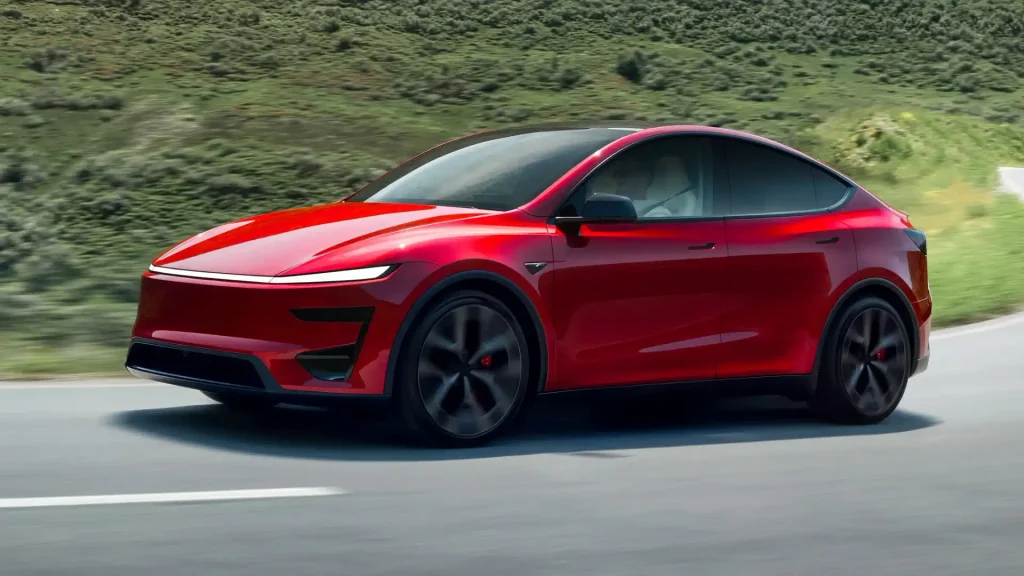
More recently, Tesla revealed a six-seat, long-wheelbase Model Y L in the United States, a vehicle designed to attract families seeking additional interior space without moving to larger SUVs. Reuters reported that the new variant is expected to play an important role in stimulating demand during the remainder of 2026.
Yet investors appear increasingly interested in something beyond vehicle deliveries. Tesla’s valuation has become closely tied to Elon Musk’s ambitions in artificial intelligence, autonomous driving, robotics, and the company’s expanding robotaxi business.
Analysts have repeatedly noted that while vehicle sales remain the financial foundation of Tesla, many shareholders now view the automaker as an AI company rather than simply a manufacturer of electric vehicles.
That shift in perception helps explain why impressive delivery numbers failed to satisfy the market. Investors are waiting for clearer evidence that Tesla’s Full Self-Driving software, robotaxi network, and Optimus humanoid robot program can generate meaningful long-term revenue.
Until those businesses begin producing measurable financial returns, quarterly delivery beats alone may no longer be enough to drive sustained gains in Tesla’s share price.
Reuters noted that Tesla plans to spend more than $25 billion on capital expenditures during 2026 as it expands AI infrastructure, battery production, autonomous vehicle development, and robotics manufacturing, underscoring how much of the company’s future depends on technologies beyond traditional automobile sales.
Investors Are Looking Beyond Delivery Numbers
Tesla’s second-quarter performance has reinforced a broader shift in how investors evaluate the company. A few years ago, quarterly deliveries were considered the clearest measure of Tesla’s success, often driving sharp movements in the stock price.
Today, many institutional investors place greater emphasis on margins, cash flow, artificial intelligence initiatives, and the pace of autonomous driving development than on vehicle sales alone.
Analysts believe another reason behind the stock’s decline was concern about profitability. Delivering more vehicles does not necessarily translate into higher earnings if manufacturers rely heavily on discounts, low-interest financing, or promotional offers to attract buyers.
Tesla has repeatedly adjusted pricing across several markets over the past two years to remain competitive against both established automakers and fast-growing Chinese EV manufacturers. While those strategies have helped maintain sales momentum, they have also raised questions about automotive gross margins.
According to Reuters, investors are now looking ahead to Tesla’s upcoming earnings report, where they expect greater clarity on average selling prices, operating margins, and the financial impact of continued investment in artificial intelligence and autonomous driving technologies.
Those figures are likely to provide a more complete picture of the company’s financial health than delivery numbers alone.
Another factor weighing on sentiment is increasing competition. Traditional manufacturers such as Ford, General Motors, Hyundai, and BMW continue expanding their electric vehicle portfolios, while Chinese companies led by BYD are introducing lower-cost models at a rapid pace.
Although many of those vehicles are not available in the United States because of tariffs and trade restrictions, the competitive pressure is reshaping pricing strategies across global markets.
Tesla still retains several important advantages, including one of the world’s largest fast-charging networks, highly efficient manufacturing operations, and strong brand recognition. However, analysts say maintaining those advantages will require continued investment in new products, software, and battery technology while balancing profitability.
The company’s energy business is also becoming an increasingly important contributor to long-term growth. Large-scale battery storage deployments continue to expand as utilities and commercial customers invest in renewable energy infrastructure.
Although energy revenue remains smaller than Tesla’s automotive business, many analysts believe it could become a significant earnings driver over the next decade.
Looking ahead, investors will closely monitor several milestones during the second half of 2026. These include the broader rollout of Tesla’s robotaxi service, progress in full self-driving software, production of new vehicle variants, and the company’s third-quarter delivery performance. Each of these developments will influence whether Tesla can justify its premium market valuation.
The market’s reaction to the latest delivery report demonstrates that Tesla has entered a new phase. Strong vehicle sales remain essential, but they are no longer sufficient on their own to satisfy investor expectations.
Shareholders increasingly expect evidence that Tesla can transform its leadership in electric vehicles into sustainable profits while successfully expanding into artificial intelligence, robotics, and autonomous transportation.
For now, the second-quarter delivery figures confirm that customer demand has recovered more strongly than many analysts anticipated. The decline in Tesla’s stock price reflects not disappointment with the quarter itself but the exceptionally high expectations surrounding the company’s future.
As Tesla prepares to report full financial results, investors will be looking beyond delivery records to determine whether the company’s ambitious technology investments can deliver the long-term growth that its valuation continues to imply.
Also Read: 10 Beginner Motorcycles That Hold Their Value Best
