
The U.S. automotive market is undergoing a significant shift, and it is not unfolding the way many manufacturers expected just a few years ago.
After a decade dominated by headlines about battery-electric vehicles, hybrid models have emerged as the fastest-growing segment in the country, reflecting changing consumer priorities and a more measured transition toward vehicle electrification.
For much of the early 2020s, automakers accelerated investments in fully electric vehicles, anticipating that government incentives, expanding charging infrastructure, and tightening emissions regulations would rapidly reshape the industry.
Instead, 2026 has become a year of recalibration. Buyers are increasingly choosing hybrids that deliver meaningful improvements in fuel economy while preserving the convenience of gasoline refueling, particularly as higher vehicle prices and evolving federal policies influence purchasing decisions.
Recent market data indicates that hybrid vehicles are outperforming battery-electric models in terms of sales growth, prompting several manufacturers to revise product plans and expand hybrid production.
Rather than abandoning electric vehicles, automakers are adjusting to a market in which consumers are demanding greater flexibility and affordability.
According to Cox Automotive, hybrid sales continued to post double-digit growth during the first half of 2026, while battery-electric vehicle demand moderated following the expiration of the federal EV tax credit.
Battery-electric vehicles accounted for roughly 6 percent of new vehicle sales during the first quarter, significantly below the levels many manufacturers had projected only a few years earlier.
Analysts at Cox Automotive noted that hybrid models have become one of the industry’s strongest growth drivers as consumers seek lower fuel costs without relying on public charging infrastructure.
Also Read: 8 Hidden Features in the Ram 1500
Consumers Are Choosing Practical Solutions
The growing popularity of hybrids reflects changing buying priorities rather than declining interest in cleaner transportation.
Higher borrowing costs, rising insurance premiums, and upgraded new-vehicle prices have encouraged shoppers to evaluate long-term ownership costs more carefully.
While fully electric vehicles continue to offer lower fuel and maintenance expenses, many buyers remain concerned about charging availability, resale values, and longer-distance travel.
Hybrid vehicles address many of those concerns by combining electric motors with conventional gasoline engines, allowing drivers to improve fuel efficiency without altering established driving habits.
Industry analysts say this balance has become increasingly attractive for households that want lower operating costs but are not yet ready to rely exclusively on battery power.
MarketWatch, citing Cox Automotive research, reported that hybrid demand has accelerated across multiple vehicle categories, including compact sedans, midsize SUVs, and pickup trucks.
The publication noted that many consumers now view hybrids as the most practical step toward vehicle electrification because they eliminate range anxiety while still delivering noticeable reductions in fuel consumption.
Automakers Are Responding With Broader Hybrid Lineups
The shift in consumer demand is reshaping product strategies throughout the industry. Toyota has become one of the biggest beneficiaries of the trend after maintaining a long-standing commitment to hybrid technology.
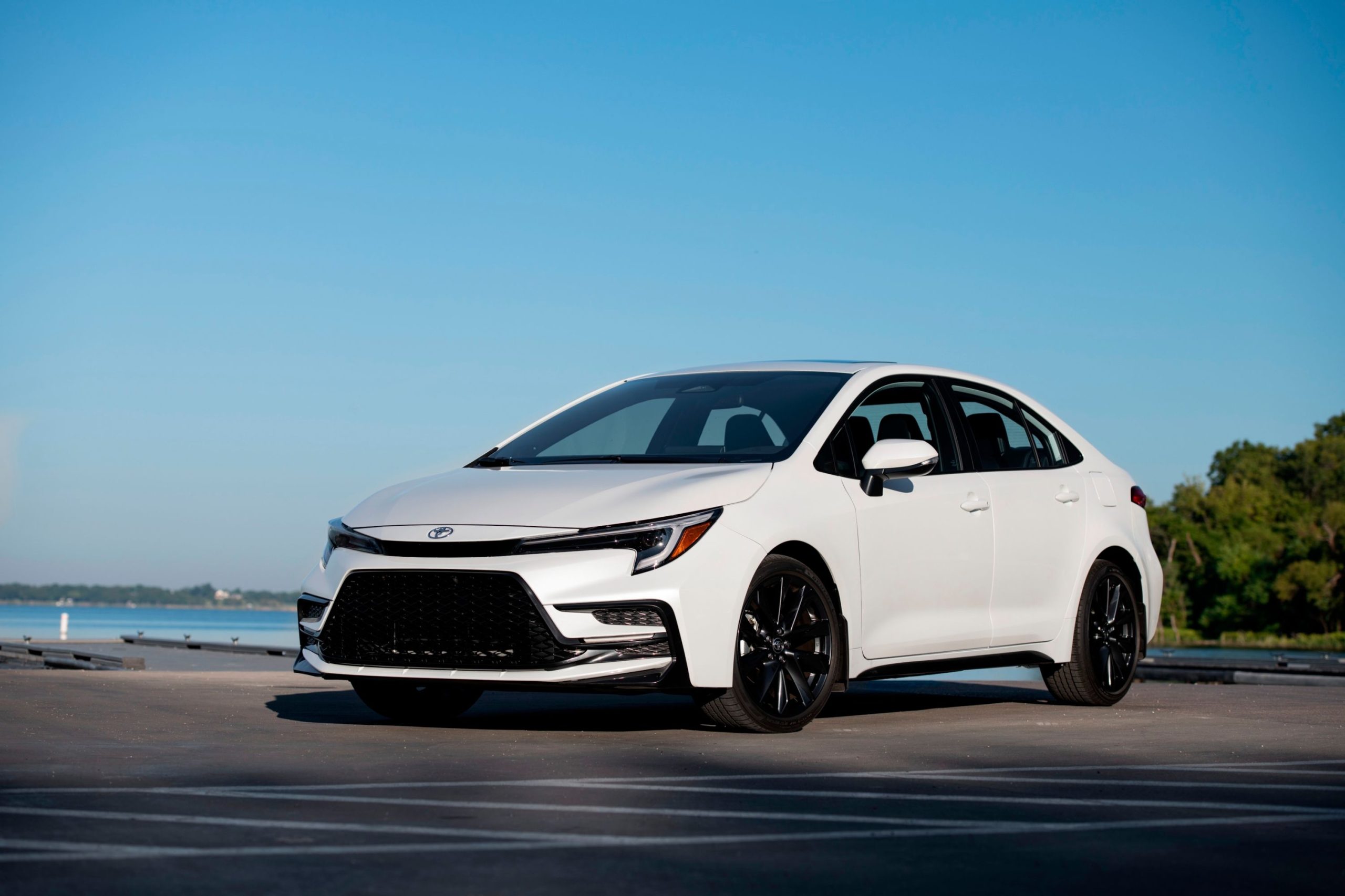
While several competitors concentrated primarily on battery-electric vehicles, Toyota continued expanding hybrid versions of popular models, including the Camry, Corolla, RAV4, Grand Highlander, and Prius.
That diversified approach has helped the company capture growing demand from buyers seeking improved efficiency without making the transition to a fully electric vehicle.
Honda has followed a similar path by increasing production of hybrid versions of the Civic, Accord, and CR-V.
Company executives have acknowledged that hybrid sales have exceeded internal expectations, prompting additional investment in electrified gasoline powertrains alongside the company’s long-term EV development plans.
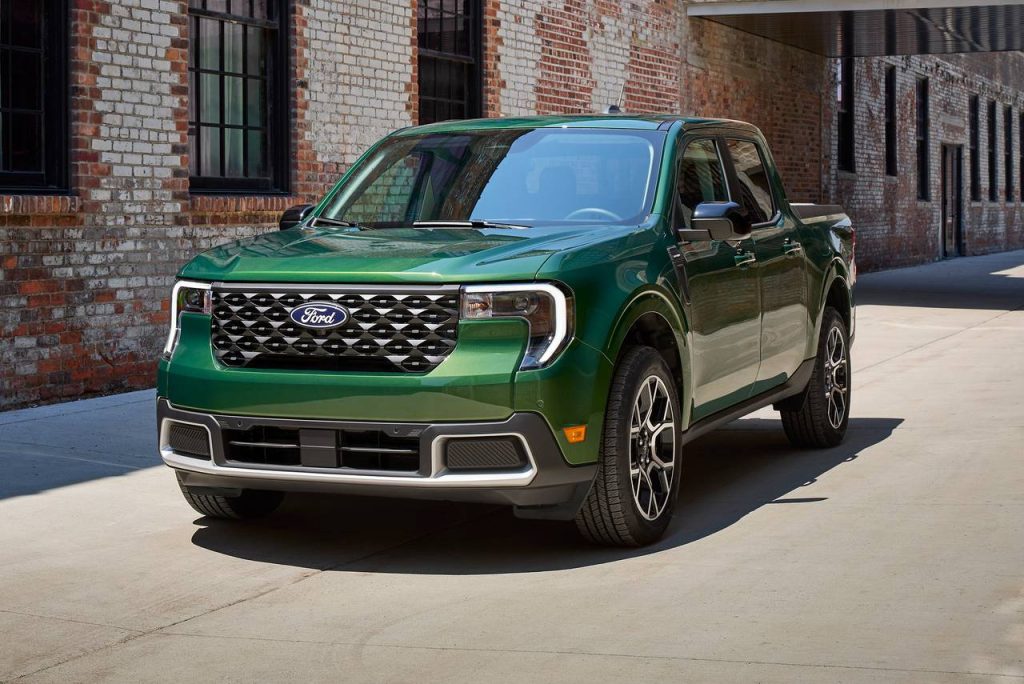
Ford has also benefited from strong demand for hybrid products. The Maverick Hybrid has become one of the company’s fastest-growing vehicles, while the F-150 Hybrid continues to attract truck buyers looking to reduce fuel consumption without sacrificing towing capability or driving range.
These models have demonstrated that hybrid technology is expanding well beyond traditional passenger cars and into segments that historically relied almost entirely on gasoline engines.
Hyundai and Kia have likewise increased hybrid production across their SUV lineups as consumer demand continues shifting toward more affordable electrified options.
Industry analysts believe these manufacturers are well positioned to benefit from current market conditions because they offer buyers a broad selection of gasoline, hybrid, plug-in hybrid, and battery-electric vehicles, allowing customers to choose the technology that best matches their driving needs.
EV Manufacturers Face a More Competitive Environment
The rapid growth of hybrids has created additional challenges for manufacturers focused primarily on battery-electric vehicles.
Tesla remains the dominant EV brand in the United States, but the company has responded to changing market conditions by introducing lower-cost variants of the Model 3 and Model Y while expanding its lineup with the six-seat Model Y L.
Other manufacturers, including General Motors, Rivian, and Mercedes-Benz, continue investing heavily in battery-electric technology, but many have also revised production schedules or delayed selected EV programs as demand has become more measured than earlier forecasts suggested.
Rather than representing a setback for electrification, analysts view the current market as evidence that consumers prefer multiple pathways toward lower-emission transportation instead of a rapid shift to a single technology. That perspective is increasingly influencing investment decisions across the global automotive industry.
Industry Strategy Is Evolving Alongside Consumer Demand
The rise of hybrid vehicles is influencing more than showroom sales. It is reshaping how automakers allocate investment, design future product lineups, and plan manufacturing capacity.
Companies that once accelerated plans to transition rapidly toward fully electric portfolios are now adopting more balanced strategies that combine gasoline, hybrid, plug-in hybrid, and battery-electric vehicles.
According to Reuters, several global manufacturers have adjusted their electrification roadmaps over the past year, citing softer-than-expected EV demand in North America and changing market conditions.
Some companies have delayed electric vehicle launches, while others have expanded hybrid production to better align with consumer demand. Industry analysts view these decisions as strategic adjustments rather than a retreat from long-term electrification goals.
Manufacturing flexibility has become another competitive advantage. Ford, Hyundai, Toyota, and several other automakers are investing in production systems capable of assembling multiple powertrain types on the same production line.
This approach allows manufacturers to respond more quickly if demand shifts between gasoline, hybrid, and electric vehicles without requiring major factory retooling.
The broader market environment has also contributed to hybrids’ growing appeal. Higher interest rates, upgraded vehicle prices, and ongoing economic uncertainty have encouraged buyers to prioritize affordability and long-term ownership costs.
For many households, hybrids offer lower fuel consumption without the higher upfront cost or charging considerations associated with battery-electric vehicles.
Research from J.D. Power indicates that consumer interest in electrified vehicles remains strong, but purchasing decisions are increasingly influenced by practical considerations such as total ownership cost, convenience, and daily usability. Analysts believe those factors will continue shaping the market over the next several years.
Looking ahead, most industry observers expect hybrid demand to remain strong while battery-electric vehicles continue advancing through improvements in battery technology, charging infrastructure, and manufacturing efficiency.
Rather than replacing EVs, hybrids are serving as an important transitional technology that broadens consumer participation in lower-emission transportation.
For automakers, the latest sales trends reinforce an important lesson: success will depend less on promoting a single powertrain and more on offering customers meaningful choice.
Companies capable of delivering competitive gasoline, hybrid, plug-in hybrid, and battery-electric vehicles will be better positioned to adapt as consumer preferences continue evolving.
The current market demonstrates that America’s transition toward electrification is continuing, but at a pace increasingly determined by buyers rather than forecasts, making flexibility one of the industry’s most valuable competitive advantages.
Also Read: 10 Cars Where Remote Features Stop Working Without a Subscription
