
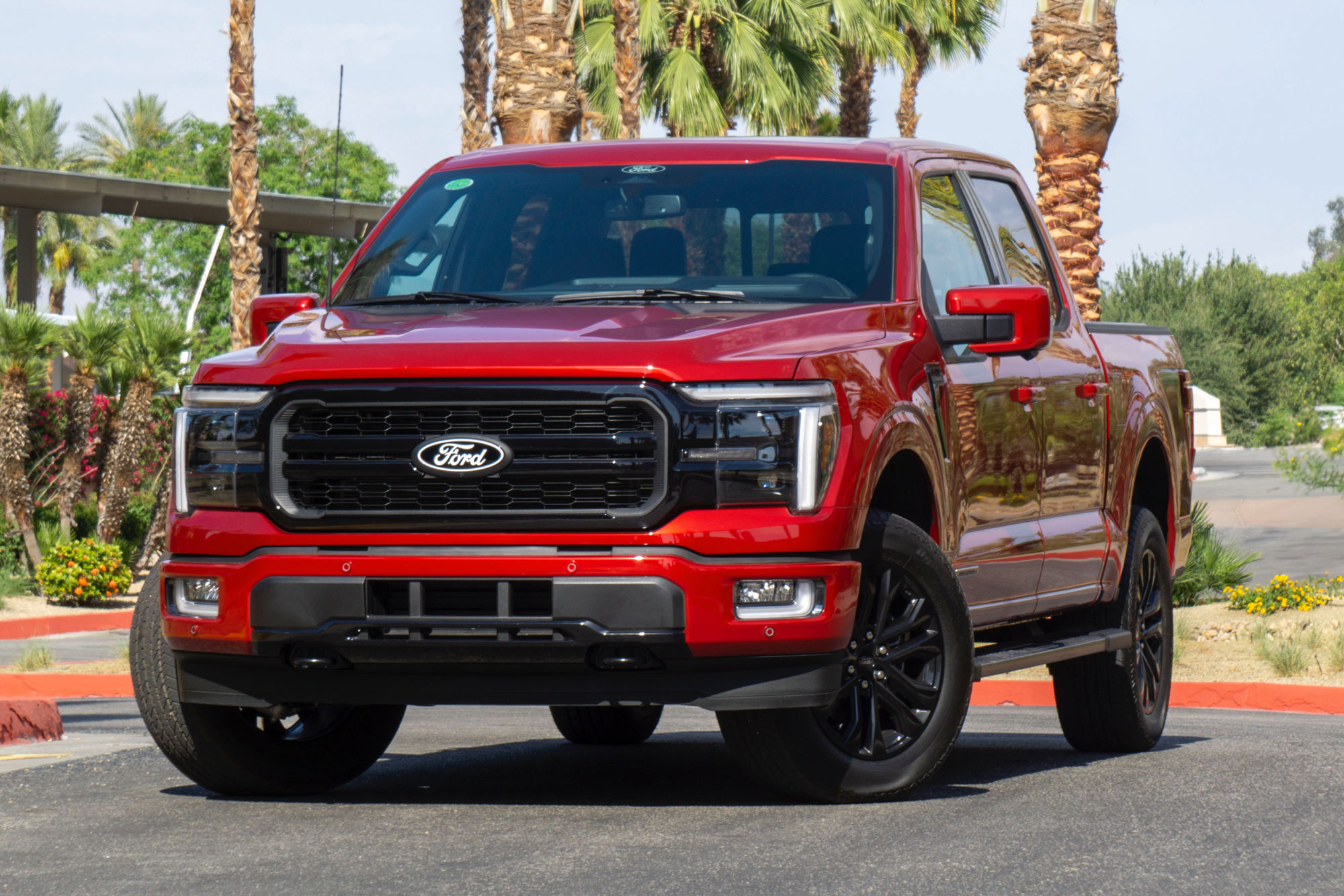
Ford Motor Company reported a weaker second quarter in the United States after limited availability of its best-selling F-Series pickup weighed on deliveries during one of the industry’s busiest selling periods.
While several product lines continued attracting buyers, reduced truck inventory prevented the automaker from fully capitalizing on consumer demand, resulting in its sharpest quarterly sales decline in more than a year.
According to Reuters, Ford sold 549,200 vehicles in the United States during the second quarter of 2026, representing a 10.3 percent decline compared with the same period last year.
The company attributed much of the decrease to production constraints that left dealerships with fewer F-150 models than anticipated, limiting deliveries even as customer interest remained stable.
The results contrasted with several competitors that benefited from stronger inventories entering the summer selling season.
The performance highlights how dependent Ford’s North American business remains on the F-Series lineup. For decades, the truck family has generated a significant share of the company’s revenue and profit, making production disruptions particularly noticeable in quarterly sales reports.
Even relatively small changes in inventory can influence full financial performance because of the F-150’s volume and high transaction prices.
Industry analysts noted that the decline was largely supply-driven rather than demand-driven, suggesting Ford’s challenge was fulfilling existing customer orders instead of attracting new buyers. That distinction is important because it indicates potential sales could recover once production returns to normal levels.
Also Read: Ram 1500 vs. F-150 vs. Silverado – Which Is Better?
Production Challenges Limited Dealer Supply
The shortage can be traced back to manufacturing disruptions that affected Ford’s supply chain earlier in the year.
Reuters reported that aluminum supplier Novelis experienced production issues that reduced the availability of key materials used extensively in F-Series manufacturing.
Although Ford worked to stabilize production during the quarter, dealerships entered the spring selling season with fewer trucks than expected, particularly higher-volume F-150 trims that typically account for the largest share of retail sales.
Rather than accelerating deliveries through costly short-term measures, Ford continued prioritizing manufacturing quality and inventory management. Company executives indicated that rebuilding dealer stock levels remains a priority for the second half of 2026 as supplier operations gradually return to normal.
The production constraints arrived at an unfortunate time because demand for full-size pickups has remained resilient despite higher vehicle prices and upgraded financing costs.
Contractors, commercial operators, and private buyers continue viewing the F-150 as one of the most versatile vehicles in the market, supporting strong retail demand even as full industry sales have moderated.
Other Parts of Ford’s Business Continued to Perform
Although truck deliveries received the greatest attention, Ford’s broader portfolio produced several encouraging results that helped cushion the full decline.
The Bronco continued gaining momentum in the highly competitive off-road SUV segment, recording one of its strongest quarters since returning to the market. The Explorer also maintained solid demand among family buyers, while the Expedition benefited from renewed interest in full-size SUVs.
Ford’s commercial vehicle division remained another source of stability. Transit continued leading the commercial van market, supported by healthy demand from logistics companies, contractors, and fleet operators.
At the same time, the Ford Pro business expanded its software and connected fleet services, creating an additional source of recurring revenue beyond vehicle sales.
According to Ford, subscriptions to Ford Pro Intelligence increased significantly during the quarter as more commercial customers adopted the company’s fleet management platform.
Another standout performer was the Maverick Hybrid. The compact pickup continued attracting buyers looking for fuel efficiency without sacrificing everyday practicality.
Its combination of affordability and utility has made it one of Ford’s fastest-growing products, reflecting the broader consumer shift toward hybrid vehicles in the United States.
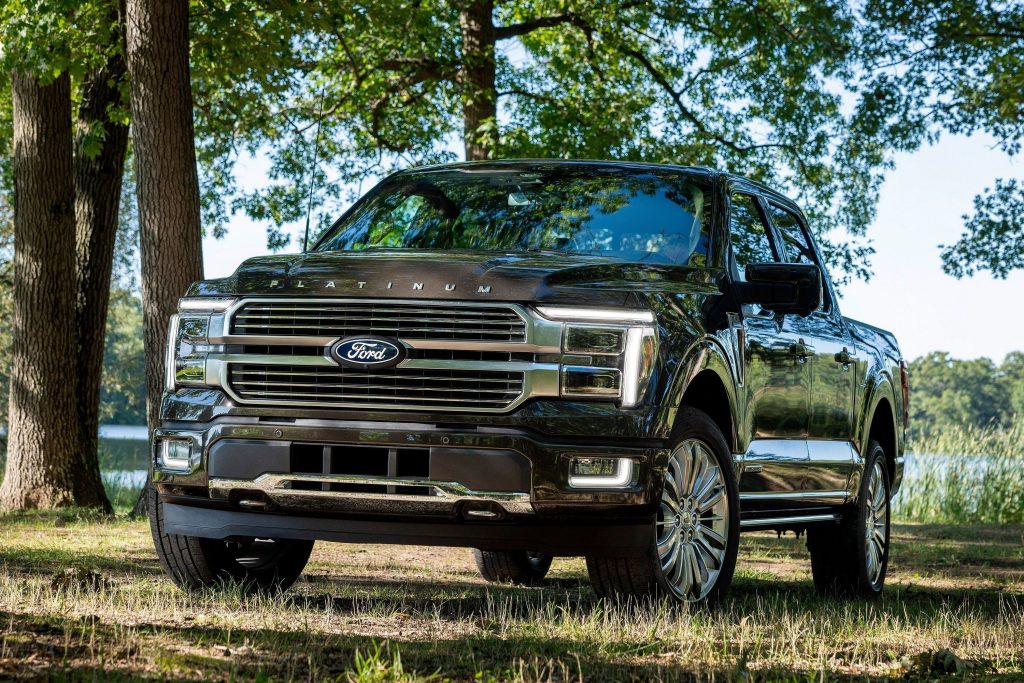
These performances demonstrate that Ford’s sales decline was not evenly spread across its lineup. Instead, the quarter was shaped primarily by reduced availability of one of the company’s most important products, while several SUVs, commercial vehicles, and hybrid models continued delivering healthy demand.
Ford’s Recovery Will Depend on Restoring Truck Supply
The second half of 2026 is expected to be considerably more important for Ford than the first. Company executives have indicated that production of the F-150 is gradually returning to planned levels as supply chain conditions improve, allowing dealers to replenish inventory that remained unusually tight throughout much of the spring.
According to Ford, the objective is not simply to increase production but to restore the right mix of trucks across different trim levels and powertrain options.
Dealers reported that shortages were particularly noticeable for high-demand configurations, forcing some customers to delay purchases or consider alternative models. Industry analysts believe recovering those lost sales will be critical to improving Ford’s market position during the remainder of the year.
The company’s long-term strategy extends well beyond production recovery. Ford continues investing heavily in manufacturing modernization, digital services, hybrid technology, and software-defined vehicles.
Its Ford Pro division has become one of the company’s fastest-growing businesses, generating recurring revenue through connected fleet management, vehicle diagnostics, charging solutions, and productivity software for commercial customers.
Executives have repeatedly highlighted this business as a major contributor to future profitability because it generates revenue long after a vehicle has been sold.
Ford is also expanding its hybrid portfolio in response to changing consumer demand. Models such as the Maverick Hybrid and F-150 Hybrid have benefited from buyers seeking improved fuel economy without making the transition to a fully electric vehicle.
Market research from Cox Automotive shows hybrid sales have become one of the fastest-growing segments in the United States during 2026, prompting several manufacturers to accelerate investment in electrified gasoline models while reassessing the pace of battery-electric vehicle expansion.
Competition in the pickup market remains intense. General Motors continues strengthening the Chevrolet Silverado and GMC Sierra, while Toyota’s Tundra has steadily gained market share in recent years.
Ram is preparing updated versions of its full-size pickups, increasing pressure on Ford to restore inventory quickly and maintain customer loyalty in its most profitable segment.
Despite the weaker quarterly results, analysts generally view Ford’s challenges as operational rather than structural.
The company continues to benefit from strong brand recognition, one of the broadest truck and SUV lineups in North America, and a growing commercial vehicle business. Once dealer inventories normalize, many expect sales to recover, provided broader economic conditions remain stable.
Investors will now turn their attention to Ford’s upcoming quarterly earnings report for updates on production efficiency, operating margins, and guidance for the remainder of 2026. Management is also expected to provide additional details on inventory recovery, commercial vehicle growth, and future product launches.
While the second-quarter sales decline highlighted the risks of supply chain disruptions, it also reinforced how central the F-Series remains to Ford’s financial performance.
If production continues improving and dealerships receive the inventory they need, the company will be in a stronger position to regain momentum during the second half of the year and reinforce its leadership in the highly competitive U.S. truck market.
Looking beyond 2026, Ford’s ability to balance its traditional strengths with emerging technologies will play a significant role in determining its competitive position.
The company continues investing in advanced driver assistance systems, connected vehicle software, and manufacturing automation while maintaining a strong focus on its profitable truck and commercial vehicle businesses.
Rather than relying on a single strategy, Ford is pursuing a diversified approach that includes gasoline, hybrid, and electric powertrains, allowing it to respond more effectively to changing consumer preferences.
Industry observers believe this flexibility could prove to be one of Ford’s greatest advantages as the U.S. automotive market continues evolving. Demand patterns have become less predictable, with buyers placing greater emphasis on affordability, reliability, and long-term ownership costs.
By strengthening production efficiency, rebuilding dealer inventory, and expanding high-demand models across multiple segments, Ford aims to recover lost sales while protecting profitability.
Although the second quarter reflected temporary operational challenges, the company’s broad product portfolio and established market presence provide a solid foundation for recovery as supply conditions continue improving and consumer confidence gradually strengthens.
Also Read: Why the Ford F-150 Has Been the Go-To Truck for Americans for Decades
