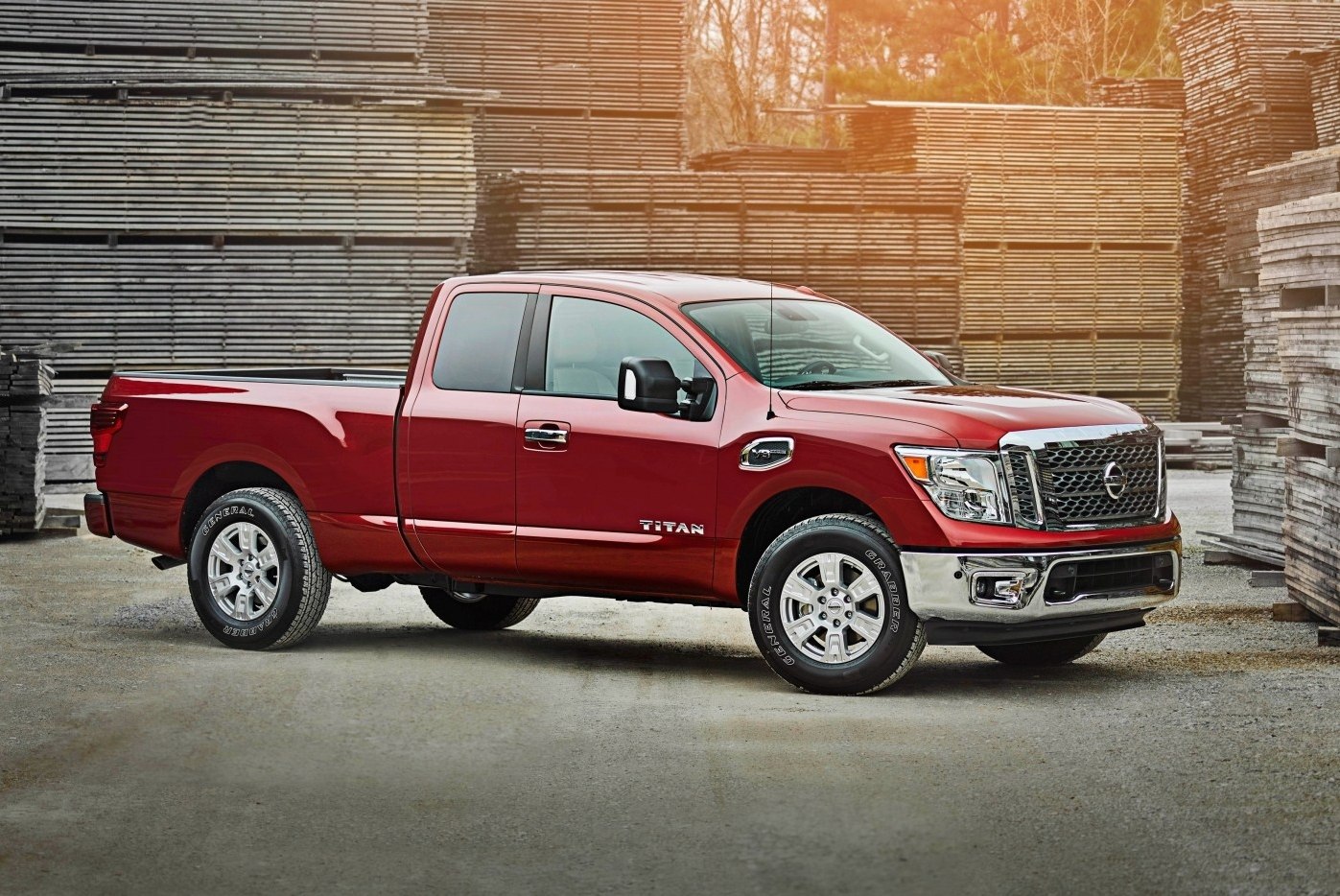
Roof strength is one of the most important yet often overlooked aspects of vehicle safety. During a rollover crash, a strong roof structure helps preserve occupant survival space by resisting intrusion into the passenger compartment.
While electronic stability control has reduced rollover crashes over the years, they still account for a disproportionate number of serious injuries and fatalities, making roof strength an important consideration when evaluating pickup trucks.
The Insurance Institute for Highway Safety (IIHS) measures roof strength using a static roof crush test. A large metal plate presses against one side of the roof until it deforms by five inches. The institute then calculates a strength-to-weight ratio, which compares the maximum force the roof withstands to the truck’s curb weight.
A ratio of 4.00 or higher earns a Good rating, while lower values receive Acceptable, Marginal, or Poor ratings depending on the result.
Although IIHS has largely discontinued this specific test because many newer vehicles consistently perform well, its published data remains one of the best ways to compare structural roof performance across pickup trucks.
This list focuses on trucks that recorded the lowest officially published IIHS roof strength ratios. Some of these models are older generations that have since been redesigned with stronger structures, while others demonstrate how dramatically pickup safety engineering has improved during the past decade.
The rankings are based on verified IIHS testing results rather than speculation or anecdotal evidence.
Also Read: 8 Smallest Cars Ever Made
1. 2011 Ram 1500 Crew Cab
Among full-size pickups evaluated by IIHS, the 2011 Ram 1500 Crew Cab recorded one of the lowest roof strength performances. Its strength-to-weight ratio of 2.97 resulted in a marginal rating, falling well below the 4.00 ratio required for a good rating.
In practical terms, the roof withstood approximately three times the truck’s weight before reaching the maximum allowable deformation in the IIHS test. While that still exceeded the federal minimum requirement in place at the time, it trailed several direct competitors by a considerable margin.
The result reflected the engineering priorities of the era. The fourth-generation Ram emphasized ride comfort through its coil spring rear suspension, refined interior, and smooth highway manners, but its cab structure proved less resistant to roof deformation than rivals from Ford and Toyota.
Since rollover crashes place enormous loads on a vehicle’s roof pillars and upper body structure, stronger roof designs can help maintain occupant survival space during severe accidents.
It is important to remember that this rating applies specifically to the tested generation and cab configuration. Newer Ram 1500 models feature redesigned body structures with significantly improved crash protection and now earn good roof strength ratings under IIHS evaluations.
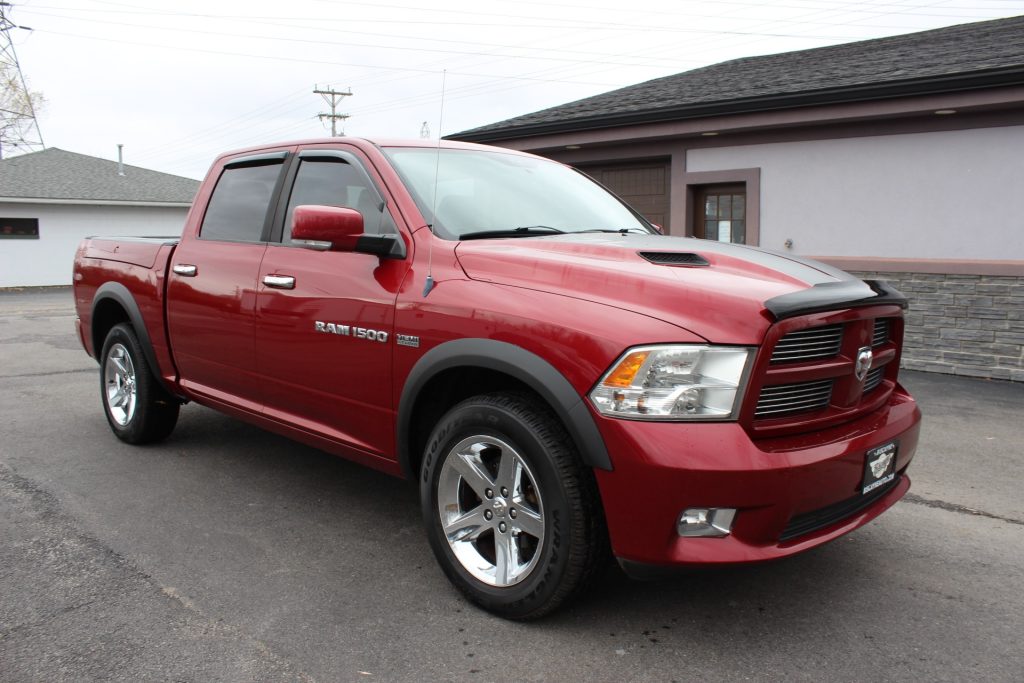
Although the 2011 Ram 1500 remained a capable pickup with excellent towing ability and comfort, its roof crush performance serves as an example of how safety engineering has progressed across the pickup segment during the last decade.
IIHS Roof Strength Data
- Rating: Marginal
- Strength-to-weight ratio: 2.97
- Peak force: Approximately 15,000 pounds
Specifications
- Engine: 5.7-liter HEMI V8
- Torque: 407 lb ft
- Horsepower: 390 hp
- Length/Width: 229.0 inches / 79.4 inches
2. 2016 Ram 1500 Quad Cab
Although produced several years later, the tested 2016 Ram 1500 Quad Cab continued to rank near the bottom of published IIHS roof-strength results. The truck achieved a strength-to-weight ratio of 3.17, which also earned a marginal rating.
While the result represented a modest improvement over the earlier crew cab evaluation, it remained well below the threshold necessary for a good rating.
The Quad Cab’s slightly stronger structure demonstrated that different body styles can perform differently even within the same vehicle lineup. Cab dimensions, pillar design, roof reinforcements, and full structural geometry all influence how a vehicle distributes loads during the roof crush test.
That explains why IIHS evaluates individual configurations instead of assuming identical performance across every body style.
Despite the marginal rating, the Ram offered many strengths unrelated to roof performance. Buyers appreciated its comfortable suspension, quiet interior, available air suspension, and strong HEMI V8 engine.
These qualities helped it remain competitive in one of the most demanding truck segments despite lagging behind several rivals in roof strength testing.
Ram eventually addressed structural improvements with the completely redesigned fifth-generation 1500 introduced for the 2019 model year. That redesign incorporated a stronger high-strength steel frame and substantially revised body construction, resulting in good roof strength ratings during later IIHS testing.
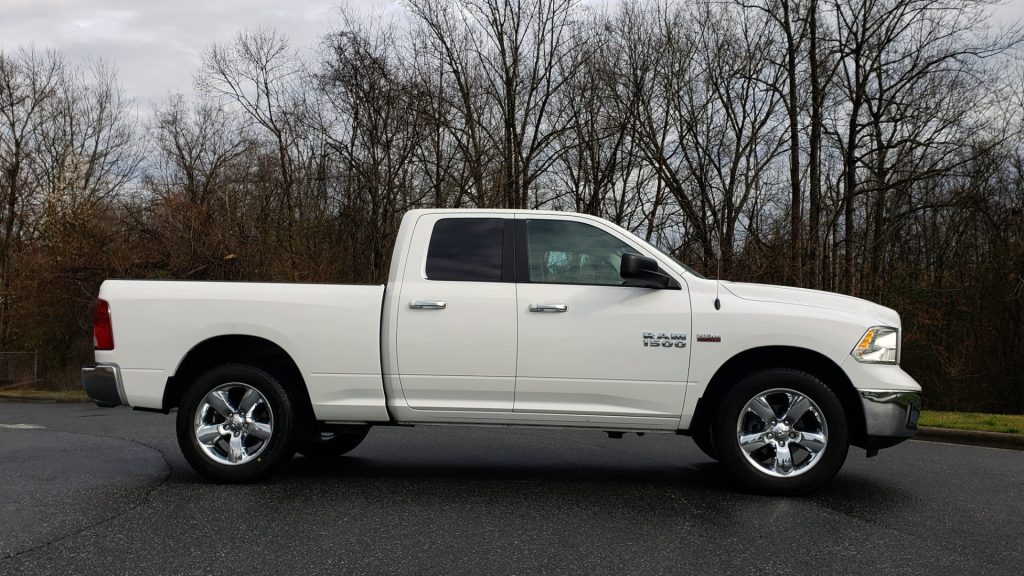
The 2016 Quad Cab, therefore, represents an important point in Ram’s safety evolution, illustrating how structural engineering became a much greater focus in subsequent generations.
IIHS Roof Strength Data
- Rating: Marginal
- Strength-to-weight ratio: 3.17
- Peak force: Approximately 16,000 pounds
Specifications
- Engine: 5.7-liter HEMI V8
- Torque: 410 lb ft
- Horsepower: 395 hp
- Length/Width: 229.0 inches / 79.4 inches
3. 2016 Toyota Tundra CrewMax
Toyota has built a reputation for producing durable pickups, but the second-generation Tundra CrewMax did not achieve one of the strongest roof structures among its full-size competitors during IIHS testing.
The truck earned an acceptable roof strength rating with a strength-to-weight ratio of 3.94. Although this exceeded the minimum requirement for an Acceptable rating, it narrowly missed the 4.00 ratio required for a Good rating.
The result illustrates how small differences in structural engineering can influence crash test outcomes. A difference of only a few tenths in the strength-to-weight ratio can determine whether a vehicle earns an Acceptable or Good rating.
Toyota’s cab structure resisted significant force before reaching the five-inch deformation limit, but competitors such as the Ford F-150 demonstrated even greater resistance during the same testing period.
Outside the roof strength evaluation, the Tundra remained highly respected for its dependable 5.7-liter V8 engine, strong towing capability, and excellent long-term durability.
Many owners valued its mechanical simplicity and reputation for reliability, making it a popular choice despite its structural score falling short of the highest IIHS rating.
Toyota addressed safety continuously through incremental updates, and newer generations benefit from redesigned structures, additional high-strength steel, and expanded active safety technology. Consequently, buyers should avoid assuming that the published result applies to every Tundra produced.
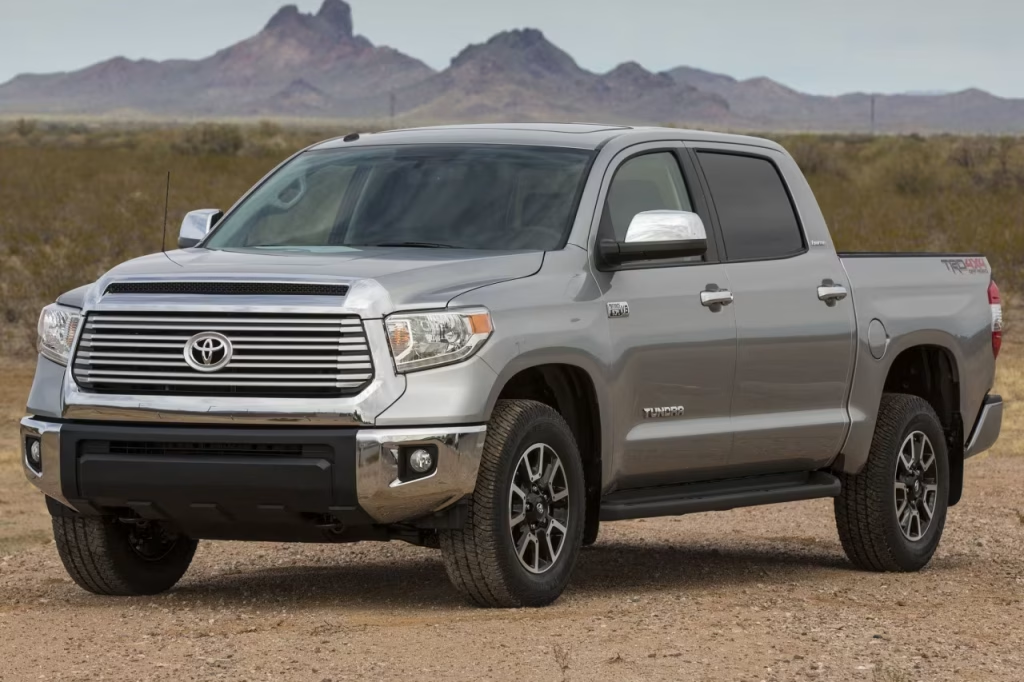
The CrewMax’s “acceptable” rating demonstrates that it still met respectable safety standards, but it ranked behind the strongest-performing pickups evaluated by the IIHS during that period.
IIHS Roof Strength Data
- Rating: Acceptable
- Strength-to-weight ratio: 3.94
- Minimum ratio for Good: 4.00
Specifications
- Engine: 5.7-liter naturally aspirated V8
- Torque: 401 lb ft
- Horsepower: 381 hp
- Length/Width: 228.9 inches / 79.9 inches
4. 2014 Chevrolet Silverado 1500 Crew Cab
The redesigned Chevrolet Silverado 1500 introduced for the 2014 model year incorporated a stronger high-strength steel cab and improved structural engineering compared with its predecessor.
Those upgrades were evident during IIHS testing, where the crew cab achieved a Good roof strength rating with a strength-to-weight ratio of 4.10. While that score comfortably exceeded the “Good” threshold, it remained one of the lower ratios among full-size pickups that earned the institute’s highest rating.
This distinction is important because not every Good rating reflects identical structural performance. A truck with a ratio of 4.10 satisfies IIHS requirements, yet another pickup capable of reaching a ratio above 5.5 provides a substantially larger structural safety margin before the roof reaches the allowable deformation limit.
The Silverado, therefore, ranks lower in relative roof strength despite earning the same official classification.
Chevrolet focused heavily on balancing safety improvements with weight reduction during this redesign. The truck adopted extensive high-strength steel throughout the cab while maintaining competitive payload and towing capabilities.
It also introduced numerous comfort improvements that helped it compete more effectively in the increasingly refined pickup market.
Although the Silverado did not top the roof strength rankings, its result represented meaningful progress over earlier truck designs. It demonstrated how manufacturers were responding to stricter roof strength expectations and evolving safety standards across the industry.
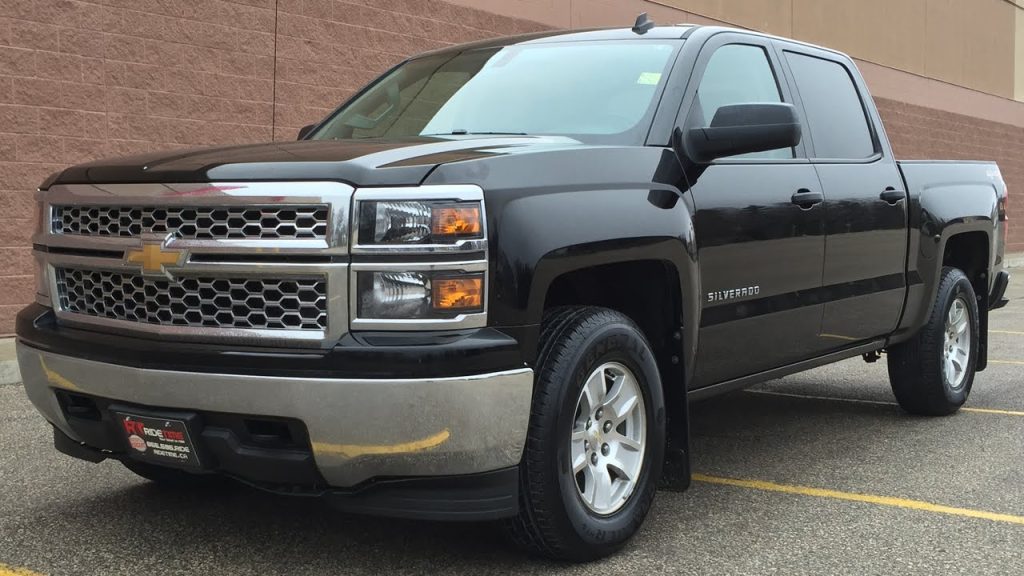
The published IIHS figures confirm that the Silverado offered solid rollover protection while still trailing the segment leaders in absolute roof strength performance.
IIHS Roof Strength Data
- Rating: Good
- Strength-to-weight ratio: 4.10
- Minimum ratio for Good: 4.00
Specifications
- Engine: 5.3-liter naturally aspirated V8
- Torque: 383 lb ft
- Horsepower: 355 hp
- Length/Width: 230.0 inches / 80.0 inches
5. 2015 GMC Sierra 1500 Crew Cab
Sharing its basic architecture with the Chevrolet Silverado, the 2015 GMC Sierra 1500 Crew Cab benefited from a substantially stronger cab structure than earlier generations. During IIHS roof strength testing, the Sierra achieved a Good rating with a strength-to-weight ratio of 4.26, placing it safely above the institute’s minimum Good threshold of 4.00.
Although this was a respectable result, it still ranked below several rival pickups that recorded significantly higher ratios, which is why it appears on this list of trucks with the lowest published IIHS roof strength scores rather than among the segment leaders.
The Sierra’s cab relied on extensive use of high-strength steel to improve crash performance without adding excessive weight. Reinforced A pillars, stronger roof rails, and improvements to the occupant safety cage all contributed to its performance in the roof crush evaluation.
The test measures the amount of force a roof can withstand before it deforms by five inches, and the resulting strength-to-weight ratio provides a standardized comparison across vehicles of different sizes and weights.
Outside the roof strength assessment, the Sierra earned praise for its quiet interior, comfortable ride quality, and premium materials, particularly in higher Denali trims.
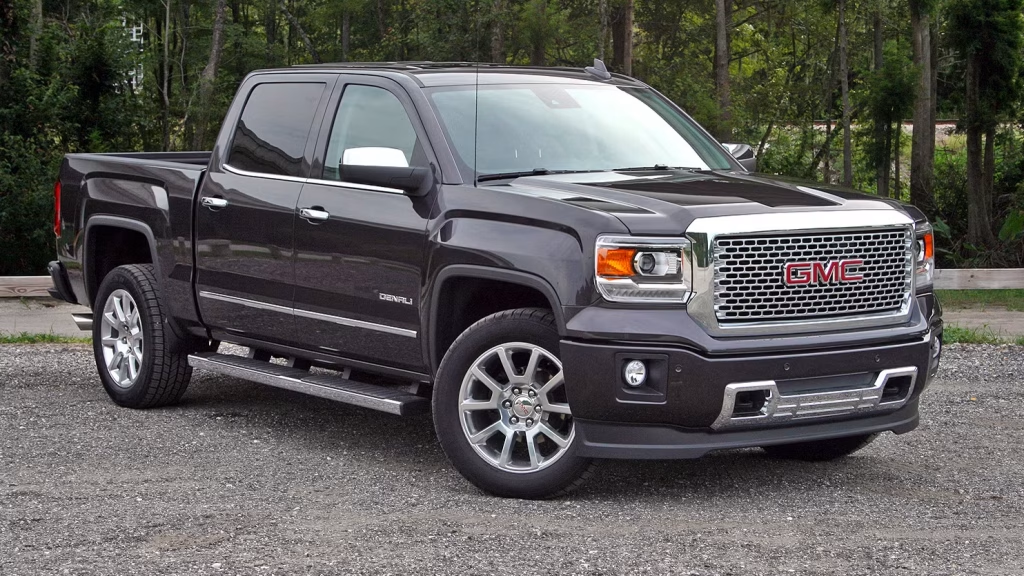
Buyers appreciated its refined driving manners while still benefiting from competitive towing and payload capabilities. Its V8 powertrain also delivered dependable performance for work and recreational towing.
Although the Sierra’s roof structure met IIHS Good standards, the published data illustrates how competitive the full-size truck segment had become. Even small improvements in structural engineering separated average good performers from the strongest trucks tested during that period.
IIHS Roof Strength Data
- Rating: Good
- Strength to weight ratio: 4.26
- IIHS Good threshold: 4.00
Specifications
- Engine: 5.3-liter naturally aspirated V8
- Torque: 383 lb ft
- Horsepower: 355 hp
- Length/Width: 230.0 inches / 80.0 inches
6. 2015 Nissan Titan King Cab
The first-generation Nissan Titan remained on the market for many years with relatively modest structural updates before the arrival of its successor. When IIHS evaluated the King Cab configuration, the truck achieved a Good roof strength rating with a strength-to-weight ratio of approximately 4.42.
While this comfortably exceeded the institute’s passing requirement, it placed the Titan below the strongest-performing pickups that approached or exceeded ratios above 5.0.
One reason this result is noteworthy is the age of the platform. By the middle of the decade, competitors had introduced completely redesigned truck structures featuring greater use of ultra-high-strength steel and more advanced crash energy management.
The Titan’s older architecture still delivered acceptable occupant protection, but its structural performance reflected engineering priorities established years earlier.
Nissan focused heavily on durability and straightforward mechanical design throughout the first-generation Titan’s production run. Owners frequently praised the truck’s robust 5.6-liter Endurance V8 engine, comfortable seating, and dependable towing ability.
Those qualities helped it maintain a loyal customer base despite facing newer rivals equipped with more sophisticated safety technology and updated cab construction.
The roof strength result demonstrates that meeting the IIHS Good standard does not necessarily place every truck on equal footing.
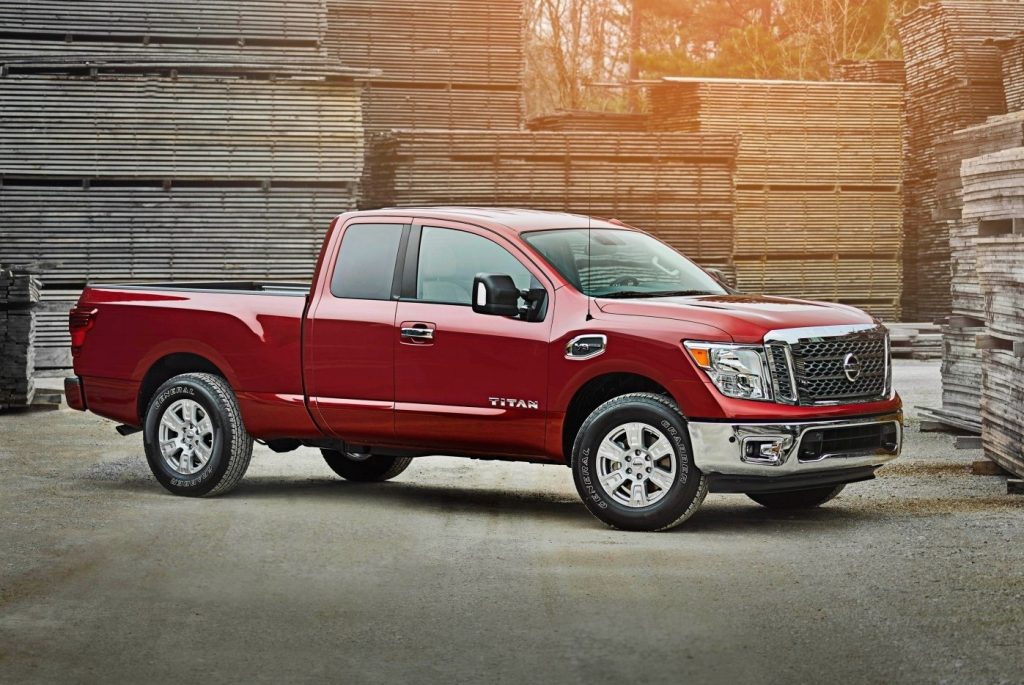
A higher strength-to-weight ratio indicates that the roof can resist substantially greater crushing forces before reaching the same deformation limit. As manufacturers refined body structures through the following decade, many newer pickups achieved significantly stronger results.
The Titan, therefore, represents an important benchmark showing the steady progression of pickup truck safety engineering as manufacturers invested more heavily in structural crash protection.
IIHS Roof Strength Data
- Rating: Good
- Strength to weight ratio: 4.42
- IIHS Good threshold: 4.00
Specifications
- Engine: 5.6-liter naturally aspirated V8
- Torque: 385 lb ft
- Horsepower: 317 hp
- Length/Width: 224.6 inches / 79.5 inches
7. 2015 Ford F-150 SuperCab
The 2015 Ford F-150 represented one of the most significant engineering shifts in modern pickup history. It became the first mass-market full-size truck to adopt a military-grade aluminum alloy body mounted on a fully boxed high-strength steel frame.
Many buyers initially questioned whether the extensive use of aluminum would compromise structural integrity, particularly in demanding crash scenarios. The IIHS roof strength evaluation proved otherwise.
The SuperCab configuration earned a Good rating with a strength-to-weight ratio of approximately 5.29, comfortably exceeding the institute’s minimum requirement of 4.00 and outperforming several competing full-size pickups tested during the same period.
Although the F-150 appears toward the end of this ranking, it is important to understand the context. This article ranks trucks with the lowest published IIHS roof strength scores, and by this point, the differences become much smaller because the remaining vehicles all achieved strong results.
Ford’s score demonstrated that its redesigned cab structure could withstand more than five times the truck’s own weight before reaching the specified roof deformation limit.
That represented a substantial improvement over many earlier pickup designs and highlighted the effectiveness of reinforced roof rails, stronger A and B pillars, and carefully engineered load paths throughout the passenger compartment.
Beyond crash performance, the 2015 redesign reduced vehicle weight by several hundred pounds, improving acceleration, towing efficiency, payload capacity, and fuel economy without sacrificing structural strength.
The truck also introduced numerous advanced driver assistance technologies, making it one of the most technologically advanced pickups available at the time.
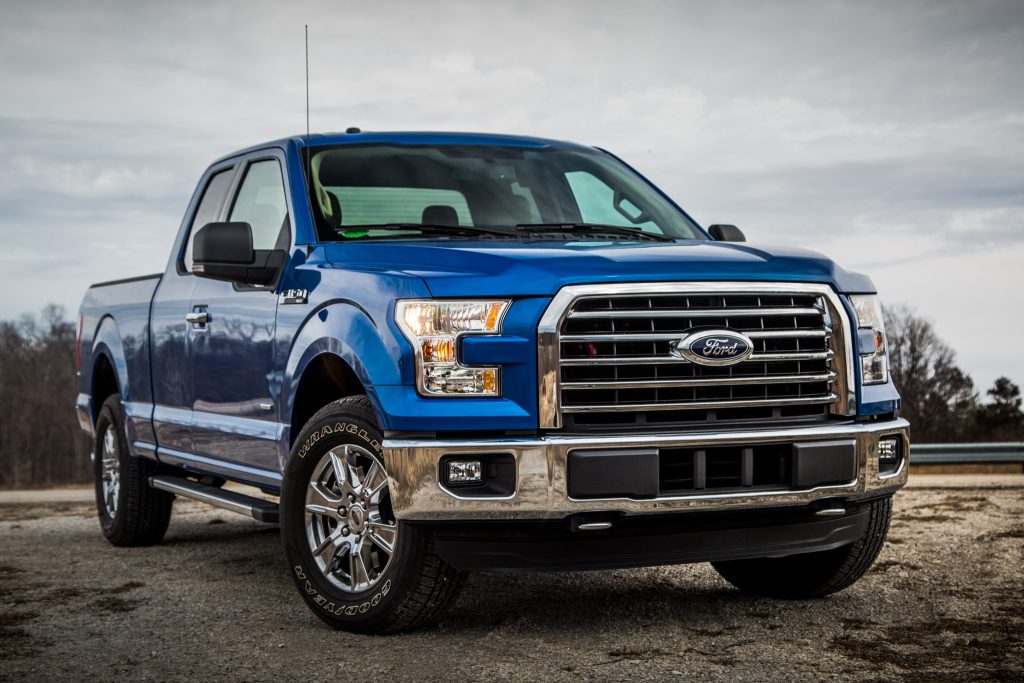
The IIHS roof strength result reinforced Ford’s claim that lightweight construction did not mean weaker construction. Instead, it illustrated how modern materials and intelligent engineering could simultaneously improve efficiency and occupant protection.
The F-150 set a new benchmark that encouraged competitors to further strengthen their own truck platforms in the years that followed.
IIHS Roof Strength Data
- Rating: Good
- Strength to weight ratio: 5.29
- IIHS Good threshold: 4.00
Specifications
- Engine: 2.7L EcoBoost V6 (325 hp), 3.5L EcoBoost V6 (365 hp), or 5.0L V8 (385 hp)
- Horsepower: 325–385 hp
- Torque: 375–420 lb-ft (508–569 Nm)
- Length: 231.9 in (5,890 mm)
- Width: 79.9 in (2,029 mm) (excluding mirrors)
8. 2016 Ford F-150 SuperCrew
Among the pickup trucks with officially published IIHS roof strength data, the 2016 Ford F-150 SuperCrew produced one of the strongest performances. The truck achieved a good rating with a strength-to-weight ratio of approximately 5.85, placing it well ahead of most full-size competitors that underwent the same evaluation.
While it occupies the final position in this ranking, that placement reflects the fact that it recorded one of the highest roof strength ratios rather than one of the weakest.
The SuperCrew benefited from the same aluminum-intensive body and high-strength steel frame introduced during the previous model year, but its larger cab also incorporated carefully engineered reinforcements that distributed crash forces more effectively during the roof crush test.
The IIHS evaluation demonstrated that the roof structure resisted nearly six times the truck’s own weight before reaching the allowable five-inch deformation threshold. That level of structural performance provided a substantial safety margin beyond the institute’s minimum Good requirement.
Ford’s engineers focused on creating an occupant safety cage capable of maintaining cabin integrity during severe rollover crashes. Reinforced roof rails, stronger door openings, optimized pillar geometry, and strategic use of advanced high-strength steel all contributed to the truck’s impressive result.
These improvements complemented other crash protection systems, including multiple airbags, electronic stability control, and advanced restraint technology.
The SuperCrew also excelled outside the laboratory. Buyers appreciated its spacious rear seating, competitive towing capacity, refined ride quality, and broad selection of powertrains ranging from efficient EcoBoost engines to naturally aspirated V8 options.
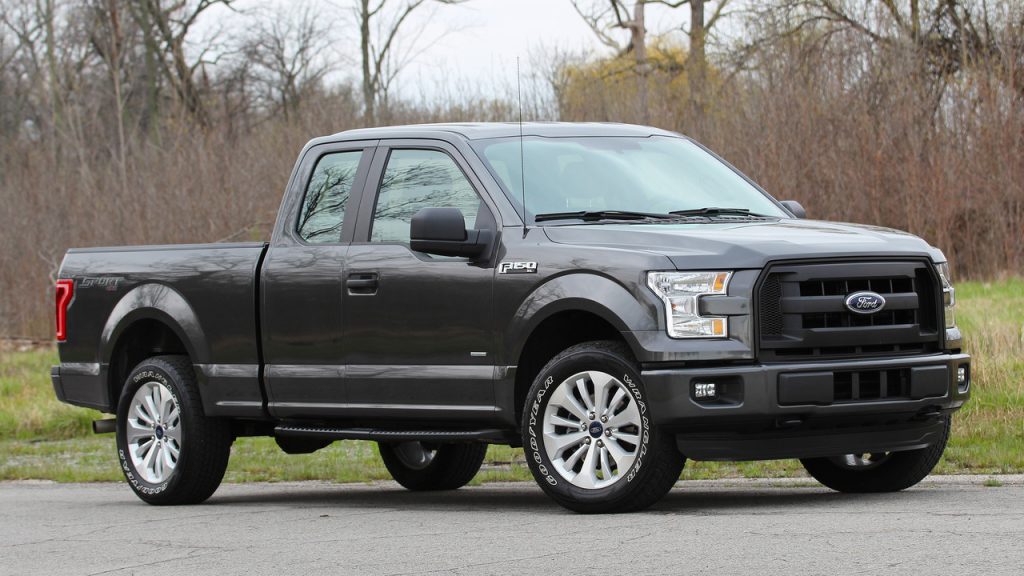
The combination of capability and structural safety helped the F-150 remain America’s best-selling pickup for another generation.
Its IIHS roof strength performance illustrates how dramatically pickup engineering has evolved over the previous decade. The SuperCrew established a high standard for structural integrity and demonstrated that modern truck design could deliver both outstanding capability and excellent occupant protection.
IIHS Roof Strength Data
- Rating: Good
- Strength to weight ratio: 5.85
- IIHS Good threshold: 4.00
Specifications
- Engine: 3.5L V6 (282 hp), 2.7L EcoBoost V6 (325 hp), 3.5L EcoBoost V6 (365 hp), or 5.0L V8 (385 hp)
- Horsepower: 282–385 hp
- Torque: 253–420 lb-ft (343–569 Nm)
- Length: 231.9–243.7 in (5,890–6,190 mm)
- Width: 79.9 in (2,029 mm) (excluding mirrors)