
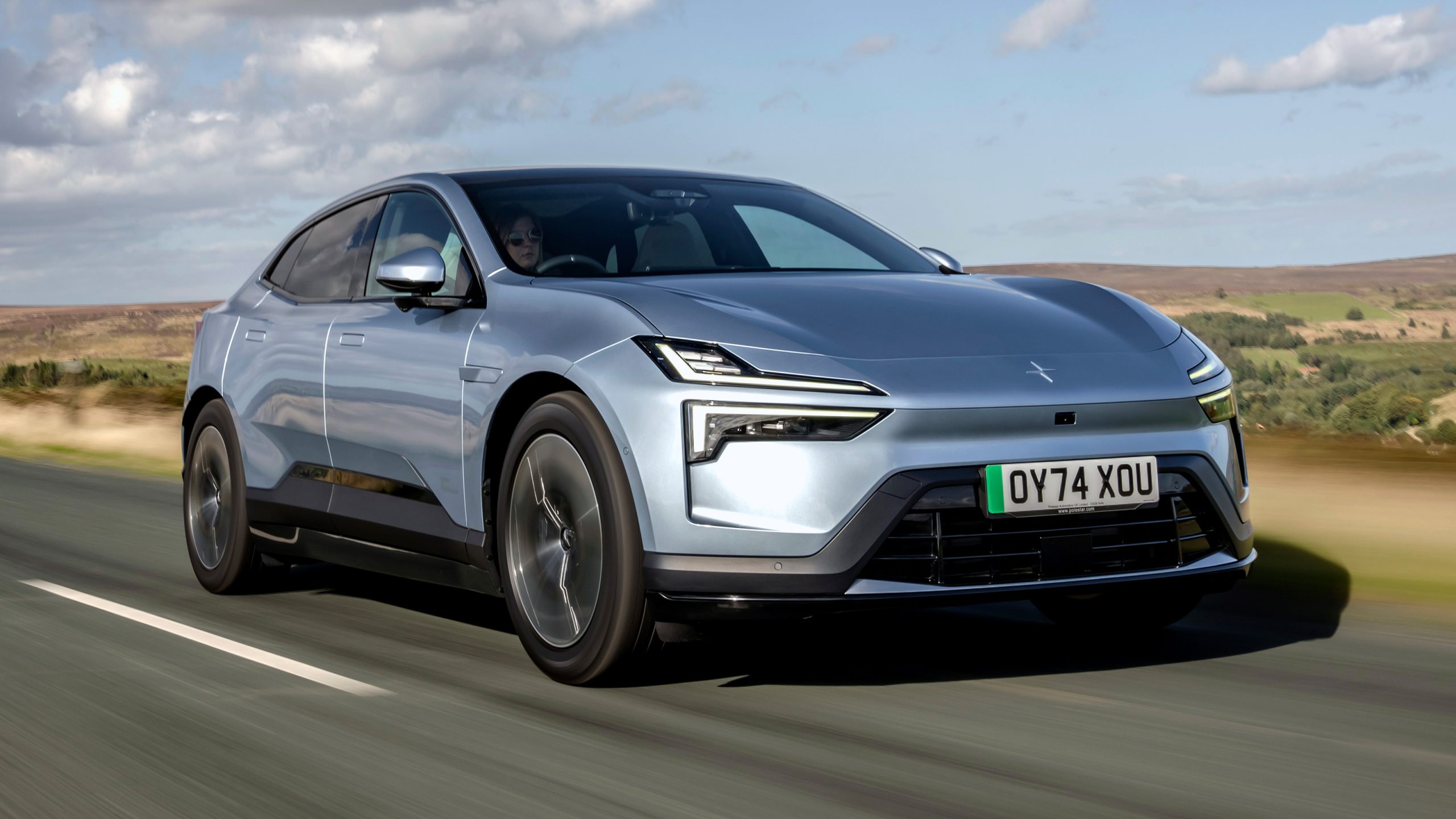
Polestar has launched one of the most aggressive incentive programs seen in the U.S. electric vehicle market, offering discounts of up to $25,000 on selected models as it works to attract buyers during an increasingly competitive period for battery-electric vehicles.
The campaign comes at a time when EV manufacturers across the industry are facing slower consumer demand, higher financing costs, and growing uncertainty surrounding government policies and international trade.
The discounts are significant not only because of their size but also because they apply to some of Polestar’s newest premium electric vehicles. For shoppers, the incentives dramatically reduce the cost of entering the luxury EV segment.
For Polestar, however, the campaign reflects a broader effort to clear inventory and maintain sales momentum as the company confronts major challenges in the U.S. market.
According to Road & Track, customers purchasing a 2026 Polestar 4 with cash can receive $25,000 off the manufacturer’s suggested retail price, reducing the vehicle’s starting price from $57,800 to approximately $32,800.
The larger Polestar 3 is also eligible for discounts of up to $23,000, lowering its entry price to around $45,900.
Buyers choosing financing or lease options can access separate incentive packages, including zero-percent financing on selected models and lease offers beginning at $399 per month for the Polestar 4. The promotional campaign runs through July 31.
The scale of these offers is unusual for premium electric vehicles, where discounts are typically measured in a few thousand dollars rather than tens of thousands. Industry analysts say the campaign demonstrates how rapidly market conditions have changed as manufacturers compete for a smaller pool of EV buyers.
Also Read: 8 Sedans Faster Than a V6 Mustang for Half the Price
A Changing U.S. Market Has Forced Polestar to Adapt
The timing of the incentives is closely linked to developments beyond ordinary market competition.
According to Reuters, Polestar recently lost authorization to continue selling new vehicles in the United States beginning with the 2027 model year after federal regulators determined the company could not comply with new connected vehicle regulations governing Chinese-linked technology.
Although existing Polestar 3 and Polestar 4 inventory can still be sold, the company will eventually exit the U.S. new-vehicle market unless regulatory circumstances change. That decision has fundamentally altered Polestar’s short-term strategy.
Rather than gradually expanding its American retail presence, the Swedish premium EV manufacturer is now focused on selling its remaining inventory while continuing to support existing customers through its dealer and service network.
Reuters reported that Polestar has assured owners that warranty coverage, maintenance services, and software support will continue through its existing service centers, many of which operate alongside Volvo dealerships.
Industry observers say the aggressive pricing strategy is designed to accomplish several objectives simultaneously.
Lower prices help move existing inventory before regulatory restrictions take effect, improve short-term cash flow, and generate additional showroom traffic during a period when many consumers remain cautious about purchasing electric vehicles.
Buyers Are Receiving Luxury EVs at Mainstream Prices
Perhaps the most striking aspect of the promotion is how dramatically it changes vehicle pricing.
A Polestar 4 that originally competed against premium electric SUVs now carries a transaction price comparable to many mainstream electric crossovers after incentives are applied.
According to Polestar’s official offer, customers paying cash receive the full $25,000 Clean Vehicle Incentive directly from the manufacturer, making the model one of the least expensive premium EVs currently available in the United States.
The financing offers are similarly aggressive. Customers choosing approved financing can combine lower interest rates with substantial purchase incentives, while lease customers benefit from heavily subsidized monthly payments.
Analysts say these programs illustrate how manufacturers are increasingly relying on financial incentives rather than permanent price reductions to stimulate demand.
The campaign also reflects broader industry trends. Over the past year, several manufacturers have introduced larger rebates, subsidized leases, and promotional financing as EV adoption has grown more gradually than many companies anticipated.
While premium brands once relied primarily on product differentiation, affordability has become an increasingly important factor influencing purchasing decisions.
Competition Continues to Intensify
Polestar’s latest campaign highlights the growing pressure facing premium electric vehicle manufacturers.
Tesla has repeatedly adjusted pricing across its lineup, while brands including Lucid, Mercedes-Benz, BMW, Hyundai, and Cadillac continue expanding their electric offerings with increasingly competitive financing packages and lease incentives.
At the same time, traditional automakers are strengthening hybrid lineups, giving consumers more alternatives than at any previous point in the industry’s transition toward electrification.
Rather than competing solely through technology or performance, manufacturers are increasingly using financial incentives to attract hesitant buyers.
Analysts believe this trend is likely to continue throughout the remainder of the year as inventory levels remain elevated and competition intensifies across nearly every EV segment.
Heavy Incentives Reflect a Broader Industry Shift
Polestar’s aggressive discount campaign is not an isolated event but part of a wider trend developing across the electric vehicle industry. Over the past two years, manufacturers have increasingly relied on rebates, subsidized financing, and attractive lease offers to maintain sales momentum as market conditions have become more challenging.
The combination of higher borrowing costs, the end of several government purchase incentives, and growing consumer caution has made affordability one of the most important factors influencing EV purchases.
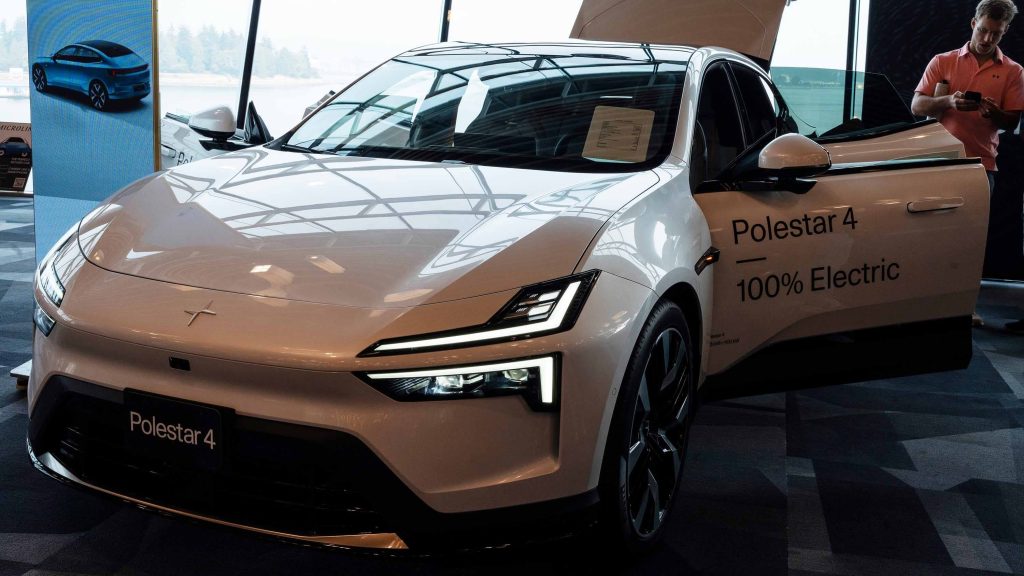
Industry analysts note that many buyers are no longer making decisions based solely on driving range or performance. Instead, they are comparing monthly payments, insurance costs, charging expenses, depreciation, and long-term ownership value.
This has forced manufacturers to compete more aggressively on pricing, particularly in the premium segment where higher sticker prices can discourage first-time EV buyers.
For Polestar, the current incentive program serves multiple objectives. In addition to increasing showroom traffic, the company is attempting to reduce dealer inventory while maximizing sales before regulatory changes reshape its position in the U.S. market.
According to Reuters, Polestar has reaffirmed that it will continue supporting existing customers through warranty coverage, software updates, and authorized service centers despite the uncertainty surrounding future vehicle sales in the country.
Consumer Opportunity Comes With Important Considerations
For prospective buyers, discounts of up to $25,000 represent one of the strongest value propositions currently available in the premium electric vehicle segment.
Vehicles that previously competed with luxury models from BMW, Mercedes-Benz, Audi, and Cadillac are now priced much closer to mainstream electric crossovers, making premium features accessible to a wider range of customers.
However, industry experts advise shoppers to evaluate more than the purchase price alone. Long-term ownership considerations such as service availability, parts support, resale value, insurance costs, and future software updates remain important factors when purchasing any electric vehicle.
While Polestar has confirmed continued support for existing owners, the company’s evolving position in the U.S. market may influence long-term resale values and customer perceptions.
Analysts also point out that unusually large discounts can affect future market pricing. Significant manufacturer incentives often reduce the value of used vehicles as new-car transaction prices fall, creating additional considerations for buyers planning to trade or sell their vehicles within a few years.
What Comes Next for Polestar
The coming months will be critical for Polestar’s global strategy. While the company continues expanding in Europe and several international markets, its future in the United States remains uncertain following recent regulatory developments.
Management is expected to focus on strengthening markets where sales opportunities remain favorable while continuing discussions with regulators regarding future compliance requirements.
More broadly, the company’s pricing strategy reflects the changing reality of today’s electric vehicle market. The period when premium EVs could command consistently higher prices simply because they were electric has largely passed.
Consumers now have a wider selection of battery-electric, hybrid, and plug-in hybrid vehicles than ever before, creating a far more competitive environment across every major segment.
For the industry as a whole, Polestar’s incentive campaign illustrates how rapidly competitive dynamics are evolving.
Manufacturers are increasingly balancing profitability with market share, often sacrificing short-term margins to maintain production volumes and attract new customers. Whether other premium brands respond with similar discounts will be closely watched in the weeks ahead.
Although the current offers provide buyers with an unusual opportunity to purchase a luxury electric vehicle at a substantially reduced price, they also underscore the broader transformation taking place across the automotive industry.
As competition intensifies and consumer expectations continue to evolve, manufacturers will need to combine competitive pricing with strong product quality, reliable ownership support, and long-term brand confidence.
Polestar’s latest campaign demonstrates that in today’s EV market, value has become just as important as technology, and companies that adapt quickly will be better positioned to compete in an increasingly demanding marketplace.
