
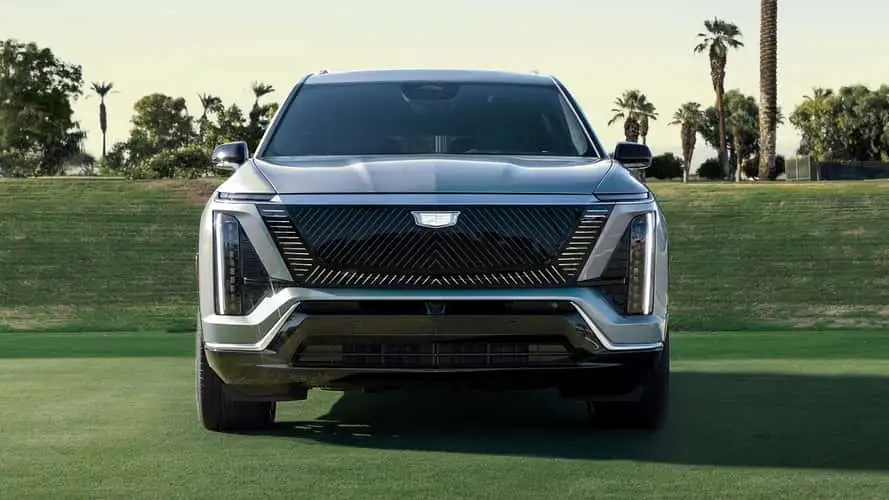
Cadillac has announced a safety recall through the National Highway Traffic Safety Administration (NHTSA) covering every 2026 and 2027 model-year Vistiq electric SUV.
Because the three-row EV only entered production for the 2026 model year, the recall affects the entire production run to date-an estimated 14,540 vehicles manufactured between November 12, 2024, and April 9, 2026, as well as from January 16, 2026, through June 15, 2026.
The issue involves the Vistiq’s power-operated third-row seats, which can be folded electronically using buttons located in the cargo area or beside the rear seats. Under certain conditions, the seatback may stop moving after contacting an object without reversing automatically.
According to the NHTSA, this malfunction could leave smaller occupants trapped beneath the seatback, increasing the possibility of injury.
Also Read: 8 Hidden Features in the Honda Odyssey
Cadillac Halts Deliveries While Seeking a Fix
To address the problem, Cadillac suspended shipments of the 2027 Vistiq beginning June 8, 2026, as engineers work on a permanent software solution. In the meantime, dealerships have been instructed to offer owners the option of disabling the powered third-row folding function.
While disabling the system removes the immediate safety concern, it also creates an inconvenience. Since the Vistiq lacks a manual mechanism for operating the third-row seats, owners would have to decide whether they want the seats folded or upright before leaving the dealership.
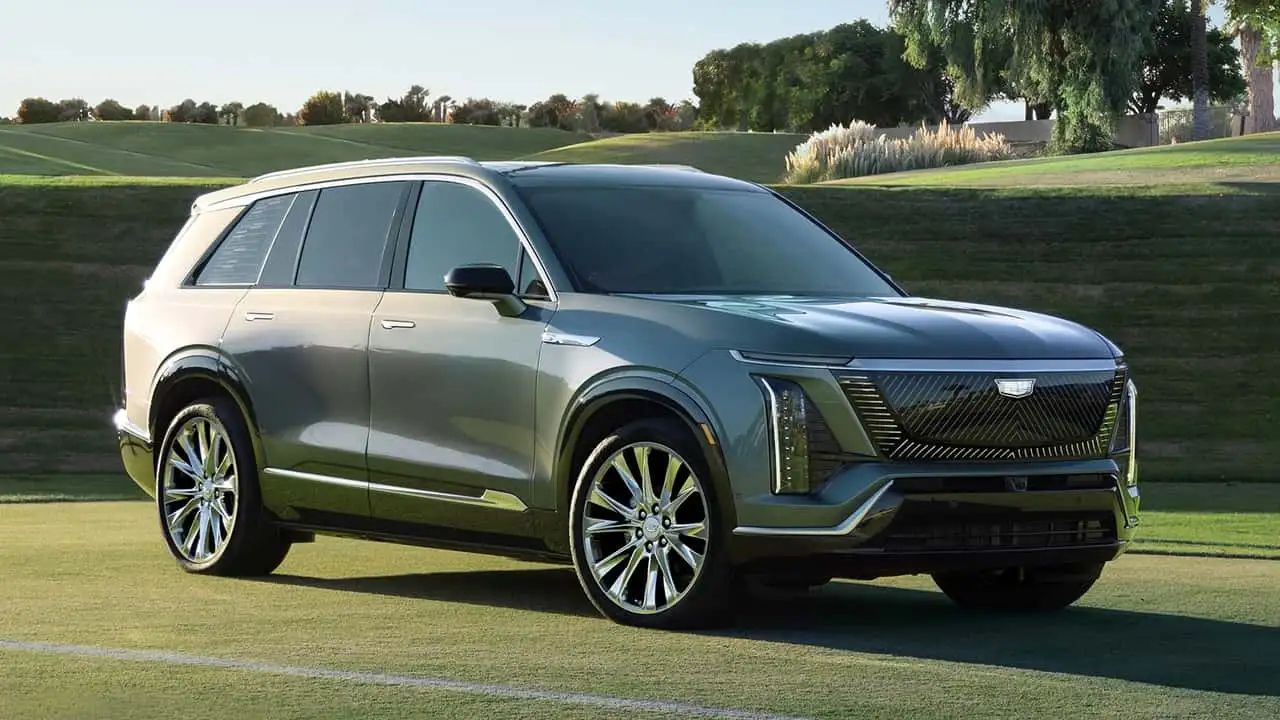
Once the updated software becomes available, the system will automatically return the seat to its upright position whenever it detects an obstruction during the folding process, preventing occupants or objects from becoming trapped.
The issue differs from a previous recall involving the Hyundai Palisade, where the power-operated third-row seat continued closing even after sensing an obstruction. That defect led Hyundai to recall more than 68,000 Limited and Calligraphy models following the tragic death of a child in Ohio linked to the malfunctioning seat mechanism.
In Cadillac’s case, the seats do not continue applying pressure after encountering an obstacle. Instead, they stop in place, reducing the risk of crushing injuries. However, this could still leave a child pinned beneath the seatback if they are unable to reach the controls. An adult nearby could simply press the button to raise the seat and free the occupant.
The problem first gained internal attention on March 31, when a General Motors engineer filed a report through the company’s Speak Up For Safety (SUFS) program after another automaker announced a similar issue.
During testing, engineers placed a 33- to 40-pound box beneath the folding seat. Although the seat stopped as intended, the object could not be removed because the seat remained locked in position, prompting further investigation, leading to the recall.
