
California has launched a new electric vehicle incentive program offering rebates of up to $3,500 for eligible first-time EV buyers, reinforcing the state’s commitment to accelerating electric vehicle adoption after the expiration of the federal EV tax credit.
The initiative is designed to reduce the upfront cost of purchasing an electric vehicle by providing a point-of-sale discount, allowing qualified buyers to receive the savings immediately rather than waiting until tax season.
The program arrives at a crucial time for the U.S. electric vehicle market. Following the end of the federal consumer EV tax credit, industry analysts have warned that higher purchase prices could slow adoption, particularly among first-time buyers and middle-income households.
California’s latest rebate aims to offset part of that impact while supporting the state’s long-term zero-emission transportation goals.
According to the California Air Resources Board (CARB), the new incentive provides rebates of up to $3,500 for qualifying buyers purchasing eligible new battery-electric vehicles.
Unlike previous rebate programs that often required buyers to submit paperwork after completing a purchase, the new initiative applies the incentive directly at participating dealerships, reducing the purchase price at the time of sale.
State officials say this approach makes the program easier to understand while improving accessibility for consumers who may not have the financial flexibility to wait months for reimbursement.
The program primarily targets first-time electric vehicle buyers and includes income eligibility requirements intended to direct funding toward low- and moderate-income households.
California officials said the revised structure reflects lessons learned from earlier incentive programs, where higher-income consumers frequently accounted for a disproportionate share of available rebates despite being less dependent on financial assistance to purchase an electric vehicle.
Also Read: 10 SUVs With the Most Affordable Replacement Parts
Replacing a Key Federal Incentive
California’s announcement follows the expiration of the federal clean vehicle tax credit, which had played an important role in lowering EV purchase costs for several years.
Industry analysts note that the loss of federal incentives created an affordability gap for many prospective buyers, particularly as vehicle prices and financing costs remained high.
State policymakers moved quickly to introduce a replacement program aimed at preserving sales momentum while ensuring California continues leading the nation in zero-emission vehicle adoption.
According to CARB, providing the rebate at the dealership is expected to improve participation because buyers immediately see the reduced purchase price rather than navigate a reimbursement process after taking delivery of the vehicle.
Consumer advocates have long argued that point-of-sale incentives are more effective than tax credits because they benefit buyers regardless of tax liability and reduce the amount that must be financed.
State officials also emphasized that the rebate complements California’s broader transportation strategy, which includes expanding public charging infrastructure, increasing investment in clean-energy programs, and supporting the transition away from gasoline-powered vehicles over the coming decade.
Supporting First-Time EV Buyers
One of the defining features of the new program is its focus on consumers purchasing their first electric vehicle.
Rather than distributing incentives broadly across all buyers, California intends to encourage households making the transition from gasoline-powered transportation.
Officials believe first-time buyers often face the greatest uncertainty regarding charging, ownership costs, and vehicle affordability, making financial incentives particularly valuable during the purchasing decision.
Industry experts agree that upfront price remains one of the biggest barriers to EV adoption despite declining battery costs and improved vehicle technology.
Although operating expenses for electric vehicles are generally lower because of reduced fuel and maintenance costs, many consumers continue to compare sticker prices rather than long-term ownership savings.
The rebate is expected to narrow that price gap, particularly when combined with manufacturer incentives currently being offered by several automakers.
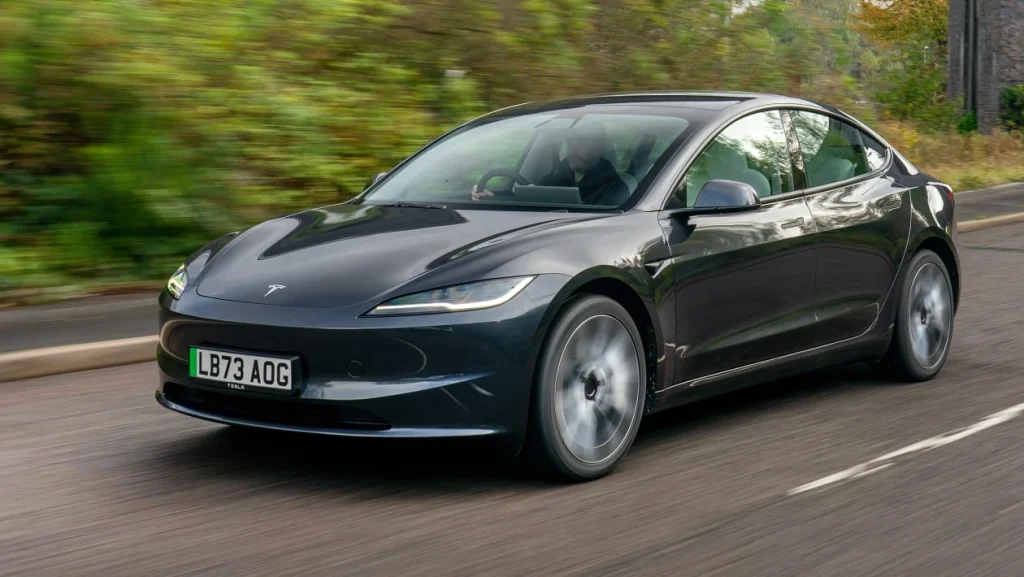
Tesla, Ford, Hyundai, Chevrolet, Honda, and other manufacturers have introduced promotional financing, lease offers, and direct discounts in recent months as competition throughout the EV market has intensified.
California Continues Leading EV Adoption
California remains the largest electric vehicle market in the United States, accounting for a significant share of national EV registrations each year.
The state has consistently introduced policies encouraging cleaner transportation, including emissions regulations, charging infrastructure investments, and financial incentives designed to accelerate consumer adoption.
Transportation analysts believe the latest rebate program could influence other states considering similar initiatives following the end of federal purchase incentives.
If California successfully stimulates demand through point-of-sale rebates, comparable programs may emerge elsewhere as policymakers seek to maintain progress toward emissions reduction goals.
State officials also expect the program to benefit dealerships by increasing showroom traffic during a period when many consumers remain cautious about making large vehicle purchases.
Immediate discounts can reduce monthly loan payments while making electric vehicles more competitive with gasoline-powered alternatives in the same price range.
Industry Response and What It Means for the EV Market
California’s latest rebate initiative is expected to have implications far beyond the state’s borders. As the largest automotive market in the United States, California has often served as a testing ground for transportation policies that later influence national trends.
Industry analysts believe the introduction of a point-of-sale rebate could become a model for other states seeking to maintain electric vehicle adoption after the expiration of federal consumer incentives.
Automakers have welcomed programs that reduce the upfront purchase price because affordability remains one of the biggest challenges facing the EV market.
Although battery costs have gradually declined and manufacturing efficiency has improved, many electric vehicles still carry higher initial prices than comparable gasoline-powered models.
By lowering the entry cost at the dealership, California hopes to encourage buyers who may have postponed purchasing an EV because of budget concerns.
According to industry analysts, the timing also aligns with a period of heightened competition among manufacturers. Companies including General Motors, Ford, Hyundai, Kia, Honda, Tesla, and Rivian have all introduced new electric models or expanded incentive programs during the past year.
Combining manufacturer discounts with California’s rebate could significantly reduce transaction prices for qualifying customers, making several electric vehicles more affordable than they would have been only a few months ago.
Consumer advocates have also praised the program’s focus on first-time EV buyers. Research has consistently shown that drivers who switch to electric vehicles often report lower operating costs because electricity is generally less expensive than gasoline on a per-mile basis, while EVs typically require less routine maintenance due to having fewer moving mechanical components.
By targeting households making their first transition, California aims to broaden EV ownership rather than concentrating incentives among repeat buyers.
The program is also expected to support California’s long-term environmental objectives. Transportation remains one of the state’s largest sources of greenhouse gas emissions, and expanding zero-emission vehicle adoption is considered a central element of its climate strategy.
Officials believe increasing the number of electric vehicles on the road, alongside continued investment in renewable energy and charging infrastructure, will help reduce emissions while improving urban air quality over time.
However, analysts caution that financial incentives alone will not determine the pace of EV adoption. Consumers continue to evaluate charging availability, insurance costs, resale values, battery durability, and full ownership experience before making purchasing decisions.
Continued expansion of public charging networks and improvements in charging speed will remain equally important in encouraging more drivers to switch from gasoline-powered vehicles.
For California, the new rebate program represents another significant step toward maintaining momentum in the transition to electric transportation.
By replacing part of the financial support previously provided through the federal tax credit with an immediate dealership discount, the state hopes to remove one of the largest barriers facing prospective buyers.
If the initiative successfully boosts first-time EV purchases, it could strengthen California’s position as the nation’s leading electric vehicle market while providing a blueprint for similar programs across the United States.
Also Read: 10 Overlooked Ford Bronco Features That Make Every Drive Better
