
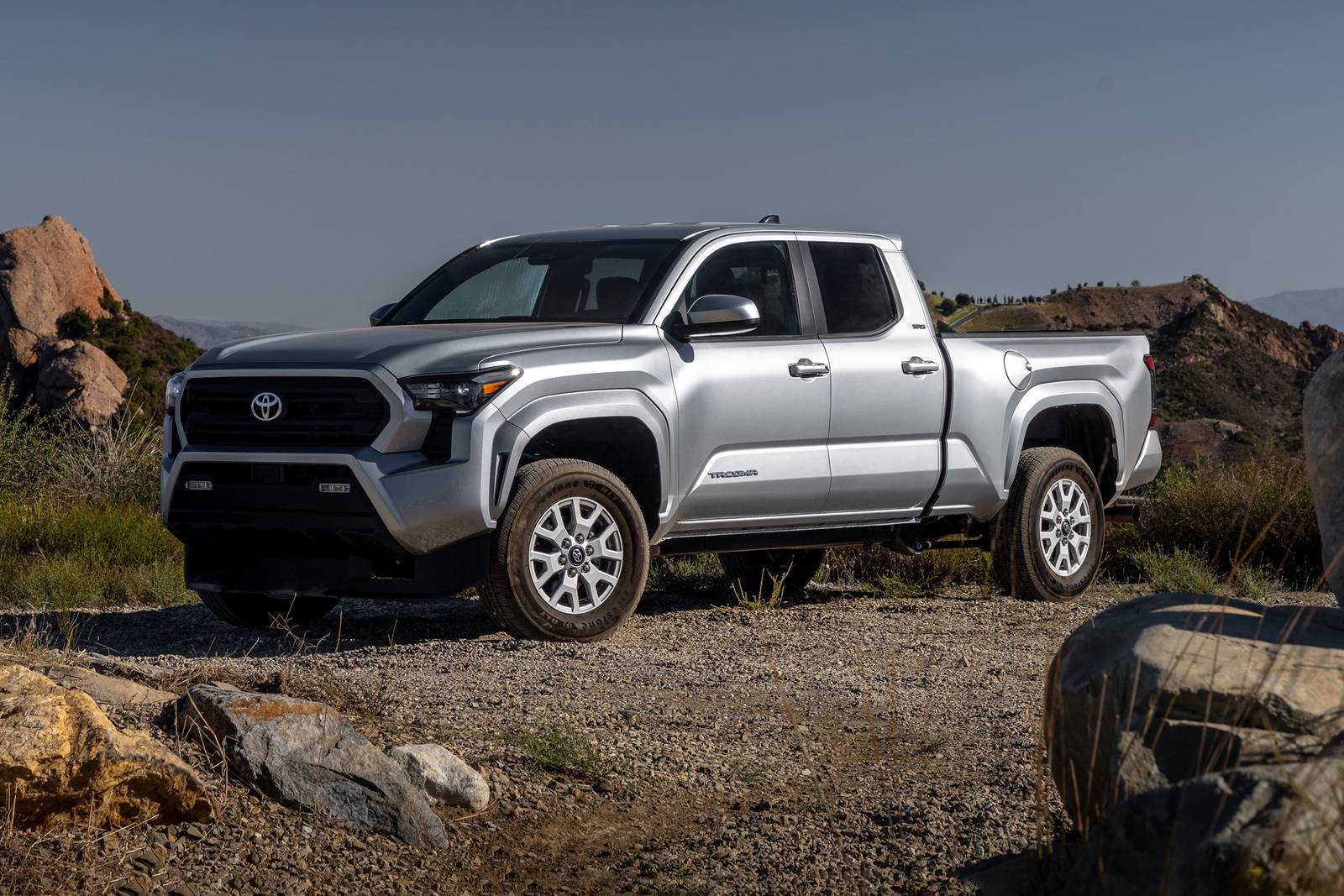
Toyota has confirmed plans to move Tacoma production back to Texas, marking one of the company’s most significant manufacturing decisions in recent years and reinforcing its long-term commitment to expanding domestic truck production.
The move reflects Toyota’s broader strategy of strengthening its North American manufacturing network, reducing reliance on overseas production, and positioning its most popular pickup closer to one of its largest customer markets.
The decision comes as global automakers continue reassessing their manufacturing footprints in response to changing trade policies, supply chain challenges, and increasing demand for vehicles assembled within the United States.
Rather than depending heavily on imported production, Toyota is investing in local manufacturing capacity that will allow it to respond more quickly to market demand while improving logistics efficiency and strengthening supplier relationships across North America.
According to Toyota, the shift will be supported by expanded investment in its Texas manufacturing operations, where the company plans to modernize production facilities and increase assembly capacity.
Company executives said the project forms part of a long-term strategy to improve manufacturing flexibility while supporting future truck demand across the United States.
Industry analysts note that the Tacoma remains one of Toyota’s most successful vehicles in North America. The midsize pickup has consistently ranked among the segment’s best-selling models thanks to its reputation for durability, strong resale value, and off-road capability.
Increasing domestic production allows Toyota to better align manufacturing with customer demand while reducing transportation costs associated with overseas production.
Also Read: 10 Production Cars That Had Two Engines
Responding to a Changing Manufacturing Landscape
Toyota’s manufacturing shift reflects broader changes taking place throughout the global automotive industry.
During the past several years, supply chain disruptions, semiconductor shortages, and rising international shipping costs exposed vulnerabilities in complex global manufacturing networks. As a result, many automakers have accelerated plans to regionalize production by building vehicles closer to their primary customer markets.
Industry experts believe this approach provides multiple advantages. Domestic production shortens delivery times, improves inventory management, and allows manufacturers to react more quickly to changing consumer preferences.
It also reduces exposure to potential tariff changes and international logistics disruptions that can affect production schedules.
Toyota has steadily expanded its American manufacturing presence over the past several decades, operating numerous assembly plants, engine factories, and component facilities across the United States.
Returning Tacoma production to Texas further strengthens that network while reinforcing the company’s confidence in long-term demand for pickup trucks.
Tacoma Continues to Be a Core Product
The Tacoma occupies a critical position within Toyota’s North American lineup. The midsize pickup appeals to customers seeking a balance between everyday practicality and rugged capability.
Unlike larger full-size trucks, the Tacoma offers easier maneuverability while maintaining strong towing capability, off-road performance, and proven reliability. These characteristics have helped the truck develop one of the industry’s most loyal customer bases.
Industry analysts expect domestic production to improve Toyota’s ability to manage inventory as demand fluctuates throughout the year. Faster production cycles and reduced shipping distances can help dealerships maintain more consistent inventory levels, improving vehicle availability for customers.
The move also supports Toyota’s broader truck strategy, which includes continued investment in hybrid technology. The latest Tacoma lineup already offers the i-Force MAX hybrid powertrain, demonstrating Toyota’s commitment to combining performance with improved efficiency.
Producing these vehicles in Texas could simplify future updates as hybrid technology becomes a larger part of the company’s truck portfolio.
Economic Benefits Extend Beyond Toyota
The expansion is expected to generate significant economic activity throughout Texas and the surrounding region.
Large automotive manufacturing projects typically attract new supplier investments, logistics providers, engineering firms, and construction companies.
Industry economists estimate that every assembly plant job supports multiple additional positions throughout the broader supply chain, creating long-term employment opportunities beyond the factory itself.
Local governments also benefit from increased tax revenue, infrastructure improvements, and workforce development initiatives that accompany major manufacturing investments.
Automotive suppliers frequently establish nearby facilities to reduce transportation costs and improve coordination with assembly operations, creating a more efficient regional manufacturing ecosystem.
Toyota has consistently emphasized partnerships with local suppliers and educational institutions to develop skilled manufacturing talent. The latest expansion is expected to continue that approach by supporting workforce training programs while encouraging additional investment throughout the regional automotive industry.
Looking Toward the Future
Toyota’s decision to return Tacoma production to Texas represents more than a simple manufacturing relocation. It reflects a strategic effort to strengthen domestic production capabilities during a period of significant change across the automotive industry.
As manufacturers continue to balance electrification, evolving trade policies, and changing consumer demand, greater manufacturing flexibility has become increasingly valuable.
Industry observers believe the expanded Texas operation will provide Toyota with improved production efficiency, stronger supply chain resilience, and greater responsiveness to one of the world’s largest pickup truck markets.
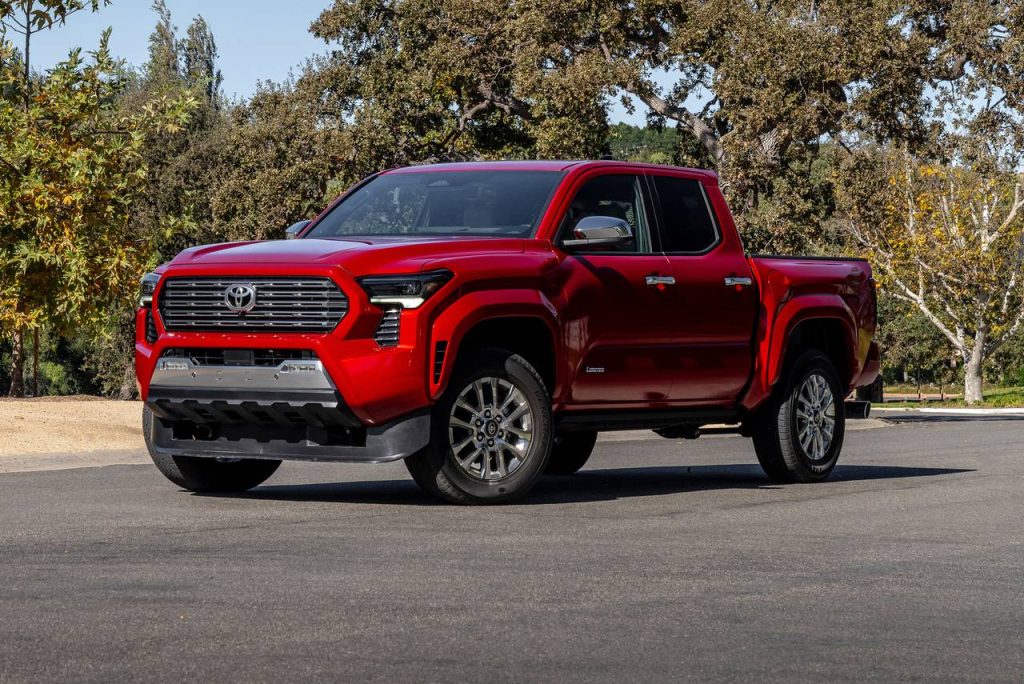
The investment also positions the company to support future truck development, including additional hybrid technologies and next-generation manufacturing systems.
For Toyota, bringing Tacoma production back to Texas reinforces its long-term commitment to American manufacturing while strengthening one of its most important vehicle programs.
As demand for midsize pickups remains strong and customers increasingly value vehicles built closer to home, the company’s expanded domestic manufacturing footprint is expected to play a central role in maintaining its competitive position throughout the remainder of the decade.
Strengthening Toyota’s Position in the U.S. Truck Market
Toyota’s decision to return Tacoma production to Texas highlights the growing importance of domestic manufacturing in an increasingly competitive pickup truck market.
The company is not simply relocating production; it is reshaping its North American manufacturing strategy to place one of its most popular vehicles closer to the customers who buy it. Industry analysts believe this approach will improve production efficiency while allowing Toyota to respond more quickly to changes in market demand.
The investment also demonstrates Toyota’s long-term confidence in the midsize truck segment. While the automotive industry continues investing heavily in electric vehicles and advanced technologies, demand for gasoline and hybrid pickups remains strong across the United States.
Models like the Tacoma continue attracting buyers because they offer a combination of durability, everyday practicality, off-road capability, and strong resale value. By increasing domestic production, Toyota can maintain a more consistent supply of vehicles while reducing shipping costs and delivery times to dealerships nationwide.
Another important advantage is the opportunity to strengthen relationships with American suppliers. Automotive assembly plants rely on thousands of components delivered by nearby manufacturers every day.
Expanding production in Texas encourages additional supplier investment, creating a more efficient supply chain that reduces transportation costs and minimizes the risk of production delays.
Industry experts note that localized supplier networks have become increasingly valuable following the supply chain disruptions experienced throughout recent years.
Toyota’s manufacturing expansion is also expected to support future product development. Modern assembly facilities are designed with flexible production systems capable of building multiple vehicle variants on the same production line.
This flexibility will allow Toyota to introduce updated Tacoma models, additional hybrid powertrains, and future technologies without requiring major changes to the manufacturing process.
Analysts believe this adaptability will become increasingly important as customer preferences continue evolving during the industry’s transition toward lower-emission vehicles.
Beyond the factory itself, the project is expected to generate broader economic benefits. Construction activity, supplier expansion, logistics operations, and workforce development programs will create additional employment opportunities throughout the region.
Local communities typically experience long-term economic growth following major automotive investments as new businesses establish operations to support manufacturing activity.
Looking ahead, Toyota’s decision signals that North America will remain a central part of its global production strategy. The company continues investing in advanced manufacturing technologies, supply chain resilience, and domestic capacity to ensure it remains competitive in one of the world’s most profitable automotive markets.
Bringing Tacoma production back to Texas strengthens Toyota’s ability to serve American truck buyers while reinforcing its commitment to U.S. manufacturing.
As competition in the pickup segment continues to intensify, the expanded production footprint will provide Toyota with greater flexibility, improved efficiency, and a stronger foundation for future growth.
