

Tesla’s long-promised Robotaxi business has once again become the center of investor attention, but this time for reasons the company would rather avoid.
During its latest quarterly earnings call, Tesla adopted a noticeably more cautious tone regarding the expansion of its autonomous ride-hailing service, triggering one of the company’s sharpest stock declines in more than a year.
Investors who had expected ambitious rollout targets instead heard executives emphasize patience, regulatory approvals, and operational safety, raising fresh questions about when Tesla’s autonomous driving ambitions will translate into a large-scale commercial business.
According to Reuters, Tesla’s shares fell about 13% following the earnings report after management declined to provide aggressive expansion targets that investors had anticipated.
The company acknowledged that Robotaxi deployment is progressing more slowly than previously projected as it prioritizes safety, regulatory compliance, and gradual city-by-city expansion. The shift marks a significant change from the optimism expressed over the past two years.
Elon Musk had previously suggested Tesla’s Robotaxi network could expand rapidly across the United States. Still, the latest earnings discussion reflected a more measured strategy as the company works through technical, operational, and regulatory challenges that accompany fully autonomous transportation.
Also Read: 8 High-Wear Car Parts You Shouldn’t Ignore at 100,000 Miles
Tesla Takes a More Measured Approach to Robotaxi Expansion
Tesla officially launched its Robotaxi pilot in Austin in June 2025, viewing the service as the foundation of a future transportation network built around fully autonomous vehicles. At the time, Musk described the rollout as the beginning of a rapid nationwide expansion that would eventually make Robotaxi one of Tesla’s most valuable businesses.
A year later, however, the rollout remains relatively limited. Reuters reported that Tesla has expanded service to only a handful of cities in Texas and Florida, with operations largely restricted to carefully selected service areas rather than full metropolitan coverage.
During the earnings call, executives emphasized that expanding too quickly could increase operational risks and complicate regulatory approvals, making a cautious rollout the preferred strategy.
The company said paying customers have now logged approximately 2.5 million Robotaxi miles, including roughly 380,000 miles completed without an in-vehicle safety monitor. While those numbers demonstrate meaningful progress, they remain well below the scale many investors expected after Tesla’s earlier projections.
Management argued that gradual expansion allows engineers to identify software issues, improve fleet operations, and gather valuable real-world driving data before introducing Robotaxi service in additional cities.
Wall Street Reacts to Slower Timelines
The cautious update disappointed investors who have increasingly viewed Robotaxi as Tesla’s primary long-term growth driver.
Following the earnings announcement, Tesla experienced its largest single-day stock decline in more than a year as analysts questioned whether the company’s autonomous driving roadmap is taking longer than expected.
Several investment firms reduced their price targets after management stopped short of offering firm deployment schedules for additional markets.
For years, much of Tesla’s market valuation has been tied not only to electric vehicle sales but also to expectations surrounding autonomous driving, artificial intelligence, and robotics. Investors have largely accepted heavy spending on AI infrastructure because they believed Robotaxi would eventually generate substantial recurring revenue.
The latest earnings call introduced greater uncertainty around that timeline. Executives repeatedly stressed that safety remains the company’s highest priority, noting that a premature nationwide launch could create operational setbacks and regulatory complications that would ultimately slow adoption even further.
Rather than pursuing rapid geographic expansion, Tesla intends to refine operations within existing markets before adding new locations.
That conservative approach may reduce immediate execution risks, but it also delays the large-scale commercial deployment many investors had anticipated.
Competition Continues to Intensify
Tesla’s slower rollout also highlights the increasingly competitive autonomous vehicle landscape.
Reuters noted that Tesla’s approximately 2.5 million commercial Robotaxi miles remain significantly behind Waymo’s more than 220 million autonomous miles, underscoring Alphabet’s current lead in commercial self-driving operations.
Waymo has spent years expanding its autonomous ride-hailing services across multiple U.S. cities while steadily increasing operational experience under varying traffic conditions.
Tesla continues pursuing a fundamentally different strategy. Instead of relying on expensive lidar sensors and detailed high-definition mapping, the company depends primarily on camera-based vision systems powered by artificial intelligence.
Musk has consistently argued that this approach offers greater scalability and lower long-term operating costs.
Supporters believe Tesla’s vast fleet of customer vehicles provides a unique advantage by continuously collecting driving data that improves Full Self-Driving software. Critics, however, argue that achieving reliable unsupervised driving across diverse environments remains considerably more difficult than originally anticipated.
The slower expansion suggests Tesla is encountering many of the real-world operational challenges that other autonomous vehicle developers have faced, including regulatory approvals, software validation, fleet management, and maintaining consistent service quality across different cities.
Massive AI Spending Raises Investor Questions
The Robotaxi update comes as Tesla dramatically increases spending on artificial intelligence, robotics, and next-generation computing infrastructure.
During the earnings report, executives reaffirmed plans for capital expenditures exceeding $25 billion this year, with spending expected to remain high as Tesla expands AI training capacity, Robotaxi operations, Optimus humanoid robot development, and advanced manufacturing capabilities.
While management argues these investments are essential for Tesla’s future, investors are increasingly seeking clearer evidence that the spending will generate meaningful financial returns.
Tesla also reported negative free cash flow as higher AI-related investment weighed on profitability, adding to investor concerns about near-term financial performance.
Analysts generally agree that Robotaxi remains one of Tesla’s most important long-term opportunities. However, they also note that the business must eventually demonstrate measurable commercial progress beyond pilot programs if it is to justify the company’s enormous investment in autonomous driving technology.
What Comes Next for Tesla
Despite the market’s negative reaction, Tesla continues expressing confidence in its long-term autonomous driving strategy.
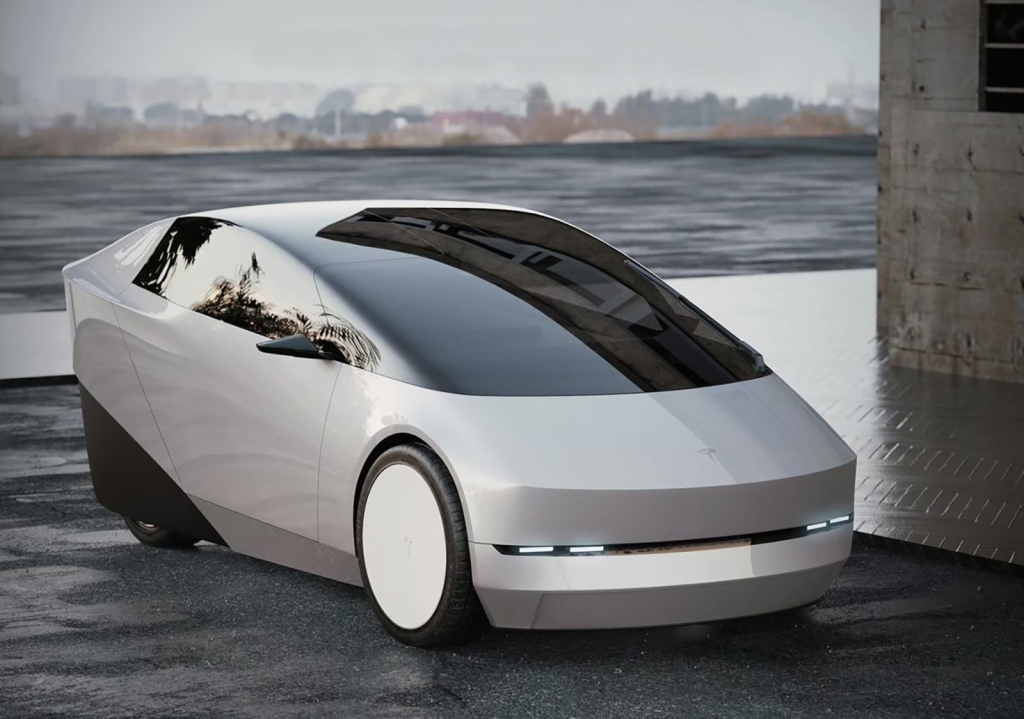
Management indicated that additional cities will be added over time, but expansion will depend on operational readiness, regulatory approval, and continued improvements in full self-driving performance. Rather than setting aggressive deployment targets, executives emphasized building a reliable service capable of expanding sustainably.
For investors, that represents both reassurance and frustration. The company remains fully committed to Robotaxi, yet the latest earnings call suggests commercialization may take longer than many had expected.
Until broader deployment becomes a reality, Tesla’s autonomous driving business is likely to remain a source of both excitement and uncertainty.
The latest earnings discussion signals a shift in expectations rather than a change in direction. Tesla still views Robotaxi as a cornerstone of its future business model, but management is now acknowledging that building a nationwide autonomous ride-hailing network requires more time, testing, and regulatory cooperation than earlier projections suggested.
As competition intensifies and investors demand measurable progress, the pace of robotaxi expansion will remain one of the most closely watched developments in the global automotive industry.
Regulatory Challenges and Market Expectations Will Shape the Next Phase
Beyond the technology itself, Tesla’s biggest hurdle may be navigating an increasingly complex regulatory environment. Autonomous vehicle deployment in the United States is governed by a combination of federal guidance and state-level regulations, meaning Tesla cannot simply launch its Robotaxi service nationwide at once.
Each new market requires discussions with local authorities, emergency responders, transportation agencies, and insurance stakeholders before commercial operations can begin.
Safety will also remain under scrutiny. Regulators are expected to monitor incident reports, system reliability, and passenger safety as Tesla gradually expands its service area.
Any significant software issue or high-profile accident involving a robotaxi could slow approvals in additional cities and increase pressure from lawmakers seeking stricter oversight of autonomous driving technology.
For investors, the coming quarters will be critical. Wall Street is expected to look beyond Tesla’s electric vehicle deliveries and focus increasingly on Robotaxi metrics such as the number of operating cities, autonomous miles driven, ride volume, fleet utilization, and progress toward fully driverless operations.
Those figures could become key indicators of whether Tesla’s heavy investment in artificial intelligence is beginning to generate commercial returns.
Although the latest earnings call disappointed investors hoping for faster expansion, the Robotaxi program remains central to Tesla’s long-term growth strategy.
If the company can steadily expand its autonomous network while maintaining strong safety performance and gaining regulatory approval in more markets, investor confidence could improve. Until then, the pace of robotaxi deployment is likely to remain one of the most closely watched stories in the global automotive industry.
Also Read: 10 States Where Owners Keep Their Cars the Longest
