
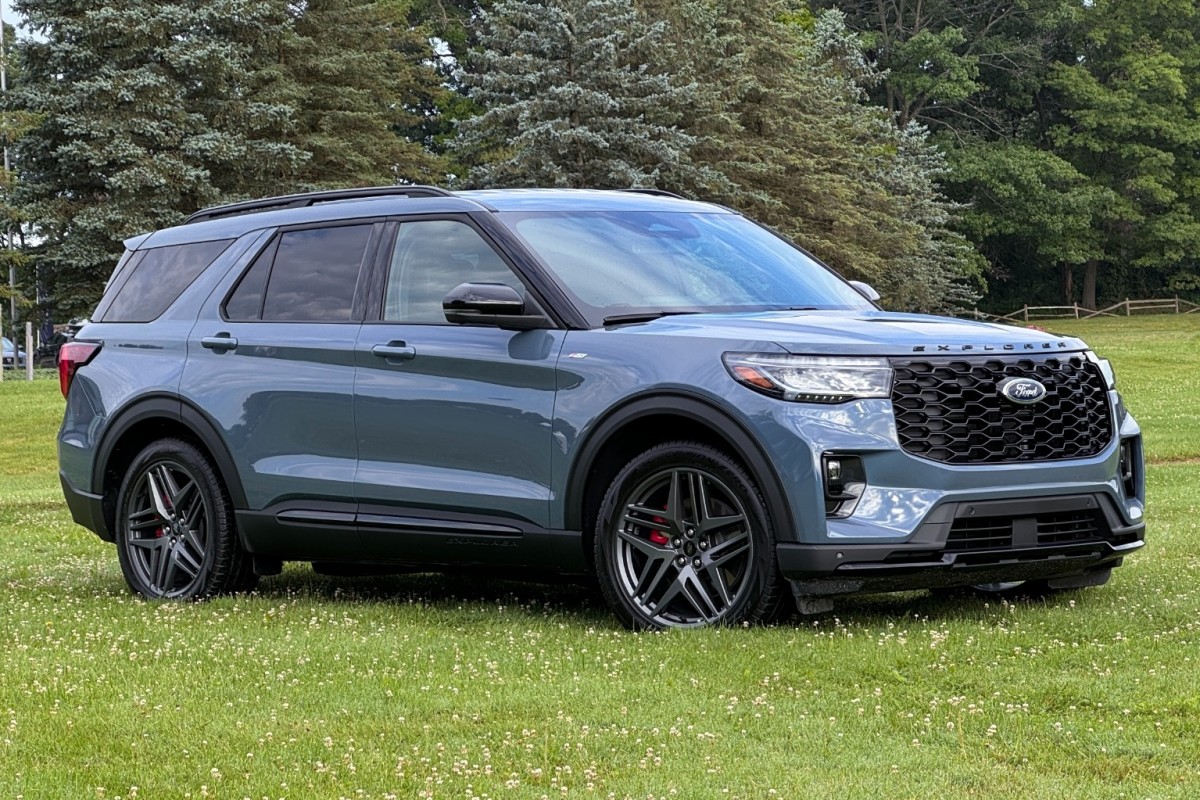
Ford has announced a major safety recall affecting nearly 388,000 SUVs in the United States after identifying a defect that could allow second-row seats to move unexpectedly while the vehicle is in motion.
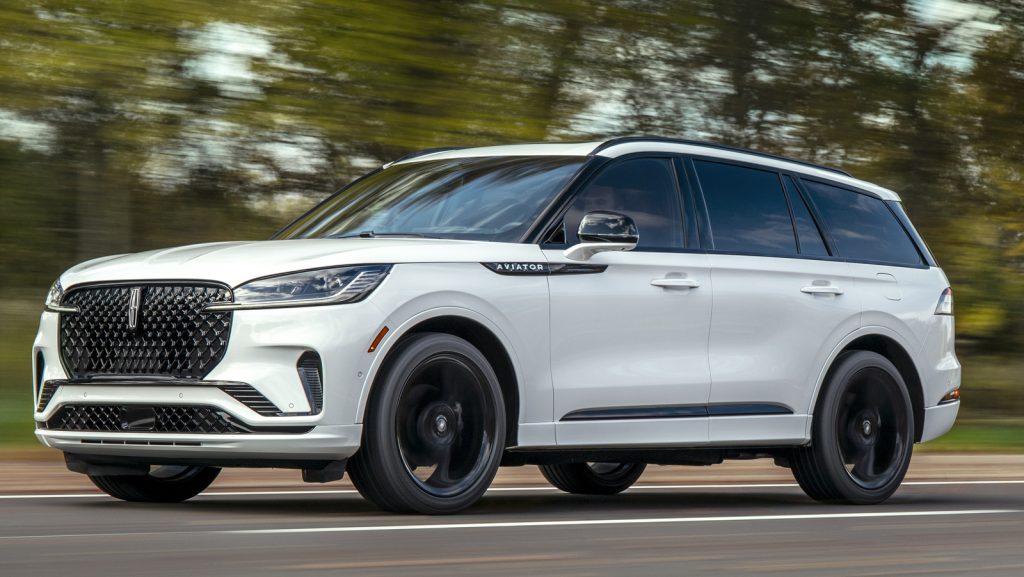
The recall involves certain Ford Explorer and Lincoln Aviator models, two of the company’s most popular three-row SUVs, and addresses a problem that could increase the risk of injury to occupants during a crash.
While the issue does not involve the engine, transmission, or braking system, seat integrity plays a critical role in occupant protection.
Properly secured seats are designed to remain locked in position under normal driving conditions and during a collision, helping seat belts and airbags function as intended. If a seat shifts unexpectedly, it can affect passenger positioning and reduce the effectiveness of other safety systems.
According to documents filed with the National Highway Traffic Safety Administration (NHTSA), Ford identified that the second-row seat assemblies in certain vehicles may not lock properly because of a manufacturing issue. Dealers will inspect the affected SUVs and repair or replace the necessary components at no cost to owners.
The recall underscores the importance of even seemingly minor vehicle components, as issues involving seats and restraint systems are treated with the same seriousness as many mechanical defects under federal safety regulations.
Also Read: 10 EVs Ranked by Charging Speed
Nearly 388,000 SUVs Are Included
According to the National Highway Traffic Safety Administration, the recall covers nearly 388,000 Ford Explorer and Lincoln Aviator SUVs sold in the United States. The affected vehicles were manufactured during specific production periods and may contain second-row seat assemblies that do not fully engage their locking mechanisms.
Ford discovered that the seat frame or latch components may allow the second-row seats to move unexpectedly if they are not properly secured. Although the seats may appear to be locked, they could shift under certain driving conditions or during a collision.
The Explorer remains one of Ford’s best-selling SUVs, while the Lincoln Aviator serves as the luxury counterpart built on the same platform. Because both models share many structural components, safety-related issues involving seat assemblies can affect vehicles across both brands.
According to Ford’s filing with NHTSA, the company has not identified every recalled vehicle as having the defect. Instead, the recall includes vehicles manufactured during the period in which the potentially affected components may have been installed.
Why a Moving Seat Is a Safety Concern
Vehicle seats are engineered to do much more than provide comfort. They are an integral part of a vehicle’s full occupant protection system.
During a collision, seat structures work together with seat belts, airbags, and the vehicle’s body to help manage crash forces. A seat that moves unexpectedly can alter an occupant’s position, potentially reducing the effectiveness of the seat belt and airbag systems.
According to NHTSA, properly secured seating positions are essential for maintaining occupant protection during both routine driving and crashes. Even if the seat belt remains fastened, unexpected seat movement could increase the likelihood of injury by changing how crash forces are transferred to the occupant.
The issue is particularly significant in three-row SUVs like the Explorer and Aviator, where second-row seats are frequently adjusted to provide access to the third row. Because these seats are designed to slide and fold, the locking mechanisms must consistently engage after every adjustment.
What Caused the Problem?
According to recall documents submitted to NHTSA, Ford traced the issue to the second-row seat assembly, where certain components may not fully engage after the seat has been adjusted.
As a result, occupants may believe the seat is locked into place when it has not completely secured itself. Under certain conditions, the seat could move unexpectedly, especially during sudden braking or a collision.
Ford initiated an internal investigation after receiving reports related to the seat assemblies. Engineers reviewed production records, supplier information, and warranty data before determining that a recall was necessary.
The automaker subsequently notified NHTSA and launched a voluntary safety recall in accordance with federal regulations governing motor vehicle safety defects. Although no widespread injuries have been linked to the issue, federal law requires manufacturers to address defects that could increase the risk of occupant injury.
The Repair Process
Ford has outlined a straightforward repair procedure for affected vehicles. According to the recall notice, authorized Ford and Lincoln dealerships will inspect the second-row seat assemblies to determine whether the locking mechanism meets specifications. If necessary, technicians will repair or replace the affected components to ensure the seats lock securely.
All repairs will be performed free of charge. Owners will receive recall notification letters explaining how to schedule an appointment. Those who regularly carry passengers in the second row are encouraged to have the inspection completed promptly once parts become available.
Because the recall focuses on the seat assembly rather than major mechanical systems, repair times are expected to be shorter than many other recall campaigns.
How Owners Can Check Their Vehicle
Ford Explorer and Lincoln Aviator owners do not need to wait for a notification letter before determining whether their SUV is included in the recall.
The National Highway Traffic Safety Administration recommends checking the vehicle’s 17-digit Vehicle Identification Number through its online recall lookup database. Ford and Lincoln dealerships can also verify recall eligibility and schedule service appointments.
Owners of used vehicles should also check for open recalls, as safety campaigns remain attached to the vehicle rather than its original owner. Federal regulations require manufacturers to complete open recall repairs free of charge regardless of ownership history.
Seat-Related Recalls Are Closely Monitored
Although recalls involving seat assemblies receive less public attention than engine or airbag campaigns, they are considered important because seating systems form a critical part of occupant protection.
Over the past decade, multiple automakers have issued recalls involving seat frames, seat tracks, reclining mechanisms, and latch assemblies after discovering defects that could affect passenger safety.
Federal Motor Vehicle Safety Standards establish strict performance requirements for vehicle seating systems, including their ability to remain securely positioned during crashes. Manufacturers are required to investigate and correct any defects that could compromise those standards.
Safety experts note that proactively addressing seat-related issues helps reduce injury risk while maintaining consumer confidence in vehicle safety.
A Preventive Recall Focused on Occupant Protection
Ford’s recall of nearly 388,000 Explorer and Lincoln Aviator SUVs demonstrates that vehicle safety extends well beyond engines and electronic driver-assistance systems. Properly functioning seats are a fundamental part of the full occupant protection strategy, working alongside seat belts and airbags to help minimize injuries during a collision.
According to the National Highway Traffic Safety Administration, owners of affected vehicles will receive free inspections and repairs to restore the second-row seat assemblies to their intended condition.
While the issue may not be immediately noticeable during everyday driving, ensuring the seats remain securely locked is essential for maintaining the level of protection Ford designed into these SUVs.
For owners, the next step is simple: verify whether the vehicle is included in the recall and schedule the repair if necessary. Although the fix is expected to be relatively straightforward, correcting the defect will help ensure passengers remain properly protected and that the second-row seats perform as intended under all driving conditions.
Also Read: 10 Motorcycle Dealer Fees Buyers Can Refuse to Pay
