
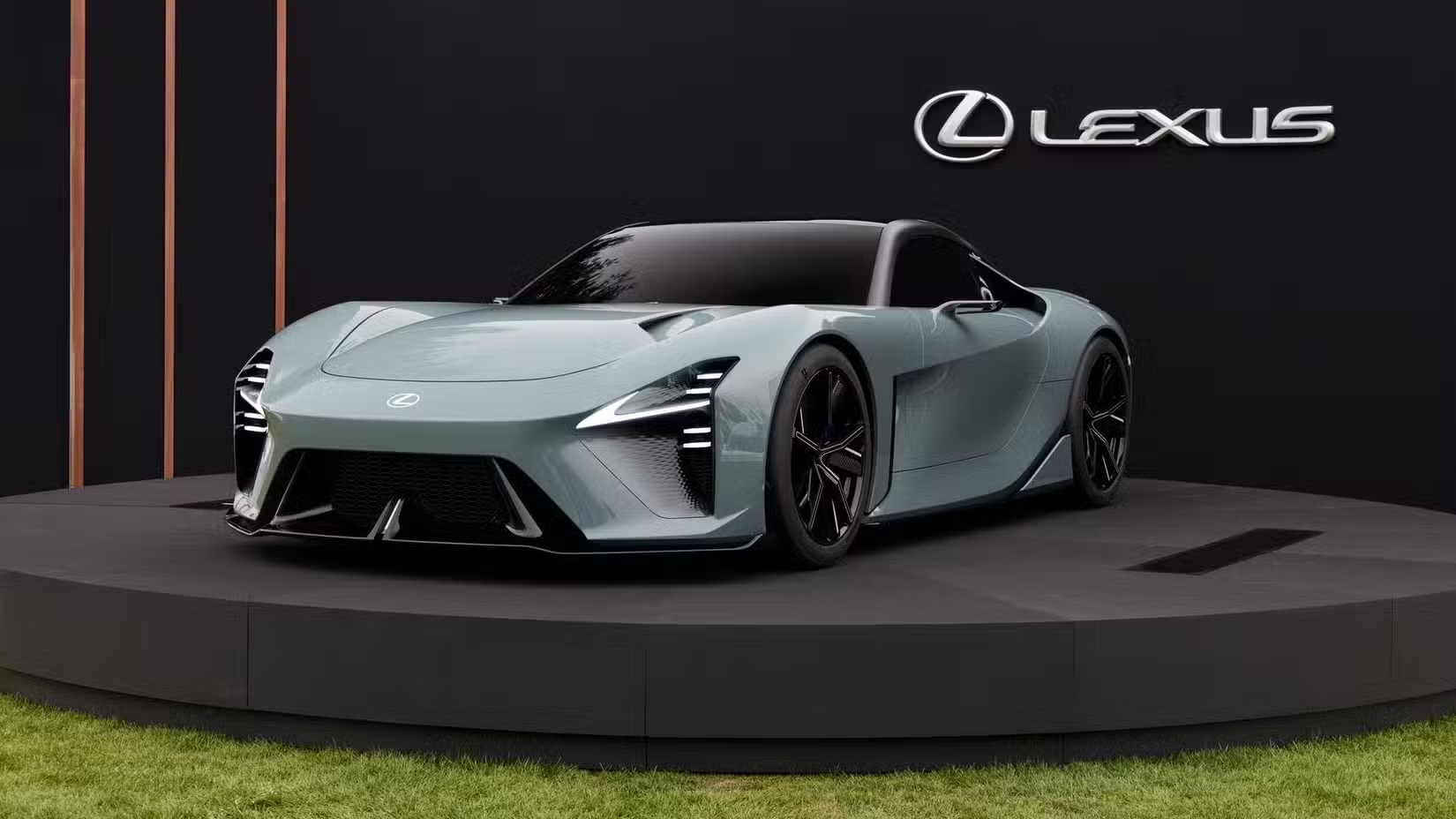
Lexus has earned the highest ranking among luxury automotive brands in a new dealer satisfaction survey, highlighting the strength of its relationship with franchise retailers while several competing premium manufacturers experienced declining scores.
According to Motor1, which reported on the industry study published on July 26, 2026, the results offer a closer look at an often-overlooked aspect of the automotive business: how dealers evaluate the manufacturers they represent.
While consumers typically focus on vehicle quality, pricing, and technology, dealer satisfaction plays an equally important role in determining a brand’s long-term success. Dealers are responsible for selling new vehicles, servicing customers, managing warranty repairs, and representing the manufacturer’s image in local communities.
Strong relationships between automakers and their dealer networks often translate into better customer experiences, smoother vehicle deliveries, improved inventory management, and higher profitability.
Lexus’ top ranking reflects years of investment in dealer support, communication, training, and operational consistency.
The survey also indicates that several rival luxury brands are facing increasing challenges in maintaining positive relationships with their retail partners as the industry undergoes rapid technological and economic changes.
The findings provide valuable insight into the retail side of the automotive industry, where cooperation between manufacturers and dealers remains essential despite the growing influence of online vehicle sales and digital retail platforms.
Also Read: 10 Sedans That Pack More Than You’d Expect
Understanding Dealer Satisfaction Surveys
Dealer satisfaction studies evaluate how franchise owners and dealership executives view the manufacturers they represent.
Rather than measuring customer opinions, these surveys focus on the business relationship between automakers and their dealer networks.
Participants typically rate manufacturers across categories such as communication, profitability, warranty administration, inventory allocation, marketing support, product planning, training, technology systems, and full partnership.
High dealer satisfaction generally indicates that retailers feel supported by the manufacturer and believe the business relationship is productive.
Low satisfaction scores, on the other hand, may reflect concerns about inventory shortages, inconsistent communication, complicated warranty procedures, declining profitability, or disagreements over corporate strategy.
Because dealerships serve as the public face of an automotive brand, strong manufacturer-dealer relationships often contribute to improved customer service and stronger long-term sales performance.
Lexus Leads the Luxury Segment
According to the industry survey reported by Motor1, Lexus achieved the highest satisfaction rating among luxury automotive brands. The result reflects the company’s longstanding reputation for maintaining collaborative relationships with its dealer network.
Lexus dealers have frequently praised the brand’s predictable product planning, stable inventory management, responsive corporate communication, and emphasis on long-term profitability.
Industry analysts note that Lexus has traditionally favored steady growth and operational consistency rather than pursuing rapid expansion at the expense of dealer stability.
This approach has helped create strong trust between the manufacturer and its retail partners, allowing dealerships to focus on customer service while maintaining healthy business performance. The latest survey suggests those efforts continue producing positive results.
Why Dealer Satisfaction Matters
Although dealer surveys receive far less public attention than vehicle quality rankings, they provide valuable insight into a manufacturer’s operational health.
Satisfied dealers are generally more willing to invest in facility upgrades, employee training, service equipment, and customer experience initiatives.
Positive relationships also improve communication between corporate headquarters and local dealerships, allowing new products, software updates, recalls, and marketing campaigns to be implemented more efficiently.
When dealers feel financially secure and adequately supported, they are often better positioned to provide higher-quality customer service throughout the ownership experience.
Conversely, strained manufacturer-dealer relationships can create operational challenges that ultimately affect consumers through longer service delays, reduced inventory, or inconsistent retail experiences.
Several Competitors Experienced Declining Scores
The survey also found that multiple competing luxury brands recorded lower dealer satisfaction scores compared with previous years.
While individual reasons vary by manufacturer, industry observers point to several common factors influencing dealer sentiment.
The transition toward electric vehicles has required substantial investments in training, charging infrastructure, specialized service equipment, and facility upgrades.
At the same time, supply chain disruptions, changing production schedules, software-related challenges, and evolving retail strategies have placed additional pressure on dealer operations.
Some manufacturers have also shown direct-to-consumer sales models or revised franchise agreements, creating uncertainty among traditional dealership networks.
These changes have contributed to declining satisfaction levels for some premium brands navigating an increasingly complex automotive marketplace.
Retailers Remain Essential to Luxury Brands
Despite the rapid growth of digital vehicle shopping, dealerships continue to play a central role in luxury vehicle ownership.
Customers purchasing premium vehicles often expect personalized consultations, test drives, financing assistance, trade-in evaluations, and long-term service relationships that extend well beyond the initial sale.
Luxury dealerships also manage warranty repairs, software updates, maintenance programs, certified pre-owned vehicles, and customer loyalty initiatives.
Manufacturers therefore depend heavily on maintaining productive relationships with franchise partners.
Industry experts believe strong dealer satisfaction can become a competitive advantage because motivated retailers are more likely to invest in customer experience and brand representation.
The latest survey reinforces the continuing importance of dealership networks even as automotive retail evolves.
Lexus Continues Building on Its Reputation
Lexus has consistently earned recognition for customer satisfaction, vehicle reliability, and dealership service.
Its strong performance in dealer satisfaction complements those achievements by demonstrating that the company’s internal business relationships remain equally effective.
Many analysts attribute Lexus’ success to a management philosophy emphasizing long-term collaboration rather than short-term sales targets.
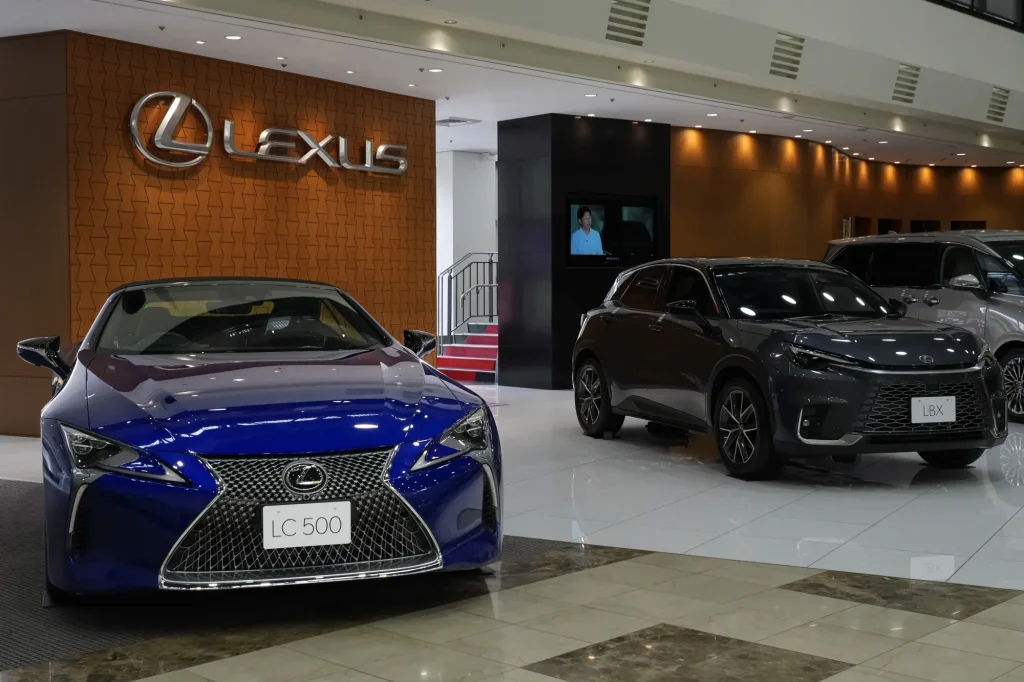
Stable product planning, consistent communication, efficient warranty administration, and predictable operational policies have helped strengthen dealer confidence over many years.
As the automotive industry undergoes significant transformation, maintaining this stability may provide Lexus with an important competitive advantage.
The Industry Faces a Changing Retail Landscape
Dealer satisfaction has become increasingly important as manufacturers adapt to new technologies and evolving consumer expectations.
Electric vehicles require different service procedures than traditional gasoline models, while connected software platforms demand ongoing technical support throughout the ownership experience.
Manufacturers must also balance investments in digital retail with maintaining profitable dealership operations.
These challenges have created new expectations for communication, training, technical assistance, and operational transparency between automakers and retailers.
Brands that successfully support their dealer networks may be better positioned to navigate the industry’s ongoing transformation while maintaining strong customer relationships.
What the Survey Means for Consumers
Although dealer satisfaction surveys are designed primarily for the automotive industry, the results can also benefit consumers.
Dealerships that enjoy strong relationships with their manufacturers often receive better operational support, quicker access to technical information, more efficient warranty processing, and improved product training.
These advantages can contribute to smoother purchase experiences, higher-quality service visits, and faster resolution of customer concerns.
While a high dealer satisfaction ranking does not guarantee an exceptional ownership experience, it suggests that the manufacturer and its retail network are working together effectively to support customers throughout the vehicle’s lifecycle.
The latest industry survey demonstrates that success in the luxury automotive market depends on far more than designing desirable vehicles.
According to Motor1, Lexus achieved the highest dealer satisfaction ranking among premium brands by maintaining strong partnerships with the retailers responsible for selling and servicing its vehicles.
At a time when many automakers are navigating electrification, software integration, changing retail strategies, and shifting customer expectations, positive manufacturer-dealer relationships have become increasingly valuable.
The survey also highlights that several competing luxury brands continue facing challenges as they adapt to these industry-wide changes.
For consumers, the findings offer reassurance that Lexus’ reputation extends beyond vehicle reliability and customer service. Strong dealer relationships often translate into better support throughout the ownership experience, reinforcing the brand’s position as one of the automotive industry’s most consistently respected luxury manufacturers.
Also Read: 10 Cars With Cabin Filters That Clog Before 8,000 Miles
