
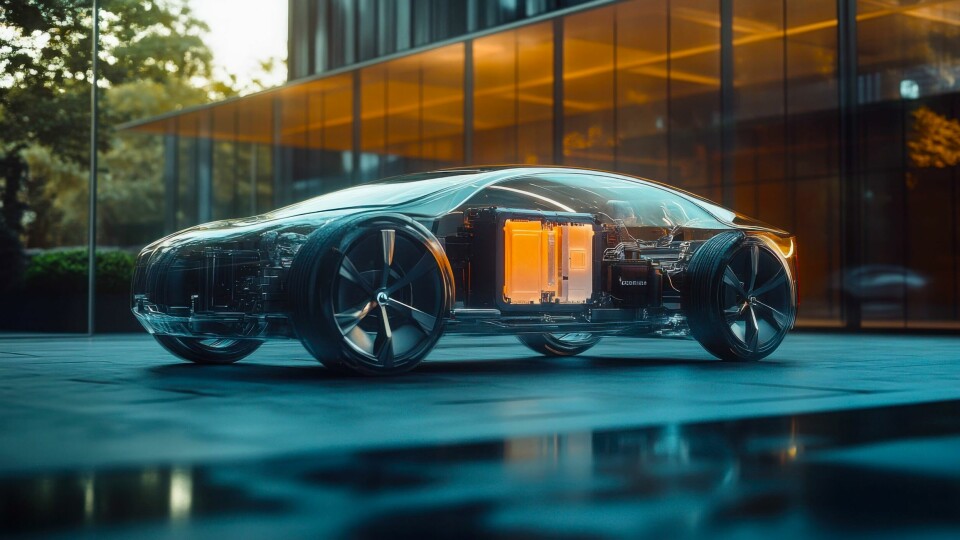
Stellantis is intensifying its push toward next-generation battery technology, expanding development of solid-state batteries as the global automaker works toward introducing the technology in production electric vehicles later this decade.
The latest milestone signals that the company is moving beyond laboratory validation and into real-world vehicle testing, a critical phase that could reshape the performance, charging capability, and cost of future EVs.
The announcement comes as competition among automakers to commercialize solid-state batteries continues to accelerate.
Companies including Toyota, Mercedes-Benz, BMW, Hyundai, Honda, Nissan, and Volkswagen-backed QuantumScape have all invested heavily in the technology, viewing it as one of the biggest advancements in electric mobility since the introduction of modern lithium-ion batteries.
According to Automotive News Europe, Stellantis has expanded its investment and engineering efforts around solid-state battery technology as part of its long-term electrification strategy, targeting the technology for future production vehicles expected to arrive around 2028.
The company believes solid-state batteries can significantly improve driving range, reduce charging times, increase battery durability, and lower long-term ownership costs.
Also Read: Oldsmobile Sold a Front-Drive V8 With 385 Horsepower
Moving Beyond Traditional Lithium-Ion Batteries
Today’s electric vehicles overwhelmingly rely on lithium-ion batteries, which have steadily improved in energy density and charging performance over the past decade. However, engineers have long recognized their limitations.
Conventional lithium-ion batteries use a liquid electrolyte to move lithium ions between the anode and cathode during charging and discharging. While proven and reliable, liquid electrolytes can contribute to thermal management challenges, limit energy density, and require extensive cooling systems.
Solid-state batteries replace that liquid electrolyte with a solid material, allowing engineers to redesign battery cells with greater efficiency and safety.
According to Stellantis, the transition could deliver lighter battery packs with substantially higher energy density while reducing packaging complexity inside future electric vehicles. The technology also enables the use of lithium-metal anodes, which store significantly more energy than today’s graphite-based designs.
For consumers, those engineering improvements translate into tangible benefits, including longer driving range, shorter charging stops, and batteries that maintain their performance over more charging cycles.
Partnership With Factorial Energy Continues to Advance
At the center of Stellantis’ solid-state program is its long-standing partnership with Massachusetts-based battery developer Factorial Energy.
The collaboration began in 2021 when Stellantis signed a joint development agreement and made a strategic investment in the company. Since then, both organizations have steadily advanced from laboratory research to full-scale automotive testing.
According to Stellantis, engineers successfully validated automotive-sized FEST (Factorial Electrolyte System Technology) battery cells in 2025, demonstrating an energy density of 375 Wh/kg.
The batteries also achieved charging from 15 percent to 90 percent in approximately 18 minutes while maintaining performance across temperatures ranging from minus 30 degrees Celsius to 45 degrees Celsius.
Those figures represent a significant improvement over many conventional lithium-ion battery systems currently used in production EVs.
Rather than treating the battery as a laboratory prototype, Stellantis has focused on integrating the technology into complete vehicle systems, including battery packs, thermal management, structural design, and electronic controls.
Real-World Testing Marks a Major Milestone
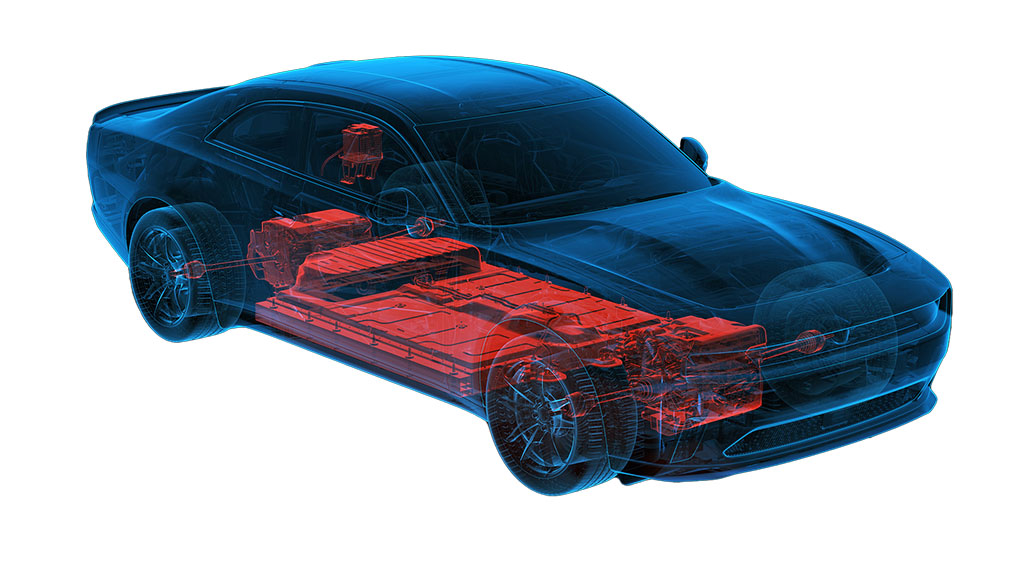
One of the most significant developments in Stellantis’ program occurred earlier this year when the company integrated Factorial’s solid-state battery pack into a Dodge Charger Daytona development vehicle.
According to Stellantis, this marked the first time its advanced solid-state battery technology had been installed in a North American development vehicle for on-road testing.
The program is designed to evaluate battery behavior under everyday driving conditions rather than relying solely on controlled laboratory environments.
Engineers are monitoring charging performance, temperature management, vehicle integration, durability, vibration resistance, and long-term reliability throughout the testing process.
Ned Curic, Stellantis’s Chief Engineering and Technology Officer, said the milestone demonstrates that the company is bringing solid-state batteries closer to customers while maintaining a focus on practical vehicle performance rather than isolated laboratory achievements.
This stage is particularly important because many battery technologies perform well under laboratory conditions but require years of engineering refinement before they can withstand the demands of daily driving.
Longer Driving Range Without Larger Batteries
One of the primary advantages of solid-state batteries is their substantially higher energy density.
Higher energy density means more electricity can be stored within the same physical space, allowing automakers to increase vehicle range without making battery packs larger or heavier.
According to Stellantis, the validated FEST cells reached approximately 375 Wh/kg, placing them among the highest-performing automotive battery technologies currently under development.
For drivers, this could mean future electric vehicles capable of traveling significantly farther between charges while maintaining similar vehicle dimensions.
Alternatively, manufacturers could choose to reduce battery size while maintaining today’s driving ranges, lowering vehicle weight and improving efficiency. Lighter battery packs also improve handling, braking performance, tire wear, and full energy consumption.
Charging speed remains one of the biggest barriers to widespread EV adoption. Although modern fast chargers have reduced charging times considerably, long-distance travel still requires more planning than driving a gasoline-powered vehicle.
Solid-state batteries offer one potential solution. According to Stellantis and Factorial, their validated battery cells demonstrated charging capability from 15 percent to 90 percent in approximately 18 minutes under testing conditions.
While production vehicles will ultimately depend on battery pack design, charging infrastructure, and thermal management, the results suggest future EV owners could spend significantly less time at charging stations.
For commercial fleets, rideshare operators, and consumers taking long road trips, shorter charging sessions could substantially improve vehicle usability.
Improved Durability Could Lower Ownership Costs
Battery longevity is another area where Stellantis expects solid-state technology to deliver measurable improvements.
Conventional lithium-ion batteries gradually lose capacity after repeated charging cycles, particularly when exposed to high temperatures or frequent fast charging.
Solid-state batteries are designed to better withstand repeated charging while reducing degradation over time.
According to Stellantis, ongoing testing has shown promising durability characteristics that support long-term automotive applications, although engineers continue validating the technology through real-world testing before commercial production.
Longer-lasting batteries could reduce warranty costs for manufacturers while giving consumers greater confidence in purchasing electric vehicles.
Improved durability may also increase resale values, an increasingly important consideration as more used EVs enter the market.
Manufacturing Remains the Biggest Challenge
Despite the encouraging progress, commercializing solid-state batteries remains one of the industry’s most difficult engineering challenges.
Scaling laboratory breakthroughs into millions of production vehicles requires consistent manufacturing quality, competitive costs, and reliable supply chains.
One reason Stellantis continues working closely with Factorial is the company’s emphasis on designing batteries that remain compatible with many existing lithium-ion manufacturing processes.
According to Stellantis, this compatibility provides a more practical path toward mass production without requiring entirely new manufacturing facilities.
Industry analysts have repeatedly noted that manufacturing scalability, rather than laboratory performance, will determine which companies successfully commercialize solid-state batteries.
Reuters also recently reported that Stellantis has strengthened its commitment to Factorial by building a significant ownership stake in the battery developer, underscoring the strategic importance of the partnership as commercial deployment approaches.
Part of Stellantis’ Broader Electrification Strategy
Solid-state batteries represent only one component of Stellantis’ broader electric vehicle strategy.
The automaker continues investing billions of dollars across battery manufacturing, software development, charging technology, and dedicated EV platforms.
Its portfolio includes electric models from Jeep, Dodge, Ram, Fiat, Peugeot, Opel, Alfa Romeo, Citroën, Maserati, Chrysler, and DS Automobiles.
Future solid-state batteries are expected to support multiple brands across the Stellantis portfolio rather than serving a single premium vehicle.
That flexibility could allow the company to introduce the technology first in higher-priced vehicles before expanding into more affordable models as production scales and manufacturing costs decline.
Stellantis is far from alone in pursuing solid-state battery technology. Toyota has repeatedly stated its intention to commercialize solid-state batteries later this decade, while Mercedes-Benz has also partnered with Factorial for battery development.
Volkswagen-backed QuantumScape continues advancing its own technology, and companies including Honda, Nissan, Hyundai, and BMW have announced major research programs focused on next-generation battery chemistry.
The growing number of competitors reflects broad industry consensus that incremental lithium-ion improvements alone may not satisfy future consumer expectations for range, charging speed, and affordability.
Manufacturers that successfully commercialize reliable solid-state batteries could gain a significant competitive advantage during the next phase of EV adoption.
Looking Toward a 2028 Introduction
Although Stellantis has not confirmed the first production model that will receive the technology, the company continues pointing toward the latter part of the decade for broader deployment.
By targeting approximately 2028 for initial rollout, Stellantis gives engineers additional time to complete durability testing, refine manufacturing processes, and integrate the batteries into production vehicle platforms.
The strategy reflects a cautious but deliberate approach. Rather than rushing immature technology into the market, the company appears focused on ensuring that solid-state batteries meet the durability, safety, and performance expectations of mainstream customers.
If development continues as planned, the technology could become one of the most significant advancements in Stellantis’ electrification program.
Higher driving ranges, faster charging, improved battery longevity, and lower long-term operating costs would directly address many of the concerns that continue to influence EV purchasing decisions.
Combined with ongoing investments in battery manufacturing and vehicle development, the expanded solid-state battery program positions Stellantis to compete more aggressively as the global electric vehicle market enters its next stage of technological evolution.
