
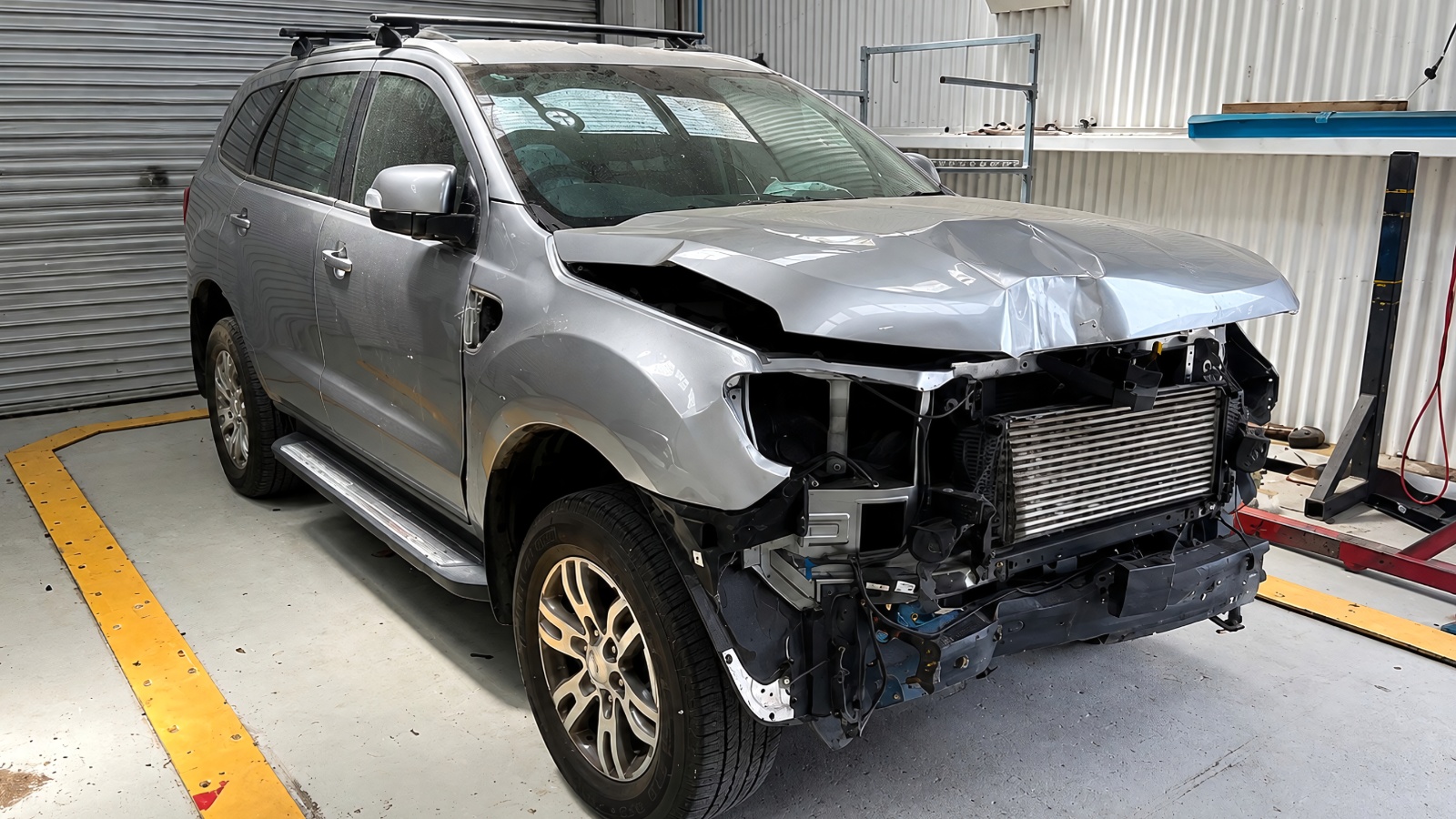
The average bill to fix a car after a crash has climbed to $4,818 in 2025. That marks the third straight year this figure has grown, though the pace of growth has actually slowed down. This is described as the lowest percentage increase since 2017. That sounds like good news for drivers and insurers alike.
But the headline number hides a more complicated story underneath it. Fewer cars are actually going through the repair process this year. Total claim volume dropped sharply, yet the average cost per repair kept rising anyway. That disconnect is the real story of 2025.
Three forces are pushing that average bill higher even as fewer cars get fixed. Sensor calibrations are now attached to a huge and growing share of every repair order. The nation’s vehicle fleet keeps getting older, changing what kind of damage shops actually see. And the technician workforce needed to do this work is shrinking just as the job itself gets harder.
This piece breaks down each of those three drivers, drawing on the newest industry data and reporting from 2025 and early 2026. Together they explain why a single repair bill can now swing so widely, and why the pressure on shops and drivers alike is unlikely to ease anytime soon.
Calibrations Are Reshaping the Repair Bill
Sensor calibration has become the single biggest cost driver in modern collision repair. Most vehicles now carry cameras, radar units, and sometimes lidar sensors built into bumpers, windshields, and mirrors. Any of these systems can get knocked out of alignment during even a minor crash.
Once that happens, a shop cannot simply bolt a bumper back on and call the job done. The growth in calibration frequency has been dramatic. Data from late 2025 shows calibrations rose almost 6.5 percentage points, from 21.8% to 28.3% of repairable estimates over the year. That works out to roughly a 30% jump in the share of repair orders that include a calibration line item.
Some later-year figures push that share even higher. By the close of 2025, calibrations were appearing on more than one-third of all direct repair program estimates. Each of these procedures adds real dollars to a repair order.
Industry estimates place the added cost between roughly $350 and $500 per calibration event. Many repairs now need more than one, since a single crash can knock multiple sensor systems out of spec at once. That stacks up fast on an already expensive repair order.
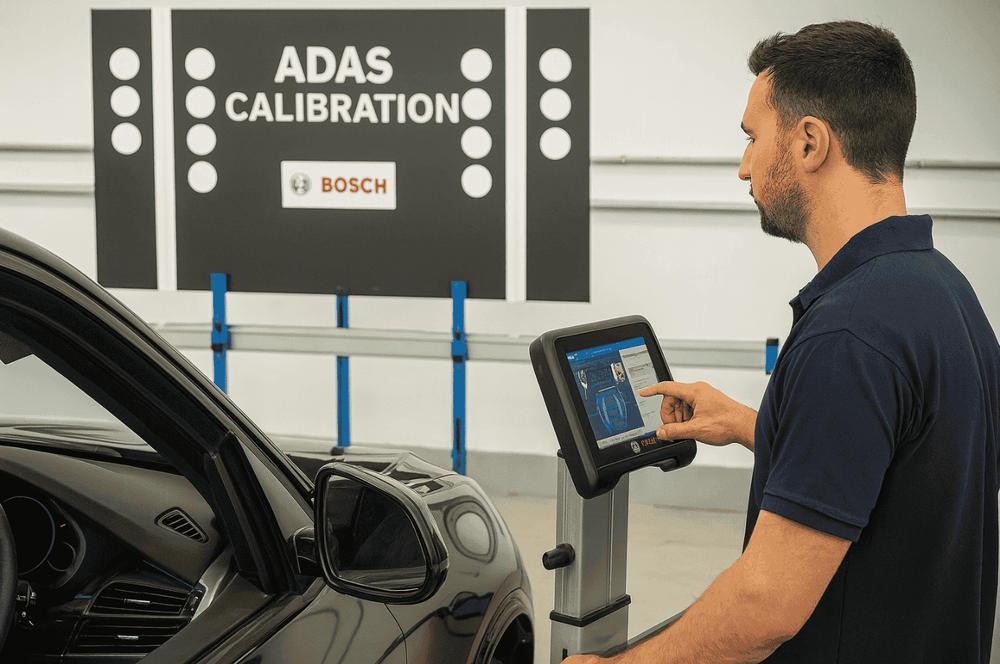
The problem goes beyond just adding cost, though. Calibrations are also unpredictable, and that unpredictability creates friction throughout the claims process. Shops frequently cannot tell whether a calibration is needed until they have already opened up the vehicle.
That means the original estimate written at intake often misses the eventual cost entirely. Many calibrations only get discovered mid-repair rather than upfront. There is a growing industry push to shift diagnostic scanning earlier in the process, precisely because so many jobs still require add-on work once a shop starts.
That timing gap creates supplemental claims. It also creates frustrated customers who thought their repair was nearly finished, only to learn a new part of the car needs work. Complexity compounds the problem further still.
Vehicle sensor systems vary enormously by make, model, trim level, and even production year within the same model line. Differences in make, model, trim, sensor placement, and damage type widen the range of requirements and demand more documentation, sequencing, and added repair steps. A calibration procedure that takes twenty minutes on one vehicle might take two hours on another.
That variability hits shop productivity hard. Technicians cannot simply memorize a single calibration routine and apply it everywhere. Every vehicle brings its own manual, its own target board setup, and its own quirks.
All of that affects both repair quality and cycle time. Looking forward, this trend shows no sign of reversing. As automakers pack more driver-assistance technology into new vehicles, the share of cars needing calibration after any collision will likely keep climbing.
Shops that have not invested in calibration equipment and training are increasingly finding themselves unable to compete for insurer-referred work. This is quickly becoming a defining line between shops that can handle modern repairs and shops that cannot.
An Aging Fleet Is Changing What Gets Repaired
The second major force reshaping repair costs is the age of the vehicles actually on American roads. This might seem like it should push costs down, and in some ways it does. But the full picture is more nuanced than that.
Fewer cars are getting repaired at all right now. Repairable claim volume declined by 9.7% in 2025 across all coverage types, with non-comprehensive volume down roughly 8% for the same period. That is a significant pullback in repair activity.
Part of this decline traces directly to vehicle age. Older cars are worth less money on paper. When a moderately damaged older vehicle goes in for an estimate, the repair cost frequently exceeds what the car is actually worth, so insurers total it instead of paying to fix it.
This dynamic is pushing total loss rates to record highs. Total loss frequency reached a record 23.1% of all claims in 2025, meaning nearly one in four crashed vehicles is now written off entirely rather than repaired. That is the highest share in the industry’s recorded history.
Vehicle age sits at the center of why this keeps happening. The average vehicle age on the road is projected to hit 13 years by 2026. A car that old typically carries a lower market value, so even a moderate repair bill can tip it into total loss territory.
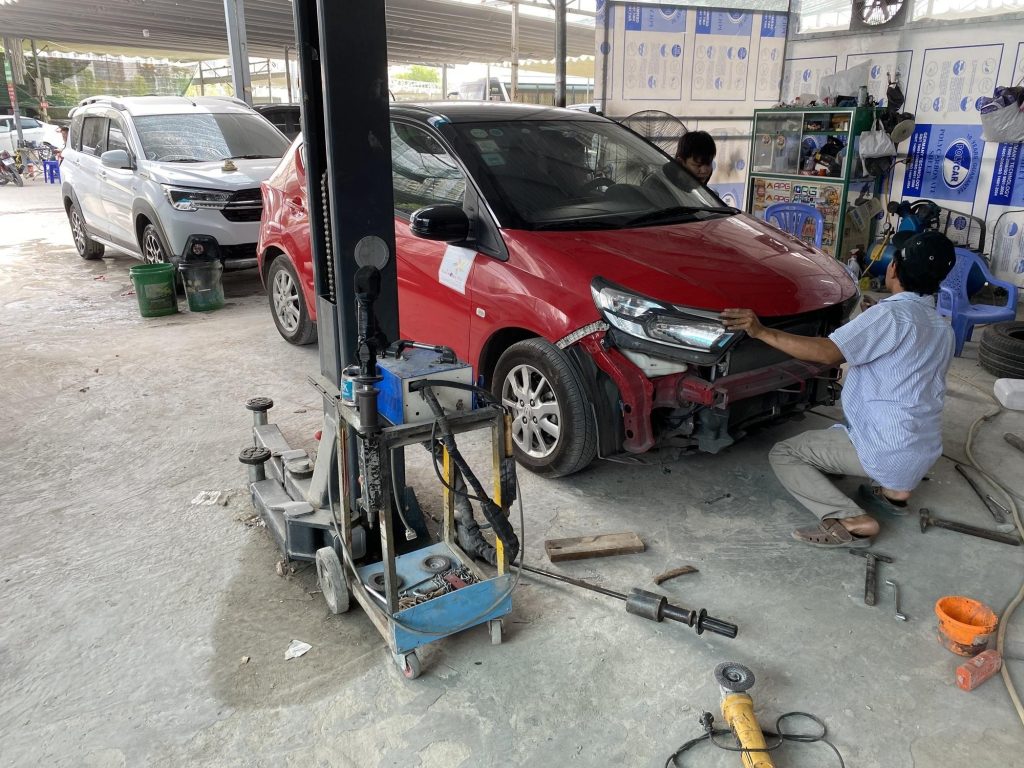
Earlier data backs this pattern directly, showing that more than 70% of total losses in 2024 involved vehicles seven years or older. Here is where the story gets more interesting, though. The vehicles that do still get repaired, rather than totaled, are skewing older too.
Older vehicles that survive the total-loss cutoff tend to need less extensive repair work per claim. Nearly 46% of repairable vehicles are now seven years or older, generally requiring fewer parts and labor hours. That fact is actually working to hold the average repair bill down, not up.
Without this shift in the age mix of repaired vehicles, the current average would likely be considerably higher. This dynamic, alongside rising total losses, has been explicitly credited with restraining the pace of average cost growth this year. So the aging fleet cuts in two directions at once.
It pushes marginal repairs out of the system entirely by inflating total loss rates. And among the repairs that remain, it slightly dampens average severity because older cars tend to need simpler fixes. Both effects are reshaping what an “average repair” even means in 2025 data.
There is a related wrinkle worth mentioning too. Deductible behavior is shifting alongside these trends. The $500 deductible, the most common choice for first-party claims, saw its share of repairable collision claims fall by more than seven percentage points over the past year.
More drivers are carrying higher deductibles now. That change likely means smaller, cheaper claims are less likely to get reported at all, since paying out of pocket increasingly makes more sense for minor damage.
A Shrinking Technician Workforce Is Straining Every Shop
The third pressure point sits inside the repair shop itself. There simply are not enough trained technicians to keep pace with the complexity of modern repair work. This shortage has been building for years, but 2025 data shows it intensifying rather than easing.
The scale of the gap is striking. The collision repair industry is projected to need 73,354 new entrant technicians between 2025 and 2029. Yet training programs are nowhere close to meeting that demand.
Current pipelines fill just 42% of annual collision demand nationwide. Other framing of this same shortage puts the collision-specific gap even higher. One recent estimate puts the collision-specific shortage at 57%, compared with a 29% shortage in general automotive repair.
That suggests collision work is being hit disproportionately hard. Retention is proving just as damaging as the hiring gap. Across all technician sectors tracked in recent workforce data, employers hired 1.18 million workers in 2025 but lost 1.14 million during that same period.
That produced a net gain of barely 32,000 workers against far more than 241,000 annual job openings. Collision repair specifically has the worst retention numbers of any sector measured. Collision had the highest turnover rate of any sector, at 60.7%.
Shops are essentially rebuilding well over half their technician workforce every single year. That kind of churn makes it nearly impossible to build institutional knowledge or specialized calibration expertise. Government employment data confirms the workforce is actually shrinking, not just struggling to grow fast enough.
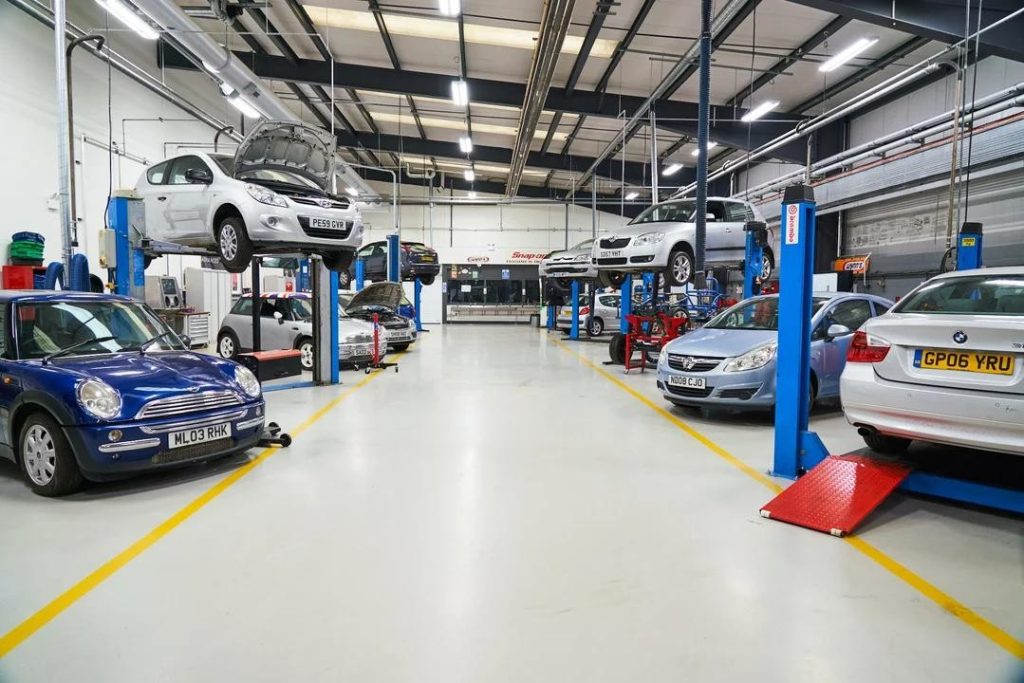
Figures for late 2025 show the collision repair industry employed 245,727 people nationally in December 2025, a decline of 8,946 jobs, or 3.5%, from December 2024. Fewer people are doing collision repair work today than were doing it just one year earlier.
Wages are climbing anyway, which is a telling signal of scarcity. Average weekly wages in the industry rose to $1,392 in the fourth quarter of 2025, an increase of $43, or 3.2%, from the same period a year earlier. Shops are paying more per technician even as they employ fewer of them.
That combination usually signals a market where demand for skilled labor outstrips supply. The workforce squeeze is not new, but the compounding effect is what makes 2025 different. The technician count has been eroding for years, falling from 158,600 in 2017 to 152,500 in 2021, and that decline has continued since.
An aging workforce compounds the entry-level shortage further. Technicians aged 55 and older increased about 13% from 2016 to 2021, while the 15-24 and 25-54 cohorts declined. The people currently doing this work are getting older, and fewer young workers are stepping in to replace them as they eventually retire.
Meanwhile the job itself keeps getting harder. Technicians today need far more than traditional mechanical skill. Modern repair work demands comfort with electrical systems, driver-assistance software, hybrid drivetrains, and increasingly complex calibration equipment.
That skills gap makes training pipelines even more critical, and even harder to fill quickly. There are some early signs of policy response worth noting here. A federal grant program launched in mid-2026, extending financial aid to short-term technical training programs including automotive and collision credentials.
An executive order signed in April 2025 also directed federal agencies to streamline skilled-trades workforce programs nationally. Whether these efforts meaningfully close the gap remains an open question industry watchers will be tracking through the rest of the decade.
The net effect of understaffed shops shows up directly in how long repairs take. Increased supplement handling, vehicle complexity, and technician shortages are all cited as contributing to the elongated repair times customers are experiencing right now.
Cycle times have improved somewhat from their pandemic-era peak, but they remain well above pre-pandemic norms. Workforce constraints are a big reason why. Put these three forces together and the picture becomes clear.
A car accident today carries more financial risk than it did just a few years back, even for damage that looks relatively minor at first glance. What used to be a routine repair covered comfortably by a modest deductible can now brush up against a vehicle’s total value, especially on an older car.
Understanding these three underlying drivers helps explain why that shift has happened. It also helps explain why it is likely to continue reshaping the collision repair world well into 2026 and beyond.
