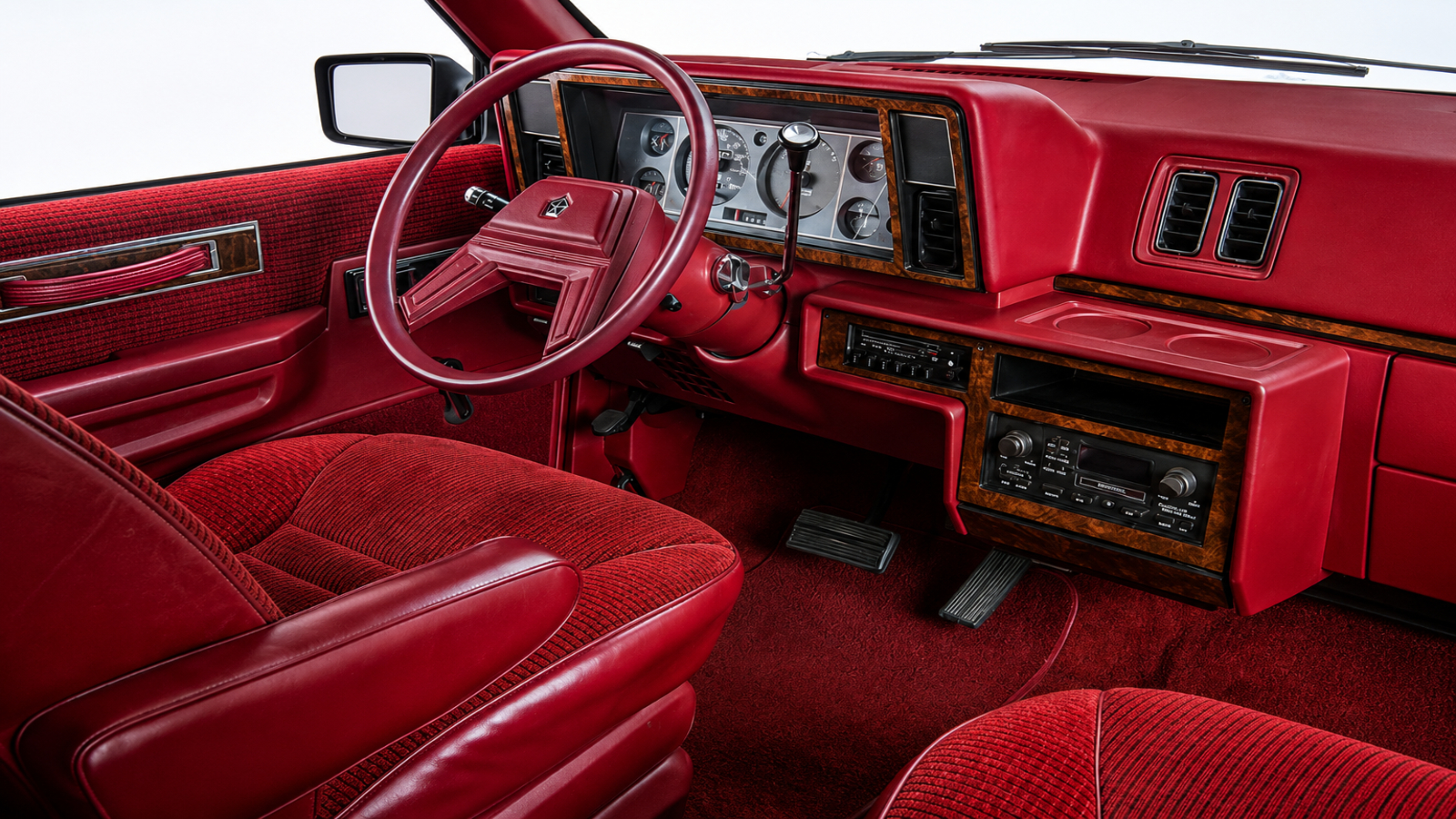
In July 1984, a blistering afternoon on a dusty stretch of Interstate 80. Your legs are sticking to scorching vinyl bench seats, AM radio static crackles through the dash, and a runaway 32-ounce fountain drink is currently staging a hostile takeover of the floorboards. For decades, American road trips were a delicate, high-stakes exercise in lap-balancing boiling coffee or wedging fragile paper cups between the handbrake and a lumpy center console.
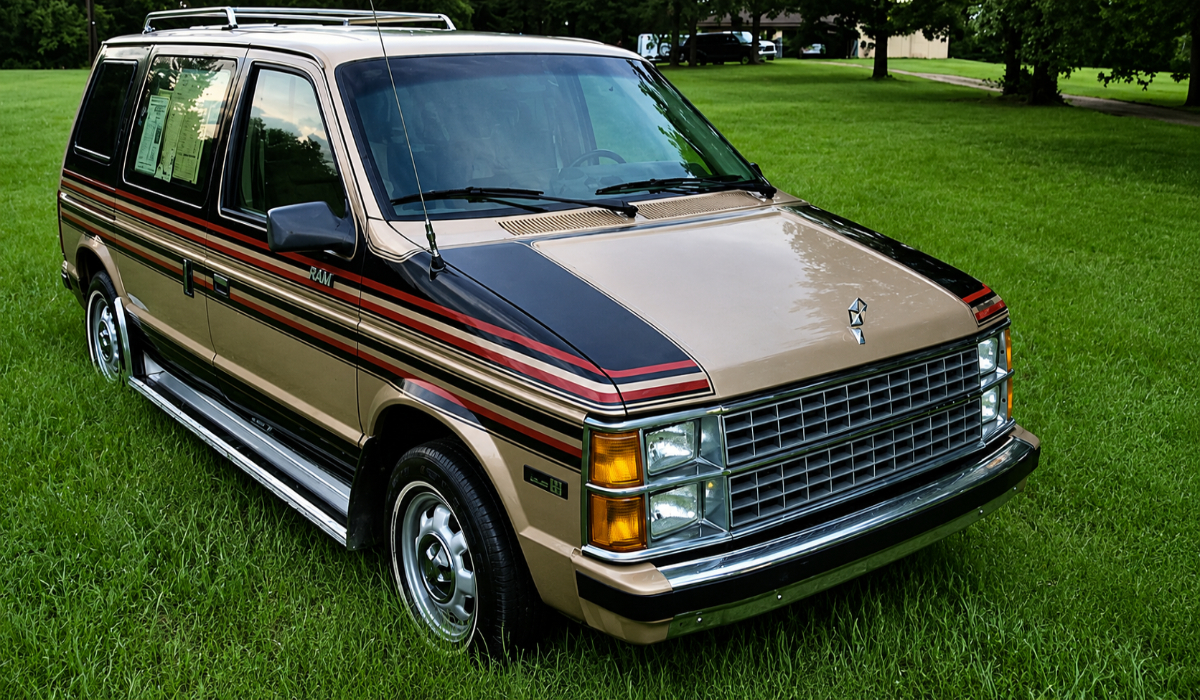
The arrival of a boxy and practical utility vehicle transformed the way automakers approached interior space. When Chrysler introduced the Dodge Caravan and Plymouth Voyager for the 1984 model year, the company helped establish the modern minivan while also becoming associated with an intriguing piece of automotive history.
The vans are often credited with introducing the first factory-installed integrated cup holder, although that claim remains disputed. Historians, patent researchers, and enthusiasts have continued to debate which automaker can truly claim the distinction.
What car had the first factory cup holder?
The vehicles widely credited with introducing the first factory-built, integrated cup holders are the 1984 Dodge Caravan and Plymouth Voyager (released in late 1983). Before these game-changing minivans hit the market, automotive interior design treated beverages as an afterthought or a hazard. Automakers assumed you either finished your coffee at the diner before shifting into drive or pulled over to enjoy your malt at a drive-in stall.
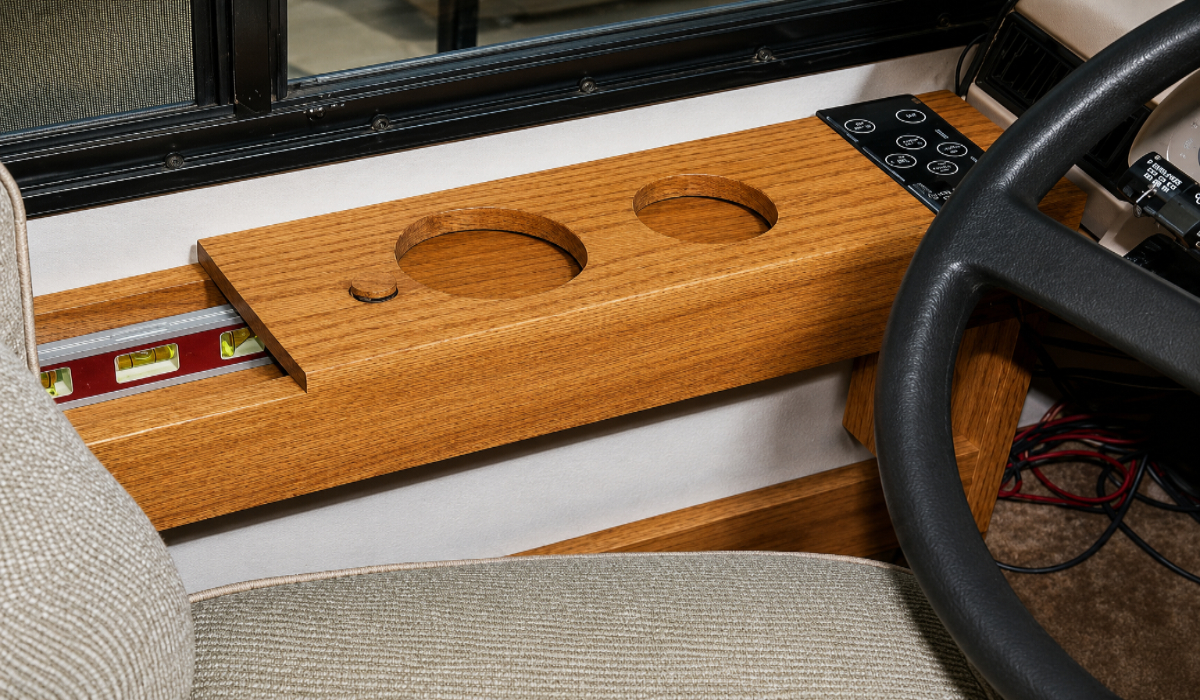
As car culture evolved alongside the rapid expansion of fast-food drive-thrus, convenience stores, and oversized paper drink cups during the 1970s, drivers had few practical places to secure their beverages. The aftermarket responded with a collection of questionable solutions.
Plastic hooks clipped onto partially opened windows, weighted bean-bag consoles sat across transmission tunnels, and metal rings attached to glove box doors offered makeshift drink storage. Unfortunately, some of these gadgets were far from secure and could send a cup of hot coffee spilling onto passengers whenever the car took a sharp turn.
Automotive interiors were engineered strictly for mechanical operation, structural safety, and passenger seating capacity, completely ignoring ergonomic beverage containment.
Dashboards were sweeping expanses of hard plastic, stamped steel, and simulated wood grain, utterly devoid of any recessed geometry meant to cradle a liquid container. The car was meant to transport you and your passengers, not your beverage, until Chrysler changed the formula.
ALSO READ: Chrysler Built 55 Turbine Cars and Crushed 46 of Them
Did the 1984 Dodge Caravan actually invent the cup holder?
Enter Lee Iacocca, Hal Sperlich, and the brilliant engineering team that gambled the entire future of Chrysler Corporation on the T-115 platform, the front-wheel-drive minivan. Chrysler’s masterstroke was packing the interior volume of a massive station wagon or commercial cargo van into a compact footprint small enough to fit inside a standard suburban garage.
To make a family hauler genuinely functional for everyday life, interior designers had to rethink every square inch of usable space.
According to historical design records from Chrysler’s engineering archives, the 1984 Dodge Caravan and Plymouth Voyager introduced a molded thermoplastic center console featuring dedicated, recessed indentations specifically sized to hold cups and cans upright during transit.
Priced aggressively around $8,000 to $9,000 at launch, the base Caravan gave families a utilitarian workhorse, while higher trims offered creature comforts that made cross-country trips tolerable.
By integrating beverage recesses directly into the console architecture rather than treating them as an afterthought or an aftermarket bolt-on accessory, Chrysler altered consumer expectations forever. For the first time, a mass-market vehicle was built from the ground up around the messy, realistic routines of daily human life.
Why is Chrysler’s cup holder claim contested by historians?
Despite Chrysler enjoying mainstream historical credit for pioneering the factory cup holder, automotive historians, archivists, and patent researchers frequently challenge the narrative. The core of the argument usually hinges on how strictly one defines a “built-in cup holder” versus a mere storage depression.
Critics of Chrysler’s claim point to several fascinating historical footnotes:
Custom and Coachbuilt Luxury
Ultra-exclusive pre-war and post-war luxury cars, such as custom limousines or coachbuilt Rolls-Royces, occasionally featured fold-out trays or recessed mahogany ringholders designed for crystal glassware, though these were bespoke artisan additions rather than standard mass-production features.
The Glove Box Trap
Several 1950s and 1960s American cruisers featured stamped metal indentations on the inside of their glove box doors.
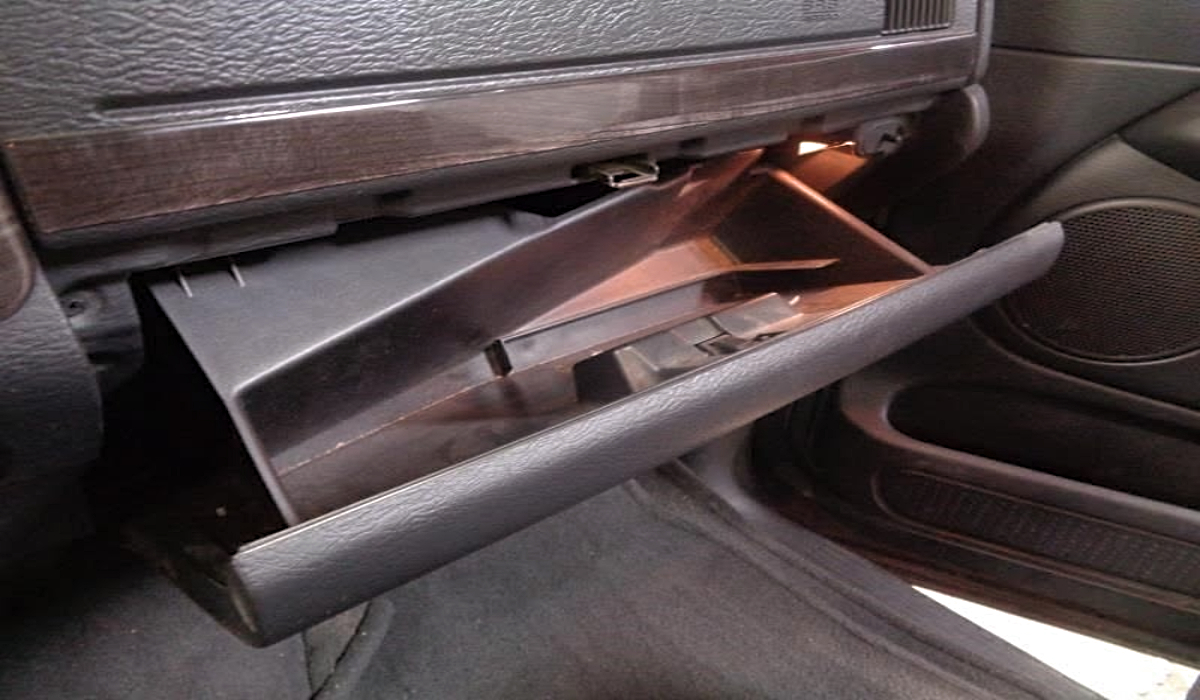
When dropped open while parked at a drive-in, the inner panel formed a small flat tray with shallow circular depressions meant to hold a soda can. However, closing the glove box meant dumping whatever was inside, entirely disqualifying them as driving-safe holders.
Early Import Experiments
Some design historians suggest certain Japanese domestic market vehicles experimented with shallow dashboard storage trays slightly earlier, though none achieved the standardized, deep-well execution optimized for moving vehicles found in the Caravan.
Furthermore, patent office archives from the 1950s onward are littered with independent inventors submitting conceptual designs for vehicle cup holders. Even so, Chrysler remains the first major high-volume manufacturer to implement a dedicated, permanent molded beverage well directly into the primary interior architecture of an affordable, mass-market vehicle meant for everyday driving.
ALSO READ: 4 Best and Worst Years for the Chrysler Pacifica
How did the automotive cup holder evolve after 1984?
The market reaction to the Caravan’s innovative interior packaging was swift and unforgiving. Competitors like General Motors and Ford initially laughed off the boxy front-wheel-drive vans, only to watch in horror as Chrysler dealerships could not keep them on the lots. Within a few short years, every major global automaker scrambled to tear down their existing dashboards and re-engineer their center consoles.
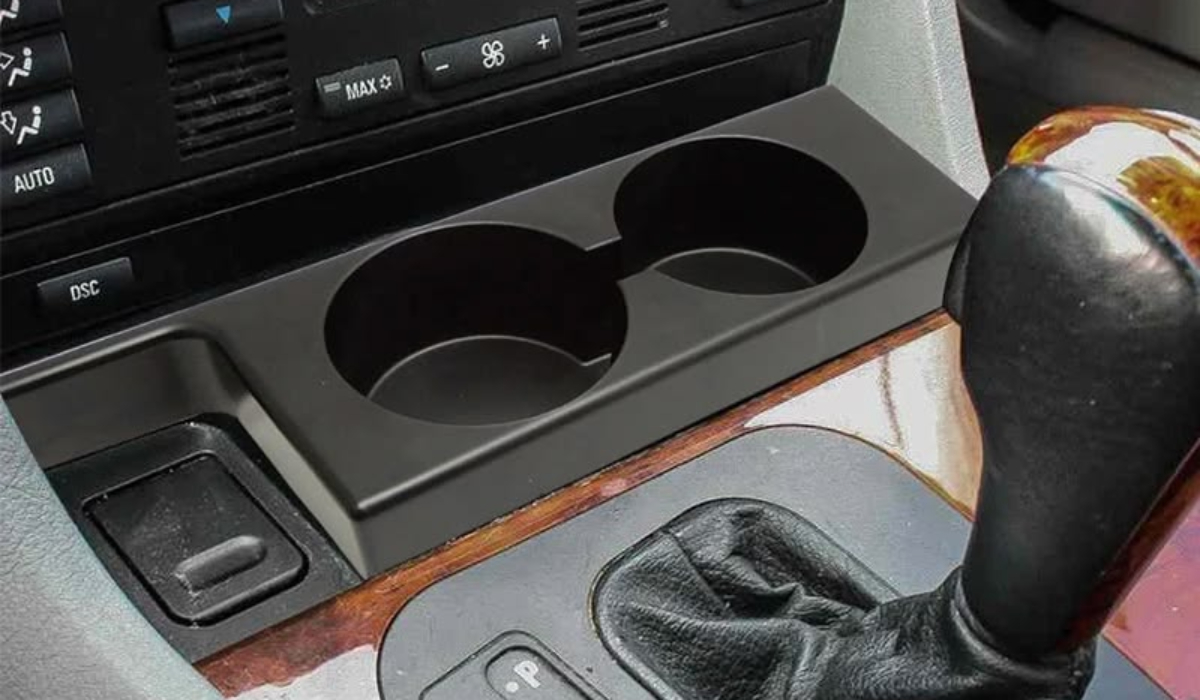
The late 1980s and 1990s marked the escalation of what automotive journalists jokingly call the “Cup Holder Wars.” Shallow plastic rings quickly evolved into deep, multi-tiered engineering marvels equipped with spring-loaded retention fingers, rubber dampening fins to eliminate annoying rattles during acceleration, and removable rubber liners for effortless cleaning.
By the late 1990s, the humble cup holder had transformed from a clever packaging trick into a primary consumer selling point. Automotive reviewers began evaluating a vehicle’s worth not just by its horsepower, torque, and braking distance, but by its cup-holder-to-passenger ratio.
Luxury brands eventually took the concept a step further, introducing heated and cooled metallic wells capable of keeping a latte steaming or a soda ice-cold on a cross-country trek.
Why does the 1984 Caravan’s legacy matter?
It is remarkably easy to overlook a molded piece of ABS plastic tucked discreetly between the front seats, viewing it as a mundane component rather than a true engineering milestone.
Yet, the inclusion of the integrated cup holder in the 1984 Dodge Caravan represents a pivotal shift in automotive design philosophy- the exact moment safety, convenience, and human ergonomics truly took center stage in mass-market vehicle development.
Whether Chrysler was truly the absolute biological first or simply the first manufacturer to execute the concept successfully on a global scale remains a favorite point of lively debate among automotive historians. What cannot be contested is that the Caravan forced an entire industry to wake up, look down at the floorboards, and recognize that the modern driver required a secure, dedicated place to put their drink.