
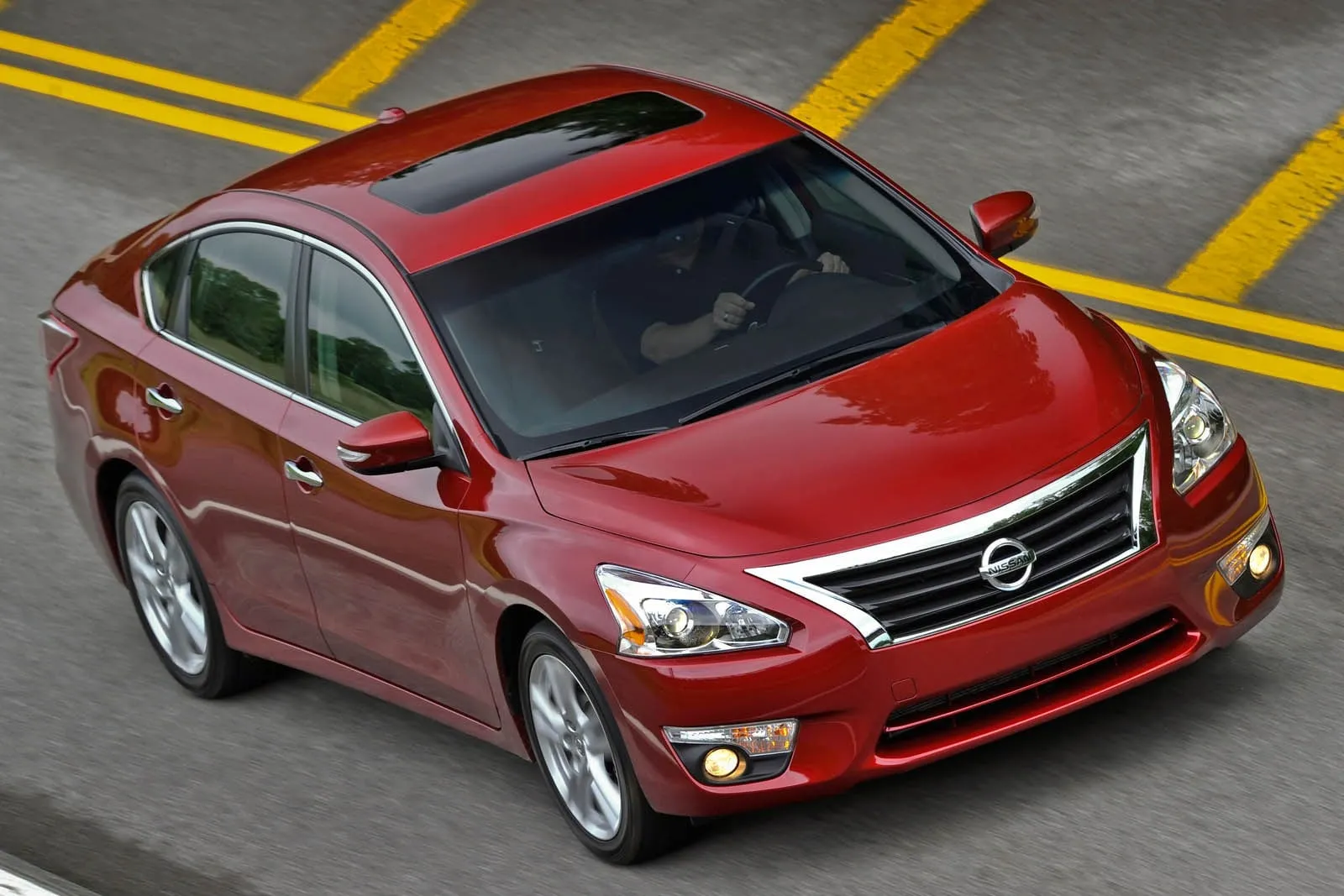
The Nissan Altima has been one of the most recognizable midsize sedans on American roads for more than three decades. Introduced in the early 1990s as a replacement for the Stanza, the Altima gradually evolved from a practical commuter car into one of Nissan’s most important products.
Throughout its history, it has competed directly with established rivals such as the Toyota Camry, Honda Accord, Hyundai Sonata, and Chevrolet Malibu.
Not every Altima generation has enjoyed the same level of success. Some model years developed reputations for reliability concerns, transmission problems, aging designs, or disappointing ownership experiences.
Others became standout examples of value, comfort, fuel efficiency, and long-term dependability. As a result, used-car shoppers often find themselves wondering which Altima years deserve consideration and which ones are best left behind.
Ranking Altimas requires looking at several factors rather than focusing on a single category. Reliability history, owner satisfaction, safety technology, driving experience, maintenance costs, interior quality, and powertrain durability all contribute to a vehicle’s long-term reputation.
A model that was impressive when new may not have aged well, while another may have proven far more dependable over time than critics initially expected.
One of the biggest influences on Altima rankings is Nissan’s use of continuously variable transmissions. Certain generations struggled with CVT-related issues that significantly affected owner satisfaction. Meanwhile, later models benefited from engineering improvements and upgraded technology that enhanced their appeal.
This ranking moves from the least desirable Altima to the strongest version currently available, highlighting the strengths and weaknesses that define each generation.
Some entries earned lower positions because of well-documented reliability concerns, while others climbed the list thanks to durability, refinement, and modern features.
For buyers considering a used Nissan Altima or simply curious about the model’s history, understanding which generations stand above the rest can make a significant difference. These eight Altimas tell the story of how Nissan’s midsize sedan has changed over the years, for better and sometimes for worse.
Also Read: 8 Cars That Are Cheap to Buy and Cheap to Insure
1. 2002 Nissan Altima (Third Generation Early Model)
The 2002 Nissan Altima occupies the bottom position in this ranking not because it lacked ambition, but because its long-term ownership record failed to match the promise it showed when introduced.
When Nissan launched the redesigned Altima for 2002, it represented a major departure from previous generations. The car was larger, more powerful, and considerably more competitive against class leaders. Buyers appreciated the spacious cabin and strong engine options, especially compared with some rivals that prioritized comfort over performance.
Unfortunately, age has exposed numerous weaknesses. Early build quality concerns became increasingly apparent as these vehicles accumulated mileage. Owners frequently reported issues involving sensors, electrical systems, ignition components, and suspension wear.
While none of these problems alone would necessarily place the car at the bottom of the ranking, their combined effect created an ownership experience that could become expensive over time.
Another challenge involves vehicle age itself. More than two decades have passed since these cars were produced. Even examples that received proper maintenance often require significant attention simply due to worn components and aging materials.
Rubber seals, interior plastics, wiring connections, and various mechanical systems naturally deteriorate after years of use.
The driving experience also reflects its era. Compared with newer Altimas, road noise is more noticeable, safety technology is virtually nonexistent by modern standards, and interior materials feel dated. While these factors are understandable considering the vehicle’s age, they make the car less attractive to contemporary buyers.
There is still some positive news. The available V6 engine delivered impressive performance for its time, and many enthusiasts remember the model fondly for helping reposition the Altima within the midsize sedan segment.
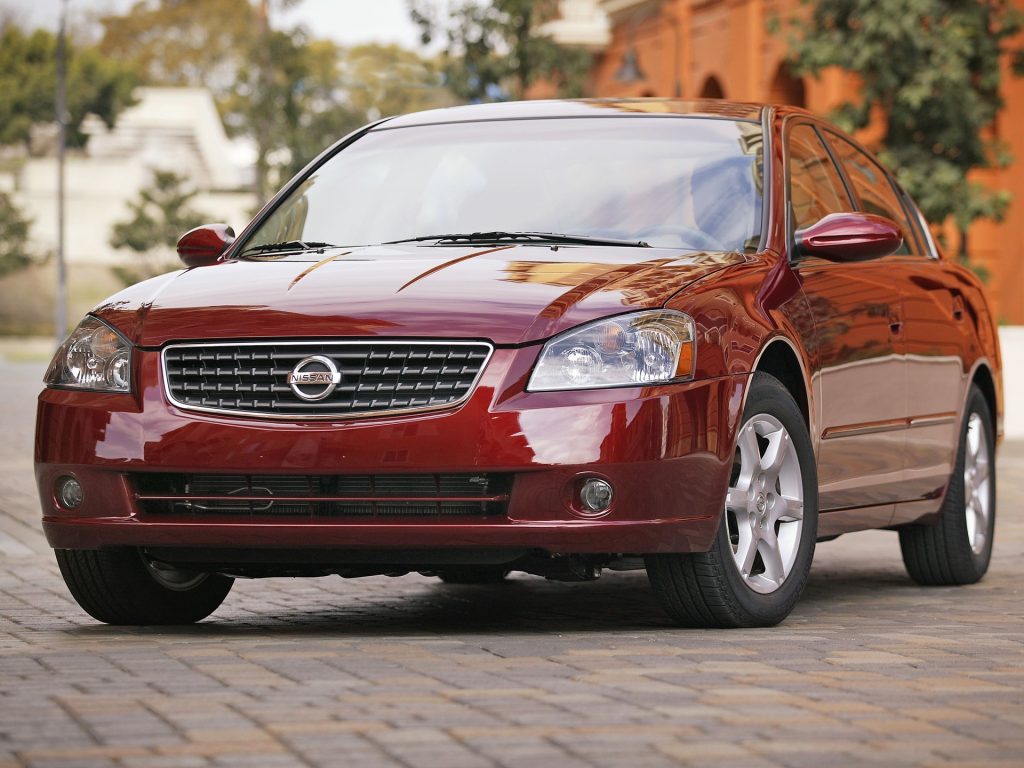
However, rankings must consider present-day ownership realities rather than historical significance alone. Reliability concerns, aging infrastructure, and outdated safety features ultimately place the 2002 Altima at the bottom of this list.
Its importance in Nissan’s history remains undeniable, but prospective buyers today have far better Altima options available elsewhere in the lineup.
Specifications
- Engine: 2.5L Inline 4
- Torque: 180 lb-ft
- Horsepower: 175 hp
- Length/Width: 191.5 in / 70.4 in
2. 2013 Nissan Altima
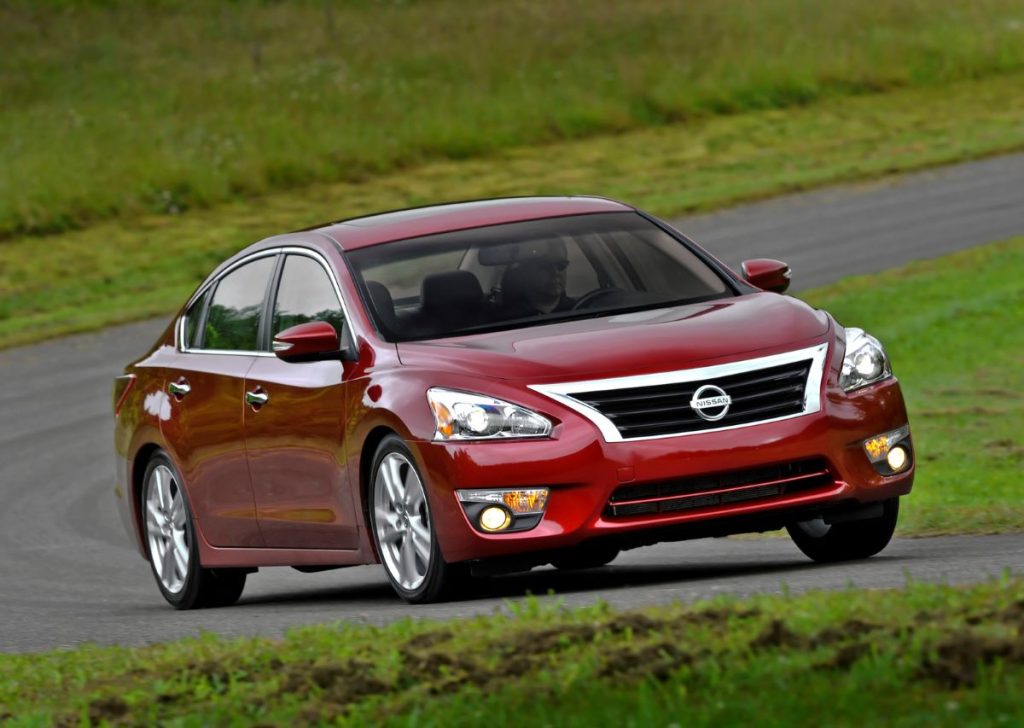
The 2013 Altima arrived with considerable expectations. Nissan redesigned the sedan with improved fuel economy, updated styling, and a stronger focus on comfort.
Initial reviews were generally positive, and many buyers appreciated the vehicle’s smooth ride and attractive pricing. Yet over time, this generation developed a reputation that prevented it from ranking higher.
The most significant issue involved the continuously variable transmission. While CVTs were intended to improve efficiency and provide seamless acceleration, numerous owners reported transmission-related concerns as mileage increased. Complaints ranged from hesitation and shuddering to complete transmission failure in some cases.
For many consumers, transmission reliability is one of the most important aspects of vehicle ownership. Problems in this area can lead to expensive repairs and reduced confidence in the vehicle. Even owners who never experienced major failures often expressed concerns about long-term durability.
Beyond the transmission, the 2013 Altima offered several appealing qualities. Fuel economy was impressive for the segment, making it attractive to commuters covering substantial annual mileage. Cabin space remained competitive, and the seats earned praise for long-distance comfort.
Another strength involved styling. The redesign introduced a more modern appearance that aged relatively well compared with some competitors from the same period. The exterior looked refined without becoming overly aggressive.
Still, the ownership experience extended beyond appearance and efficiency. Reliability reports consistently influenced how buyers viewed the model in the used-car market. As awareness of CVT concerns spread, resale values and consumer confidence were affected.
The car also entered a highly competitive market segment where rivals such as the Accord and Camry established strong reputations for dependability. Against those benchmarks, the 2013 Altima struggled to maintain the same level of trust among long-term owners.
This does not mean every example is problematic. Many have accumulated substantial mileage with proper maintenance. Nevertheless, rankings must account for broader ownership trends rather than isolated success stories.
As a result, the 2013 Altima remains a vehicle with notable strengths but enough concerns to secure one of the lower positions in this ranking.
Specifications
- Engine: 2.5L Inline 4
- Torque: 180 lb-ft
- Horsepower: 182 hp
- Length/Width: 191.5 in / 72.0 in
3. 2007 Nissan Altima
By 2007, Nissan had gained valuable experience refining the Altima formula. The redesigned fourth-generation model introduced sharper styling, improved handling characteristics, and a more upscale cabin than its predecessor. On paper, it appeared to be a significant step forward.
The vehicle’s strengths were easy to identify from the moment drivers got behind the wheel. Steering felt more responsive than that of many competitors in the midsize sedan category, and the available V6 engine transformed the Altima into one of the quicker family sedans of its era. Buyers looking for a blend of practicality and performance often found the car appealing.
However, ownership experiences over time revealed several issues that prevented this model from reaching the upper half of the rankings.
One recurring concern involved the CVT transmission used in four-cylinder versions. Although Nissan promoted the technology as an efficiency-enhancing innovation, long-term durability became a source of frustration for some owners. Reports of transmission failures, unusual noises, and inconsistent operation affected confidence in the vehicle.
Interior quality also produced mixed reactions. While the cabin looked modern when new, certain materials aged less gracefully than expected. Owners occasionally reported premature wear on trim pieces, dashboard surfaces, and interior components. These issues did not necessarily affect drivability, but they influenced perceptions of quality.
Another factor keeping the 2007 Altima lower in the ranking is the increasing challenge of maintaining older examples. Replacement parts remain available, yet age-related repairs become more common as vehicles approach two decades of service.
Despite these drawbacks, the model still deserves recognition for several achievements. The suspension delivered a more engaging driving experience than many competitors, and the spacious interior provided excellent practicality for families and commuters alike.
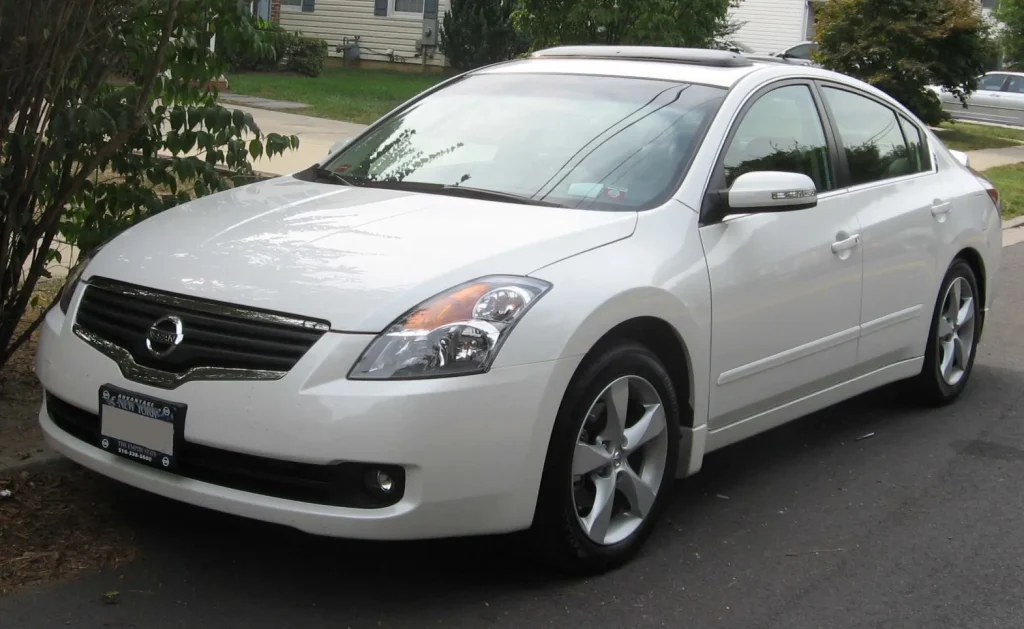
The Altima’s sporty personality helped distinguish it from rivals that focused primarily on comfort. Drivers seeking a sedan with a little extra enthusiasm often appreciated what Nissan offered.
In the final analysis, the 2007 Altima sits near the lower-middle portion of this ranking because it combined genuine strengths with notable reliability concerns.
It represented progress for the nameplate and introduced improvements that influenced future generations, but enough long-term issues emerged to prevent it from competing with the strongest Altimas ever produced.
Specifications
- Engine: 2.5L Inline 4
- Torque: 180 lb-ft
- Horsepower: 175 hp
- Length/Width: 189.8 in / 70.7 in
4. 2016 Nissan Altima
The 2016 Altima occupies an interesting position in Nissan’s history. Rather than introducing a completely new generation, the company focused on refining an existing platform. The result was a sedan that improved in several important areas while retaining the strengths that had already attracted buyers.
One of the first things owners noticed was the updated styling. Nissan revised the front-end design to align more closely with the brand’s newer products, giving the Altima a cleaner and more contemporary appearance. Although styling alone cannot determine a ranking, the refresh helped the car remain competitive in a crowded segment.
More importantly, Nissan made efforts to improve reliability and driving refinement. By this point, the company had gained additional experience with CVT technology, and many owners reported better transmission behavior compared with earlier versions. While concerns did not disappear entirely, confidence improved relative to some previous model years.
Fuel economy remained a major selling point. The four-cylinder engine delivered strong efficiency without making the vehicle feel underpowered during everyday driving. For commuters covering long distances, the balance between performance and economy proved attractive.
The cabin also benefited from thoughtful improvements. Seating comfort stood out as one of the vehicle’s strongest qualities. Nissan’s well-known Zero Gravity seats earned praise from drivers who spent extended periods behind the wheel. Long highway trips felt less tiring, which enhanced the ownership experience in subtle but meaningful ways.
Unlike some earlier Altimas that relied heavily on performance credentials, the 2016 model focused more on refinement and usability. Road manners were predictable, controls were easy to understand, and the vehicle performed its daily transportation duties effectively.
Safety technology represented another area of progress. Features that were becoming increasingly important in the midsize sedan market began appearing more prominently, helping the Altima keep pace with changing consumer expectations.
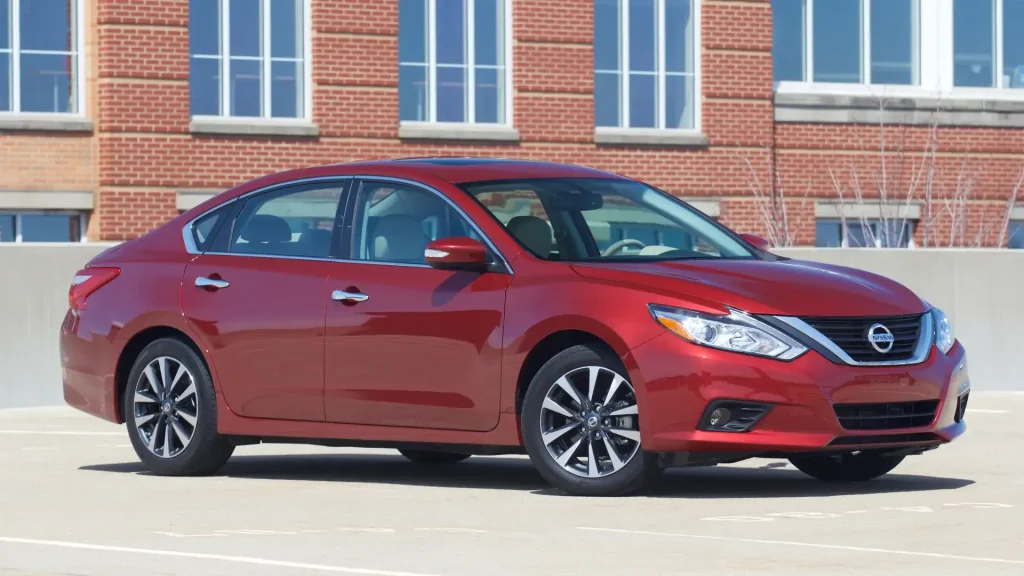
The reason the 2016 model does not rank higher is simple. Stronger Altimas would eventually arrive with more advanced engineering, improved safety systems, and better long-term reputations. Nevertheless, this version deserves credit for correcting several weaknesses associated with earlier years.
For many buyers seeking an affordable used midsize sedan, the 2016 Altima remains a balanced choice that combines practicality, comfort, and respectable reliability in a package that continues to serve owners well.
Specifications
- Engine: 2.5L Inline 4
- Torque: 180 lb-ft
- Horsepower: 182 hp
- Length/Width: 191.9 in / 72.0 in
5. 2019 Nissan Altima
The arrival of the 2019 Nissan Altima marked one of the most significant turning points in the sedan’s history. Nissan introduced an entirely new generation that sought to address previous shortcomings while bringing the model into a more competitive position within the midsize segment.
Rather than relying solely on cosmetic updates, Nissan reworked major aspects of the vehicle. The exterior adopted a sharper and more sophisticated design language. Lower, wider proportions gave the sedan a more premium appearance, helping it stand out in parking lots filled with traditional family cars.
Perhaps the most important development involved technology. For the first time, the Altima offered all-wheel drive, a feature rarely found in mainstream midsize sedans. Buyers living in regions with snow or frequent rain suddenly had an alternative to crossovers without sacrificing sedan fuel economy and driving dynamics.
The cabin also reflected Nissan’s effort to upgrade the ownership experience. Improved materials, a cleaner dashboard layout, and upgraded infotainment options created a more contemporary environment. Drivers stepping out of older Altimas immediately noticed the difference.
Another highlight was the introduction of the innovative VC-Turbo engine option. This variable-compression turbocharged engine represented a remarkable engineering achievement. It could adjust compression ratios based on driving conditions, balancing power and efficiency in ways few competitors could match.
Safety improvements played an equally important role. Nissan expanded driver-assistance technologies and made advanced safety systems more accessible across the lineup. This helped the Altima remain relevant as consumer expectations evolved.
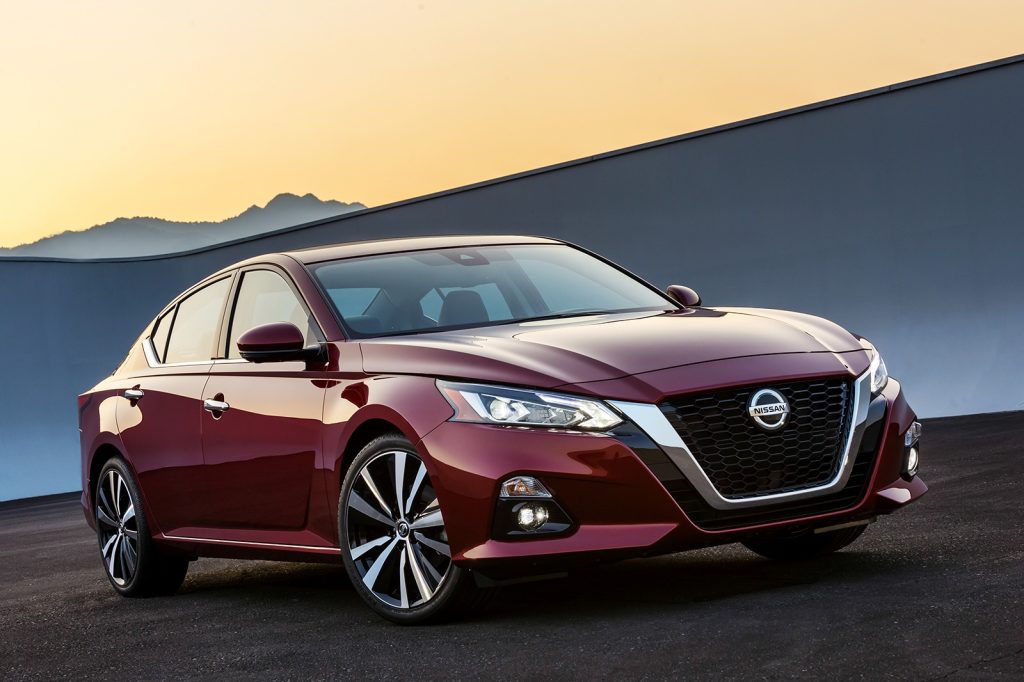
Why does the 2019 model rank fifth rather than higher? The answer lies in timing. As the first year of a completely redesigned generation, it carried some of the risks commonly associated with new vehicle launches. While generally successful, later versions benefited from additional refinement and small improvements that strengthened the platform.
Even so, the 2019 Altima deserves recognition as the model that modernized the nameplate. It introduced meaningful advancements rather than relying on incremental updates.
For buyers seeking a blend of modern styling, available all-wheel drive, advanced safety technology, and respectable efficiency, the 2019 Altima represented a major step forward and remains one of the most compelling used examples available today.
Specifications
- Engine: 2.5L Inline 4
- Torque: 178 lb-ft
- Horsepower: 188 hp
- Length/Width: 192.9 in / 72.9 in
6. 2008 Nissan Altima Coupe
Not every Altima was designed purely for family transportation. The 2008 Altima Coupe demonstrated that Nissan was willing to inject excitement into a segment often dominated by practicality.
Unlike the standard sedan, the Altima Coupe featured unique bodywork, a lower roofline, and a noticeably sportier character. It was not simply a two-door version of the sedan. Nissan invested significant effort in giving the coupe its own identity, and the result was one of the most distinctive Altimas ever produced.
From a styling perspective, the car stood apart immediately. The sleek profile, aggressive stance, and flowing design elements gave it an appearance that remains attractive years later. Buyers who wanted something more engaging than a traditional family sedan often gravitated toward the coupe.
Performance further strengthened its appeal. Equipped with the available 3.5-liter V6, the Altima Coupe delivered acceleration that surprised many drivers. The combination of strong power output and responsive handling created a driving experience rarely associated with the Altima name.
The interior focused more heavily on the driver than on practicality-oriented sedan variants. Front-seat occupants enjoyed a sporty environment, though rear-seat access and passenger space naturally became less accommodating due to the coupe design.
What helps the 2008 Coupe rank above several sedan variants is its uniqueness. Nissan created a vehicle with genuine personality rather than merely another midsize commuter car. Enthusiasts appreciated the willingness to offer something different in a market increasingly dominated by conservative designs.
There were still limitations. Some reliability concerns associated with the generation remained relevant, and practicality took a back seat to styling. Buyers seeking maximum family utility often preferred the sedan.
However, rankings are not determined solely by practicality. The Altima Coupe succeeded in delivering a memorable ownership experience that continues to attract enthusiasts today.
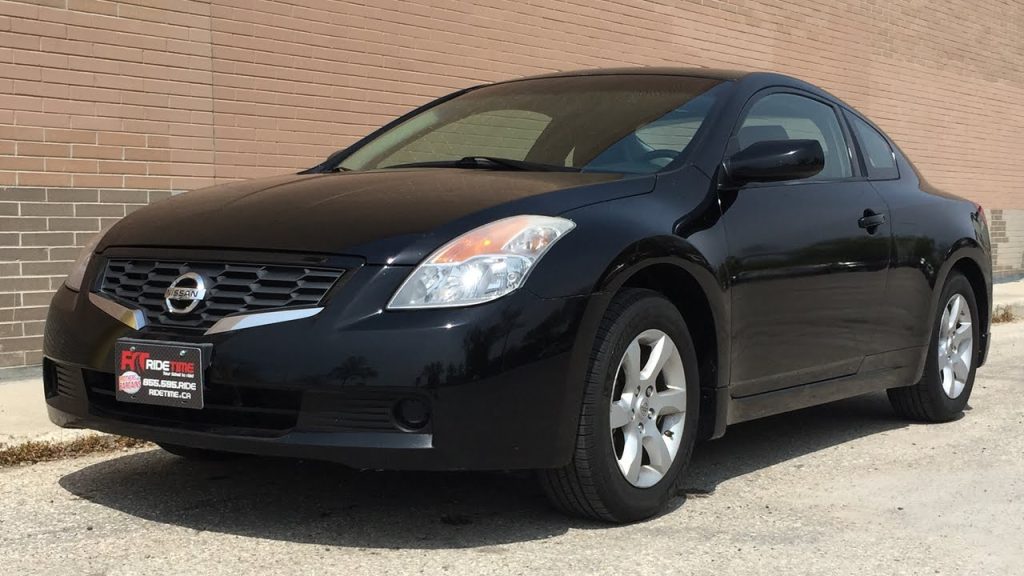
Its combination of attractive design, strong performance, and relative rarity ensures that it occupies a special place in Altima history. Among all variants bearing the Altima badge, few managed to blend everyday usability with genuine driver appeal as effectively as the 2008 Coupe.
Specifications
- Engine: 3.5L V6
- Torque: 258 lb-ft
- Horsepower: 270 hp
- Length/Width: 182.5 in / 70.7 in
7. 2022 Nissan Altima
By the time the 2022 Altima arrived, Nissan had several years to refine the sixth-generation platform. Instead of chasing dramatic redesigns, the company focused on polishing the formula that had already proven successful. The result was a sedan that quietly became one of the strongest entries in the model’s long history.
What immediately stood out about the 2022 version was its maturity. Everything felt more complete and better integrated than before. The driving experience was smooth, the cabin remained comfortable during long trips, and the technology package met the expectations of modern buyers without becoming overly complicated.
One of the vehicle’s biggest advantages was its balance. Many midsize sedans excel in one category while compromising another. The 2022 Altima managed to combine respectable fuel economy, solid performance, comfortable seating, and useful technology in a package that appealed to a wide range of drivers.
The available all-wheel-drive system continued to separate the Altima from many competitors. In regions where weather conditions frequently change, this feature added confidence without forcing buyers into a crossover. For consumers who still preferred traditional sedan handling and efficiency, the option represented a meaningful advantage.
Interior comfort remained one of Nissan’s strongest selling points. The Zero Gravity seats continued to receive praise for reducing fatigue during extended drives. While this may seem like a minor detail during a short test drive, owners often appreciate such features after spending thousands of miles behind the wheel.
Reliability perceptions also improved. Although Nissan’s CVT reputation from earlier years lingered in some discussions, later versions benefited from updates and refinements that helped strengthen consumer confidence. The 2022 model generally avoided the widespread criticism that affected certain earlier Altimas.
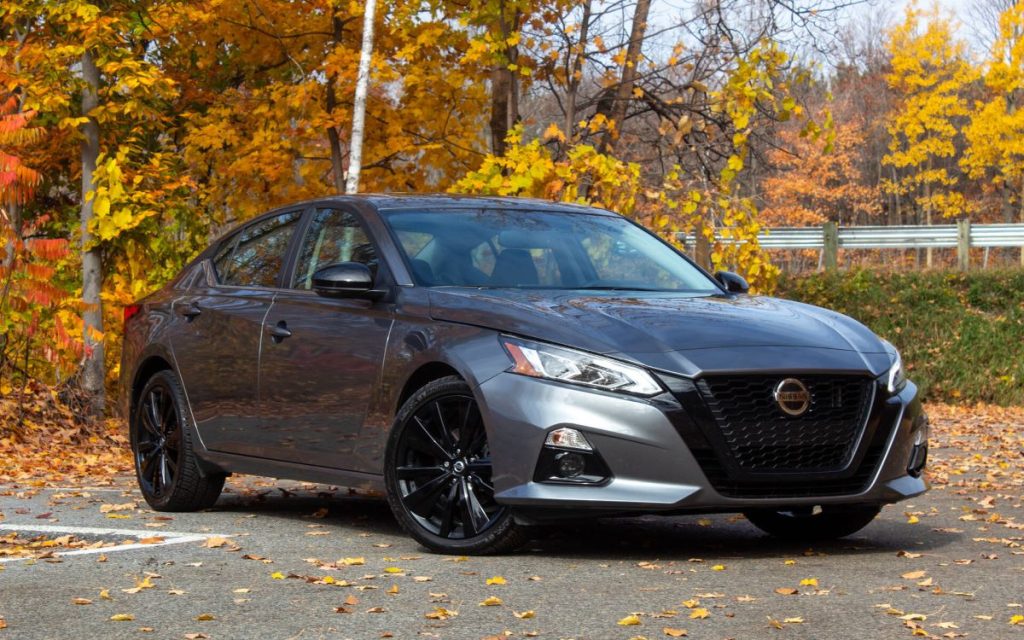
Safety technology reached a high standard as well. Advanced driver-assistance systems became increasingly common throughout the lineup, helping the Altima remain competitive against newer rivals.
The reason this model narrowly misses the top position is simple. Nissan would continue making small improvements that further enhanced the formula. Nevertheless, the 2022 Altima represents one of the most complete and well-rounded versions of the sedan ever produced.
It combines modern technology, comfort, efficiency, and practicality in a way that demonstrates how far the Altima has evolved from its earlier generations.
Specifications
- Engine: 2.5L Inline 4
- Torque: 180 lb-ft
- Horsepower: 188 hp
- Length/Width: 192.9 in / 72.9 in
8. 2024 Nissan Altima
The best Altima ever produced is the 2024 model. This ranking reflects not only the vehicle’s features but also the benefit of decades of development. Nissan took lessons from previous successes and failures, applying them to create the most refined Altima in the nameplate’s history.
Rather than reinventing the sedan, Nissan concentrated on strengthening what already worked. The result is a vehicle that delivers competence across virtually every category important to midsize sedan buyers.
The exterior styling remains modern and attractive without chasing trends that may quickly become outdated. Sharp lines, a confident stance, and a clean design help the Altima maintain a premium appearance. It looks contemporary while retaining the practicality expected from a family sedan.
Inside the cabin, comfort is a major strength. Seating quality remains among the best in the segment, and the layout prioritizes usability. Controls are easy to reach, visibility is good, and technology integration feels natural rather than overwhelming.
Where the 2024 model truly excels is in consistency. There are no major weaknesses that significantly detract from the ownership experience. Fuel economy remains competitive, ride quality is comfortable, safety technology is comprehensive, and available all-wheel drive continues to provide a unique selling point.
The latest driver-assistance systems contribute to greater confidence on highways and in city traffic. Features that were once reserved for premium vehicles have become increasingly accessible, helping the Altima compete effectively in a demanding market.
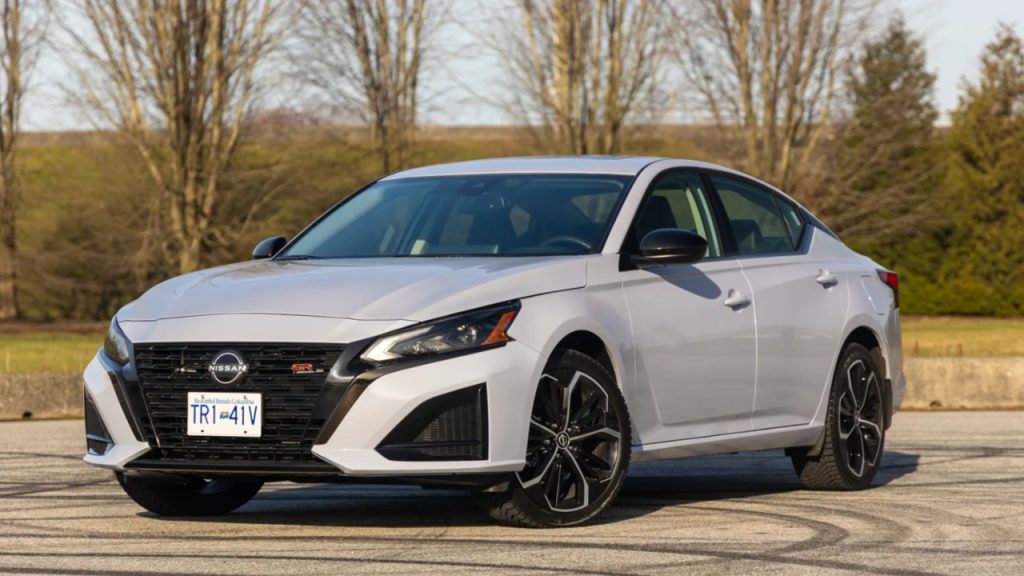
Another factor supporting its first-place ranking is the advantage of continuous refinement. Earlier Altimas sometimes introduced promising ideas that required additional development. The 2024 model benefits from years of engineering improvements, software updates, and manufacturing experience.
While enthusiasts may remember special versions such as the Altima Coupe with affection, the best vehicle is not necessarily the most exciting. The strongest Altima is the one that performs its mission most effectively for the greatest number of drivers.
The 2024 Altima accomplishes exactly that. It offers comfort, technology, efficiency, safety, and practicality in a thoroughly polished package. Among all Altimas produced since the model’s introduction, none combines those qualities more successfully, earning it the top spot in this ranking.
Specifications
- Engine: 2.5L Inline 4
- Torque: 180 lb-ft
- Horsepower: 188 hp
- Length/Width: 192.9 in / 72.9 in
Also Read: 10 Cars With the Worst Real-World Fuel Economy Compared to the Sticker
