Buying a car involves much more than looking at the sticker price. Many shoppers focus on monthly payments and purchase costs, but forget that insurance premiums can significantly affect the total cost of ownership.
A vehicle that seems affordable at the dealership may become expensive once insurance, maintenance, fuel, and registration expenses are factored into the equation. For budget-conscious buyers, finding a car that is both inexpensive to purchase and inexpensive to insure can result in substantial long-term savings.
Insurance companies evaluate numerous factors when determining premiums. Vehicle repair costs, theft rates, safety ratings, accident statistics, horsepower levels, and driver demographics all influence pricing.
Cars with strong safety records, moderate performance, and affordable replacement parts generally receive more favorable insurance rates than sports cars or luxury vehicles.
Fortunately, several vehicles excel in both affordability categories. These models typically combine reasonable purchase prices with excellent reliability, low repair costs, and strong safety features.
They appeal to a wide range of drivers, including students, first-time buyers, commuters, retirees, and families seeking dependable transportation without excessive financial burden.
Another advantage of these vehicles is their predictability. Owners rarely face unexpected ownership expenses because parts are widely available and maintenance procedures are straightforward. This helps keep repair bills manageable while also contributing to lower insurance risk assessments.
The vehicles featured here are not necessarily the fastest, most luxurious, or most technologically advanced automobiles available. Instead, they succeed by delivering dependable transportation at a cost that remains manageable for a broad range of buyers.
They represent practical solutions for people who prioritize financial efficiency without sacrificing essential comfort, safety, or reliability.
The following cars have earned reputations for being relatively affordable to purchase while also maintaining insurance costs that are often lower than average, making them excellent choices for drivers looking to maximize value.
Also Read: 10 Best Vans for Converting Into a Camper
1. Toyota Corolla
The Toyota Corolla has built its reputation over several decades by doing exactly what most drivers need from a vehicle. It starts reliably, delivers excellent fuel economy, offers comfortable transportation, and rarely surprises owners with major repair expenses.
These qualities also contribute to one of its greatest strengths: affordability both at the time of purchase and throughout ownership.
Insurance companies tend to favor vehicles like the Corolla because they are rarely associated with high-risk driving behavior. The car focuses on practicality rather than performance, reducing the likelihood of expensive accident claims. Its strong safety ratings further enhance its standing among insurers, helping many owners secure reasonable premiums.
Purchase prices have traditionally remained competitive as well. Even brand-new Corolla models are often positioned within reach of budget-minded shoppers, while the used market provides an abundance of affordable examples. Because the vehicle is produced in large numbers, buyers typically have plenty of choices when searching for one.
Reliability is another major factor. Insurance costs are influenced indirectly by repair frequency and severity. The Corolla’s long-standing reputation for durability means fewer unexpected mechanical failures and lower ownership stress. Many examples remain on the road for hundreds of thousands of miles with proper maintenance.
Fuel economy adds another layer of savings. Owners spend less at the pump compared with larger vehicles, making the Corolla particularly attractive for commuters. Lower operating costs can help offset insurance expenses and improve affordability.
The vehicle’s conservative design also contributes to lower repair costs. Replacement parts are widely available and generally inexpensive compared with luxury or performance vehicles. This matters because insurance companies consider repair expenses when calculating premiums.
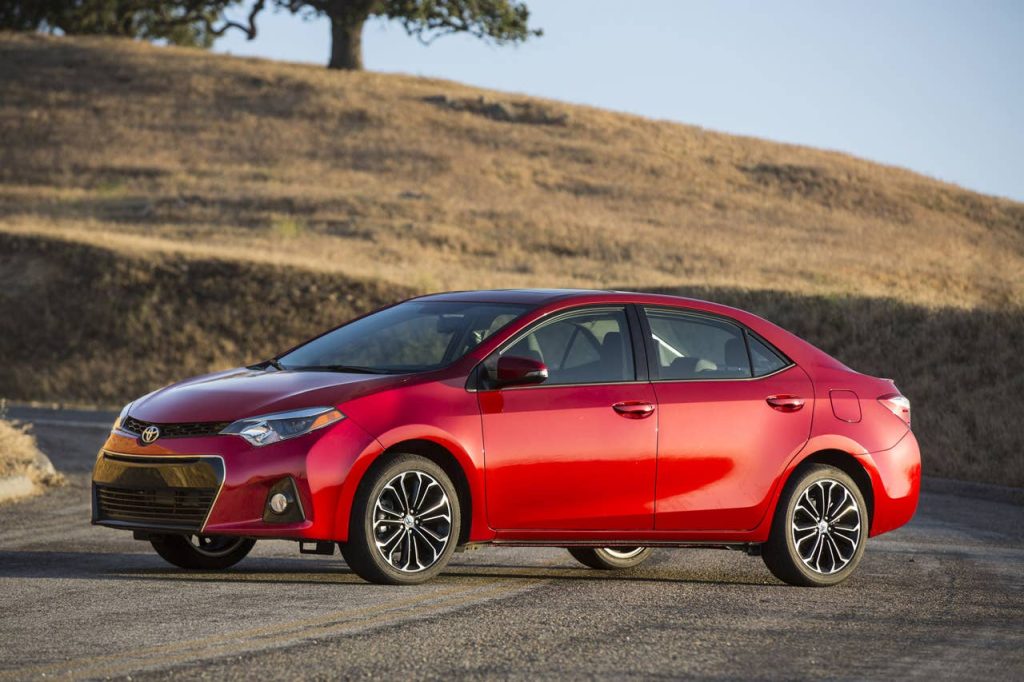
Another strength is broad demographic appeal. The Corolla attracts students, families, retirees, and commuters rather than a narrow group of high-risk drivers. This diverse ownership profile often works in its favor when insurance data is analyzed.
While the Corolla may not generate excitement in the same way as a sports car, it excels where affordability matters most. It consistently ranks among the smartest choices for drivers seeking dependable transportation without excessive financial obligations.
Its combination of reasonable purchase prices, strong reliability, and favorable insurance characteristics makes it one of the most economical cars available.
Specifications
- Engine: 2.0L Inline 4
- Torque: 151 lb-ft
- Horsepower: 169 hp
- Length/Width: 182.5 in / 70.1 in
2. Honda Civic
The Honda Civic has long been considered one of the benchmark compact cars in America. It combines practicality, efficiency, and quality in a package that appeals to a wide variety of buyers. For those looking to minimize both purchase costs and insurance expenses, the Civic remains one of the strongest contenders in the market.
Unlike some budget vehicles that achieve affordability through compromises, the Civic offers a surprisingly refined ownership experience. The interior is thoughtfully designed, fuel economy is impressive, and driving dynamics are more engaging than those of many competitors. These qualities have helped the model maintain strong demand for decades.
Insurance providers often view the Civic favorably because of its excellent safety performance and widespread availability of replacement parts. Repair networks are familiar with the vehicle, and maintenance procedures are generally straightforward. These factors help keep claim costs manageable, which can translate into competitive insurance premiums.
One reason the Civic stands out is its exceptional resale value. Buyers purchasing a new Civic often retain more of their investment over time compared with owners of many competing vehicles. This value retention contributes to long-term affordability and makes the vehicle attractive in both new and used markets.
The Civic’s reliability record also plays a significant role. Drivers frequently report years of dependable service with minimal mechanical issues. Insurance companies appreciate vehicles that are not associated with frequent breakdowns or unusually expensive repairs.
Fuel economy further strengthens its financial appeal. Whether driving through city traffic or covering long highway distances, the Civic consumes relatively little fuel. Over the course of ownership, these savings can become substantial.
Another factor influencing insurance costs is driver behavior. Although performance-oriented Civic variants exist, the standard models are primarily purchased by commuters and families. This helps maintain a favorable risk profile compared with more aggressive performance cars.
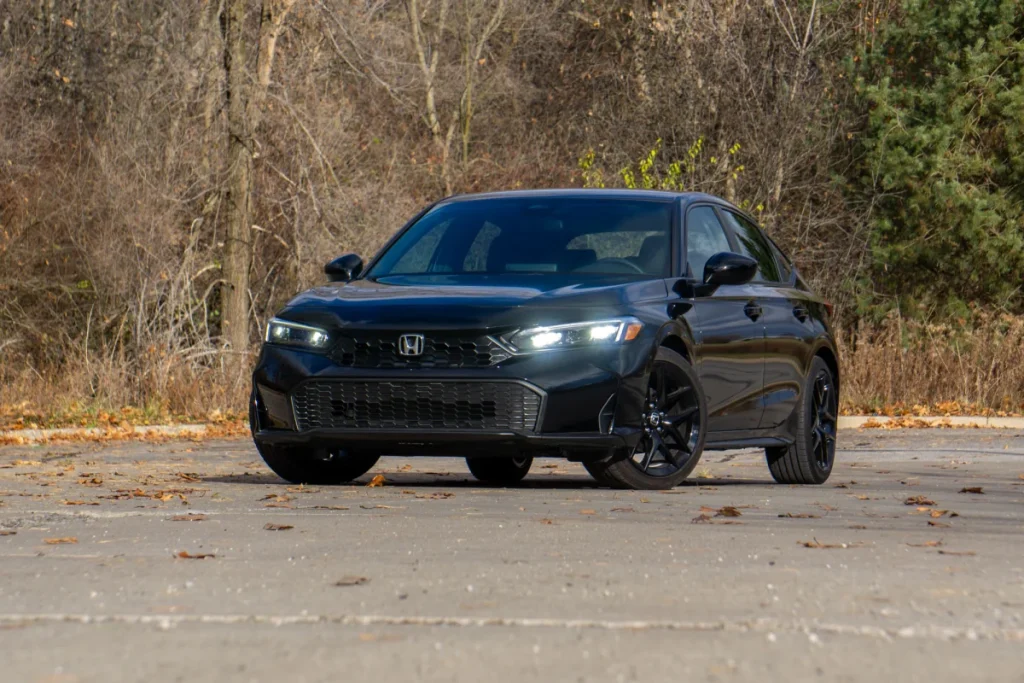
The Civic has managed to remain relevant across multiple generations because it continuously balances quality, affordability, and practicality. Buyers receive a well-rounded vehicle that performs its duties exceptionally well without generating excessive ownership costs.
For drivers seeking a car that delivers dependable transportation while remaining affordable to insure and maintain, the Honda Civic continues to be one of the most sensible options available.
Specifications
- Engine: 2.0L Inline 4
- Torque: 133 lb-ft
- Horsepower: 158 hp
- Length/Width: 184.0 in / 70.9 in
3. Hyundai Elantra
Not every affordable car manages to feel modern and well-equipped. Some budget-oriented vehicles provide low ownership costs but sacrifice refinement, technology, or comfort in the process. The Hyundai Elantra has followed a different path.
It has steadily evolved into a stylish compact sedan that delivers strong value while remaining affordable to buy and insure.
One of the first things buyers notice about the Elantra is its pricing. Hyundai has consistently positioned the model competitively against rivals, often including features that would require additional spending elsewhere. This gives shoppers access to advanced safety technology, modern infotainment systems, and comfortable interiors without stretching their budgets.
Insurance affordability is another area where the Elantra performs well. The vehicle’s moderate power output, practical purpose, and strong safety equipment contribute to favorable risk assessments in many situations.
While premiums vary based on location and driver history, the Elantra generally avoids the costly insurance rates associated with sports cars or luxury vehicles.
The ownership experience extends beyond purchase price and insurance costs. Hyundai’s warranty coverage has long been among the most generous in the industry. This additional protection helps reduce concerns about unexpected repair expenses, especially during the early years of ownership.
Fuel efficiency also deserves attention. Compact dimensions and efficient engines allow the Elantra to travel long distances without consuming large amounts of fuel. For commuters covering substantial mileage each year, these savings can make a noticeable difference.
Unlike some economy cars that feel basic inside, the Elantra offers a cabin designed with modern expectations in mind. Comfortable seating, intuitive controls, and attractive styling help create an experience that feels more premium than its price might suggest.
Maintenance costs remain relatively manageable as well. Parts are widely available, service procedures are familiar to technicians, and routine upkeep is generally straightforward. These factors contribute to lower long-term ownership expenses.
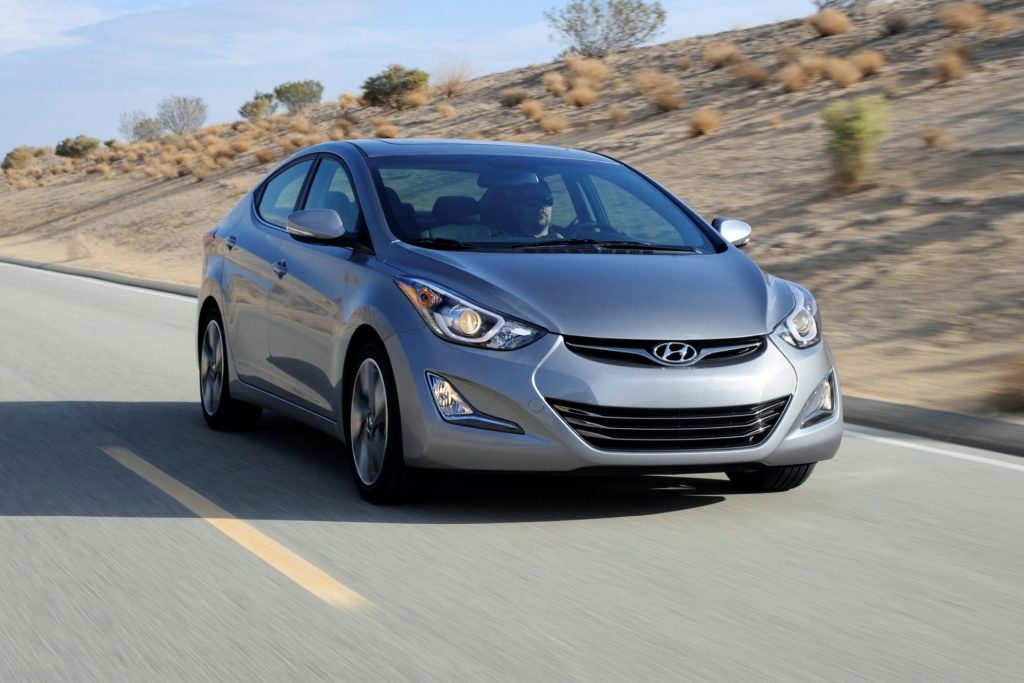
Another advantage comes from Hyundai’s growing reputation for quality. As reliability has improved over successive generations, confidence in the brand has increased. This benefits both owners and insurers because dependable vehicles tend to generate fewer costly surprises.
For shoppers who want affordability without feeling like they settled for the cheapest option available, the Elantra presents a compelling argument. It combines modern design, useful technology, reasonable insurance costs, and practical everyday usability in a package that remains accessible to budget-conscious buyers.
That balance has helped the Elantra become one of the most attractive compact sedans for drivers focused on keeping ownership expenses under control.
Specifications
- Engine: 2.0L Inline 4
- Torque: 132 lb-ft
- Horsepower: 147 hp
- Length/Width: 184.1 in / 71.9 in
4. Subaru Impreza
The Subaru Impreza approaches affordability from a different angle than many compact cars. While competitors often focus exclusively on low purchase prices and fuel economy, the Impreza adds a feature that is relatively uncommon in its segment: standard all-wheel drive. Despite offering this advantage, it remains surprisingly affordable to buy and insure.
For drivers living in regions that experience rain, snow, or challenging weather conditions, all-wheel drive can provide valuable peace of mind. Many manufacturers reserve the technology for higher-priced vehicles, but Subaru includes it as standard equipment. This gives the Impreza a unique position among affordable cars.
Insurance companies often view the Impreza favorably because it is not marketed as a high-performance vehicle. Instead, it appeals to practical buyers seeking safety, versatility, and dependable transportation. The car’s strong safety credentials and stable driving characteristics contribute positively to its insurance profile.
The Impreza is available in both sedan and hatchback forms, giving buyers flexibility depending on their needs. The hatchback variant is particularly popular among those who value cargo space without moving into the crossover segment. This versatility increases the vehicle’s appeal while maintaining manageable ownership costs.
Subaru has also built a loyal following through its emphasis on durability. Many owners keep their vehicles for extended periods, and the Impreza benefits from a reputation for handling demanding conditions effectively. This long-term reliability helps support affordability beyond the initial purchase.
Fuel economy remains competitive despite the presence of all-wheel drive. Subaru’s engineering efforts allow the vehicle to balance traction and efficiency without creating excessive operating costs. Drivers can enjoy added capability without paying a major penalty at the fuel pump.
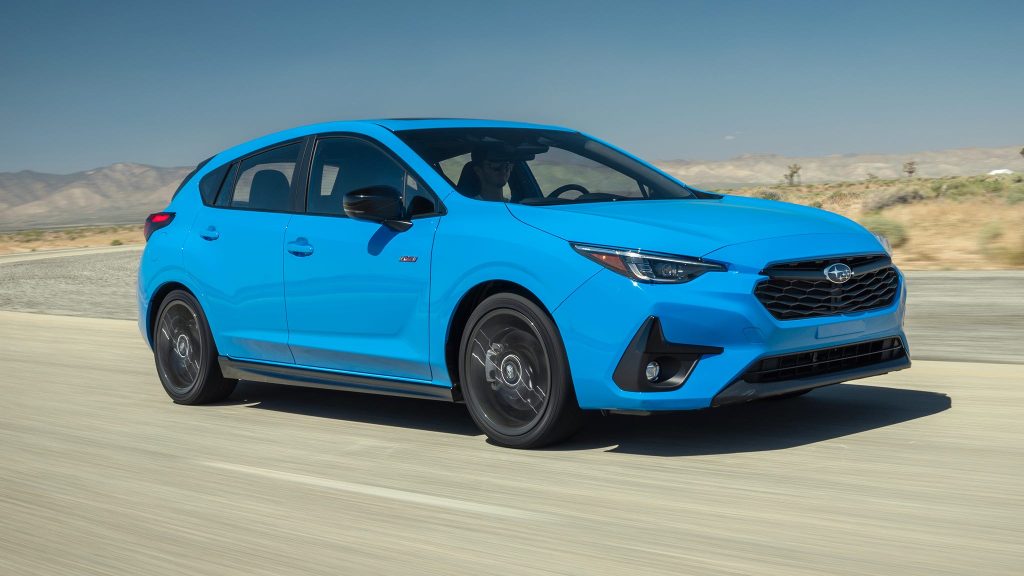
The cabin focuses on functionality rather than extravagance. Controls are straightforward, visibility is excellent, and everyday usability receives priority. These characteristics align well with the expectations of practical buyers.
Repair costs are generally reasonable, and routine maintenance requirements are not unusually demanding. This helps keep long-term expenses predictable, which is an important consideration for budget-minded households.
The Impreza proves that affordability does not require sacrificing capability. It offers a combination of security, practicality, and value that is difficult to find elsewhere in the compact car segment. For drivers seeking low ownership costs along with year-round confidence, the Subaru remains an excellent choice.
Its balance of purchase price, insurance affordability, and all-weather capability has helped it earn a loyal customer base across America.
Specifications
- Engine: 2.0L Boxer 4
- Torque: 145 lb-ft
- Horsepower: 152 hp
- Length/Width: 176.2 in / 70.1 in
5. Kia Soul
Some vehicles achieve affordability by blending into the crowd. The Kia Soul took the opposite approach.
Its distinctive boxy shape immediately separates it from traditional compact cars, yet beneath that unconventional styling lies one of the most cost-effective vehicles on the market. Buyers looking for low purchase prices and manageable insurance costs often find the Soul surprisingly appealing.
One reason the Soul remains affordable is its practical design philosophy. Kia focused on maximizing interior space without significantly increasing exterior dimensions.
As a result, passengers enjoy a roomy cabin while owners benefit from the lower costs typically associated with compact vehicles. This combination has made the Soul popular among students, young professionals, and small families.
Insurance companies generally favor vehicles that are inexpensive to repair and are not commonly associated with aggressive driving behavior.
The soul fits that profile well. Most versions feature modest power outputs, practical engineering, and readily available replacement parts. These characteristics often contribute to lower insurance premiums compared with performance-oriented alternatives.
Step inside, and the Soul feels larger than many buyers expect. The upright design creates generous headroom and excellent visibility. Drivers who dislike the low seating position of traditional sedans often appreciate the more commanding view offered by the Kia.
Affordability continues after the purchase. Fuel economy remains competitive, especially for drivers who spend significant time commuting. Routine maintenance costs are typically manageable, and many service items are straightforward to address. This predictability helps owners avoid unpleasant financial surprises.
Another factor supporting the Soul’s popularity is feature content. Kia has consistently offered attractive technology packages, user-friendly infotainment systems, and modern safety equipment at reasonable prices. Buyers receive considerable value without moving into a higher price bracket.
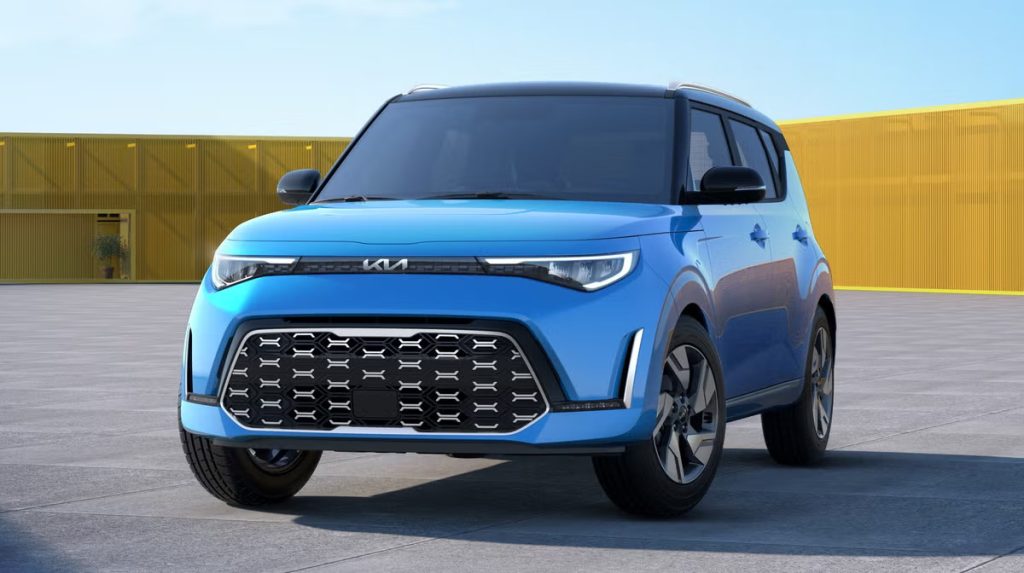
The vehicle’s reputation for practicality extends to cargo space as well. The hatchback layout makes loading larger items easier than in many compact sedans. This versatility allows owners to handle everyday tasks without needing a larger and more expensive vehicle.
Depreciation trends and used market availability further enhance affordability. Shoppers often find well-maintained examples at attractive prices, creating opportunities for those seeking maximum value from a limited budget.
The Soul demonstrates that affordable transportation does not have to be boring. Its unique appearance, spacious interior, low insurance costs, and budget-friendly ownership experience combine to create a package that appeals to a broad audience.
For buyers focused on minimizing expenses while maintaining everyday practicality, the Kia Soul remains one of the strongest options available.
Specifications
- Engine: 2.0L Inline 4
- Torque: 132 lb-ft
- Horsepower: 147 hp
- Length/Width: 165.2 in / 70.9 in
6. Nissan Sentra
The Nissan Sentra has spent years quietly serving drivers who prioritize practicality, efficiency, and affordability. It may not attract the same attention as sports cars or luxury sedans, but its strengths become increasingly clear when ownership costs are examined.
Among compact sedans, the Sentra has earned a reputation as a vehicle that is both affordable to purchase and relatively inexpensive to insure.
Unlike some budget cars that rely heavily on low pricing alone, the Sentra attempts to provide a more mature driving experience. Recent generations feature refined styling, improved interiors, and a comfortable ride quality that makes daily commuting less stressful. Buyers receive a vehicle that feels substantial without carrying a substantial financial burden.
Insurance affordability stems from several factors. The Sentra is generally driven by owners seeking dependable transportation rather than high-performance thrills. Its moderate power output and strong safety equipment help support favorable insurance calculations in many markets.
One of the car’s most attractive qualities is its comfort. Nissan focused heavily on seat design, creating supportive front seats that many drivers appreciate during long journeys. This attention to everyday usability helps the Sentra stand out in a highly competitive segment.
Purchase prices remain accessible for a wide range of buyers. New models are often competitively priced, while the used market offers numerous examples at attractive values. This flexibility makes the Sentra appealing to first-time buyers, students, retirees, and families seeking an economical second vehicle.
Fuel economy is another area where the car performs well. Efficient engines and aerodynamic design help reduce operating costs, allowing owners to spend less on fuel over time. Combined with reasonable insurance rates, this contributes to a highly affordable ownership experience.
Maintenance requirements are generally straightforward. Routine services are widely understood by repair shops, and replacement parts are readily available. Keeping the vehicle in good condition does not typically require a luxury car budget.
The Sentra also benefits from practical proportions. It offers useful rear seat space and a generous trunk, making it capable of handling family duties despite its compact footprint. Buyers gain versatility without stepping into a larger and more expensive category.
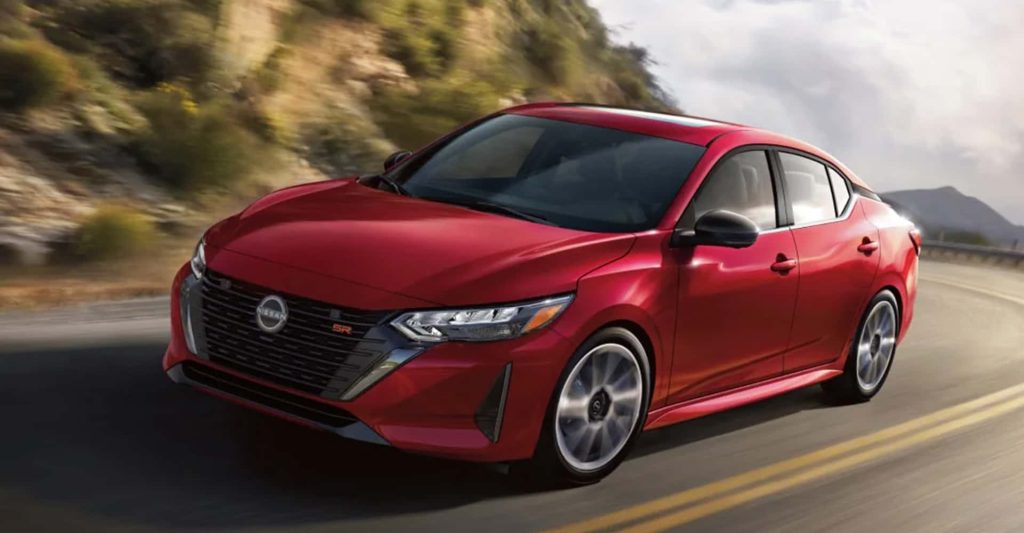
While it may not be the flashiest choice in the showroom, the Nissan Sentra succeeds where affordability matters most. It delivers dependable transportation, competitive insurance costs, and everyday comfort in a package designed to keep ownership expenses under control.
That formula continues to make it one of the smartest choices for budget-conscious drivers across America.
Specifications
- Engine: 2.0L Inline 4
- Torque: 146 lb-ft
- Horsepower: 149 hp
- Length/Width: 182.7 in / 71.5 in
7. Chevrolet Malibu
Not every affordable vehicle has to be a compact car. Some buyers want a larger sedan with more interior space, a smoother highway ride, and a stronger sense of comfort without stepping into luxury car territory.
The Chevrolet Malibu has long occupied that middle ground, offering midsize practicality while remaining relatively affordable to purchase and insure.
One of Malibu’s biggest advantages is its balance. It provides many of the benefits associated with larger vehicles without bringing the higher ownership costs that often accompany SUVs or premium sedans.
Families, commuters, and retirees frequently consider the Malibu because it delivers comfortable transportation without demanding a large financial commitment.
Insurance companies often view the Malibu favorably because it is not designed as a performance vehicle. Most buyers choose it for practical reasons, and its moderate power output contributes to a lower risk profile than sports cars or high-horsepower luxury models. Combined with modern safety systems, this helps keep insurance premiums manageable for many owners.
The driving experience focuses on comfort. The suspension is tuned to absorb road imperfections effectively, making long highway journeys less tiring. Drivers who spend significant time commuting often appreciate the relaxed character of the Malibu.
Space is another important selling point. The cabin provides generous room for passengers, particularly in the rear seats. Adults can travel comfortably, and the trunk offers enough capacity for luggage, shopping trips, or everyday family responsibilities. Buyers receive a practical sedan that feels larger than many compact alternatives.
Purchase price plays a major role in the Malibu’s affordability. New models have traditionally been priced competitively within the midsize sedan segment, while used examples often represent particularly strong value. Depreciation creates opportunities for buyers seeking a newer vehicle without paying new car prices.
Maintenance expenses remain relatively reasonable as well. Parts availability is widespread, and most service procedures are familiar to repair shops across the country. Owners generally avoid the specialized maintenance costs associated with luxury brands.
Fuel economy is another area where the Malibu performs well. Modern turbocharged engines provide adequate power while maintaining efficiency that helps reduce long-term operating costs. Lower fuel consumption complements the vehicle’s affordable insurance profile.
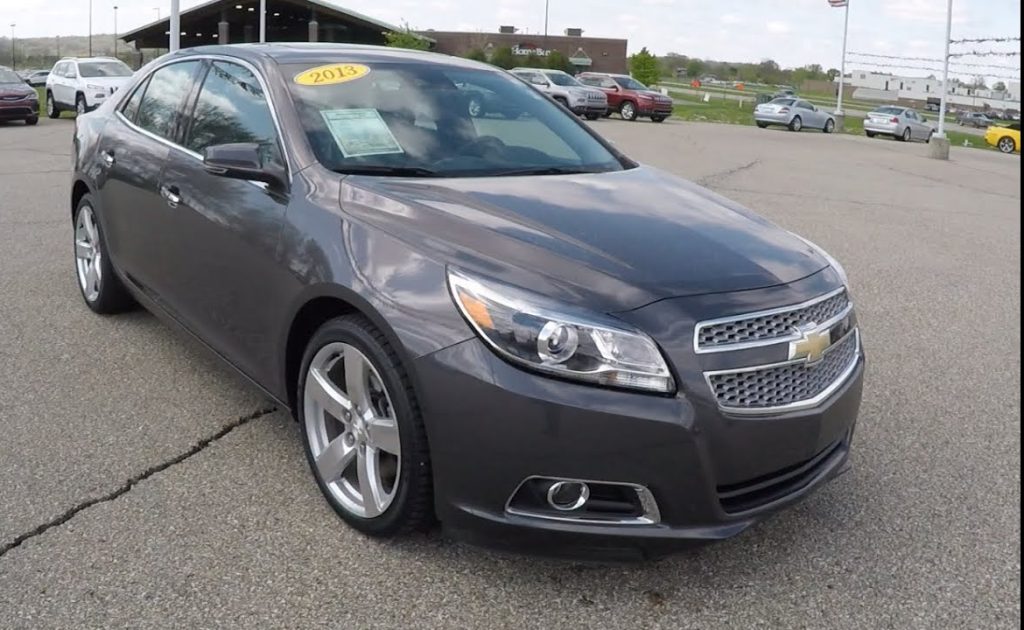
The Malibu may not dominate automotive headlines, but it excels at delivering dependable and comfortable transportation. For buyers seeking a midsize sedan that balances practicality, affordability, and manageable insurance costs, it remains one of the most sensible options available.
Its combination of interior space, comfort, and budget-friendly ownership characteristics has earned it a lasting place among America’s value-focused family cars.
Specifications
- Engine: 1.5L Turbocharged Inline 4
- Torque: 184 lb-ft
- Horsepower: 163 hp
- Length/Width: 194.2 in / 73.0 in
8. Mazda3
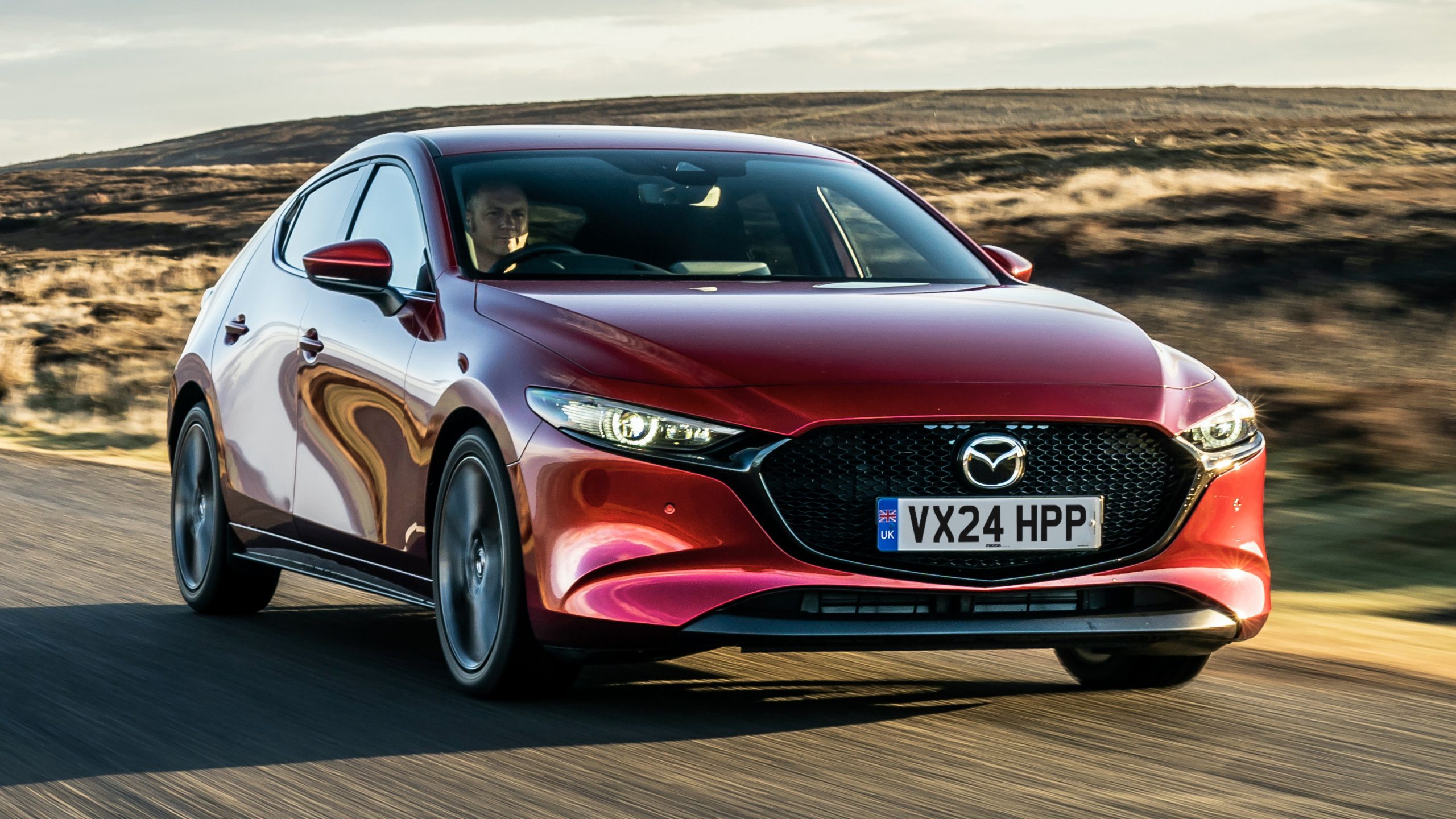
The Mazda3 takes a slightly different approach to affordability than many competitors. Rather than focusing exclusively on low costs, Mazda has worked to create a vehicle that feels more refined and engaging than its price might suggest. Remarkably, it manages to achieve that goal while remaining relatively affordable to buy and insure.
At first glance, the Mazda3 stands out because of its styling. Mazda’s design language gives the car an appearance that resembles more expensive vehicles. Yet beneath the attractive exterior lies a practical compact car that continues to appeal to budget-conscious buyers.
Insurance affordability begins with the vehicle’s balanced nature. Standard Mazda3 models are not associated with extreme performance, and they include numerous safety features designed to reduce accident risk. Insurance providers often reward these characteristics with competitive premiums compared with many sportier alternatives.
The interior represents another strength. Materials, design quality, and attention to detail frequently exceed expectations for the segment. Drivers who move from older economy cars often find the Mazda3 feels significantly more upscale than they anticipated.
Driving dynamics further distinguish the vehicle. While many affordable cars focus solely on transportation, Mazda engineers place considerable emphasis on steering feel and driver engagement. The result is a car that remains enjoyable to drive without requiring expensive high-performance hardware that would increase ownership costs.
Fuel efficiency contributes meaningfully to affordability. Efficient engine options help keep fuel expenses under control, particularly for commuters covering long distances each year. Combined with reasonable insurance rates, this creates an attractive financial picture.
Reliability and maintenance costs also support the Mazda3’s reputation. Routine service requirements are straightforward, and ownership expenses generally remain predictable. This consistency is valuable for buyers trying to manage a household budget.
The hatchback variant adds another layer of practicality. It provides additional cargo flexibility while maintaining the vehicle’s compact dimensions. Buyers can choose between sedan and hatchback configurations depending on their specific needs.
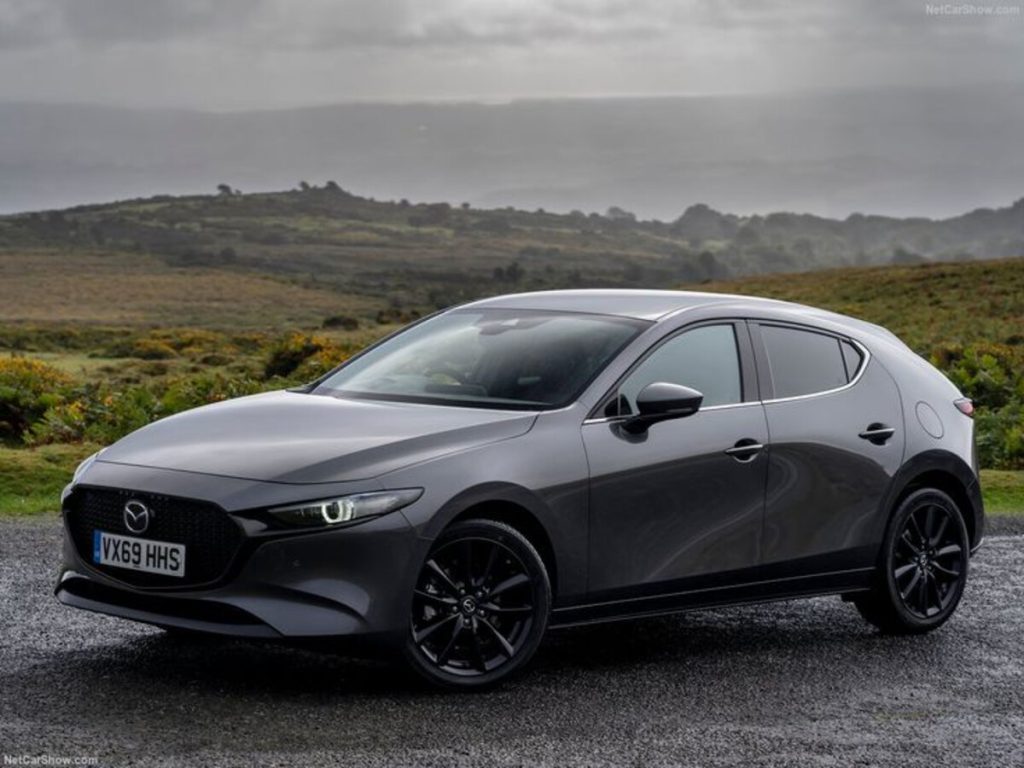
Another reason the Mazda3 remains a smart financial choice is its value proposition. Owners receive attractive styling, strong build quality, enjoyable driving manners, and practical everyday usability without paying premium brand prices.
For drivers who want more personality than the average economy car while still keeping purchase and insurance costs manageable, the Mazda3 is an excellent option. It proves that affordability and driving enjoyment do not have to exist on opposite ends of the spectrum.
Its blend of value, refinement, efficiency, and low ownership costs makes it a fitting conclusion to this list of cars that are cheap to buy and cheap to insure.
Specifications
- Engine: 2.5L Inline 4
- Torque: 186 lb-ft
- Horsepower: 191 hp
- Length/Width: 183.5 in / 70.7 in