
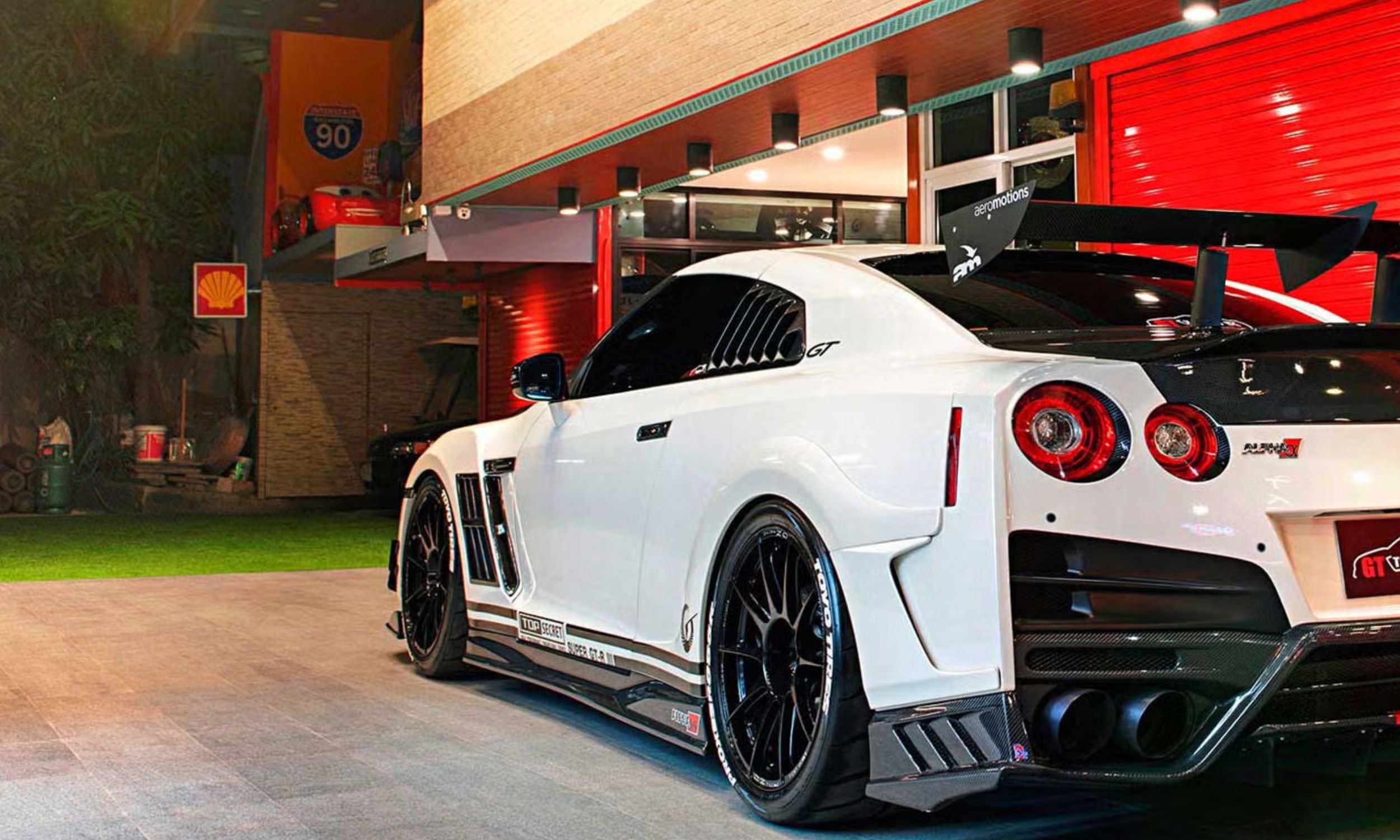
The Nissan GT-R (R35) is best known for its explosive acceleration and track-focused performance, but its true engineering depth lies in the subtle details that often go unnoticed. Beyond its aggressive design and headline figures, the car is filled with carefully considered features shaped by engineers, aerodynamic experts, and even input from game developers.
Every element of the GT-R serves a clear purpose, from its drivetrain behavior to its tire management system and adaptive transmission logic. These systems are designed to work together seamlessly, enhancing both performance and comfort without drawing attention to themselves.
What makes the GT-R especially interesting is how naturally these innovations operate in the background. Drivers can spend years with the car without realizing how much advanced engineering is constantly improving the driving experience.
The result is a machine that blends raw power with intelligent design, offering depth that goes far beyond its specifications.
1. The PlayStation Screen Designer
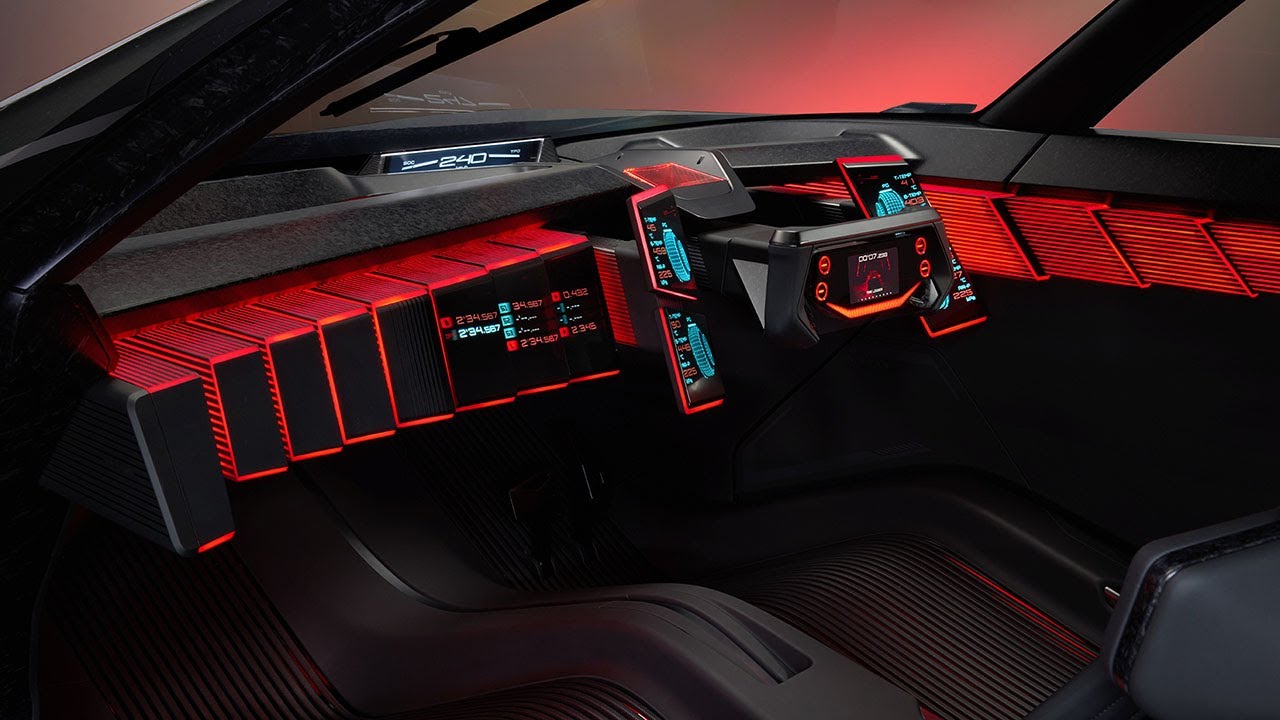
During the development of the Nissan GT-R (R35), an unconventional decision influenced one of its most recognizable interior features. Instead of leaving the digital interface entirely in the hands of traditional automotive designers, Nissan worked with Polyphony Digital, the creators of the Gran Turismo series.
That collaboration introduced a fresh perspective, blending real-world engineering with the visual clarity often found in advanced racing simulations. At first glance, the dashboard goes far beyond what most drivers expect. Rather than limiting itself to basic readouts like speed and fuel level, it presents a wide range of performance data.
Drivers can track turbo boost pressure, oil temperature, transmission behavior, and even the forces acting on the car during acceleration or cornering. The interface feels detailed without becoming chaotic, offering depth without confusion. Clarity stands out as one of its strongest traits.
Even with so much information available, the layout remains easy to understand. Each screen is carefully arranged so that the most important details are visible at a glance. This reflects the influence of game developers who specialize in presenting layered data in a way that feels natural rather than overwhelming.
Beyond the visual appeal, the system changes how drivers interact with the car. It encourages curiosity. Instead of simply driving from one place to another, the driver can observe how throttle input affects boost levels or how braking influences weight distribution. These insights bring a new dimension to everyday driving, making it feel more interactive.
There is also a learning element built into the experience. Drivers who pay attention to the data can refine their technique, much like reviewing performance metrics after a lap on a race track. It creates a connection between the driver and the machine that goes beyond simple control inputs.
This dashboard represents more than a display. It reflects a meeting point between gaming technology and automotive engineering. That partnership resulted in a system that feels both advanced and approachable, showing how ideas from outside the automotive space can lead to meaningful innovation.
2. Hidden Launch Control Mode
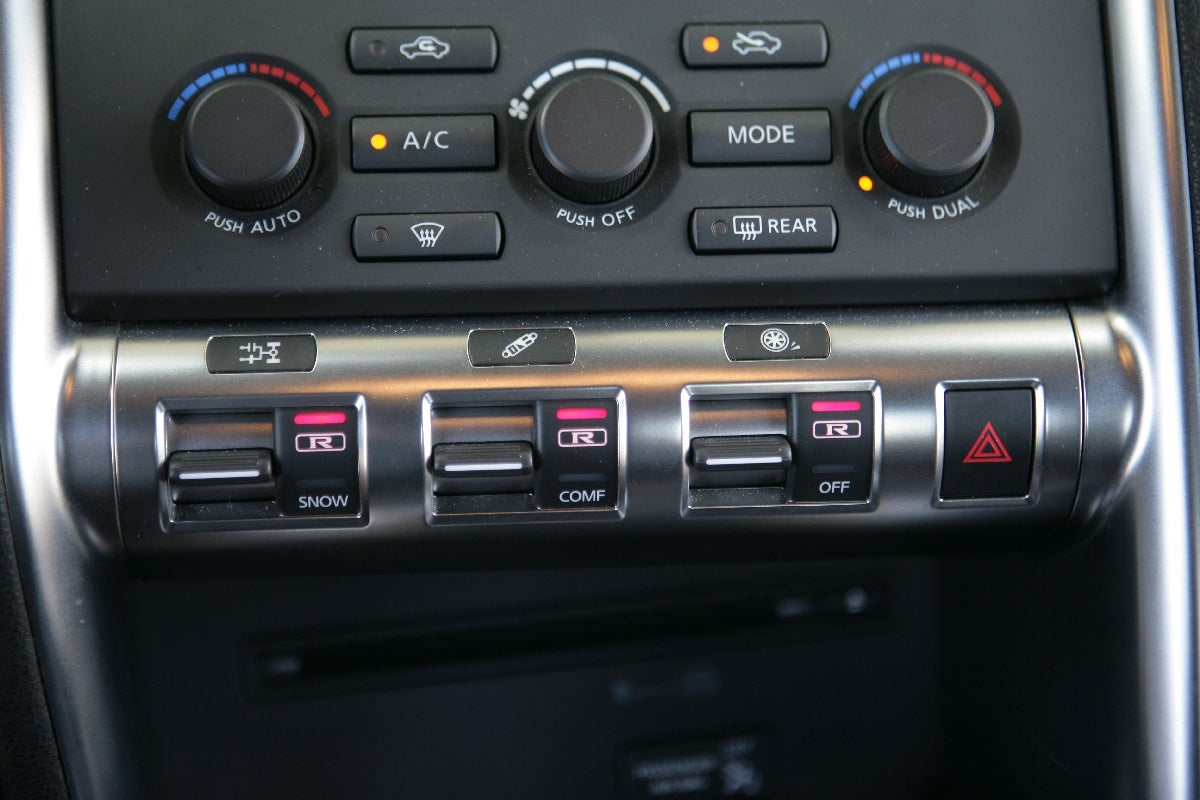
Achieving maximum acceleration in the Nissan GT-R (R35) involves more than simply pressing the accelerator. The process requires a specific sequence that feels deliberate, almost like preparing a machine for a performance run. Three separate switches must be set to R-Mode, adjusting the transmission, suspension, and stability control systems for peak output.
Once these settings are in place, the driver begins the next step. The brake pedal is pressed firmly, followed by full throttle input. The engine holds at a controlled speed, building tension before release. When the brake is lifted, the car launches forward with intense force, delivering acceleration that feels immediate yet controlled.
What makes this feature stand out is the level of intention behind it. It is not designed for casual use. The sequence ensures that every system is properly prepared before delivering maximum power. This reduces the risk of misuse while protecting critical components from unnecessary strain.
Behind the scenes, a network of systems works together to manage the launch. Torque is distributed carefully across the drivetrain, and wheel slip is monitored continuously. Instead of allowing the tires to spin freely, the system ensures that power is transferred efficiently to the road surface. That precision is what allows the GT-R to produce acceleration figures that rival much more expensive performance machines.
There is also a sense of discipline involved. Following the correct steps becomes part of the experience, reinforcing the idea that performance requires more than raw power. It requires the right conditions and the right inputs. This launch system highlights how advanced engineering can turn a straightforward action into a carefully managed event. It is not just about going fast. It is about doing so with precision, consistency, and confidence every time the system is used.
Also Read: 8 Nissan Altimas Ranked Worst to Best
3. Hand-Built Engine Signatures
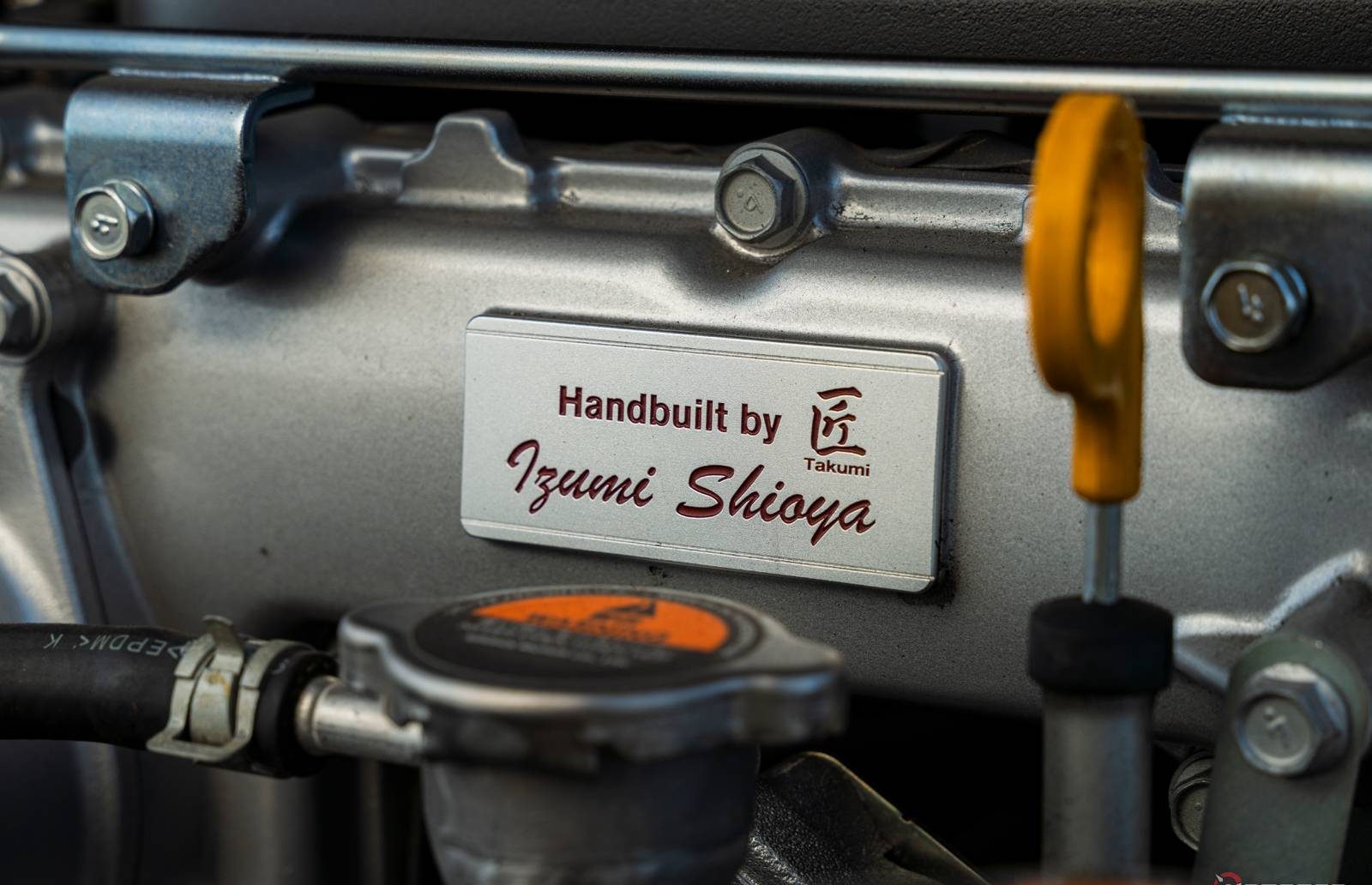
Unlike most performance cars that roll off automated assembly lines, the engine inside the Nissan GT-R (R35) carries a human identity. Each power unit is assembled by a single master technician known as a Takumi, a title earned only after years of rigorous training and hands-on experience. These specialists do not simply follow instructions. They bring judgment, patience, and a deep understanding of precision engineering to every build.
Inside a carefully controlled clean room, the process begins with individual components laid out in an orderly manner. Attention to detail defines every stage. Each bolt is tightened with care, each component aligned with accuracy, and every measurement checked repeatedly. Machines assist, but the final responsibility rests entirely with the craftsman. That level of involvement creates a connection between the builder and the finished engine that mass production rarely achieves.
Completion of the engine marks more than the end of assembly. A small metal plate is attached to the front, engraved with the builder’s name. This is not a decorative badge. It serves as a personal mark of responsibility. The individual who built the engine is effectively standing behind it, confident in its quality and durability.
Such a method introduces a different mindset into manufacturing. Rather than focusing purely on speed and volume, the process emphasizes accountability and pride. Knowing that their name will remain attached encourages each builder to maintain the highest standards. It is a quiet but powerful motivation that influences the final product.
Drivers may never meet the person who assembled their engine, yet that presence is always there. Opening the hood reveals more than mechanical parts. It reveals the result of focused human effort. This adds an emotional layer to ownership that goes beyond performance figures.
4. Nitrogen-Filled Tires
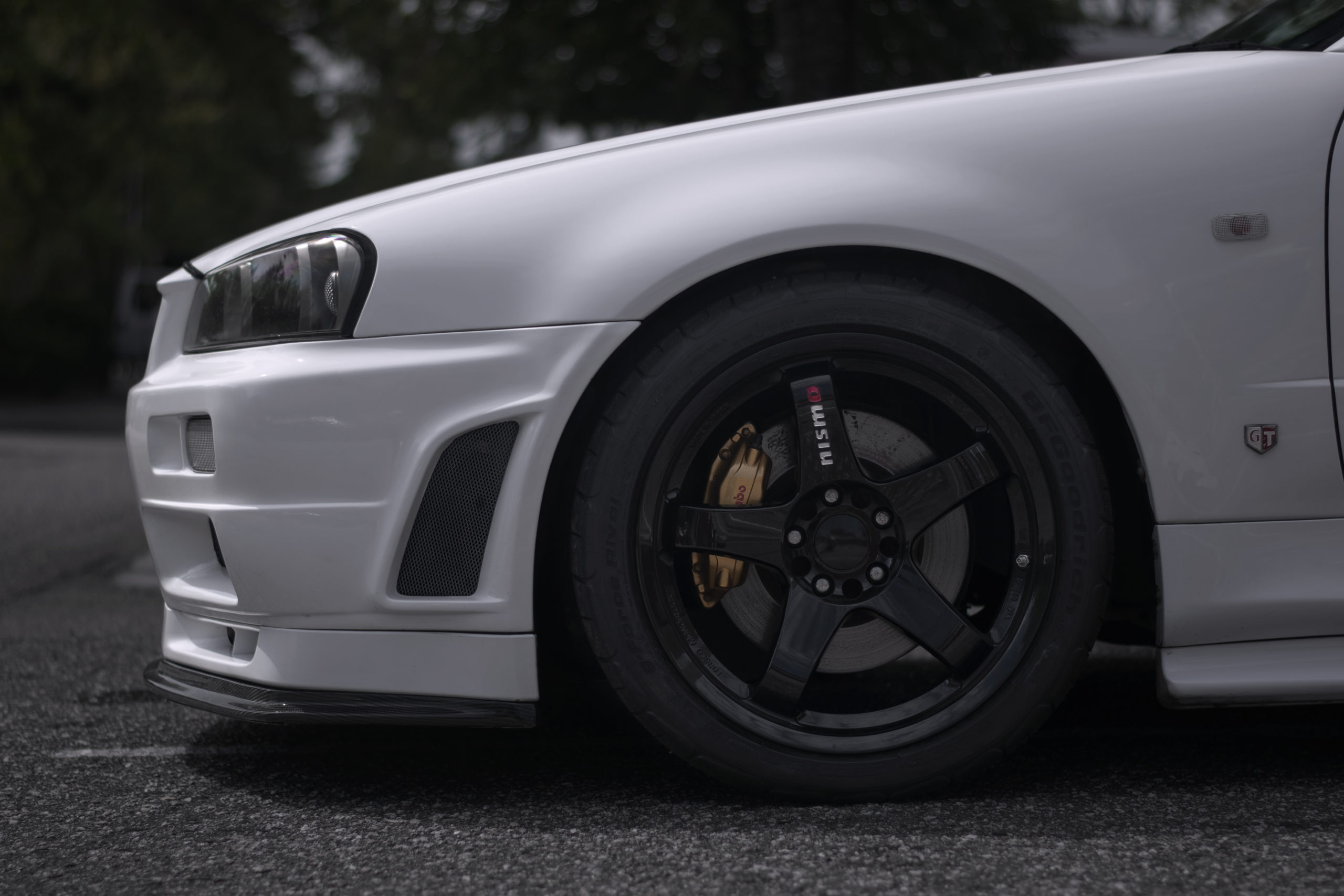
Tire pressure might seem like a routine maintenance detail, yet in the GT-R, it receives special treatment. Instead of standard compressed air, the tires are filled with nitrogen right from the factory. That choice may appear minor, though it plays a meaningful role in maintaining performance consistency.
Regular air contains moisture, and moisture reacts to temperature changes. When tires heat up during driving, especially at higher speeds, that moisture expands. As a result, tire pressure can fluctuate more than expected. These variations may affect grip, braking stability, and handling response.
Nitrogen behaves differently. Being a dry gas, it does not carry the same moisture content. This allows the pressure inside the tire to remain more stable, even when temperatures rise sharply. Stability in pressure translates directly into predictable tire behavior.
Picture a scenario where a driver pushes the car harder on a fast road. Tires heat up quickly, and any inconsistency in pressure can influence how the car feels through corners or during braking. With nitrogen, those changes are minimized, allowing the driver to rely on a steady response.
Another advantage relates to longevity. Stable pressure reduces uneven wear across the tire surface. Tires maintain their shape more effectively, which helps extend their usable life. That benefit may not be immediately obvious, though it contributes to long-term performance and cost efficiency.
During everyday driving, this feature operates quietly in the background. Most drivers will not notice a dramatic difference in normal conditions. The value becomes clearer when the car is driven closer to its limits, where precision matters more.
This choice reflects a broader philosophy within the GT-R’s design. Small refinements, when combined, create a noticeable performance improvement. Nitrogen-filled tires are not a headline feature, yet they support the car’s ability to deliver consistent results.
Consistency builds confidence. When the driver knows the car will behave predictably, attention can remain focused on the road rather than second-guessing how the vehicle might respond. That confidence is one of the subtle advantages built into the GT-R.
5. Secret Door Handle Trick
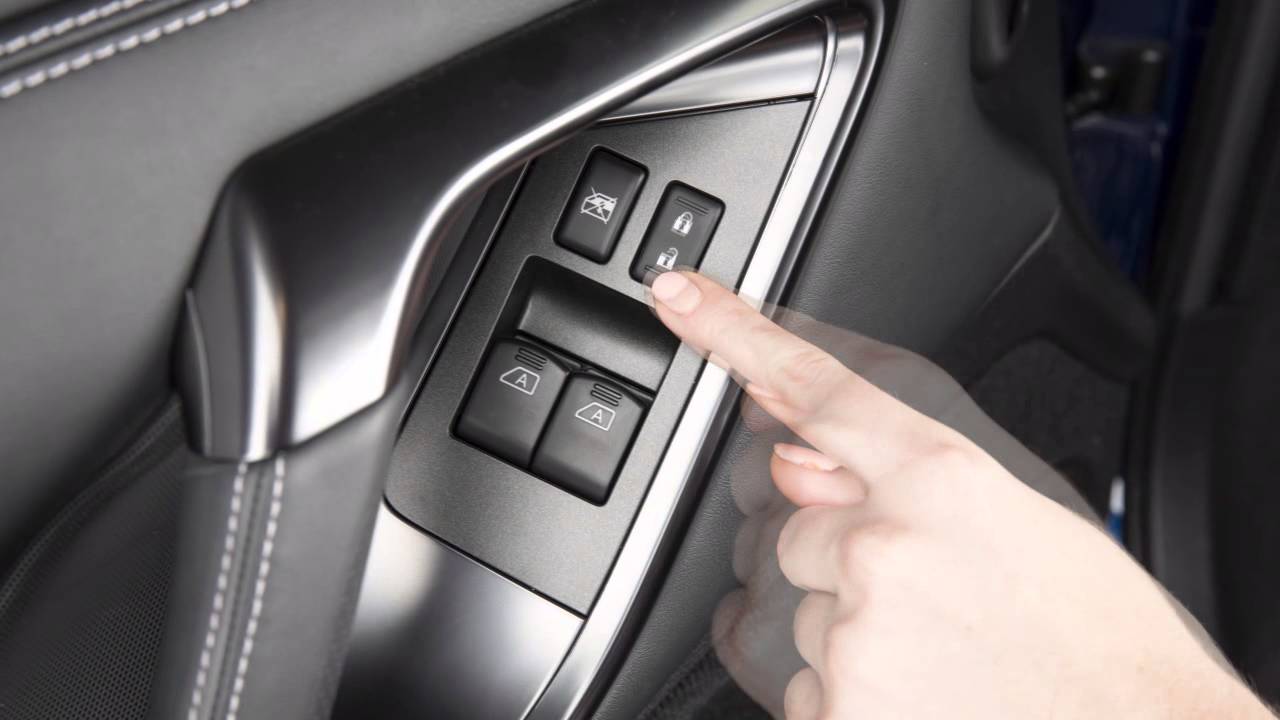
A closer look at the exterior of the Nissan GT-R (R35) reveals a small but clever design detail in the door handles. Instead of extending outward like traditional handles, they sit flush against the body. This creates a smooth surface that complements the car’s aerodynamic shape.
Opening the door involves a simple yet satisfying action. Pressing on one side of the handle causes the opposite side to extend outward, making it easy to grip. The motion feels deliberate and precise, adding a subtle sense of interaction that differs from ordinary designs.
This approach serves more than visual appeal. By keeping the handle aligned with the body, airflow moves more smoothly along the side of the car. Even minor disruptions in airflow can influence performance at higher speeds, so reducing drag contributes to efficiency and stability.
Consider how many small elements shape a car’s aerodynamic profile. Mirrors, panel gaps, and even door handles can affect how air travels across the surface. By refining these details, engineers improve performance without altering the car’s fundamental structure.
There is also a tactile aspect that stands out. Using the handle creates a moment of engagement between the driver and the car. It feels intentional, as though every interaction has been designed with care. That sense of uniqueness adds character to the ownership experience.
Daily use highlights the practicality of the system. Despite its sleek appearance, the handle remains easy to operate in different conditions. The mechanism is simple enough to function reliably while still offering a distinct design. Design decisions like this show how form and function can work together.
The handle contributes to the car’s appearance, supports aerodynamic efficiency, and enhances user interaction all at once. It may seem like a small detail, yet it reflects a broader commitment to thoughtful engineering. Every part of the GT-R serves a purpose, even those that might be overlooked at first glance.
The door handle is a quiet reminder that innovation often appears in the smallest places, shaping the experience in ways that become more noticeable with time.
6. The Sound-Canceling Microphone
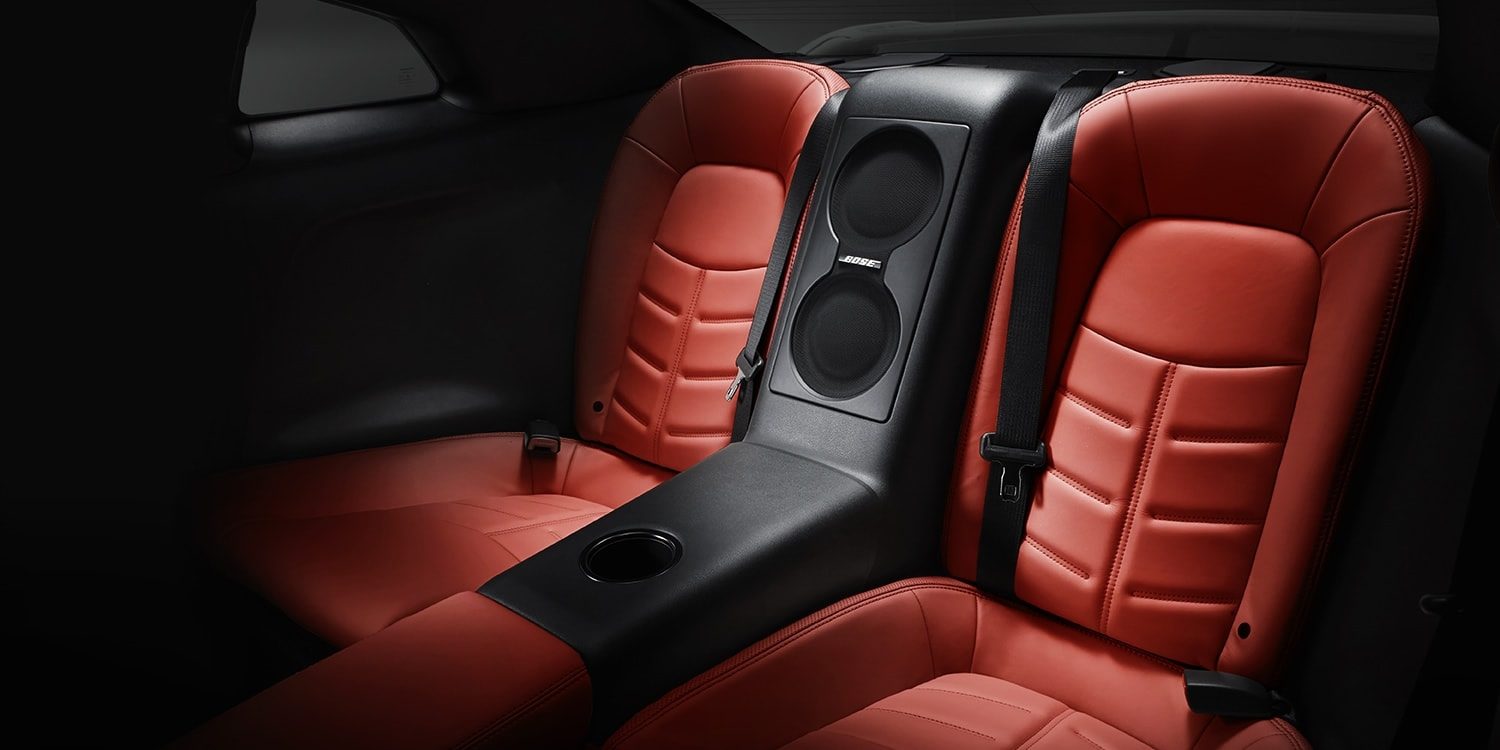
Step inside the Nissan GT-R (R35) and the first impression often centers on performance, yet a quieter detail works behind the scenes to refine the experience. Hidden within the roof lining are small microphones that constantly listen to what is happening inside the cabin. These devices are not there for voice commands or phone calls alone. Their primary role is to reduce unwanted noise.
Road surfaces, tire contact, and engine vibrations produce low-frequency sounds that can become tiring during extended drives. Instead of simply adding insulation, engineers partnered with Bose to introduce an active noise control system. The microphones detect specific sound frequencies, and the speakers immediately produce an opposing sound wave. This counter-wave cancels the unwanted noise before it reaches the driver’s ears.
Consider how this changes the driving experience. At high speeds, performance cars often generate a constant hum that can feel overwhelming after a while. In the GT-R, that background noise is softened without muting the engine’s character. Drivers still hear the growl when accelerating, yet the steady drone fades into the background.
Another point worth noting involves precision. The system reacts in real time, adjusting as conditions change. Different road textures, speeds, and tire loads produce varying sound patterns, and the system adapts without any input from the driver. That level of responsiveness creates a more controlled and comfortable environment.
Long-distance driving benefits greatly from this feature. Fatigue caused by continuous noise is reduced, making the car more suitable for extended trips than many people expect from a high-performance machine. Even during daily commutes, the calmer cabin adds a layer of refinement that might surprise first-time occupants.
7. Brake Discs That Breathe
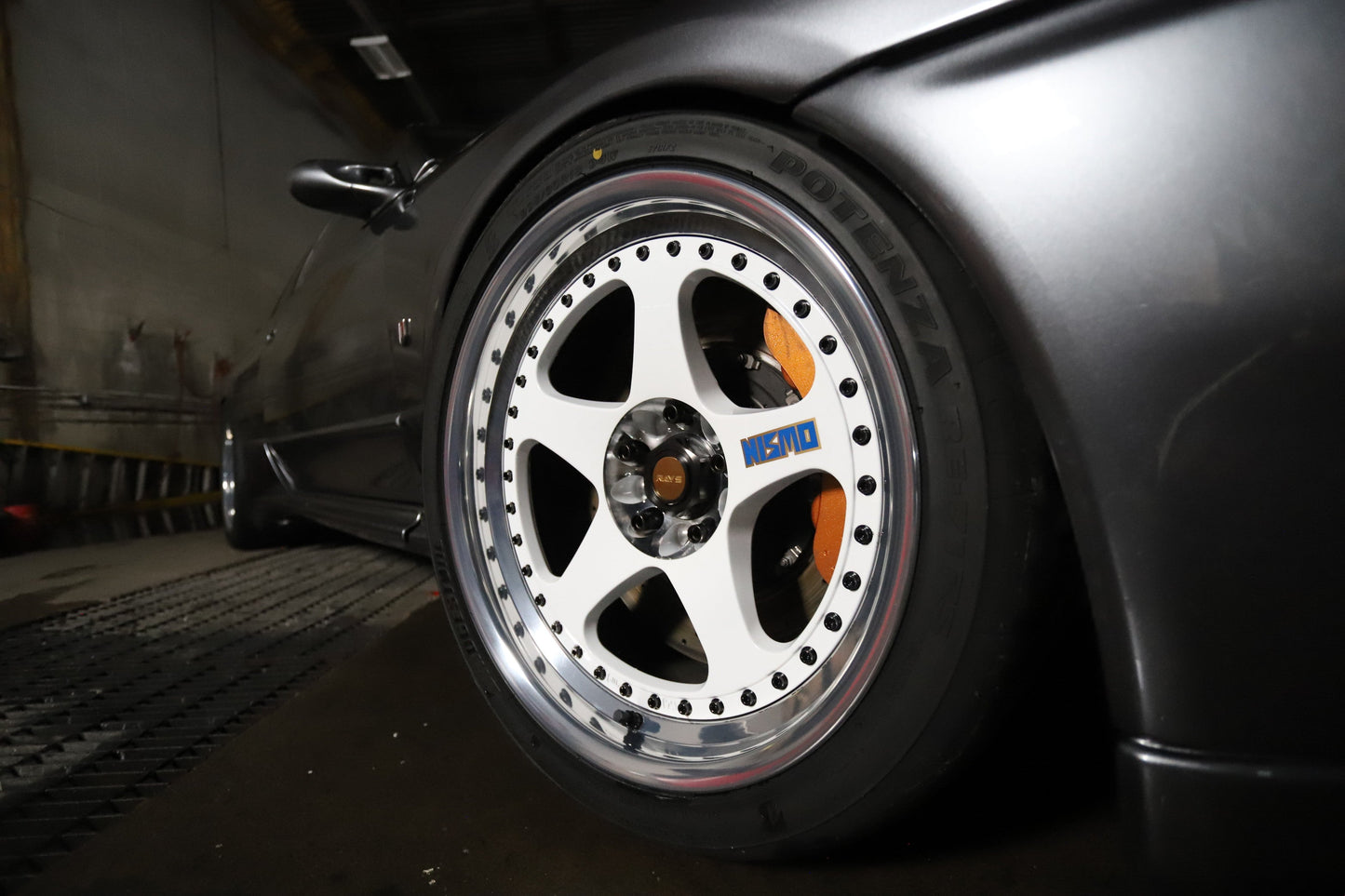
Braking performance in the GT-R goes far beyond simply slowing the car down. Hidden within the brake discs is a design that actively manages heat, ensuring consistent performance even during aggressive driving. These discs are not solid pieces of metal. They contain internal channels shaped like curved vanes.
As the wheels spin, these vanes act like miniature fans. Air is pulled into the center of the disc and pushed outward through the edges. This constant airflow removes heat generated during braking, preventing the system from overheating.
Heat management plays a major role in performance driving. When brakes become too hot, they lose effectiveness, a condition often referred to as brake fade. By keeping temperatures under control, the GT-R maintains strong and reliable stopping power even after repeated heavy use.
Imagine driving at high speed and needing to slow down quickly. The brakes must handle intense friction, converting kinetic energy into heat. Without proper cooling, performance would drop rapidly. The GT-R’s design avoids that problem by ensuring a steady flow of cooling air at all times.
Durability also improves as a result. Components exposed to extreme heat tend to wear faster, but controlled temperatures extend the lifespan of the brake system. Drivers benefit from both consistent performance and reduced maintenance concerns.
Another interesting aspect lies in how invisible this feature is. There are no buttons or indicators tied to it. It simply works whenever the car is in motion. That quiet efficiency reflects the philosophy behind many GT-R features. While attention often goes to horsepower and acceleration, braking deserves equal recognition.
The ability to stop with confidence completes the performance equation, and this hidden cooling system ensures that the GT-R delivers in that area without compromise.
8. Transmission Learning Mode
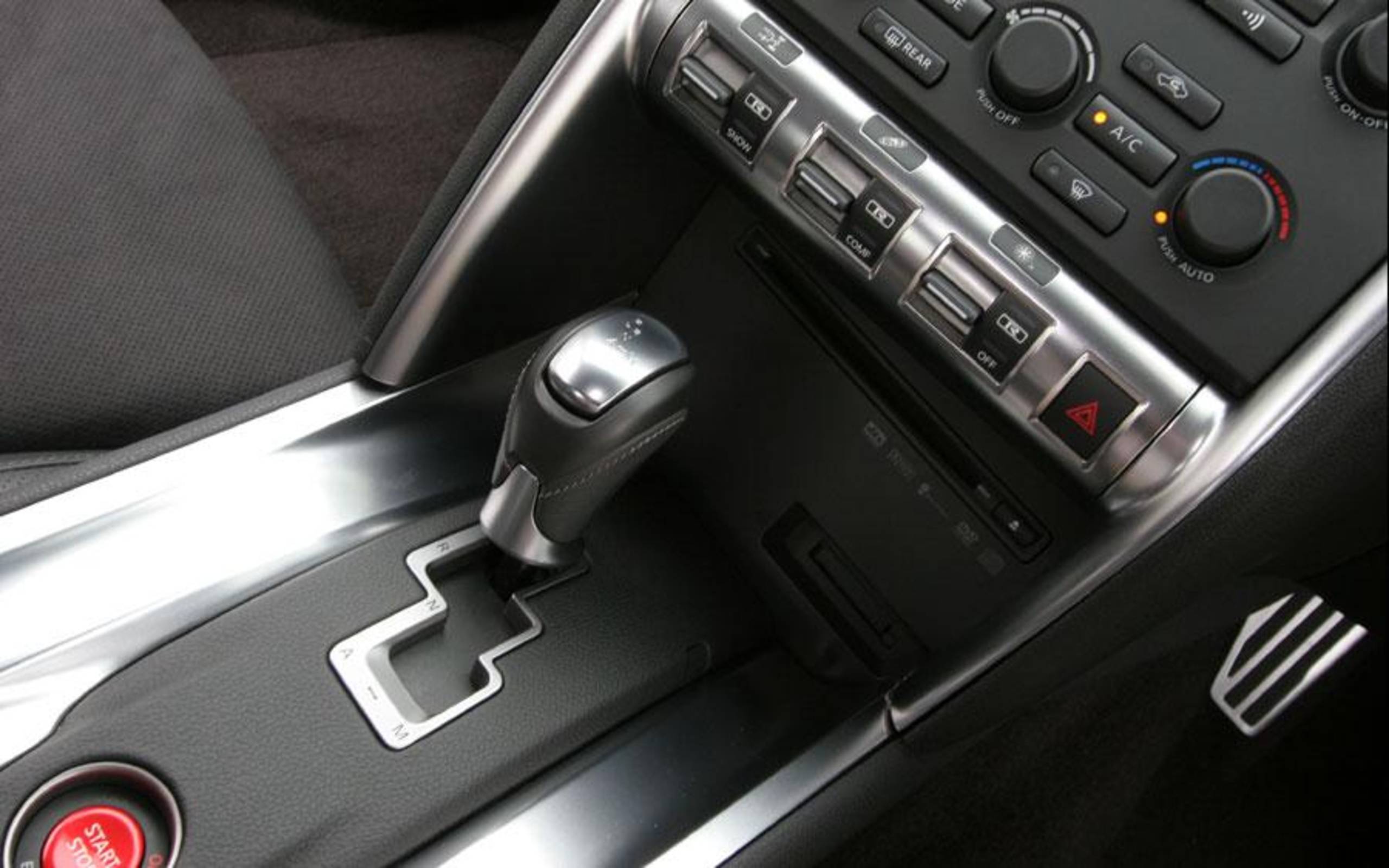
Every driver has a unique way of using the accelerator, and the Nissan GT-R is engineered to recognize and respond to that individuality through its advanced transmission system. Rather than relying on a fixed operating pattern, the dual-clutch gearbox constantly studies how the vehicle is being driven and adjusts its behavior in real time. This creates a driving experience that feels tailored without requiring the driver to manually configure settings at every moment.
A calm and measured driving style prompts the system to behave in a more relaxed manner. When throttle input is gentle, the gearbox selects higher gears sooner and delivers smoother transitions between them. This results in a quieter, more composed ride that is well-suited for city traffic or long highway journeys. Comfort becomes the priority, and the car responds in a way that feels effortless and refined.
Apply more pressure to the accelerator, and the character of the transmission changes noticeably. The system becomes more aggressive in its operation, holding lower gears for longer periods and delivering quicker, more decisive gear changes. Acceleration feels sharper, and the vehicle responds with greater urgency. This transformation happens seamlessly, without any need for driver intervention, allowing the car to adapt naturally to changing driving conditions.
Such responsiveness gives the impression that the vehicle is learning from its driver. Instead of selecting a fixed driving mode and staying locked into it, the GT-R continuously refines its behavior based on real-world input. This creates a sense of connection between driver and machine, where the car feels more intuitive the longer it is driven.
Daily use highlights how effective this system can be. During routine commutes, the transmission prioritizes smoothness and efficiency, making stop-and-go traffic easier to manage. When the road opens up and the driver becomes more enthusiastic, the gearbox responds instantly, delivering a more engaging and dynamic experience.
9. Anti-Slip Wheel Rims
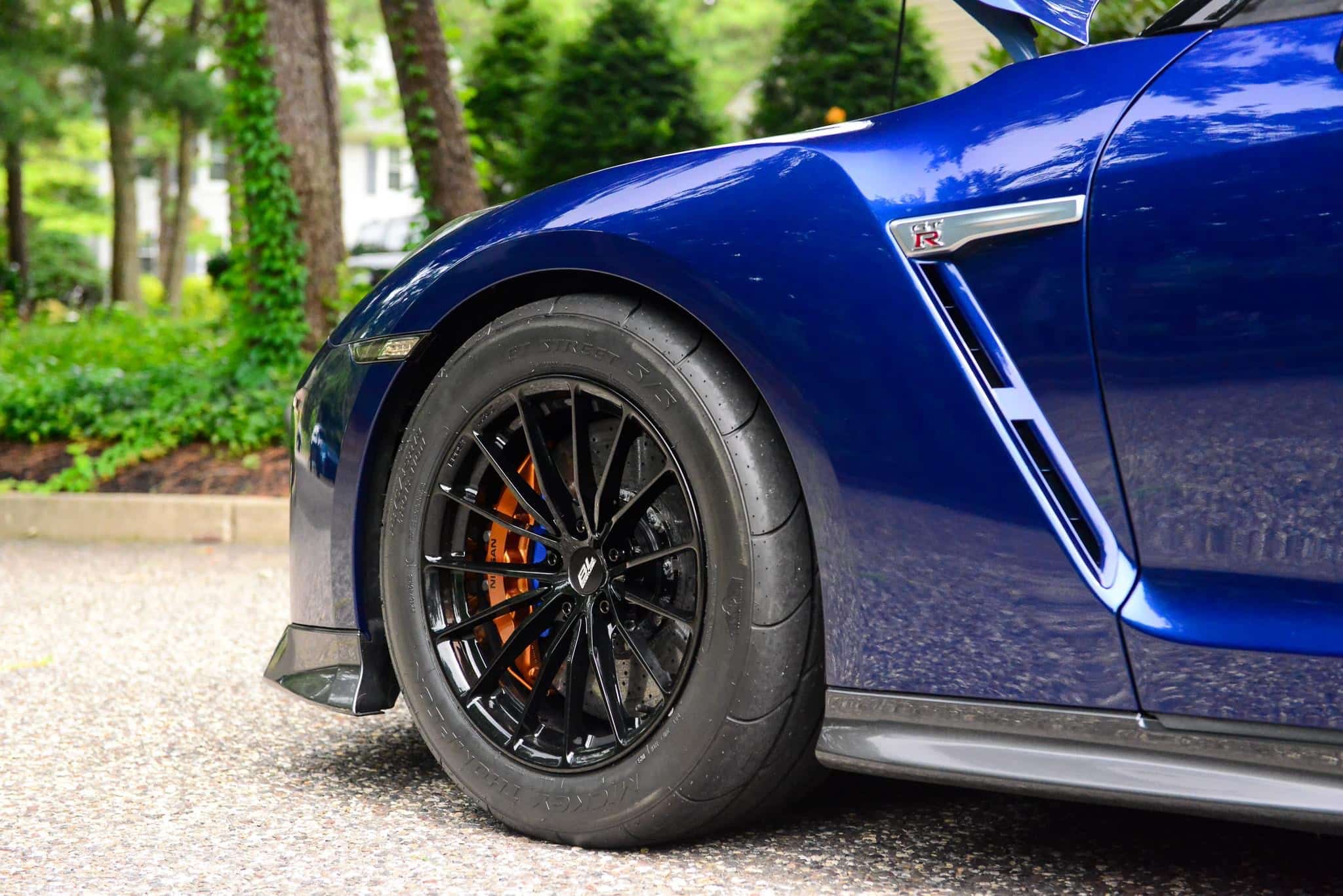
Hidden along the inner edge of the GT-R’s wheels is a feature that rarely receives attention but plays a major role during hard acceleration. The rim surface where the tire meets the wheel is not smooth. Instead, it contains a textured pattern known as knurling.
This rough surface increases friction between the tire and the wheel. Under extreme acceleration, especially during launch control, the force generated by the engine can cause the tire to slip slightly on a smooth rim. That movement reduces efficiency and can affect performance.
By adding this textured surface, the GT-R prevents such slippage. The tire grips the wheel more securely, allowing power to transfer directly to the road. This improves acceleration consistency and reduces the chance of imbalance.
Think about the forces involved during a full launch. The engine delivers massive torque almost instantly, placing enormous stress on the connection between tire and wheel. Without proper grip, even a small amount of movement could disrupt performance.
Durability benefits as well. Preventing tire movement reduces wear on both the tire bead and the wheel surface. This helps maintain reliability during repeated high-performance use. Drivers may never see this feature unless they remove the tires, yet its impact is felt during every hard acceleration.
It represents a solution to a problem that most people would never consider, yet engineers addressed it with precision. Such details highlight the depth of thought behind the GT-R. Performance is not just about power output. It depends on how effectively that power reaches the ground, and this feature ensures that nothing is lost along the way.
Also Read: 4 Nissan Models Worth Buying vs 4 to Avoid
10. Carbon Composite Front Crossmember
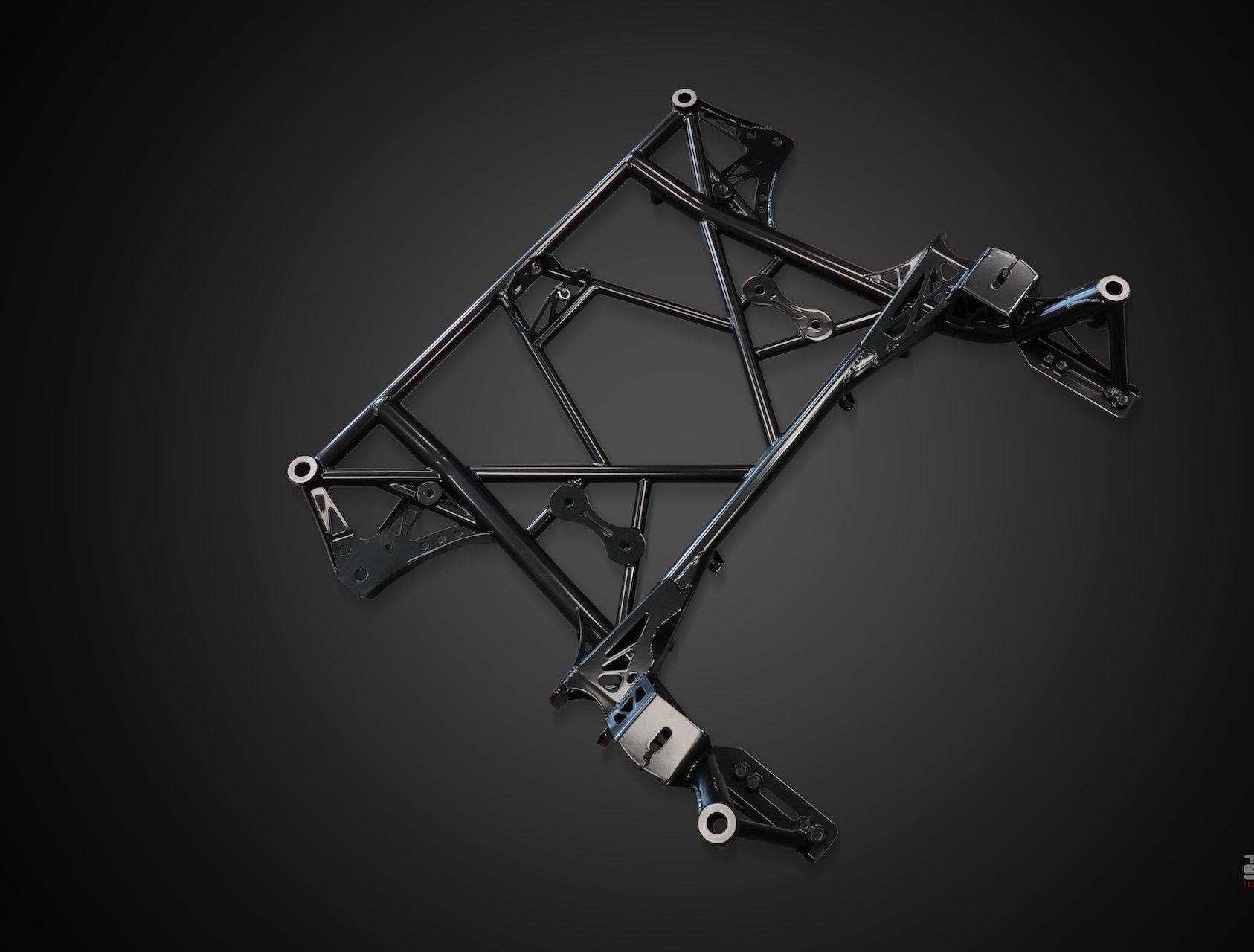
Beneath the front end of the GT-R lies a structural component that reflects advanced engineering priorities. The crossmember supporting the radiator and headlights is made from carbon composite material rather than traditional steel. Weight reduction plays a major role in vehicle dynamics.
By using a lighter material in the front section, engineers improve balance and handling. A lighter front end allows the car to change direction more quickly, enhancing responsiveness during cornering. Material choice also affects strength. Carbon composites provide excellent rigidity while remaining lighter than metal alternatives.
This combination supports structural integrity without adding unnecessary weight. Picture the effect during high-speed driving. Precise steering relies on balanced weight distribution. Reducing mass at the front helps the car respond more accurately to driver input, creating a sharper and more controlled feel.
Durability is another advantage. Composite materials resist corrosion and handle stress differently compared to metal. This contributes to long-term reliability, especially in demanding conditions. What makes this feature interesting is its hidden nature. It is not visible during regular use, and most drivers remain unaware of its presence. Yet it plays a direct role in how the car behaves on the road.
Performance engineering often involves choices that are not immediately obvious. This carbon composite structure shows how attention to detail extends beyond visible components. It supports the GT-R’s reputation for precision and control without drawing attention to itself.
