
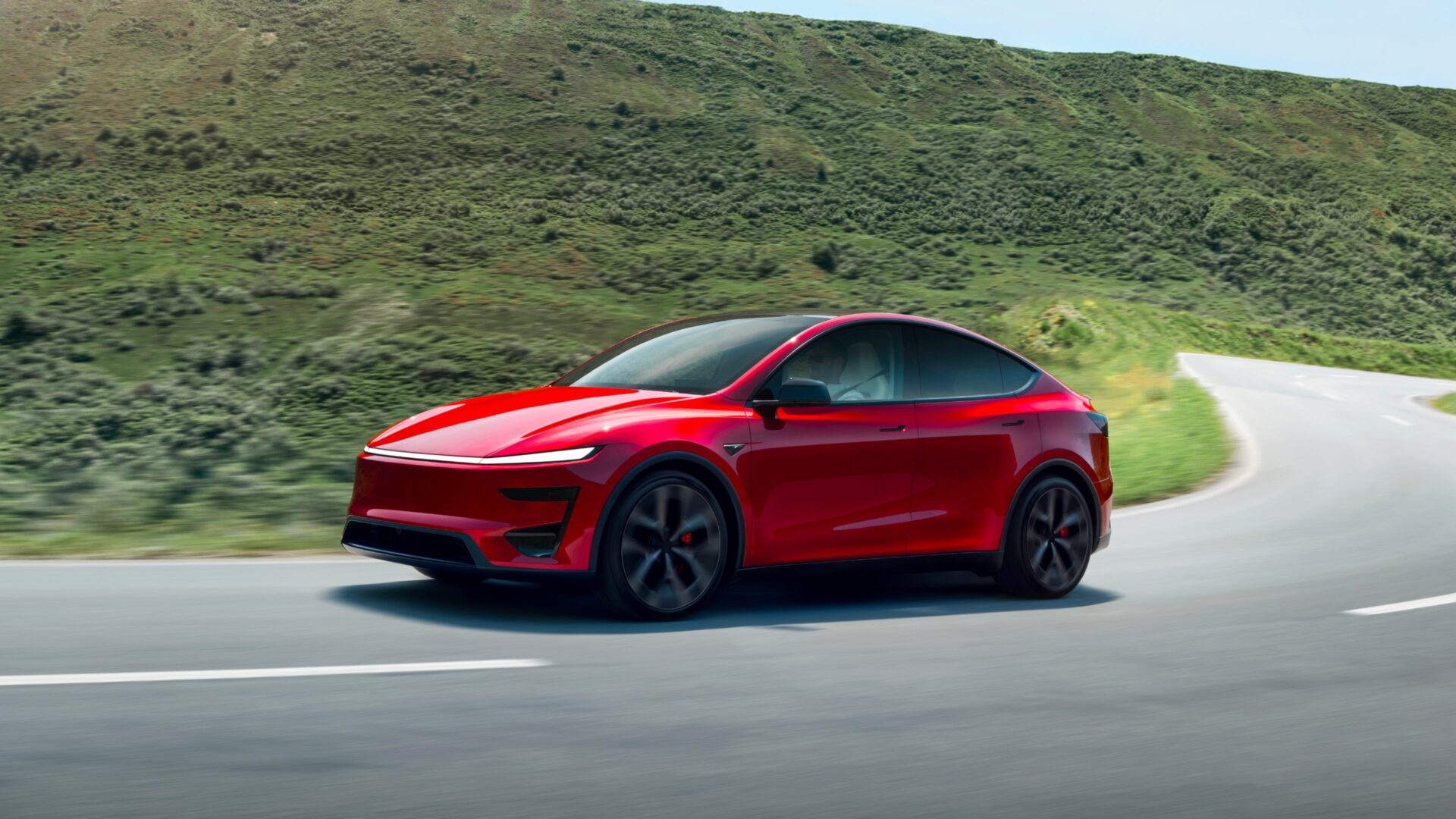
When the Tesla Model Y first became a mainstream success, many buyers believed they were making a financially smart decision in more ways than one. The vehicle offered strong performance, impressive technology, low operating costs, and access to the growing electric vehicle movement.
More importantly, Tesla developed a reputation for unusually strong resale values during the peak years of EV demand. Some used Teslas were selling for prices shockingly close to their original sticker values, which created the impression that depreciation would remain minimal for years.
That perception changed dramatically in a relatively short amount of time. Thousands of Model Y owners suddenly discovered that their vehicles were losing value far faster than expected.
In some markets, resale prices dropped so quickly that owners who purchased during the height of demand found themselves deeply underwater on loans within months. The speed of the decline shocked people because Teslas were once viewed almost like protected assets in the automotive world.
Part of the problem came from timing. Many consumers bought Model Ys during periods of inflated vehicle pricing, supply shortages, and aggressive dealer markups across the industry.
At the same time, Tesla itself repeatedly adjusted pricing on new vehicles, sometimes cutting prices by substantial amounts with little warning. Those reductions immediately affected the value of used models already sitting in owners’ driveways.
The situation also exposed a reality many EV buyers had not fully considered. Electric vehicles evolve quickly. Improvements in battery efficiency, software, charging capability, and range can make older EVs feel outdated much faster than traditional gasoline vehicles.
A buyer spending premium money on a new Model Y expected modern technology, but rapid development cycles meant newer versions kept arriving with updates that reduced the appeal of previous models.
Another important factor was market psychology. Tesla spent years building enormous hype around its products, and that excitement pushed resale values to unusually high levels.
Once the market cooled and inventory increased, prices began correcting aggressively. What looked like exceptional value retention suddenly appeared more like a temporary bubble driven by demand spikes and limited supply.
This does not mean the Model Y became a bad vehicle overnight. Many owners still enjoy the driving experience, charging network access, and daily usability. The issue is that financial expectations changed much faster than buyers anticipated.
People who believed they were purchasing a vehicle with unusually stable value instead faced depreciation patterns that felt severe, especially compared to Tesla’s earlier reputation.
The truth behind the falling resale values involves more than a single mistake or market trend. Multiple forces collided at once, creating one of the sharpest shifts in owner expectations seen in the modern automotive industry.
Also Read: The Honest Truth About Tesla Resale Values in 2026
1. Tesla’s Constant Price Cuts Hurt Existing Owners The Most
One of the biggest reasons Model Y owners lost money so quickly was Tesla’s aggressive pricing strategy. Traditional automakers usually make gradual adjustments between model years, carefully protecting resale values and dealer inventory stability.
Tesla operates differently. The company frequently changes prices with little warning, sometimes reducing costs by thousands of dollars almost overnight.
For new buyers, these cuts can look attractive. Lower entry prices make the Model Y accessible to more customers and increase competitiveness against rival EVs. Existing owners, however, often experience something entirely different. The moment Tesla lowers the price of a brand-new Model Y, the resale value of used examples immediately drops as well.
This became especially painful for people who purchased during periods when EV demand surged dramatically. Some buyers paid elevated prices during supply shortages, believing the market would remain strong.
Others stretched their budgets because Tesla vehicles appeared to retain value unusually well compared to conventional cars. Then price reductions arrived, instantly changing the financial equation.
The problem was not only the size of the cuts but also the frequency. Owners struggled to predict what their vehicles would be worth because Tesla pricing behaved more like consumer electronics than traditional automobiles.
A laptop or smartphone losing value after a newer version appears feels normal. Vehicles historically depreciated more slowly and predictably, which helped buyers plan long-term ownership costs.
Many owners also felt betrayed because the company’s pricing strategy appeared disconnected from protecting customer investments. Luxury brands often maintain tighter control over pricing, partly to preserve prestige and resale strength.
Tesla focused heavily on expanding sales volume instead. That strategy may help market share, but it punishes recent buyers who suddenly see nearly identical new vehicles selling for far less money. Trade-inn values reflected this shift quickly. Dealers and used car retailers adjusted offers downward because they had to compete with Tesla’s own lower new vehicle pricing. Owners who expected strong equity found themselves shocked by how rapidly offers declined.
Another factor involved financing. Buyers who made small down payments during peak pricing periods often discovered they owed significantly more than their Model Y was worth after repeated price reductions. Negative equity became a serious issue for people hoping to trade or sell their vehicles early.
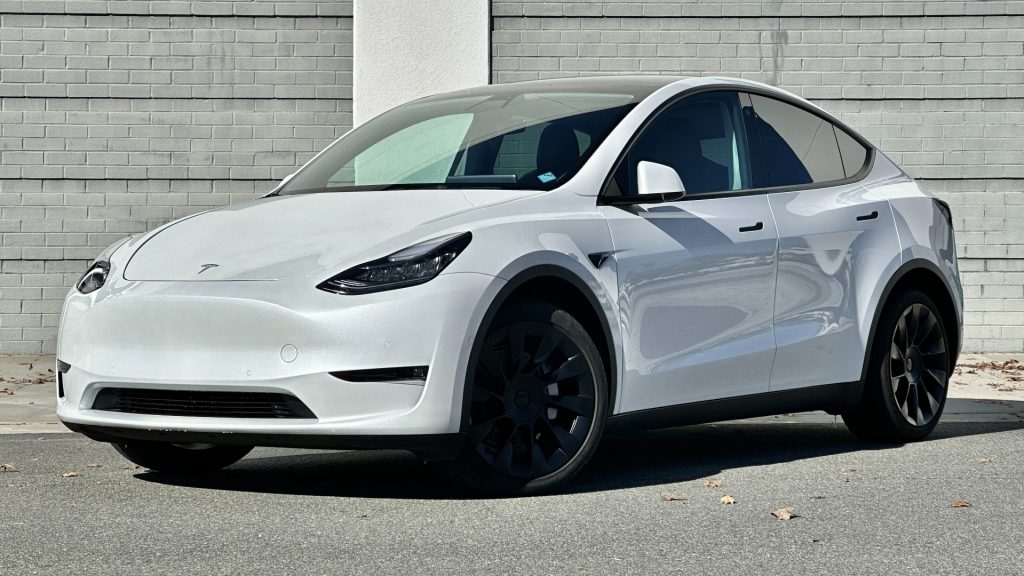
The emotional impact made things even worse. Tesla owners had grown accustomed to hearing about exceptional resale performance for years. Watching values collapse so quickly created frustration because many buyers believed the brand would behave differently from traditional automakers.
Tesla’s strategy may succeed from a sales perspective, but it changed how consumers view ownership risk. The company demonstrated that it prioritizes market positioning and production scale far more aggressively than protecting used vehicle values. For Model Y owners, that realization became extremely expensive.
2. EV Technology Changes So Fast That Older Models Age Quickly
One hidden problem with modern electric vehicles is how rapidly the technology evolves. Traditional gasoline vehicles can remain competitive for years because engines, transmissions, and interior features usually improve gradually.
Electric vehicles operate in a different environment where software, battery efficiency, charging capability, and driving range can change dramatically within short periods of time.
The Tesla Model Y became a perfect example of this issue. Early buyers believed they were purchasing cutting-edge technology that would remain desirable for years. Instead, newer updates and revisions kept arriving quickly enough to make previous versions feel older much sooner than expected.
Range anxiety plays a major role here. EV buyers pay close attention to battery performance because driving range strongly influences purchasing decisions. If a newer version of the same vehicle suddenly offers better efficiency or longer range, older models can lose desirability rapidly, even if they still function perfectly well.
Charging improvements create another challenge. Faster charging speeds and improved battery management systems matter enormously in the EV market.
Buyers comparing used and new electric vehicles often focus heavily on charging convenience because it affects daily usability and long-distance travel experiences. A slightly older EV may still drive beautifully but appear technologically outdated compared to newer releases.
Software updates complicate things further. Tesla built much of its identity around technology leadership and constant digital improvements. That approach generated excitement initially, but it also encouraged buyers to expect continuous advancement. Once consumers become accustomed to rapid updates, older models begin feeling obsolete more quickly.
Interior technology contributes to depreciation, too. Features involving screens, processing speed, connectivity, and driver assistance systems age faster than traditional automotive hardware. A gasoline truck from ten years ago can still feel mechanically relevant today.
An older EV with slower software or outdated tech interfaces may appear far behind modern expectations despite being relatively new by automotive standards.
Battery degradation concerns also affect resale confidence, even where worldwide impacts remain manageable. Buyers entering the used EV market frequently worry about long-term battery health and replacement costs. That uncertainty pressures used prices downward because shoppers become cautious about ownership beyond warranty periods.
Tesla unintentionally amplified these concerns by positioning itself as a technology company as much as an automaker. Consumers began viewing Teslas partly through the lens of electronics rather than durable, long-term machines. Electronics lose value quickly because innovation moves rapidly, and some buyers now treat EVs similarly.
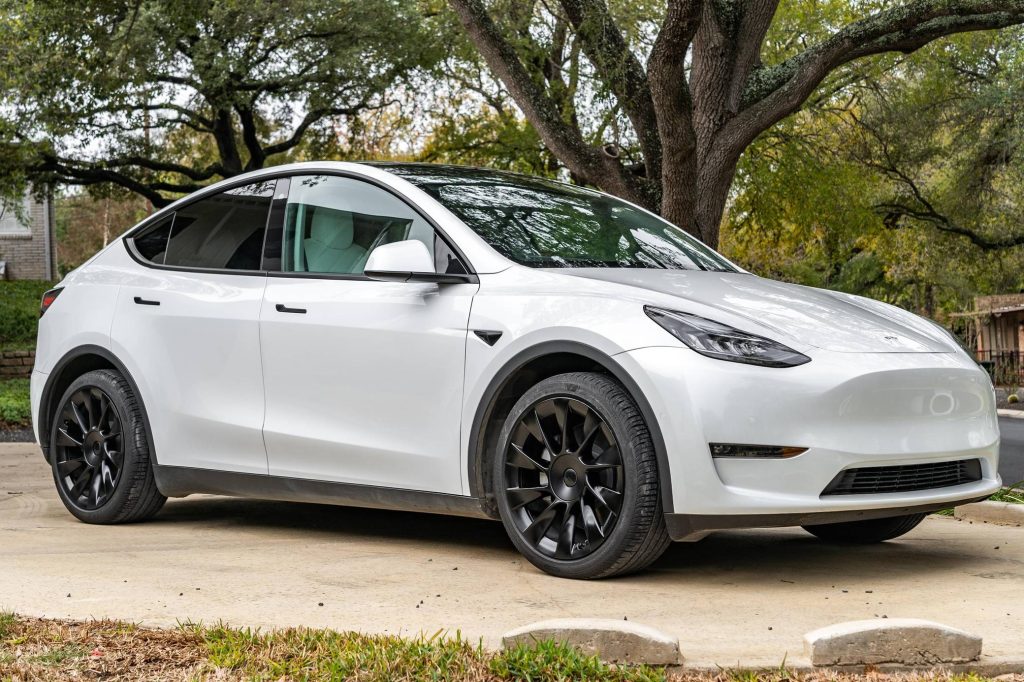
This creates a difficult ownership reality. A Model Y purchased at premium pricing may still function excellently years later, but market perception changes fast when newer EVs arrive with better specifications, improved software, or upgraded charging systems.
The pace of EV advancement benefits consumers entering the market later because they gain access to stronger products at lower prices. Early adopters often pay the financial penalty for that progress. Model Y owners discovered this the hard way as the market began valuing newer technology far more aggressively than many expected.
3. Pandemic Era Pricing Created Unrealistic Expectations
Part of the financial shock surrounding the Tesla Model Y came from the unusual market conditions during the pandemic years.
Vehicle shortages, production delays, and supply chain disruptions pushed prices across the automotive industry to levels that would have seemed impossible only a few years earlier. Used cars gained value instead of losing it, and some buyers began believing this trend might continue much longer than it realistically could.
Tesla benefited enormously during that period. Demand surged while inventory remained limited, allowing the Model Y to command extremely strong pricing in both new and used markets.
Stories circulated constantly about owners selling used Teslas for nearly the same amount they originally paid. In some cases, certain vehicles appreciated temporarily because buyers wanted immediate delivery instead of waiting months for factory orders.
This environment distorted expectations badly. Many consumers started viewing the Model Y not simply as transportation but as a relatively safe financial asset.
Buyers justified expensive monthly payments because they believed resale value would protect them later. Some even convinced themselves that depreciation might remain minimal for years because Tesla seemed untouchable during the EV boom.
The problem is that abnormal market conditions eventually correct themselves. Once supply chains improved and production increased, inventory levels stabilized.
Buyers gained more choices, interest rates climbed, and the urgency surrounding vehicle purchases cooled significantly. Prices began returning closer to historical norms, but Tesla owners who purchased during peak conditions brutally experienced the correction.
Unlike traditional automakers that move cautiously with inventory and incentives, Tesla accelerated the shift by cutting new vehicle prices aggressively. That combination of normalizing market conditions and sudden manufacturer price reductions caused used Model Y values to fall rapidly.
Psychology made the situation even worse. Owners who watched their vehicles gain or hold value temporarily during the pandemic years became emotionally attached to those inflated numbers.
When prices corrected downward, it felt catastrophic even though depreciation is normal for automobiles. The speed of the drop created panic because many buyers had never experienced a market reversal after years of nonstop appreciation.
Another issue involved financing structures. Some buyers entered long loans with high monthly payments because they assumed strong resale values would protect them if they wanted to trade vehicles early.
Falling used prices shattered those assumptions quickly. Owners discovered they owed far more than the market value of their Model Ys, trapping many into keeping vehicles longer than planned.
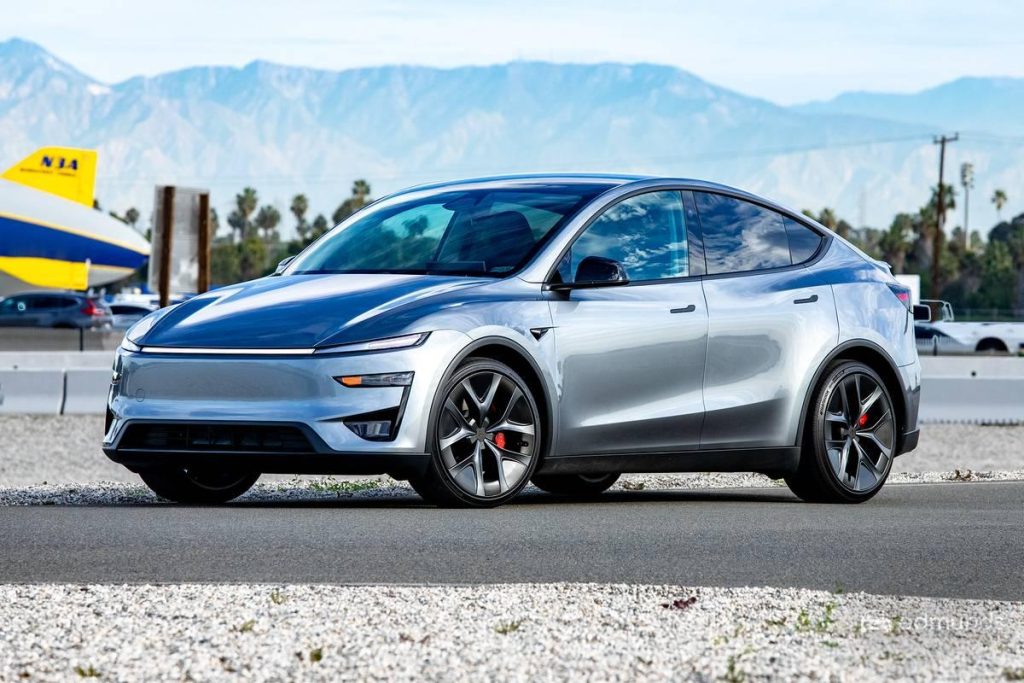
The pandemic market also attracted buyers who normally would not have purchased expensive EVs. Excitement, social media hype, tax incentives, and rising fuel prices pushed many consumers toward Tesla ownership simultaneously. Once market enthusiasm cooled, resale values reflected more realistic demand levels instead of emotional buying behavior.
The Model Y did not suddenly become a bad product when prices dropped. What changed was the market around it. Buyers who entered during one of the most distorted automotive pricing periods in modern history simply learned how dangerous inflated expectations can become once conditions return to reality.
4. Tesla’s Brand Image Changed Faster Than Many Owners Realised
For years, Tesla enjoyed a unique position in the automotive industry. Owning one of its vehicles felt modern, forward-thinking, and technologically elite. The Model Y benefited tremendously from this image because buyers were not only purchasing transportation. They were buying into a movement associated with innovation, status, and the future of driving.
That image helped fuel unusually strong resale values. Demand stayed high partly because Tesla dominated public attention during the EV boom. Competitors struggled to match charging infrastructure, software integration, and public excitement surrounding the brand.
As long as Tesla maintained that near-untouchable reputation, used values remained elevated because buyers believed demand would continue endlessly.
The problem is that brand perception can change surprisingly fast. Once more, automakers entered the EV market aggressively, and Tesla stopped feeling quite as exclusive.
Rivals introduced attractive electric SUVs with luxurious interiors, smoother ride quality, quieter cabins, and more traditional dealership support. Buyers suddenly had alternatives, which weakened Tesla’s dominance in the used market.
Public opinion surrounding Tesla also became more divided than before. Some consumers remained loyal supporters, while others grew frustrated with quality control complaints, service experiences, pricing volatility, or controversies connected to the company’s leadership.
Whether fair or unfair, changing public sentiment influences resale values because desirability affects what buyers are willing to pay.
The Model Y also became extremely common in many regions. Part of Tesla’s earlier appeal came from rarity and novelty. As production expanded massively, the vehicle transformed from an attention-grabbing symbol into a familiar sight on roads everywhere. Increased supply naturally pressures resale values downward, especially once the excitement surrounding exclusivity fades.
Another factor involves luxury perception. Tesla prices placed many versions of the Model Y in premium territory, but some buyers began questioning whether the interior quality and refinement truly matched the cost.
Once resale values started slipping, these criticisms became louder because shoppers grew more cautious about paying premium prices for vehicles that depreciated rapidly.
Competition intensified the pressure further. New EVs from established automakers arrived with improved interiors, advanced driver assistance systems, and strong warranty support. Consumers who once felt Tesla was the only serious EV option suddenly gained multiple choices. That reduced the urgency driving used Tesla demand during earlier years.
Social media amplified every shift in perception. Stories about falling Tesla values spread quickly online, creating a feedback loop where buyers became hesitant, specifically because they feared continued depreciation. That fear itself pushed values even lower as demand softened.
The Model Y still remains one of the most recognizable electric vehicles on the market, and many owners continue loving the driving experience. Yet the financial side of ownership changed dramatically because Tesla’s image evolved from unstoppable market leader to one competitor among many in a rapidly expanding EV industry.
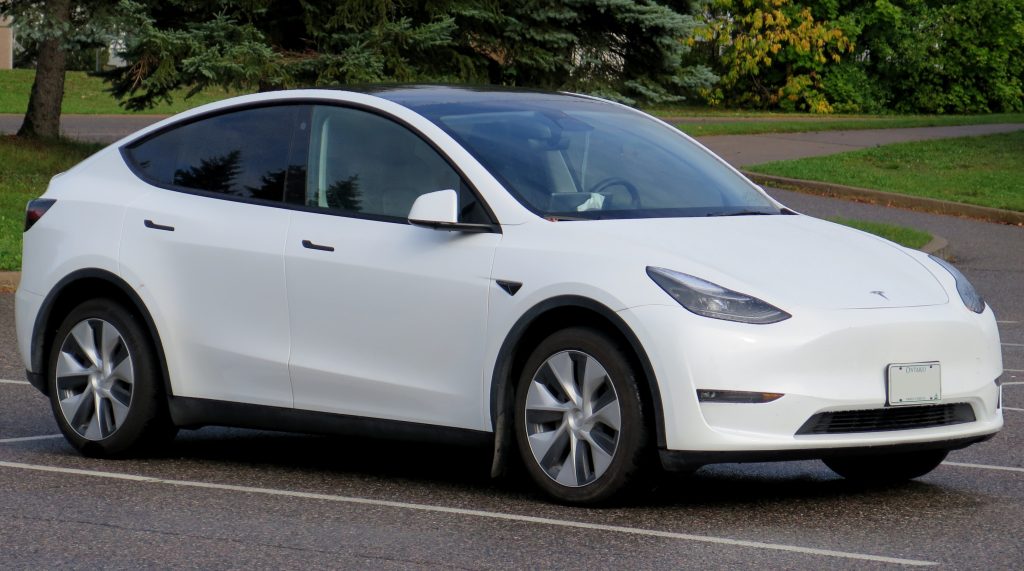
Owners who expected the brand alone to guarantee exceptional value retention learned an expensive lesson. Automotive reputation can shift quickly, especially in technology-driven markets where competition moves aggressively, and consumer perception changes faster than many people anticipate.
The Tesla Model Y shocked many owners by losing value far faster than expected. Aggressive price cuts from Tesla instantly lowered used market prices, leaving many buyers underwater on loans. Rapid EV technology improvements also made older Model Ys feel outdated sooner than traditional gasoline vehicles.
Pandemic-era pricing inflated expectations, convincing many people that Teslas would hold value unusually well for years. As the EV market became more competitive and Tesla lost some of its exclusivity, resale demand softened further.
The Model Y remains a capable and popular electric SUV, but financially, many owners discovered that modern EV depreciation can happen much faster than expected.
Also Read: 5 Cars That Beat A Tesla On A Road Trip And 5 That Don’t Stand A Chance
