
Most cars begin showing their age long before they reach 200,000 miles. Engines wear down, transmissions become unpredictable, interiors fall apart, and repair costs start outweighing the vehicle’s value.
Yet Toyota has built a reputation over decades for producing vehicles that continue to run reliably even after surpassing mileage numbers that would scare buyers away from most other brands.
What makes certain Toyotas special is not just engine durability. It is the complete package. The powertrains are designed conservatively, transmissions are often tuned for longevity instead of aggressive performance, and many components are engineered with long-term reliability in mind.
As a result, these vehicles frequently remain dependable far beyond what owners originally expected. Another reason high-mileage Toyotas still make sense is maintenance predictability.
Parts are widely available, mechanics know the platforms well, and common issues are usually well documented. That means even older models can remain affordable to keep on the road compared to luxury cars or overly complex modern vehicles.
Importantly, not every Toyota automatically becomes a smart purchase at high mileage. Condition, maintenance history, and ownership care still matter enormously.
A neglected Toyota can become expensive quickly. However, the models on this list have consistently shown an ability to survive years of use without developing catastrophic problems when maintained properly.
These vehicles also tend to age gracefully in terms of drivability. Many still feel mechanically solid after hundreds of thousands of miles. Doors close properly, engines remain smooth, and transmissions continue shifting consistently. That sense of durability is part of what keeps resale values surprisingly high even for older Toyotas.
Some of these models became favorites among taxi fleets, delivery drivers, and long-distance commuters specifically because they could handle relentless use without constant breakdowns. Others earned reputations for combining comfort and reliability so effectively that owners simply refused to sell them.
The Toyotas on this list are examples of vehicles that can still provide strong value even after crossing the 200,000-mile mark.
They prove that high mileage does not automatically mean high risk when the engineering is built around durability from the beginning. Below are eight used Toyotas that remain worth buying even with extremely high mileage.
Also Read: The Top 8 Honda Engines Ever Built, Ranked by Mileage Records
1. Toyota Land Cruiser (1998–2007)
The Toyota Land Cruiser from this era has become almost legendary for its ability to survive extreme mileage while remaining dependable. Many vehicles begin to feel worn out after 200,000 miles, but the Land Cruiser often feels like it is only halfway through its lifespan when properly maintained.
One of the biggest reasons for this durability is the engineering philosophy behind the vehicle. Toyota designed the Land Cruiser for global use, including harsh environments where reliability mattered more than luxury trends or cutting-edge technology. The engines were built conservatively, avoiding unnecessary stress and prioritizing long-term endurance.
The 4.7-liter V8 used in many models is known for smooth operation and remarkable longevity. Instead of chasing maximum performance, the engine focuses on consistency. It delivers steady power without feeling strained, which helps reduce wear over time. Many examples continue running quietly and reliably well past 300,000 miles.
Another major advantage is the strength of the drivetrain and chassis. The transmission, transfer case, and suspension components were engineered to handle off-road conditions and heavy loads. This overbuilt nature means that normal daily driving places relatively little stress on the vehicle compared to what it was designed to endure.
Interior durability also deserves recognition. Even older high-mileage Land Cruisers often maintain solid cabin quality. Seats, switches, and trim pieces tend to hold up better than those in many luxury SUVs from the same period. This helps the vehicle continue feeling substantial even after years of use.
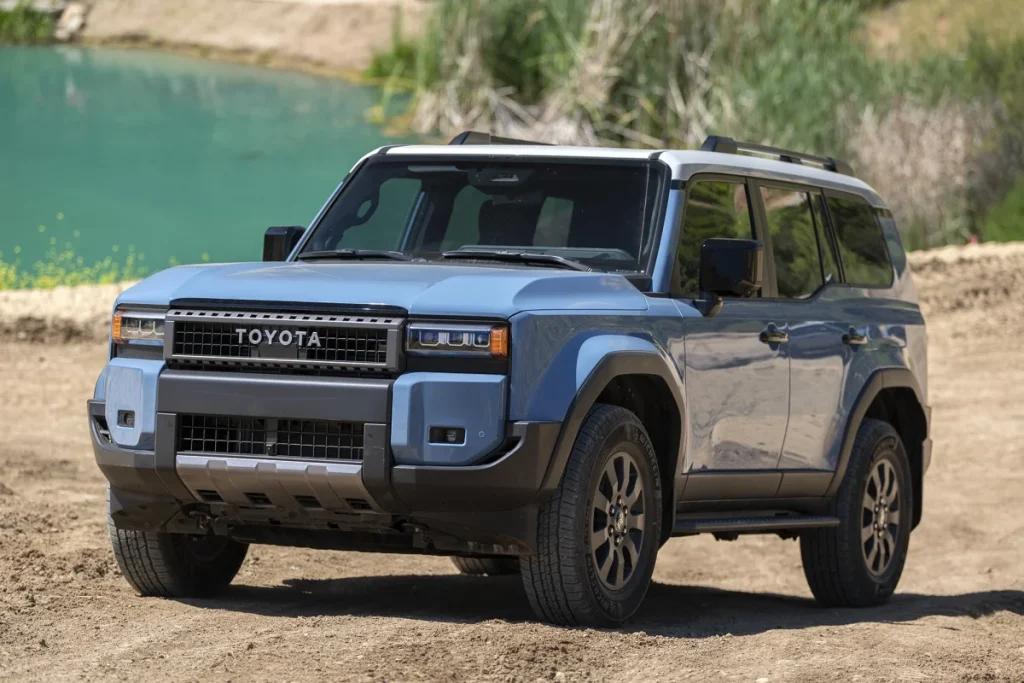
Maintenance history matters greatly with any high-mileage SUV, but the Land Cruiser rewards owners who stay consistent with servicing. Oil changes, timing belt replacements, and suspension upkeep allow these vehicles to remain dependable for decades.
Another reason buyers continue seeking out high-mileage Land Cruisers is predictability. The platform is extremely well known among mechanics and enthusiasts, making repairs and preventative maintenance more manageable than in many modern luxury SUVs filled with fragile electronics.
Driving one today still reveals why the model developed such a loyal following. The ride feels stable, the engine remains smooth, and the body structure stays impressively solid even after years of use. Many newer SUVs may offer more features, but few feel as durable.
Fuel economy is not the Land Cruiser’s strongest quality, but buyers interested in these vehicles usually prioritize longevity above efficiency. They are willing to accept higher fuel costs in exchange for unmatched reliability and capability.
The Toyota Land Cruiser proves that some vehicles are engineered for decades rather than years. Even at 200,000 miles, a properly maintained example can still provide dependable transportation and exceptional durability.
2. Toyota Camry (2007–2011)
The Toyota Camry from this generation became one of the most trusted high-mileage sedans for a simple reason. It consistently delivered dependable transportation without demanding constant attention or expensive repairs. Even after crossing 200,000 miles, many examples continue operating with surprising smoothness.
Unlike performance-oriented sedans that place stress on engines and transmissions, the Camry was engineered with durability and efficiency in mind. The four-cylinder engines especially earned strong reputations for longevity because they avoided excessive complexity while still providing enough power for daily driving.
One of the key strengths of this generation is consistency. The engine, transmission, steering, and suspension all age gradually rather than developing sudden catastrophic failures. Owners often notice small maintenance needs over time instead of major breakdowns, which helps keep long-term ownership costs manageable.
Another important factor is maintenance accessibility. Repairs are relatively straightforward, parts remain affordable, and almost every mechanic is familiar with the platform. This widespread familiarity makes keeping a high-mileage Camry on the road much easier compared to vehicles with more specialized systems.
Fuel economy also remains competitive even by modern standards. Buyers searching for affordable transportation often appreciate that the Camry can continue delivering strong efficiency numbers despite its age and mileage.
Interior durability contributes to the car’s lasting value, too. While the cabin design may appear simple compared to newer sedans, many materials hold up well over time. Controls remain functional, seats stay comfortable, and the full driving experience continues feeling practical rather than outdated.
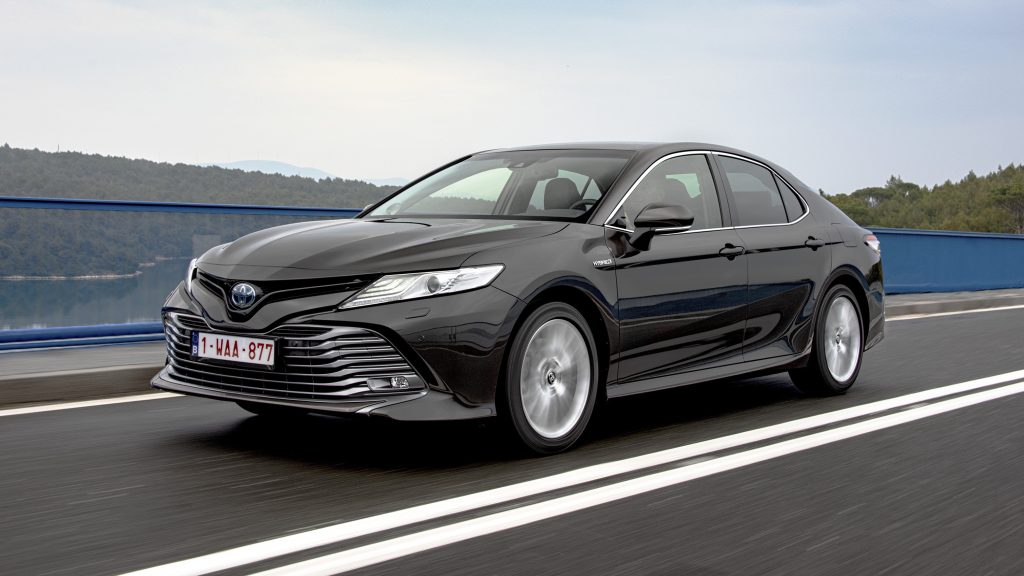
Ride quality is another reason these cars age gracefully. The suspension tuning focuses on comfort and predictability rather than aggressive handling. Even with high mileage, many Camrys still provide smooth and relaxed highway driving.
The automatic transmissions in well-maintained examples are also known for dependable operation. They may not shift with sporty quickness, but they usually prioritize smoothness and long-term reliability instead.
Another subtle advantage is how stress-free the ownership experience tends to be. Drivers rarely buy a Camry expecting excitement. They buy one because it starts reliably, runs consistently, and keeps operating year after year with minimal drama.
The Toyota Camry from this era became popular among commuters, taxi drivers, and families precisely because it could handle heavy use without constant problems. That reputation continues today in the used market.
At 200,000 miles, many cars begin feeling risky and unpredictable. A properly maintained Camry often feels reassuringly familiar instead, which is exactly why so many buyers still consider it a smart purchase at extremely high mileage.
3. Toyota Tacoma (2005–2015)
The Toyota Tacoma built its reputation through durability that borders on unbelievable. While many midsize trucks begin showing serious wear after years of hauling, towing, and rough driving, the Tacoma often continues operating with remarkable consistency even after passing 200,000 miles.
Part of its appeal comes from simplicity. Toyota engineered this truck with proven mechanical components rather than chasing unnecessary complexity.
The available four-cylinder and V6 engines are both known for longevity, especially when owners stay consistent with basic maintenance. Oil changes, cooling system care, and routine servicing go a long way in keeping these trucks dependable for decades.
The 4.0-liter V6 deserves particular attention because of its reputation for reliability under heavy use. It delivers strong low-end torque without constantly feeling stressed, which helps preserve engine life over time. Many examples continue running smoothly well beyond mileage numbers that would scare buyers away from other trucks.
Another major advantage is chassis durability. The Tacoma was designed to handle off-road driving and work-related abuse, meaning regular commuting places relatively little strain on the platform. Suspension components, drivetrain parts, and body structure tend to hold up impressively well when maintained properly.
High-mileage Tacomas also maintain strong resale value because buyers trust the platform. Even older examples with significant mileage continue attracting interest, especially when maintenance records are available. That level of confidence is rare in the used truck market.
The interior may not feel luxurious, but it ages surprisingly well. Controls remain straightforward, seating stays functional, and the cabin avoids the excessive electronic complexity that can create expensive problems in newer trucks.
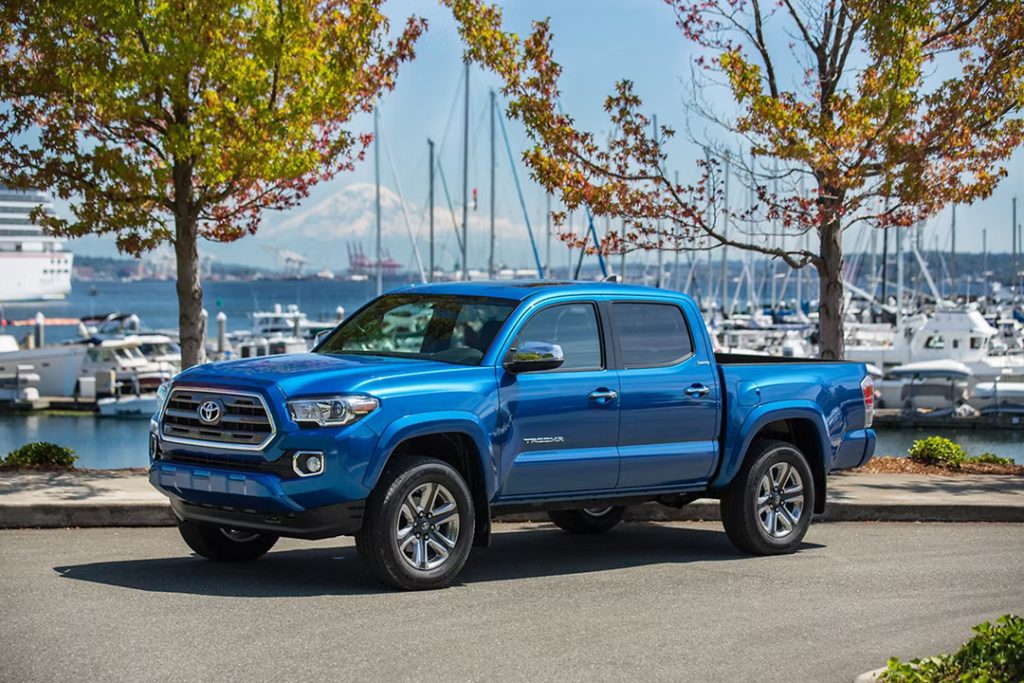
Another reason the Tacoma remains worth buying at high mileage is repair predictability. Common issues are well documented, parts are widely available, and mechanics know the platform thoroughly. Owners rarely face the kind of mysterious electrical problems or fragile technology failures that affect some modern pickups.
Driving a high-mileage Tacoma often reveals how solid the truck still feels. Steering remains predictable, the drivetrain stays composed, and the body structure avoids the loose feeling that develops in many aging trucks.
Fuel economy is not exceptional compared to smaller crossovers, but Tacoma buyers usually prioritize dependability and versatility above maximum efficiency. They value a truck that can continue handling demanding use year after year.
The Toyota Tacoma became one of the most respected midsize trucks because it consistently delivered long-term reliability without unnecessary drama. At 200,000 miles, a properly maintained example still has the potential to provide years of dependable service.
4. Toyota Avalon (2005–2012)
The Toyota Avalon from this period remains one of the most underrated high-mileage sedans on the used market. While the Camry often receives more attention, the Avalon quietly built a reputation for exceptional comfort, smoothness, and long-term dependability that allows many examples to remain excellent purchases even after crossing 200,000 miles.
The foundation of this durability starts with the powertrain. Toyota paired the Avalon with a proven V6 engine known for smooth performance and impressive longevity. Unlike smaller turbocharged engines common in modern sedans, this naturally aspirated setup delivers power without placing excessive stress on internal components.
What makes the Avalon especially appealing at high mileage is how gracefully it ages. Many older sedans begin feeling noisy, rough, or structurally tired over time. The Avalon often retains a calm and refined driving experience long after other vehicles start showing serious wear.
Ride comfort plays a major role in that reputation. The suspension tuning prioritizes smoothness and highway stability, making long drives feel relaxed even in older examples. Many owners are surprised by how composed these cars still feel despite significant mileage.
Another important factor is interior durability. Seats remain comfortable, controls continue functioning properly, and cabin materials generally hold up well when cared for. The design may appear conservative, but it was built with long-term usability in mind rather than short-term trends.
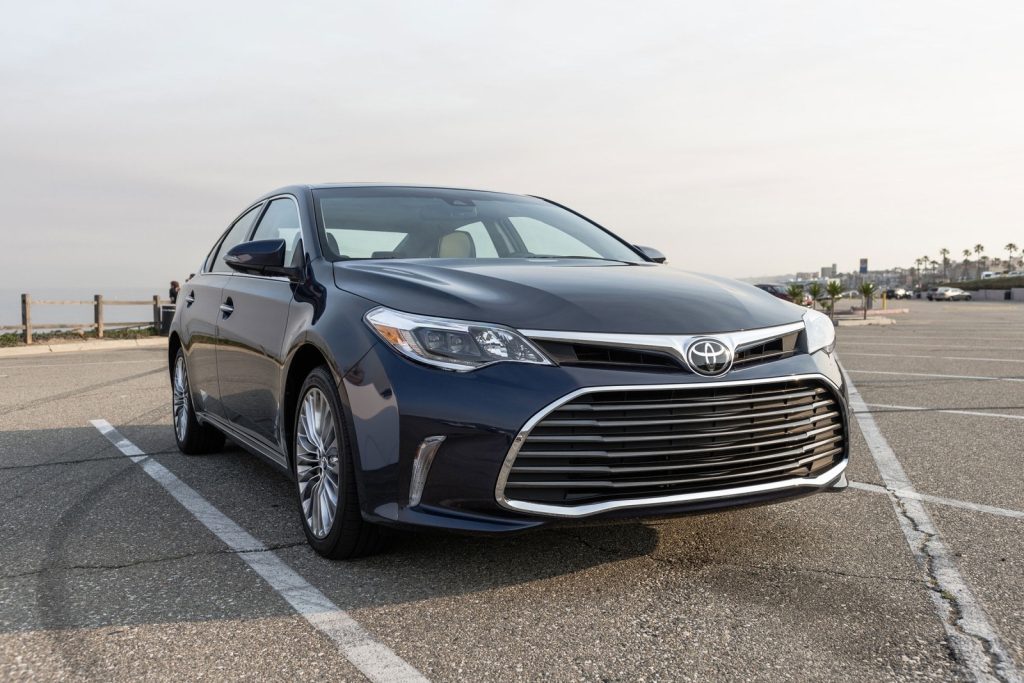
Transmission reliability also contributes heavily to the Avalon’s appeal. The automatic gearbox focuses on smooth operation rather than aggressive performance, which helps reduce wear and maintain consistent behavior over time.
Maintenance costs remain relatively manageable because the Avalon shares many components with other Toyota products. Parts availability is strong, and most mechanics are familiar with the platform. This accessibility makes ownership less intimidating for buyers considering a high-mileage luxury-oriented sedan.
Another subtle strength is quietness. Even after years of use, many Avalons still provide excellent cabin isolation compared to newer economy-focused sedans. That refinement helps the car continue feeling more expensive than its age might suggest.
Owners who maintain these vehicles properly often keep them for extremely long periods because the ownership experience remains dependable and stress-free. The car rarely demands constant repairs or attention, which is exactly what many buyers want in an older sedan.
The Toyota Avalon proves that comfort and reliability can coexist extremely well. Even with more than 200,000 miles, a properly maintained example can still deliver smooth, quiet, and dependable transportation for years to come.
5. Toyota 4Runner (2003–2009)
The Toyota 4Runner from this generation became one of the most trusted long-term SUVs because it was engineered with durability as the main priority rather than short-term trends. Even after crossing 200,000 miles, many examples continue operating with the same dependable character that made them popular when new.
One reason these SUVs age so well is the body-on-frame construction. Unlike many crossovers that prioritize lighter weight and softer road manners, the 4Runner was built using truck-based engineering designed to handle heavy use and rough conditions.
Daily driving places relatively little stress on a platform originally intended for towing, off-road driving, and long-term durability.
The available V6 and V8 engines both earned strong reputations for longevity. The V8 especially became known for smooth operation and the ability to accumulate extremely high mileage without major internal issues. Instead of chasing maximum performance numbers, Toyota tuned these engines conservatively, which helps reduce wear over time.
Another major advantage is drivetrain strength. Transmissions, transfer cases, and suspension components were built to survive demanding conditions, meaning normal commuting often feels easy for the vehicle. Many owners report that their 4Runners still drive confidently after years of use with only routine maintenance.
Interior quality also contributes to the SUV’s lasting appeal. Materials may not appear luxurious by modern standards, but they tend to withstand years of wear surprisingly well. Controls remain functional, seats stay supportive, and the cabin avoids excessive electronic complexity.
Off-road capability is another reason buyers continue seeking out high-mileage examples. The 4Runner remains genuinely capable on difficult terrain, which separates it from many newer SUVs that focus more heavily on styling and technology than rugged durability.
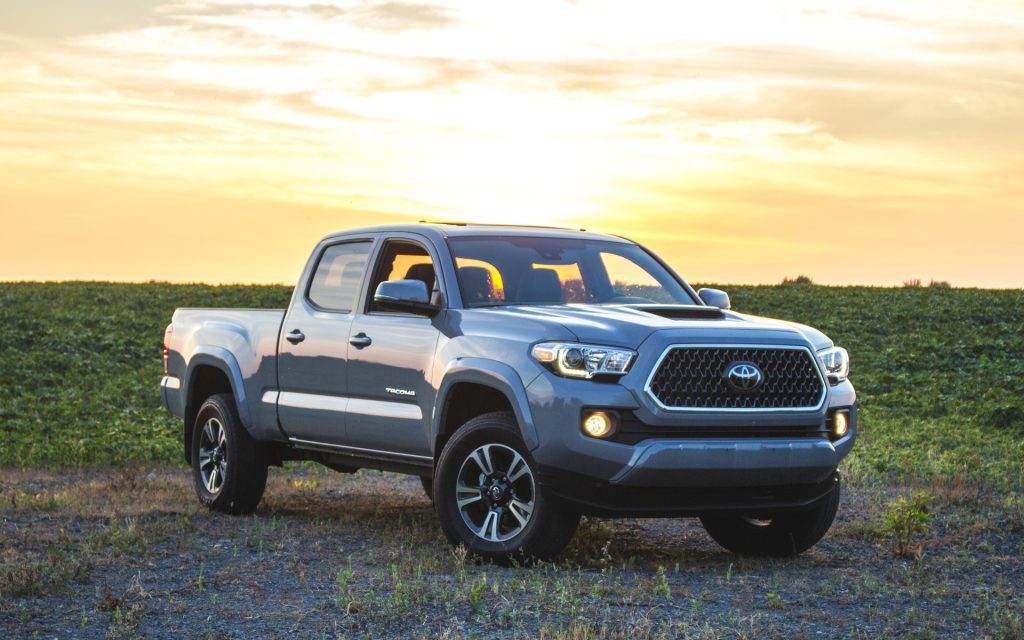
Maintenance predictability helps ownership feel manageable, too. Common repairs are well understood, replacement parts remain widely available, and mechanics are familiar with the platform. This lowers the risk of unexpected repair nightmares often associated with older SUVs.
The driving experience remains solid even at high mileage. Steering feels stable, the chassis avoids excessive flex, and the vehicle maintains a planted highway presence. Many owners are surprised by how tight these SUVs continue feeling after years of use.
Fuel economy is not its strongest area, but buyers usually accept that tradeoff in exchange for reliability and capability. The 4Runner appeals to people who value longevity more than maximum efficiency.
The Toyota 4Runner became one of the most respected SUVs of its era because it consistently delivered dependable performance under difficult conditions. At 200,000 miles, a properly maintained example still has the potential to provide years of reliable service.
6. Toyota Prius (2004–2009)
The second-generation Toyota Prius changed how many people viewed hybrid vehicles. At a time when some buyers worried about battery lifespan and long-term reliability, the Prius quietly proved that a properly engineered hybrid could remain dependable even after extremely high mileage.
One of the biggest surprises for many owners is how durable the hybrid system actually is. The gasoline engine and electric motor work together efficiently, reducing strain on each component. Because the electric motor assists during acceleration and low-speed driving, the gasoline engine often experiences less wear compared to traditional compact cars.
Battery longevity became one of the Prius’s strongest arguments. While hybrid battery replacement remains a concern for some buyers, many original batteries lasted far longer than expected. Even when replacements eventually become necessary, the cost is often offset by years of excellent fuel savings and reduced mechanical wear.
Another reason the Prius remains worth buying at high mileage is drivetrain simplicity. Unlike many modern vehicles filled with complicated turbocharging systems and performance tuning, the Prius focuses entirely on efficiency and smooth operation. This conservative engineering approach contributes heavily to long-term dependability.
The continuously variable transmission system also avoids the harsh shifting and wear patterns found in traditional automatics. Since the hybrid drivetrain manages power delivery differently, many Prius models continue operating smoothly well beyond 200,000 miles.
Interior practicality adds to the car’s appeal. The hatchback layout provides useful cargo space, and the cabin design focuses on functionality rather than unnecessary complexity. Many materials hold up surprisingly well despite years of daily commuting use.
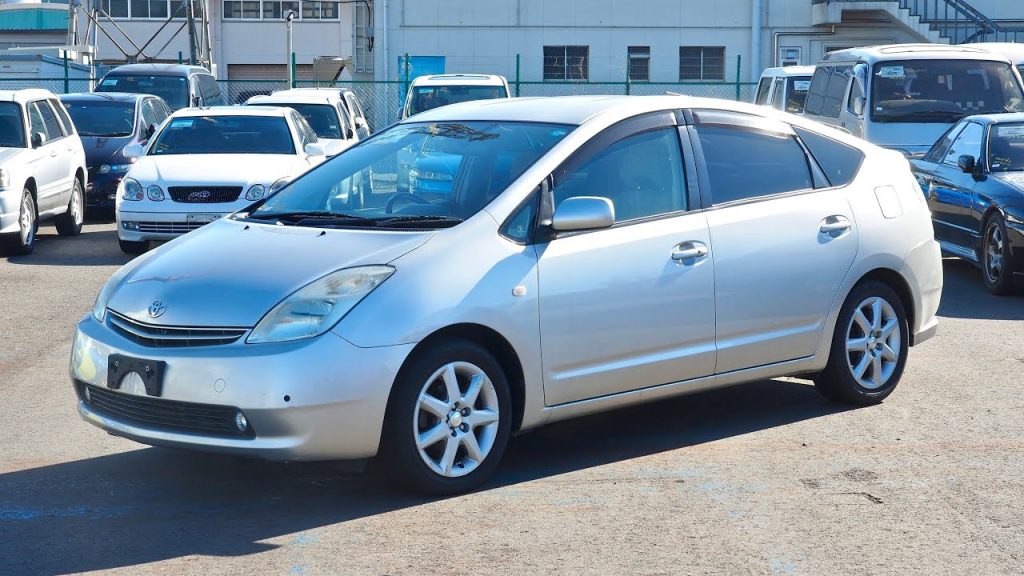
Maintenance costs also tend to remain manageable. Brake wear is reduced because regenerative braking assists with slowing the car, and routine servicing requirements are generally straightforward. Mechanics have become increasingly familiar with the Prius platform over the years, making repairs less intimidating.
Another subtle strength is reliability and consistency. The Prius rarely aims to impress with performance or luxury. Instead, it focuses on dependable transportation with minimal drama. That predictability is exactly why so many owners continue driving these cars far beyond typical mileage expectations.
Driving a high-mileage Prius today often reveals how well the platform holds together. The drivetrain remains smooth, fuel economy stays impressive, and the vehicle continues performing its intended role efficiently.
The Toyota Prius proved that hybrid vehicles could achieve remarkable durability when engineered carefully. Even with more than 200,000 miles, a properly maintained example can still provide economical and dependable transportation for years to come.
7. Toyota Sequoia (2001–2007)
The first-generation Toyota Sequoia became one of the most durable full-size SUVs of its era because it borrowed heavily from Toyota’s truck engineering philosophy.
Built on a platform related to the Tundra pickup, the Sequoia was designed to handle towing, heavy loads, and long-term family use without developing the major reliability issues that often affect aging large SUVs.
At the center of its reputation is the 4.7-liter V8 engine. This power plant earned widespread respect for its smooth operation and remarkable durability.
Instead of being pushed aggressively for maximum output, the engine was tuned conservatively, allowing it to maintain reliability even after extremely high mileage. Many examples continue running quietly and confidently far beyond 200,000 miles.
Another major strength is structural durability. The body-on-frame construction gives the Sequoia a solid feel that tends to hold up well over time. Even older examples often avoid the loose or unstable driving character that develops in many aging SUVs.
The transmission also contributes to the vehicle’s long lifespan. Gear changes are smooth and predictable, prioritizing durability instead of sporty behavior. This relaxed tuning helps reduce wear on drivetrain components during years of towing and highway use.
Interior practicality remains another reason buyers continue considering these SUVs despite their age. The cabin is spacious, the seating is comfortable, and the controls are refreshingly simple compared to modern SUVs overloaded with digital systems. Fewer electronics often means fewer expensive surprises later in life.
Maintenance accessibility plays an important role, too. Parts remain widely available, and most independent mechanics understand Toyota truck platforms well. This makes ownership less intimidating for buyers considering a high-mileage full-size SUV.
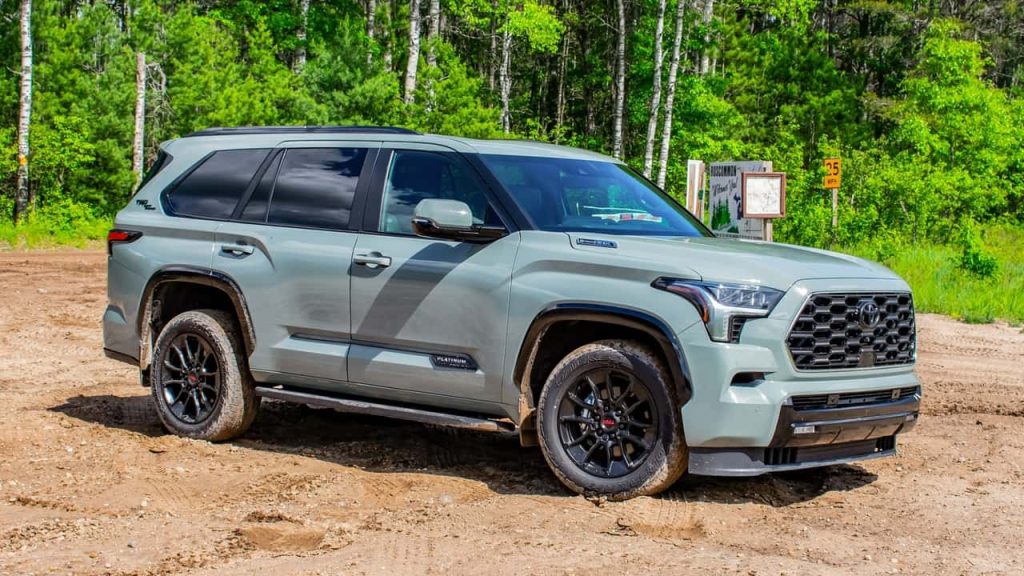
Another reason the Sequoia ages gracefully is how well it handles long-distance driving. Highway stability remains excellent, and the suspension absorbs rough pavement with confidence. Many owners continue using these SUVs for road trips even after years of heavy use.
Fuel economy is certainly not a highlight, but buyers interested in the Sequoia usually prioritize reliability, passenger space, and towing capability above efficiency. They value a vehicle that can continue operating dependably rather than one focused solely on fuel savings.
The Toyota Sequoia became trusted by large families and long-term owners because it consistently delivered dependable service without excessive drama. Even after crossing 200,000 miles, a properly maintained example can still provide strong reliability and everyday usability.
8. Toyota Corolla (2003–2008)
The Toyota Corolla from this generation built its reputation through simplicity, consistency, and durability. While it never tried to be sporty or luxurious, it became one of the most dependable compact cars ever produced, which is exactly why so many high-mileage examples remain worth buying today.
The four-cylinder engine is one of the biggest reasons for that reputation. Toyota engineered it for efficiency and longevity rather than aggressive performance. Because the engine avoids excessive stress, many Corollas continue operating smoothly after hundreds of thousands of miles with only routine maintenance.
Another major advantage is mechanical simplicity. Compared to newer vehicles packed with turbochargers, advanced electronics, and complicated driver assistance systems, this Corolla remains refreshingly straightforward. Fewer complex systems often translates directly into fewer expensive failures over time.
The automatic transmissions in these cars are also known for predictable long-term behavior. They may not shift quickly or feel sporty, but they usually remain reliable when serviced properly. Many owners report remarkably trouble-free operation even at extremely high mileage.
Fuel economy remains impressive despite the car’s age. Buyers looking for inexpensive transportation often appreciate that the Corolla can still deliver efficient daily commuting without requiring hybrid technology or costly repairs.
Interior durability deserves recognition, too. Materials are simple, but they generally withstand years of use well. Controls stay functional, seats remain comfortable enough for daily driving, and the cabin avoids the fragile feeling found in some older compact cars.
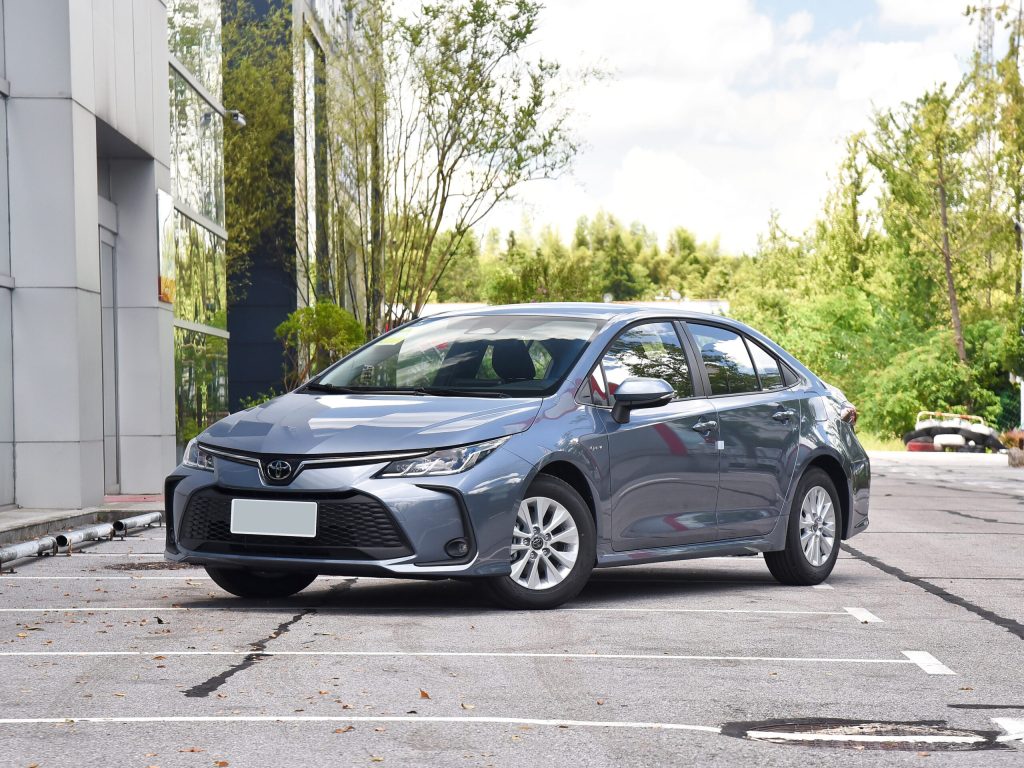
Another subtle strength is ownership cost predictability. Replacement parts are affordable, mechanics know the platform thoroughly, and repairs are usually straightforward. This makes the Corolla particularly attractive to buyers who want reliable transportation without financial surprises.
The driving experience focuses entirely on consistency and ease of use. Steering feels light and predictable, visibility remains good, and the suspension provides a comfortable ride for everyday commuting. The car does not attempt to impress with excitement, which actually helps it age more gracefully.
Corollas from this period also became popular among delivery drivers, commuters, and students because they could tolerate constant use without major reliability concerns. That reputation continues to influence the used market today.
The Toyota Corolla succeeded because it stayed focused on durability and practicality above all else. At 200,000 miles, a properly maintained example can still provide years of dependable service, making it one of the smartest high-mileage used car purchases available.
Also Read: 8 Trucks Where the Frame Doesn’t Rust in New England Winters
