
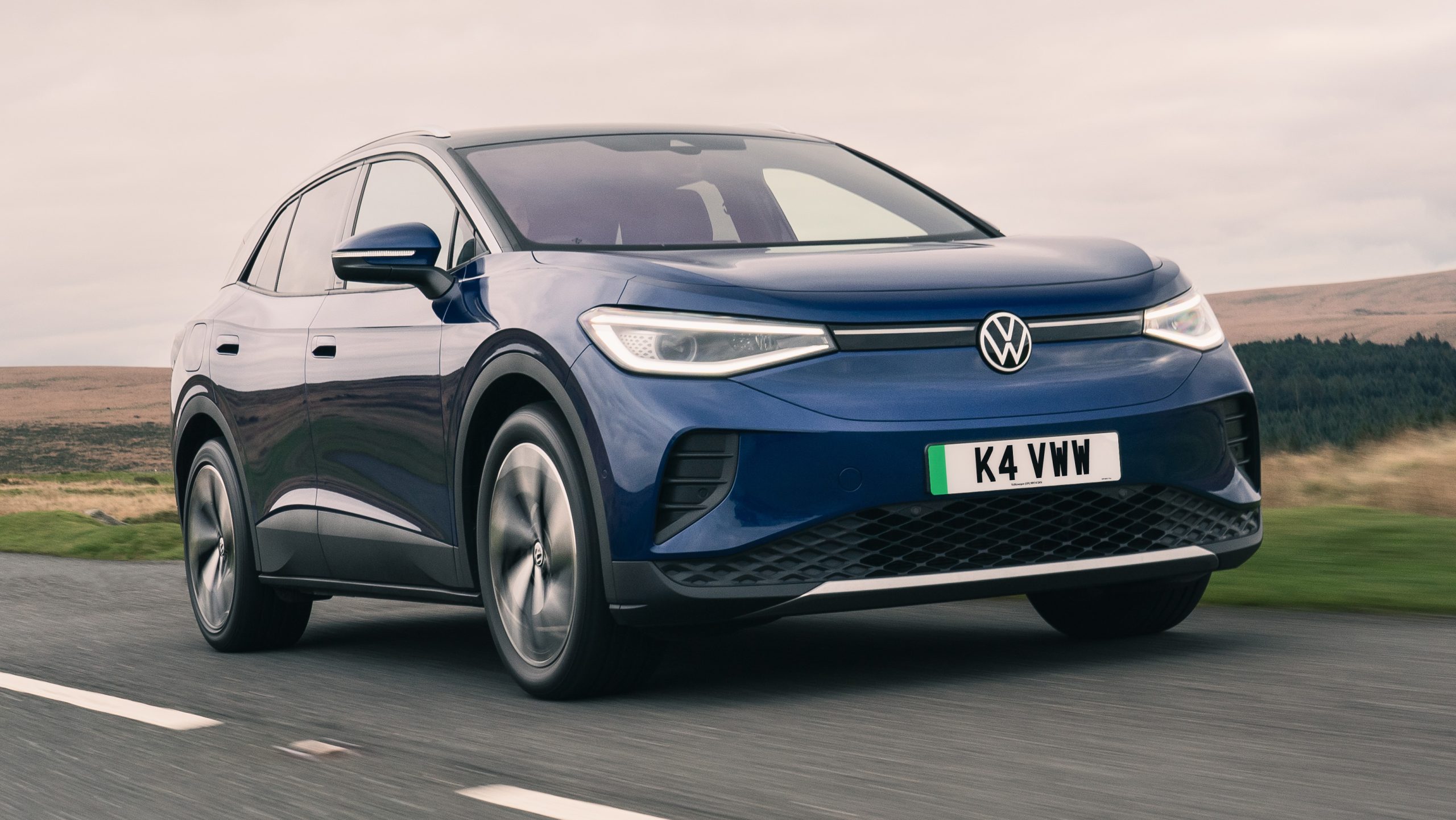
Volkswagen has spent decades building an image centered around European engineering, refined driving dynamics, and premium design without luxury brand pricing. For many buyers, the brand represented a middle ground between mainstream affordability and upscale sophistication.
Volkswagens often looked more polished than rivals, offered interiors with a distinctly German feel, and delivered road manners that appealed to drivers wanting something more engaging than the average commuter car.
Yet despite these strengths, Volkswagen continues struggling with a problem that refuses to disappear. Dependability rankings repeatedly place the company near the bottom of the industry, and the 2026 charts intensified concerns further.
While some competitors steadily improved long-term reliability records, Volkswagen remained trapped in familiar territory involving costly repairs, electronic glitches, inconsistent quality control, and expensive maintenance expectations.
This creates frustration because Volkswagen vehicles frequently make excellent first impressions. They often drive beautifully, feel solid on the highway, and provide features that appear far more expensive than their price tags suggest.
Buyers enter ownership expecting a refined European experience at a reasonable cost. The trouble usually begins after years of use when repair bills start climbing, and small issues begin piling up.
Part of the problem is perception versus reality. Volkswagen markets many of its products as practical and accessible, which encourages buyers to compare them against dependable mainstream brands.
In reality, maintaining a Volkswagen often requires more attention, more specialized service, and higher repair costs than many owners anticipate. Consumers expecting Japanese-style reliability frequently feel blindsided by ownership expenses that arrive later.
Another issue involves complexity. Volkswagen aggressively embraced turbocharging, advanced electronics, dual-clutch transmissions, and sophisticated software systems long before many mainstream rivals.
These technologies improved performance and efficiency, but also introduced more opportunities for failures as vehicles aged. What initially felt modern and impressive sometimes became expensive and frustrating outside warranty coverage.
The company’s reputation also suffered because reliability concerns stretched across multiple generations rather than isolated incidents.
Certain engines, electrical systems, and transmission designs repeatedly generated complaints, reinforcing the idea that Volkswagen never fully solved its long-term durability weaknesses.
This does not mean every Volkswagen becomes unreliable or financially disastrous. Many owners genuinely love their cars and appreciate the driving experience enough to tolerate higher maintenance demands. The problem is broader consistency.
Dependability charts measure how reliably vehicles perform across large ownership groups, and Volkswagen continues struggling to deliver the trouble-free long-term experience buyers increasingly expect from modern vehicles.
The reasons behind the disappointing rankings involve engineering choices, maintenance realities, customer expectations, and brand strategy, all colliding at once. Understanding those factors explains why Volkswagen remains trapped near the bottom despite producing vehicles that often feel far more premium than their reliability scores suggest.
Also Read: Volkswagen Reduces Capacity to 9 Million Cars as Restructuring Deepens
1. Volkswagen’s Engineering Philosophy Prioritises Refinement Over Simplicity
One of the biggest reasons Volkswagen struggles in dependability rankings is the company’s long-standing engineering philosophy. Volkswagen designs many of its vehicles to feel refined, responsive, and technologically advanced, even in relatively affordable segments.
That approach creates attractive products initially, but it also introduces complexity that can become problematic as vehicles age.
Many mainstream automakers focus heavily on proven simplicity. They often use conservative engineering solutions specifically to minimize long-term repair risks.
Volkswagen tends to take a different path. The company embraced turbocharged small-displacement engines, dual-clutch transmissions, intricate suspension tuning, and advanced electronic systems earlier and more aggressively than several competitors.
On the surface, this strategy works brilliantly. Volkswagens frequently feel more upscale than rivals during test drives.
Steering response feels tighter, interiors appear more sophisticated, and powertrains deliver stronger low-end torque compared to naturally aspirated competitors. Buyers notice these traits immediately because they create a sense of premium engineering.
The downside appears later. Turbocharged engines operate under higher stress than simpler naturally aspirated designs. They rely heavily on proper maintenance and precise thermal management.
When owners neglect oil changes or cooling system care, expensive problems can develop faster than expected. Mainstream buyers accustomed to forgiving maintenance schedules often underestimate how sensitive some Volkswagen powertrains can become over time.
Electronics create another challenge. Volkswagen vehicles frequently include extensive software integration and complex control modules managing everything from infotainment systems to climate controls and driver assistance features.
While these systems improve comfort and functionality, they also create more potential failure points compared to simpler vehicle architectures.
Repair accessibility adds to the frustration. Many Volkswagen components require specialized diagnostic tools and brand-specific knowledge.
Independent mechanics can service these vehicles successfully, but repairs often demand more expertise than comparable mainstream cars. Owners expecting inexpensive long-term maintenance discover that German engineering frequently comes with German repair costs.
Dual-clutch transmissions symbolize the issue perfectly. Volkswagen popularized this technology because it delivers quick shifting performance and excellent efficiency.
When functioning properly, these transmissions feel responsive and sophisticated. However, certain designs developed reputations for jerky behavior, expensive repairs, and long-term durability concerns under specific driving conditions.
The company’s engineering priorities make sense from a driving enthusiast perspective. Volkswagen wants its vehicles to feel distinctly European rather than purely utilitarian. The problem is that dependability rankings reward durability, consistency, and low ownership stress more than driving character.
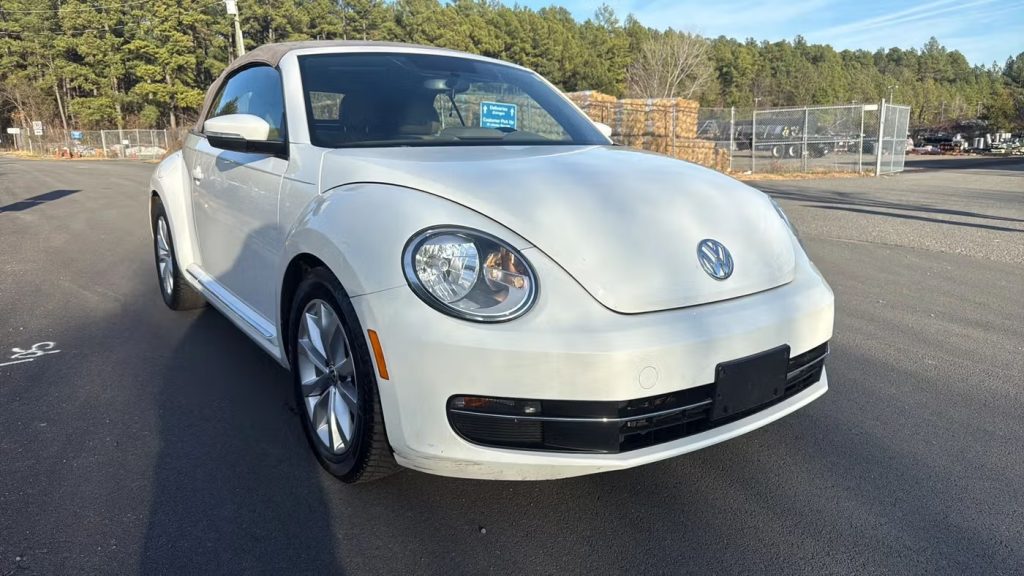
Consumers may love how a Volkswagen feels during the first few years, but frustration grows when maintenance costs rise, and small problems accumulate. The same engineering choices that create premium impressions early in ownership often contribute directly to weaker long-term reliability performance later.
2. Electrical Problems Continue Damaging Volkswagen’s Reputation
Ask longtime Volkswagen owners about reliability frustrations, and electrical problems appear in the conversation constantly.
Few issues damage consumer confidence faster than unpredictable electronics because these problems can be difficult to diagnose, inconsistent in behavior, and surprisingly expensive to repair. Unfortunately for Volkswagen, electrical complaints have followed the brand across multiple generations and vehicle categories.
Modern vehicles depend heavily on electronics, so Volkswagen is not alone in facing software and electrical challenges. The difference is consistency. Volkswagen developed a reputation for glitches involving infotainment systems, warning lights, sensors, power accessories, and communication modules more frequently than many mainstream competitors.
Some problems sound minor initially. A touchscreen freezes unexpectedly, dashboard alerts appear randomly, or connectivity systems behave inconsistently.
Yet repeated electronic annoyances slowly erode owner confidence because they create uncertainty about the vehicle’s long-term stability. Drivers begin questioning whether larger failures might appear later.
The frustration intensifies because electrical problems rarely remain isolated. A single faulty module can trigger unrelated warning messages or interfere with multiple systems simultaneously. Owners sometimes spend large amounts of money diagnosing issues that appear intermittent or difficult to reproduce consistently.
Volkswagen’s aggressive push toward digital integration increased the challenge further. Modern cabins rely heavily on touch-sensitive controls, software-driven interfaces, and interconnected electronic systems.
While these features create sleek interiors and modern user experiences, they also reduce mechanical simplicity. When software behaves unpredictably, basic daily functions can become irritating quickly.
Sensor-related complaints have also contributed to poor dependability scores. Modern Volkswagens use extensive sensor networks to monitor engine performance, emissions systems, safety features, and driver assistance technologies.
These systems improve efficiency and functionality when operating correctly, but failures can trigger expensive troubleshooting processes.
Another issue involves repair costs associated with electronic systems. Replacing modules, recalibrating software, and diagnosing communication faults often require dealership-level equipment. Labor expenses climb quickly because technicians must spend time tracing electrical behavior instead of replacing simple mechanical parts.
Owners frequently describe the experience as death by a thousand cuts rather than catastrophic failure. A Volkswagen may continue driving while small electrical annoyances keep appearing throughout ownership.
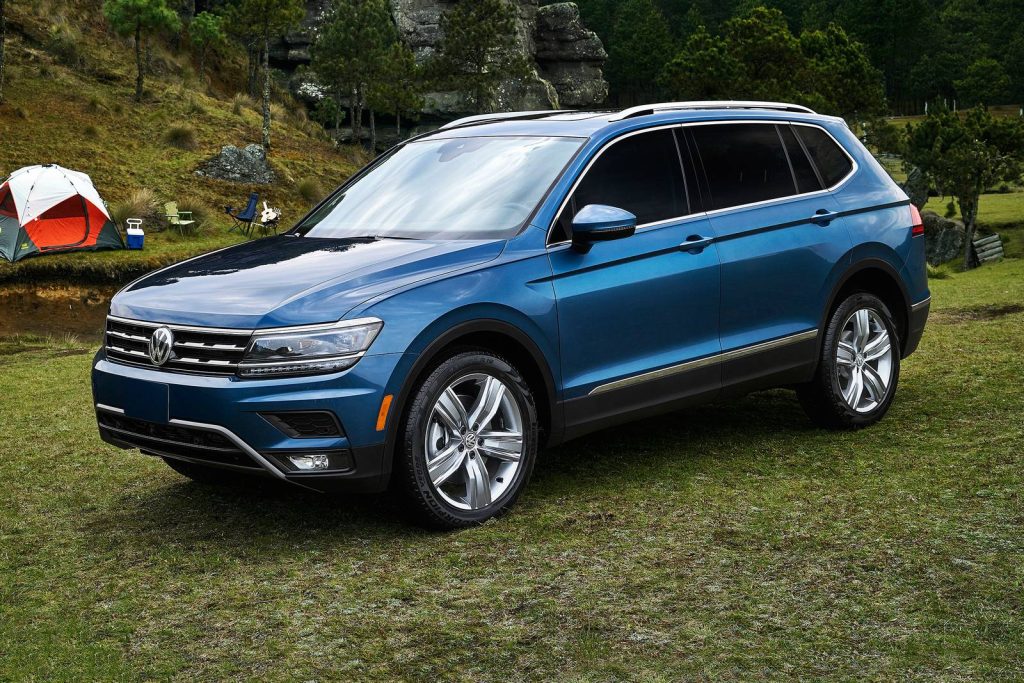
That pattern hurts dependability rankings because surveys measure owner satisfaction and reported problems, not merely whether a vehicle becomes completely inoperable.
Weather aging can worsen these issues, too. Moisture intrusion, wiring degradation, and connector corrosion sometimes create strange intermittent faults years into ownership. Vehicles loaded with electronics become increasingly sensitive to the age-related complications.
Volkswagen’s challenge is partly psychological as well. Once a brand gains a reputation for electrical gremlins, owners become hyperaware of every warning light or software hiccup. Small glitches that might feel tolerable in another vehicle reinforce existing fears inside a Volkswagen.
The company continues improving software architecture and digital systems, but public trust rebuilds slowly. Years of electronic frustrations left a lasting impression on dependability surveys, helping explain why Volkswagen continues struggling near the bottom despite advances in many other areas.
3. Maintenance Costs Shock Buyers Expecting Mainstream Ownership Expenses
One major reason Volkswagen performs poorly in dependability discussions is not just the number of problems owners face but the financial impact attached to those problems.
Many consumers purchase Volkswagens expecting affordable mainstream ownership because the vehicles compete directly against brands like Toyota, Honda, Hyundai, and Nissan in pricing. The surprise comes later when maintenance and repair costs begin resembling entry-level luxury brands instead of budget-friendly commuters.
This mismatch between expectation and reality creates enormous frustration. Buyers often enter ownership attracted by stylish interiors, refined driving manners, and strong feature lists at competitive prices.
During the first years, the value proposition can appear excellent. The trouble starts once warranty coverage expires and repairs become the owner’s responsibility.
Volkswagen vehicles frequently require specialized fluids, specific maintenance procedures, and diagnostic tools unfamiliar to cheaper independent repair shops. Routine service costs rise quickly compared to simpler competitors. Oil changes, brake work, cooling system repairs, and transmission servicing often carry noticeably higher labor expenses.
Turbocharged engines contribute heavily to the issue. These engines can deliver strong performance and efficiency from small-displacement designs, but they demand disciplined maintenance.
Delayed oil changes or neglected cooling system service can create expensive long-term consequences. Owners accustomed to vehicles tolerating maintenance neglect sometimes discover Volkswagens are far less forgiving.
Parts pricing also frustrates many customers. European components often cost more than equivalent parts for mainstream Japanese or Korean brands. Even relatively minor repairs involving sensors, water pumps, ignition systems, or electronic modules can produce bills large enough to upset owners expecting economical transportation.
Labor complexity makes matters worse. Packaging inside many Volkswagen engine bays can create difficult repair access, increasing technician time during maintenance procedures. Jobs that appear straightforward on other vehicles sometimes require substantially more labor hours inside a Volkswagen.
This financial pressure becomes especially painful as vehicles age. A used Volkswagen may appear attractive because resale values drop faster than those of some competitors, creating affordable purchase prices on the secondhand market.
New owners often believe they found a bargain, only to discover the maintenance profile remains expensive despite lower used pricing.
Dependability rankings measure more than catastrophic failures. They also reflect how ownership stress affects consumers. Frequent smaller repairs combined with premium maintenance costs create dissatisfaction even when vehicles remain drivable.
Another complication involves consumer comparison. Volkswagen positions itself as an accessible brand, not a high-end luxury manufacturer. Buyers, therefore, compare ownership costs against dependable economy vehicles rather than German luxury sedans. When repair expenses exceed expectations repeatedly, disappointment becomes far more intense.
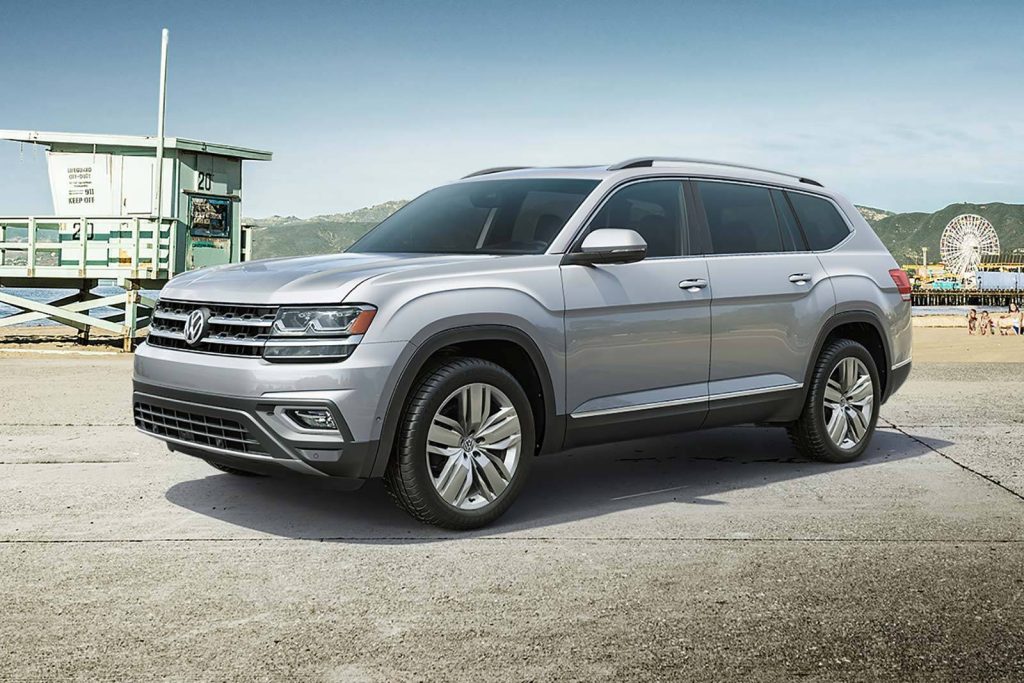
The irony is that many owners still love how their Volkswagens drive. They appreciate the highway stability, steering feel, cabin design, and European character. But dependability charts reward peace of mind and predictable ownership costs more than driving enjoyment.
Volkswagen’s problem is not simply that repairs happen. It is that many buyers never expected the financial side of ownership to become so demanding compared to the mainstream image the brand projects initially.
4. Volkswagen’s Reputation Suffers Because Competitors Improved Faster
Volkswagen’s dependability struggles appear even worse because the rest of the industry improved dramatically during the past decade.
Years ago, buyers often accepted reliability compromises from European brands because the driving experience and interior quality felt significantly superior to mainstream alternatives. That gap narrowed substantially as competitors evolved.
Japanese and Korean automakers especially transformed the market. Brands once criticized for bland interiors or uninspiring driving dynamics now produce vehicles with refined cabins, advanced technology, strong warranties, and impressive long-term durability. Consumers no longer need to sacrifice comfort or features simply to gain dependable ownership experiences.
This shift placed Volkswagen in an uncomfortable position. The company still builds vehicles emphasizing European refinement, but rivals now offer comparable technology and comfort while maintaining much stronger reliability records.
Buyers comparing ownership experiences increasingly ask whether Volkswagen’s advantages justify the additional risk and expense.
The SUV market demonstrates this clearly. Mainstream competitors improved ride quality, cabin quietness, infotainment systems, and safety technology rapidly.
Vehicles from Toyota, Honda, Hyundai, Kia, and Mazda now feel far more sophisticated than they did fifteen years ago. As the competition matured, Volkswagen lost part of the uniqueness that once helped offset dependability concerns.
Consumer expectations also changed. Modern buyers demand both technology and reliability simultaneously. Years ago, people tolerated occasional glitches because advanced features felt exciting and relatively new.
Today, buyers expect digital systems to function flawlessly. Software bugs, electrical issues, and warning light problems generate far less patience than they once did.
Volkswagen additionally faces perception challenges linked to past controversies and long-term reliability discussions. Once a brand develops a reputation for dependability, every new complaint reinforces existing beliefs. Competitors benefiting from strong reliability reputations receive more consumer forgiveness when isolated issues appear.
Another important factor involves ownership transparency. Social media, forums, and reliability surveys spread information instantly.
Problems that once stayed hidden inside local repair shops now circulate globally within hours. Volkswagen owners discussing electrical glitches, repair costs, or software frustrations continuously influence public perception online.
Meanwhile, competitors aggressively improved warranty coverage and customer support strategies. Long warranties from Korean automakers increased consumer confidence dramatically.
Japanese brands strengthened their reputations for low-maintenance ownership. Volkswagen struggled to counter those narratives effectively because dependability rankings continued to reflect owner dissatisfaction.
Residual values reveal this shift clearly. Reliable brands maintain stronger resale performance because buyers trust long-term ownership outcomes. Volkswagen depreciation often falls harder precisely because used buyers anticipate higher repair risks and maintenance expenses later.
The frustrating part for Volkswagen is that many of its vehicles remain genuinely appealing. They often deliver refined driving dynamics, mature styling, and upscale cabin environments that consumers enjoy immediately. Yet dependability rankings focus heavily on long-term consistency rather than first impressions.
Competitors improved reliability faster than Volkswagen solved its lingering weaknesses. That gap widened enough to leave the brand sitting near the bottom of 2026 dependability charts despite producing vehicles that still impress many drivers during the early ownership experience.
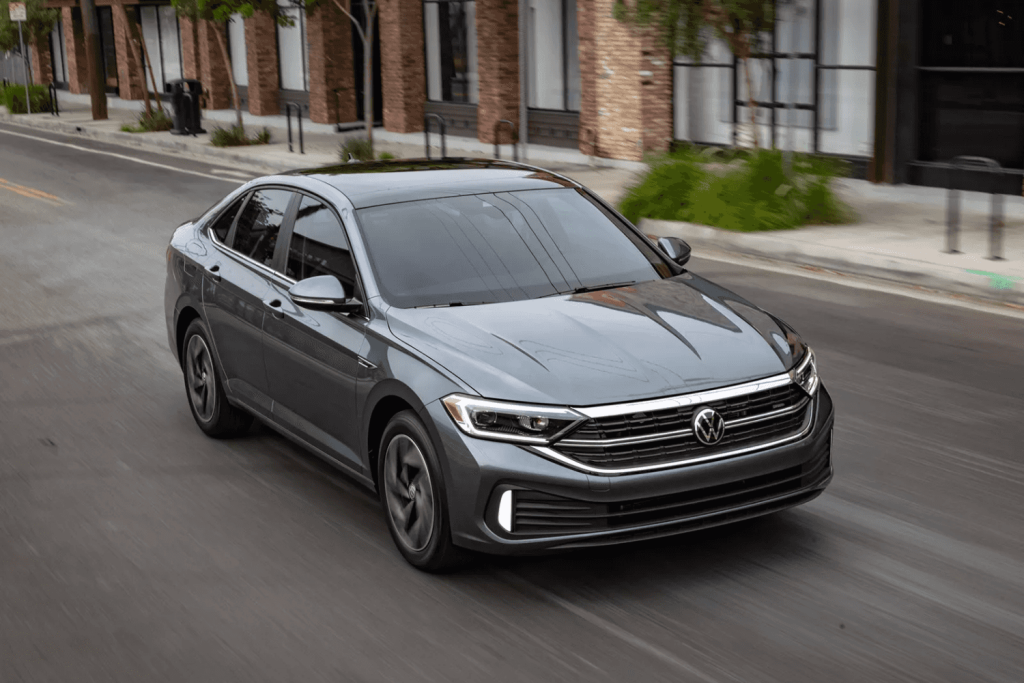
Volkswagen continues struggling in 2026 dependability rankings because the brand prioritizes refinement and advanced engineering more than long-term simplicity.
Turbocharged engines, complicated electronics, and sophisticated software systems create attractive driving experiences but often lead to higher maintenance costs and increased repair risks as vehicles age. Electrical glitches, sensor failures, infotainment issues, and expensive diagnostics have damaged owner confidence for years.
Another major problem is expectation. Buyers often assume Volkswagen ownership will feel similar to mainstream Japanese or Korean brands, only to discover repair costs closer to premium European vehicles.
At the same time, competitors improved dramatically in quality, technology, and reliability, reducing the advantages Volkswagen once held in driving feel and interior refinement.
Volkswagen still builds vehicles that many people enjoy driving, but dependability charts reward consistency, affordability, and low ownership stress more than style or road manners. Until the company solves its long-term reliability reputation and maintenance concerns, it will likely continue struggling near the bottom of industry dependability rankings.
Also Read: Volkswagen Rethinks Its EV Strategy After ID Models Fall Short
